
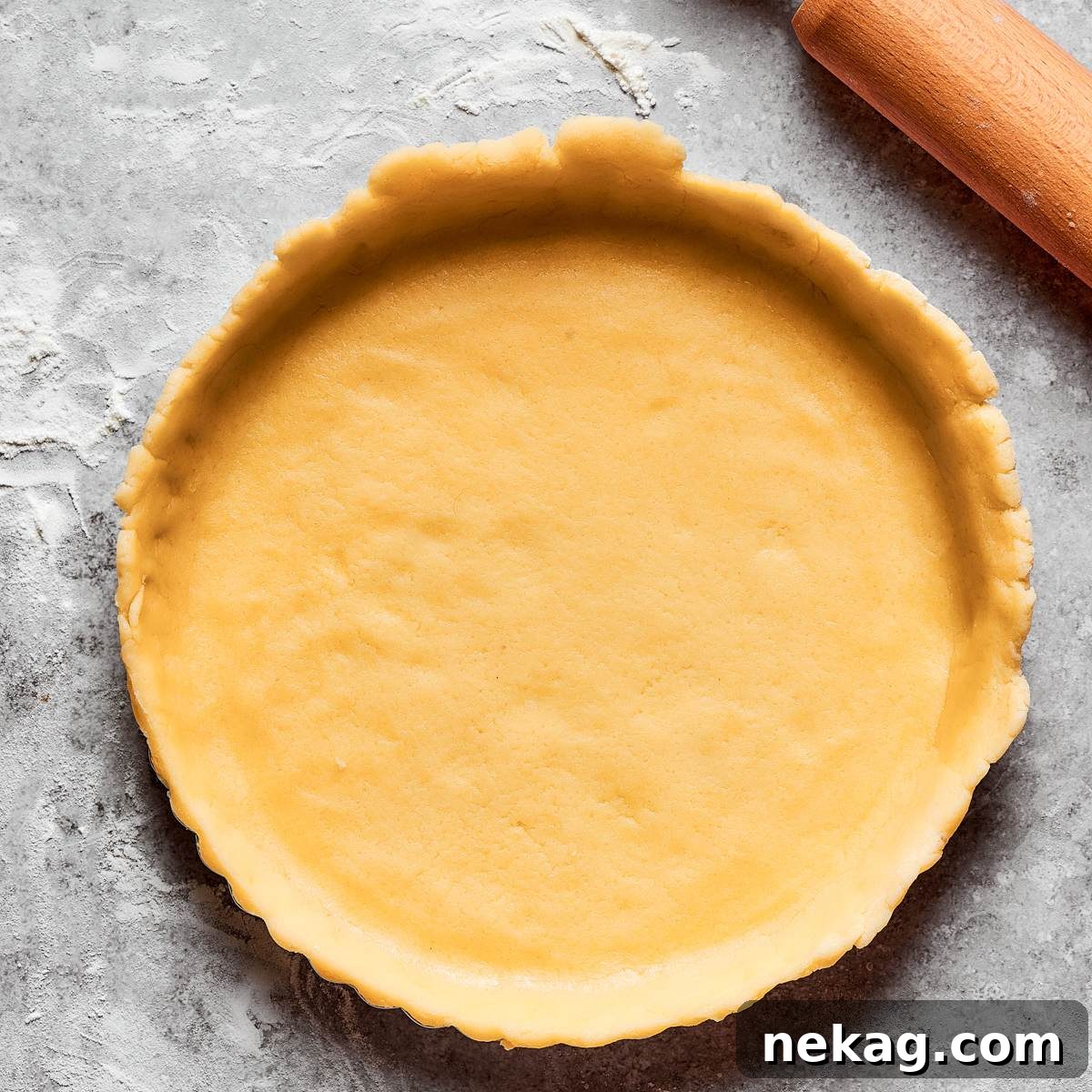
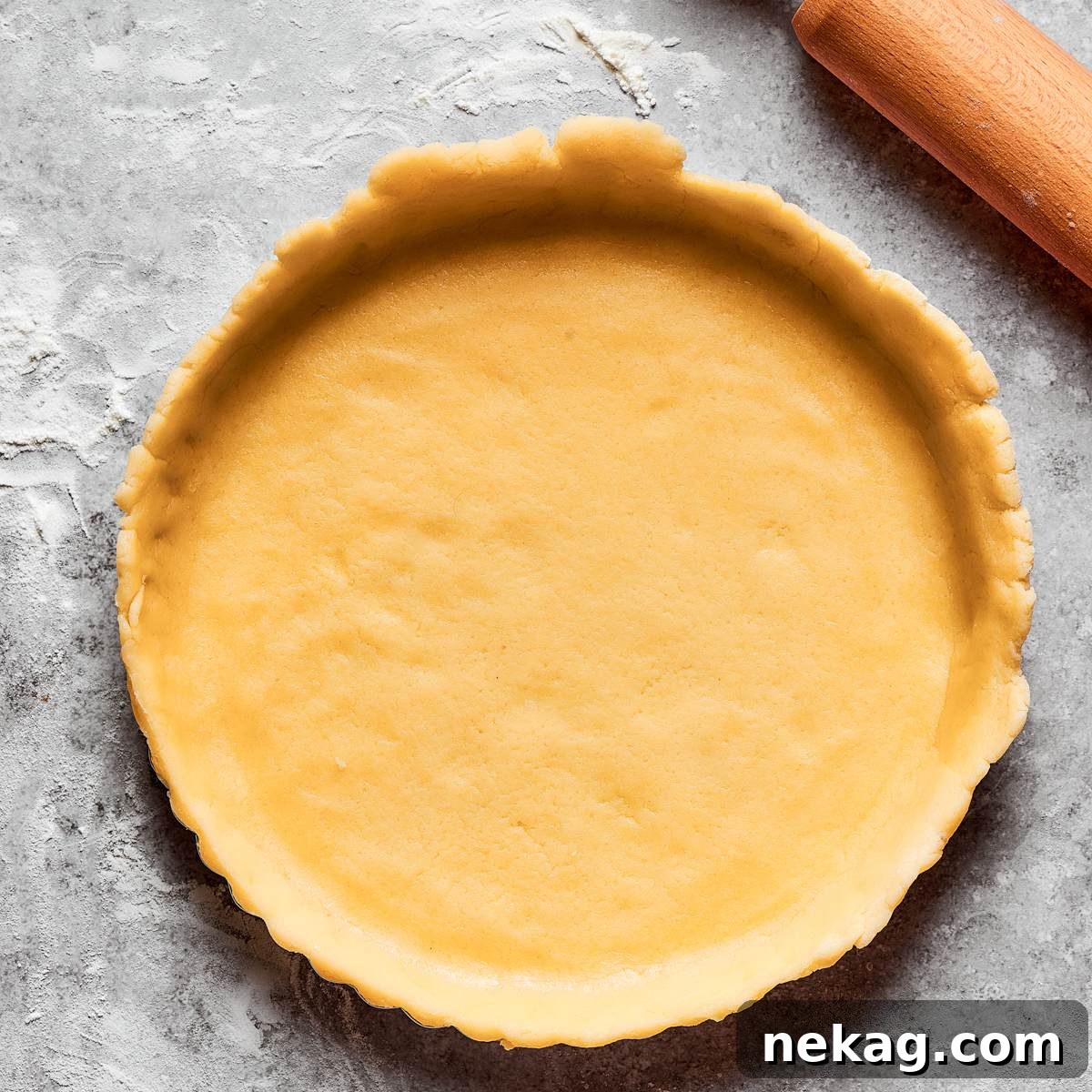
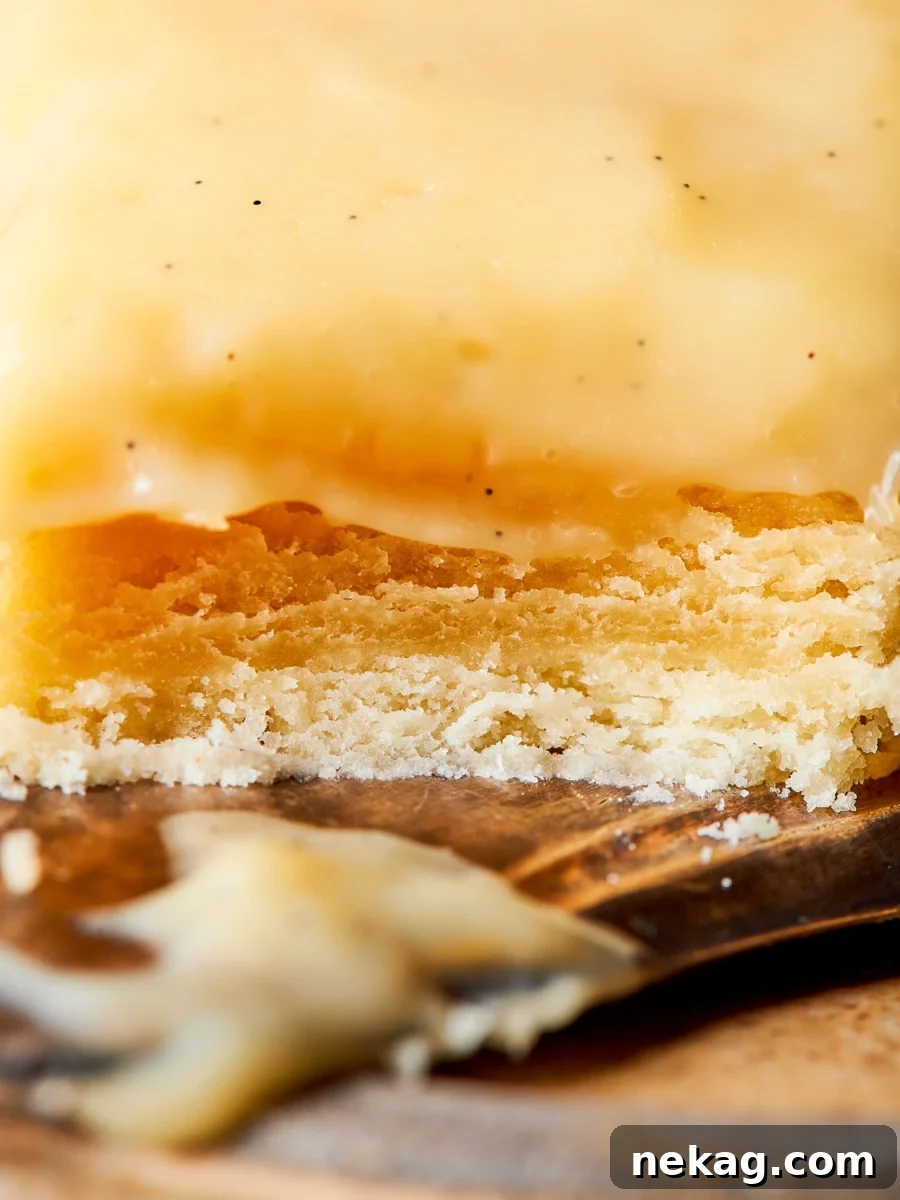
Pâte sablée is the French tart dough I reach for when I want a crust that is tender, rich, and that holds its shape through filling and slicing. The cut‑in method, executed in a stand mixer, gives an even, sandy texture without overworking the dough.
A Quick Look At The Recipe
This is a brief summary of the recipe. Jump to the recipe to get the full details.
Prep Time
20 minutes
Cook Time
2 hours 20 minutes
Chill Time
2 hours
Total Time
4 hours 40 minutes
Servings
24 people
Difficulty
Intermediate
Calories *
97 kcal per serving
Technique
Cut‑in method in a stand mixer; butter cut into dry ingredients before egg is added; dough chilled before rolling and use.
Flavor Profile
Buttery, sweet, rich, lightly vanilla‑scented.
* Based on nutrition panel
I have always used pâte brisée for all my tarts and pie and this dough really opened my eyes to what I was missing. The dough came together beautifully, and after chilling it rolled out without cracking at all. My tart shell held its shape perfectly through blind baking — no shrinking, no puffing. This is the only pâte sablée recipe I will use from now on. ⭐⭐⭐⭐⭐
Luke
Why This Recipe Works
- The cut‑in method creates a reliably tender crumb. Coating the flour with fat before adding any liquid limits gluten development. The result is a crust that stays tender and crumbly rather than tough.
- Homogenizing the eggs before adding them prevents uneven hydration. Whisking the eggs thoroughly before incorporating them ensures the liquid is distributed uniformly, preventing sticky patches and dry crumbles in the finished crust.
- Make‑ahead chilling builds structure and deepens flavor. Resting the dough in the refrigerator firms the fat and relaxes any tension in the gluten, so the crust holds its shape during blind baking and slices cleanly.
Table of Contents
- Why This Recipe Works
- Ingredients & Substitutions
- Variations on This Pâte Sablée
- Professional Tips
- How to Make Pâte Sablée
- Chef Lindsey’s Recipe Tip
- Recipe FAQs
- Pâte Sablée Recipe
- Before You Go
Pâte sablée is a foundational preparation that, once you understand it, changes how you approach tart and pastry shells. The sanding method and a proper chill are the keys to a short, tender crust that bakes cleanly and slices neatly.
This dough works beautifully with fruit tarts, cream fillings, and can even be adapted for savory quiche shells when you reduce the sugar. Once you master it, you’ll find many uses for its fine, short crumb.
Ingredients & Substitutions
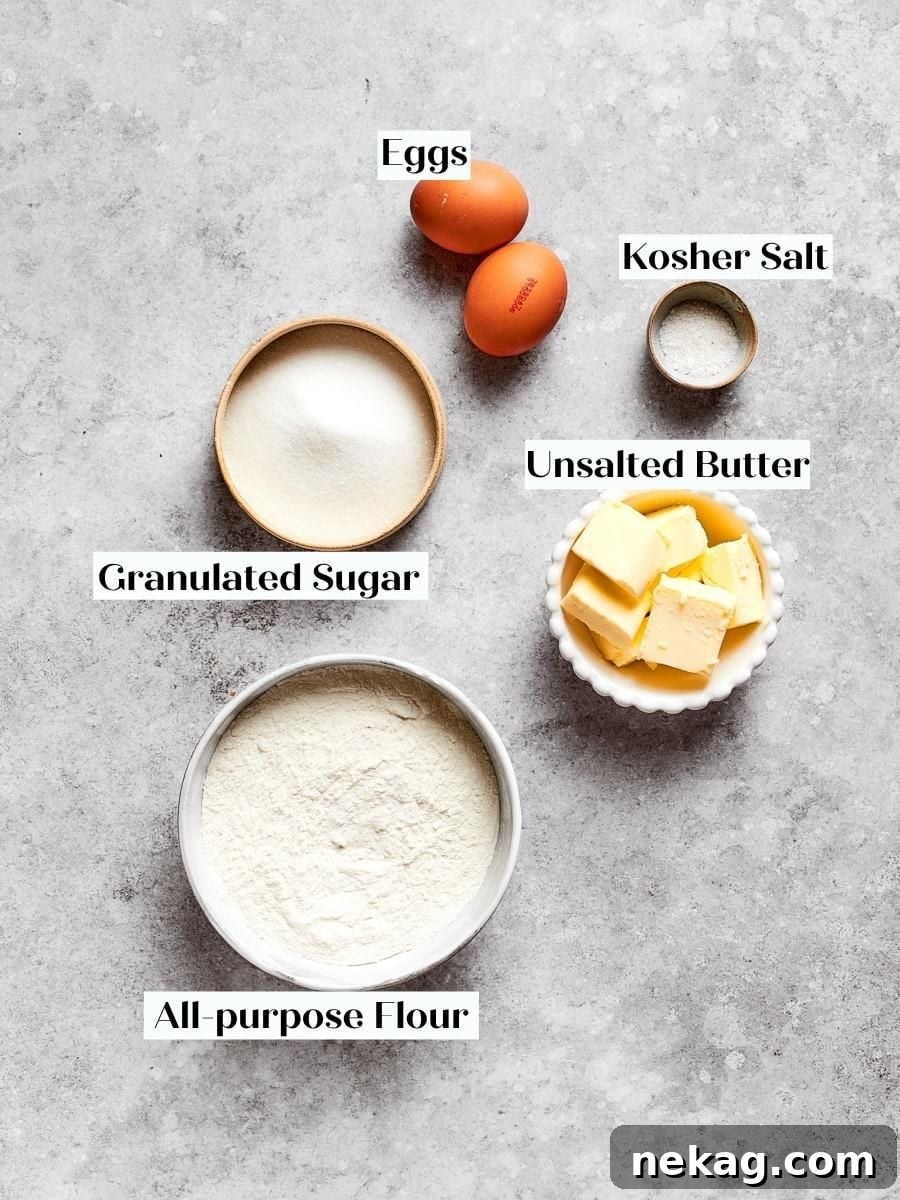
- All‑Purpose Flour: The structural backbone of pâte sablée, forming a delicate, short crumb. If you have pastry flour, use it 1:1 for a slightly lighter texture.
- Granulated Sugar: Sweetens the dough and interferes with gluten formation to produce a fine, sandy crumb. Sugar also helps browning for an even, golden shell.
- Unsalted Butter: Provides richness and the melt‑in‑the‑mouth texture that defines sablée. Use cold butter so it works evenly into the flour and sugar.
- Large Egg and Egg Yolk: The whole egg adds moisture and structure so the dough rolls and presses cleanly; the extra yolk increases tenderness and improves emulsification so the fat and liquid come together smoothly.
See the recipe card below for exact ingredient quantities.
Variations on This Pâte Sablée
- Chocolate Pâte Sablée — Replace about 20 g of all‑purpose flour with Dutch‑process cocoa powder for a chocolate shell that complements fruit or cream fillings. The method remains the same.
- Citrus Variation — Add finely grated zest of lemon or orange to the sugar before mixing. Let it sit briefly for the oils to aromatize the sugar for brighter flavor.
- Vanilla Bean Variation — Scrape the seeds of a split vanilla bean into the sugar and rub to disperse them for a deeper, more natural vanilla note than extract alone.
Professional Tips
- Whisk the eggs first. Adding unwhisked eggs can create pockets of uneven hydration. Whisk the whole egg and yolk until uniform before adding a small amount to the mixer.
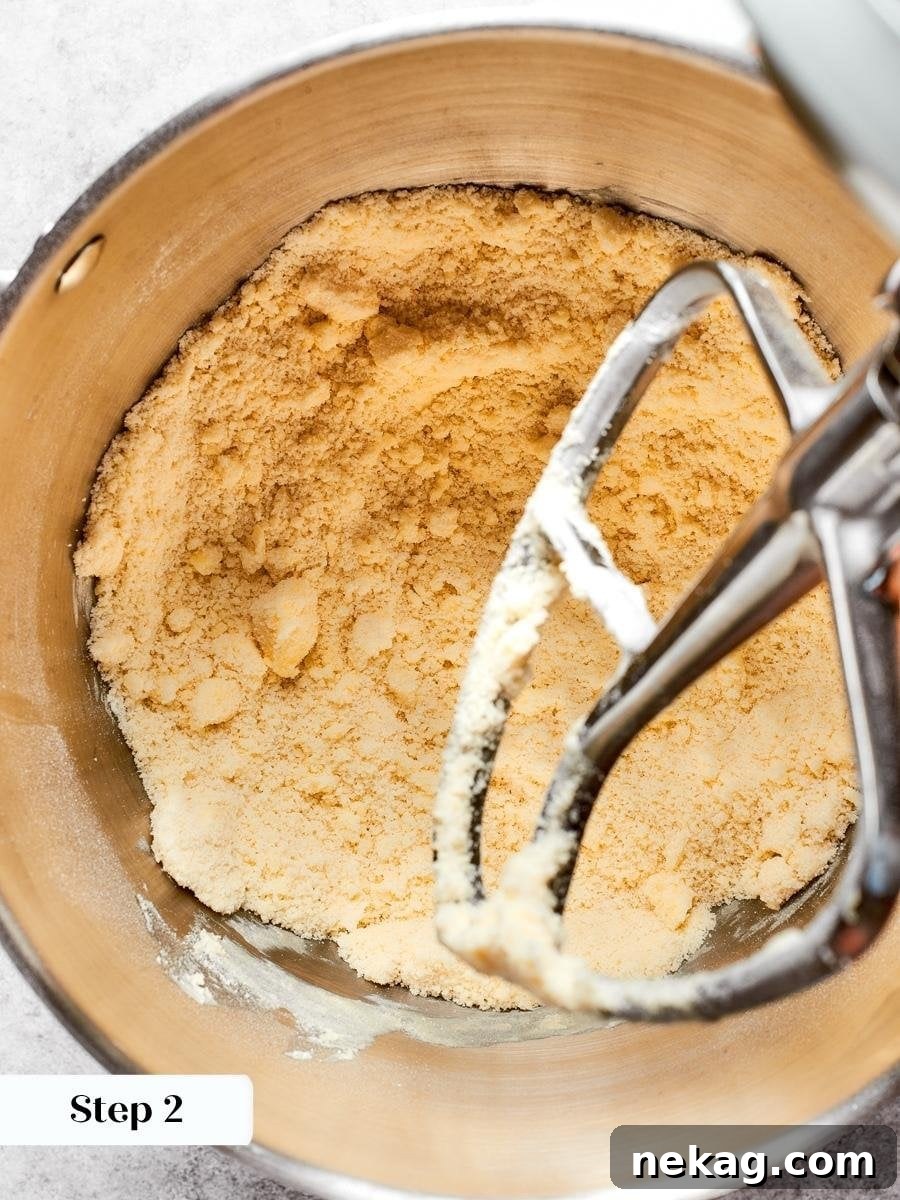
- Mix until the flour and butter resemble damp sand. If you can still see distinct butter pieces, keep mixing. Fully worked butter ensures even fat distribution and prevents cracking or uneven baking.
- Stop as soon as the dough comes together. Once the eggs are added and the dough forms a cohesive mass, stop mixing. Overmixing develops gluten and yields a tough crust.
- Chill longer than you think you need to. Two hours is the minimum; overnight is better. Well‑chilled dough rolls cleanly and holds its shape during blind baking.
How to Make Pâte Sablée
The sanding method and a proper chill make the difference between a tender, crisp shell and one that shrinks or toughens in the oven.
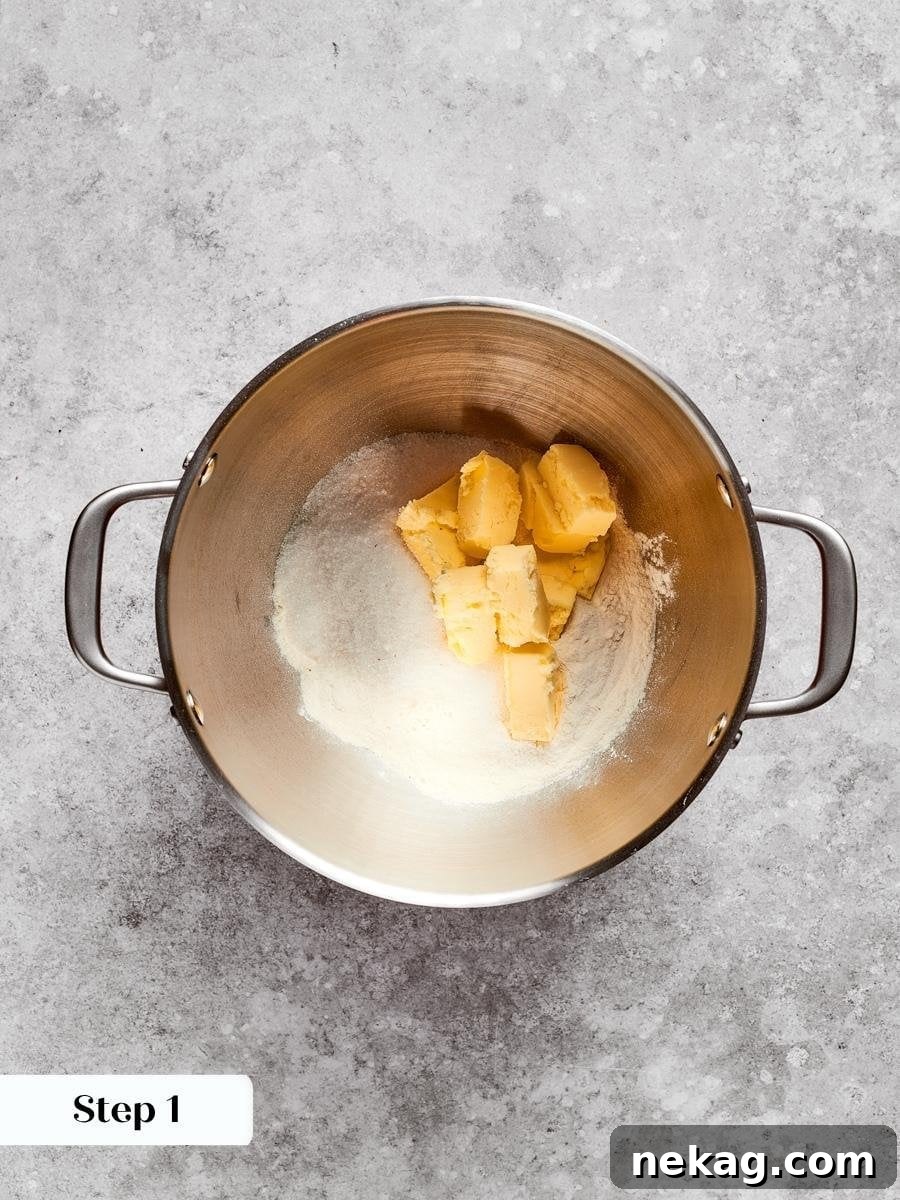
Step 1: Combine dry ingredients and butter. Add flour, sugar, salt, and cold butter to the bowl of a stand mixer fitted with the paddle attachment. Keep the butter cold; this is not the step for softened butter.
Step 2: Cut the butter in. Mix on low speed until no visible butter pieces remain and the mixture resembles damp sand. Press a small amount between your fingers to confirm it holds briefly and then breaks apart.
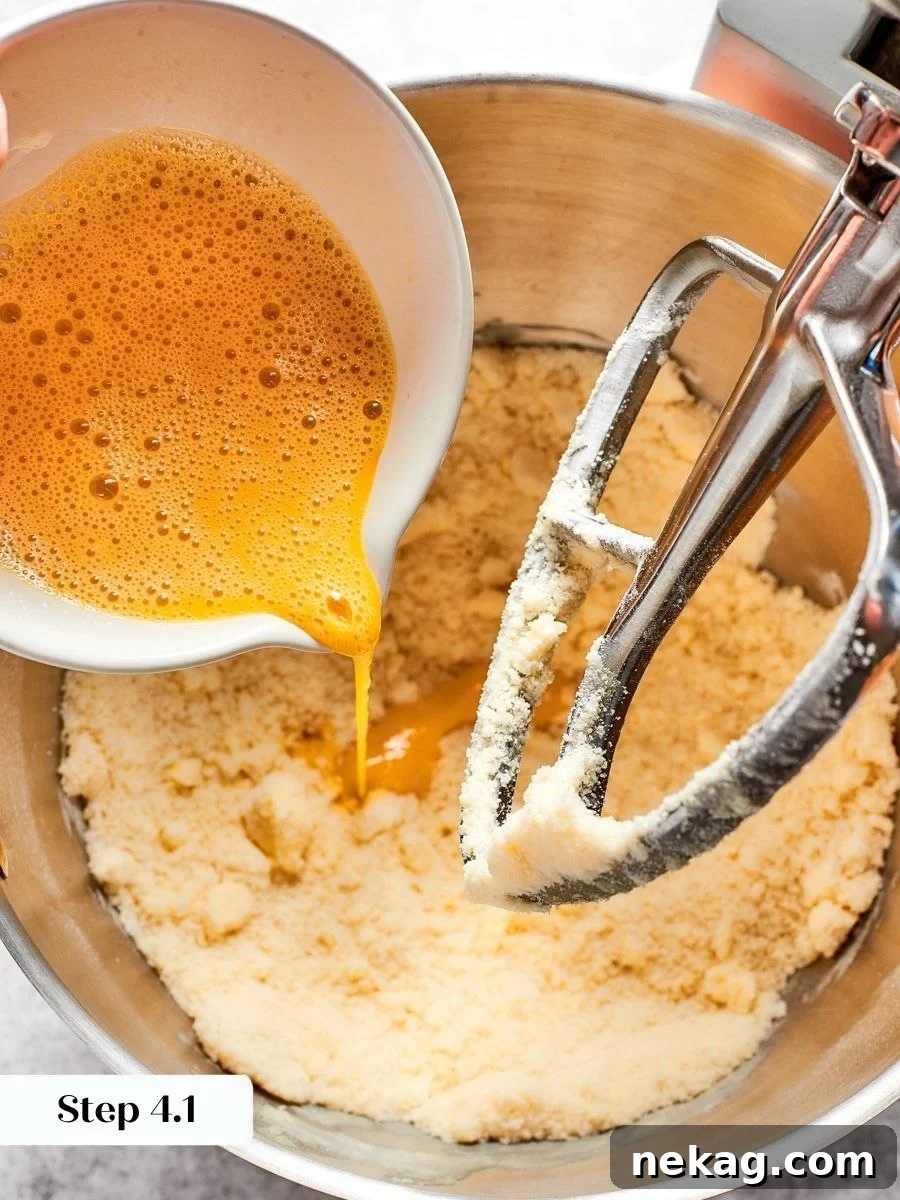
Step 3: Whisk the eggs until homogeneous. In a separate bowl, whisk the whole egg and yolk until no streaks remain.
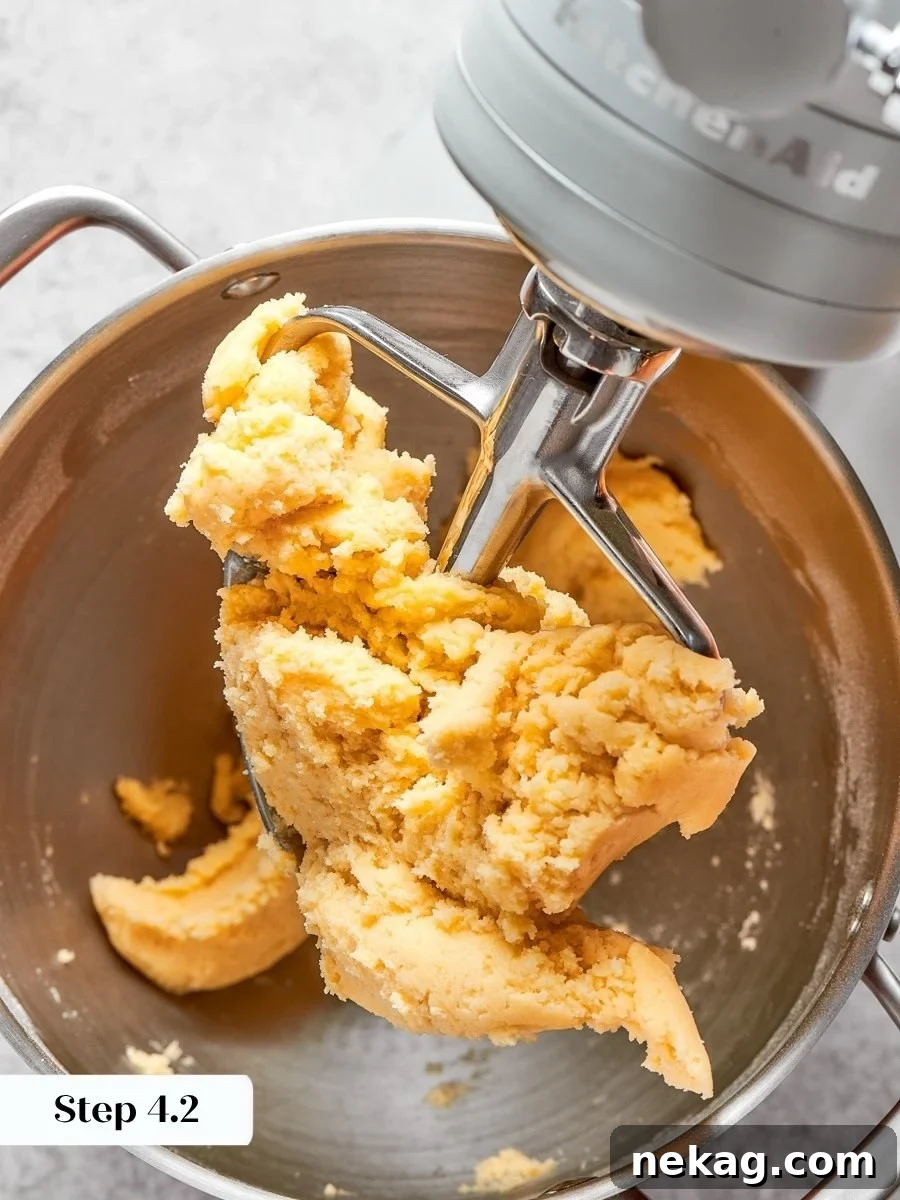
Step 4: Add the egg and bring the dough together. Add the beaten eggs to the mixer and mix on low until a cohesive dough forms. It should look like cookie dough — slightly glossy and pulling away from the sides. Stop mixing immediately.
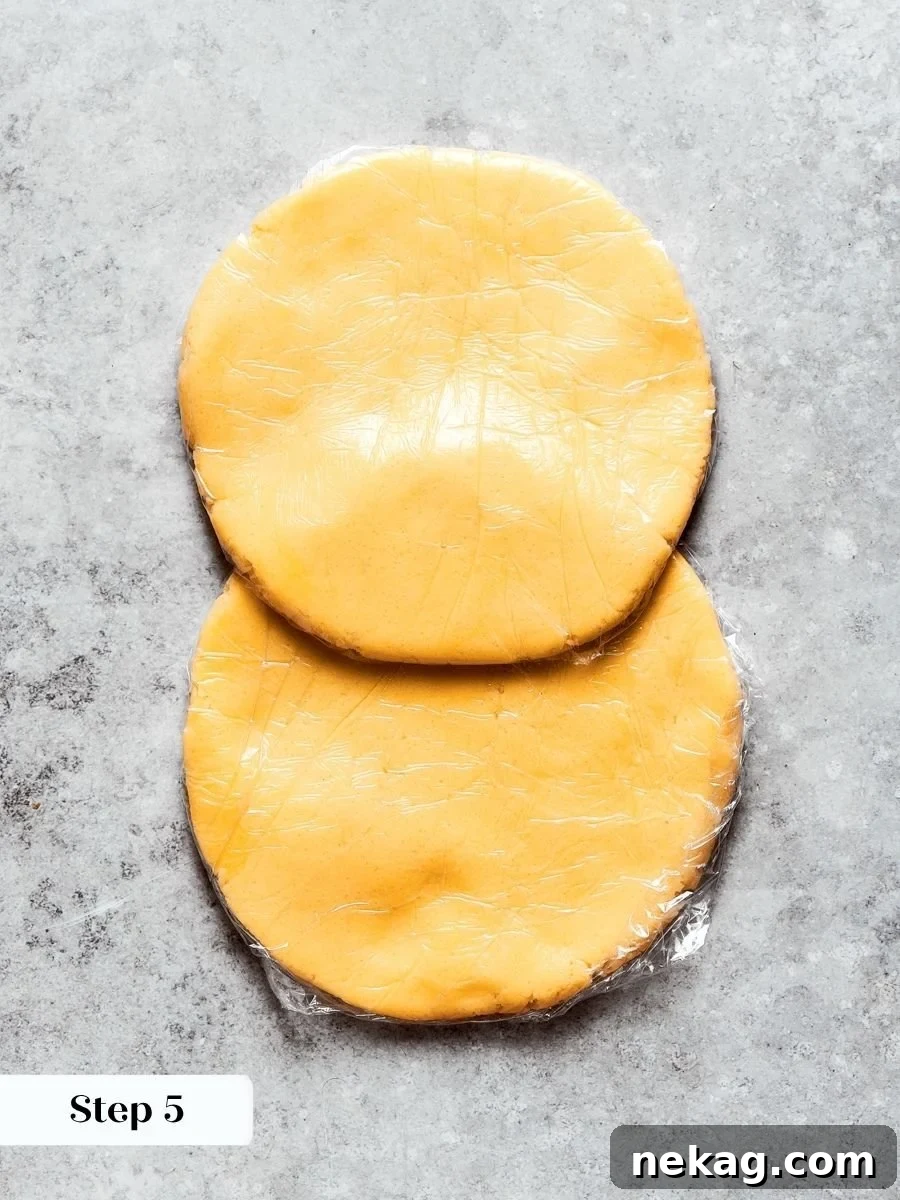
Step 5: Divide and chill. Turn the dough out and divide into two equal pieces, flatten into disks on plastic wrap, wrap tightly, and refrigerate at least 2 hours or overnight. Chilling firms the dough so it rolls without tearing.
Step 6: Rest before use. After chilling, let the dough sit 5–10 minutes if very firm so it becomes pliable enough to roll without cracking at the edges but still cool to the touch. Then roll, press, and blind bake as needed for your recipe.
Chef Lindsey’s Recipe Tip
Every step, from cutting the butter into the flour to chilling the finished dough, exists for a reason. Rushing any step increases the chance the crust will crack, shrink, or bake tough. Trust the sequence and allow proper chilling for predictable results.
Recipe FAQs
Pâte sablée is a French short pastry made using the sanding method: butter is worked into the dry ingredients before liquid is added. This limits gluten development and produces a finer, more crumbly, and richer crust than a standard all‑butter pie crust. The texture is closer to a pressed shortbread cookie, which makes it ideal for filled tarts rather than double‑crust pies.
Two hours is the minimum rest time; overnight is better. Chilling firms the butter so the dough rolls cleanly and relaxes any gluten so the shell holds its shape during blind baking.
Yes. Wrapped dough keeps in the refrigerator for up to three days and can be frozen for up to two months. Thaw frozen dough overnight in the refrigerator before rolling so it softens evenly.
Pâte sablée pairs well with fruit‑forward or cream‑based fillings. Pastry cream, lemon curd, chocolate ganache, and fresh fruit are excellent choices; the rich, cookie‑like crust stands up to bold flavors.
Cracking usually means the dough was under‑chilled or rolled immediately after coming from the refrigerator when it was too rigid. Let the dough sit 5 minutes, then roll from the center outward, rotating the dough a quarter turn every few passes so it thins evenly.

Recommended Tart and Pie Crust Recipes
Pie Crust Recipes
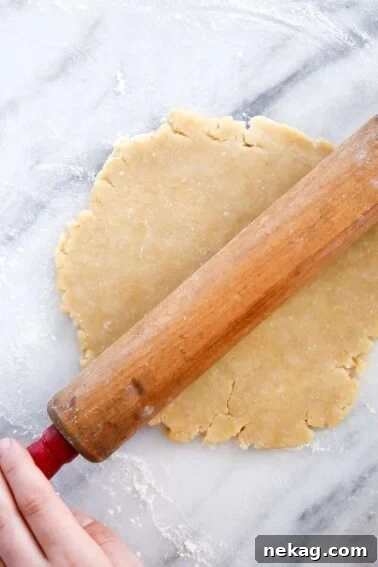
Almond Flour Pie Crust
Pie Crust Recipes
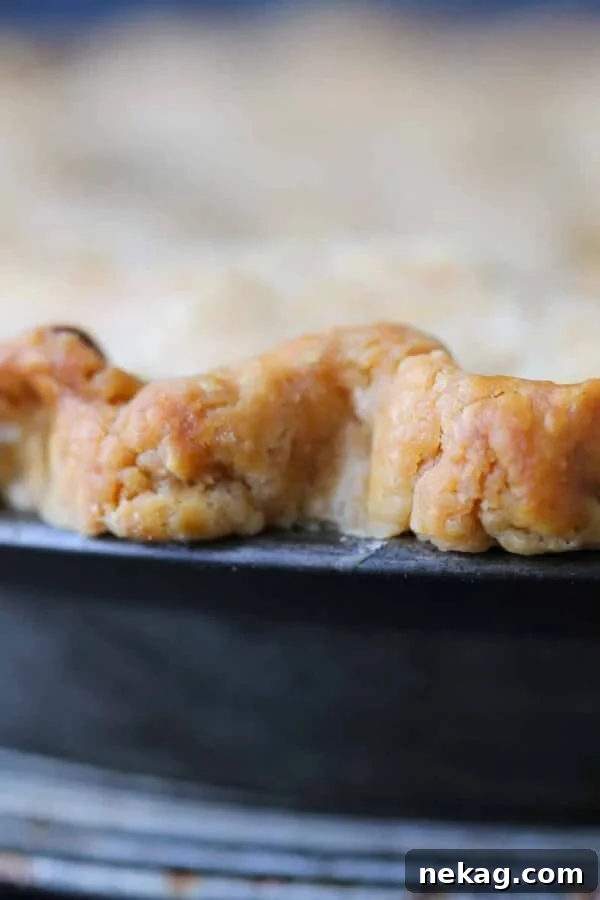
Crisco Pie Crust Recipe
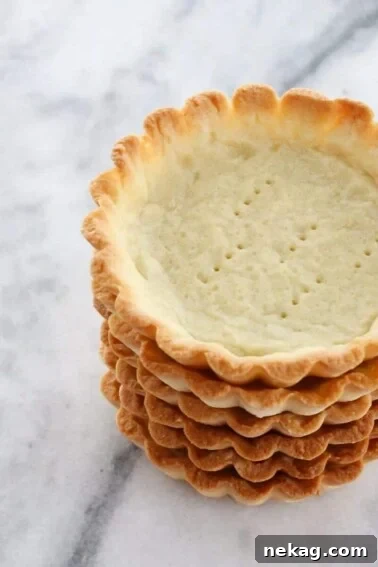
Pie Crust Recipes
Almond Flour Tart Crust
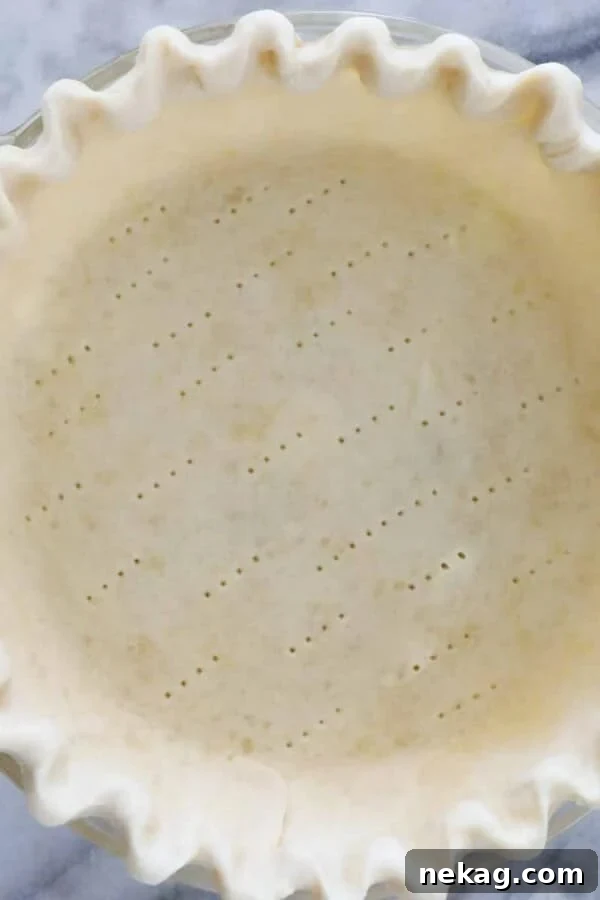
Pie Crust Recipes
When to Dock a Pie Crust?
If you tried this recipe and loved it, please leave a star rating and let me know how it goes in the comments. I love hearing from readers — your feedback is appreciated.
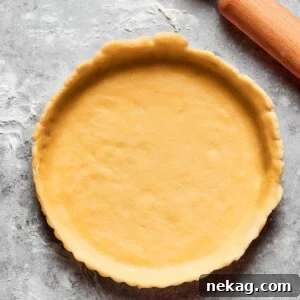
Pâte Sablée
20 mins
2 hrs 20 mins
2 hrs
4 hrs 40 mins
24 people
Ingredients
- 2 cups all‑purpose flour
- 1/2 cup granulated sugar
- 1/4 teaspoon kosher salt
- 9 tablespoons unsalted butter
- 1 large whole egg
- 1 large egg yolk
Instructions
- In the bowl of a stand mixer fitted with the paddle attachment, combine the flour, sugar, salt, and cold butter.
- Mix on low speed, cutting the butter into the dry ingredients until no visible pieces remain and the mixture resembles fine sand. Press a small amount between your fingers to confirm the butter is fully incorporated.
- In a separate bowl, whisk the whole egg and egg yolk together until completely homogeneous.
- Add the beaten eggs to the mixer and mix on low speed just until a smooth, cohesive dough forms. It will look like cookie dough. Stop mixing immediately.
- Divide the dough into two equal pieces (approximately 275 g each), flatten each into a disc on plastic wrap, and wrap tightly.
- Refrigerate for at least 2 hours or overnight before rolling and using.
Notes
Yield: 2 portions at approximately 275 g each.
Chilling: Two hours is the minimum rest time. Overnight chilling gives the gluten time to relax fully, which helps the dough roll without tearing and the shell hold its shape during blind baking.
Rolling: If the dough cracks at the edges when you begin rolling, let it sit at room temperature for five minutes before continuing. Roll from the center outward, rotating a quarter turn every few passes.
Storage: Wrapped dough keeps in the refrigerator for up to three days or in the freezer for up to two months. Thaw frozen dough overnight in the refrigerator before rolling.
Nutrition
Carbohydrates: 12 g |
Protein: 1 g |
Fat: 5 g
Dessert
French
97
Like this? Leave a comment below!
Before You Go
Pâte sablée is a foundational technique that quietly improves many bakes once you have it in your repertoire. Use it for fruit tarts, cream pies, or any tart where you want a rich, short crust that slices cleanly.