
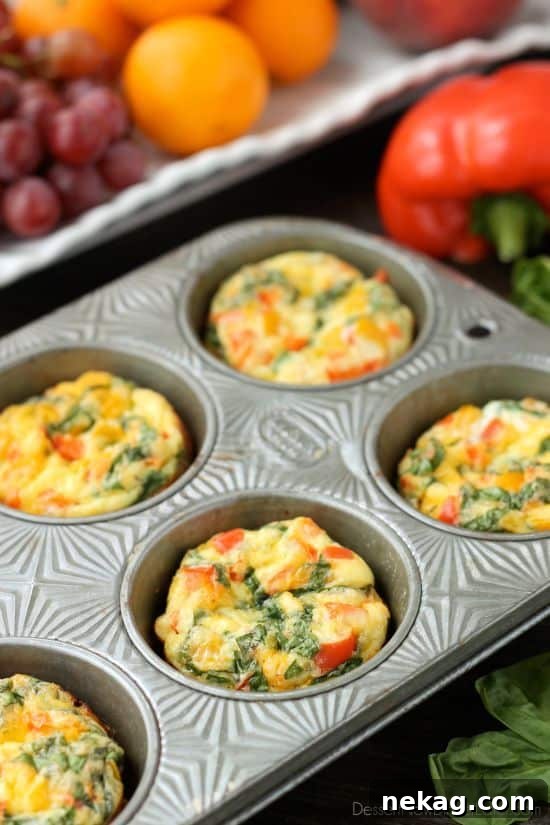
Busy mornings don’t have to mean sacrificing a nutritious start to your day. These homemade Breakfast Egg Cups offer the perfect grab-and-go solution, ideal for bustling school day schedules, busy workweeks, or whenever you need a quick, wholesome meal. Prepare a large batch and effortlessly store them in the refrigerator or freezer, ready to be reheated and enjoyed throughout the week!
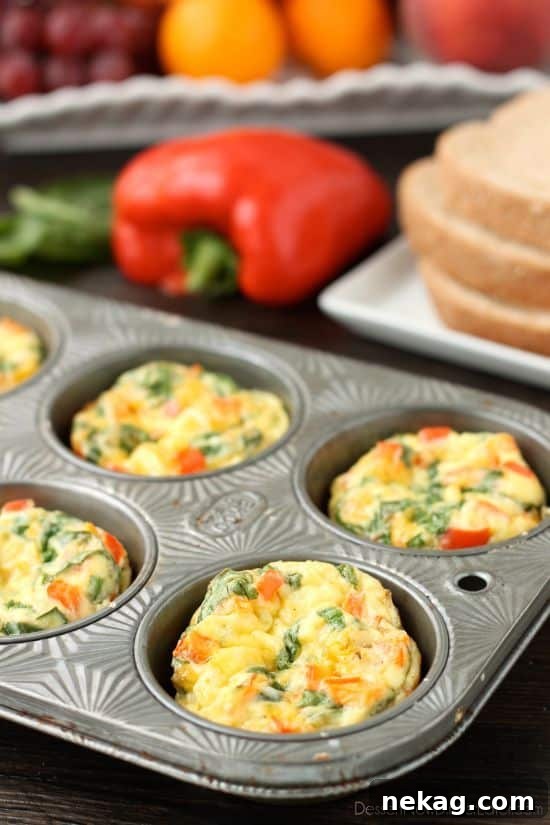
Easy & Healthy Breakfast Egg Cups: Your Ultimate Grab-and-Go Solution
The alarm clock rings, the kids are stirring, and the clock is relentlessly ticking. For many families, the morning rush is a familiar scene, often leaving little time for a proper, sit-down breakfast. As a parent of three – a 1st grader, a preschooler, and a two-month-old – I understand this frantic pace all too well. My oldest is embarking on full-day school, and my primary concern is ensuring he gets a substantial breakfast that will keep him fueled and focused until lunch. I worry about lunch distractions, recess eagerness, and half-eaten meals, making a hearty morning meal even more critical.

This academic year marks a new level of morning juggling, with my husband already off to work before the chaos begins. But I’m armed with a plan! Just like many of us dedicate weekend mornings to whipping up batches of pancakes or waffles to stock the freezer for the week, I’ve discovered another make-ahead marvel: these incredibly convenient and delicious breakfast egg cups.

Why Breakfast Egg Cups are a Game-Changer for Busy Households
Breakfast egg cups are more than just a recipe; they’re a lifestyle hack for anyone aiming for healthier eating habits without sacrificing precious morning time. Here’s why they should be your new go-to:
- Time-Saving Marvel: While they take about 20-25 minutes in the oven, the magic happens when you bake a large batch on a Sunday evening. This investment of a little time at the start of the week saves you countless minutes during hurried mornings. No more scrambling to cook eggs or prepare elaborate meals when the clock is against you.
- Nutrient-Dense & Filling: Eggs are a powerhouse of protein, keeping you and your kids feeling fuller for longer, which is crucial for concentration and energy levels throughout the morning. Packed with essential vitamins and minerals, they provide a robust start to any day.
- Customization at Its Best: The beauty of egg cups lies in their incredible versatility. You can easily adapt them to suit different tastes, dietary needs, or whatever ingredients you have on hand. Love cheese? Add more! Want extra veggies? Go for it! This makes them a fantastic way to sneak in extra nutrients for picky eaters.
- Freezer-Friendly Convenience: Beyond just refrigerating, these egg cups are perfect for freezing. This extends their shelf life significantly, meaning you can have a healthy breakfast option ready for weeks, not just days. It’s the ultimate meal prep strategy for long-term convenience.
- Kid-Approved & Mom-Approved: With their individual portion sizes and often colorful additions of vegetables, egg cups are appealing to children. And for parents, knowing your child is getting a balanced, veggie-packed meal before heading out the door offers unparalleled peace of mind. Mom for the win, indeed!
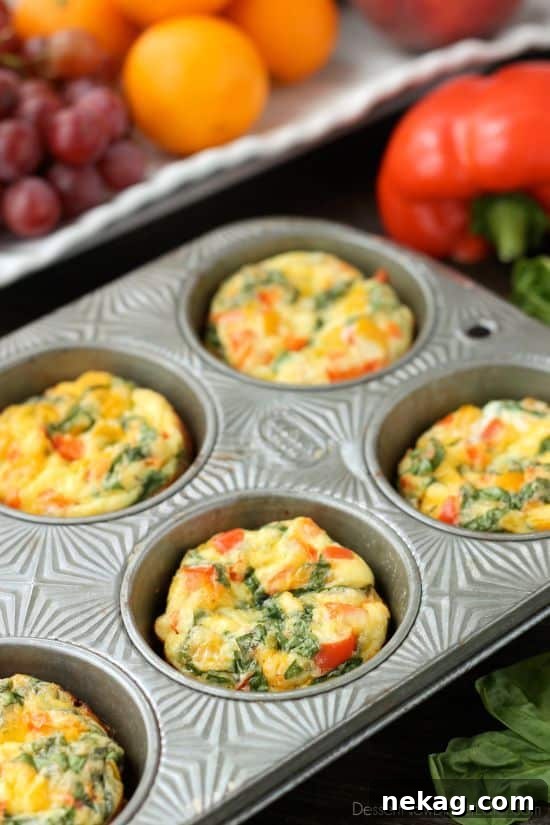
Crafting Your Perfect Egg Cups: Tips for Success
Making these breakfast egg cups is wonderfully straightforward. The key is in the preparation, ensuring you get light, fluffy results every time. Follow these tips to perfect your batch:
- Proper Whisking: Don’t just stir your eggs and milk; whisk them thoroughly until the mixture is light, frothy, and uniform. This incorporates air, leading to a fluffier texture in your finished egg cups. A pinch of salt and pepper at this stage ensures the seasoning is evenly distributed.
- Finely Dice Your Veggies: For the best texture and even cooking, dice your red bell pepper into small, consistent pieces. For spinach, the chiffonade method (stacking, rolling, and thinly slicing) ensures the greens are well-integrated and cook down nicely without being stringy. This also helps in making them less noticeable for children who might be wary of vegetables.
- Grease Your Muffin Tin Generously: This step is critical to prevent sticking. Whether you use cooking spray, melted butter, or melted coconut oil, make sure every cup is thoroughly coated. For an extra layer of protection and easy removal, you can also use silicone muffin liners or paper liners, though silicone tends to work best for egg dishes.
- Don’t Overfill: Fill each muffin cup approximately ¾ full. Eggs tend to puff up significantly during baking, and overfilling can lead to overflow and messy cleanup.
- Check for Doneness: Bake at 375°F (190°C) for 20 to 25 minutes, or until the centers are set and firm to the touch. A simple toothpick test can confirm doneness – if it comes out clean, they’re ready! Remember that oven temperatures can vary, so keep an eye on them towards the end of the baking time.

Endless Variations: Customize Your Egg Cups
One of the most appealing aspects of breakfast egg cups is their adaptability. Feel free to experiment with different ingredients to create your signature flavors:
- Protein Power: Add cooked crumbled sausage, diced ham, crispy bacon bits, or even shredded chicken for an extra protein boost.
- Cheese Please: Beyond cheddar, try Swiss, mozzarella, Monterey Jack, feta, or a Mexican blend for different flavor profiles.
- Veggie Variety: Incorporate finely chopped onions, mushrooms, zucchini, cherry tomatoes, or even leftover roasted vegetables. Just make sure firmer vegetables are cooked or pre-sautéed slightly before adding to ensure they soften properly in the egg cups.
- Herbaceous Touch: Fresh chives, parsley, dill, or a pinch of dried Italian herbs can elevate the flavor.
- Spice It Up: A dash of hot sauce in the egg mixture or a sprinkle of chili flakes can add a kick.
These variations ensure that your family never gets bored, and you can tailor each batch to individual preferences, making mealtime a happy experience for everyone.
Serving Suggestions & The Ultimate Breakfast Spread
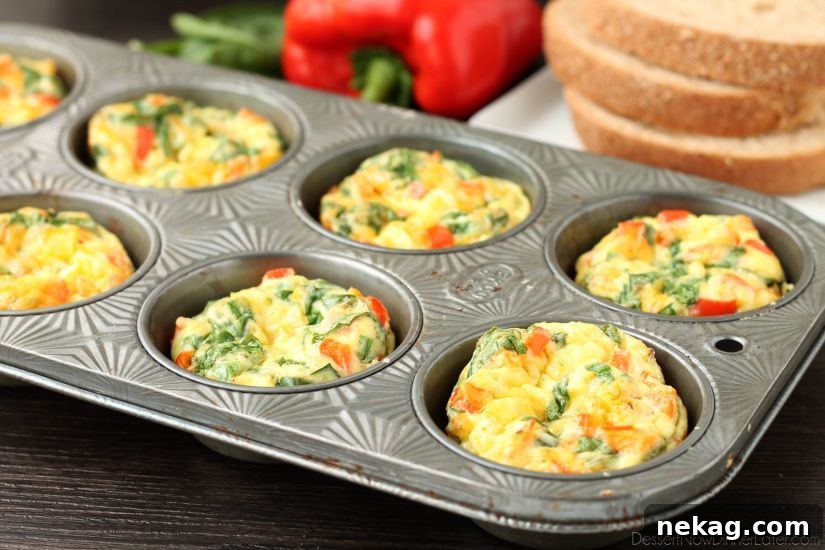
Once your breakfast egg cups are baked to golden perfection, the serving possibilities are endless! While they are fantastic on their own, pairing them with a few simple sides can create a truly satisfying meal. A dollop of fresh salsa or a squirt of ketchup is a classic pairing that adds a burst of flavor. Serve them alongside a slice of whole-wheat toast for some added carbs, or with a fresh fruit salad for a lighter, refreshing touch. A side of creamy avocado slices or a bowl of Greek yogurt can also complement the savory flavors beautifully. These humble egg cups transform into a “Breakfast of Champions” with minimal effort.
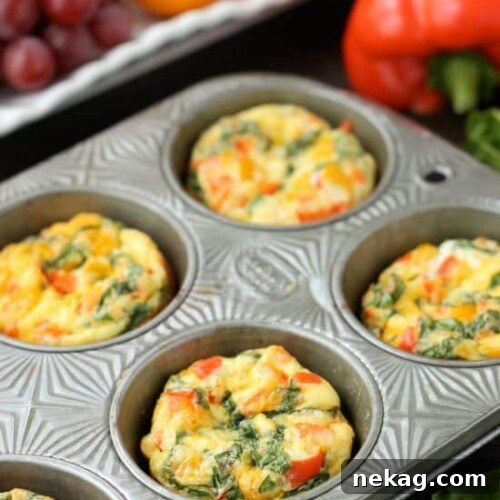
Breakfast Egg Cups
Amber Brady
These Breakfast Egg Cups are the perfect go-to breakfast when you are on-the-go! Great for school day mornings and busy schedules. Bake a lot and store them in the fridge or freezer to re-heat and eat throughout the week!
Pin Recipe
Rate This Recipe
Ingredients
- 6 large eggs
- ¼ cup milk
- ½ cup red bell pepper, diced
- ¾ cup spinach, thinly sliced (chiffonade)
- ¼ cup shredded cheddar cheese
- salt and pepper, to taste
Instructions
-
Whisk the eggs and milk together in a bowl. Season with salt and pepper.
-
Dice the pepper into small pieces. Stack the spinach leaves, roll them up, and slice them thin (this method is called chiffonade). Add the peppers, spinach, and shredded cheddar to the egg mixture.
-
Grease a muffin tin (using cooking spray, melted butter, or melted coconut oil) and fill cups ¾ full of the egg mixture.
-
Bake at 375 degrees Fahrenheit (190°C) for 20 to 25 minutes until centers are set/firm. You can test doneness with a toothpick.
Notes
-
To store in the refrigerator: Allow egg cups to cool completely. Stack gently in an airtight container. Store in the refrigerator for up to 1 week. Re-heat in the microwave approximately 45 seconds to 1 minute or until hot.
-
To store in the freezer: Allow egg cups to cool completely. Wrap each egg cup individually with plastic wrap, then place in a zip-top bag. Store in the freezer for up to 1 month. Thaw egg cups in the refrigerator overnight, remove plastic wrap, then re-heat in the microwave for 45 seconds to 1 minute. Alternatively, remove plastic wrap and re-heat directly in the microwave until thawed and heated through.
Nutrition
Serving: 1 | Calories: 78kcal | Carbohydrates: 2g | Protein: 6g | Fat: 5g | Saturated Fat: 2g | Polyunsaturated Fat: 3g | Cholesterol: 144mg | Sodium: 129mg | Fiber: 1g | Sugar: 1g
Disclaimer: Nutritional values were calculated using a third-party tool and are provided as an estimation only.
Sharing this recipe with a link is both encouraged and appreciated. Copying/pasting and/or screenshots of full recipes to any social media is strictly prohibited. Content and photographs are copyright protected.
Storage and Meal Prep Hacks for Maximum Convenience
The true genius of breakfast egg cups lies in their exceptional make-ahead and storage capabilities. To fully leverage their convenience, follow these simple tips:
- Cool Completely: Before storing, ensure your egg cups are entirely cooled to room temperature. This prevents condensation from forming in your containers, which can make them soggy.
- Refrigerator Storage: For quick access throughout the week, place cooled egg cups in an airtight container. They will stay fresh and delicious for up to 5-7 days. To reheat, simply pop one or two in the microwave for 45-60 seconds, or until warmed through.
- Freezer Storage: For longer-term planning, freezing is your best friend. Once cooled, wrap each egg cup individually in plastic wrap. This prevents freezer burn and makes it easy to grab just one or two at a time. Then, place the wrapped egg cups in a freezer-safe zip-top bag or container. They will keep well for up to a month. When ready to eat, you can thaw them overnight in the refrigerator and then reheat as usual, or reheat directly from frozen in the microwave (removing the plastic wrap first) until thawed and hot.
- Batch Cooking Strategy: Dedicate a small portion of your weekend meal prep time to baking a double or triple batch. This ensures you have a healthy breakfast option ready for several weeks, minimizing stress during the busiest mornings.
Frequently Asked Questions About Breakfast Egg Cups
Here are some common questions you might have about making these delightful breakfast treats:
- Can I use only egg whites?
- Absolutely! If you prefer, you can use egg whites instead of whole eggs for a lower-calorie, lower-cholesterol option. The texture might be slightly different, but they will still be delicious.
- How do I prevent my egg cups from sticking to the muffin tin?
- Generously grease your muffin tin with cooking spray, melted butter, or oil. Silicone muffin liners are also an excellent investment for egg cups, as they guarantee easy release.
- What if my egg cups are watery?
- Watery egg cups can be a result of overfilling the muffin tin or using vegetables with high water content (like mushrooms or zucchini) without pre-sautéing them first. Ensure your veggies are finely diced and consider lightly cooking wetter vegetables before adding them to the egg mixture.
- Can I add meat to these egg cups?
- Yes! Cooked and crumbled sausage, diced ham, or bacon bits are fantastic additions. Make sure any meat is fully cooked and cooled before mixing it into the egg batter.
- How long do they last?
- In the refrigerator, they last up to 5-7 days. In the freezer, they can last up to 1 month.
Did you make this?
Don’t forget to leave a rating below and make sure to follow on Pinterest and Instagram for more delicious recipes!
This recipe was originally added on September 10, 2015, and has also been featured on Super Healthy Kids, cementing its status as a family favorite for healthy eating.