
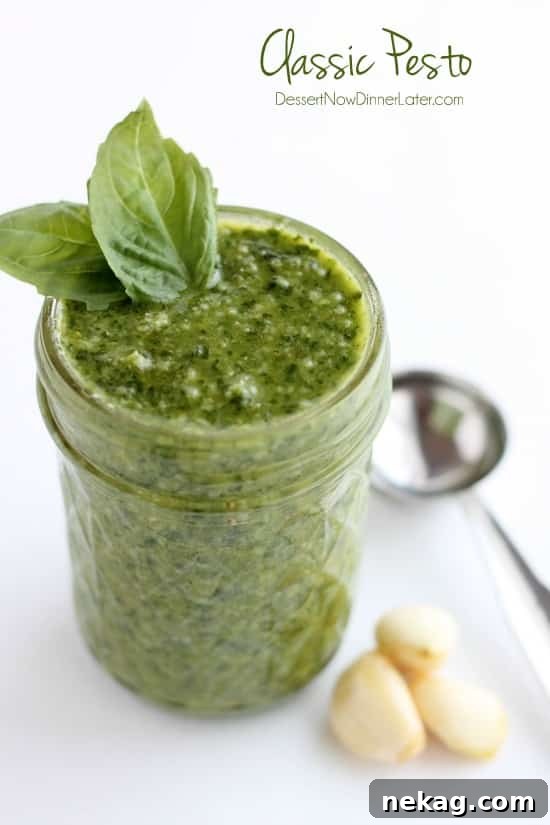
The Ultimate Classic Pesto Recipe: Fresh, Flavorful & Versatile
Fresh basil, toasted pine nuts, shredded Parmesan cheese, fresh garlic cloves, pure olive oil, and sea salt come together to create this Classic Pesto. This vibrant, aromatic sauce is incredibly versatile and can elevate countless dishes, from comforting pasta and gourmet sandwiches to enriching soups and elegant main courses.
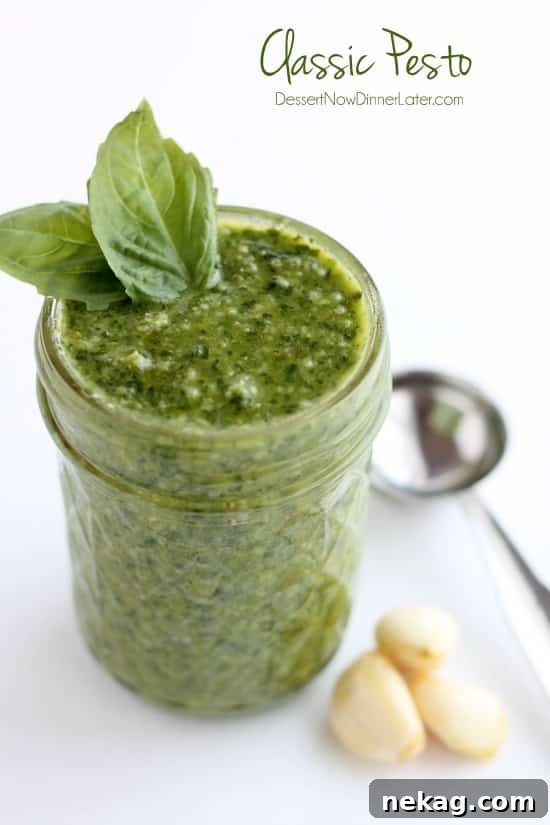
Why Homemade Pesto is Always Best
For far too long, I resisted making pesto from scratch. Like many, I often reached for the convenience of a jarred version from the store. It’s easy, it’s quick, and it gets the job done. However, every time I finally get around to making a batch of homemade pesto, I’m immediately reminded of its unparalleled freshness and depth of flavor. The difference is truly astounding, making me wonder why I don’t prioritize this simple kitchen pleasure more often!
Working as a prep cook in a restaurant, we often made pesto in large quantities. While delicious, our “cheater pesto” often involved using half basil and half spinach to cut costs. And yes, it was good, but it never quite hit that authentic, rich basil note of a true classic pesto. This recipe, however, is the real deal. It’s a pure, unadulterated classic basil pesto that will transform your meals and make you a homemade pesto evangelist.
The Simple, Yet Essential Ingredients for Authentic Pesto
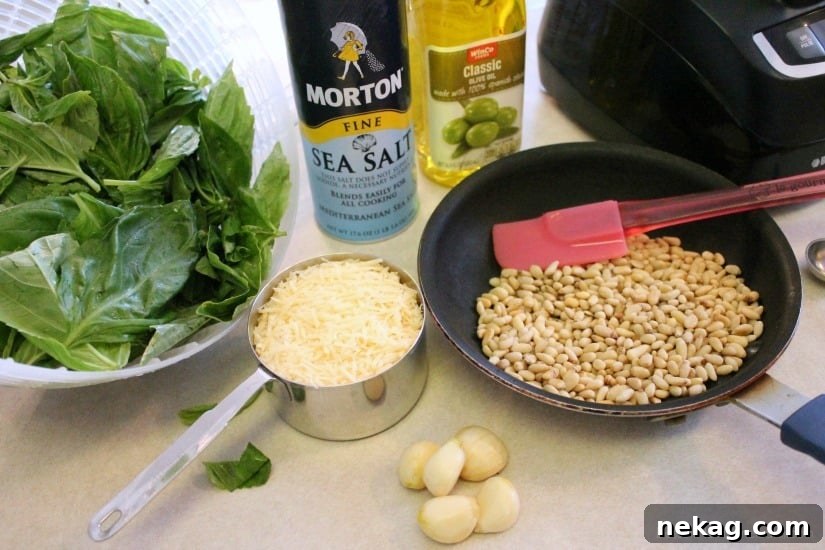
The beauty of classic pesto lies in its simplicity. Just a handful of high-quality ingredients are required to create a sauce that bursts with flavor. To achieve that bright, herbaceous, and nutty profile, you’ll need: fresh basil, toasted pine nuts, shredded Parmesan cheese, pungent garlic cloves, coarse sea salt, and good quality pure olive oil.
Choosing Your Pesto Ingredients Wisely
- Fresh Basil: This is the star of the show. For the most authentic flavor, opt for Genovese basil if you can find it. Ensure the leaves are vibrant green and free from blemishes. Freshness is key here; don’t compromise.
- Pine Nuts: These small, buttery nuts provide a delicate flavor and creamy texture. Toasting them gently before adding them to the pesto is crucial, as it enhances their natural aroma and deepens their nutty notes. Watch them carefully as they can burn quickly!
- Parmesan Cheese: For superior taste, use freshly shredded Parmigiano-Reggiano. Its complex, savory, and slightly salty profile is indispensable. While pre-shredded Parmesan works, grating it yourself just before making the pesto will yield the best results.
- Garlic Cloves: Fresh garlic provides that essential pungent kick. The quantity can be adjusted to your preference – some like it bold, others prefer a more subtle hint.
- Sea Salt: A good quality sea salt not only seasons the pesto but also helps to break down the basil leaves and release their oils.
- Pure Olive Oil: This ingredient binds everything together, creating a smooth and luscious sauce. Opt for a good quality extra virgin olive oil that you enjoy the taste of, as its flavor will shine through in the final product.
Mastering the Art of Pesto Making
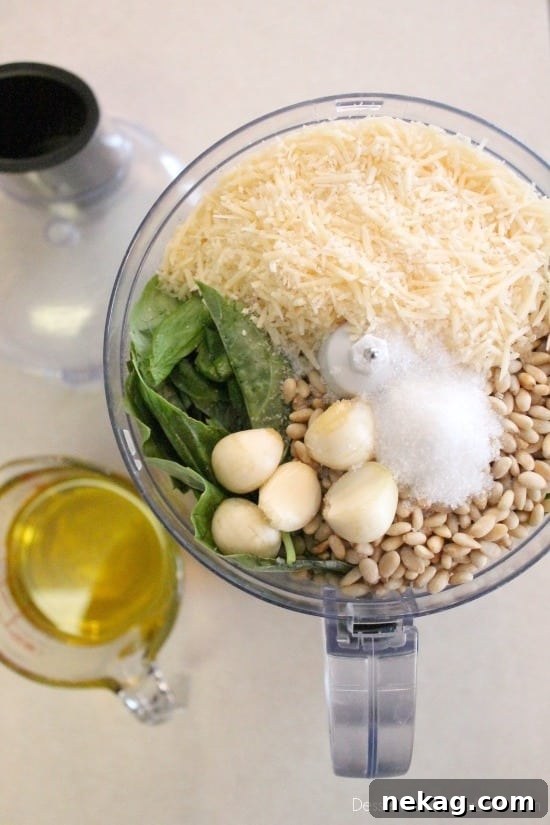
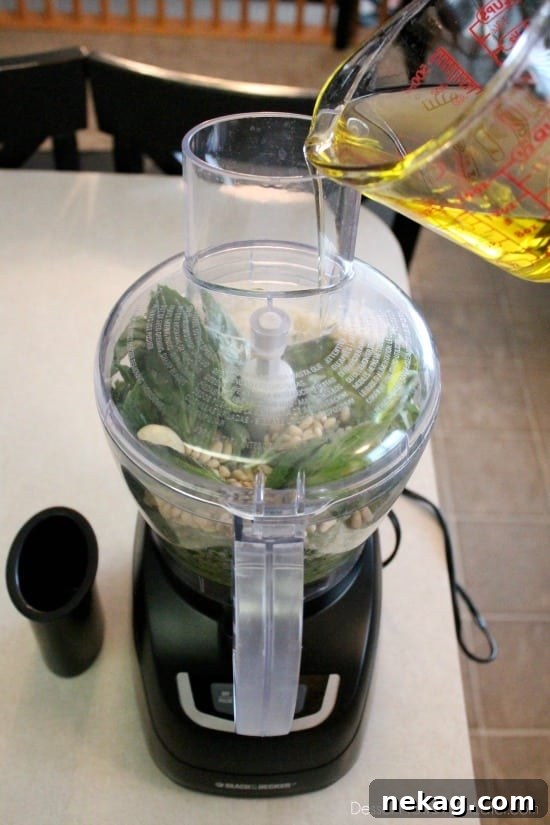
Making pesto is surprisingly straightforward, especially with the help of a blender or food processor. The key is to blend the ingredients in the right order and to add the olive oil gradually to achieve the perfect emulsification and texture. I find that running my food processor while slowly pouring in the olive oil yields the smoothest, most beautifully incorporated pesto.
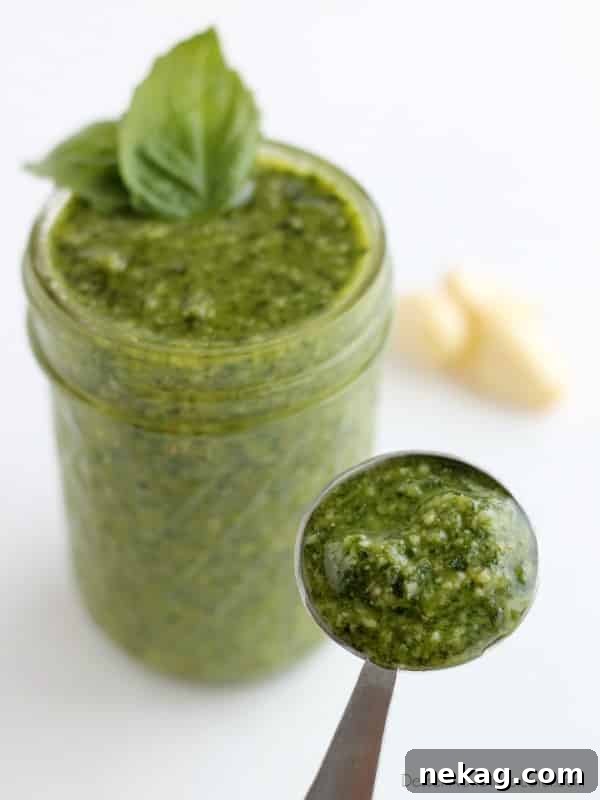
Voila! The result is a bright, vibrant green pesto that is so incredibly delicious, you’ll want to eat it with a spoon (and I certainly have!). Its fresh aroma and rich flavor will make you wonder why you ever settled for anything less. This homemade version is not just a condiment; it’s a culinary experience.
Classic Pesto
Amber Brady
Pin
Rate
Save
Ingredients
- 4 oz fresh basil, (Around 2 cups, packed; typically two 2oz containers)
- 1 cup pine nuts, toasted (details in instructions)
- 1 cup shredded Parmesan cheese
- 5 large cloves of garlic
- 2 tsp sea salt
- 1 ½ cups pure olive oil
Instructions
-
Wash and thoroughly dry the fresh basil. A salad spinner works wonderfully for this, followed by gently dabbing the leaves dry with a paper towel. Pluck the leaves off the stems and place them directly into your food processor or blender.
-
To toast the pine nuts, heat a small, dry skillet over medium heat. Add the pine nuts and cook for 1 to 2 minutes, stirring frequently, until they just begin to turn light golden brown and become fragrant. Be vigilant, as pine nuts can burn very quickly! This toasting process significantly enhances their flavor and aroma. Allow them to cool slightly before adding them to the food processor or blender with the basil.
-
Next, add the shredded Parmesan cheese, peeled garlic cloves, and sea salt to the food processor or blender with the basil and pine nuts.
-
Secure the lid on your machine. If your food processor or blender has a small opening in the lid, remove it. Begin to run the machine, gradually pouring the olive oil through this opening in a steady stream while the ingredients are blending. Continue mixing thoroughly until the pesto reaches your desired consistency, stopping occasionally to scrape down the sides of the bowl if necessary to ensure all ingredients are well incorporated.
-
Once blended, transfer the freshly made pesto into a clean jar. To preserve its vibrant green color and freshness, pour a thin layer of olive oil over the top of the pesto. This creates a seal that prevents oxidation. Cover the jar tightly with a lid and store it in the refrigerator, where it will stay fresh for 2 to 3 weeks.
-
For longer storage, pesto can be frozen. Spoon the pesto into an ice cube tray and freeze until solid. Once frozen, transfer the pesto cubes into an airtight freezer bag. It will keep well in the freezer for 3 to 6 months. *Chef’s Tip: You might consider omitting the Parmesan cheese until you’re ready to use the frozen pesto. Some culinary experts suggest that freezing pesto with cheese can slightly alter its flavor and texture. If you choose this method, add freshly grated Parmesan cheese when thawing and serving the pesto, rather than re-blending shredded cheese.
Notes
Use pesto in pasta, sandwiches, soups, on chicken, bread, pizza, roasted vegetables, eggs, or as a flavorful dip.
Sharing this recipe with a link is both encouraged and appreciated. Copying/pasting and/or screenshots of full recipes to any social media is strictly prohibited. Content and photographs are copyright protected.
Did you make this?
Don’t forget to leave a rating below and make sure to follow on Pinterest and Instagram for more!
Tips for Perfect Pesto Every Time
- Don’t Over-Process: Pesto should have a slightly coarse, rustic texture, not a completely smooth paste. Pulse the food processor or blender in short bursts to achieve this.
- Scrape Down the Sides: Ensure all ingredients are evenly blended by stopping and scraping down the sides of your food processor bowl periodically.
- Adjust to Taste: Pesto is highly adaptable. Feel free to adjust the amounts of garlic, salt, or even a hint more olive oil to achieve your perfect balance of flavors and desired consistency.
- Prevent Oxidation: The thin layer of olive oil on top when storing in the refrigerator is vital. It creates a barrier that prevents the basil from oxidizing and turning brown, keeping your pesto bright green and fresh.
Beyond Pasta: Versatile Ways to Enjoy Your Classic Pesto
While pesto and pasta are a match made in culinary heaven, this vibrant sauce is incredibly versatile. Don’t limit its potential! Here are just a few ideas to inspire you:
- Pasta Dishes: The most classic use! Toss with your favorite pasta, add some cherry tomatoes, and a sprinkle of fresh Parmesan.
- Sandwiches & Wraps: Spread pesto on bread or tortillas for a flavorful base that instantly elevates any sandwich or wrap.
- Soups: Stir a spoonful into a bowl of minestrone, vegetable, or even chicken noodle soup for an instant burst of fresh flavor.
- Chicken & Fish: Use it as a marinade, a flavorful topping, or a stuffing for baked or grilled chicken and white fish.
- Pizza: Replace traditional tomato sauce with pesto for a gourmet white pizza, topped with fresh mozzarella and sun-dried tomatoes.
- Bruschetta & Appetizers: Spread on toasted baguette slices, topped with fresh tomatoes, or serve as a dip with crusty bread and fresh vegetables.
- Roasted Vegetables: Drizzle over roasted asparagus, potatoes, or bell peppers for an added layer of flavor.
- Eggs: A dollop of pesto on scrambled eggs, omelets, or even an egg sandwich is a game-changer.
- Dressings & Dips: Whisk with a little extra olive oil or yogurt to create a delicious salad dressing or creamy dip.
Storage and Freezing for Lasting Freshness
Proper storage is essential to maintain the freshness and vibrant color of your homemade pesto. As mentioned in the recipe, transferring the pesto to an airtight container and covering the surface with a thin layer of olive oil will keep it fresh in the refrigerator for up to three weeks. This olive oil layer acts as a barrier, protecting the basil from air and preventing it from oxidizing and turning brown.
For longer storage, freezing pesto is an excellent option. Using ice cube trays allows you to portion out the pesto conveniently, making it easy to thaw just the amount you need for a single serving or recipe. Once frozen solid, transfer the cubes to a freezer-safe bag or container to prevent freezer burn. Frozen pesto retains its quality for several months, ensuring you have a taste of summer basil even in the depths of winter.
The Health Benefits of Basil Pesto
Beyond its incredible flavor, classic basil pesto offers several nutritional benefits. Basil is rich in antioxidants and vitamins K and A. Pine nuts provide healthy fats, protein, and minerals like magnesium. Olive oil, a staple of the Mediterranean diet, is known for its heart-healthy monounsaturated fats. While Parmesan cheese adds flavor, it also contributes calcium. Enjoying homemade pesto means you’re not only savoring delicious food but also nourishing your body with wholesome ingredients.
Embrace the Pesto Tradition
Making classic pesto at home is a rewarding culinary experience that connects you to generations of Italian cooking traditions. It’s a simple process with incredibly flavorful results, allowing you to enjoy the freshest ingredients and customize the taste to your liking. So, gather your fresh basil, fire up your food processor, and prepare to be amazed by the bright, herbaceous magic of homemade pesto. Your taste buds will thank you!