
Delicious Meltaway Cookies: The Ultimate Guide to a Melt-in-Your-Mouth Treat
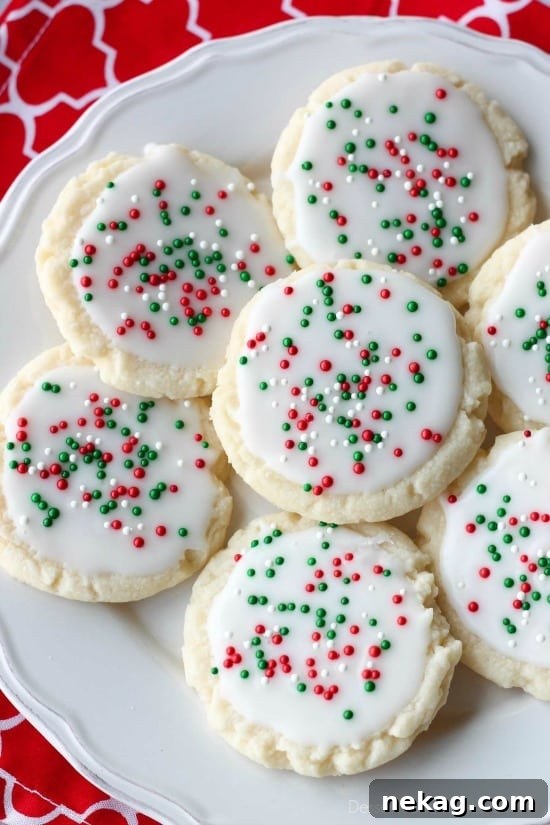
Meltaway cookies are a delightful shortbread-style confection, renowned for their incredibly tender texture that literally dissolves in your mouth. Lightly sweet and wonderfully buttery, these cookies are often crowned with a delicate glaze and festive sprinkles, making them an ideal treat for any occasion, especially during the holidays. Their simplicity in ingredients belies the profound pleasure they deliver with every bite.
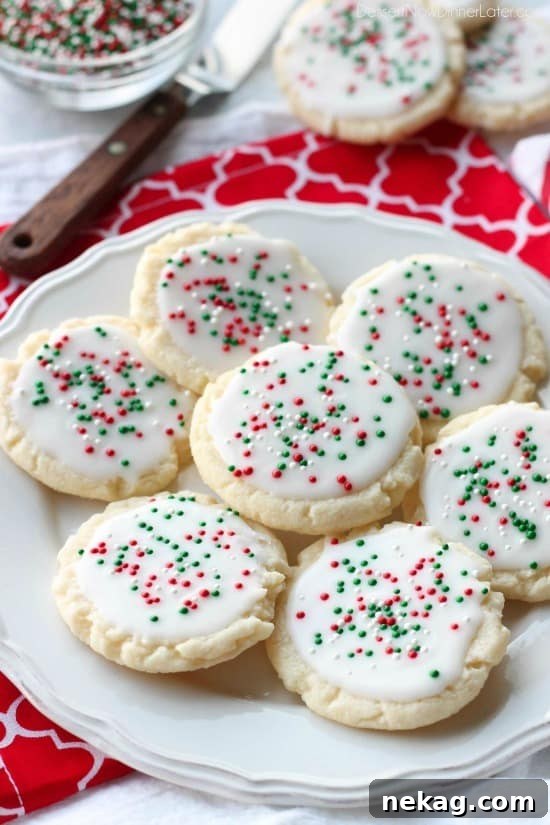
For many, the first encounter with Meltaway Cookies creates a lasting memory. I vividly recall the time I spent working in a bakery about eight years ago, where these cookies were a consistent favorite, particularly for events like weddings and seasonal celebrations. Their universal appeal wasn’t just due to their exquisite taste and texture, but also their straightforward preparation. They offered a touch of elegance without the fuss, becoming a popular choice for both bakers and customers alike.
What Makes Meltaway Cookies So Unique?
The magic of Meltaway Cookies lies in their incredibly simple yet perfectly balanced ingredient list. Unlike typical sugar cookies, these are true shortbreads, relying on a foundation of butter, powdered sugar, cornstarch, vanilla, salt, and all-purpose flour. Noticeably absent are eggs and baking soda – key ingredients in most leavened cookies. This deliberate omission is precisely what gives them their signature characteristic: a remarkable tenderness and a crumbly, melt-in-your-mouth texture that is distinct from the chewier, more structured sugar cookie.
The Secret to the “Melt” Factor: Cornstarch and Powdered Sugar
The combination of cornstarch and powdered sugar is the undisputed hero in achieving the cookies’ namesake quality. Powdered sugar, with its fine consistency, incorporates smoothly into the butter, creating a delicate, tender dough. More importantly, cornstarch plays a crucial role. It reduces the gluten development in the flour, making the cookies exceptionally soft and preventing them from becoming tough or chewy. When these cookies hit your tongue, the buttery goodness and fine powder sugar literally dissolve, leaving behind a delightful, sweet sensation that is truly unparalleled.
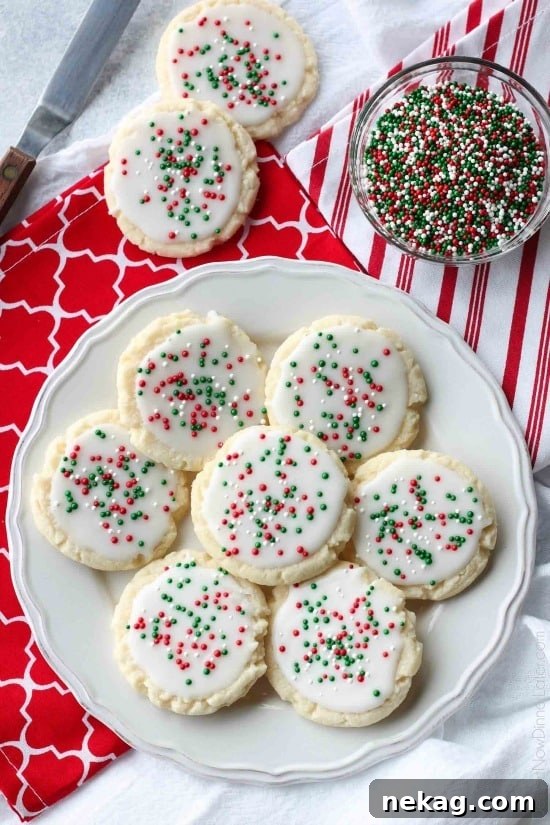
Elevating Your Meltaways: The Perfect Glaze and Festive Touches
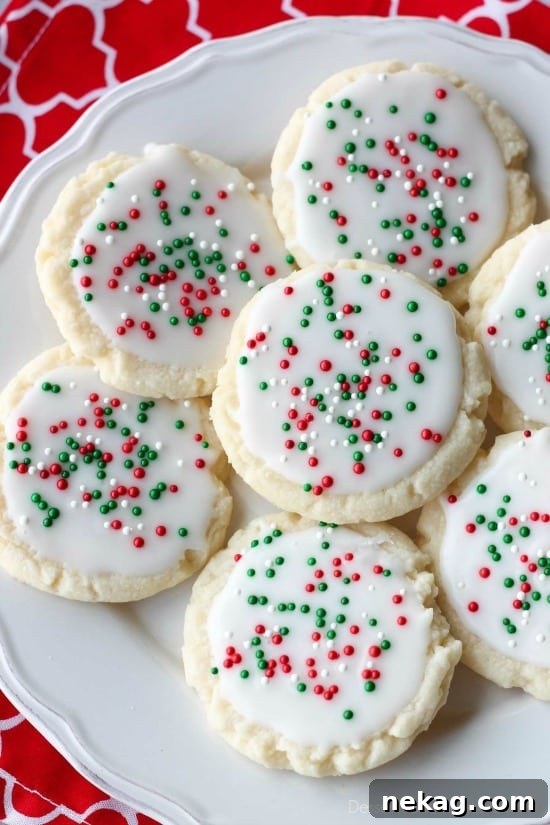
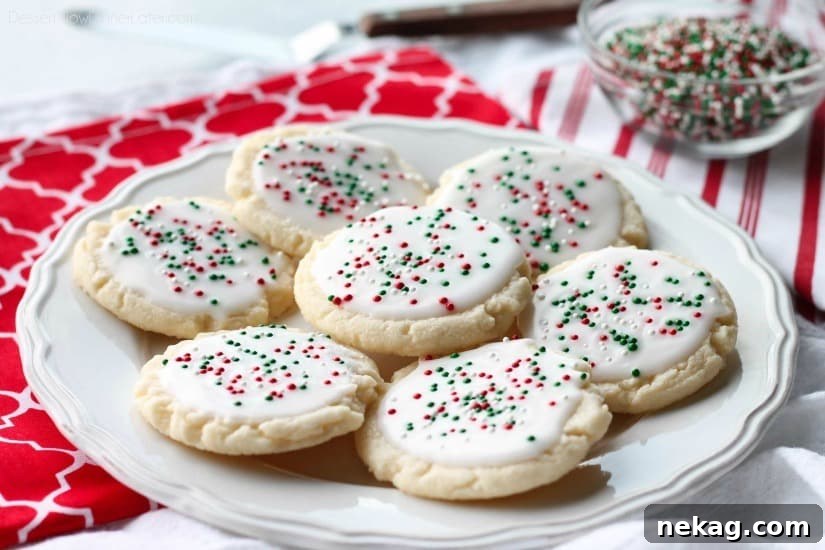
While the cookie itself is a marvel, a thin, sweet glaze adds another layer of indulgence and completes the Meltaway Cookie experience. This simple powdered sugar and milk glaze provides just the right amount of additional sweetness and a touch of moisture, complementing the rich, buttery cookie. The final flourish often comes in the form of colorful sprinkles. For Christmas, red and green sprinkles transform these cookies into a festive masterpiece, perfect for holiday gatherings, cookie exchanges, or thoughtful neighbor gifts. But don’t limit yourself to just the holidays; sprinkles can be customized for any celebration, adding a burst of color and fun.
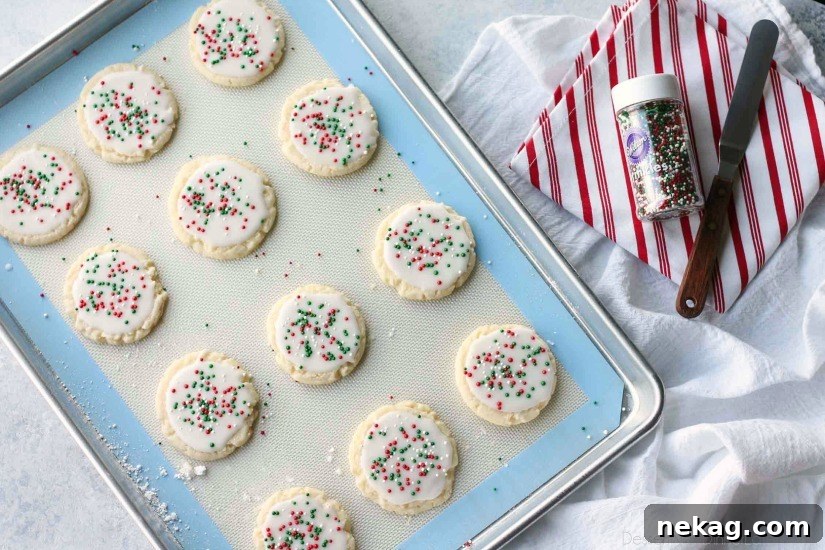
Mastering the Art of Meltaway Cookies: Tips for Success
Achieving the perfect Meltaway Cookie is simple, but a few key tips can ensure your cookies are consistently fantastic:
- Room Temperature Butter: This is non-negotiable. Softened butter creams beautifully with the powdered sugar and cornstarch, creating a light, airy base for the dough. Cold butter will result in a lumpy dough, while melted butter will make the cookies spread too much.
- Measure Flour Accurately: For shortbread-style cookies, the precise flour measurement is crucial. Use the “stir, spoon, and level” method: gently stir the flour in its container, spoon it into your measuring cup until overflowing, then level it off with a straight edge. This prevents over-packing the flour, which can lead to dry, crumbly cookies.
- Do Not Overmix: Once the flour is added, mix only until the dough just comes together. Overmixing develops gluten, making the cookies tough instead of tender.
- Flatten Evenly: Gently flattening the dough balls with a measuring cup dipped in powdered sugar helps create uniformly shaped cookies that bake evenly and contribute to that delicate texture.
- Avoid Overbaking: Meltaway cookies should be baked until they are just set, with perhaps a very slight golden edge. They will still look pale. Overbaking will make them dry and hard, losing their signature melt-in-your-mouth quality. Keep a close eye on them during the last few minutes of baking.
- Cool Completely Before Glazing: Applying glaze to warm cookies will cause it to melt and run off. Ensure your cookies are entirely cool before adding the glaze for a smooth, even finish.
Creative Variations and Serving Suggestions
While classic Meltaway Cookies are delightful, they also lend themselves beautifully to customization. Here are a few ideas to inspire your baking:
- Flavor Extracts: Experiment with different extracts in both the cookie dough and the glaze. Almond extract offers a sophisticated touch, while lemon or orange extract can add a bright, zesty note. Peppermint extract is fantastic for a minty holiday twist.
- Citrus Zest: Incorporate finely grated lemon, orange, or lime zest into the dough for a refreshing flavor burst.
- Chocolate Drizzle: Instead of or in addition to the glaze, drizzle melted chocolate over the cooled cookies for a richer indulgence.
- Mini Meltaways: Form smaller dough balls for bite-sized treats, perfect for platters or dessert bars. Adjust baking time accordingly.
- Food Coloring: Add a drop or two of food coloring to the glaze to match a party theme or holiday palette.
Meltaway Cookies are incredibly versatile. They are perfect alongside a cup of tea or coffee, make a wonderful addition to any dessert spread, and are particularly cherished as homemade gifts during the holidays. Their delicate nature and elegant appearance always leave a lasting impression.
Storage Guidelines for Freshness
To keep your Meltaway Cookies tasting their best, proper storage is key. Store frosted or unfrosted cookies in an airtight container at room temperature for up to 5 days. For longer storage, unfrosted cookies can be frozen in an airtight container or freezer bag for up to 2-3 months. Thaw at room temperature before glazing. You can also freeze the raw cookie dough, tightly wrapped, for a month, then thaw and bake as directed.
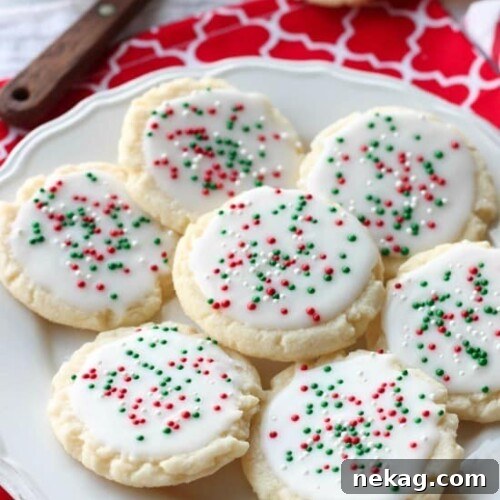
Christmas Meltaway Cookies
Amber Brady
10
8
18
20
cookies
Ingredients
Cookies:
-
¾ cup
(170 g)
unsalted butter, (1 ½ sticks or 12 Tbsp) room temperature -
½ cup
(60 g)
powdered sugar -
½ cup
(80 g)
cornstarch -
1 tsp
vanilla extract -
¼ tsp
salt -
1 cup
(120 g)
all-purpose flour, (stir, spoon & level)
Glaze:
-
1 ½ cups
(180 g)
powdered sugar -
3 to 4 Tbsp
milk -
¼ tsp
vanilla or almond extract
Optional:
- red & green sprinkles/nonpareils
Instructions
-
Preheat oven to 350 degrees Fahrenheit.
-
In the bowl of a stand mixer with the paddle attachment, cream the butter with the powdered sugar and cornstarch until light and fluffy. Add vanilla and mix well.
-
In a separate bowl, combine the salt and flour. Gradually add the dry ingredients to the wet batter, mixing on low speed until the dough just clumps together. Be careful not to overmix.
-
Scoop small portions of cookie dough onto silicone-lined baking sheets. Gently flatten each dough ball with the bottom of a measuring cup dipped in powdered sugar to prevent sticking.
-
Bake at 350˚F for 8 to 12 minutes, or until the edges are just set and barely golden. The cookies should still look pale in the center. Do not over-bake, as this will affect their melt-in-your-mouth texture.
-
While the cookies cool completely, whisk together the ingredients for the glaze (powdered sugar, milk, vanilla/almond extract). Add extra milk 1 teaspoon at a time until you reach your desired consistency. The glaze should be slightly thick but pourable. Spoon or drizzle the glaze on top of the completely cooled cookies.
-
Immediately after glazing, sprinkle red and green sprinkles (or your preferred decoration) on top of the wet glaze. Allow the glaze to harden completely before storing. Store cookies in an airtight container at room temperature for up to 5 days.
Video Instructions
For a visual guide to making these delightful Christmas Meltaway Cookies, watch our step-by-step video tutorial.
Find the complete video demonstration on our website for an even easier baking experience.
Nutrition
Calories: 89kcal |
Carbohydrates: 19g |
Protein: 1g |
Fat: 1g |
Cholesterol: 2mg |
Sodium: 38mg |
Sugar: 11g
Disclaimer: Nutritional values were calculated using a third-party tool and are provided as an estimation only.
Sharing this recipe with a link is both encouraged and appreciated. Copying/pasting and/or screenshots of full recipes to any social media is strictly prohibited. Content and photographs are copyright protected.
Did you make this?
We’d love to hear about your experience! Share your thoughts and don’t forget to follow us on Pinterest and Instagram for more delicious recipes!
Frequently Asked Questions About Meltaway Cookies
- What’s the difference between Meltaway Cookies and regular shortbread?
- While both are butter-rich, Meltaway Cookies typically include cornstarch, which makes them even more tender and crumbly, enhancing their “melt-in-your-mouth” quality beyond traditional shortbread.
- Why don’t Meltaway Cookies have eggs or baking soda?
- The absence of eggs and leavening agents like baking soda is intentional. Eggs would add structure and chewiness, and leavening would make them rise. Meltaways are designed to be dense, buttery, and exceptionally tender, characteristics achieved by a simple fat-to-flour ratio without these common additions.
- Can I substitute powdered sugar with granulated sugar?
- No, powdered sugar is crucial for the Meltaway Cookie’s delicate texture. Granulated sugar would not dissolve as finely and would result in a grittier texture and a less tender cookie.
- My dough is too crumbly and won’t come together. What should I do?
- If your dough is too crumbly, it might be slightly too cold or your butter wasn’t soft enough. You can try kneading it gently with your hands for a minute or two to warm it up, or add an extra teaspoon of milk at a time until it forms a cohesive dough. Be careful not to add too much liquid, as this can affect the texture.
- How can I prevent my Meltaway Cookies from spreading too much?
- Ensure your butter is at room temperature (soft but not greasy or melted). Chilling the dough for 15-30 minutes before baking can also help prevent spreading, especially if your kitchen is warm.
- Can I make these cookies ahead of time?
- Absolutely! The baked cookies can be stored unfrosted for several days, or frozen. The dough can also be made ahead and refrigerated for up to 3 days, or frozen for up to a month. Thaw refrigerated dough slightly before rolling/forming.
Conclusion: A Timeless Treat for All Seasons
Meltaway Cookies are more than just a dessert; they are an experience. Their simple elegance and unforgettable texture make them a timeless classic, perfect for holiday celebrations, afternoon tea, or simply as a comforting treat. With minimal effort and basic ingredients, you can create a batch of these exquisite cookies that are guaranteed to impress. We encourage you to try this recipe and discover the pure joy of a cookie that truly melts in your mouth.