
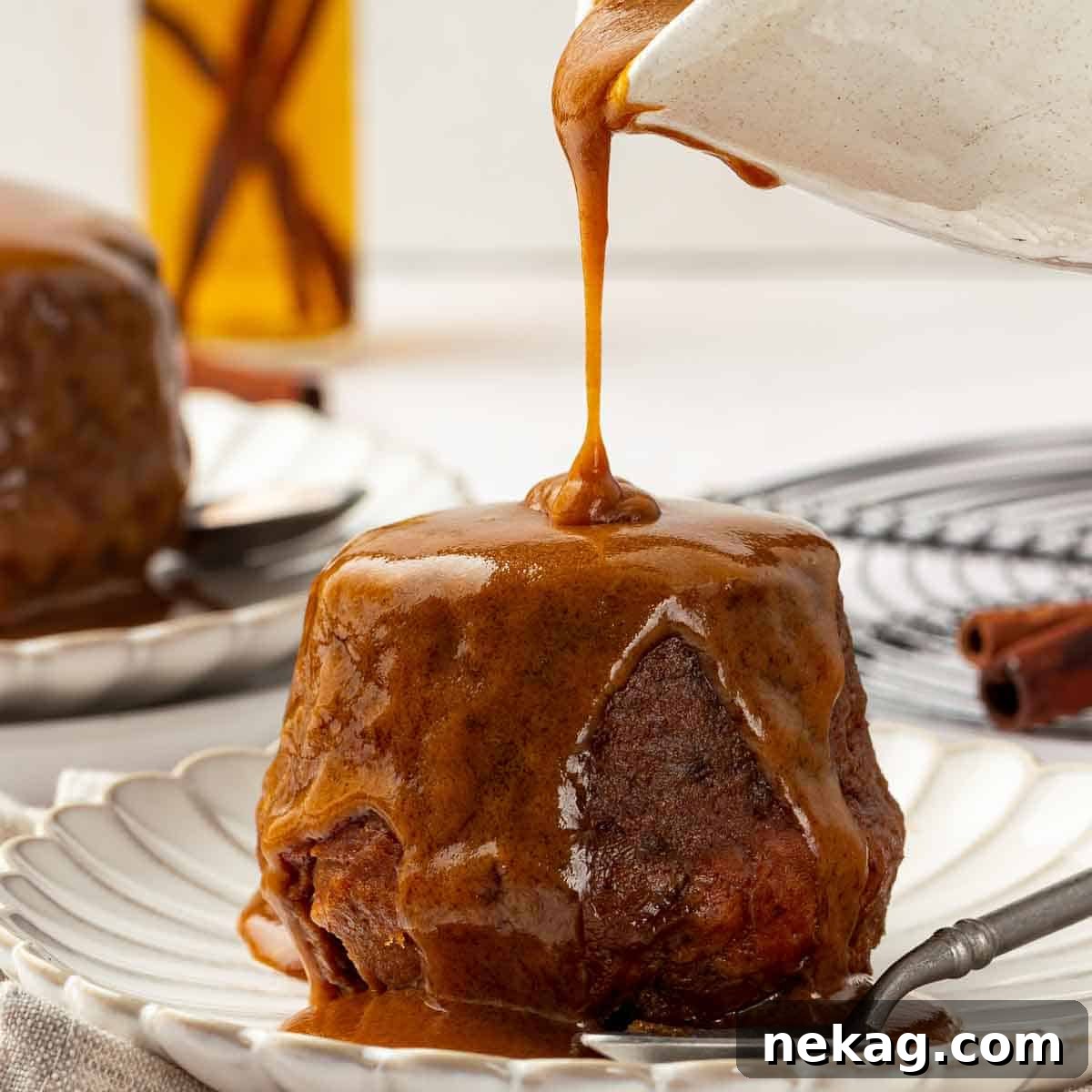
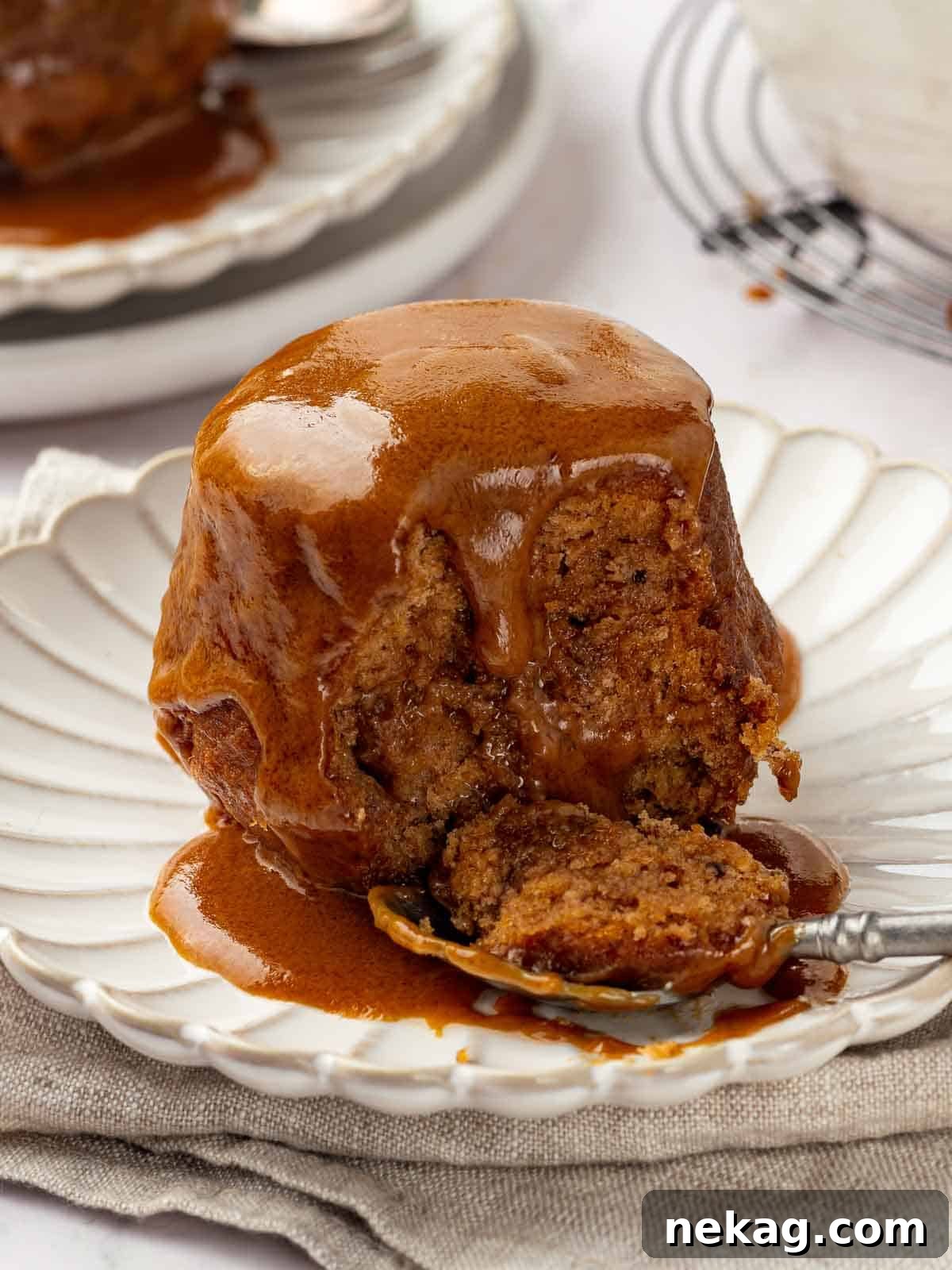
Indulge in the ultimate British classic with these incredibly decadent and luscious sticky toffee puddings. Each bite is a symphony of rich caramel and deep molasses flavors, derived from succulent Medjool dates and authentic molasses. Baked to perfection and generously soaked in a warm, silken toffee sauce, this dessert promises an unparalleled taste experience that’s both comforting and luxurious. It’s the perfect treat for any occasion, guaranteed to impress and satisfy even the most discerning palates.
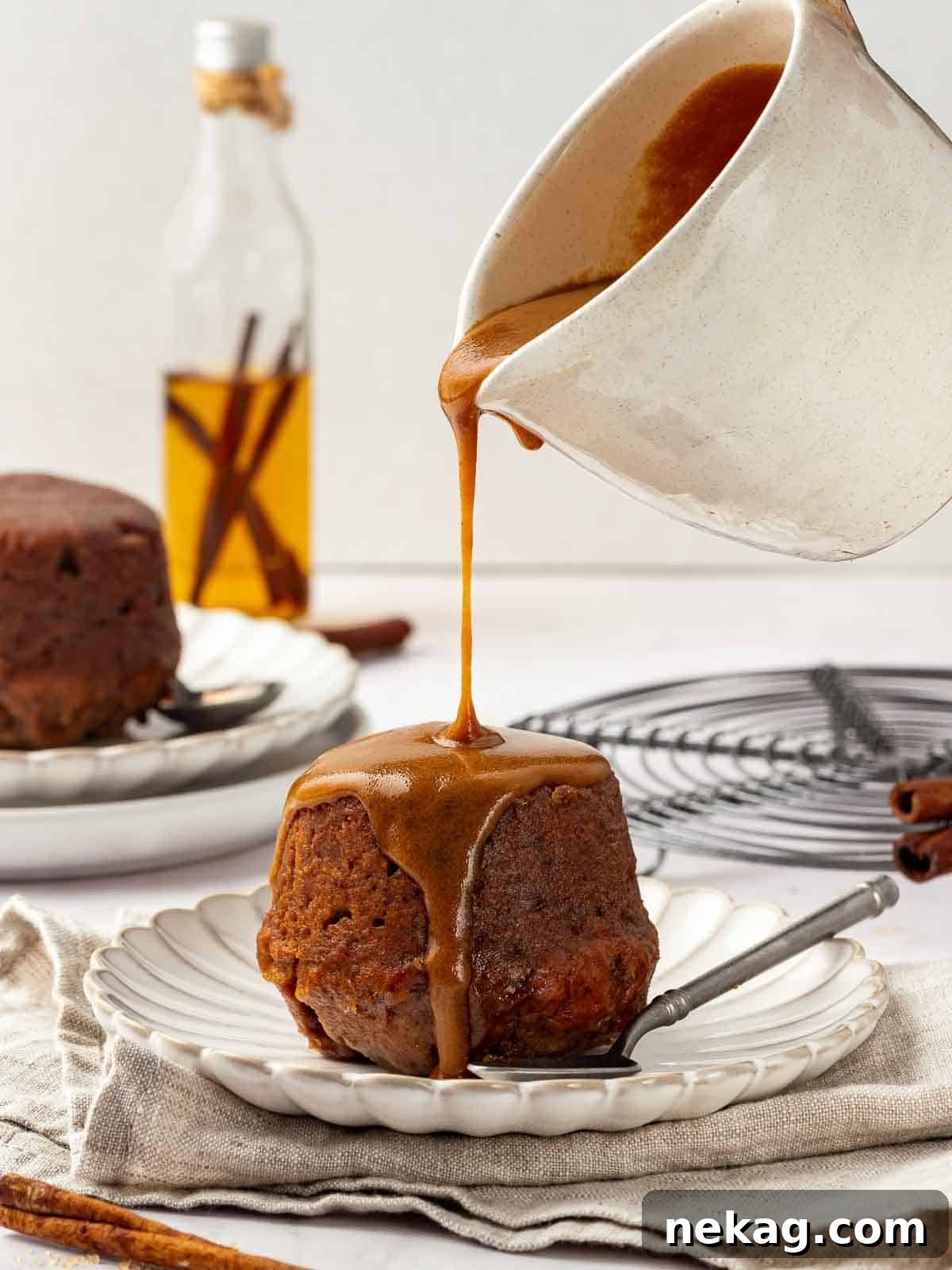
My journey with sticky toffee pudding began in a professional kitchen, where I first crafted these delightful treats for our restaurant guests. From the very first batch, I was completely captivated, and soon, my team and I were producing hundreds at a time to meet demand. The true secret to achieving their irresistible richness and profound moisture lies in one crucial step: drenching the warm cakes in the toffee sauce immediately after they emerge from their ramekins. This allows the sauce to deeply penetrate the sponge, creating a dessert so moist and flavorful, it’s genuinely hard to stop at just one serving.
Despite their indulgent nature, I promise you these puddings are perfectly balanced and not overly sweet. My rendition of this beloved British dessert strikes an exquisite harmony, allowing the complex notes of dates and molasses to shine through without being masked by excessive sugar. Molasses, in particular, is an ingredient I’ve grown to adore and incorporate into many of my recipes. Its robust, slightly smoky sweetness adds an unparalleled depth that transforms ordinary dishes into extraordinary culinary experiences. If you’re as enamored with molasses as I am, you must explore more of my inspired creations! Begin with the wonderfully chewy molasses sugar cookies, or perhaps the sophisticated caramel molasses pound cake. For a truly classic comfort, my shoofly pie is a must-try. And for those who appreciate a savory twist, don’t miss my sweet and spicy chipotle maple chicken wings, where molasses adds a remarkable glaze and flavor dimension.
Table of Contents
- Why You Will Love This Classic Sticky Toffee Pudding
- Professional Tips for Making Sticky Toffee Pudding
- Essential Ingredients & Smart Substitutions
- What is Sticky Toffee Pudding? A British Classic Unveiled
- Delightful Variations to Customize Your Pudding
- How to Make Sticky Toffee Pudding: A Step-by-Step Guide
- Chef Lindsey’s Expert Recipe Tip
- Frequently Asked Questions
- Sticky Toffee Pudding Recipe Card
- Before You Go
Why You Will Love This Classic Sticky Toffee Pudding
This sticky toffee pudding recipe isn’t just another dessert; it’s an experience designed to captivate your senses. Here’s why this particular rendition will quickly become a cherished favorite:
- Warm, Complex, and Perfectly Balanced Flavor: The star of our flavor profile is the exquisite combination of Medjool dates and molasses. Medjool dates, known for their naturally rich, almost caramel-like sweetness, provide a robust base. Paired with the deep, earthy, and slightly smoky notes of molasses and the caramel undertones of dark brown sugar, this pudding achieves a multi-layered sweetness that is profound yet never cloying. It’s a harmonious blend that creates a truly warm, comforting, and sophisticated taste.
- Incredibly Tender and Rich Texture: The magic of this pudding’s texture lies in the preparation of the Medjool dates. Soaking them in boiling water with a touch of baking soda isn’t just about rehydration; it’s a crucial step that helps them break down into a smooth, silken puree. This date puree is then seamlessly incorporated into the cake batter, resulting in an exceptionally fine, tender crumb that melts effortlessly in your mouth. The baking soda also reacts with the dates, contributing to the cake’s light and airy structure while ensuring it remains wonderfully moist.
- Stays Moist and Soft for Days (and Even Improves!): One of the most remarkable qualities of this sticky toffee pudding is its ability to maintain its incredible moisture and softness for an extended period. The secret lies in generously soaking the warm cakes with two layers of our luscious toffee sauce. This double immersion creates a protective barrier, locking in moisture and infusing every fiber of the cake with rich caramel goodness. The pudding becomes even more flavorful and tender on the second and third days, making it an ideal make-ahead dessert for entertaining or simply enjoying throughout the week.
Professional Tips for Making Sticky Toffee Pudding
Achieving bakery-quality sticky toffee pudding at home is entirely possible with a few professional insights. These tips will guide you to a flawless dessert every time:
- Beware of Overbaking – Precision is Key: This delicate cake can transition from perfectly baked to overly dry in mere moments. It’s crucial to keep a vigilant eye on it as it bakes. Begin checking for doneness a few minutes before the suggested baking time is up. The ideal indicator is a cake tester or toothpick inserted into the center emerging clean, and the cake should spring back gently when lightly touched. An overbaked pudding will lose its signature moistness, becoming crumbly and less enjoyable. When baking individual ramekins, consider weighing the batter into each for consistent results, as this will ensure even cooking times and prevent some puddings from drying out while others are still baking.
- Boiling Water is Non-Negotiable for Date Perfection: The efficacy of rehydrating and tenderizing the Medjool dates hinges entirely on using genuinely boiling water. The heat helps soften the fibrous structure of the dates, while the added baking soda creates an alkaline environment that further aids in their breakdown, resulting in a smooth, rich puree. If your water has cooled even slightly, take the extra minute to bring it back to a rolling boil. This seemingly small detail significantly impacts the final texture and flavor of your pudding, ensuring the dates blend seamlessly into the batter.
- Embrace Room Temperature Ingredients for Superior Texture: For the finest and most consistent pudding texture, it is paramount that your butter and eggs are at true room temperature. Cold ingredients, especially butter and eggs, can cause the batter to “break” or curdle when mixed, resulting in a less smooth mixture and a denser, uneven crumb. Room temperature butter creams more easily, incorporating air for a lighter cake, and eggs emulsify better, creating a stable, cohesive batter. If your butter is too cold, cut it into small pieces and let it sit out for 30 minutes, or gently warm it in a microwave for a few seconds (being careful not to melt it). For eggs, place them in a bowl of warm water for 5-10 minutes.
Essential Ingredients & Smart Substitutions
Crafting the perfect sticky toffee pudding begins with understanding the role of each ingredient. Here’s a detailed look at what you’ll need and how you can adapt if necessary:
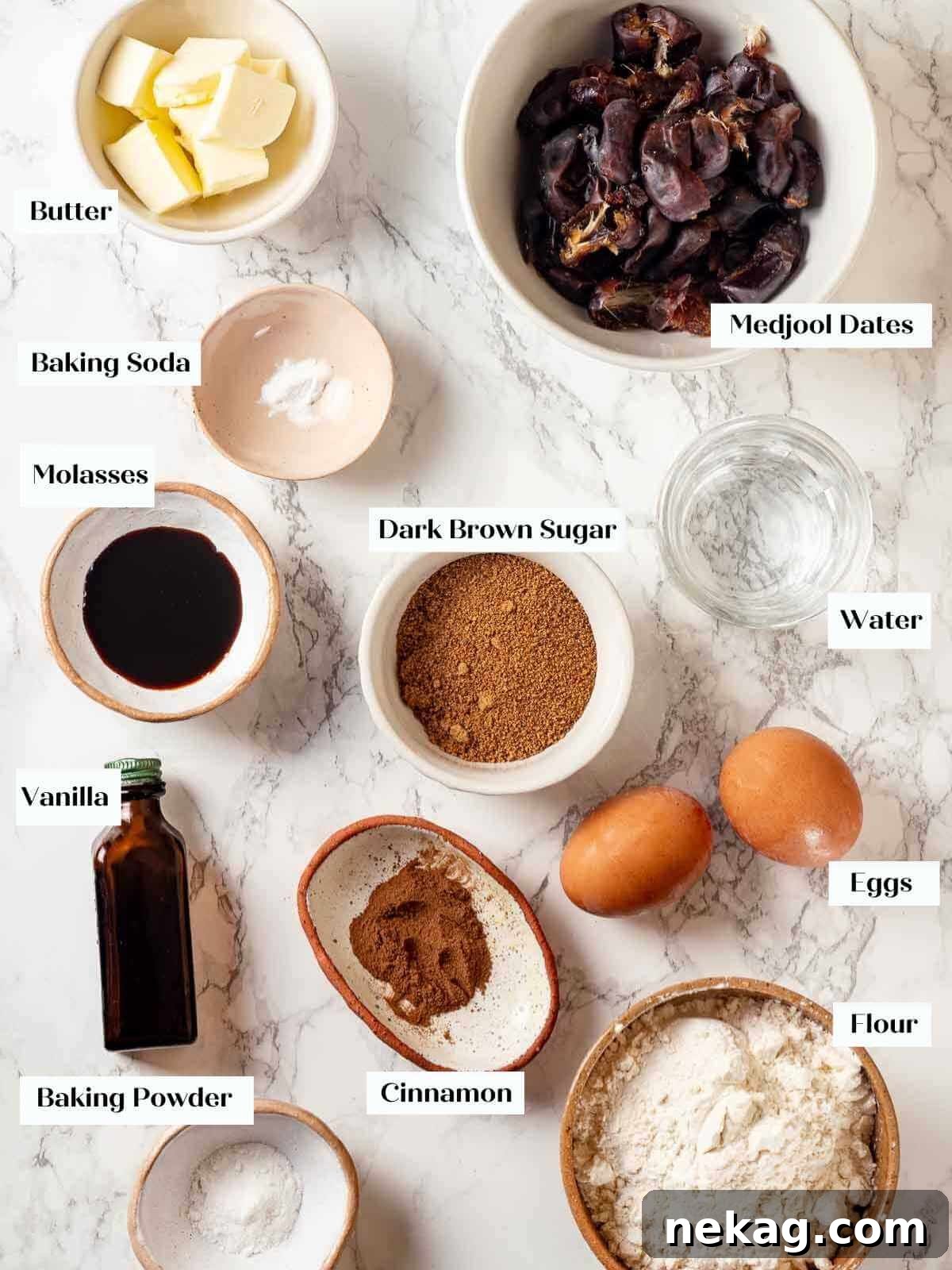
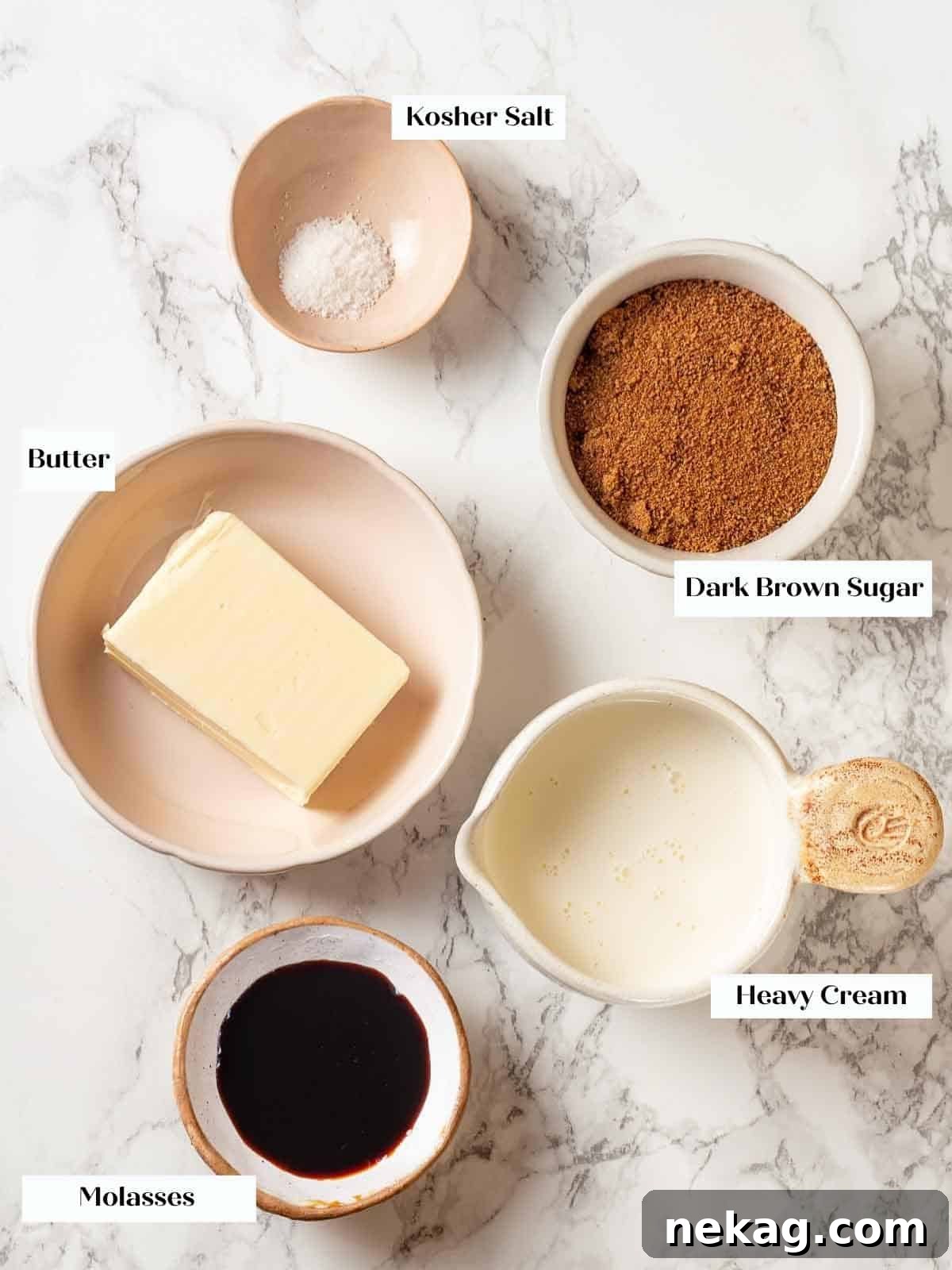
- Medjool Dates: These are my preferred choice for their exceptionally rich, deep caramel flavor and naturally moist, plump texture. Medjool dates are larger and softer than other varieties, which contributes significantly to the pudding’s luxurious texture and distinct taste. When pureed, they create a wonderfully smooth base that other dates might struggle to achieve. If Medjool dates are unavailable, Deglet Noor dates can be used, but you might need to soak them slightly longer and expect a subtly less pronounced caramel note. Ensure they are pitted before soaking.
- Boiling Water: Essential for softening the dates. The intense heat works in conjunction with the baking soda to break down the date fibers, allowing them to transform into a smooth, cohesive puree that seamlessly integrates into the batter, ensuring a tender and uniform cake.
- Baking Soda: This unassuming ingredient plays a dual role. Firstly, it provides a touch of leavening, contributing to the cake’s lift. More importantly, it helps to break down the dates further, making them incredibly soft and easier to puree, which yields a smoother, richer date paste and a finer cake crumb. It also helps to balance the sweetness with a subtle tang.
- Unsalted Butter: I always opt for unsalted butter in baking to maintain precise control over the salt content in the recipe. Butter contributes essential fat, which translates to moisture, tenderness, and rich flavor in the pudding. Ensure it’s at room temperature for optimal creaming. If using salted butter, reduce the added kosher salt by about ¼ teaspoon.
- Molasses: A star ingredient that infuses the pudding with its signature robust, complex, and slightly earthy sweetness. Molasses adds a depth of flavor that brown sugar alone cannot replicate, creating that authentic sticky toffee profile. I recommend unsulfured molasses for the best flavor, as sulfured varieties can have a slightly harsher taste. Do not confuse it with blackstrap molasses, which is much stronger and less sweet.
- Dark Brown Sugar: This provides additional moisture and a deeper caramel note to the pudding, perfectly complementing the molasses. Its higher molasses content gives it a richer flavor profile compared to light brown sugar. While dark brown sugar is preferred for its depth, light brown sugar can be substituted, though the final pudding might be slightly less intense in flavor.
- Eggs: Large eggs are crucial for structure, moisture, and leavening. They act as an emulsifier, binding the fat and liquid ingredients together to create a smooth, stable batter that bakes into a uniform cake. Always use room temperature eggs to prevent the batter from curdling and to ensure proper incorporation.
- Vanilla Extract: A classic flavor enhancer that deepens the caramel and date notes, adding a touch of aromatic warmth to both the pudding and the sauce. Use good quality pure vanilla extract for the best results.
- All-purpose Flour: Provides the necessary structure for the cake. All-purpose flour, with its moderate gluten content, yields a tender yet sturdy crumb, ideal for soaking up the toffee sauce. For a gluten-free version, a cup-for-cup gluten-free baking blend (like King Arthur’s) can be substituted. Be aware that texture might vary slightly.
- Baking Powder: Works alongside baking soda as a chemical leavening agent, creating gas bubbles that expand during baking, resulting in a light and airy cake texture. Ensure your baking powder is fresh for optimal lift.
- Ground Cinnamon: A warm spice that beautifully complements the sweet and robust flavors of dates and molasses. It adds an inviting aroma and a subtle hint of spice that elevates the overall profile. Feel free to experiment with other warm spices like a pinch of nutmeg or allspice for added complexity.
- Heavy Cream: The essential liquid base for our luxurious toffee sauce. Heavy cream, with its high-fat content, contributes to the sauce’s silky smooth texture and rich mouthfeel, ensuring it coats the puddings beautifully. While milk or non-dairy alternatives can be substituted, the sauce will be thinner and less decadent.
- Kosher Salt: Vital for balancing the sweetness and enhancing all the caramel and molasses flavors in both the pudding and the sauce. A good quality kosher salt will prevent the dessert from tasting flat or overly sweet, instead making the flavors pop.
Refer to the comprehensive recipe card below for exact measurements and further details on ingredients.
What is Sticky Toffee Pudding? A British Classic Unveiled
Sticky toffee pudding, often affectionately known as sticky date pudding, is an iconic and beloved British dessert that has captured hearts globally. Far from the savory puddings often associated with British cuisine, this dessert is a sweet, steamed, or baked sponge cake made with finely chopped dates, generously smothered in a warm, buttery toffee sauce. The term “pudding” in British English refers broadly to any dessert, which can be confusing for those unfamiliar with the culinary terminology.
Its origins are somewhat debated, but popular lore often traces it back to the Sharrow Bay Country House Hotel in Cumbria, England, in the 1970s, though similar date-based puddings existed long before. Regardless of its exact inception, it quickly became a staple in pubs, restaurants, and homes across the United Kingdom. The characteristic “stickiness” comes from the dates, which lend a natural sweetness and moistness, and the rich toffee sauce that saturates the cake.
Traditionally, sticky toffee pudding is served warm, often accompanied by a dollop of rich crème anglaise, a scoop of creamy vanilla ice cream, or even a simple fresh whipped cream. Its comforting warmth and deep flavors make it a perfect dessert for cooler weather or a festive occasion. While most commonly known as sticky toffee pudding in England and North America, it’s often referred to as sticky date pudding in Australia and New Zealand, and enjoys significant popularity in Canada and Scotland as well, a testament to its universal appeal.
Delightful Variations to Customize Your Pudding
While the classic sticky toffee pudding is undeniably perfect, there’s always room for creative twists. Here are some ideas to personalize this beloved dessert and explore new flavor dimensions:
- Infuse with More Spices: Elevate the aromatic profile of your pudding by incorporating additional warm spices beyond cinnamon. Consider adding a teaspoon of my comforting pumpkin spice mix for an autumnal touch, or a hint of apple pie spice mix for a taste reminiscent of orchard delights. For a truly unique and fragrant experience, try my speculoos spice mix, which offers notes of ginger, cardamom, and cloves. Even a simple addition of freshly grated nutmeg, a pinch of allspice, or ground ginger can significantly enhance the complexity and warmth of the pudding.
- Experiment with Different Sauces: While the traditional toffee sauce is a non-negotiable for soaking the cakes to achieve that signature moisture and flavor, you can certainly get creative with the accompanying serving sauce. For a nutty, caramel-like alternative, try a rich butterscotch sauce. A classic salted caramel sauce can add a delightful contrast of sweet and savory. If you’re a chocolate lover, a decadent chocolate fudge sauce can transform this British classic into a more indulgent, American-style dessert. For an adult twist, consider infusing your serving sauce with a splash of bourbon or rum for added depth.
- Alternate Dried Fruits for Unique Flavors: While dates are traditional, experimenting with other dried fruits can introduce fascinating new flavor profiles. Substitute some or all of the dates with finely chopped prunes for a richer, more fig-like sweetness. Dried apricots can lend a subtle tang and bright color, while dried cherries will offer a delicate tartness that beautifully cuts through the pudding’s richness. Be mindful that these fruits may not be as naturally sweet as Medjool dates, so you might consider a slight increase in brown sugar if you prefer a sweeter pudding. You could also explore different date varieties like the firmer Jujube or Deglet Noor dates, adjusting soaking times accordingly.
- Add Exciting Mix-ins for Texture and Taste: Introduce delightful textural contrasts and flavor bursts by stirring in various mix-ins to your pudding batter. Small toffee chunks or chocolate chips (dark, milk, or white) will melt into pockets of gooey deliciousness. For a satisfying crunch and nutty aroma, fold in toasted chopped pecans, walnuts, or almonds. Candied ginger can add a delightful spicy warmth, while a sprinkle of citrus zest (orange or lemon) can provide a bright, zesty counterpoint to the rich, deep flavors.
How to Make Sticky Toffee Pudding: A Step-by-Step Guide
Follow these detailed instructions to create consistently perfect, rich, and moist sticky toffee puddings every single time. Precision in preparation ensures a truly exceptional dessert. Further details, including exact measurements and quantities, are available in the comprehensive recipe card at the end of this article.
Part 1: Preparing the Pudding Batter
Step 1: Preheat Your Oven. Begin by preheating your oven to 325°F (160°C) if using convection (with a fan), or 350°F (175°C) if using a conventional oven (no fan). This ensures the oven is at the correct temperature for even baking when the batter is ready.
Step 2: Prepare the Dates. If your Medjool dates are not already pitted, carefully remove the pits and then finely chop the dates. Place the chopped dates into a small, heatproof bowl. Sprinkle the baking soda over the dates. Now, pour the genuinely boiling water over the date mixture. Stir gently to ensure all dates are submerged. Let this mixture sit undisturbed for at least 20 minutes. This critical step allows the baking soda and hot water to work together, thoroughly softening and tenderizing the dates, which is vital for achieving a smooth puree and a moist cake.
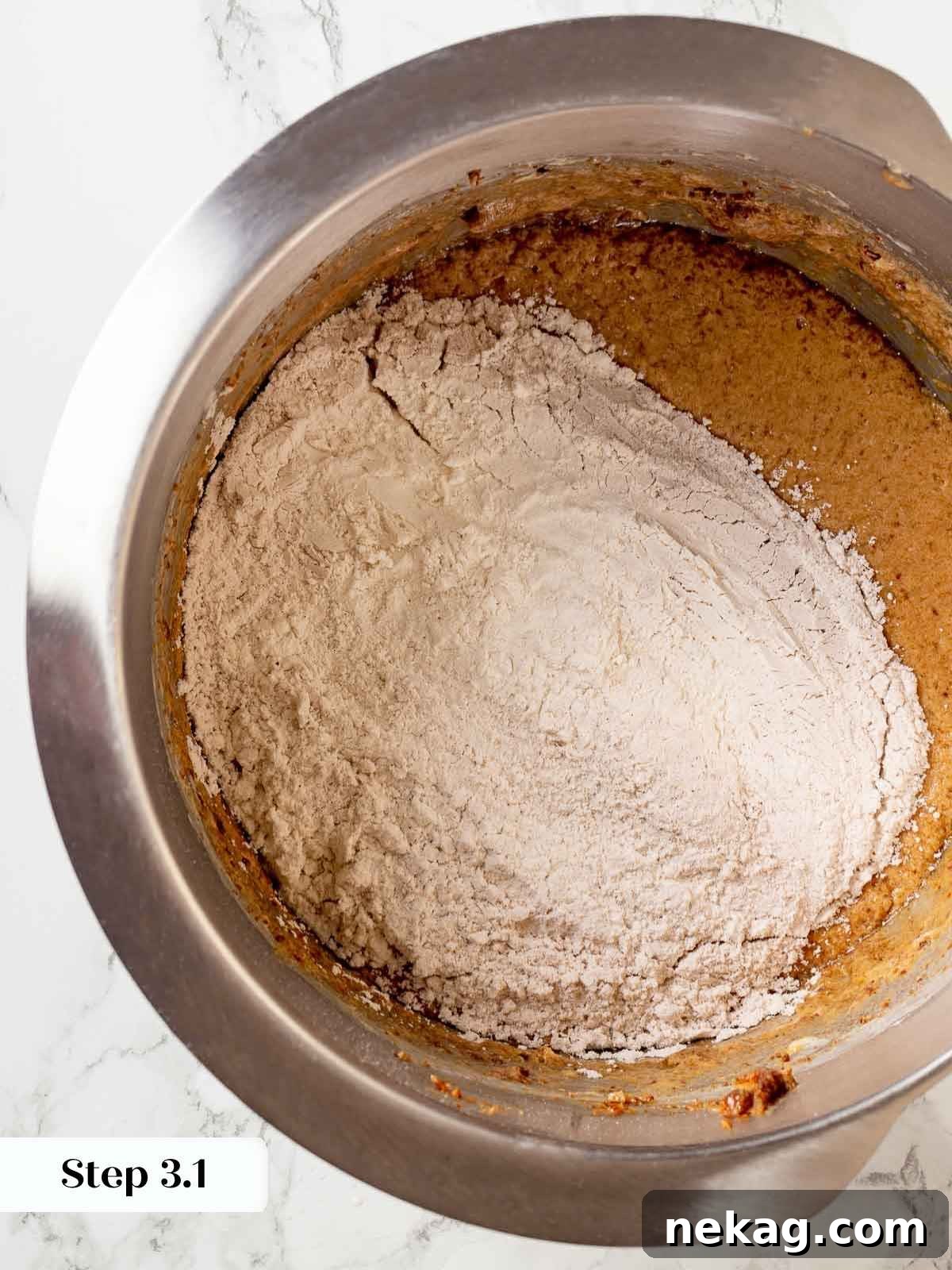
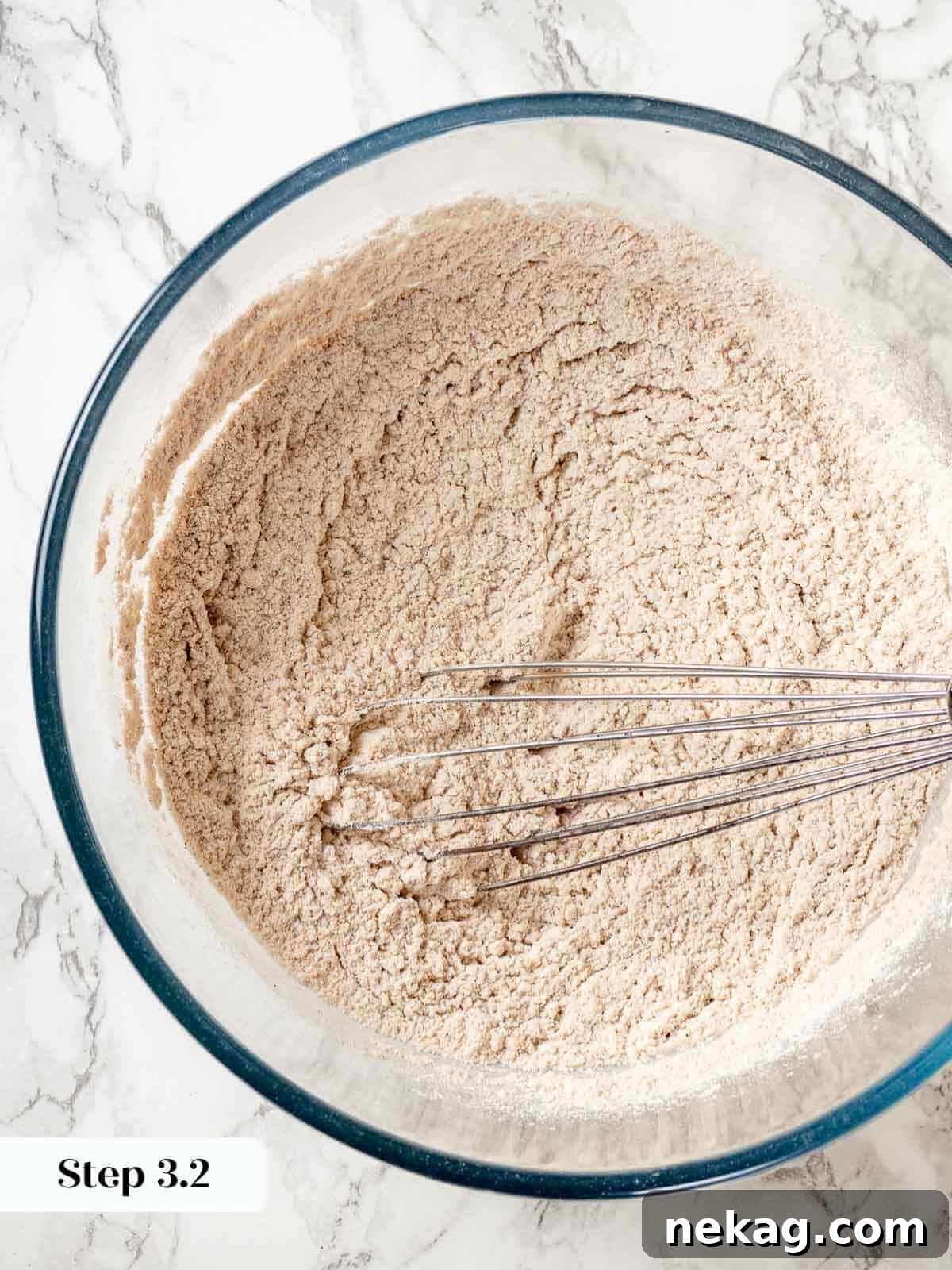
Step 3: Combine Dry Ingredients. In a medium-sized bowl, whisk together the all-purpose flour, baking powder, and ground cinnamon until they are well combined. Set this dry mixture aside for later use.
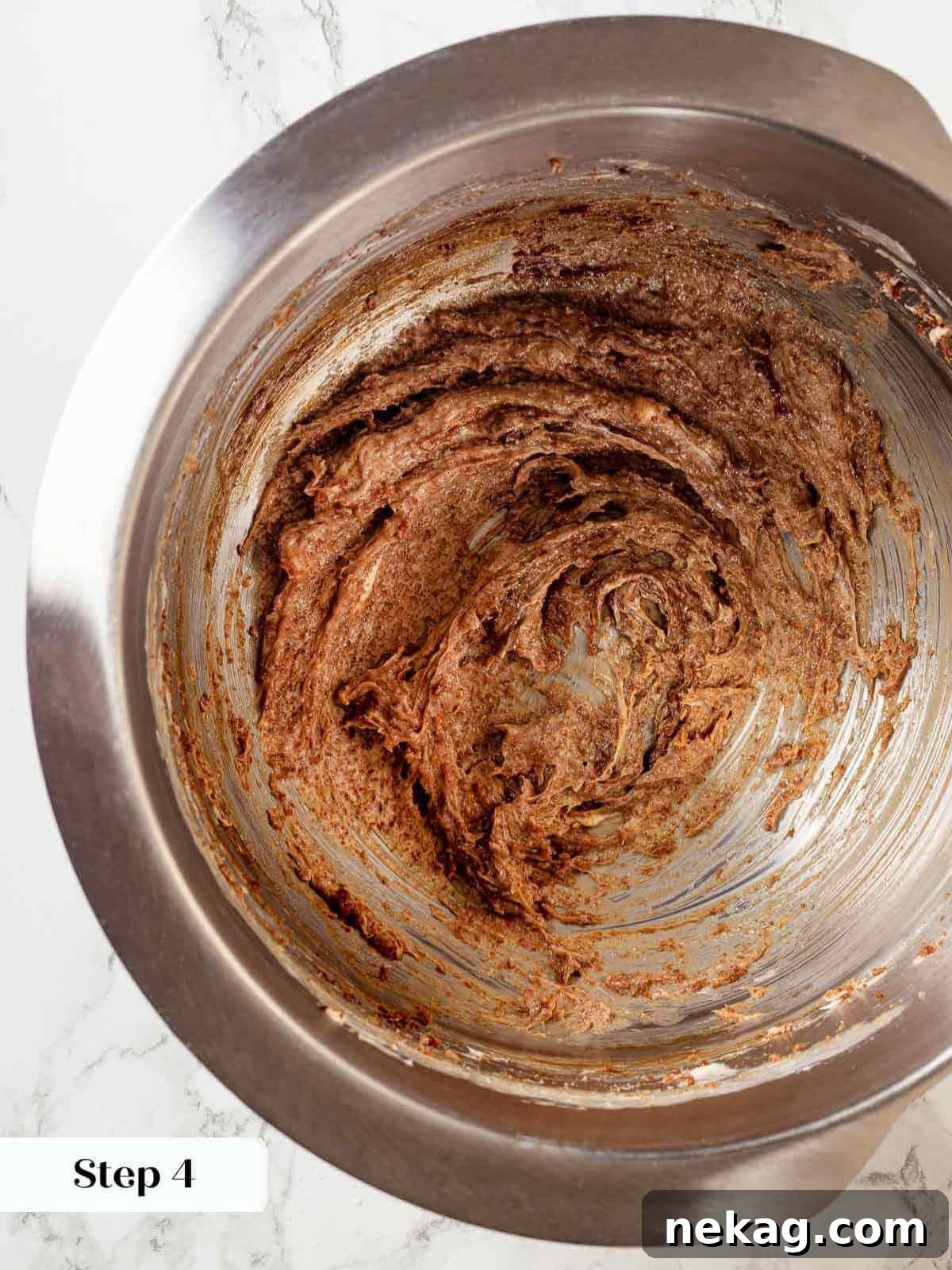
Step 4: Cream Butter, Sugar, and Molasses. In the bowl of a stand mixer fitted with the paddle attachment, or using a large bowl and a hand mixer, cream together the room temperature unsalted butter, dark brown sugar, and molasses on medium speed. Beat until the mixture is light, fluffy, and visibly pale. This creaming process incorporates air, which contributes to the cake’s tender texture.
Pro Tip: Prevent Breaking! Before incorporating the eggs, ensure that your butter, sugar, and molasses mixture is thoroughly combined and, crucially, that all ingredients are at room temperature. If ingredients are cold, the mixture might curdle or “break,” leading to a less ideal texture. While a slightly broken batter can be somewhat salvaged by the flour, it won’t achieve the full velvety smoothness of a perfectly emulsified batter.
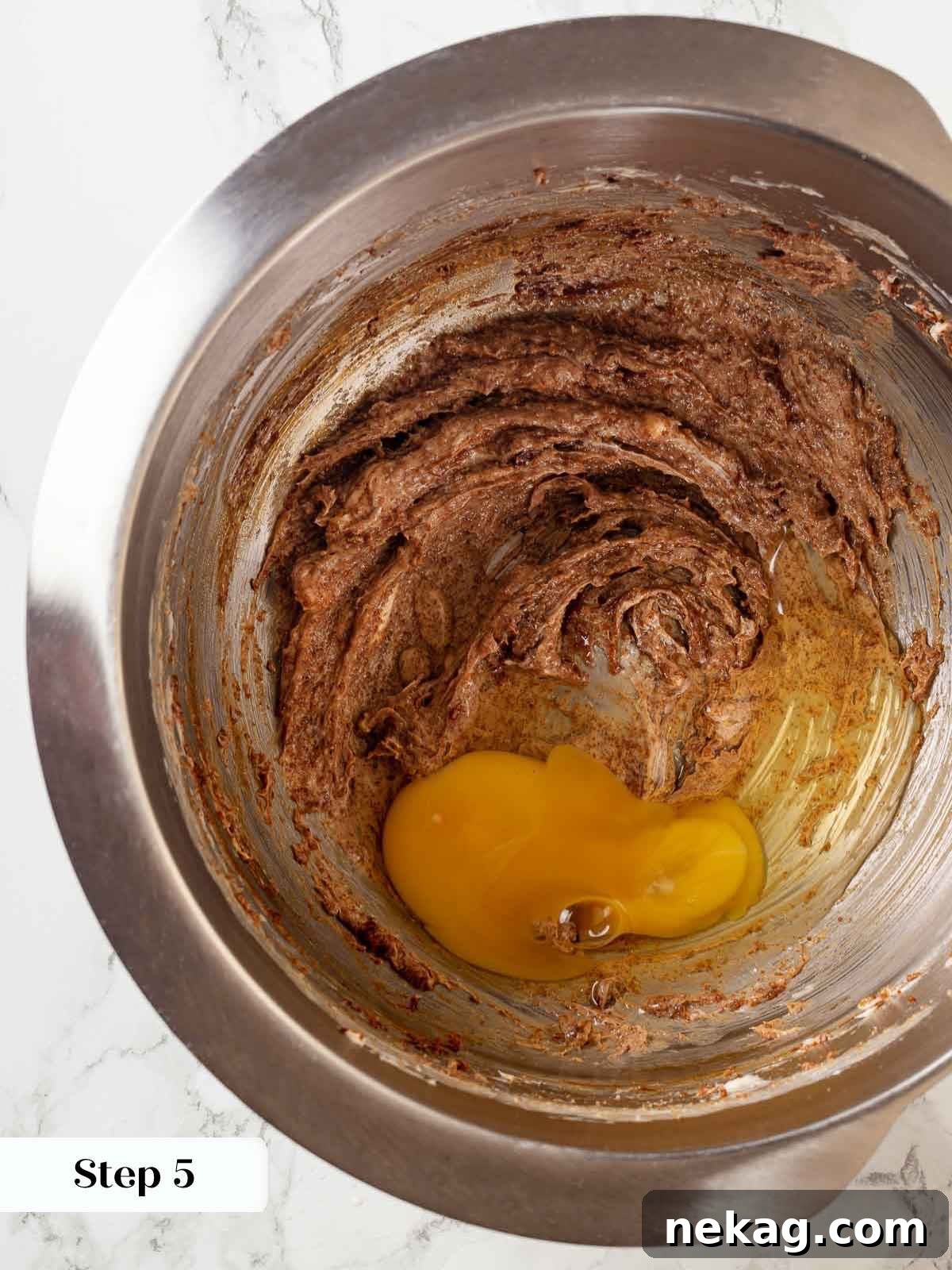
Step 5: Add Eggs and Vanilla. With the mixer running on low speed, add the large eggs one at a time, ensuring each egg is fully incorporated into the batter before adding the next. This gradual addition helps maintain the emulsion. Add the vanilla extract along with the final egg, mixing until just combined.
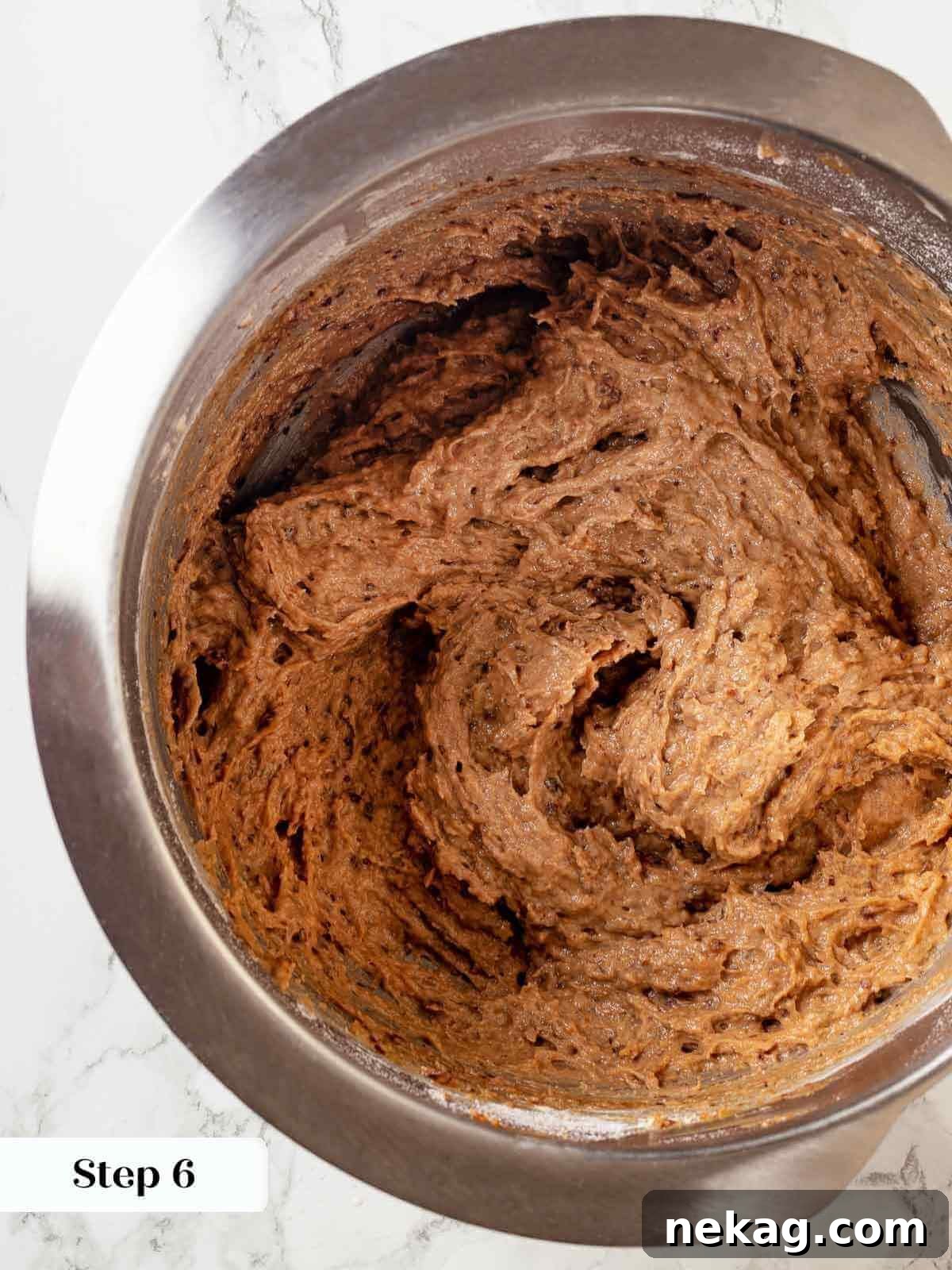
Step 6: Incorporate Dry Ingredients. Reduce the mixer speed to low. Gradually add the reserved dry ingredients (flour, baking powder, cinnamon) to the wet batter. Mix only until the flour streaks have just disappeared and the batter is combined. Overmixing at this stage can develop gluten, resulting in a tougher pudding.
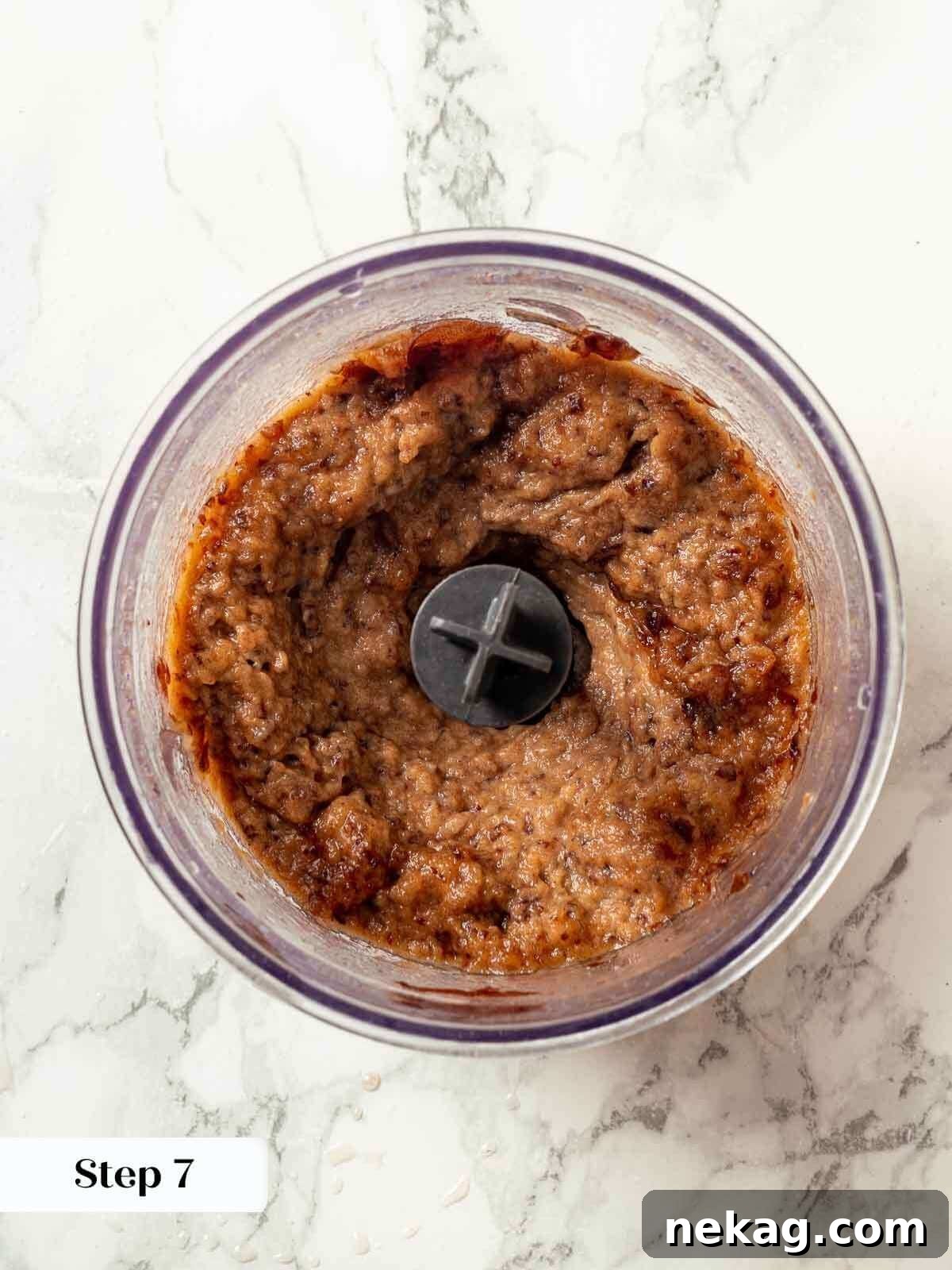
Step 7: Mash and Combine Dates. Once the dates have sufficiently softened, mash them thoroughly with a fork, or for an even smoother consistency, puree them in a food processor or with an immersion blender. Add the mashed or pureed dates to the pudding batter and mix on low speed until they are just combined and evenly distributed throughout the batter. Do not overmix.
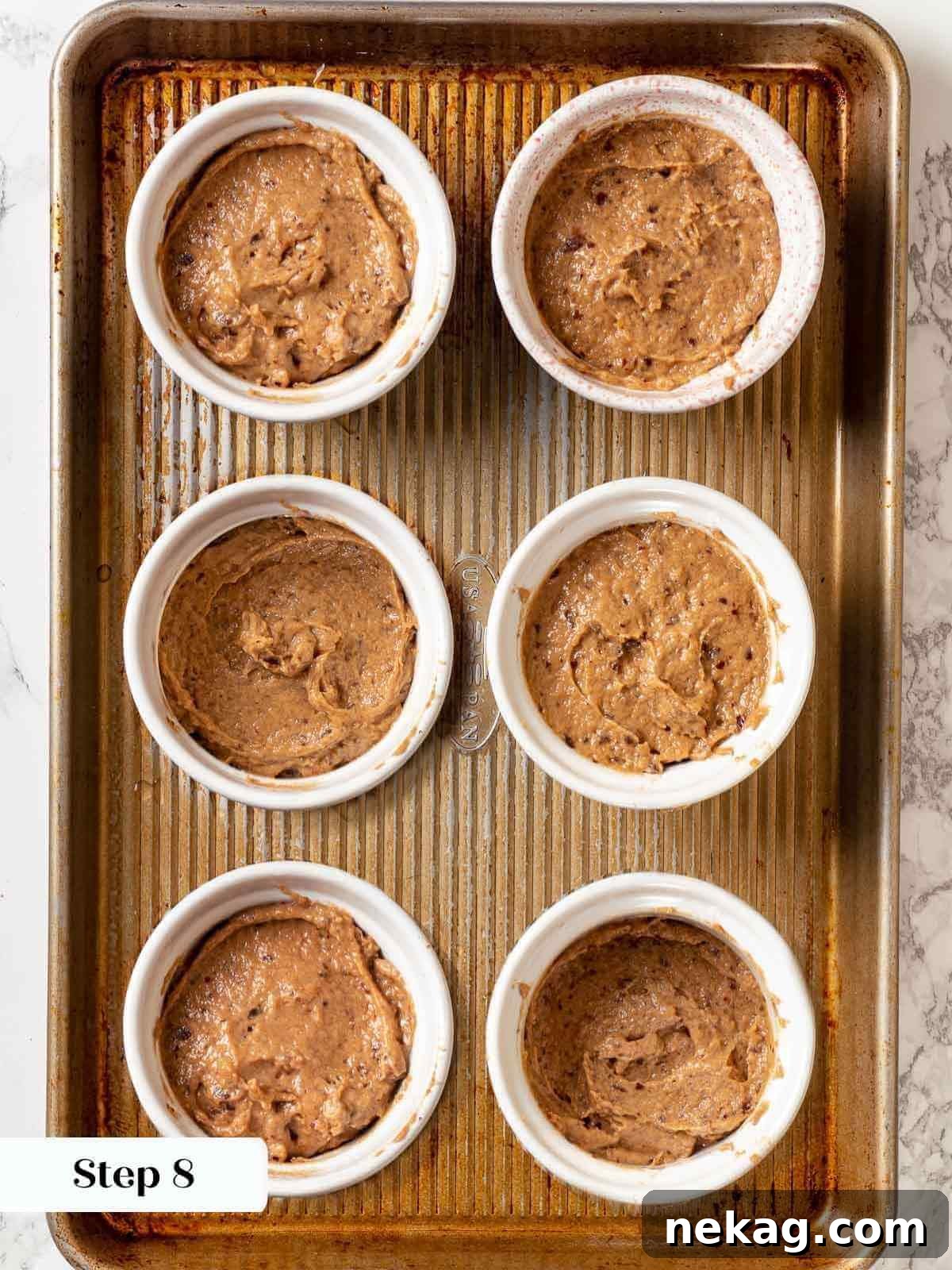
Step 8: Fill Ramekins. Lightly spray 6 individual 6-ounce ramekins with a non-stick cooking spray to prevent sticking. Carefully divide the prepared pudding batter evenly among the ramekins. For the most consistent baking and presentation, I highly recommend weighing the batter into each ramekin to ensure they are all filled equally.
Pro Tip: Even Baking. Weighing the batter into each individual ramekin is a professional trick that guarantees a uniform bake. Cakes of equal size will cook at the same rate, preventing some from being underbaked while others become overbaked.
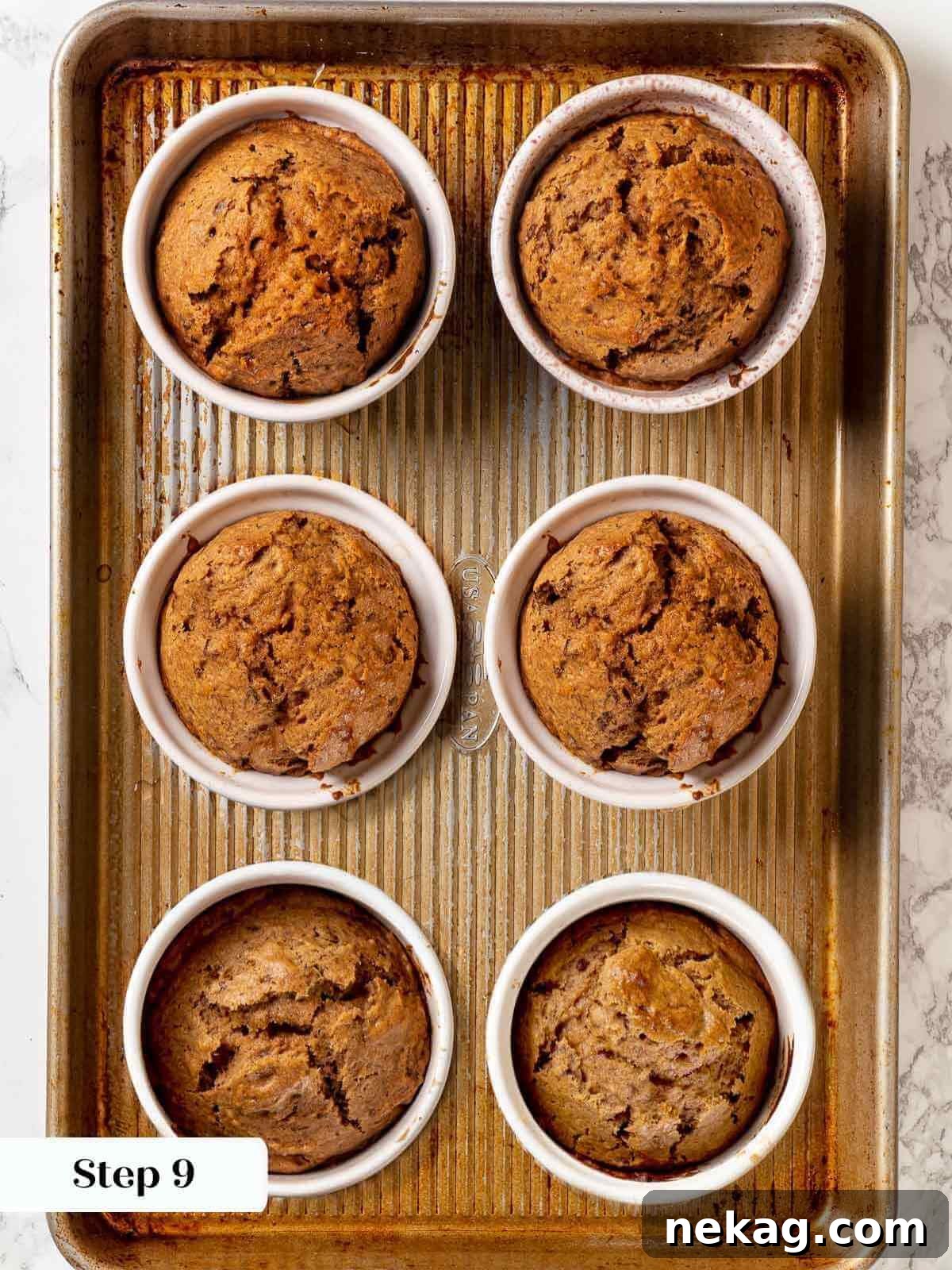
Step 9: Bake the Puddings. Place the filled ramekins on a baking sheet and transfer them to your preheated oven. Bake for approximately 25-30 minutes, or until a cake tester or toothpick inserted into the center of a pudding comes out clean and the top springs back when gently touched. Once baked, remove the puddings from the oven and let them cool in their molds for about 20 minutes before gently inverting and removing them.
A Note on Baking Time: This particular cake can quickly go from perfectly done to slightly overbaked. While precise monitoring is key, don’t panic if a pudding is slightly dry; a generous warm soak in the luscious toffee sauce is remarkably forgiving and can revive many small overbaking mishaps!
Part 2: Preparing the Luscious Toffee Sauce
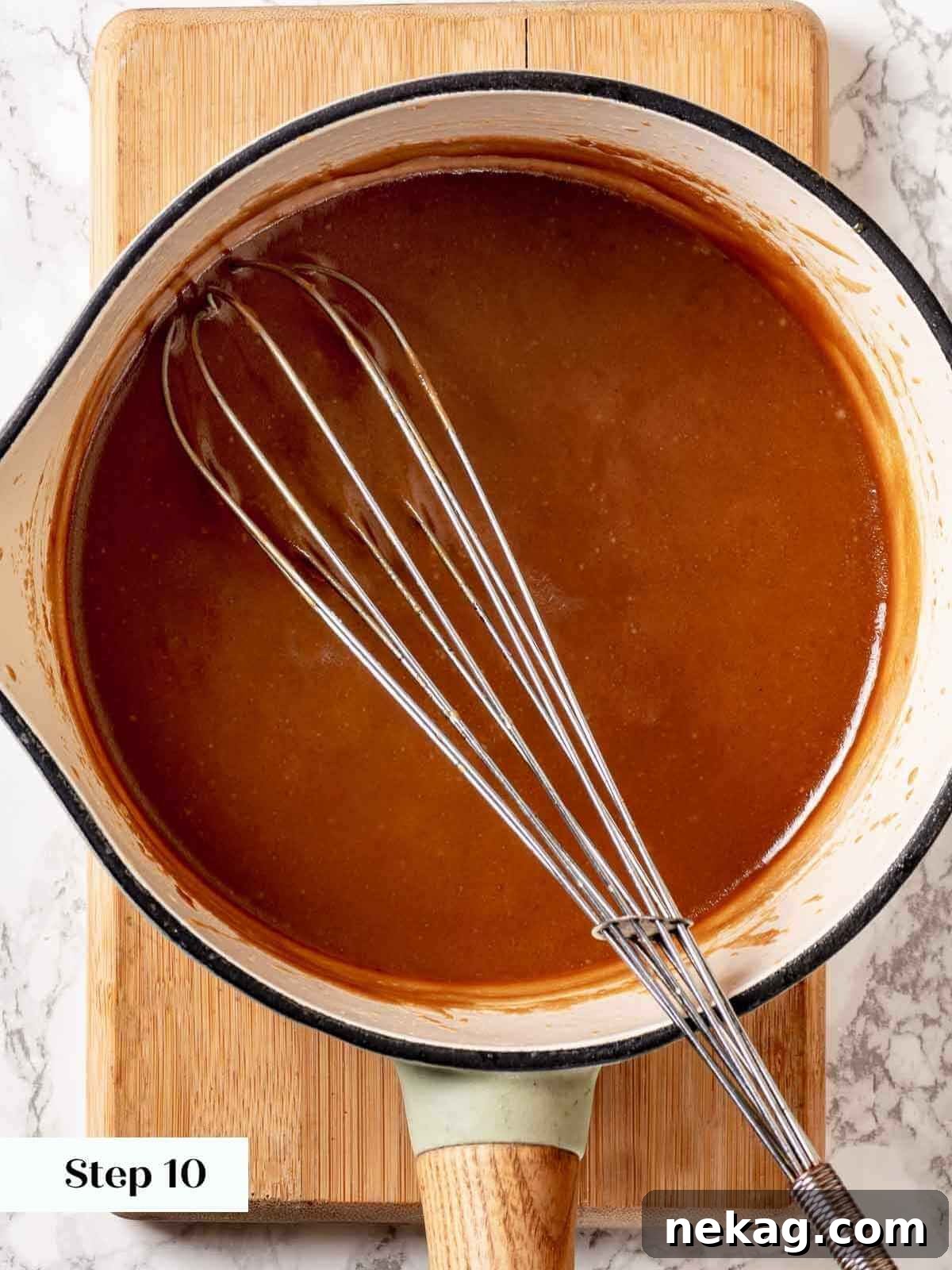
Step 10: Begin the Sauce. While your puddings are cooling slightly, start preparing the rich toffee sauce. In a medium saucepan, melt the unsalted butter over medium heat. Once the butter is fully melted and slightly fragrant, add the heavy cream, dark brown sugar, molasses, and kosher salt to the saucepan. Stir well to combine all ingredients.
Step 11: Simmer and Thicken. Bring the mixture to a gentle simmer over medium heat, whisking occasionally to prevent sticking and ensure even cooking. Allow the sauce to simmer for 5-8 minutes. During this time, the sauce will thicken and develop its characteristic caramel color and deep toffee flavor. Consistent whisking helps achieve a smooth consistency and prevents scorching.
The Art of Thickening: It’s crucial to allow the sauce sufficient time to thicken and slightly caramelize. A sauce that is too thin will not properly coat the cakes, leaving them wanting for that iconic sticky toffee richness. The gentle simmering helps to reduce the liquid, concentrating the flavors and achieving the perfect consistency for soaking.
Step 12: Cool Slightly. Once the sauce has thickened to your desired consistency, remove the saucepan from the heat and allow it to cool slightly. It should remain warm and pourable for the next step.
Make Ahead Option: You can prepare the toffee sauce up to 2 weeks in advance. Let it cool completely to room temperature before transferring it to an airtight container and refrigerating. When ready to use, gently reheat the sauce in a saucepan over low heat, stirring frequently, until it is warm and pourable again.
Part 3: Brushing and Serving the Cakes
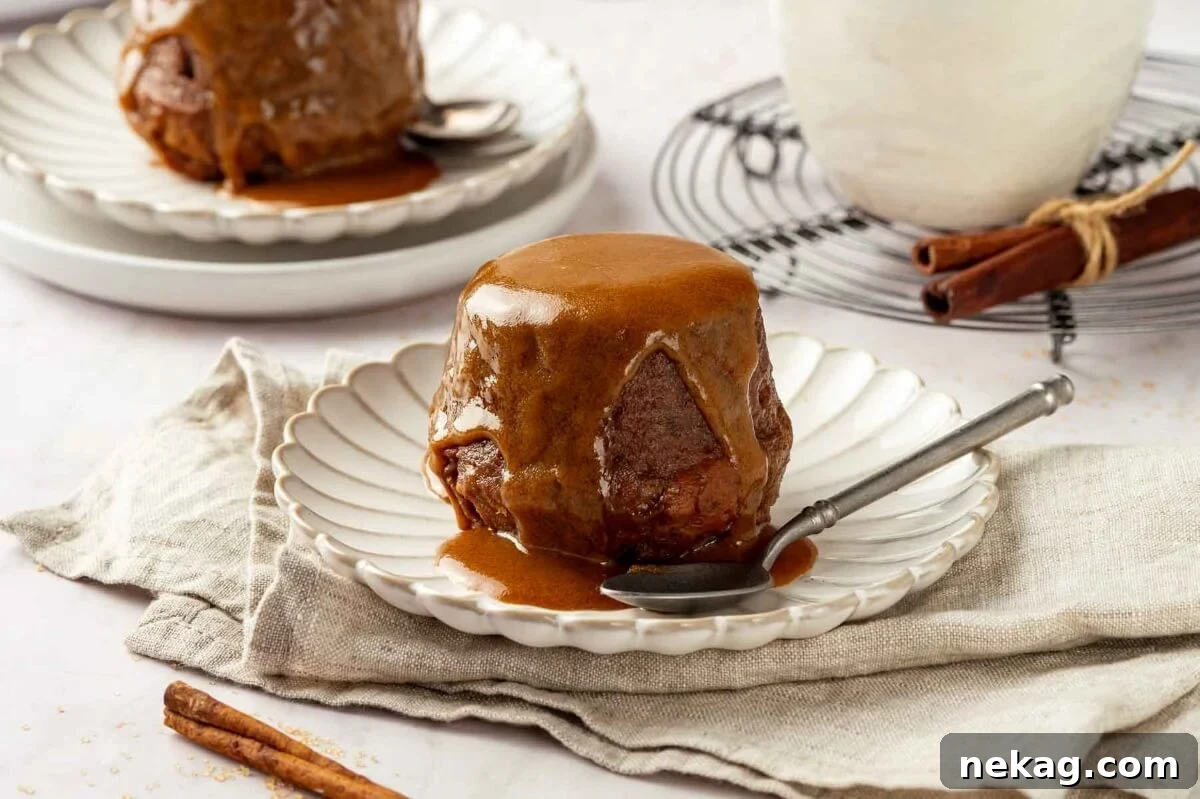
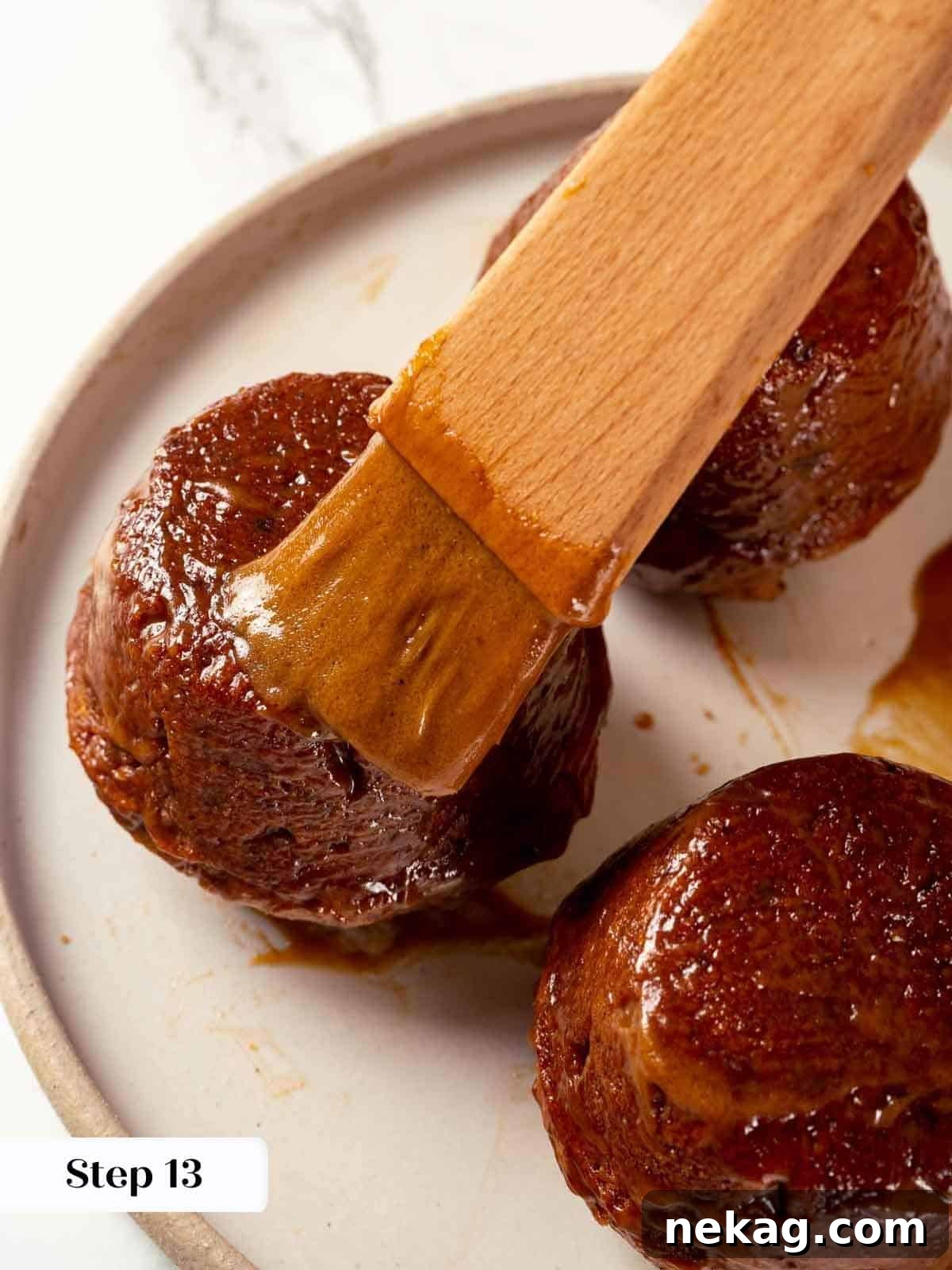
Step 13: The First Brush. Once the warm puddings have been carefully removed from their ramekins, it’s time for their glorious bath. Using a clean pastry brush, generously brush the warm toffee sauce over all sides of each pudding, one at a time. I find wearing a nitrile glove allows me to comfortably hold the warm cake while brushing, ensuring thorough coverage. Alternatively, you can place the cake on a plate and rotate it as you brush.
Step 14: Understanding the Soak. As both the toffee sauce and the cakes begin to cool, the sauce will naturally thicken, resulting in a more substantial coating on the cake. This is perfectly normal and adds to the pudding’s charm. However, for the initial coat, it’s vital that the sauce is warm enough to be thin and easily absorbed, truly soaking into the cake’s interior. When preparing a small batch of 6 cakes, this process is generally manageable. In a professional kitchen, making hundreds of these in a cold environment often meant a swift race against the clock to ensure every cake received its proper, warm soak!
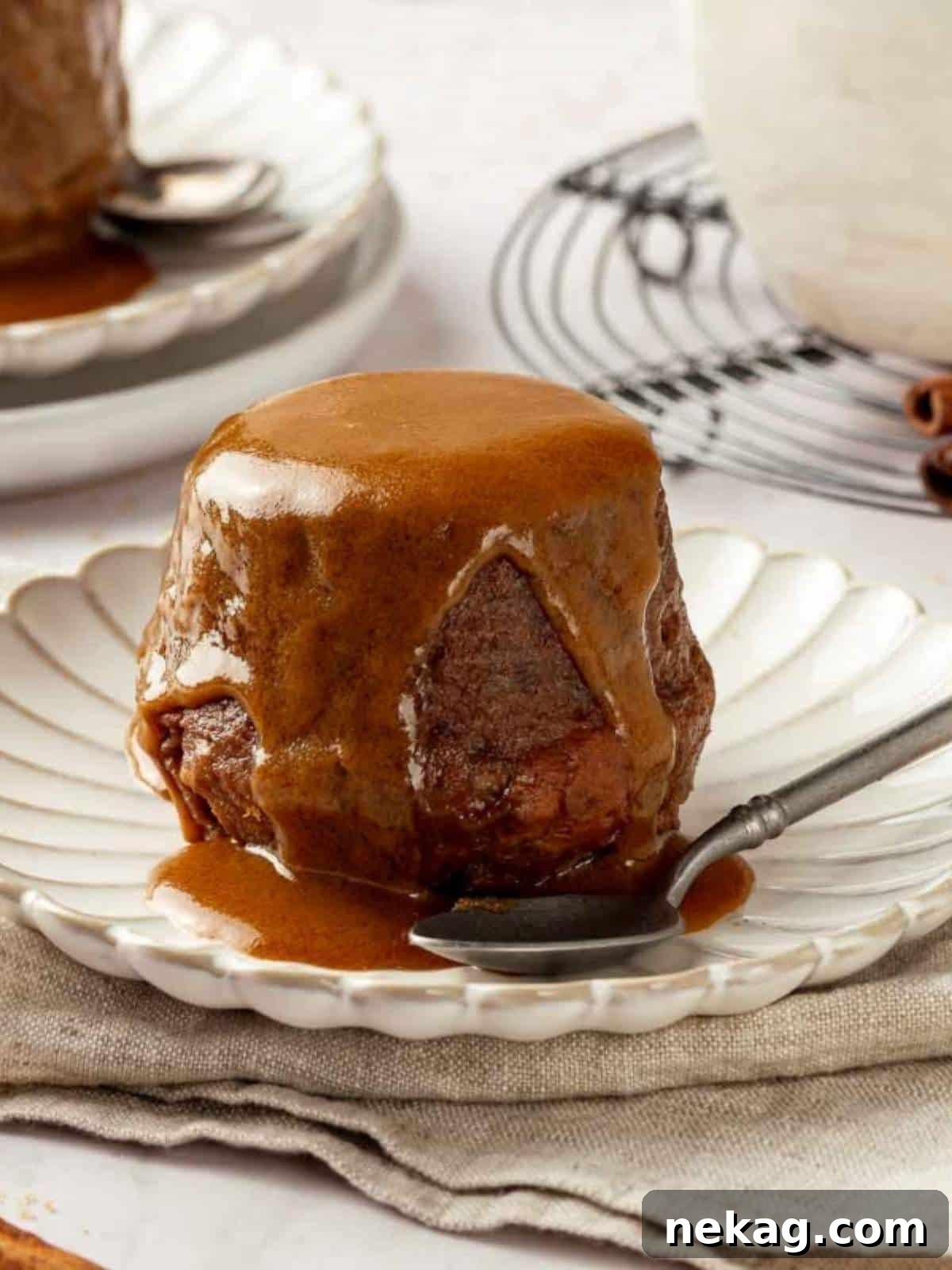
Step 15: The Double Brush and Serve. After applying the first generous coat of sauce to all the puddings, repeat the brushing process one more time. This double layer ensures maximum moisture and flavor saturation, making your sticky toffee puddings truly irresistible. Arrange the brushed cakes in a parchment-lined baking dish. Serve the puddings warm, offering extra warmed toffee sauce on the side for guests to pour over their individual servings. For an even more decadent presentation, consider adding a dollop of sweetened whipped cream or a scoop of vanilla bean ice cream.
Chef Lindsey’s Expert Recipe Tip
The true hallmark of an outstanding sticky toffee pudding lies in a masterful double brushing: ensure both the sauce and the cakes are warm when you apply that luxurious toffee coating. Once is good, but a second, generous brushing makes it utterly sublime, guaranteeing maximum absorption and an unparalleled moistness!
Frequently Asked Questions
Here are answers to some common questions about making, storing, and serving your homemade sticky toffee pudding:
Proper storage is key to maintaining the pudding’s delicious moisture. Once your puddings have been brushed with sauce, arrange them on a baking sheet and wrap them snugly in plastic wrap while they are still warm (but not piping hot). If they are excessively hot, allow them to cool for 10-15 minutes unwrapped before wrapping to prevent condensation. You can leave the wrapped puddings at room temperature for up to 2 days, refrigerate them for up to 2 weeks, or individually wrap them in plastic wrap and then foil, and freeze for up to 2 months. Always ensure they are completely sealed to prevent drying out.
Sticky toffee pudding is best served warm. To reheat, place the puddings in a preheated 350°F (175°C) oven. The reheating time will vary depending on whether they were stored at room temperature, in the refrigerator, or just defrosted. Generally, room temperature puddings will take 10-15 minutes, refrigerated puddings 20-25 minutes, and defrosted puddings around 25-30 minutes. Insert a cake tester into the center; it should come out warm. I do not recommend reheating directly from the freezer, as this can lead to uneven cooking and a dry exterior.
I highly recommend using Medjool dates for the most superior sticky toffee pudding. These dates are prized for their soft, fleshy texture, and naturally rich, caramel-like sweetness, which deeply enhances the pudding’s flavor and moisture. While you can use pitted Medjool dates, I often prefer dates with the pits still in, as the pits help to preserve their moisture content, leading to a smoother and sweeter date puree. If Medjool dates are unavailable, Deglet Noor dates can be used, but you might find them slightly less sweet and require a bit longer soaking time.
For the ultimate indulgence, serve your sticky toffee pudding warm, generously drizzled with extra warmed toffee sauce. To elevate the experience even further, consider pairing it with a scoop of premium vanilla bean ice cream, a dollop of rich crème anglaise, or a cloud of lightly sweetened whipped cream. For added texture and a sophisticated touch, sprinkle with candied pecans or a scattering of toasted walnuts. A few fresh berries on the side can also provide a refreshing counterpoint to the richness.
In British culinary tradition, the term “pudding” is quite broad and can refer to any dessert course. So, while sticky toffee pudding has the texture and characteristics of a moist cake (often a sponge cake), it is firmly categorized as a “pudding” in its native context. It’s not a custard or savory pudding, but rather a rich, sweet dessert that is often steamed or baked, then served warm with sauce.
Yes, you absolutely can! To make this recipe gluten-free, simply substitute the all-purpose flour with an equal amount of a good quality 1:1 gluten-free all-purpose baking blend. Brands like King Arthur’s Gluten-Free Measure for Measure Flour or Bob’s Red Mill Gluten-Free 1-to-1 Baking Flour typically yield excellent results without requiring additional modifications. The texture will remain wonderfully moist and delicious.
If you tried this recipe and absolutely loved it, please take a moment to leave a 🌟 star rating and share your thoughts in the comments section below. I genuinely adore hearing from you, and your feedback truly brightens my day!
Rated 5 out of 5 stars from 1 rating.
Sticky Toffee Pudding
Chef Lindsey
These decadent and luscious sticky toffee puddings are filled with caramel and molasses flavors from Medjool dates and molasses. Soaked in a warmed toffee sauce for a perfect rich dessert.
30 mins
25 mins
55 mins
6 servings
Comment
Print Recipe
Ingredients
For the Pudding Batter:
- 10 Medjool dates, pitted
- ¾ cup boiling water
- ¼ teaspoon baking soda
- 5 tablespoons unsalted butter, room temperature
- 2 tablespoons molasses
- ⅓ cup dark brown sugar
- 2 large eggs
- 1 teaspoon vanilla extract
- 1 ¾ cup all-purpose flour
- 1 teaspoon baking powder
- 1 ½ teaspoons ground cinnamon
For the Sauce:
- ½ cup unsalted butter
- ⅔ cup heavy cream
- ¾ cup dark brown sugar
- 1 tablespoon molasses
- ½ teaspoon kosher salt
Notes
Yield: 6 sticky toffee puddings.
Presentation: Serve warmed with warmed sauce poured over the top. It would be delicious with crème fraîche whipped cream or a scoop of vanilla bean ice cream.
Technique: Don’t skip the layering of sauce after the puddings cool slightly. This adds flavor and helps keep the sticky toffee pudding incredibly moist and tender.
Storage: Wrap cakes on a baking sheet in plastic wrap while still warm. If your cakes are piping hot, let them cool for 10-15 minutes unwrapped before wrapping and refrigerating. You can leave the cakes wrapped at room temperature for up to 2 days, refrigerated for 2 weeks, or individually wrapped and frozen for up to 2 months.
Nutrition
Calories: 757kcal |
Carbohydrates: 106g |
Protein: 7g |
Fat: 36g |
Saturated Fat: 22g |
Polyunsaturated Fat: 2g |
Monounsaturated Fat: 9g |
Trans Fat: 1g |
Cholesterol: 150mg |
Sodium: 357mg |
Potassium: 572mg |
Fiber: 4g |
Sugar: 74g |
Vitamin A: 1293IU |
Vitamin C: 0.2mg |
Calcium: 162mg |
Iron: 3mg
Dessert
British
757
Like this recipe? Leave a comment below!
Before You Go
I sincerely hope you’ve enjoyed this comprehensive, professional chef-tested recipe for sticky toffee pudding. It’s a true classic, and mastering it will bring endless joy to your kitchen. Don’t stop here – explore more of our delicious, chef-developed recipes that highlight the versatility of dried fruits and comforting flavors. Discover my timeless old-fashioned fruit cake, delightful cranberry orange shortbreads, or the wholesome goodness of my apple energy bites. Happy baking!