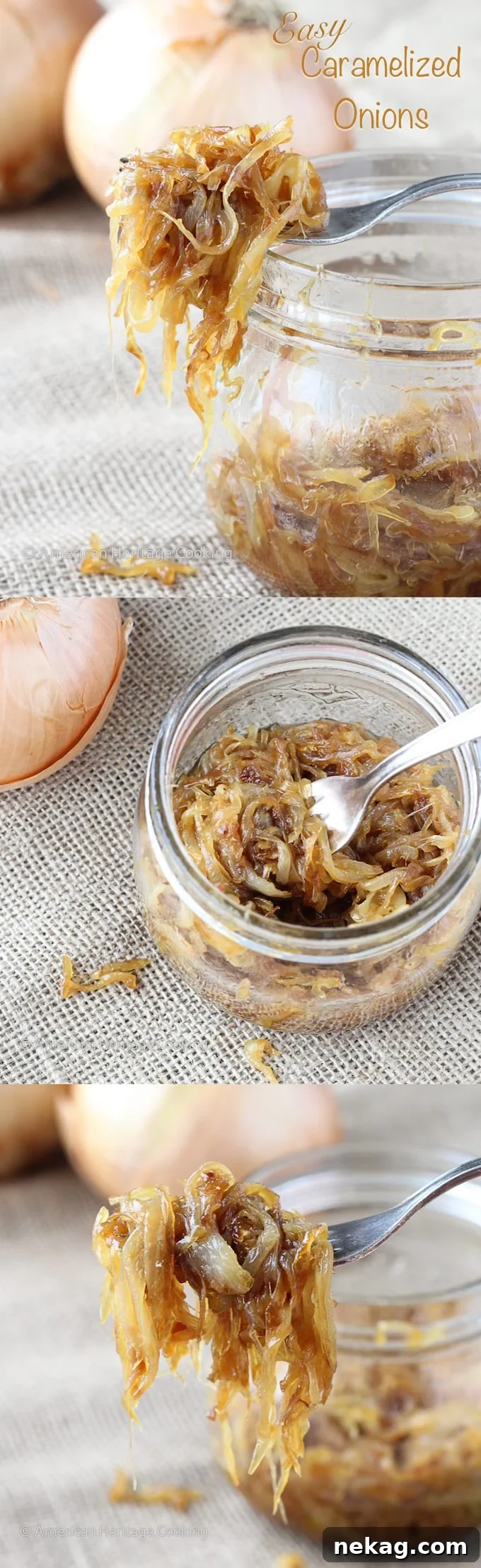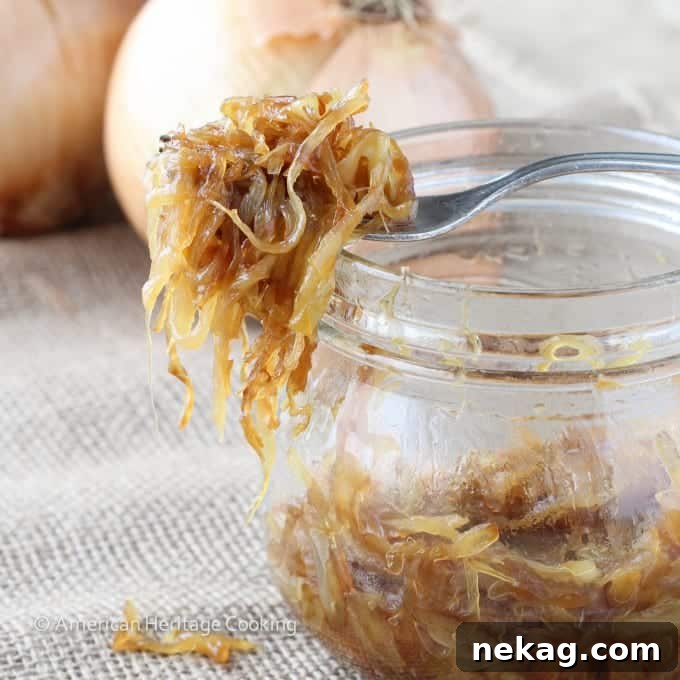
Welcome to the ultimate guide for creating the most exquisite caramelized onions you’ve ever tasted! This simple yet transformative recipe will empower you to elevate any ordinary dish into a gourmet masterpiece. From the rich, sweet aroma filling your kitchen to the unparalleled depth of flavor they add, caramelized onions are a culinary secret weapon. Whether you’re enhancing a hearty French onion soup, layering them onto a succulent gourmet turkey burger, stirring them into a creamy dip, or featuring them in a delightful butternut squash carrot tart, the possibilities are truly endless. Get ready to unlock a world of flavor with this essential technique.
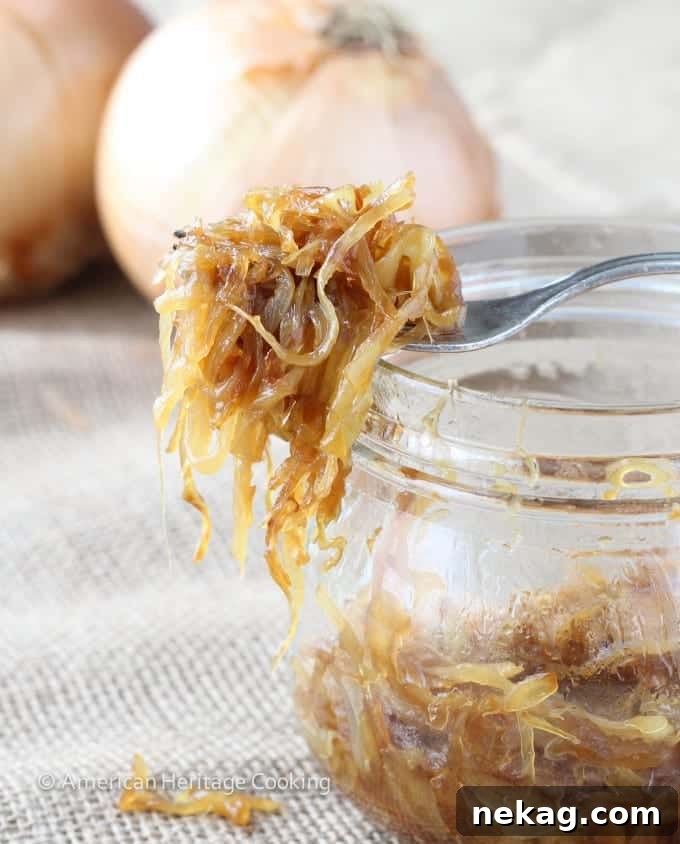
The Magic of Caramelized Onions: A Culinary Game-Changer
There’s something truly magical about caramelized onions. They possess a rare ability to transform even the simplest ingredients into something extraordinary. That deep, sweet, savory flavor profile is unmatched, making them a staple in gourmet kitchens and beloved home cooking alike. They bring a sophisticated touch to almost any meal, yet the process of making them is surprisingly straightforward – it just requires a little patience.
I recall a time, many years ago, when the idea of spending an hour gently coaxing sweetness from onions seemed a luxury. Living in Hong Kong as a child, with my younger brother, our culinary world was often a delightful blend of new and familiar. My mother, with her knack for finding little pieces of home, once got her hands on the C+C Music Factory CD. We’d blast “Things That Make You Go Hmmm” and “Gonna Make You Sweat,” singing at the top of our lungs and jumping on the bed – one of my favorite childhood memories. It was pure joy. In many ways, that same simple, unadulterated joy is what I find in cooking, especially when creating something as fundamentally satisfying as perfectly caramelized onions. They truly make you go “Mmmm…”
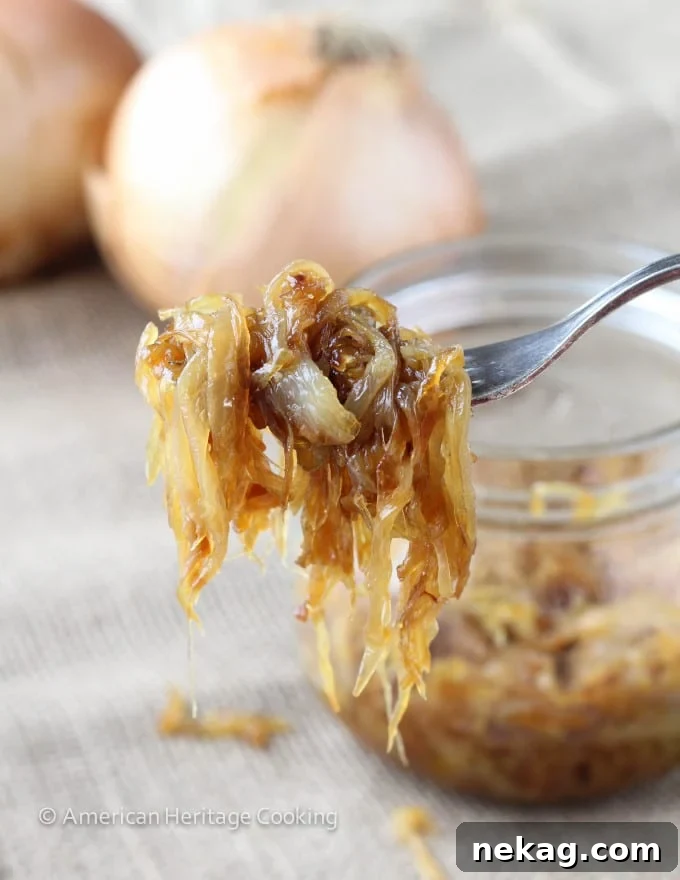
Why These Caramelized Onions Stand Out
You might think caramelizing onions is a complex culinary feat, but it’s remarkably easy. While it does require a commitment of time, the active cooking steps are minimal, and the reward is immense. This particular method, inspired by the culinary wisdom of Martha Stewart, uses just four essential ingredients and a simple technique to achieve consistent, delicious results every time.
The genius lies in the combination of butter and olive oil. Butter brings an irresistible richness and depth of flavor, while the olive oil helps prevent the butter from burning at higher temperatures, ensuring a smooth, even caramelization. Don’t be alarmed by the initial volume of two pounds of onions; they will cook down significantly, concentrating their sweet essence into a manageable and incredibly flavorful batch, yielding about one cup of pure deliciousness.
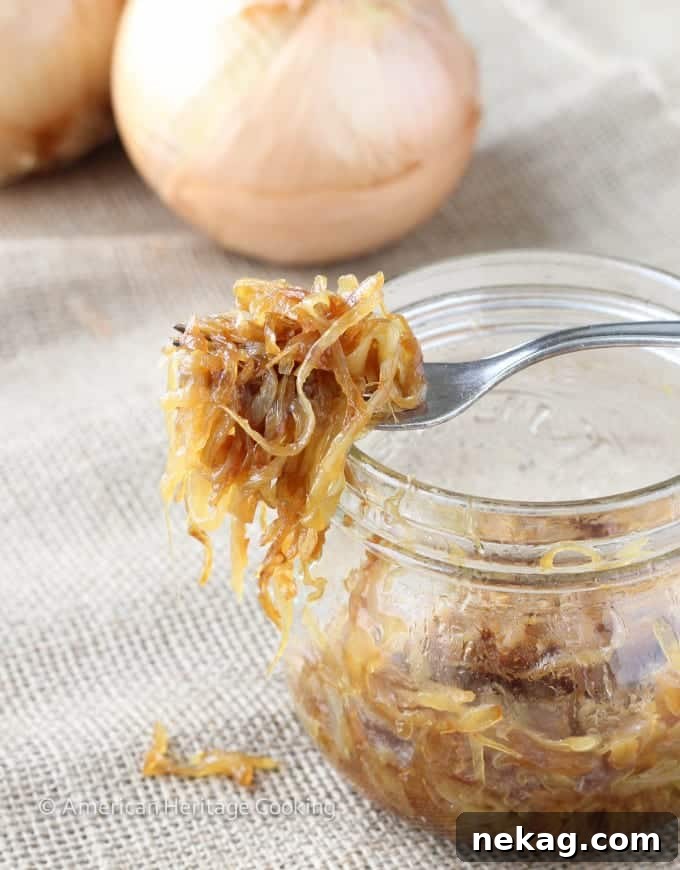
The Science of Sweetness: How Caramelization Works
Caramelization is a fascinating chemical process where the natural sugars in the onions break down and brown under controlled heat. This reaction creates hundreds of new flavor compounds, transforming the sharp, pungent taste of raw onions into a wonderfully sweet, nutty, and intensely savory profile. Adding a pinch of sugar at the beginning helps kickstart this process and enhances the final sweetness, creating that irresistible depth we crave. It’s not just about browning; it’s about developing complex, nuanced flavors over time through the Maillard reaction.
The key is maintaining a low to medium heat and consistent, yet not constant, stirring. This ensures that the onions cook evenly, soften thoroughly, and gradually turn a deep golden-brown without scorching. Rushing the process by using too high heat will result in burnt, bitter onions rather than the desired sweet, melting perfection. Think of it as a slow dance between heat and time, where the onions slowly reveal their hidden potential, transitioning from crisp and pungent to silken and sweet.
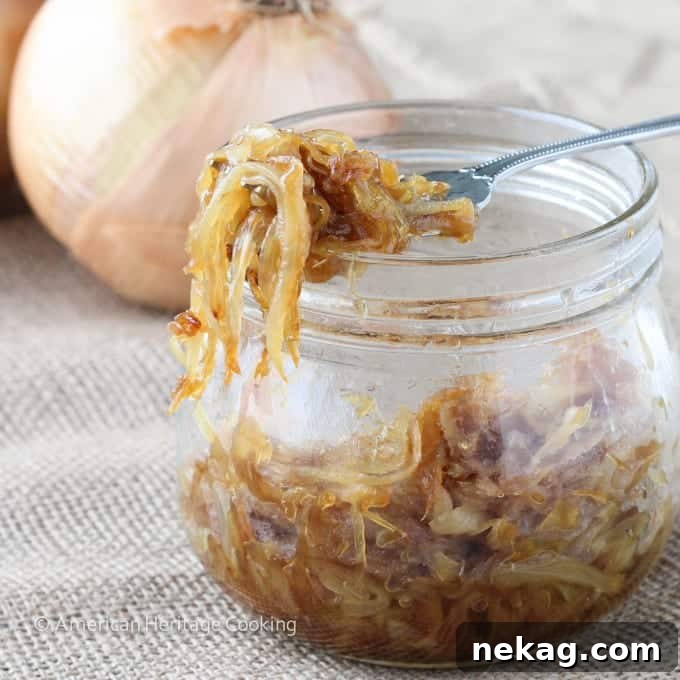
Essential Tips for Flawless Caramelized Onions Every Time
Achieving perfect caramelized onions is more about technique than sheer difficulty. With a few key considerations, you can ensure your batch is always a resounding success:
- Choose the Right Onions: Yellow onions are universally recommended for caramelizing due to their ideal balance of sugar content and mild pungency, which caramelizes into a deep, sweet flavor. Sweet onions like Vidalia or Walla Walla can also work, offering an even sweeter end product, while red onions will yield a beautiful purplish hue and a slightly different, often fruitier, flavor profile.
- Consistent Slicing: Uniformity is paramount. Slice your onions consistently, aiming for about ¼ inch thick. This ensures they cook evenly, preventing some pieces from burning while others remain undercooked. A mandoline slicer can achieve this quickly and precisely, but a sharp chef’s knife and a steady hand are perfectly adequate.
- The Right Pan: Invest in a heavy-bottomed pan, such as a Dutch oven or a large, deep skillet. Such pans distribute heat evenly, minimizing hot spots that can lead to uneven cooking and burning. Ensure the pan is large enough to hold all the raw onions comfortably, even if it looks overflowing initially; they will reduce dramatically in volume.
- The Perfect Fat Combination: As highlighted in our recipe, combining butter for its unparalleled flavor and olive oil for its higher smoke point is a brilliant strategy. This duo allows you to cook at the optimal temperature for caramelization without the butter scorching, ensuring a golden, not burnt, result.
- Patience is Key (Reiterated!): This is the golden rule of caramelization. Do not rush the process! True, deep caramelization is a slow affair, taking anywhere from 30 to 60 minutes, and sometimes even longer, for a truly rich brown color and complex flavor development. Keep the heat at medium-low to medium.
- Strategic Stirring: Stir frequently but not constantly. You want the onions to have sufficient contact with the hot surface of the pan to brown and develop fond, but also need to stir every 5-10 minutes to prevent sticking, ensure even cooking, and scrape up those delicious browned bits.
- A Touch of Sugar: Adding a small amount of sugar (like the 1 teaspoon in our recipe) at the beginning is a chef’s secret. It helps to jumpstart the caramelization process, especially if your onions aren’t super sweet, and boosts their natural sugars, leading to a more pronounced, irresistible sweetness.
- Deglazing (Optional, but Recommended): If you notice dark, sticky bits forming on the bottom of your pan – this is called “fond,” and it’s pure flavor! – you can deglaze. Add a splash of water, wine (red or white), or vegetable broth and scrape up the browned bits with a wooden spoon. This adds moisture, prevents burning, and integrates all that concentrated flavor back into your onions.
- Seasoning at the End: Season with salt and freshly ground black pepper once the onions are fully caramelized. Adding salt too early can draw out moisture prematurely, hindering initial browning, and may require more salt later as the volume reduces significantly.
The Easy Caramelized Onions Recipe
Easy Caramelized Onions
Chef Lindsey
15 minutes
30 minutes
45 minutes
1 cup
Comment
Print Recipe
Ingredients
- ¼ cup unsalted butter
- 1 tablespoon olive oil
- 2 pounds yellow onions cut in half lengthwise and sliced ¼ inch thick
- 1 teaspoon granulated sugar
- Salt and freshly ground black pepper to taste
Instructions
-
In a large Dutch oven or a heavy-bottomed, non-reactive pan, melt the butter with the olive oil over medium-high heat. Stir occasionally until combined.
-
Add the sliced onions to the pan, stirring to ensure they are thoroughly coated in the butter and oil mixture. Spread them out as evenly as possible in a single layer. Sprinkle the sugar over the onions. Reduce the heat to medium-low. Cook, stirring occasionally (every 5-10 minutes), to prevent sticking and encourage even browning. Continue this process for about 30-60 minutes, or until the onions are incredibly soft, have transformed into a deep golden-brown hue, and emit a wonderfully fragrant and sweet aroma.
-
Remove the pan from the heat. Season the caramelized onions generously with salt and freshly ground black pepper to taste. Your gourmet-level caramelized onions are now ready to be used as desired!
Notes
Nutrition
Carbohydrates: 22g |
Protein: 3g |
Fat: 15g |
Saturated Fat: 8g |
Polyunsaturated Fat: 1g |
Monounsaturated Fat: 6g |
Trans Fat: 1g |
Cholesterol: 31mg |
Sodium: 100mg |
Potassium: 335mg |
Fiber: 4g |
Sugar: 11g |
Vitamin A: 359IU |
Vitamin C: 17mg |
Calcium: 56mg |
Iron: 1mg
Condiments, Side Dish
French-inspired, American
227
Enjoyed this recipe? Share your thoughts below!
Creative Ways to Enjoy Your Caramelized Onions
Once you’ve mastered the art of making caramelized onions, a world of culinary possibilities opens up. Their sweet and savory depth makes them an incredibly versatile ingredient. Here are some of my favorite ways to incorporate them into everyday meals and special occasions:
- Soups and Stews: The most classic use is, of course, in French Onion Soup, where they are absolutely essential. But don’t stop there! Add them to beef stew, mushroom soup, or even a simple vegetable broth for an instant, rich flavor boost.
- Sandwiches and Burgers: Transform an ordinary sandwich or burger into a gourmet delight. Pile them high on a grilled cheese, a hot steak sandwich, or a juicy gourmet turkey burger. They pair beautifully with strong cheeses, roasted vegetables, and hearty meats.
- Dips and Spreads: Stir them into a creamy onion dip with sour cream and chives for an elevated appetizer, or blend them into homemade hummus for a sweet and savory twist. They also make an excellent, elegant topping for bruschetta or crostini.
- Savory Tarts and Quiches: Caramelized onions are a star ingredient in savory tarts, like a traditional onion tart, or baked into a rich quiche. They provide a beautiful contrast to custardy fillings and flaky pastry, as seen in this delightful butternut squash carrot tart.
- Pizza and Flatbreads: Use them as a sophisticated topping for homemade pizza or flatbreads. They are especially complementary when paired with goat cheese, crispy bacon, mushrooms, or fresh herbs.
- Eggs and Omelets: Fold them into your morning omelet, scramble, or frittata for a touch of sweetness and culinary sophistication that makes breakfast or brunch feel special.
- Pasta Dishes: Stir them into pasta sauces, especially creamy or vegetable-based ones, to add depth. They are also fantastic tossed with roasted vegetables and pasta for a simple yet incredibly flavorful meal.
- Steak and Roasts: Serve them alongside grilled steak, roasted chicken, pork tenderloin, or lamb. Their rich, sweet flavor complements savory meats perfectly, acting as a natural, luxurious condiment.
- Side Dishes: Mix them with roasted potatoes, green beans, Brussels sprouts, or other vegetables to elevate a simple side dish into something truly memorable.
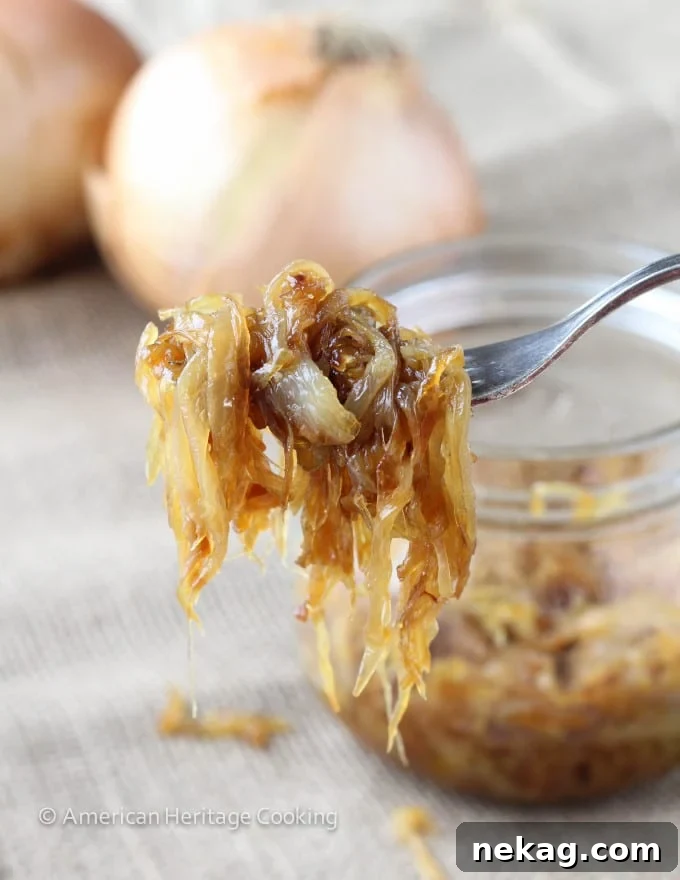
Storing and Freezing Caramelized Onions
Making a larger batch of caramelized onions is always a brilliant idea, as they store wonderfully and are incredibly useful to have on hand for quick flavor boosts to future meals.
- Refrigeration: Once your caramelized onions have cooled completely, transfer them to an airtight container. They will keep beautifully in the refrigerator for up to 4-5 days, making them perfect for meal prep throughout the week.
- Freezing: For longer-term storage, caramelized onions freeze exceptionally well. Allow them to cool completely, then portion them into small, freezer-safe bags, shallow containers, or even ice cube trays. If using ice cube trays, freeze until solid, then pop out the frozen cubes and transfer them to a larger freezer bag for convenience. They can be stored in the freezer for up to 3 months. When you’re ready to use them, simply thaw the desired amount in the refrigerator overnight or gently reheat them directly in a pan.
Frequently Asked Questions (FAQs) About Caramelized Onions
- What kind of onions are best for caramelizing?
- Yellow onions are generally the best choice due to their balanced sugar content and robust flavor, which caramelizes beautifully. Sweet onions like Vidalia or Walla Walla can also be used for an even sweeter result, while red onions will produce a lovely purplish hue and a slightly different, often bolder, flavor profile.
- How long does it really take to caramelize onions?
- True, deep caramelization takes time and cannot be rushed for optimal flavor. Expect anywhere from 30 minutes to an hour, sometimes even longer, depending on the amount of onions you’re cooking, the pan size, and the heat level you maintain. The slow cooking is what develops their deep, sweet, and complex flavor.
- Can I speed up the caramelization process?
- While you can use slightly higher heat, it significantly increases the risk of burning and developing bitter flavors. Some chefs add a tiny pinch of baking soda, which can speed up the breakdown of pectin in the onions, making them softer faster, but it can also affect the flavor if too much is used. For the best, most authentic results, patience is truly a virtue here.
- What if my onions are sticking to the pan?
- If your onions begin to stick to the pan, don’t panic! You can add a tablespoon or two of water, wine, or vegetable broth to deglaze the pan. Use a wooden spoon to scrape up any browned bits (the “fond”) from the bottom – these are packed with flavor. Ensure your heat isn’t too high, and always use enough fat to coat the onions adequately.
- Are caramelized onions healthy?
- Onions themselves are incredibly healthy, packed with vitamins, minerals, and antioxidants. While the recipe includes butter and olive oil, caramelized onions are generally consumed in smaller quantities as a flavor enhancer rather than a main dish. They offer a healthier and more natural alternative to many processed flavorings and can add a significant amount of dietary fiber and natural sweetness to your meals, making them a beneficial addition to a balanced diet.
Conclusion: Your Gourmet Kitchen Secret
Caramelized onions are more than just a simple condiment; they are a fundamental building block for countless delicious dishes. They serve as a testament to the idea that sometimes, the simplest ingredients, when treated with a little time, care, and the right technique, can yield the most profound and satisfying flavors. Mastering this easy technique will add an invaluable skill to your culinary repertoire, allowing you to infuse a touch of gourmet elegance and incredible depth of flavor into your everyday cooking. So, gather your onions, embrace the rewarding process, and prepare to be truly amazed by the sweet, savory magic you create!