
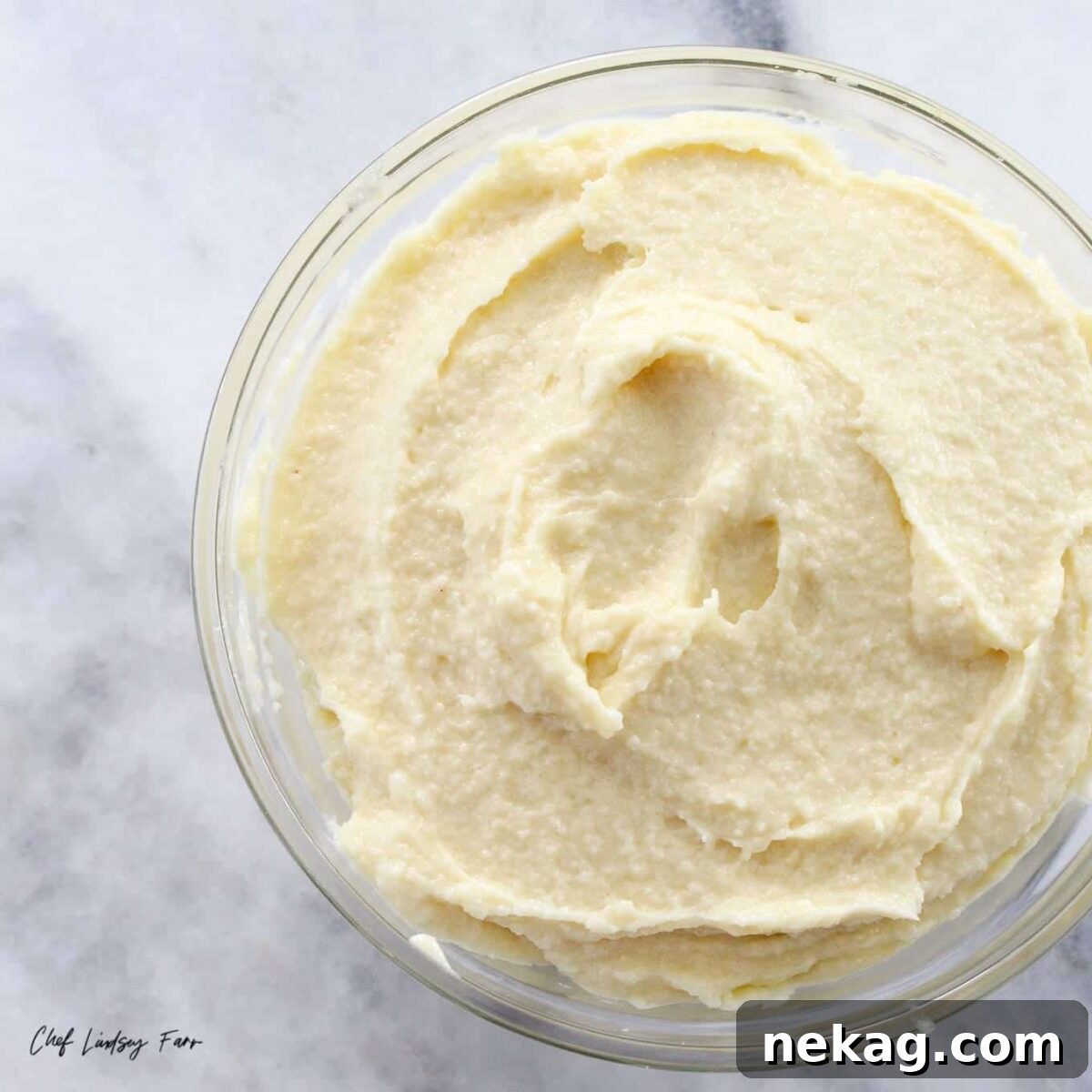
Frangipane is a beloved cornerstone of classic French patisserie, an incredibly versatile and irresistibly delicious almond filling. This foundational recipe is the secret behind the rich, nutty flavor found in iconic treats like almond croissants, elegant tarts, and a myriad of other traditional French pastries. Far from being a complex culinary mystery, Frangipane is surprisingly simple to master, making it an ideal project for both novice and experienced bakers alike.
My Culinary Awakening: Discovering the Magic of Frangipane
My first encounter with almond cream – the term often used interchangeably with Frangipane – happened during my tart unit at culinary school. Up until that point, the luscious, moist filling that graced my favorite French pastries felt like pure magic. I often wondered how such a sublime texture and flavor could be achieved. Little did I know, the process was far more straightforward than I ever imagined, unveiling a truly magical transformation from simple ingredients.
That initial batch of almond cream was destined for a classic tarte Bourdaloue, and with just one bite, a flood of cherished memories from years spent traveling and living in France washed over me. It was like a warm, almond-scented stream of pure happiness, confirming every risk taken, every doubt cast aside about changing careers and moving to a new city in my 30s. In that moment, surrounded by the sweet aroma of baking almonds, all uncertainty evaporated. It was, and still is, a flavor that holds profound meaning for me, a testament to the power of simple, well-crafted food.
Feeling inspired yet? You should be! Because beyond its emotional resonance, Frangipane is arguably one of the easiest recipes in the entire canon of classic French patisserie. It employs a straightforward creaming method, much like preparing a simple cookie dough, and requires just five essential ingredients. The addition of rum, while technically optional, is highly recommended. It bestows that intangible “je ne sais quoi” – a subtle depth and warmth that elevates the flavor profile without overpowering the delicate almond notes. Unless there’s a compelling reason to omit it, I urge you to include it for that authentic touch.
The Versatility of Frangipane: More Than Just a Filling
One of Frangipane’s most celebrated attributes is its incredible versatility. While it’s famously known as the filling for almond croissants and fruit tarts, its applications extend far beyond these classics. Imagine a Galette des Rois with a rich, aromatic Frangipane center, or a delicate pastry cream lightened with a touch of this almond goodness. Its adaptability even allows for exciting variations; you can easily swap almond flour for hazelnut flour (or finely ground hazelnuts) to create a delightful hazelnut cream filling, opening up a whole new world of flavor combinations for your desserts.
This baked custard provides a wonderfully moist and tender texture that pairs beautifully with a wide array of fruits, chocolates, and other flavors. Its robust almond base provides a perfect canvas, absorbing and complementing accompanying ingredients. Whether baked within a flaky puff pastry, nestled in a buttery shortcrust, or even piped into cupcakes, Frangipane consistently delivers an exceptional culinary experience. The only non-negotiable rule about almond cream is that it absolutely must be baked. All other considerations, while helpful, are secondary to this fundamental requirement for transforming the raw filling into its tender, golden, and fragrant finished state.
Prepare Ahead: Convenience Meets Gourmet
Another fantastic advantage of Frangipane is its make-ahead potential. You can prepare the filling and use it immediately, or refrigerate it for up to seven days without any loss in quality. This makes it an invaluable component for entertaining or simply enjoying gourmet treats on demand. Imagine whipping up a sensational dessert in a flash, thanks to a pre-made batch of Frangipane waiting patiently in your fridge. This convenience, combined with its simple preparation, truly makes it a home baker’s best friend.
The ability to store Frangipane so effectively means less stress and more enjoyment in the kitchen. Whether you’re preparing for a special occasion, tackling a multi-component dessert, or simply want to have a decadent treat readily available, Frangipane offers unparalleled flexibility. It ensures that the magic of French patisserie is always within reach, proving that sophisticated flavors don’t always require last-minute efforts.
★
★
★
★
Frangipane
Chef Lindsey
10 mins
8 mins
6 people
Comment
Print Recipe
Ingredients
- 125 g Butter room temperature
- 125 g Sugar
- 125 g Almond flour
- 75 g Eggs
- 15 g Cornstarch
- 15 g Rum optional
Instructions
-
In the bowl of a stand mixer fitted with the paddle attachment, or with a hand mixer, cream together the softened butter and sugar until the mixture is light, fluffy, and pale in color. This initial creaming step is crucial for incorporating air and creating a tender final product.
-
Gradually add the eggs in several small additions, ensuring each addition is fully incorporated before adding the next. Beat well after each egg addition to prevent the mixture from curdling and to achieve a smooth, emulsified texture.
-
Once the eggs are fully incorporated, gently fold in the almond flour and cornstarch. Mix just until combined, being careful not to overmix, which can develop the gluten in the flour and result in a tougher texture.
-
Finally, stir in the rum (if using) and mix just enough to combine thoroughly. The rum adds a sophisticated layer of flavor that beautifully complements the almonds.
-
Remember, Frangipane must be baked! It is not intended for raw consumption. Ensure it is baked within a pastry shell or as part of another dessert.
Video
Notes
Nutrition
Carbohydrates: 28g |
Protein: 6g |
Fat: 28g |
Saturated Fat: 12g |
Polyunsaturated Fat: 1g |
Monounsaturated Fat: 5g |
Trans Fat: 1g |
Cholesterol: 91mg |
Sodium: 152mg |
Potassium: 23mg |
Fiber: 2g |
Sugar: 22g |
Vitamin A: 588IU |
Calcium: 56mg |
Iron: 1mg
The Science of Delicious: Why These Ingredients Work
Each ingredient in Frangipane plays a crucial role in creating its signature taste and texture. Understanding this helps ensure perfect results every time:
- Butter (Room Temperature): Creaming softened butter with sugar is the foundation of this recipe. The butter’s fat carries flavor, and its semi-solid state allows it to trap air when creamed, resulting in a lighter, fluffier filling. Room temperature is key for proper emulsification and air incorporation.
- Sugar: Beyond sweetness, sugar contributes to the tenderness and moisture of the Frangipane. When creamed with butter, it helps to create tiny air pockets, further aiding in the light texture.
- Almond Flour: This is where the characteristic nutty flavor comes from. Almond flour, being low in gluten, contributes to a tender, cake-like crumb rather than a chewy one. It also provides a delicate aroma and richness.
- Eggs: Eggs act as a binder, emulsifier, and leavening agent. They add richness, structure, and moisture, helping to set the custard when baked. Gradually adding them ensures a smooth, stable mixture.
- Cornstarch: A small amount of cornstarch helps to stabilize the Frangipane, preventing it from becoming too runny and ensuring a more consistent, tender set. It contributes to the desired custardy texture without adding a gummy quality.
- Rum (Optional, but Recommended): While not structurally essential, rum adds a nuanced depth of flavor that complements the almonds beautifully. It introduces a subtle warmth and complexity that truly elevates the Frangipane, making it taste even more authentic and gourmet.
Frequently Asked Questions About Frangipane
As you embark on your Frangipane-making journey, you might encounter a few common questions. Here are some answers to help you along the way:
Can I freeze Frangipane?
Yes, Frangipane freezes wonderfully! You can freeze the prepared, unbaked filling for up to 3 months. Thaw it in the refrigerator overnight before using. You can also freeze baked items containing Frangipane, like tarts or croissants, for up to 1-2 months. Wrap them tightly to prevent freezer burn.
What if I don’t have almond flour? Can I use ground almonds?
Absolutely! If you don’t have commercial almond flour, you can make your own by finely grinding blanched almonds in a food processor. Be careful not to over-process, or you’ll end up with almond butter. Pulse them with a tablespoon of the sugar from the recipe to absorb some of the oils and prevent gumming.
My Frangipane looks curdled after adding the eggs. What went wrong?
This is a common issue! It usually happens if your eggs are too cold, or if you add them too quickly. Ensure your eggs are at room temperature, and add them one at a time (or in very small batches), beating thoroughly after each addition until fully incorporated before adding more. A slightly curdled appearance often bakes out, but careful addition helps prevent it.
Can I make Frangipane dairy-free or gluten-free?
Making it dairy-free is possible by using a high-quality plant-based butter substitute. For gluten-free, Frangipane is naturally gluten-free if you ensure your almond flour and cornstarch are certified gluten-free, as these are the only ‘flour’ components. No substitutions are needed for the dry ingredients.
What is the difference between Frangipane and marzipan?
While both are almond-based, they are very different. Marzipan is a paste made from ground almonds and sugar, often used for confectionery, modeling, or covering cakes. It’s dense, pliable, and typically not baked into desserts. Frangipane, on the other hand, is a creamier, softer filling made with butter, sugar, eggs, and almond flour, designed to be baked and results in a custard-like texture.
Like this? Leave a comment below!
Your feedback makes our community stronger.