
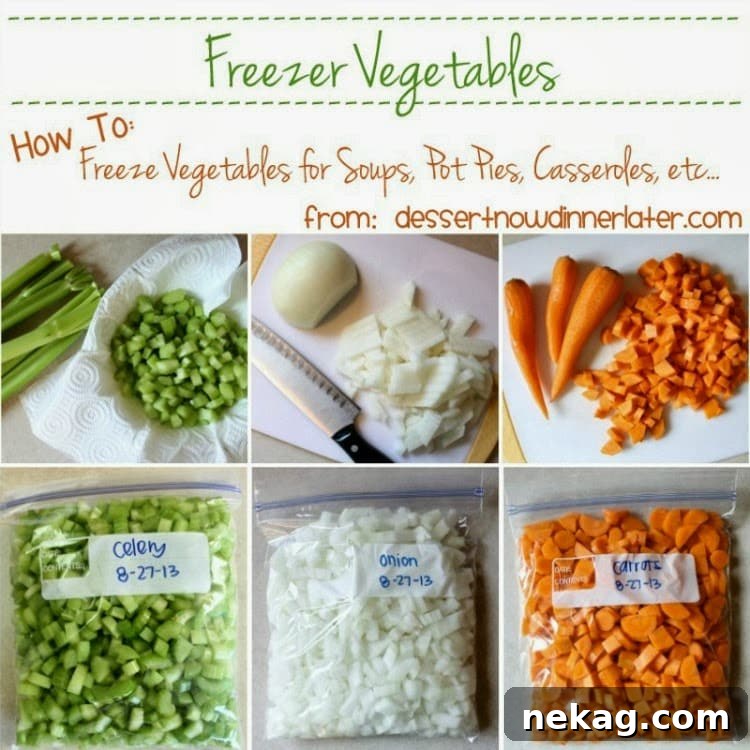
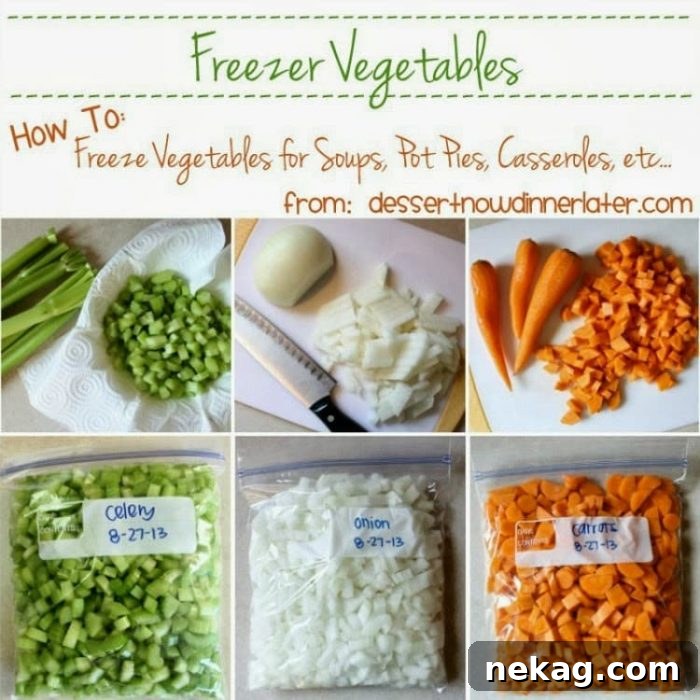
Mastering Meal Prep: Your Ultimate Guide to Freezing Vegetables for Effortless Cooking
For those who adore comforting, homemade meals, especially as the cooler seasons approach, the kitchen often becomes the heart of the home. And if you’re anything like me, a self-proclaimed “soup enthusiast,” you understand the profound joy a simmering pot of deliciousness can bring. Whether you’re a long-time reader of this blog or just discovering our culinary adventures, get ready – soup season is upon us, and I’m already deep into crafting new, delightful recipes. My love for soup isn’t just a casual appreciation; it’s a deep-seated passion! Soups offer unparalleled comfort and ease, perfect for crisp autumn evenings and chilly winter days.
However, I often hear a common lament: “Soup isn’t easy! All that chopping of vegetables is a chore, and then the leftover veggies inevitably spoil before I can use them, leading to waste.” This sentiment is incredibly relatable. The idea of tedious prep work and food waste can indeed deter even the most enthusiastic home cooks. But what if I told you there’s a simple, game-changing trick that eliminates these frustrations? A method that ensures you always have a ready supply of pre-prepped vegetables, saving you time, money, and stress?
Unlock Culinary Efficiency: Why Freezing Your Vegetables is a Game Changer
If you’re a soup lover, a casserole connoisseur, or someone who simply values efficiency in the kitchen, this ingenious method is about to become your new best friend. Freezing your vegetables is not just a hack; it’s a strategic approach to meal preparation that offers a myriad of benefits beyond just making soup easier. It’s a fundamental shift towards smarter, more sustainable cooking habits. Let’s delve into why this technique is so invaluable:
- Unrivaled Time Savings: Imagine this: no more frantic chopping when you’re rushing to get dinner on the table after a long day. With pre-frozen, diced vegetables, a significant portion of your prep work is already done. You simply reach into your freezer, grab what you need, and toss it directly into your pot. This dramatically slashes cooking time, making homemade meals more accessible even on your busiest days.
- Eliminate Food Waste: One of the most frustrating aspects of cooking can be watching fresh produce wilt and spoil in the refrigerator. Freezing prevents this entirely. You can buy vegetables in bulk when they’re on sale or in season, prep them once, and store them for months. This ensures every precious morsel is utilized, leading to less waste and a more eco-friendly kitchen.
- Cost-Effective Cooking: By purchasing vegetables in larger quantities or when prices are lower, and then preserving them through freezing, you effectively reduce your grocery bill over time. You’re not throwing away money on spoiled produce, and you’re always prepared, minimizing impulse take-out orders.
- Convenience at Your Fingertips: Ever started a recipe only to realize you’re missing a key ingredient like celery or onion? With a well-stocked freezer of prepped vegetables, those moments become a distant memory. Your essential building blocks for countless dishes are always on hand, making spontaneous cooking or recipe experimentation a breeze.
- Versatility for Various Dishes: While we’re focusing on soups, the utility of frozen vegetables extends far beyond. They are perfect for pot pies, hearty pot roasts, comforting casseroles, savory stews, sauces, stir-fries, and virtually any recipe where vegetables are cooked down. This method ensures you always have a versatile base for an array of culinary creations.
- Locking in Freshness and Nutrients: Freezing, when done correctly, effectively pauses the degradation process, helping to lock in the vitamins, minerals, and flavors of your produce at its peak. This means your meals will not only be convenient but also nutritious and delicious.
The Foundation of Flavor: Mastering Mirepoix for Your Freezer
At the heart of many savory dishes, especially those warming, comforting ones we crave in colder months, lies Mirepoix. For the uninitiated, Mirepoix is a classic French aromatic base, typically a humble yet powerful mixture of diced onion, celery, and carrots. It’s the unsung hero that builds depth and complexity in everything from broths and gravies to stews and, of course, magnificent soups. The beauty of Mirepoix is its simplicity and its incredible ability to elevate flavors. And the even greater news? These three staple vegetables are absolutely perfect candidates for freezing.
Keeping a steady supply of pre-chopped Mirepoix in your freezer transforms your cooking. You’ll find yourself reaching for it constantly, knowing that the aromatic foundation for your next culinary masterpiece is just a freezer bag away. This proactive approach ensures there’s never any waste from unused vegetables, as you only thaw (or rather, cook from frozen) exactly what you need. Let’s get down to the practical steps of preparing these essential ingredients for your freezer stockpile.
Step-by-Step Guide to Freezing Your Mirepoix
Before we dive into individual vegetables, a few general tips will ensure the best results:
- Cleanliness is Key: Always start with thoroughly washed and, if necessary, peeled vegetables.
- Uniform Dicing: Aim for consistent dice sizes for even freezing and cooking.
- Pre-Freeze for Convenience: For individually frozen pieces that won’t clump together, spread your diced vegetables in a single layer on a baking sheet lined with parchment paper. Freeze for 1-2 hours until solid, then transfer to bags. This step is optional but highly recommended for ease of use.
- Remove Air: Squeeze as much air as possible out of your freezer bags to prevent freezer burn.
- Label and Date: Always label your bags with the contents and the date of freezing.
Freezing Celery: Your Crispy Stalks, Ready for the Pot
Celery brings a unique, subtle bitterness and earthy aroma to dishes. Preparing it for the freezer is straightforward:
- Rinse Thoroughly: Wash your celery stalks under cold running water to remove any dirt.
- Dice Uniformly: Trim the ends, then dice the celery into small, consistent pieces. A standard Mirepoix dice is usually about ¼ to ½ inch.
- Pat Dry: This step is crucial! Place the diced celery in a bowl lined with a paper towel or spread it on a clean kitchen towel to pat off any excess water spots from rinsing. Removing moisture helps prevent the pieces from clumping together excessively once frozen, making them easier to measure and use.
- Optional Pre-Freeze: For optimal anti-clumping, spread the diced celery in a single layer on a parchment-lined baking sheet and freeze for 1-2 hours until solid.
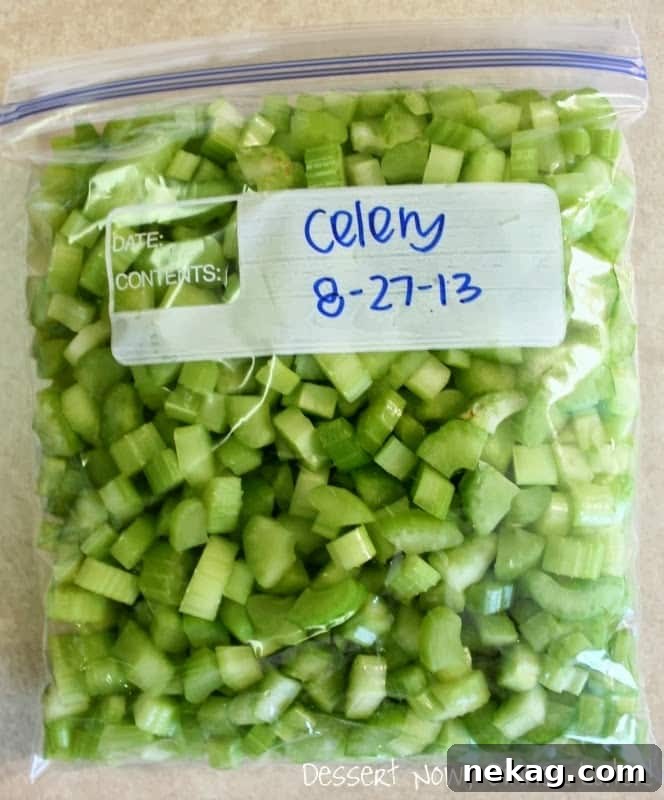
- Bag and Seal: Transfer the frozen or patted-dry diced celery into a clearly labeled zip-top freezer bag. Squeeze out as much air as possible before sealing it shut.
- Freeze: Place the sealed bag into your freezer.
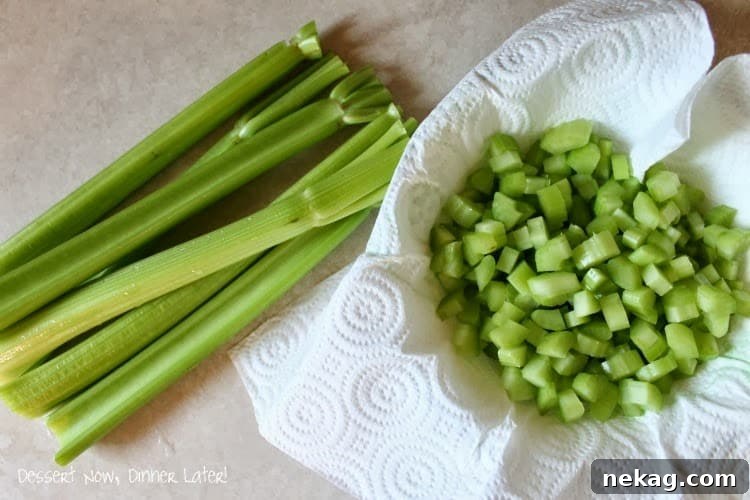
With this method, your celery will be ready to go directly into your next soup, stew, or casserole.
Freezing Onion: The Aromatic Powerhouse, Without the Tears
Onion forms the pungent, sweet, and indispensable backbone of almost any Mirepoix. Freezing it correctly can save you tears and time.
- Peel and Dice: Remove the papery skin, then dice the onion into your desired size. Again, consistency is key for Mirepoix.
- Optional Pre-Freeze: Spread the diced onion in a single layer on a parchment-lined baking sheet and freeze for 1-2 hours until solid. This helps prevent a solid block of frozen onion.
- Bag with Care: Transfer the diced onion into a zip-top freezer bag. Squeeze out as much air as possible and seal shut.
- Double Bag for Odor Control: This is a crucial step for onions! Onions have a strong odor that can permeate your freezer and affect other foods. I highly recommend double bagging this one, using two layers of zip-top bags or placing the sealed bag into an airtight container. This significantly helps contain the smell.
- Mind Your Hands: To further minimize the onion smell permeating your freezer, avoid touching the outside of the bag with “onion hands.” Wash your hands thoroughly before handling the outer bag.
- Freeze: Place the double-bagged onion into the freezer.
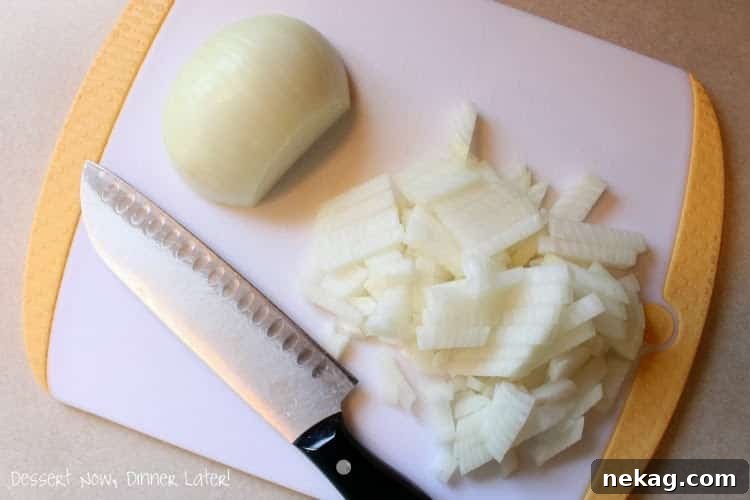
Having pre-chopped onion means less time crying over your cutting board and more time enjoying your meal.
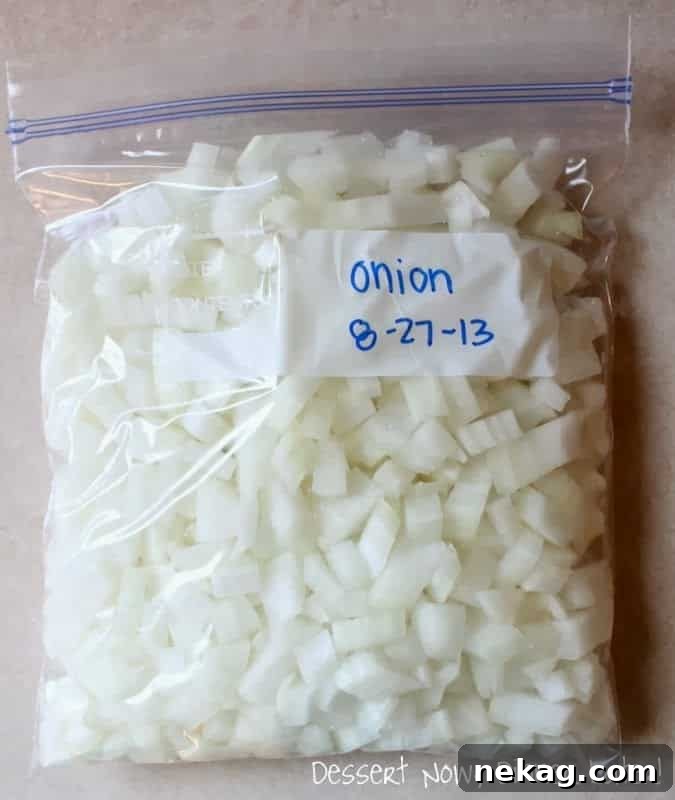
Freezing Carrots: Sweetness and Color, Ready in an Instant
Carrots add natural sweetness, beautiful color, and vital nutrients to your dishes. Freezing them ensures they’re always available.
- Rinse, Peel, and Dice: Wash the carrots thoroughly. Peel them if desired (though for cooked dishes, it’s often optional, depending on personal preference and carrot quality). Then, dice them into consistent pieces, matching the size of your celery and onion for a balanced Mirepoix.
- Optional Pre-Freeze: As with the other vegetables, spreading the diced carrots in a single layer on a parchment-lined baking sheet and freezing for 1-2 hours can prevent clumping.
- Bag and Seal: Place the prepared carrots into a labeled zip-top freezer bag. Squeeze out any excess air to prevent freezer burn and seal shut.
- Freeze: Place the sealed bag into your freezer.
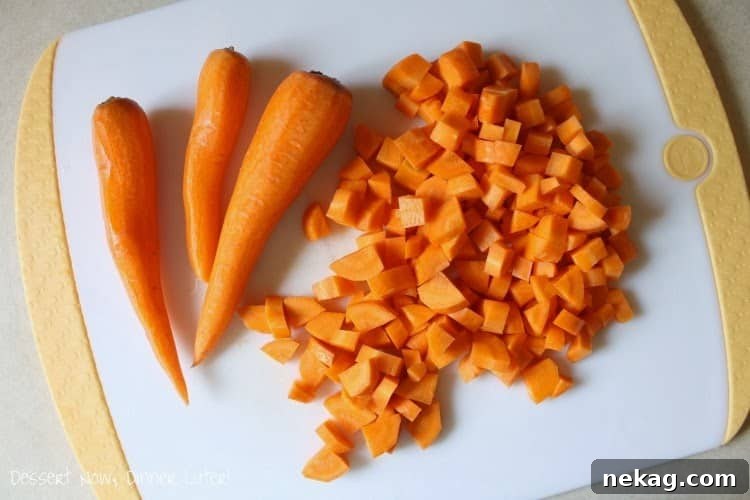
With your carrots prepped and frozen, a vibrant and nutritious addition to your meals is always within reach.
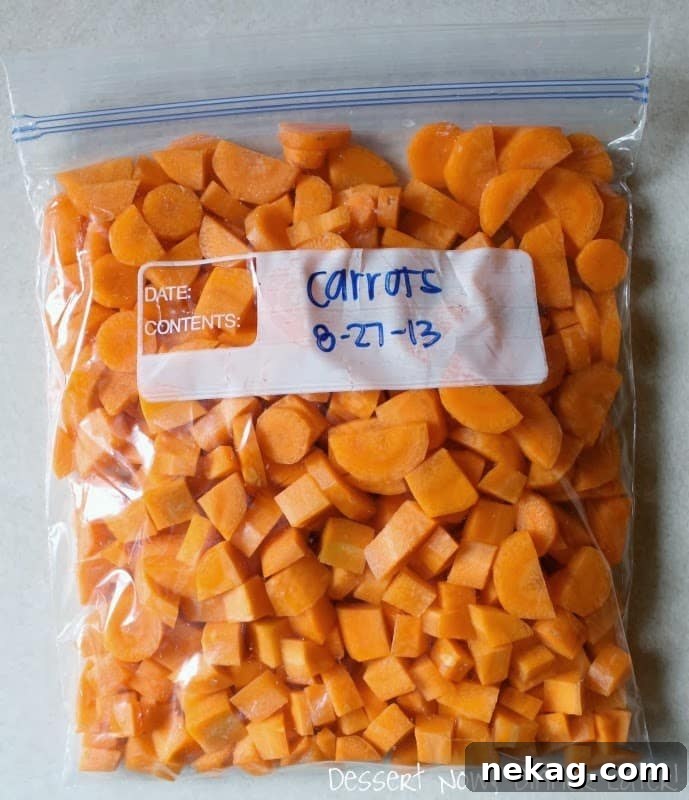
How to Use Your Frozen Mirepoix for Delicious Results
Voila! Your kitchen is now armed with a secret weapon: perfectly prepped, frozen Mirepoix ready for action. Using these frozen vegetables is incredibly simple and requires no thawing. Here’s how to incorporate them into your recipes:
- Direct to Pot: When your recipe calls for sautéing onions, celery, and carrots, simply grab your desired amount directly from the freezer bag and add them to your hot pan with oil or butter. They will quickly start to defrost and cook.
- Breaking Up Clumps: If your vegetables have frozen into a solid block (especially if you skipped the pre-freezing step), don’t worry! It’s easy to break them up. You can gently bang the bag on the edge of your counter or use a rolling pin or the back of a sturdy spoon to break the block into smaller, manageable pieces before measuring.
- Adjust Cooking Time: Frozen vegetables release more moisture as they cook compared to fresh ones. You might need to sauté them a little longer to evaporate this extra water and achieve the desired caramelization or tenderness.
Important Considerations for Freezing Vegetables
While freezing vegetables is a fantastic convenience, it’s vital to understand its impact on their texture. Freezing naturally breaks down the cell walls of vegetables, causing them to soften significantly upon thawing. This means:
- Ideal for Cooked Dishes: Frozen Mirepoix is absolutely perfect for recipes where the vegetables are going to be cooked down anyway. Think soups, hearty stews, rich pot roasts, comforting pot pies, and bubbling casseroles. In these applications, the slight change in texture is imperceptible and irrelevant.
- Not for Raw Consumption: Due to the softening effect, frozen celery, for example, will not retain its crispness. Therefore, it’s not suitable for dishes where a crunchy texture is desired, such as chicken salads, snack platters, or fresh salads. For these, always opt for fresh produce.
- Freezer Burn Prevention: To maximize the quality and longevity of your frozen vegetables, ensure you remove as much air as possible from the bags and seal them tightly. Freezer burn occurs when food is exposed to air, leading to dehydration and changes in texture and flavor.
- Storage Duration: Properly frozen vegetables can last in your freezer for 6-8 months, sometimes even longer, without a significant loss in quality. However, for best flavor and texture, aim to use them within this timeframe.
Beyond Mirepoix: Expand Your Freezer Stockpile
Once you’ve mastered freezing Mirepoix, don’t stop there! Many other vegetables can be prepped and frozen to streamline your cooking even further:
- Bell Peppers: Dice and freeze for fajitas, stir-fries, or sauces.
- Garlic and Ginger: Mince and freeze in small portions (e.g., in ice cube trays with a little oil) for instant flavor boosts.
- Corn and Peas: Can often be frozen directly from fresh if you have a surplus.
- Spinach and Kale: Blanch briefly, squeeze out excess water, and freeze in portions for smoothies, soups, or casseroles.
- Broccoli and Cauliflower Florets: Blanch and freeze for roasts, stir-fries, or pureed soups.
Embracing the art of freezing vegetables is more than just a kitchen hack; it’s a lifestyle choice that promotes efficiency, reduces waste, and makes healthy, homemade meals more attainable. By investing a little time upfront in prepping and freezing your Mirepoix and other staple vegetables, you’re buying yourself precious time and peace of mind during your busy week. So, go ahead, embrace the freezer, and transform your cooking experience. Your future self (and your taste buds!) will thank you for it.