
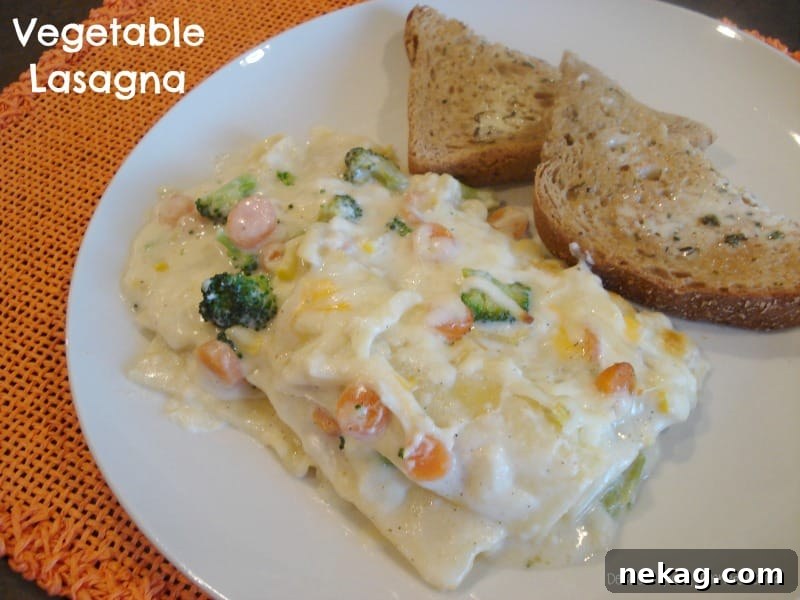
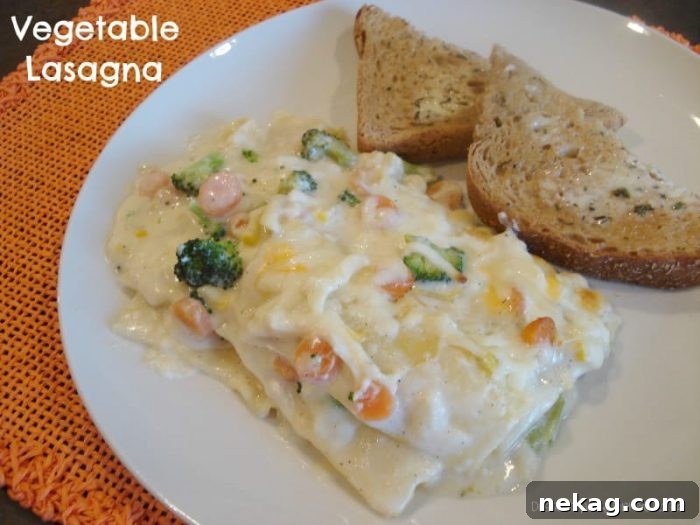
Homemade Vegetable Lasagna: A Wholesome Alternative to Frozen Meals
There’s a quiet confession many of us share: a soft spot for certain convenience foods. For me, it’s Stouffer’s Vegetable Lasagna. I know, I know – frozen meals aren’t exactly gourmet, nor are they the pinnacle of healthy eating. But on those hectic weeknights, when the kitchen calls for a break and time is a luxury, a quick, comforting meal often seems like a lifesaver. However, the desire for something more wholesome, something packed with fresh, identifiable ingredients, always lingers.
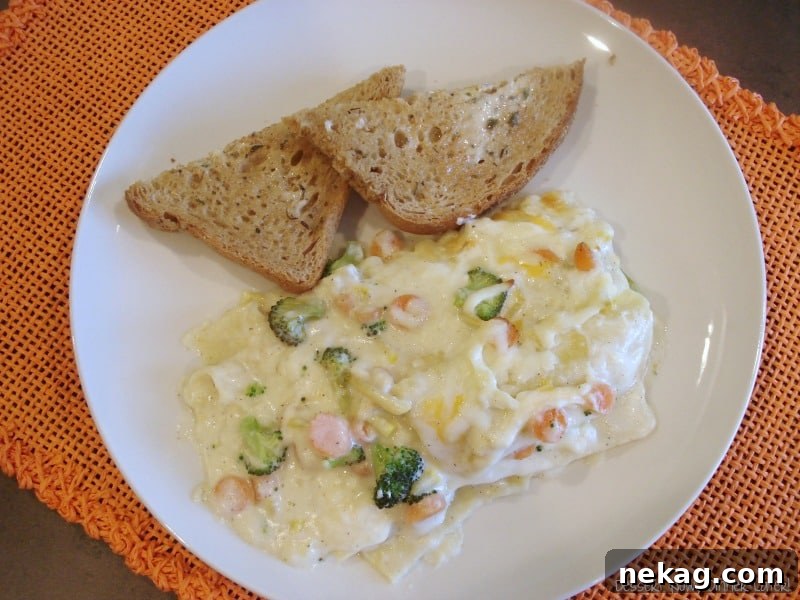
That yearning led me on a mission: to create a homemade vegetable lasagna that not only rivals the comfort of its frozen counterpart but also elevates it with superior flavor and nutritional value. And I’m thrilled to report that this homemade version is truly exceptional! It’s incredibly satisfying, bursting with fresh flavors, and offers the added benefit of being customizable with an abundance of nutrient-rich vegetables. It’s a dish that warms the soul and nourishes the body, making you feel much better about what you’re serving your family.
One of the greatest triumphs of this recipe is its kid-friendliness. While my two-year-old surprisingly gave the broccoli and carrots a temporary cold shoulder (despite usually devouring them!), he was completely oblivious to the presence of yellow squash. A little trick I employ? Julienne the squash thinly, and it blends seamlessly, often mistaken for shredded cheese. Sometimes, a little culinary camouflage is all it takes to ensure those precious vegetables make it onto their plates! This lasagna is so good, you’ll want to make it soon!
Why Choose Homemade Vegetable Lasagna?
Moving from a frozen meal to a homemade one is more than just a change in preparation; it’s a step towards healthier, more mindful eating. Homemade vegetable lasagna offers numerous advantages:
- Nutritional Control: You dictate every ingredient that goes into your lasagna. This means opting for fresh, organic vegetables, choosing leaner cheese options, and controlling the amount of salt and fat. You can skip the preservatives, artificial flavors, and excessive sodium often found in processed foods.
- Customization Galore: This recipe is incredibly versatile. Don’t like broccoli? Swap it for spinach or zucchini. Prefer a different cheese blend? Go for it! You can tailor this lasagna to your family’s specific tastes and dietary needs, making it a truly personal dish.
- Superior Flavor and Texture: There’s simply no comparison to the vibrant taste of freshly sautéed vegetables, the rich creaminess of homemade (or high-quality store-bought) Alfredo sauce, and the perfect al dente texture of lasagna noodles. The flavors meld together beautifully during baking, creating a depth that frozen versions can rarely achieve.
- Cost-Effective: While the initial investment in fresh ingredients might seem higher, cooking from scratch is often more economical in the long run, especially when you consider the generous portion sizes and potential for leftovers.
- Family Engagement: Cooking together can be a wonderful bonding experience. Even young children can help with simple tasks like washing vegetables or layering noodles, making them more invested in trying the final dish.
Mastering the Art of Vegetable Lasagna: Tips for Success
Creating a truly delicious vegetable lasagna is easier than you might think. Here are a few tips to ensure your homemade masterpiece turns out perfectly every time:
- Prep Your Vegetables Properly: The key to a great vegetable lasagna lies in well-prepared veggies. Slice carrots thinly to ensure they cook evenly and soften nicely. Cut broccoli florets into small, bite-sized pieces so they distribute well throughout the layers. For the yellow squash, julienning (cutting into thin matchsticks) is a fantastic way to blend it in, especially for picky eaters.
- Don’t Skip the Sauté: Sautéing your vegetables before layering them is crucial. This step brings out their natural sweetness, softens them, and removes excess moisture that could otherwise make your lasagna watery. Season them well during this stage to build foundational flavor.
- Choose Your Sauce Wisely: While traditional lasagna often uses marinara, an Alfredo sauce offers a delightful creamy counterpoint to the vegetables. You can use a high-quality store-bought Alfredo for convenience or make your own for a richer, more controlled flavor.
- Noodle Nuances: Cook your lasagna noodles al dente. They will continue to cook in the oven, and you don’t want them to become mushy. Rinsing them in cold water after cooking helps prevent them from sticking together and stops the cooking process.
- Layering for Success: A sturdy base of sauce is essential to prevent the bottom noodles from sticking. Be generous with your sauce, vegetables, and cheese layers. Don’t be afraid to save a little extra cheese and a few pretty vegetable pieces for the very top layer – it makes for a beautiful presentation.
- The Crispy Topping Option: If you love a crunchy texture, a Panko breadcrumb and butter topping is a game-changer. It adds a wonderful crispness that contrasts beautifully with the soft lasagna layers.
- Rest Before Slicing: This is perhaps the most important tip! Allowing the lasagna to rest for 15 minutes after baking lets the sauce set and the layers firm up. This prevents it from falling apart when you cut into it, ensuring beautiful, intact slices.
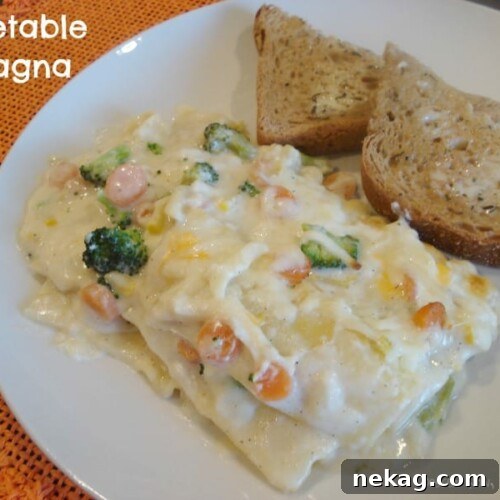
Vegetable Lasagna
Amber Brady
Pin
Rate
Save
Saved!
6
Servings
Ingredients
-
9
lasagna noodles -
2 cups
Alfredo sauce -
1 ½ cups
baby carrots, thinly sliced -
1 ½ cups
fresh broccoli florets, cut into small pieces -
1 ½ cups
yellow squash, julienned (Makes it look like shredded cheese to the kids.) -
Salt & Pepper -
½ tsp
onion powder -
2 cups
mozzarella cheese -
Optional: Panko & butter to create a crispy topping
Instructions
-
Cook lasagna noodles according to directions on the package until al dente. Rinse immediately in cold water to stop cooking and prevent sticking. Lay them flat on a paper towel or clean kitchen towel until you are ready to assemble the lasagna. Prepare your preferred light Alfredo sauce; set aside.
-
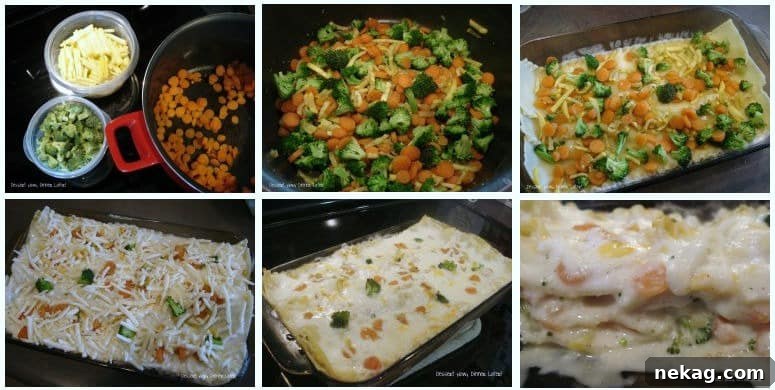
In a large skillet, heat a small amount of oil over medium heat. Add the thinly sliced carrots and sauté for 4-5 minutes, or until they begin to soften. The exact time will depend on how thinly they are cut. If they seem to be drying out, you can add a tablespoon or two of water to help them steam and soften. Season the carrots with salt, pepper, and onion powder to taste. Add the broccoli florets and julienned yellow squash to the skillet and cook for just 1 minute more, allowing them to barely soften while retaining some crispness. Remove the skillet from heat.
-
To assemble, spread a thin layer of Alfredo sauce on the bottom of a 13×9-inch rectangular baking dish. Place 3 lasagna noodles over the sauce. Now, begin your first main layer: spread a generous amount of sauce over the noodles, then evenly distribute one-third of your sautéed vegetables over the sauce, and finally, sprinkle with one-third of the mozzarella cheese. Repeat this layering sequence twice more: noodles, sauce, vegetables, cheese. For the final top layer, ensure you have a good amount of sauce and cheese to create a bubbly, golden crust. If desired, you can reserve a few of the prettier vegetable pieces to arrange on top for visual appeal. If you’d like a crispy crumb topping, mix 1 cup of Panko breadcrumbs with 1-2 tablespoons of melted butter and sprinkle it evenly over the top layer of cheese.
-
Cover the baking dish tightly with aluminum foil. Bake in a preheated oven at 350˚F (175˚C) for 45 minutes, or until the sauce is visibly bubbling around the edges and the lasagna is heated through. For a wonderfully crispy, browned, and bubbly cheese or crumb topping, remove the foil for the last 10 minutes of baking. Once baked, remove the lasagna from the oven and let it stand at room temperature for at least 15 minutes before cutting and serving. This crucial resting period allows the sauce to thicken and the layers to set, ensuring clean, beautiful slices.
Notes
Ingredient Substitutions: Feel free to experiment with other vegetables like spinach (wring out excess water thoroughly), mushrooms, bell peppers, or zucchini. For a different flavor profile, you could use ricotta cheese mixed with an egg and herbs as a layer. If you prefer a tomato-based lasagna, simply swap the Alfredo sauce for your favorite marinara.
Make Ahead & Freezing: This lasagna is excellent for meal prep. You can assemble the entire dish a day in advance, cover it tightly, and refrigerate. Add an extra 10-15 minutes to the baking time if baking from cold. Leftovers can be stored in an airtight container in the refrigerator for up to 3-4 days. For longer storage, individual portions can be frozen for up to 3 months. Thaw overnight in the refrigerator and reheat in the oven or microwave.
Serving Suggestions: Serve this wholesome vegetable lasagna with a fresh green salad tossed in a light vinaigrette and some crusty garlic bread to complete a hearty and delicious meal. A sprinkle of fresh basil or parsley before serving adds a lovely finish.
Sharing this recipe with a link is both encouraged and appreciated. Copying/pasting and/or screenshots of full recipes to any social media is strictly prohibited. Content and photographs are copyright protected.
Did you make this?
Don’t forget to leave a rating below and make sure to follow on Pinterest and Instagram for more delicious recipes and kitchen inspiration!