

Buckwheat crêpes made with brown butter and a well‑rested batter have a depth of flavor that outshines any rushed weeknight version. Letting the batter rest overnight concentrates flavor and improves texture.


A Quick Look At The Recipe
This is a brief summary of the recipe. Jump to the recipe for full details.
Jump to Recipe
Prep Time
15 minutes
Cook Time
40 minutes
Rest Time
2 hours (overnight recommended)
Total Time
2 hours 55 minutes
Servings
16 crepes
Difficulty
Intermediate
Calories *
84 kcal per serving
Technique
Make batter, rest, cook crepes.
Flavor Profile
Nutty, earthy, savory with browned butter notes.
* Based on nutrition panel
I made the batter the night before as suggested, and the difference compared to a short rest was remarkable. The crepes developed a deep, nutty flavor and held a savory filling without tearing. The brown butter really elevates this recipe. ⭐⭐⭐⭐⭐
Lisa
Why This Recipe Works
- Brown butter enhances buckwheat’s natural nuttiness. Browning the butter before adding it to the batter deepens the flavor and introduces toasty, savory notes that plain melted butter cannot replicate.
- Balanced flour ratio gives strength and flexibility. Approximately 63% all‑purpose flour to 37% buckwheat lets the crepes spread thinly while remaining pliable enough to fold around hearty fillings without tearing.
- Long rest improves texture and flavor. Allowing the batter to rest gives the flours time to hydrate and the gluten to relax, producing a silkier, more flavorful crepe than a quick rest delivers.
- Meal‑prep friendly and freezable. Once cooled, the crepes stack with parchment between layers and freeze for up to a month, making them a practical option for busy mornings or quick dinners.
Table of Contents
- Why This Recipe Works
- Ingredients & Substitutions
- Variations
- Professional Tips
- How to Make Buckwheat Crêpes
- Chef Lindsey’s Tip
- Recipe FAQs
- Buckwheat Crepes Recipe
- Before You Go
These buckwheat crepes are a favorite when you want something slightly more savory than classic sweet crepes. Buckwheat flour brings an earthy, nutty character rooted in Breton tradition, while brown butter adds warmth and depth. The result is a tender, thin crepe sturdy enough for savory fillings yet delicate enough for sweet preparations.
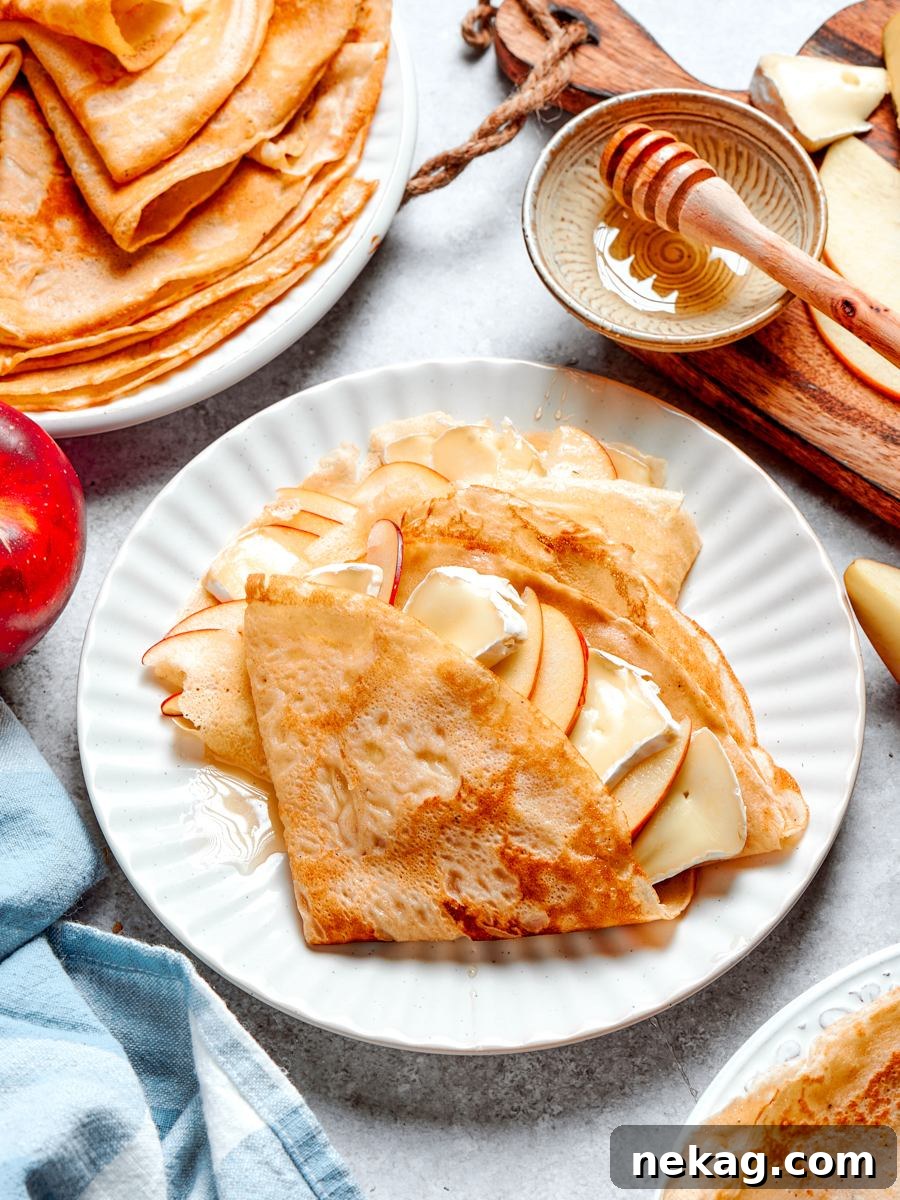
They pair beautifully with fillings like ham and gruyère or sautéed mushrooms and can also be served with fruit and cream. Serve alongside yeasted breads or enriched pastries for a memorable brunch.
Ingredients & Substitutions
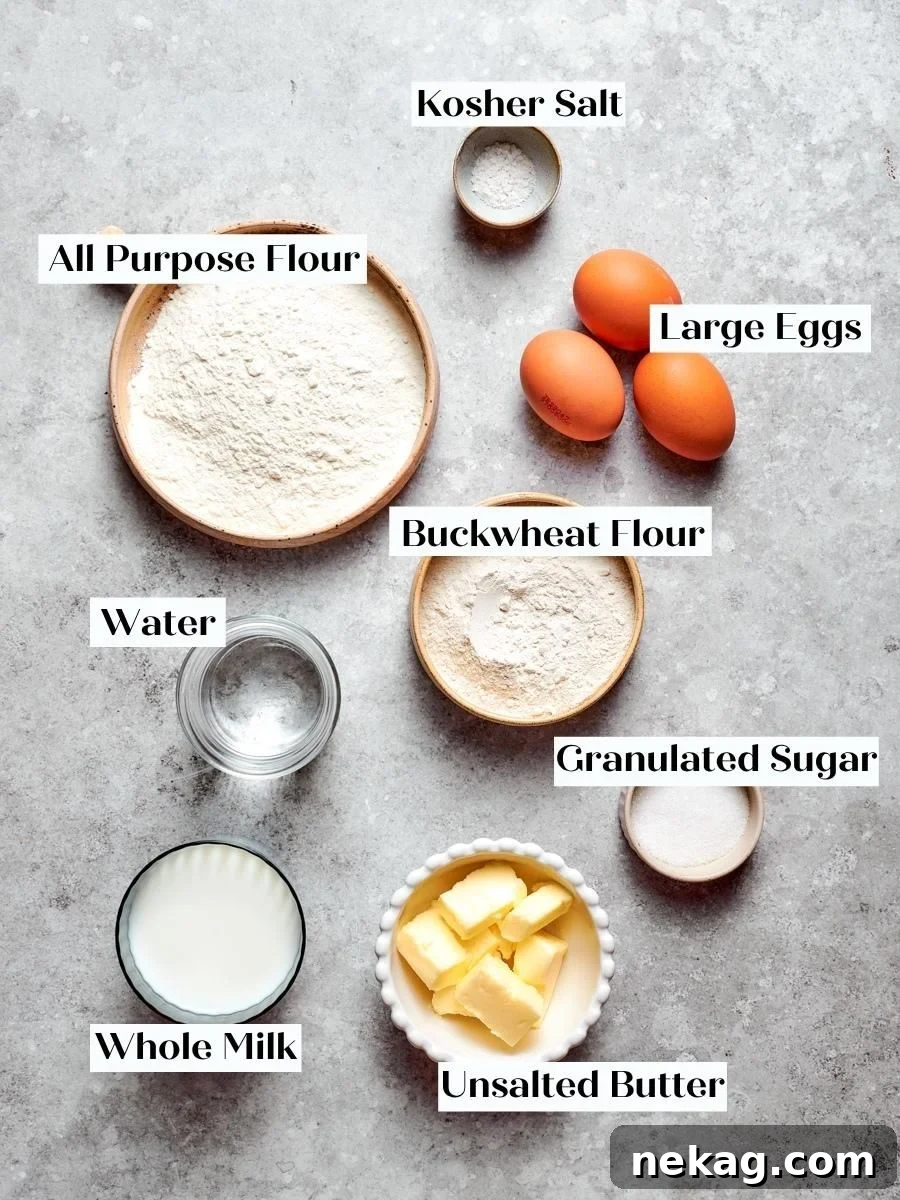
- Whole milk: Provides the fat and moisture that keep crepes tender and flexible. The fat helps the batter emulsify and spread into a lacy sheet.
- Eggs: Bind the batter and set quickly in the hot pan so the crepes flip and fold without tearing.
- All‑purpose flour: Supplies gluten structure to keep crepes pliable yet strong enough to hold fillings.
- Buckwheat flour: Gives the signature earthy, nutty flavor. Because buckwheat is gluten‑free and more absorbent, it should be balanced with all‑purpose flour and adequate liquid to avoid brittleness.
- Unsalted butter: Browning the butter enhances flavor and adds those warm, toasty notes that define these crepes. Unsalted butter keeps seasoning precise.
See the recipe card below for exact ingredient quantities and full instructions.
Variations
- Gluten‑free: Replace all‑purpose flour with a 1:1 gluten‑free all‑purpose blend (by weight) and keep buckwheat the same. The crepes will be slightly more delicate—handle carefully.
- Sweet: Fill with whipped cream and fresh fruit, or spread with chocolate‑hazelnut spread for a simple dessert.
- Savory: Ideal for ham and gruyère, sautéed mushrooms, or spinach and goat cheese. The flour ratio and brown butter make them robust enough for rich fillings.
- Savory crepe cake: Layer crepes with caramelized onions and whipped goat cheese or ricotta, add mushrooms or smoked salmon for an elegant, shareable appetizer.

Professional Tips
- Brown the butter carefully. Cook until the milk solids are a deep golden amber and the aroma is nutty, then remove from the heat immediately to avoid bitterness.
- Use a properly preheated pan. A hot pan yields even spreading and prevents sticking; a quick water test (a drop should sizzle and evaporate) confirms readiness.
- Butter the pan only for the first crepe. After that, the residual fat will coat the surface; adding more butter can cause edges to fry rather than set.
- Cool before stacking. Let crepes cool fully on a wire rack and separate with parchment before stacking or freezing to prevent them from fusing.
How to Make Buckwheat Crêpes
Follow these steps for consistent results; the recipe card below contains exact measurements.
Make Crêpe Batter
Step 1: Brown the butter. Melt butter in a small saucepan over medium‑high heat, stirring frequently. When it foams and you see golden bits form, lower the heat and stir until the milk solids are a rich amber and the aroma is toasty. Pour into a bowl to stop cooking and let it cool slightly.
Step 2: Combine the wet ingredients. In a large bowl, mix milk, water, eggs, salt, and sugar. Blend with an immersion blender or whisk vigorously until uniform.
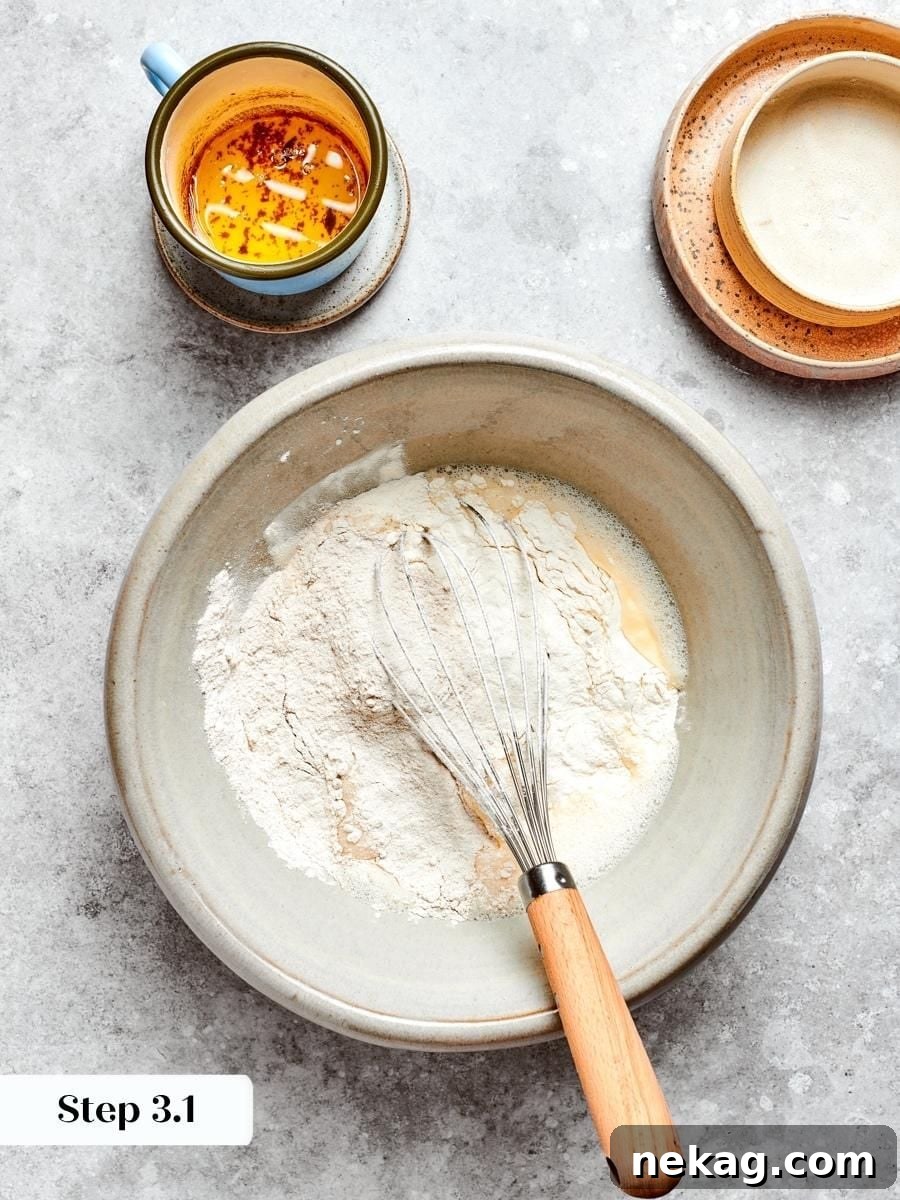
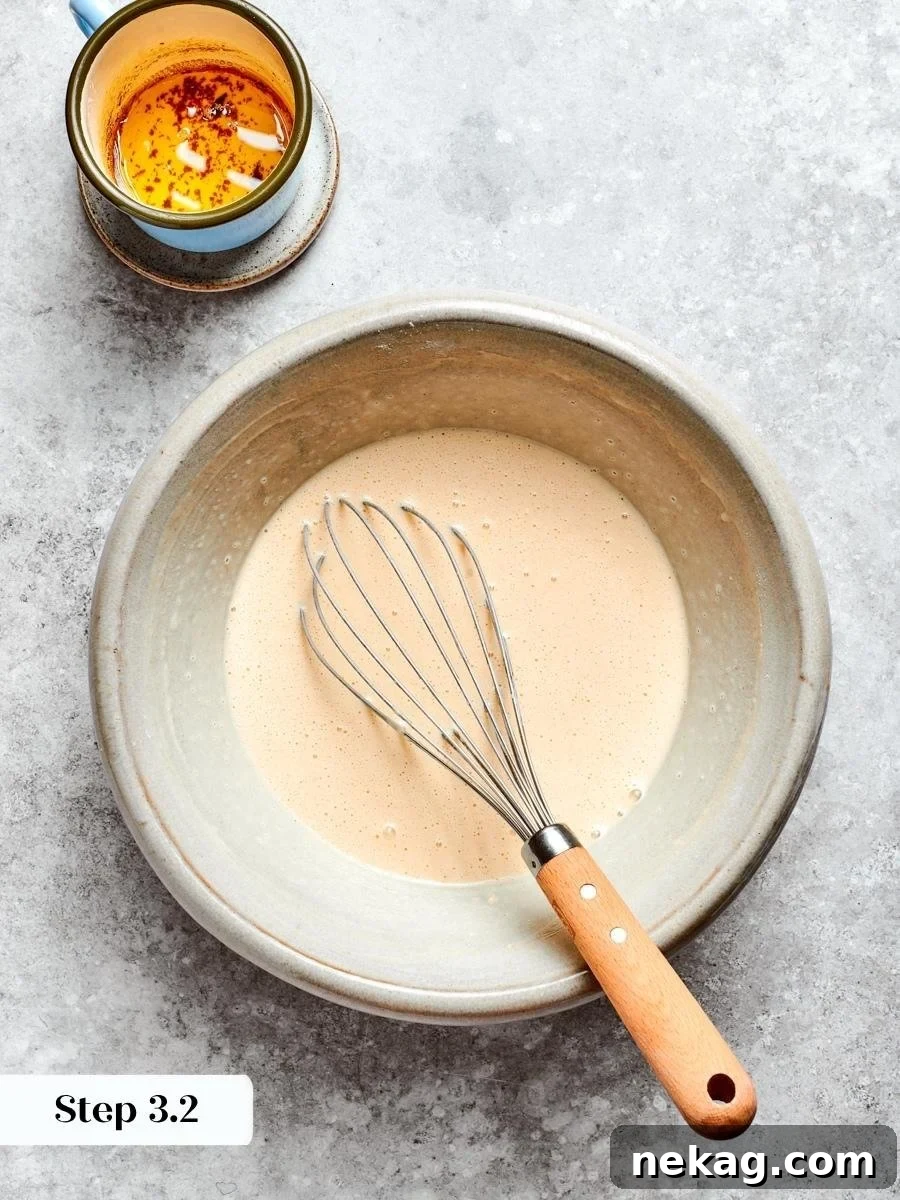
Step 3: Add flours and blend. Add buckwheat and all‑purpose flours to the wet mix and blend until smooth and free of dry pockets.
Step 4: Add brown butter. Stream the cooled brown butter into the batter and blend until incorporated; the batter should be smooth with flecks of buckwheat.
Step 5: Rest the batter. Refrigerate for at least 2 hours; overnight yields the best texture and flavor. Bring the batter closer to room temperature for 30–60 minutes before cooking so it spreads evenly in the pan.

Cook the Crêpes
Step 6: Heat the pan and butter it once. Warm a crepe pan or 10‑inch nonstick skillet over medium for about a minute. Lightly butter it for the first crepe only.
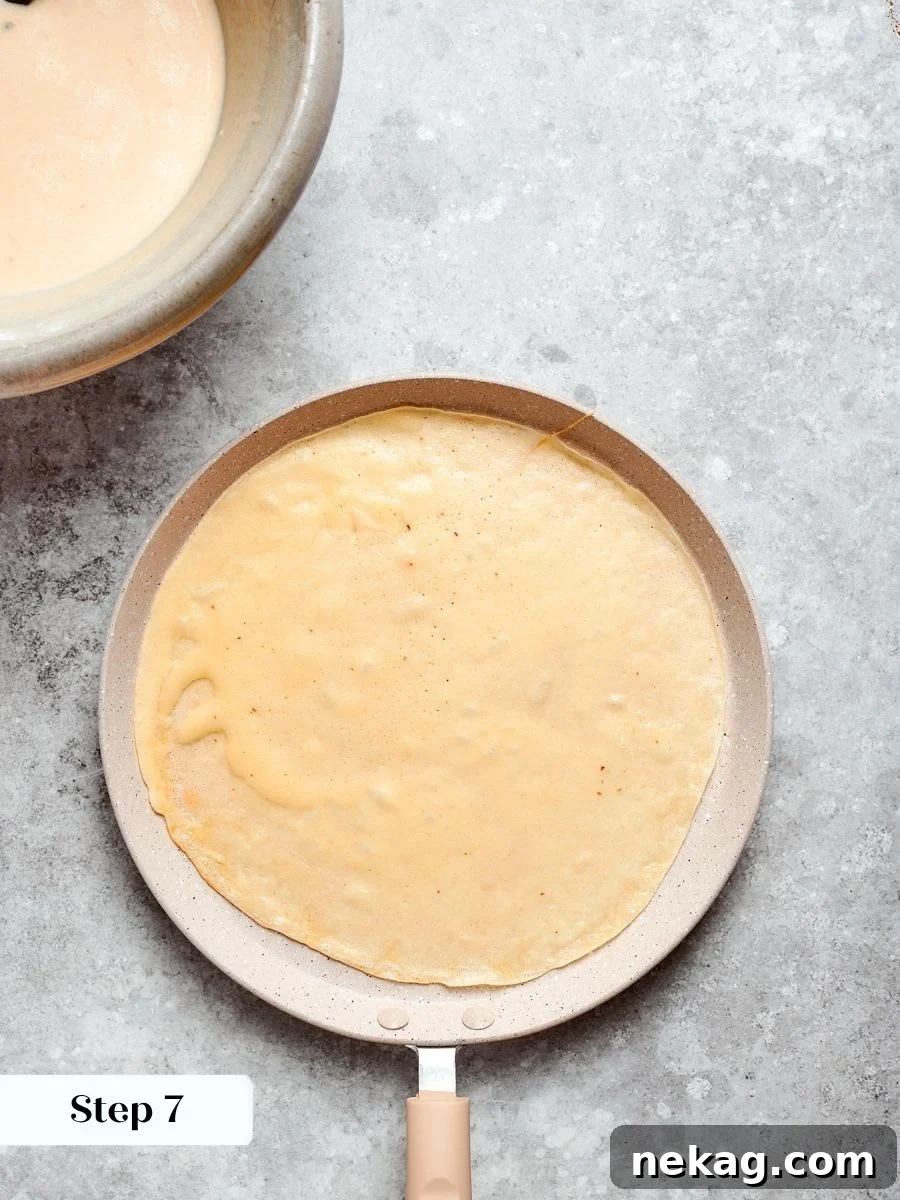
Step 7: Ladle and swirl. Pour roughly 1/4 cup (about 2 ounces) of batter into the center of the pan, then lift and swirl immediately to form a thin, even layer to the edges. Work quickly: the batter sets in seconds.
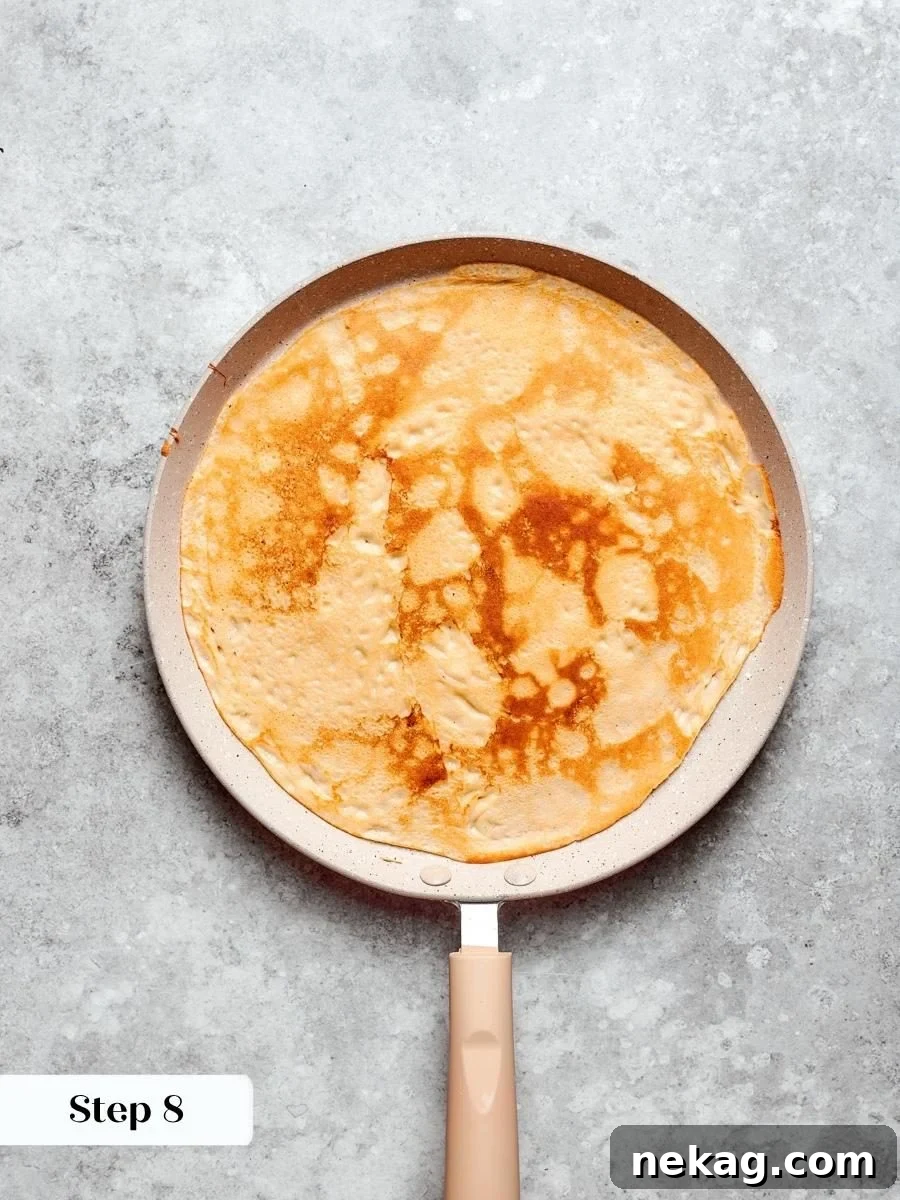
Step 8: Cook and flip. Let the crepe cook 1–2 minutes until the edges brown and the surface loses its wet sheen. Slide a spatula underneath and flip in one confident motion.
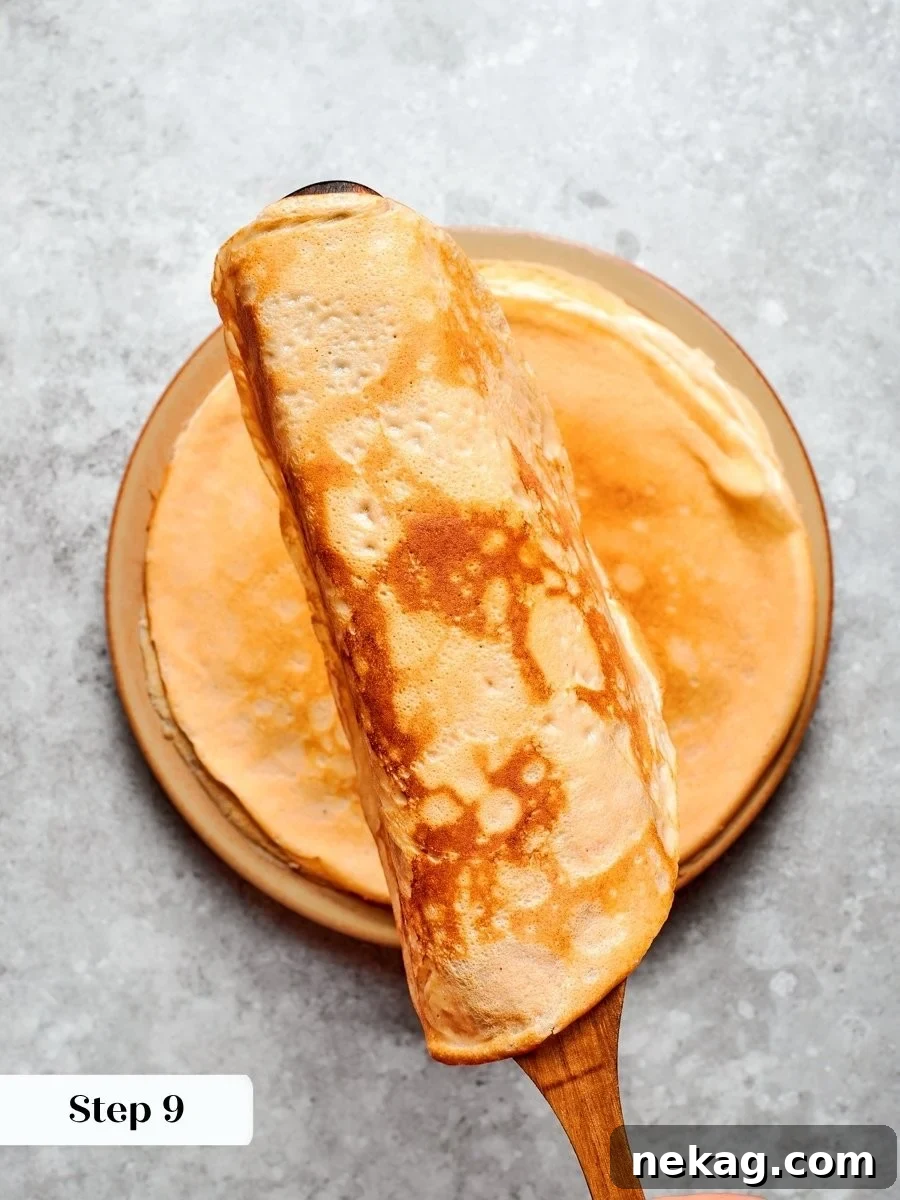
Step 9: Finish the second side. Cook about 30 seconds on the reverse side. Transfer to a wire rack to cool and repeat with remaining batter.
Step 10: Cool and store. Cool completely on racks, separate layers with parchment, and store in the refrigerator for a few days or freeze up to one month.
Chef Lindsey’s Recipe Tip
The most important step is resting the batter overnight. A short rest hydrates the flour, but overnight rest lets the batter thin, flavors meld, and buckwheat flavor deepen. Crepes made from overnight batter are silkier and more complex than those from a brief rest.
Recipe FAQs
Resting allows full hydration of the flours and relaxation of gluten, producing a thinner, more fluid batter that spreads evenly. Overnight rest also deepens buckwheat flavor beyond what a two‑hour rest achieves.
Yes. The batter keeps refrigerated for up to two days. Remove it 30–60 minutes before cooking to take the chill off—cold batter can spread unevenly.
Cool completely, then layer with parchment to prevent sticking. Refrigerate for several days or freeze for up to one month. Do not stack warm crepes without separation or they will fuse.
A dedicated crepe pan is helpful for even heat and an easy swirl, but a smooth, undamaged nonstick skillet will also work.
If you try this recipe and enjoy it, please leave a star rating and share your experience in the comments. Feedback is always appreciated.
Other Recommended Appetizers
Appetizers
Buckwheat Crepes

Appetizers
Gougères

Chicken Recipes
Gochujang Chicken

Chicken Recipes
Air Fryer Chicken Tenders

Buckwheat Crepes
Ingredients
- 1 cup whole milk
- 1/2 cup water
- 3 large eggs
- 3/4 teaspoon kosher salt
- 2 teaspoons granulated sugar
- 3/4 cup all‑purpose flour
- 1/2 cup buckwheat flour
- 1/4 cup unsalted butter (to brown)
Instructions
- Melt butter in a small saucepan over medium‑high heat, stirring until it browns and smells nutty. Remove from heat and cool slightly.
- Whisk or blend milk, water, eggs, salt, and sugar until combined.
- Add both flours and blend until the batter is smooth.
- Stir in the cooled brown butter until incorporated.
- Cover and refrigerate at least 2 hours, preferably overnight. Bring to room temperature 30–60 minutes before cooking.
- Heat a crepe pan over medium. Butter once for the first crepe only.
- Ladle about 1/4 cup (2 oz) batter into the pan and swirl to form a thin layer.
- Cook 1–2 minutes until the edges brown and the surface sets, then flip gently.
- Cook 30 seconds on the second side, then transfer to a wire rack to cool.
- Repeat with remaining batter. Store cooled crepes separated by parchment.
Notes
Rest Time: Minimum 2 hours; overnight gives the best texture and flavor. Remove from fridge 30–60 minutes before cooking.
Batter Consistency: After resting the batter should flow like heavy cream. Thin with a tablespoon of cold water at a time if needed.
Pan Butter: Butter only for the first crepe; subsequent crepes usually do not need extra fat.
Storage: Cool completely, layer with parchment, refrigerate for several days or freeze for up to one month.
Nutrition
Before You Go
These buckwheat crepes are worth keeping in your repertoire. Fill them with savory ingredients for brunch or with fruit and cream for dessert. They freeze well, are versatile, and bring a distinct nutty flavor that elevates any spread.