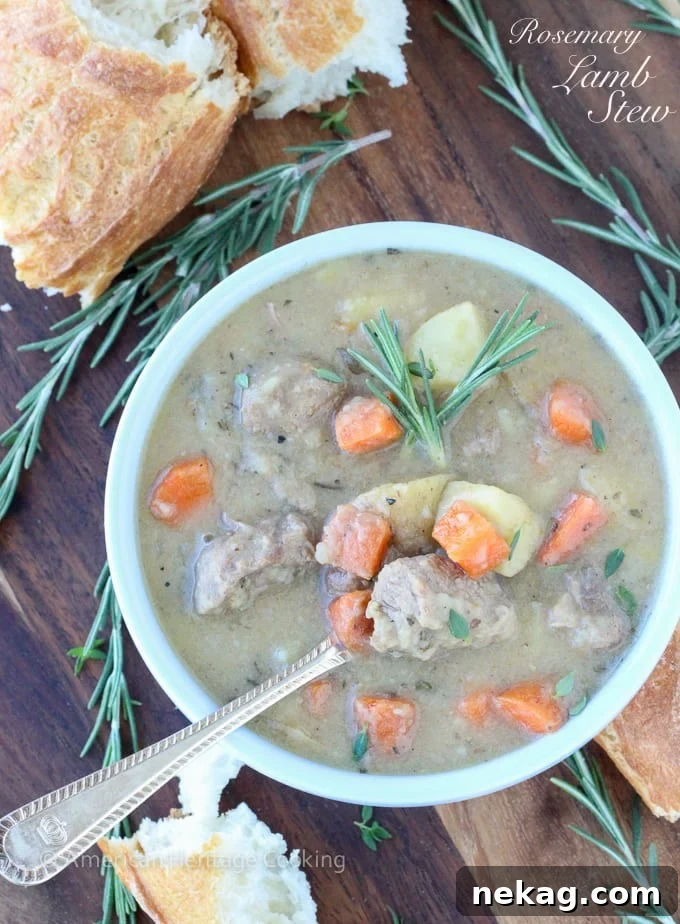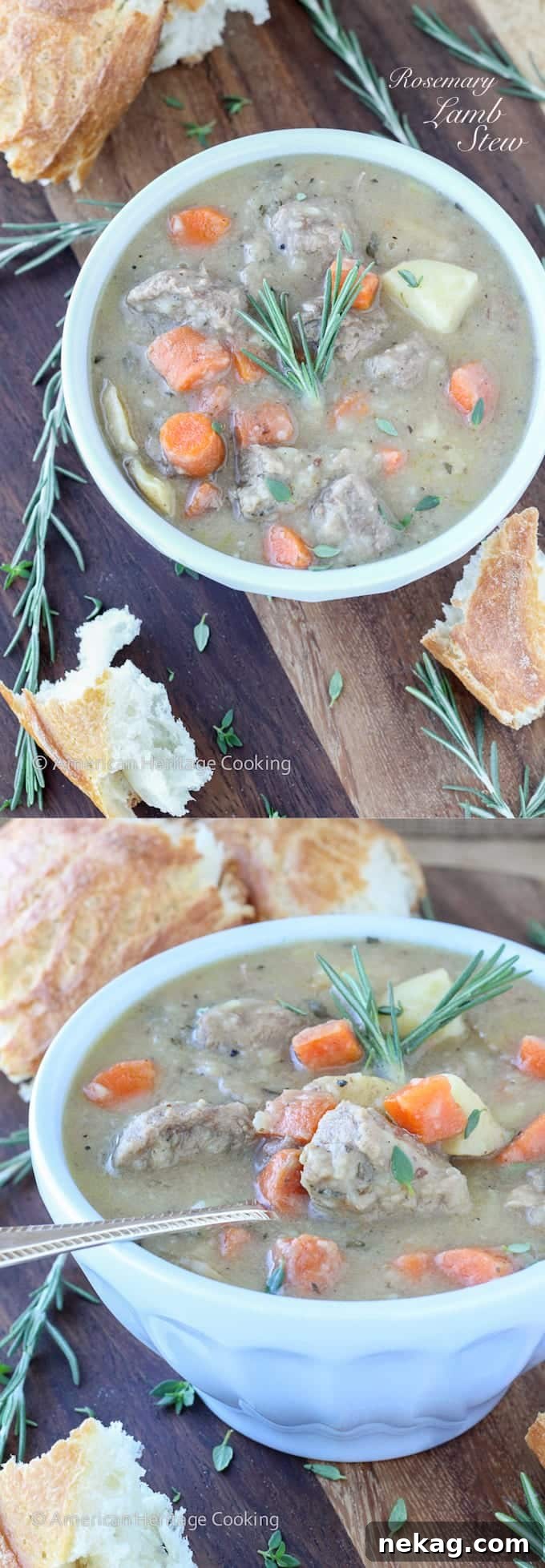
Hearty Rosemary Lamb Stew: Your Go-To Comfort Food Recipe
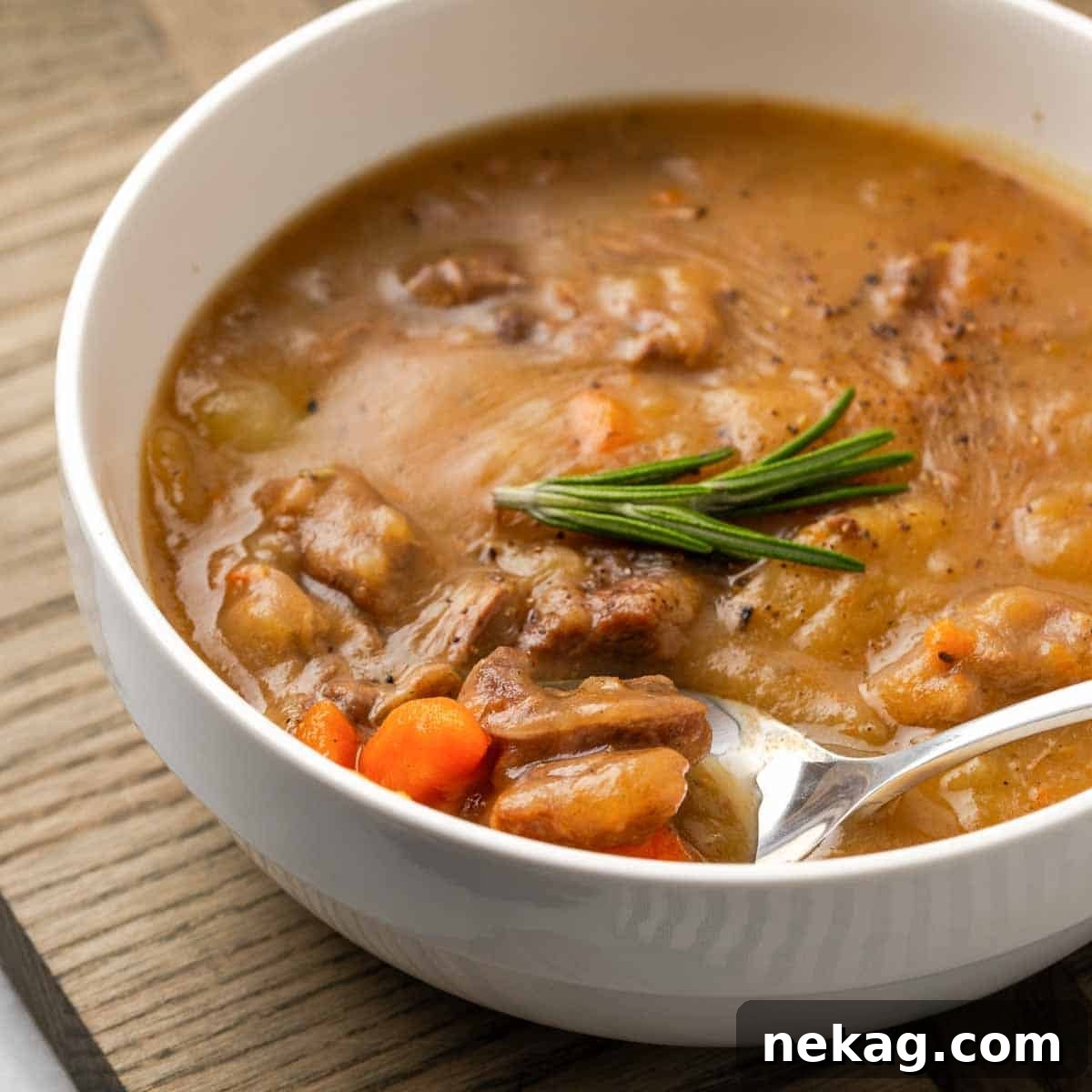
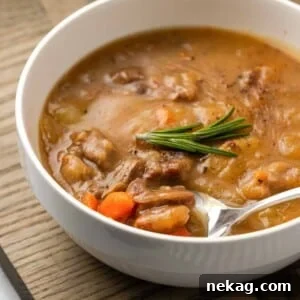
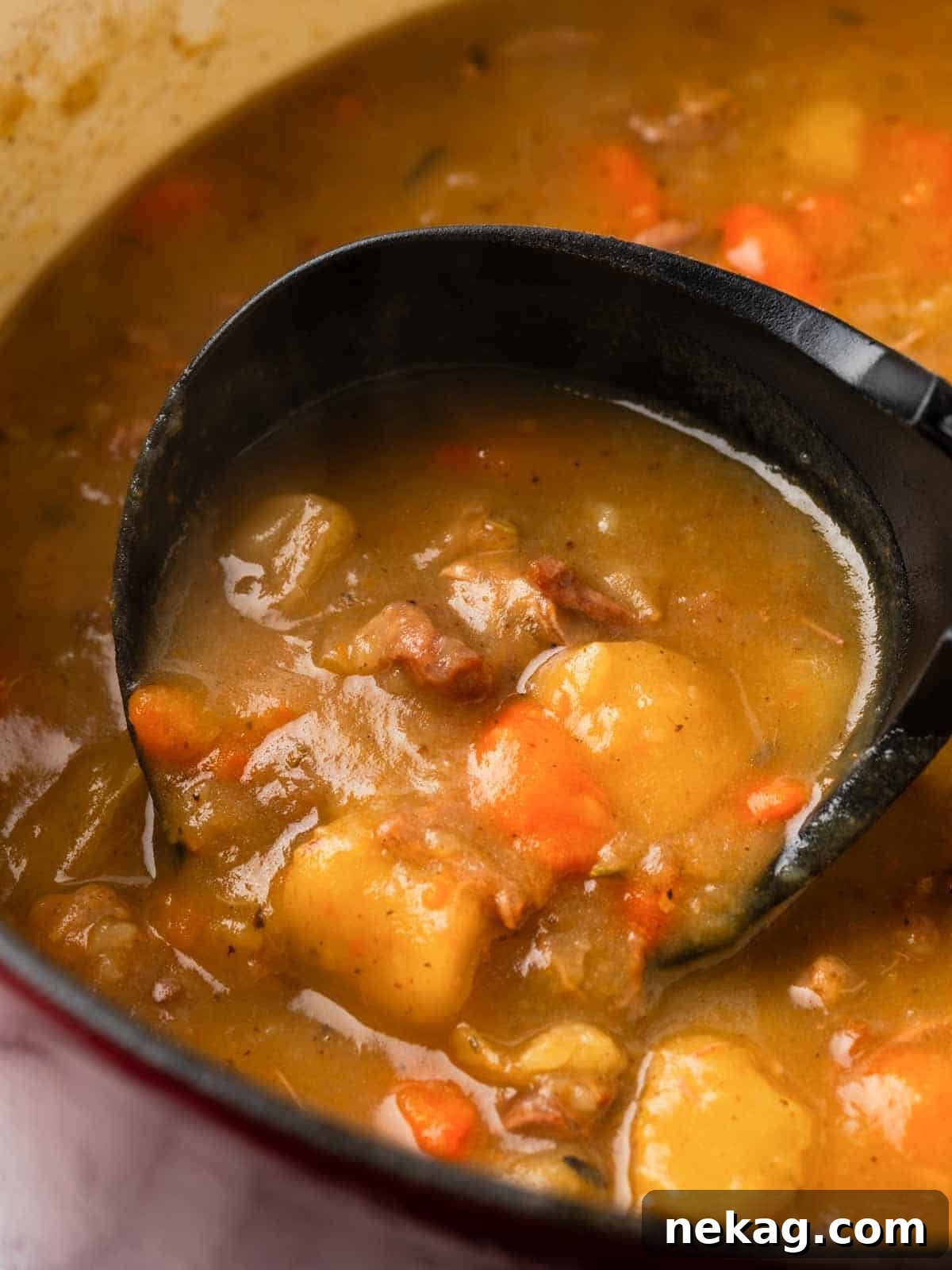
Prepare to fall in love with this ultimate **lamb stew recipe**, a soul-warming dish that masterfully blends succulent, fork-tender pieces of lamb with a medley of earthy root vegetables like savory potatoes and carrots. All bathed in a deeply rich, comforting broth, generously infused with fragrant fresh rosemary and thyme. This isn’t just a meal; it’s a culinary embrace, a wholesome and hearty stew perfectly crafted to chase away the chill on any cold day. It’s designed to be both incredibly satisfying and surprisingly straightforward to prepare, making it an ideal staple for your seasonal cooking repertoire, bringing gourmet flavors to your family table with ease.
A Quick Look At The Recipe
This is a brief summary of the recipe’s key details. For complete instructions and ingredient lists, jump directly to the full recipe card.
Jump to Recipe
Prep Time
30 minutes
Cook Time
3 hours
Total Time
3 hours 30 minutes
Servings
6 people
Difficulty
Easy
Calories *
419 kcal per serving
Technique
Sear meat, sauté aromatics, deglaze pan, simmer with vegetables and herbs until tender.
Flavor Profile
A deeply comforting and savory lamb stew with a rich, velvety broth, infused with fresh rosemary and thyme, complemented by sweet root vegetables.
* Based on nutrition panel, approximate values.
This lamb stew is an absolute game-changer for fall and winter dinners! I’ve been experimenting with recipes for postpartum meal prep, and this one has definitely earned its spot. The lamb achieves perfect tenderness, and the flavor profile is simply exquisite. I truly appreciate a hearty, “set it and forget it” kind of meal. ⭐⭐⭐⭐⭐
Mara
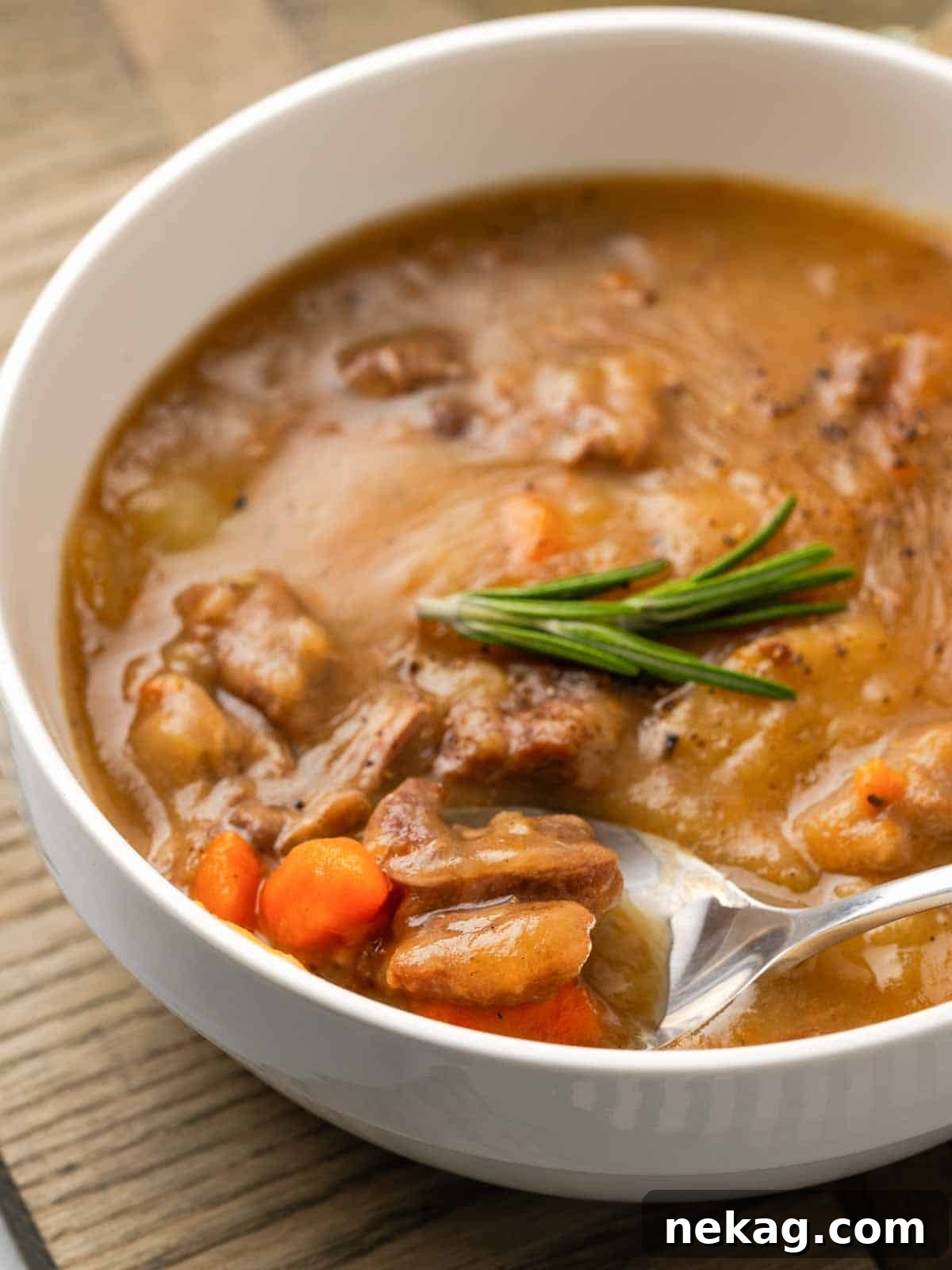
This classic lamb stew distinguishes itself with a unique thickening method: instead of relying on traditional flour-based roux or serving alongside rustic Irish soda bread, we cunningly incorporate creamy mashed potatoes directly into the broth. This innovative technique creates an exceptionally smooth, luscious, and beautifully balanced gravy, making every spoonful a delight. The stew is generously filled with succulent, tender lamb pieces, hearty chunks of potatoes, and sweet carrots, all thoughtfully seasoned with an abundance of fresh rosemary and thyme, enhancing its aromatic depth and giving it that signature comforting taste.
Just like my highly-rated Meyer lemon chicken recipe, the robust Dutch oven beef stew, or the elegant chicken with shallots, a critical step in achieving the profound, umami-rich flavor of this dish is browning the lamb in small batches before integrating any other vegetables. This crucial process of searing the meat caramelizes its exterior, developing rich, complex flavor compounds (the Maillard reaction) that become the very foundation of an incredibly savory and flavorful broth, ultimately elevating the entire stew to gourmet levels of taste and satisfaction.
Table of Contents: Your Guide to the Perfect Lamb Stew
- Why You Will Fall in Love with This Easy Lamb Stew
- Professional Tips For Crafting the Best Lamb Stew Recipe
- Essential Ingredients for a Flavorful Lamb Stew
- Exciting Variations for Your Lamb Stew
- Step-by-Step: How to Make Lamb Stew with Vegetables
- Chef Lindsey’s Expert Recipe Tip for Unforgettable Lamb Stew
- Frequently Asked Questions About Lamb Stew
- The Complete Lamb Stew Recipe Card
- Before You Go: Explore More Comfort Food Delights
Why You Will Fall in Love with This Easy Lamb Stew
- It’s Incredibly Hearty and Satisfying. This flavorful lamb stew isn’t just a meal; it’s a comforting experience that deeply nourishes both body and soul. Packed to the brim with wholesome, filling ingredients, each spoonful offers a delightful mix of robust, tender lamb and hearty root vegetables. It’s the kind of substantial dish that truly warms you from the inside out, making it an indispensable recipe for those chilly autumn and deep winter months. Once you try it, this stew is destined to become a beloved staple in your cold-weather cooking rotation, providing sustained energy and deep satisfaction.
- It Delivers Deeply Layered Flavor. What truly sets this stew apart is its exceptional depth of flavor, meticulously built from the ground up. The rich, savory notes of slow-cooked lamb are perfectly complemented by the earthy sweetness of carefully chosen root vegetables. Fresh thyme and rosemary aren’t just garnishes; they’re integral to the stew’s aromatic profile, infusing the entire dish with bright, herbaceous notes that elevate every bite. The combination creates a complex yet harmonious symphony of tastes that will leave your palate thoroughly intrigued and craving more.
- The Texture is Pure Perfection. One of the hallmarks of a truly great stew is its texture, and this recipe absolutely nails it, achieving a sublime mouthfeel. The magic happens through patient, slow cooking, a process that transforms even the toughest cuts of lamb into unbelievably tender morsels that virtually melt in your mouth with minimal effort. Simultaneously, the vegetables become wonderfully soft without losing their delightful integrity, and the broth achieves a velvety smoothness and luxurious consistency. The resulting texture is incredibly luxurious and comforting, a delightful contrast that makes this recipe a true triumph.
Professional Tips For Crafting the Best Lamb Stew Recipe
- Season as You Go: The Secret to Flavorful Layers. A common pitfall in home cooking is waiting until the very end to season a dish. For a truly professional-tasting lamb stew, it’s absolutely crucial to season with salt and pepper at various stages of the cooking process. Taste each component – the lamb after browning, the onions after sautéing, and most importantly, the broth as it simmers. Adjusting seasonings throughout ensures every individual element is perfectly balanced and contributes optimally to an overall rich, well-rounded, and complex flavor profile. This continuous tasting and adjusting practice is one of the most effective ways to significantly elevate your home cooking skills.
- Patience is a Virtue: Embrace Slow Cooking for Tenderness. Lamb, especially the more economical stewing cuts, requires a significant amount of time and gentle heat to tenderize and fully release its profound flavor potential. Do not under any circumstances rush the cooking process. Allow the lamb to slowly simmer for the recommended duration, or even longer if your schedule permits. This extended, gentle cooking gradually breaks down the tough connective tissues in the meat, transforming it from chewy to incredibly tender and succulent. The anticipation and patience invested in allowing the lamb to slowly cook will be amply rewarded with an unforgettably rich and melt-in-your-mouth texture.
- Never Skip the Browning Step: It’s Essential for Depth. Browning the lamb is perhaps the single most important preliminary step for developing deep, complex flavors in this stew. This isn’t merely about achieving an attractive color; it’s about initiating the Maillard reaction, a complex chemical process that creates hundreds of new, savory flavor compounds. To achieve a perfect, robust sear, ensure the lamb is thoroughly patted dry with paper towels before cooking – any excess moisture will cause the meat to steam instead of browning. Work in small batches to avoid overcrowding the pot, allowing each piece to get a beautiful, deep brown crust. This foundational flavor will permeate and enrich the entire dish, creating a more robust and profoundly satisfying broth.
Essential Ingredients for a Flavorful Lamb Stew
Crafting a truly exceptional lamb stew begins with selecting the right, high-quality ingredients. Here’s a detailed look at what you’ll need and why each component is crucial to the success of this comforting dish:
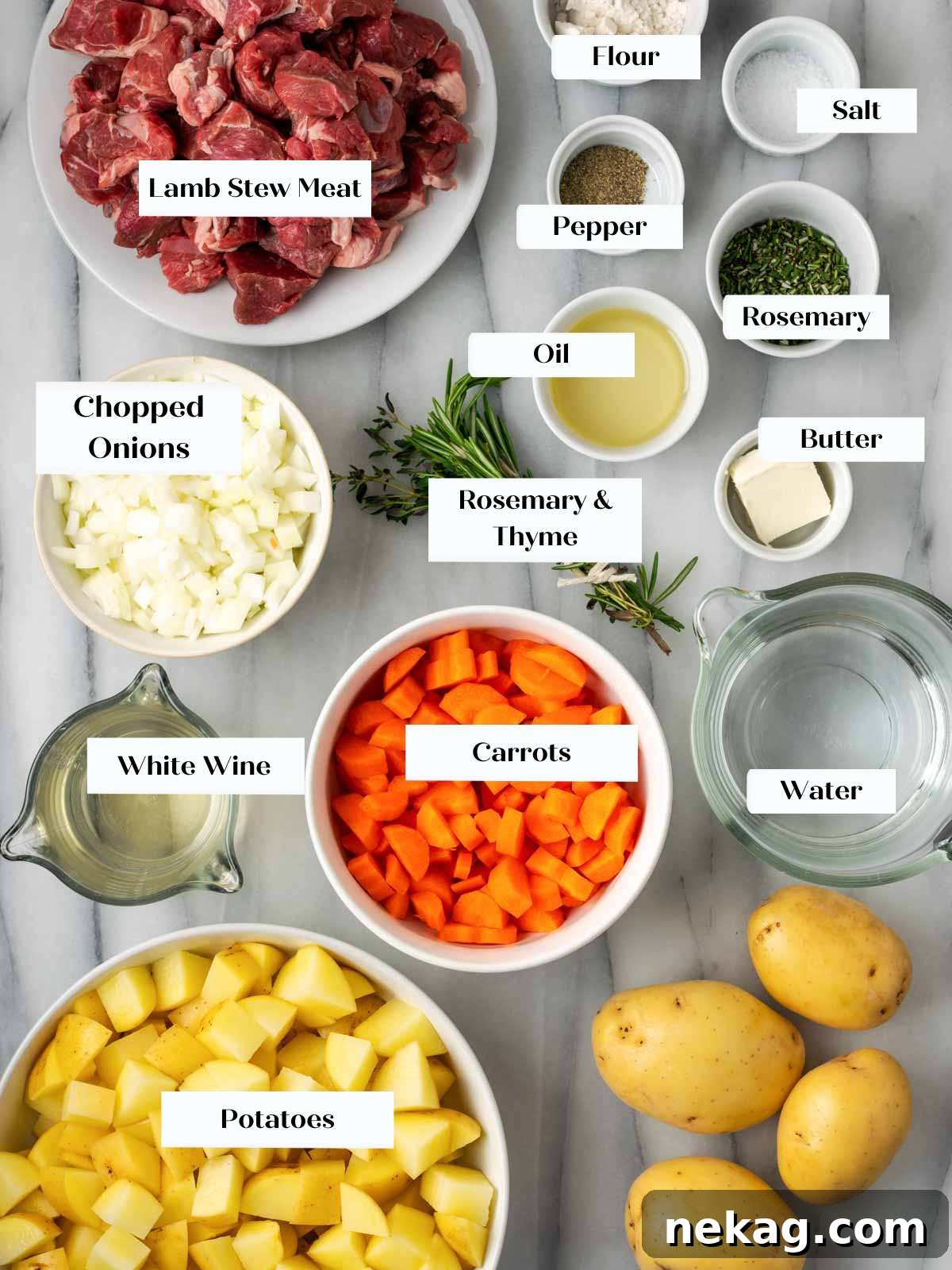
- Lamb: For this hearty and robust recipe, I highly recommend using readily available lamb stew meat. This cut is typically sourced from either the leg or shoulder of the lamb, pre-cut into convenient cubes. While shoulder meat tends to have a bit more fat, contributing to a richer and more decadent flavor, leg meat offers a leaner alternative with a slightly milder taste. Both are excellent choices, but their inherent toughness requires a low and slow cooking method over several hours to achieve that desired fall-apart tenderness and absorb all the delicious flavors of the broth.
- Flour: Standard all-purpose flour is perfectly suited for this recipe. It’s primarily used to lightly coat the lamb cubes before browning, which serves two important purposes: it creates a beautiful, crusty exterior when seared, and it helps to slightly thicken the stew’s broth later on. If you require a gluten-free option, alternatives like rice flour or millet flour can be successfully substituted, ensuring a delicious and inclusive stew for all dietary needs.
- Pepper: Freshly ground black pepper is a must for its pungent, aromatic, and subtly spicy kick. It beautifully complements the natural richness of the lamb and provides a delightful contrast to the earthiness of the vegetables, adding depth and warmth to every spoonful.
- Salt: Good quality kosher salt is preferred for its pure taste and its ability to be easily controlled when seasoning. It’s absolutely essential for seasoning the lamb at various stages, as it enhances all the natural flavors in the stew without making it overtly salty, allowing other ingredients to shine.
- Rosemary: The inclusion of fresh rosemary is a game-changer for this dish. Its distinct piney, slightly floral, and peppery notes infuse the stew with a wonderfully aromatic complexity that is synonymous with classic lamb preparations. It ensures each bite is balanced, intriguing, and deeply satisfying. While dried rosemary can be used, fresh offers a more vibrant and potent flavor.
- Olive Oil: A good quality extra virgin olive oil is used for its high smoke point, making it ideal for browning the lamb. Its subtle fruity notes add an extra layer of flavor to the foundational sear and help achieve that perfect golden-brown crust on the meat.
- Butter: Unsalted butter is added after the lamb has been browned, primarily to sauté the onions. It contributes a rich, creamy depth and a delicate sweetness, further enhancing the stew’s overall savory profile and creating a luscious base for the aromatics.
- Onion: I typically opt for a large yellow onion for its balanced sweetness and savory depth, which forms a crucial aromatic base for the stew. When sautéed, it mellows and provides a fundamental flavor layer. A sweet onion would also be an excellent choice if you prefer a slightly milder, sweeter undertone in your broth.
- Dry White Wine: A dry white wine, such as Pinot Grigio or Sauvignon Blanc, is used to deglaze the pan after sautéing the onions. This step is vital for scraping up all the flavorful browned bits (fond) from the bottom of the pot, incorporating them into the broth and adding a delightful acidity and complexity that brightens the entire stew. If you prefer to omit alcohol, a good quality unsalted vegetable or chicken broth can be used as a substitute, though the wine certainly adds a unique depth.
- Carrots: Medium-sized carrots are recommended for this recipe. When uniformly diced, they cook evenly and contribute a natural sweetness, vibrant color, and essential nutrients to the stew. Using medium carrots makes achieving consistent cuts much easier than with smaller, more irregular ones, ensuring even cooking.
- Potatoes: For the best texture in this hearty stew, I highly recommend Yukon gold potatoes. Their waxy, buttery texture holds up beautifully during slow cooking, becoming tender without disintegrating into mush. If Yukon golds are unavailable, russet or red potatoes can be used, though the final texture might vary slightly. These are also used whole and mashed to naturally thicken the stew, contributing to its creamy consistency.
- Thyme: Fresh thyme adds another layer of delicate, peppery, and slightly minty freshness to the stew, contributing to its overall lightness and herbaceous appeal. Its subtle notes complement the more robust rosemary perfectly. If fresh thyme is not accessible, use approximately half the amount of dried thyme for a concentrated flavor.
- Water: You’ll need approximately a quart and a half of fresh, cold water. Interestingly, using plain water instead of broth or stock in this specific recipe allows the robust, unadulterated flavor of the lamb itself to shine through more distinctly, becoming the primary flavor note in the finished dish. This is a deliberate choice, offering a different flavor profile compared to my Italian Sausage Soup, where stock plays a more prominent and essential role.
For precise measurements and any further details on quantities, please refer to the complete, easy-to-read recipe card provided below.
Exciting Variations for Your Lamb Stew
This classic lamb stew recipe is wonderfully versatile, allowing for creative adaptations to suit your taste, dietary preferences, or even your cooking equipment. Here are a few exciting variations to explore, ensuring this comforting dish can be enjoyed in many forms:
- Traditional Irish Stew Reinvented: To transform this into a rich, deeply traditional Irish lamb stew, simply swap the dry white wine for a dark stout, like Guinness. The deep, malty, and slightly bitter notes of Guinness will impart an earthy complexity and a distinctive character that perfectly complements the robust flavor of the lamb. Use the beer to deglaze the pot, ensuring you scrape up all those flavorful browned bits, before adding the rest of your vegetables. Serve this robust stew alongside some homemade 100% Whole Wheat Bread for dipping and perhaps a slice of decadent Guinness chocolate cake for an authentic Irish-inspired feast!
- Effortless Slow Cooker Method: For a truly hands-off approach that allows flavors to develop beautifully throughout the day, adapt this recipe for your slow cooker. Begin by browning the lamb in small batches on the stovetop in a large pan or Dutch oven, as this step is critical for building deep flavor. Deglaze the pan with white wine (or Guinness for the Irish variation), then quickly sauté the onions and carrots for 3-4 minutes to soften them slightly and release their aromatics. Once these initial steps are complete, transfer all the browned lamb, sautéed vegetables, and remaining ingredients (except the whole mashing potatoes, which can be microwaved and added later as directed) to your crock pot. Cook on low for 8 to 10 hours, allowing the flavors to meld exquisitely and the lamb to become unbelievably tender.
- Speedy Pressure Cooker Adaptation: If time is of the essence but you crave that slow-cooked depth, your Instant Pot or other pressure cooker can significantly reduce the cooking time without sacrificing flavor or tenderness. Use the sauté mode directly in the pressure cooker pot to brown the lamb. After browning, deglaze with white wine, then quickly sauté the onions and carrots for about 30 seconds to release their aromatics. Add the remaining ingredients (again, saving the mashing potatoes for later incorporation), secure the lid, and cook on the “stew” or “meat/stew” function for approximately 40 minutes. Allow for natural pressure release for optimal meat tenderness, then finish with the mashed potatoes as per the main recipe.
- Boost Your Veggies and Flavor Profile: Customize your stew by incorporating an even wider array of vegetables, tailoring it to your personal taste or what’s in season. Root vegetables such as parsnips or sweet potatoes would be fantastic additions, bringing different layers of sweetness and complex textures. Classic aromatics like chopped celery and extra garlic can also deepen the foundational flavor profile. Don’t hesitate to experiment with seasonal greens like fresh spinach or kale, stirred in during the last few minutes of cooking, for added nutrients and vibrant color, creating an even more wholesome and satisfying meal.
Step-by-Step: How to Make Lamb Stew with Vegetables
Follow these detailed, easy-to-understand instructions to create a perfectly cooked, rich, and tender lamb stew every single time. This guide will walk you through each critical stage, ensuring you achieve maximum flavor and the desired melt-in-your-mouth texture. You’ll find precise measurements and further critical details within the comprehensive recipe card located below!
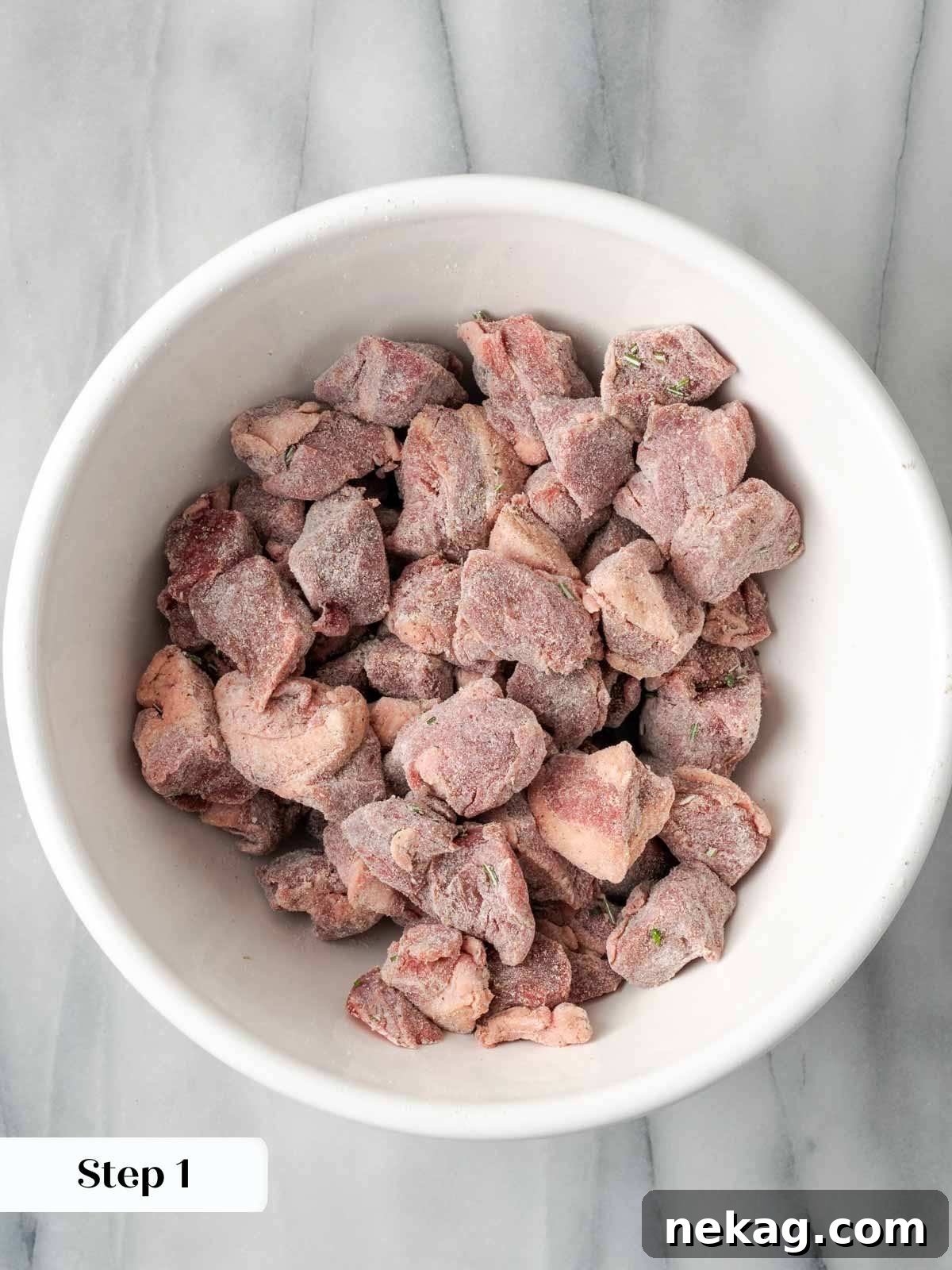
Step 1: Prepare and Coat the Lamb. In a spacious mixing bowl, combine the all-purpose flour, freshly ground black pepper, kosher salt, and the finely chopped fresh rosemary. Take your lamb stew meat, rinse it gently under cold water, and then pat it thoroughly dry with paper towels – this is an absolutely crucial step for effective browning. Cut the lamb into small, uniform cubes, ideally no larger than ¾ inch across, to ensure even cooking. Toss the cubed meat meticulously in the flour mixture, ensuring each piece is evenly coated. This seasoned coating will not only help create a beautiful crust during searing but also contribute to thickening the stew later on.
It’s incredibly important to generously season the lamb with salt and pepper *before* the browning process, not just at the end. This initial seasoning ensures that the flavor penetrates deep into the meat itself, rather than just coating the surface, making every single component of the dish contribute meaningfully to its overall deliciousness and depth of taste.
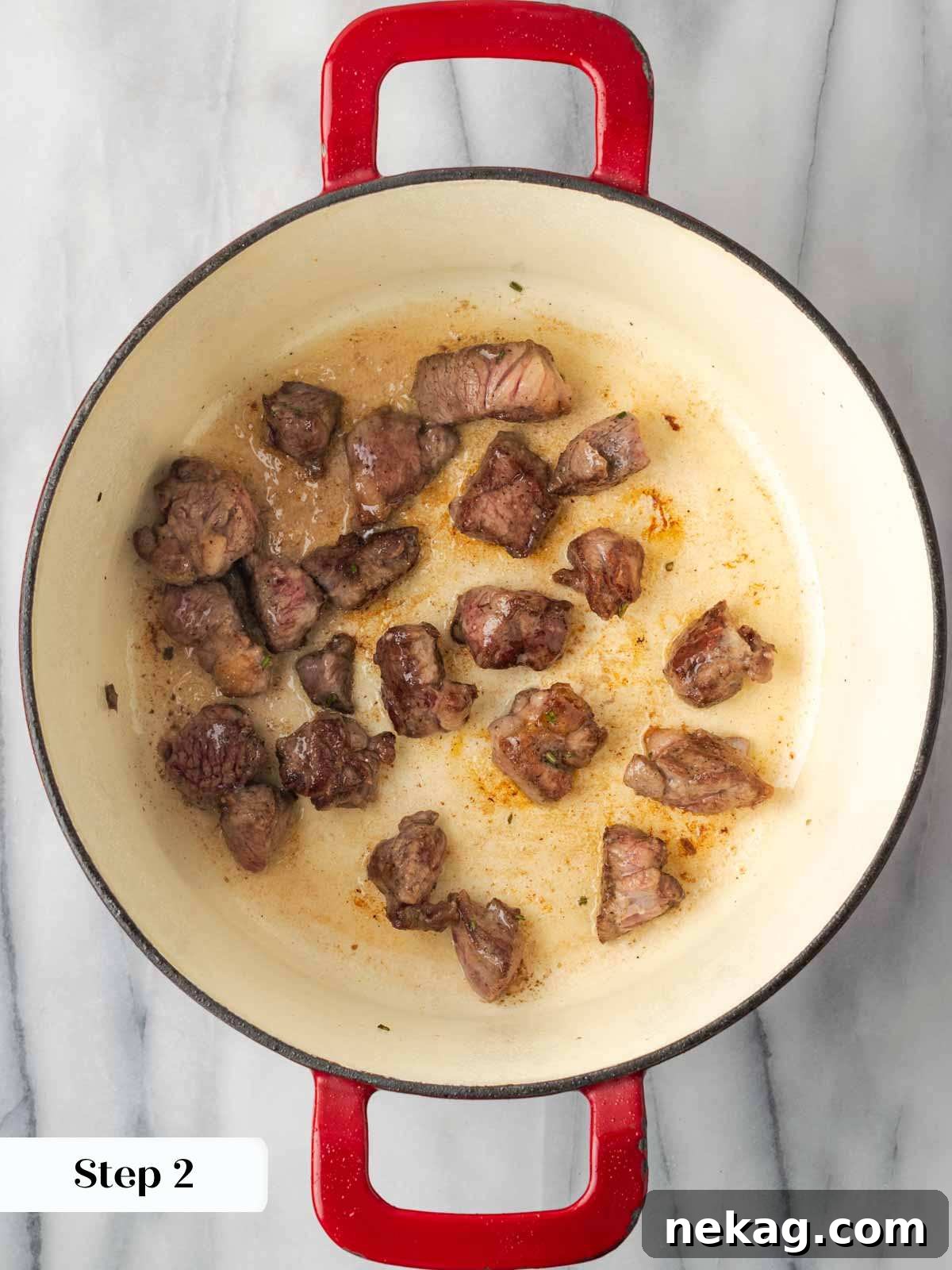
Step 2: Brown the Lamb in Batches. Heat 1-2 tablespoons of good quality olive oil in a large, heavy-bottomed Dutch oven over medium-high heat until it begins to shimmer, indicating it’s hot enough. Carefully add the flour-coated lamb in small, single-layer batches, ensuring not to overcrowd the pot. Overcrowding will significantly lower the pan temperature, causing the meat to steam and turn gray rather than develop that crucial, flavorful sear. Brown the lamb thoroughly on at least three sides, aiming for a deep, rich, golden-brown crust. As each batch is beautifully browned, remove the meat from the pot and place it in a separate bowl, covering it to keep warm and to collect any valuable accumulated juices. Add more olive oil between batches if necessary to maintain proper browning conditions.
The key to achieving a truly flavorful stew is proper browning, which develops rich, savory notes. Working in small batches prevents the meat from steaming and allows it to develop a beautiful, caramelized crust. I find it helpful to turn the meat in a clockwise rotation; by the time I’ve placed the last piece, the first is usually ready to be flipped, ensuring even browning on all sides and maximizing flavor development.
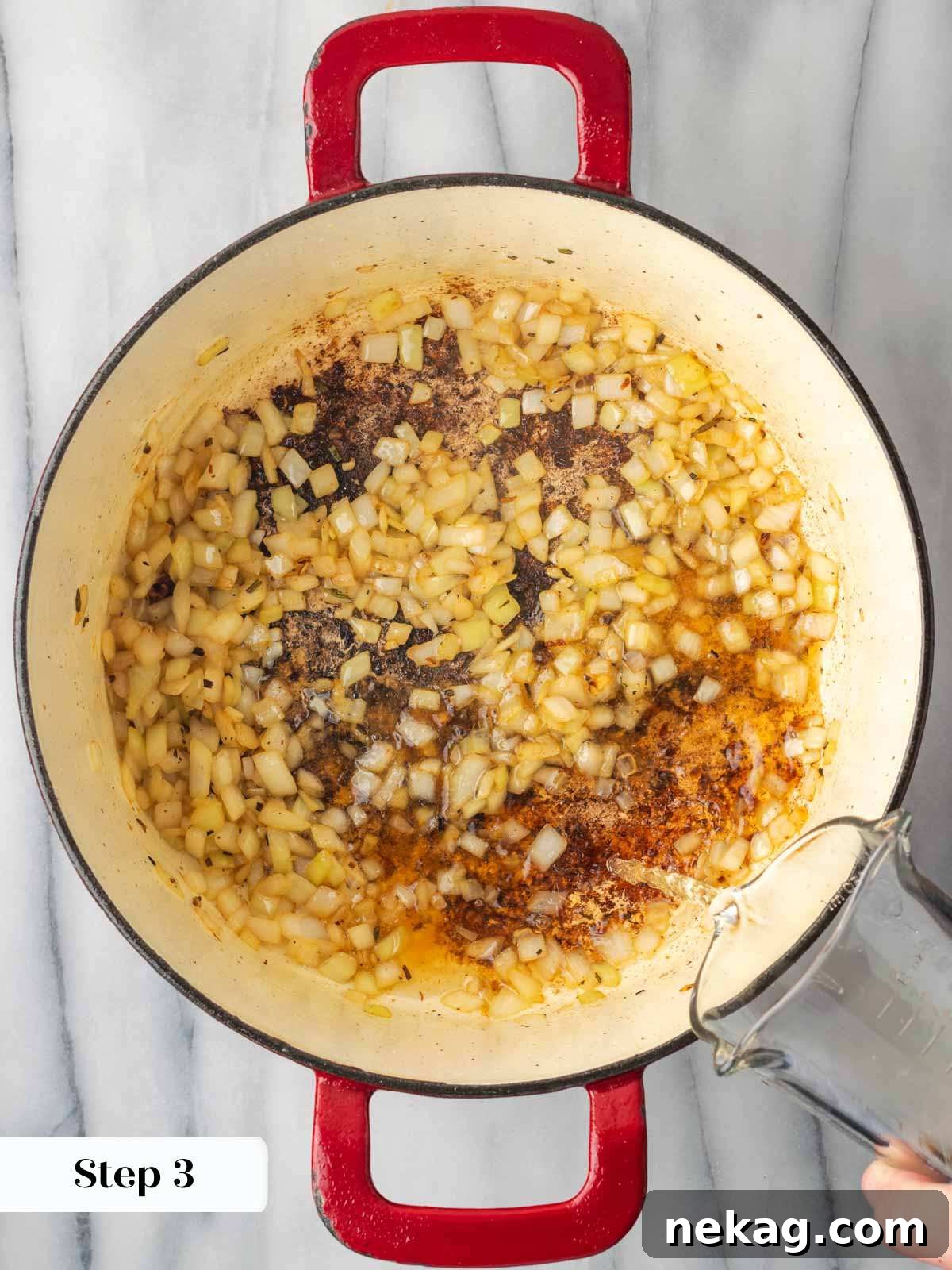
Step 3: Sauté Onions and Deglaze the Pan. Reduce the heat to a steady medium. Add the tablespoon of unsalted butter to the same Dutch oven, allowing it to melt completely and evenly. Add the diced yellow onion and sauté for approximately 2 minutes, or until the edges just begin to turn translucent and soften slightly, releasing their sweet aromatics. Pour in the dry white wine to deglaze the pan. Bring the wine to a gentle boil for a moment, then use a sturdy wooden spoon or spatula to vigorously scrape up all the flavorful browned bits (fond) that have accumulated on the bottom of the pot. This fond is packed with concentrated flavor and will be dissolved into your broth, adding immense depth and complexity to the stew.
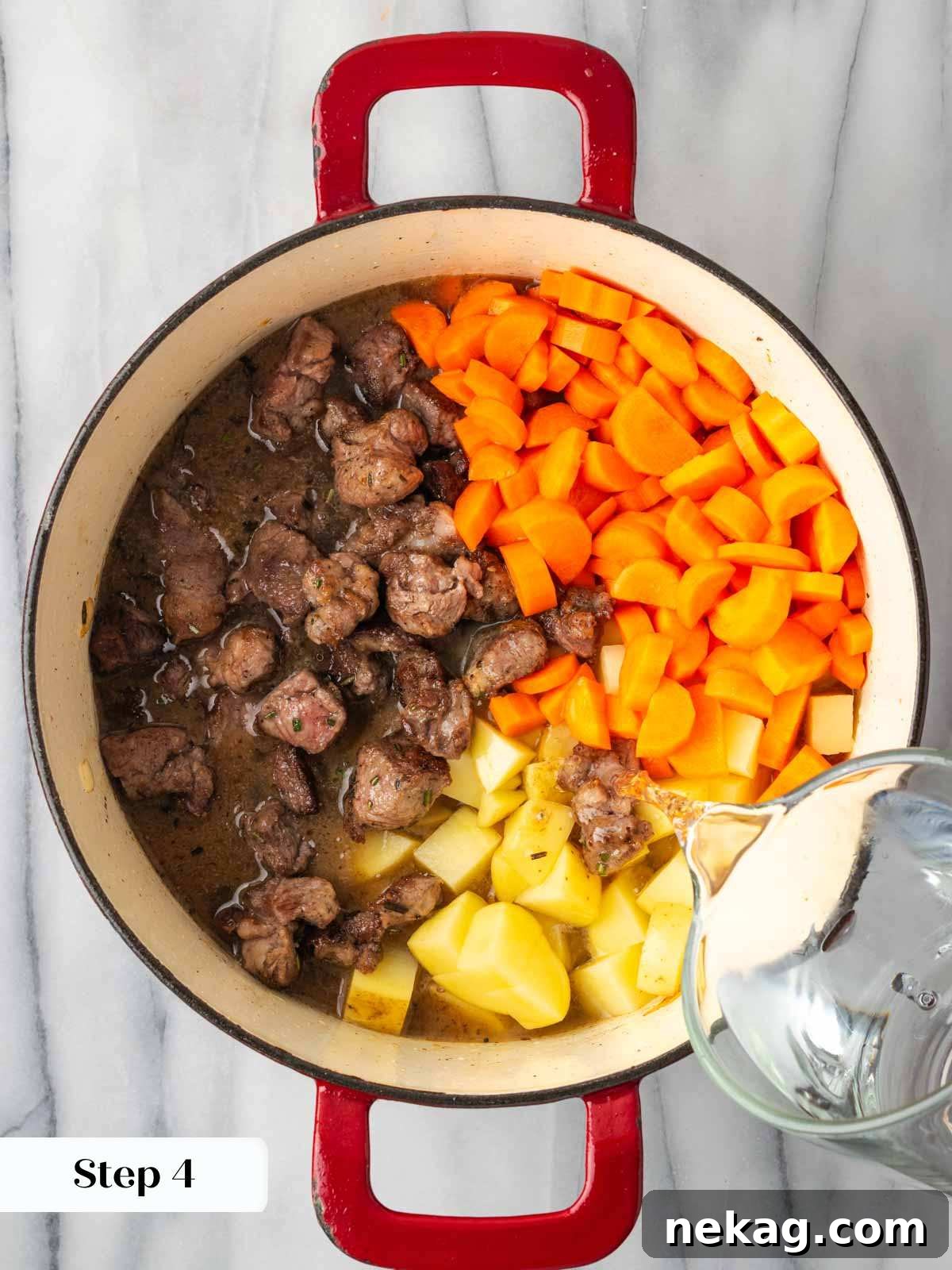
Step 4: Combine and Initiate Simmer. Return the browned lamb, along with any precious accumulated juices from the bowl, back into the Dutch oven with the sautéed onions and deglazed liquid. Add the diced carrots and potatoes. Pour in enough fresh, cold water to just barely cover all the ingredients. Bring the mixture to a robust rolling boil, then carefully skim any foam or impurities that rise to the surface using a dry metal spoon or a fine-mesh skimmer. Once skimmed, reduce the heat to low, allowing the stew to settle into a gentle, consistent simmer.
Step 5: First Simmer. Once the stew is simmering steadily, cover the Dutch oven with a tight-fitting lid to trap the moisture and heat, and cook for 2 full hours. This initial slow cooking phase is absolutely crucial for beginning the tenderization process of the lamb and allowing the foundational flavors to slowly start melding and deepening, forming the base of your rich broth.
As your stew simmers, you might notice a thin layer of skin or foam accumulating on the surface of the liquid. For a cleaner, clearer broth with a more refined texture and appearance, gently remove this with the back of a dry metal spoon or a small ladle. This simple step helps to purify and elevate your finished stew.
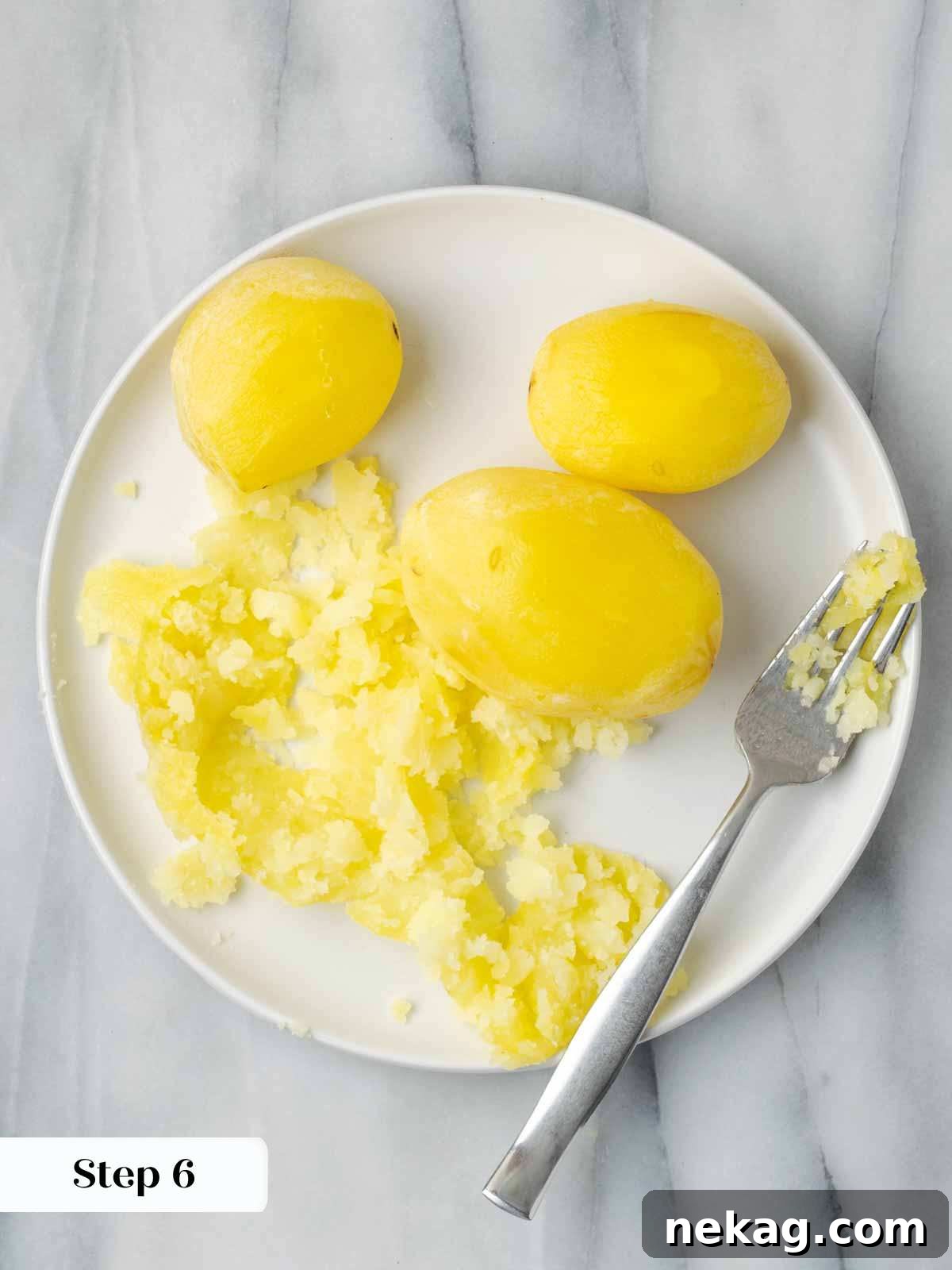
Step 6: Thicken with Mashed Potatoes. While the stew continues its long, slow simmer, prepare the innovative thickening agent. Place the 4 whole peeled Yukon gold potatoes in a microwave-safe bowl. Microwave them on high for approximately 3 minutes, or until they are completely soft when pierced effortlessly with a fork. Mash these cooked potatoes thoroughly with a fork until smooth and free of lumps, then add them directly to the simmering stew. Stir vigorously to fully incorporate the mashed potatoes, allowing them to dissolve and miraculously thicken the broth to a luxurious, velvety consistency without the need for a flour slurry or roux.
Step 7: Final Seasoning and Herb Infusion. This is your last chance to perfect the flavor balance! Taste the stew and meticulously adjust the seasoning with additional salt and pepper as needed to your personal preference. Now, carefully add the fresh rosemary and thyme sprigs to the pot, gently pushing them down into the liquid so they are fully submerged and can intensely release their aromatic oils. If you wish, tie the sprigs together with kitchen twine (creating a traditional *bouquet garni*) for easier retrieval and removal later. Continue to cook the lamb stew, covered, for at least an additional hour to allow the herbs to fully infuse and the flavors to deepen further.
Tying your fresh rosemary and thyme sprigs together with kitchen twine before adding them to the pot creates what’s traditionally known as a bouquet garni. This clever technique allows the herbs to infuse the stew with their wonderful, vibrant flavors during cooking, yet makes them incredibly easy to retrieve and remove before serving, preventing any stray leaves from ending up in your final, beautifully presented dish. You can see an example of this neat trick in the Step 8 photo below!
Step 8: Achieve Ultimate Tenderness and Thickness. While the minimum cooking time after adding the herbs is one hour, for the most exquisitely tender lamb and a supremely rich, deep flavor profile, I highly recommend simmering your stew for a total of 4 hours after the initial two-hour cook (this duration includes the hour with the fresh herbs). This extended, gentle cooking provides ample time for the tough connective tissues in the lamb to completely break down, resulting in an unparalleled melt-in-your-mouth texture that is truly exceptional. You certainly could cook it for less time, but be aware that you might sacrifice some of that exceptional tenderness and concentrated depth of flavor. If your stew isn’t as thick as you prefer towards the end of cooking, simply remove the lid and allow it to simmer uncovered for the final hour; this will help reduce the liquid, intensifying the flavors and achieving a perfectly dense, rich consistency, just as I did for mine to get that ideal result.
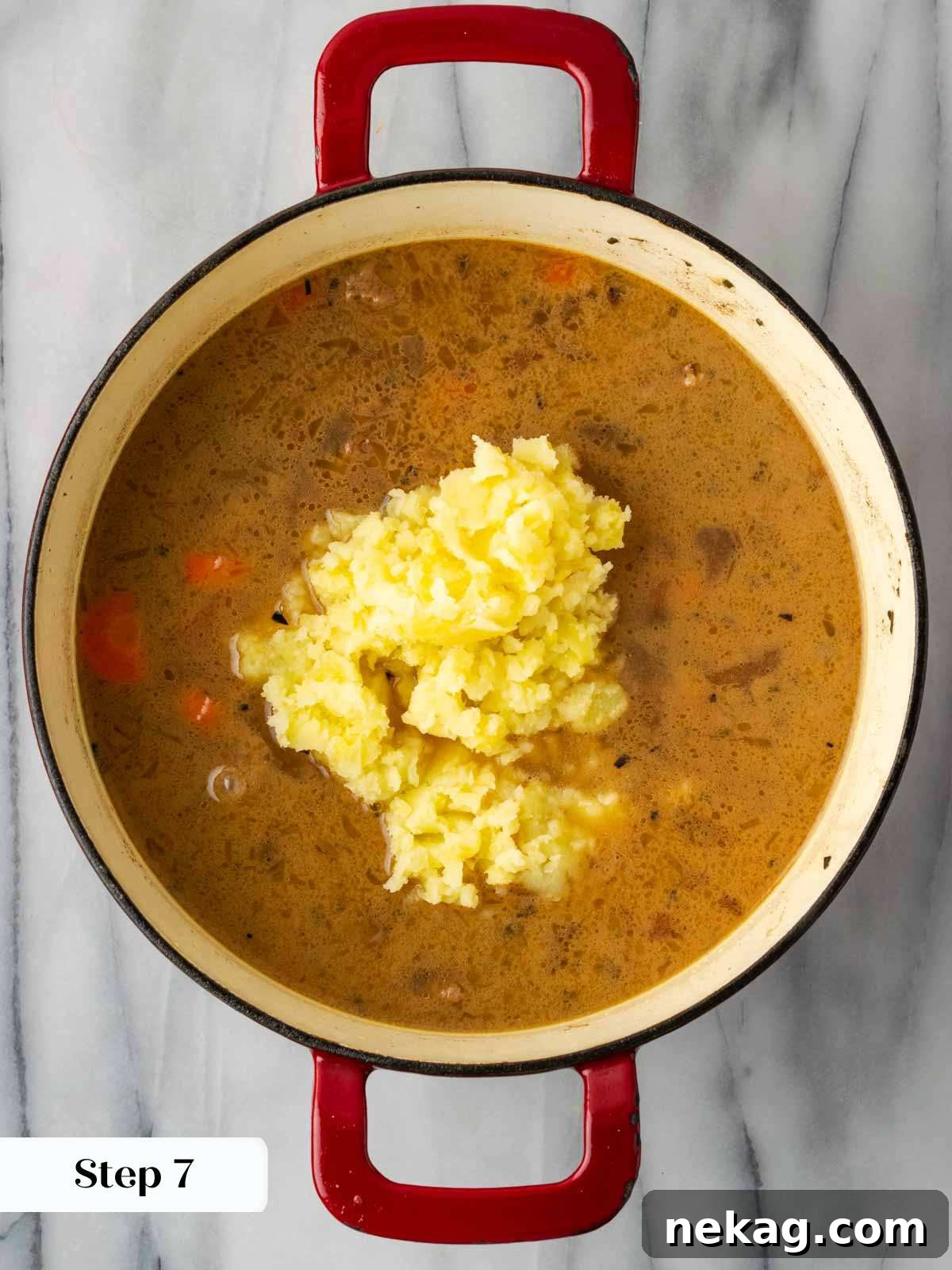
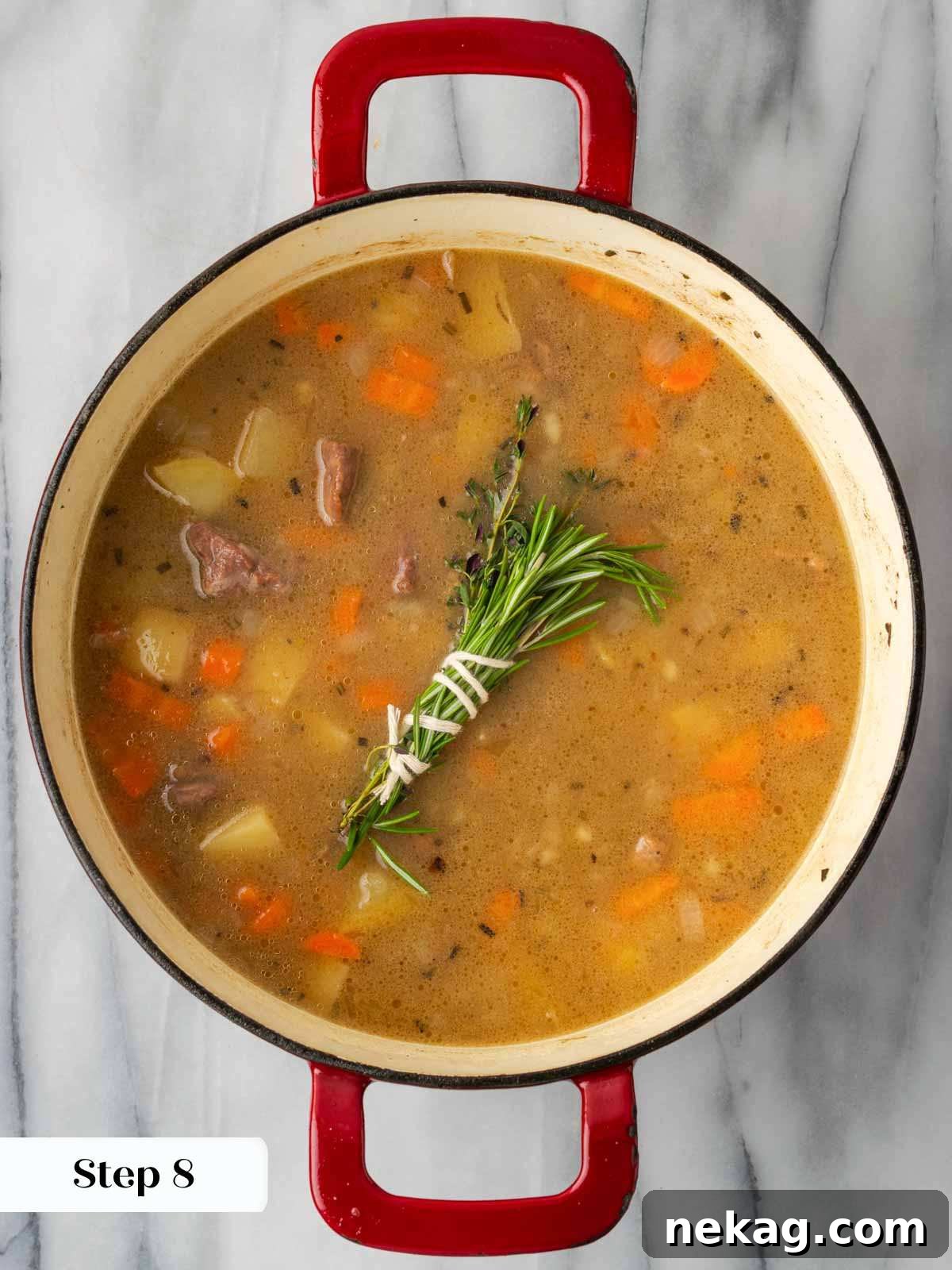
Should you find your stew hasn’t reached your desired thickness by the end of the cooking process, a simple and effective trick is to cook it uncovered for the last hour of simmering. This allows some of the liquid to gently evaporate, which naturally concentrates the flavors and thickens the broth to a perfect, rich, and comforting consistency. This is exactly what I did to achieve the ideal texture for my stew!
Chef Lindsey’s Expert Recipe Tip for Unforgettable Lamb Stew
After incorporating the microwaved, mashed potatoes into your stew, I cannot emphasize enough the paramount importance of allowing your stew to continue simmering for an additional 4 hours. This extended, gentle cooking period is absolutely critical for achieving an extraordinary result. It provides ample time for the robust proteins and tough connective tissues within the lamb meat to gradually and thoroughly break down, transforming them into an incredible tenderness that is truly unparalleled. This patience will yield a lamb stew where the meat is so succulent and delicate, it practically melts in your mouth with every bite, elevating the entire dish to a new level of profound comfort, rich flavor, and gourmet satisfaction.
Frequently Asked Questions About Lamb Stew
Leftover lamb stew can be stored safely and conveniently in an airtight container in the refrigerator for 3 to 5 days, making it perfect for enjoyable meal prep. For longer preservation, this hearty stew freezes exceptionally well. Simply transfer it to freezer-safe containers or heavy-duty freezer bags, ensuring they are tightly sealed, and freeze for up to 4 months. For best results, thaw overnight in the refrigerator before gently reheating.
For the most flavorful and tender stew, I highly recommend using designated lamb stew meat. These are typically pre-cubed pieces cut from either the leg or shoulder of the lamb, designed for slow-cooking. Meat from the shoulder often contains a bit more fat marbling, which contributes to an even richer and more unctuous broth, while leg meat is generally a leaner option, offering a slightly milder taste. Both cuts, when patiently slow-cooked, provide an amazing depth of flavor and texture that is absolutely perfect for a comforting, hearty stew.
To reheat leftover lamb stew, the best method is to transfer the desired portion to a stockpot or a heavy-bottomed saucepan. Place it over medium heat, stirring occasionally to prevent sticking and ensure even heating. Bring the stew up to a gentle boil, then immediately reduce the heat and let it simmer for several minutes until all the ingredients are thoroughly heated through. You can also reheat individual portions efficiently in the microwave, remembering to stir halfway through to distribute the heat evenly.
Absolutely! This hearty lamb stew recipe is perfectly suited for scaling up to feed a larger crowd, entertain guests, or for convenient meal prepping to enjoy throughout the week. You can easily double or even triple the recipe to suit your needs. While the original recipe card featured dynamic buttons for this, simply multiply all ingredient quantities by 2 or 3. Remember that larger batches may require a slightly longer simmering time to achieve the same tenderness and flavor concentration, but the process remains the same.
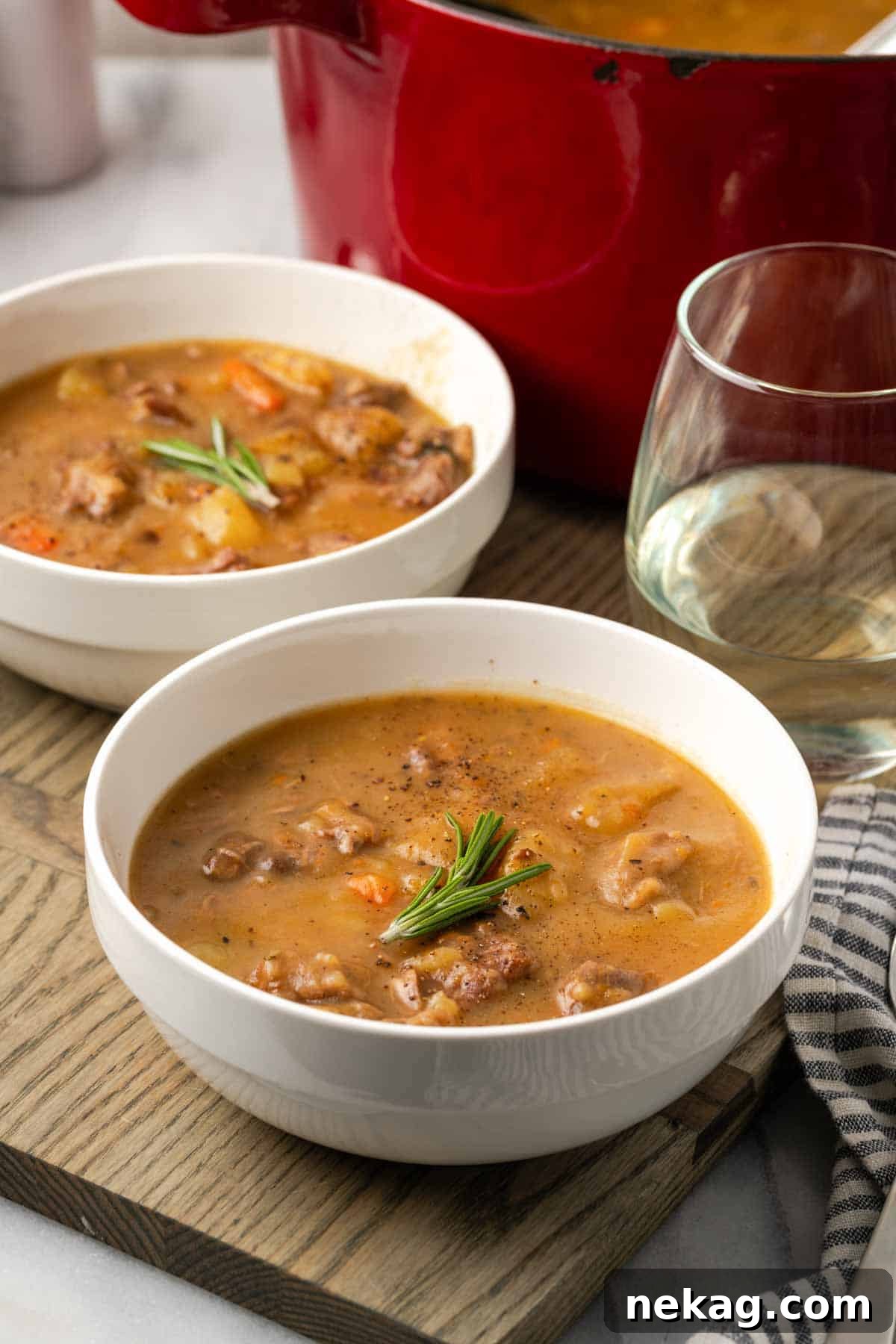
If you’ve tried this delightful hearty rosemary lamb stew recipe and absolutely loved it, please take a moment to leave a ⭐ star rating and share your experience in the comments section below. Your feedback truly brightens my day and helps other home cooks discover this wonderful, comforting dish!
Hearty Rosemary Lamb Stew
Chef Lindsey
30 minutes
3 hours
3 hours 30 minutes
6 people
Pin Recipe
Comment
Print Recipe
Ingredients
- 1 ½ lbs lamb stew meat cubed into ¾ inch pieces
- 2 tablespoons all-purpose flour
- 1 teaspoon black pepper
- 1 teaspoon kosher salt
- 2 tablespoons fresh rosemary chopped
- 2 tablespoons olive oil
- 1 tablespoon unsalted butter
- 1 yellow onion medium diced
- ½ cup dry white wine (e.g., Pinot Grigio or Sauvignon Blanc)
- 3 medium carrots medium diced
- 6 small Yukon gold potatoes medium diced
- 4 sprigs fresh rosemary
- 4 sprigs fresh thyme
- 1.5 quarts cold water
- 4 small Yukon gold potatoes peeled but left whole for mashing
Instructions
-
In a large bowl, combine flour, pepper, salt, and chopped rosemary. Rinse and thoroughly pat dry your lamb stew meat, then cut it into small cubes (no larger than ¾ inch). Toss the meat in the flour mixture to ensure an even coating.
-
Heat 1-2 tablespoons of olive oil in a large Dutch oven over medium-high heat. Brown the lamb in 3 or more batches, adding more oil as needed, ensuring not to overcrowd the pot. Once browned, remove the meat and cover it to keep warm.
-
Add butter to the pan and melt. Sauté the diced onion for 2 minutes, or until it just begins to turn translucent. Pour in the white wine to deglaze, allowing it to boil briefly while scraping up any browned bits from the bottom of the pan.
-
Return the browned lamb, along with any accumulated juices, and the diced carrots and potatoes to the pot. Add cold water until all ingredients are just covered. Bring to a boil, skim any foam from the surface, then reduce to a gentle simmer.
-
Cover the Dutch oven with a lid and cook for 2 hours, maintaining a gentle simmer.
-
Meanwhile, microwave the 4 whole peeled potatoes on high for 3 minutes, or until soft. Mash them thoroughly with a fork and add to the pot, stirring well to incorporate and thicken the stew.
-
Taste the stew and adjust seasoning with salt and pepper as needed. Add the fresh rosemary and thyme sprigs to the pot, pushing them down into the liquid. (Optional: tie sprigs together with kitchen twine for easier removal.) Continue to cook the lamb stew for at least an additional hour.
-
For the most tender lamb and deepest flavor, I recommend simmering for a total of 4 hours after adding the herbs. You can cook for less time, but the texture of the lamb may not be as melt-in-your-mouth. If you prefer a thicker stew, remove the lid for the final hour of cooking to allow it to reduce.
Chef’s Notes
Variations – Slow Cooker Method: For a convenient slow cooker version, brown the lamb on the stovetop, deglaze with wine, sauté vegetables briefly, then combine all ingredients in the crock pot and cook on low for 8-10 hours until the lamb is perfectly tender.
Storage – Store any leftover lamb stew in an airtight container in the refrigerator for up to 3-5 days. It also freezes beautifully for up to 4 months, making it excellent for future meals and convenient meal prep.
Nutrition Information (Approximate Per Serving)
Carbohydrates: 44g |
Protein: 28g |
Fat: 13g |
Saturated Fat: 4g |
Polyunsaturated Fat: 1g |
Monounsaturated Fat: 6g |
Trans Fat: 1g |
Cholesterol: 79mg |
Sodium: 524mg |
Potassium: 1352mg |
Fiber: 6g |
Sugar: 4g |
Vitamin A: 5215IU |
Vitamin C: 46mg |
Calcium: 73mg |
Iron: 4mg
Main Course, Dinner
American, European
419
Enjoyed this recipe? Leave a comment below!
Before You Go: Explore More Comfort Food Delights
We sincerely hope you savored every comforting spoonful of this professional hearty rosemary lamb stew recipe. It’s truly a labor of love that brings warmth, rich flavors, and deep satisfaction to your family table. If you’re looking to continue your culinary journey into heartwarming, chef-developed dishes, we invite you to explore our other delicious and equally satisfying stew recipes. Alternatively, for another deeply satisfying and robust meal that’s perfect for a cozy evening, why not try our acclaimed Dutch Oven Pot Roast next? Happy cooking and bon appétit!