

This easy Lemon Olive Oil Cake is moist, fruity, and sweet. No frosting needed and no mixer required — perfect with coffee or tea for breakfast or dessert.
Love lemon desserts? Try my Lemon Coffee Cake, Lemon Crinkle Cookies, Lemon Pudding Cakes, and Lemon Cream Pie too.

The BEST Lemon Olive Oil Cake
I tested this recipe multiple times to get it right. Early versions were dense because olive oil can produce a heavier crumb. To fix that I adjusted the leavening and the liquids, and refined the mixing method to create a light, tender cake with a delicate crust.
Key changes: I reduced some of the lemon juice and increased baking powder while trimming the baking soda so the cake rises evenly without collapsing. Emulsifying the oil with the sugar first, then adding the eggs one at a time, followed by lemon and alternating dry ingredients with milk, produces a light, well-blended batter.
The result: A moist, airy crumb with a slightly crisp, golden exterior and balanced notes of citrus and olive oil. It’s flavorful on its own with just a dusting of powdered sugar or a simple lemon glaze if you prefer extra sweetness.

Why You Will Love This Recipe
- No Mixer Required: Everything is mixed by hand with a bowl and whisk.
- Lemon and Olive Oil Combo: Olive oil adds a gentle fruity note that complements lemon and keeps the cake moist for days.
- No Frosting Needed: A light dusting of powdered sugar is enough, though you can add a lemon glaze for a brighter citrus hit.

Ingredients You Will Need
Note: Full ingredient amounts and the printable recipe are in the recipe card below.
Jump
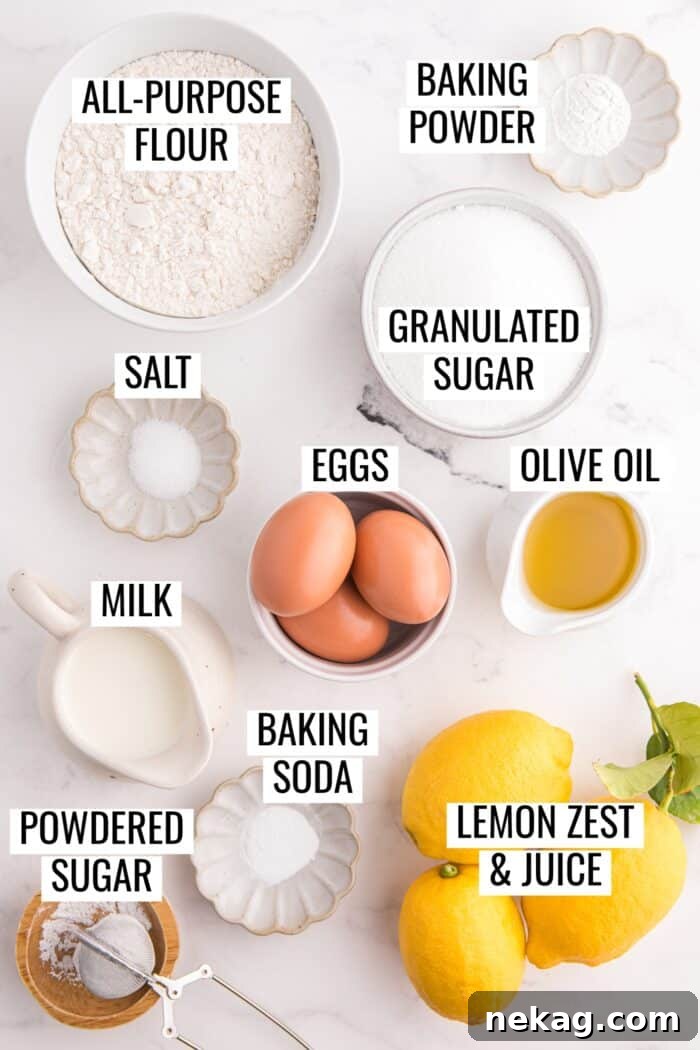
- All-Purpose Flour – For best results weigh the flour. If using cups, stir, spoon into the cup and level off.
- Baking Powder – Provides lift for a tender crumb.
- Baking Soda – Helps with rise and gentle browning for a slight crust.
- Salt – Enhances the flavors.
- Granulated Sugar – Sweetens and helps with texture when emulsified with oil.
- Olive Oil – Use pure/regular for a subtle fruity flavor; light olive oil will be neutral, extra virgin will be bolder.
- Eggs – Add structure and lift; use at room temperature.
- Lemons – Fresh zest and juice give bright citrus flavor; avoid adding too much juice.
- Milk – Room-temperature whole milk keeps the cake moist.
- Powdered Sugar – Optional for dusting before serving.
How To Make Lemon Olive Oil Cake
Preheat the oven to 350°F (175°C). Grease a 9-inch springform pan well, line the bottom with parchment, and wrap the outside with foil to prevent leaks — the batter is fairly thin.
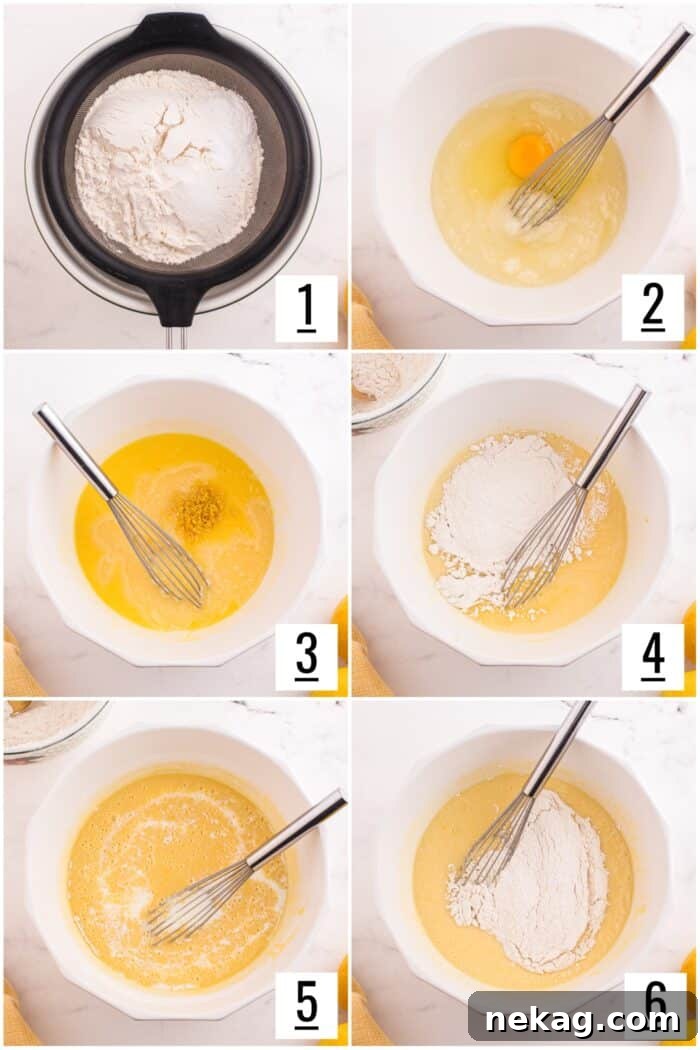
- Sift the flour, baking powder, baking soda, and salt together in a medium bowl; set aside.
- In a large bowl, whisk the sugar and olive oil until combined. Whisk in the eggs one at a time, mixing well after each addition.
- Add the lemon zest and lemon juice and whisk to combine.
- Stir in half the dry ingredients until just combined.
- Add all the milk and mix until just combined.
- Add the remaining dry ingredients and mix gently until just combined. Do not over-mix; a few small lumps are fine.
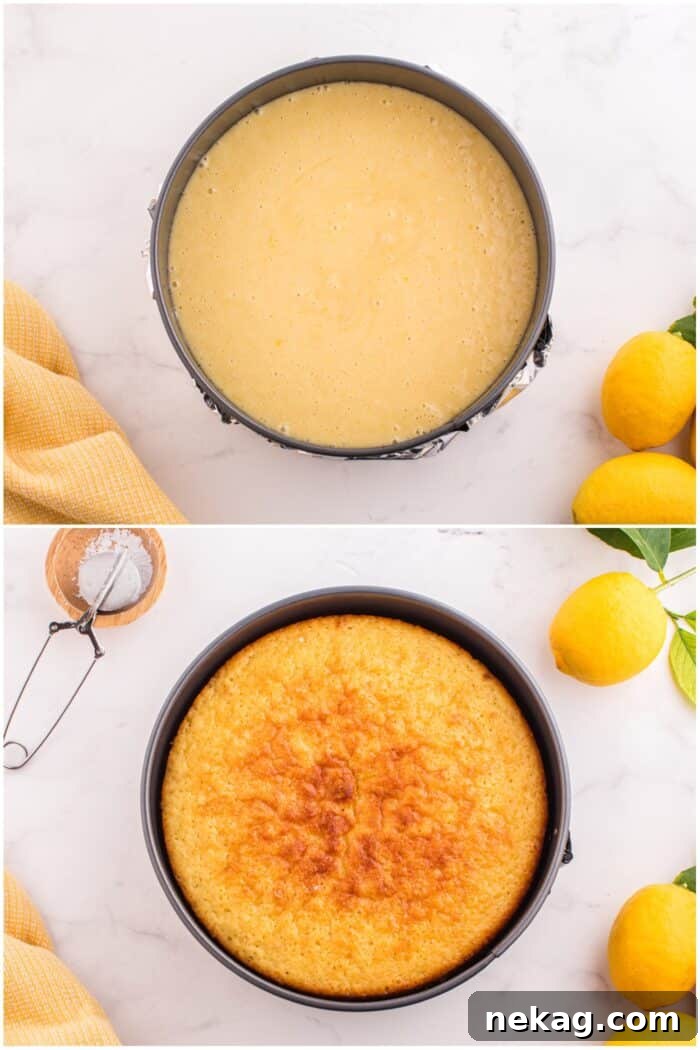
- Pour the batter into the prepared pan and tap it a few times on the counter to release air bubbles.
- Bake at 350°F for 55–60 minutes, or until a toothpick inserted in the center comes out clean.

Serving and Storing
- Cool the cake in the pan for 15 minutes, remove the springform sides, discard the parchment, and transfer the cake to a plate to cool completely. Dust with powdered sugar before serving. It’s delightful warm or at room temperature.
- To store: Wrap tightly or place in an airtight container at room temperature for 4–5 days. Refrigerate up to 1 week for longer storage.
- To freeze: Wrap individual slices tightly and place in a freezer-safe bag for 2–3 months. Thaw at room temperature. Note: the cake is moist and may cling to plastic wrap.

Recipe Notes
- Avoid over-mixing. Overworking the batter develops gluten, which can make the cake gummy and create tunnels. Some bubbles from baking soda are normal — tapping the pan helps them rise and pop before baking.
- This batter is on the thin side, so wrapping the springform pan with foil helps prevent leaks.
- Parchment on the bottom helps the cake release cleanly and prevents over-browning. If the cake sticks to the sides, slide a thin knife around the edge before removing the pan.
- To invert the cake: remove the springform sides, place a plate on top, flip, remove the pan bottom and parchment, then flip back onto a serving plate.

FAQs
It depends on the olive oil you choose. Light olive oil is neutral, while pure/regular olive oil offers a mild fruity note that pairs well with lemon. Extra virgin has a stronger flavor and can compete with the citrus if you prefer a bold olive taste.
Olive oil contains heart-healthy monounsaturated fats, but it is still caloric. Use it thoughtfully; it does not make the cake a health food on its own.
Using olive oil instead of butter produces a moist, tender crumb and lends a subtle fruity flavor that pairs well with citrus, nuts, and spices for a refined taste.
Density often comes from under-emulsified oil or over-mixing. Emulsifying the oil with sugar and adding eggs one at a time helps create a lighter texture. Balance of leavening and proper mixing technique are important.

Lemon Olive Oil Cake
Ingredients
- 2 cups (250 g) all-purpose flour (stir, spoon & level)
- 1 tsp baking powder
- 1/4 tsp baking soda
- 1/2 tsp salt
- 1 1/2 cups (300 g) granulated sugar
- 3/4 cup (177 ml) olive oil (pure/regular)
- 3 large eggs, room temperature
- 1 Tbsp lemon zest (from about 3 lemons)
- 6 Tbsp freshly squeezed lemon juice (about 3 lemons; do not use more than 6 Tbsp)
- 3/4 cup (177 ml) milk, room temperature (whole milk preferred)
- 1–2 Tbsp powdered sugar, optional for topping
Equipment
- 9-inch springform pan
- Mixing bowl and whisk
Instructions
- Preheat oven to 350°F. Grease a 9-inch springform pan, line the bottom with parchment, and wrap the outside with foil to prevent leaks.
- Sift together flour, baking powder, baking soda, and salt; set aside.
- Whisk sugar and olive oil in a large bowl until combined. Whisk in eggs one at a time, mixing well after each. Add lemon zest and lemon juice and whisk to combine.
- Alternate folding in half the dry ingredients, all the milk, then the remaining dry ingredients, mixing until just combined each time. Do not over-mix.
- Pour batter into the prepared pan and tap to release air bubbles. Bake 55–60 minutes, or until a toothpick in the center comes out clean.
- Cool in the pan 15 minutes, remove the sides, discard parchment, transfer to a plate to cool completely, and dust with powdered sugar before serving.
Notes
- TO STORE: Wrap tightly or store in an airtight container at room temperature for 4–5 days. Refrigerate up to 1 week.
- TO FREEZE: Wrap individual slices tightly and freeze in a freezer-safe bag for 2–3 months. Thaw at room temperature. The cake is moist and may cling to plastic wrap.
Nutrition
Disclaimer: Nutritional values are estimates calculated with a third-party tool.
Sharing this recipe with a link is encouraged. Copying full recipes or screenshots to other sites or social media is prohibited. Content and photos are copyright protected.