

The Best Fresh Fig & Orange Olive Oil Cake with Honey Ricotta Cream
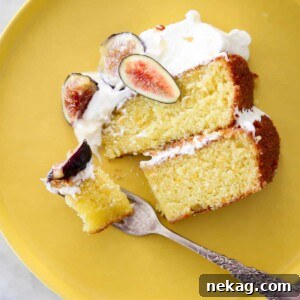
Prepare to be enchanted by **The Best Fresh Fig & Orange Olive Oil Cake**, a dessert masterpiece that harmoniously blends the earthy sweetness of fresh figs with the bright, aromatic notes of orange and the rich, velvety depth of olive oil. This isn’t just a cake; it’s a sensory experience. Imagine layers of unbelievably moist olive oil cake, deeply infused with vibrant orange zest and juice, generously cradling a decadent honey-sweetened ricotta filling. Each tier is then crowned with a cloud-like, fluffy whipped ricotta cream, creating an irresistible texture contrast. Finally, the entire creation is adorned with an abundance of perfectly ripe fresh figs, then finished with a generous drizzle of golden honey, presenting a truly show-stopping dessert that’s as beautiful to behold as it is delightful to eat.
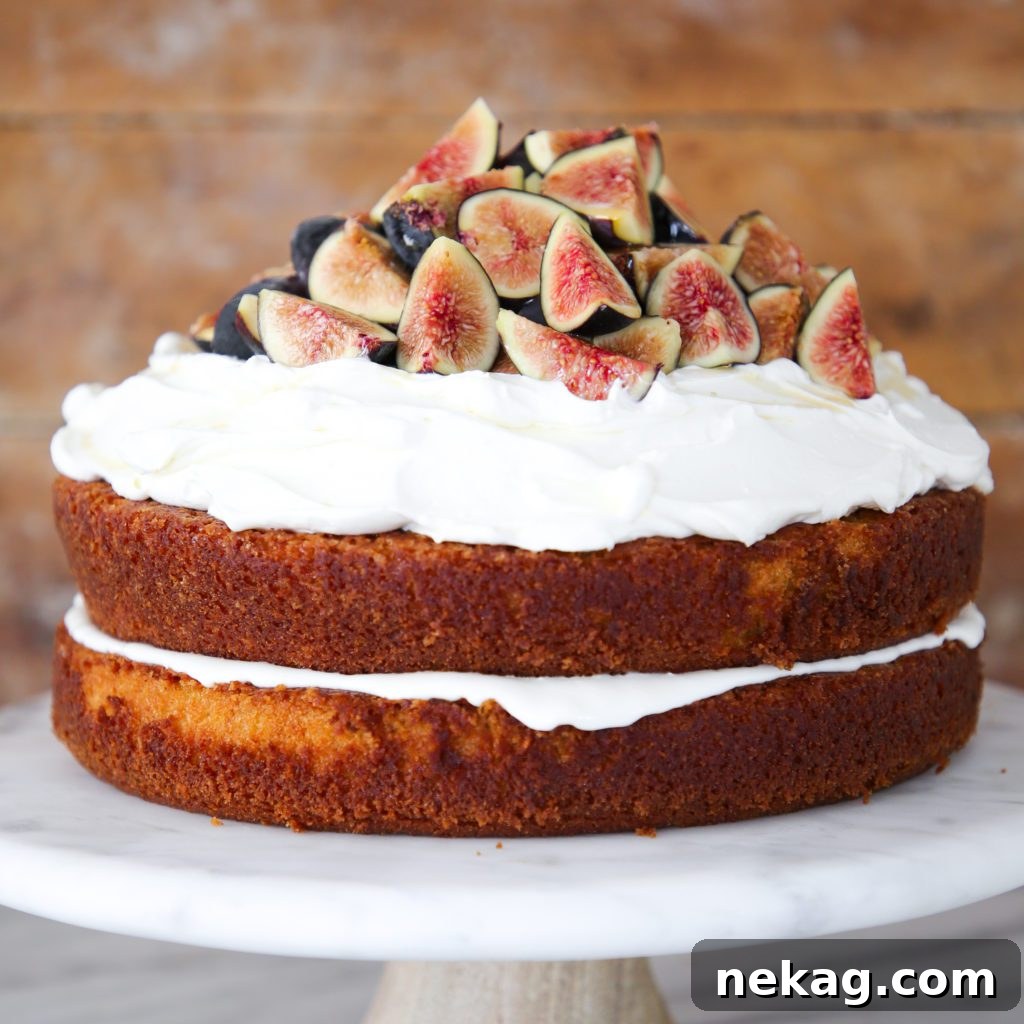
The Secret to a Perfect Fig Cake: Moist Olive Oil and Creamy Ricotta
At the very heart of this extraordinary dessert lies a tender, deeply moist olive oil cake. Olive oil, a staple in Mediterranean culinary traditions, isn’t just for savory dishes; it’s a phenomenal ingredient in baking. It imparts a unique, subtle fruity flavor and contributes to an incredibly soft, tender crumb that remarkably stays fresh and moist longer than cakes made with butter. Our specific orange olive oil cake recipe elevates this further by infusing the batter with fresh orange juice and bright orange zest. This citrusy essence creates a perfect, uplifting counterpoint to the natural sweetness of the figs, preventing the cake from being overly rich and adding a lovely aromatic lift.
While a simple whipped cream might suffice, this recipe elevates the experience with a rich, stabilized whipped ricotta cream. The addition of ricotta not only introduces a beautiful, slightly tangy depth of flavor that pairs exquisitely with the orange and figs, but it also gives the cream a thicker, more luxurious, and remarkably stable texture. This stability is crucial for layering and decorating, ensuring your cake holds its magnificent structure without any fear of the cream softening or collapsing. For those exploring alternative dietary options, it’s worth noting that Sfouf, a traditional Lebanese semolina cake, offers an excellent vegan cake base option, though the ricotta elements would, of course, require vegan substitutions.
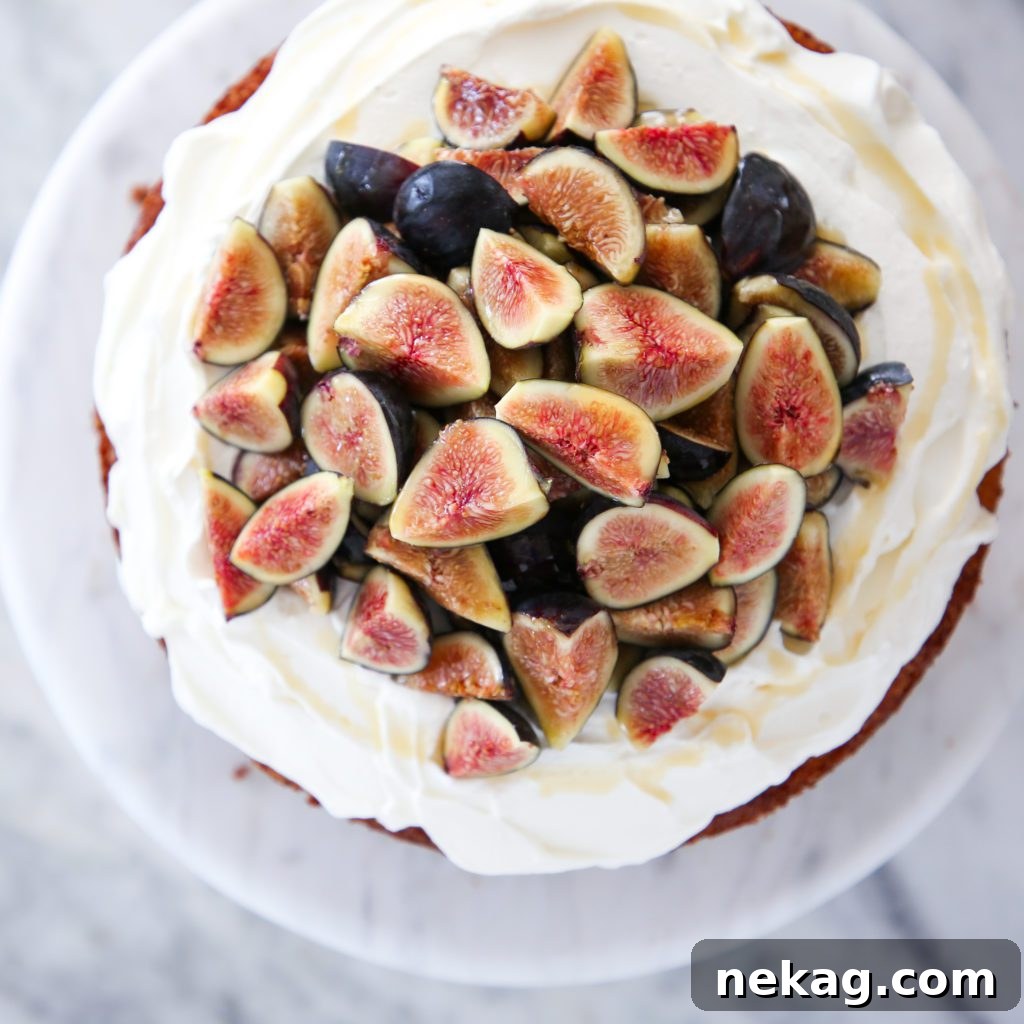
My Personal Fig Revelation: From Skeptic to Enthusiast
It’s truly fascinating how a single ingredient can completely transform your culinary perspective, especially when you’ve harbored strong opinions about it for years. My personal journey with figs began with a fair amount of skepticism, bordering on an outright dislike. I often found them bland or overly seedy, never quite understanding their appeal. However, a pivotal moment arrived about two years ago while I was training a new sous-chef. We received an abundant delivery of fresh figs from the local farmer’s market, and my less-than-enthusiastic feelings about them were quite well-known in the kitchen.
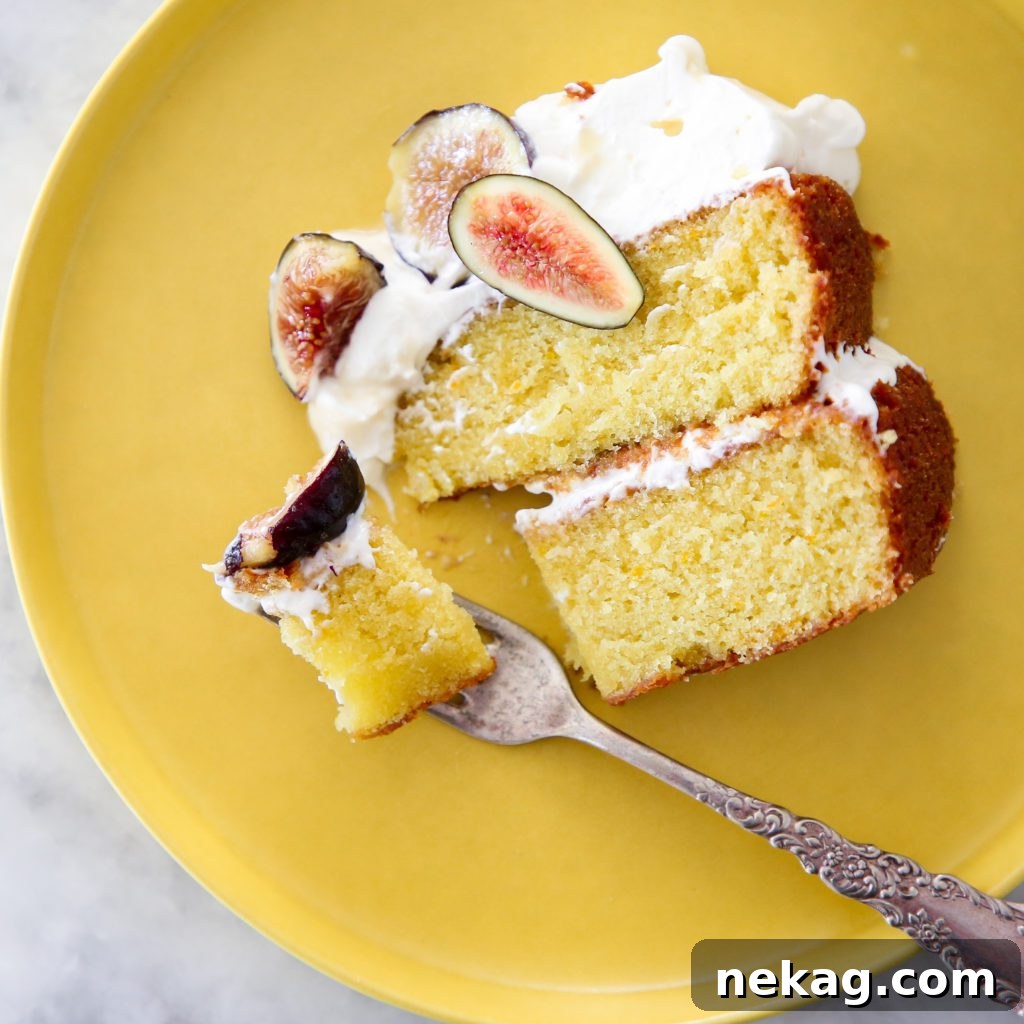
My sous-chef, however, possessed an unwavering belief in the sheer magic of a perfectly ripe fig. She challenged my preconceived notions, convinced that my problem wasn’t with figs themselves, but rather with not having tasted the *right* fig. Ever the optimist when it comes to exploring new flavors (despite my long-held fig-aversion), I reluctantly agreed to an open-minded, eyes-closed tasting. She meticulously selected what she deemed the most perfect specimen from the bounty. The moment that warm, subtly sweet, delicate fruit touched my palate, my entire culinary world shifted. The burst of natural sweetness, the surprisingly pleasant texture, the sun-kissed essence – it was nothing short of revelatory. Fresh, still warm from the market, and perfectly ripe, these figs were truly life-changing.
I opened my eyes, a newly converted fig advocate, and immediately declared that we would be “liberating” some of these precious fruits from the savory chefs who had planned to use them. The original special I had planned for the day vanished entirely from my mind, replaced by an urgent and inspired desire to create an orange ricotta cheesecake, elegantly adorned with honey-glazed figs. That day marked the definitive beginning of my profound love affair with this incredible fruit, inspiring countless fig-centric creations, including the very recipe for this sublime fig and olive oil cake.
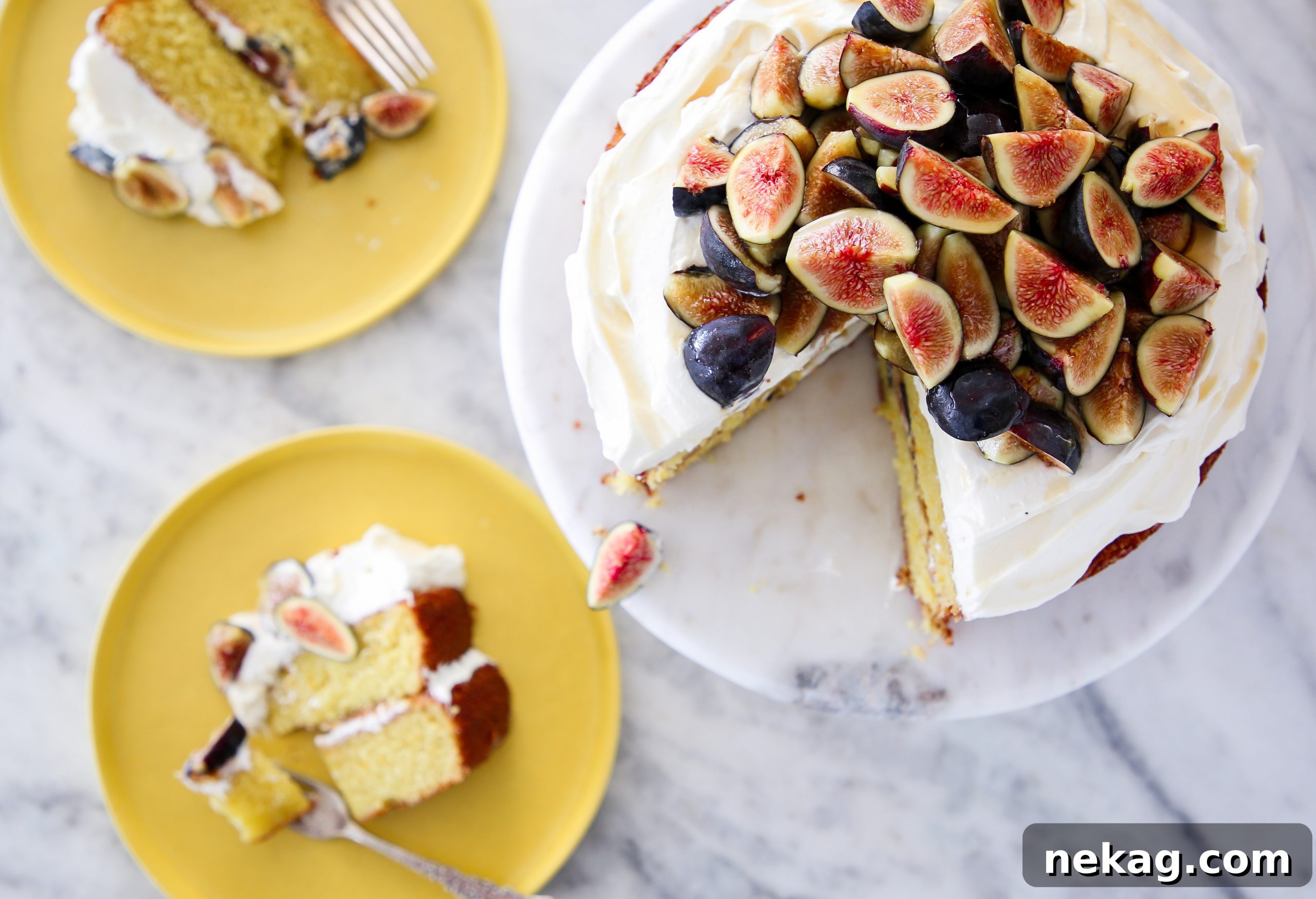
Embracing the Natural Beauty of Fresh Figs
While some cake recipes might suggest incorporating chopped figs directly into the batter, I often find that the unparalleled beauty and nuanced flavor of fresh figs are best appreciated when highlighted on their own. When figs are at their absolute peak – ripe, tender, and bursting with natural sweetness – their inherent charm and unique texture truly shine in their purest form. A gentle drizzle of honey, a generous dollop of creamy ricotta, and a forkful of this moist olive oil cake create an exquisite symphony of flavors that honestly needs no further embellishment. It’s a profound, simple pleasure, yet profoundly satisfying, proving that sometimes, in the world of gourmet desserts, less truly is more. This approach not only celebrates the quality of each individual ingredient but also allows every component to contribute distinctly and memorably to the overall tasting experience.
For those who adore vibrant, citrus-infused desserts and enjoy experimenting with variations, this fig cake is also exceptionally delicious when paired with my lemon olive oil cake recipe. The bright, zesty notes of lemon provide a wonderful alternative flavor profile that complements the figs beautifully, offering a slightly different, yet equally captivating, culinary journey.
Seasonal Delight: The Versatility and Charm of Figs
Figs are truly a gift of nature, gracing us with two distinct seasons of harvest: a smaller, earlier summer crop (often called the ‘breba’ crop) and a more abundant, main harvest from late summer through fall. This dual seasonality means you have more opportunities throughout the year to enjoy their unique flavor and incorporate them into your baking. When selecting figs, always look for plump, soft fruits that yield gently to a light squeeze, indicating perfect ripeness. Their delicate skin should be intact, smooth, and free from any significant blemishes or bruises. Figs are highly perishable, so it’s best to enjoy them soon after purchase.
Beyond their delightful taste, figs offer incredible versatility in the kitchen. They pair wonderfully with a diverse array of ingredients, ranging from savory cheeses like goat cheese, feta, or pungent blue cheese, to sweet complements such as honey, various nuts (like pistachios or walnuts), and even a sophisticated balsamic glaze. In this particular recipe, the classic combination of sweet figs with golden honey and creamy ricotta is masterfully elevated by the rich, aromatic olive oil cake. It’s a harmonious blend that evokes the warmth, abundance, and sun-drenched landscapes of the Mediterranean, bringing a touch of gourmet elegance to any table.
Orange Olive Oil Cake with Fig & Honey Ricotta
Chef Lindsey
This is the ultimate Fresh Fig & Orange Olive Oil Cake recipe: it features exquisitely moist orange olive oil cake layers, a decadent honey-sweetened ricotta filling, and a fluffy whipped ricotta cream piled high! Beautiful fresh figs are incorporated subtly within the filling and artfully adorn the top. Finish with a generous drizzle of honey for a truly showstopping dessert that will impress all your guests and tantalize their taste buds.
1 hr
25 mins
2 hrs
16 people
Comment
Print Recipe
Ingredients
For the Orange Olive Oil Cake:
- 330 g High-Quality Olive Oil
- 3 Large Eggs
- Zest of 1 Large Orange
- 540 g Granulated Sugar
- 270 g Whole Milk
- 100 g Fresh Orange Juice (from 1-2 oranges)
- 6 g Baking Powder
- 3 g Baking Soda
- 2 g Fine Sea Salt
- 350 g All-purpose Flour (sifted)
For the Honey Ricotta Filling & Whipped Ricotta Cream:
- 454 g Whole Milk Ricotta Cheese (full-fat for best results)
- 1 tablespoon Honey (plus extra for drizzling)
- 2 teaspoons Confectioner’s Sugar (or additional honey, to taste)
- ½ teaspoon Pure Vanilla Extract
- 390 g Heavy Cream (very cold)
For Assembly & Garnish:
- 2 dry pints Fresh Figs (quartered or sliced, depending on preference)
- Extra honey for drizzling
Instructions
1. Bake the Orange Olive Oil Cake:
- Preheat your oven to 350°F (175°C). Lightly spray two 9-inch round cake pans with non-stick baking spray, then line the bottoms with parchment paper. This step ensures easy release and prevents sticking.
- In a large mixing bowl, combine the granulated sugar with the zest of one large orange. Use your fingertips to gently rub the orange zest into the sugar until it is fragrant and the sugar is infused with the essential orange oils. Set this mixture aside.
- In a separate, medium-sized bowl, whisk together the sifted all-purpose flour, baking powder, baking soda, and fine sea salt until thoroughly combined. Set this dry mixture aside.
- Return to the large bowl with the orange-infused sugar. Whisk in the olive oil, large eggs, whole milk, and fresh orange juice until all the wet ingredients are well combined and the mixture appears smooth.
- Gradually add the reserved dry ingredients to the wet ingredients. Whisk until just combined, being careful not to overmix the batter. A few small lumps are perfectly acceptable and will actually contribute to a tender cake; overmixing can develop gluten and lead to a tough cake.
- Divide the cake batter evenly between the two prepared cake pans. If desired, you can gently fold in some finely chopped fresh figs into the batter at this point. Be aware that the figs may sink to the bottom during baking, but they will still provide bursts of delicious flavor.
- Bake in the preheated oven for 20-25 minutes, or until the cake layers are golden brown around the edges and a wooden skewer or toothpick inserted into the center comes out clean. The center should also gently spring back when lightly pressed.
- Allow the cake layers to cool completely in their pans on a wire rack before carefully inverting them onto the rack or directly onto your chosen cake stand. Ensuring they are thoroughly cooled is crucial for easy handling and successful layering without breakage.
2. Prepare the Honey Ricotta Filling & Whipped Ricotta Cream:
- For the smoothest, most luxurious ricotta texture, I highly recommend blending it first. Process the entire amount of whole milk ricotta cheese in a food processor or with an immersion blender until it is completely smooth and creamy, with no discernible lumps. This step is a game-changer for the overall texture of both the filling and the whipped cream, ensuring a professional finish.
- Once the ricotta is beautifully smoothed, reserve approximately 1 cup of it in a separate bowl for the whipped ricotta cream.
- To the remaining smoothed ricotta (which will be used for the filling), mix in 1 tablespoon of honey. Stir until thoroughly combined and evenly sweet. Cover this honey ricotta filling and place it in the refrigerator to chill and firm up until you are ready to assemble the cake. The colder and firmer the filling, the easier it will be to spread and layer effectively. Keep in mind that the moisture content of ricotta can vary, so a slightly firmer ricotta will yield a better, more stable filling.
- In the bowl of a stand mixer fitted with the whisk attachment (or using a reliable hand mixer), combine the reserved 1 cup of smooth ricotta, confectioner’s sugar (or additional honey if you prefer a less processed sweetener), pure vanilla extract, and the very cold heavy cream.
- Beat the mixture on high speed until stiff peaks form. Watch carefully to avoid overbeating, as heavy cream can quickly turn into butter. Once desirable stiff peaks are achieved, transfer the whipped ricotta cream to a separate bowl, cover it, and refrigerate until it’s time for assembly.
3. Assemble the Fig Cake:
- Carefully unmold the first cooled cake layer and place it onto your chosen cake plate or cake stand.
- Evenly spread the chilled honey ricotta filling over the top surface of the first cake layer. For an extra burst of fresh fig flavor and beautiful presentation, you can artfully arrange a layer of fresh fig slices or quarters over the ricotta filling at this stage.
- Gently place the second cooled cake layer on top of the ricotta filling, aligning it carefully to create an even cake.
- Generously mound all the prepared whipped ricotta cream on top of the second cake layer. Use an offset spatula or the back of a spoon to create elegant swirls and peaks, giving your cake a rustic yet sophisticated look.
- Artfully arrange the remaining fresh figs dramatically on top of the whipped cream, ensuring they are beautifully displayed. Finally, just before serving, finish your masterpiece with a generous drizzle of golden honey to enhance all the natural sweetness and add a beautiful, inviting sheen.
Video Tutorial
Watch this video to see Chef Lindsey prepare this incredible fig cake, offering visual guidance and expert tips for a perfect bake every time!
Chef’s Notes & Tips for Success
Make Ahead: This elegant fig cake can be assembled up to a day in advance for optimal flavor development. Wrap it well in plastic wrap to prevent it from drying out, and refrigerate. Allowing the cake to sit overnight helps the flavors meld beautifully. The individual cake layers can be baked up to a week in advance and stored tightly wrapped at room temperature, or even frozen for up to a month. For the freshest taste and texture, it is recommended to prepare the fillings and perform the final assembly the day before serving.
Yield: This recipe is designed to yield two luscious 9-inch round cake layers, which, once assembled, are perfect for serving approximately 16 people, making it ideal for gatherings and celebrations.
Ricotta Quality: The quality of your ricotta cheese will significantly impact the final texture and taste of your filling and cream. Opt for a high-quality, full-fat, fresh ricotta if possible. If your ricotta appears particularly moist, you might consider draining it slightly through a cheesecloth-lined sieve for an hour or two in the refrigerator. This step can help achieve a firmer, less watery filling and a more stable whipped cream.
Olive Oil Choice: For baking, always use a good quality, mild-flavored extra virgin olive oil. Robust or peppery olive oils, while excellent for savory applications, can sometimes overpower the delicate flavors of orange and fig in a cake. Look for olive oils specifically labeled for baking, or those with fruity, less assertive notes, to ensure a harmonious flavor profile.
Fig Selection: To achieve the best results, choose perfectly ripe figs that are soft to the touch but not mushy. Their skin should be smooth and unblemished. There are various fig varieties available (such as Black Mission, Brown Turkey, Kadota, or Calimyrna), each offering slightly different flavor profiles. Feel free to experiment with what’s fresh and in season at your local market.
Nutrition Information (per serving)
Approximate values per serving (1 of 16 servings):
- Calories: 555 kcal
- Carbohydrates: 55g
- Protein: 8g
- Fat: 35g
- Saturated Fat: 11g
- Polyunsaturated Fat: 3g
- Monounsaturated Fat: 19g
- Trans Fat: 1g
- Cholesterol: 75mg
- Sodium: 189mg
- Potassium: 129mg
- Fiber: 1g
- Sugar: 37g
- Vitamin A: 572 IU
- Vitamin C: 4mg
- Calcium: 128mg
- Iron: 1mg
Disclaimer: Nutritional information is an estimate and may vary based on specific ingredients and preparation methods. Always consult a certified nutritionist for precise dietary advice.
Dessert, Cake, Special Occasion
American, Mediterranean, Greek
555
Enjoyed this recipe? We’d love to hear from you!
Share your thoughts and experiences below. Your feedback helps us grow and inspires other home bakers!
Explore More Delicious Cake Recipes & Expert Baking Advice
We sincerely hope you savored every moment of creating and tasting this chef-tested, elegant fig dessert. If you’re passionate about baking and eager to discover even more delightful creations, we invite you to explore our extensive collection of cake recipes. Perhaps you’d like to challenge yourself with our intricate French Mille Crêpe Cake next, for another impressive culinary adventure that combines delicate layers with rich flavors!
Frequently Asked Questions (FAQs) About Fig Cake
Q: Can I use dried figs instead of fresh figs for this recipe?
A: While fresh figs offer a truly unique texture and delicate sweetness that is unparalleled in this recipe, you can use dried figs as a substitute if fresh ones are not in season. To prepare, rehydrate them by soaking in warm water, orange juice, or a complementary liqueur (like brandy or Grand Marnier) for at least 30 minutes until plump. Then, pat them dry and chop them before incorporating. Please note that the flavor and texture of dried figs will be more concentrated and chewy, differing from fresh figs.
Q: What kind of olive oil is best for baking cakes?
A: For baking, a high-quality, mild-flavored extra virgin olive oil is generally recommended. Avoid very robust, peppery, or intensely herbaceous olive oils, as their strong flavor can easily overpower the delicate notes of orange and fig in the cake. Look for olive oils described as “fruity,” “mild,” or “buttery” for the best results, as they contribute to a moist crumb without imparting an overly strong “olive” taste.
Q: How can I ensure my ricotta cream is perfectly smooth and lump-free?
A: The secret to achieving a silky smooth, luxurious ricotta cream lies in processing the ricotta cheese before mixing it with other ingredients. Use either a food processor or an immersion blender to blend the ricotta until it is completely smooth and free of any grainy texture or lumps. This crucial step ensures a consistently creamy and elegant texture in both your filling and your whipped cream.
Q: How long does this fig cake last, and what are the best storage methods?
A: Due to its fresh fruit and dairy components, this fig cake should be stored, well-covered with plastic wrap, in the refrigerator for up to 3-4 days. For optimal flavor and texture, allow the cake to come to room temperature for about 30 minutes before serving. The baked cake layers themselves (before filling and frosting) can be stored tightly wrapped at room temperature for up to 2 days, or frozen for up to one month. Thaw frozen layers in the refrigerator overnight before assembling.
Q: Can I substitute the orange flavor with another citrus in this recipe?
A: Absolutely! Lemon is a fantastic and highly recommended substitute for orange in this recipe. You can use lemon zest and fresh lemon juice in the same quantities to achieve a bright, tangy variation. Lime or even a subtle grapefruit zest could also offer interesting and unique flavor profiles, but orange and lemon are typically the most harmonious and universally loved with figs and olive oil in a cake format.