
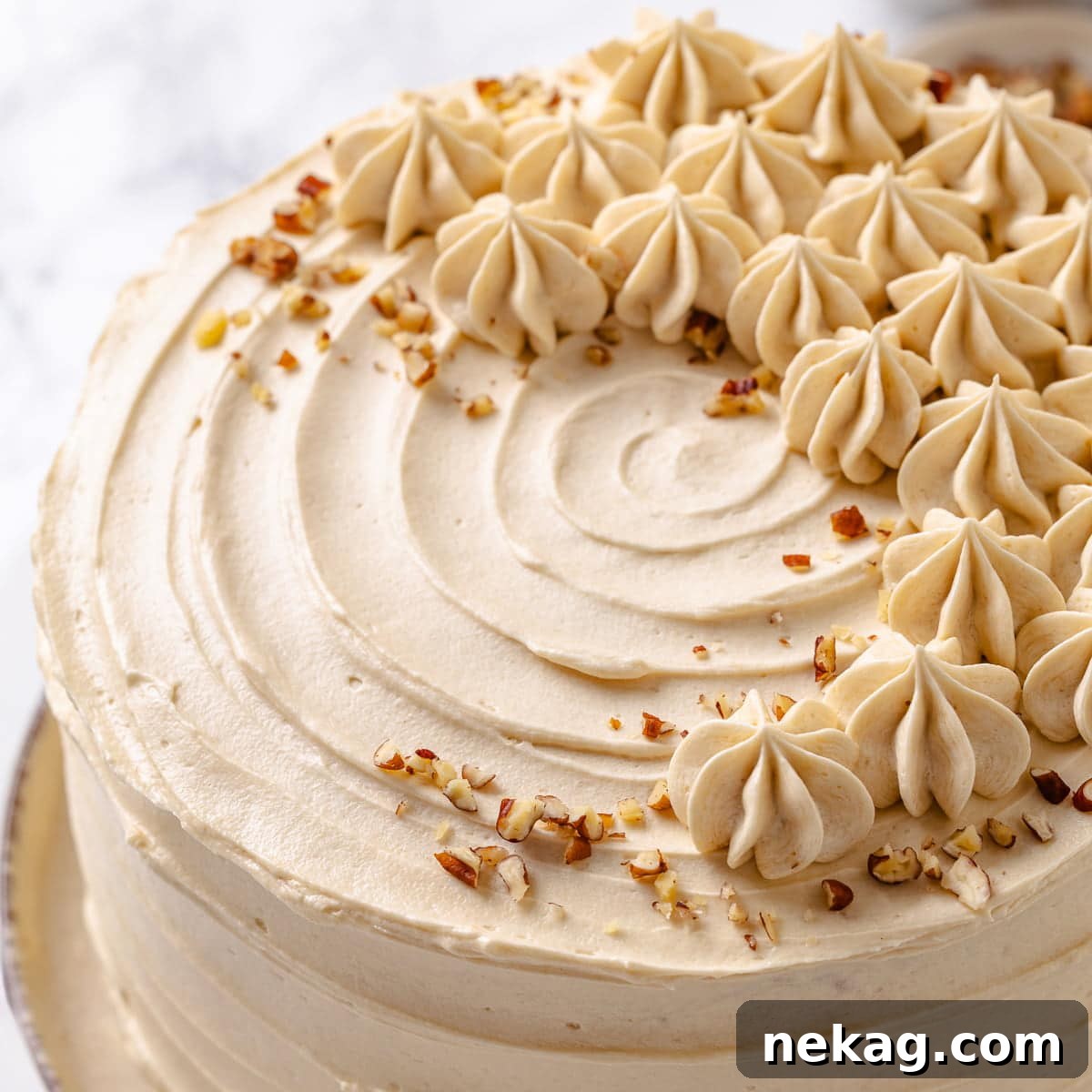
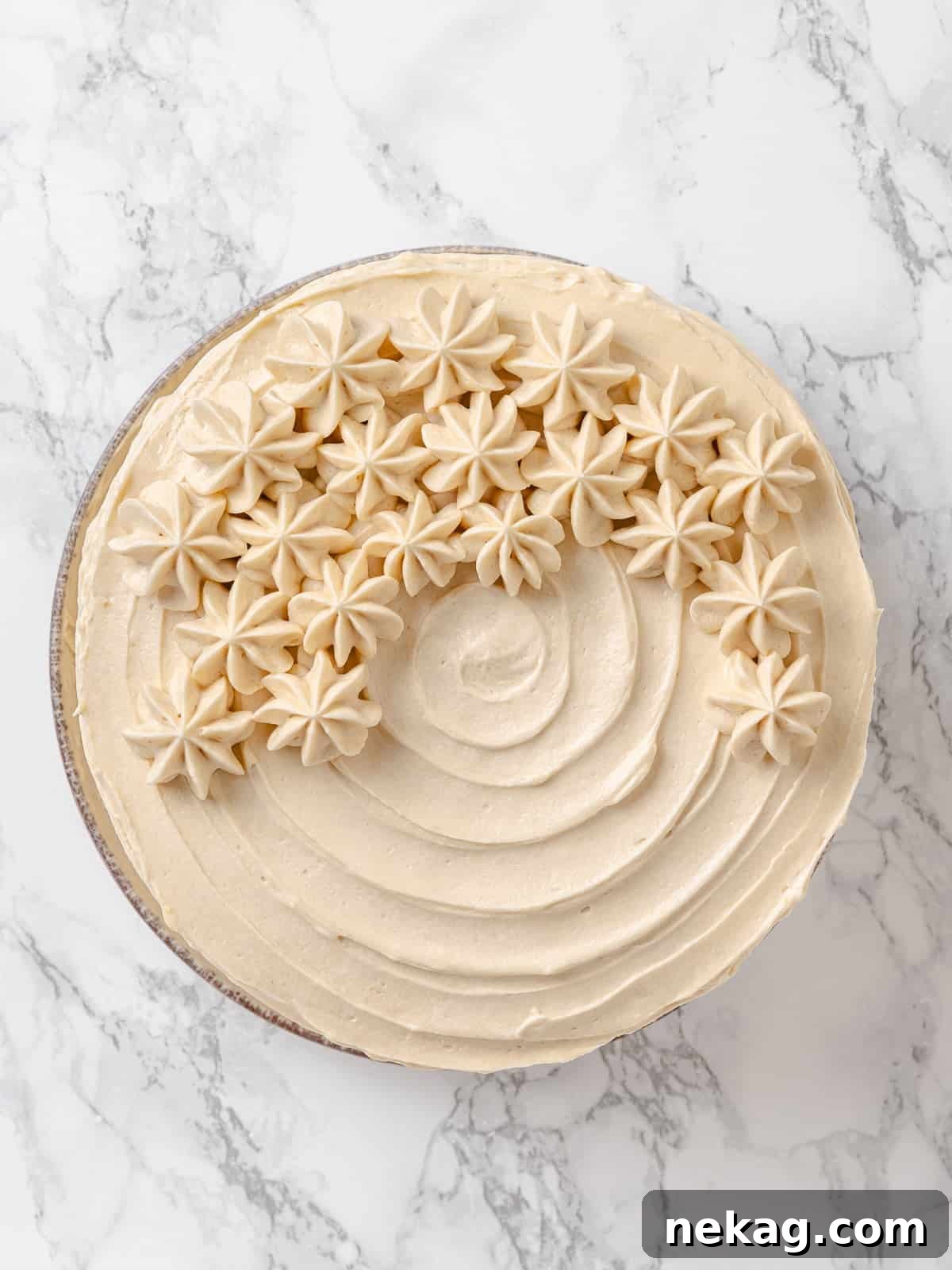
This incredibly light, airy, and remarkably stable maple frosting is crafted with a classic cooked flour base, infused with the rich, authentic taste of real maple syrup. This unique method ensures a frosting that is simultaneously robust, sumptuously creamy, and delicately fluffy – a true delight for any dessert.
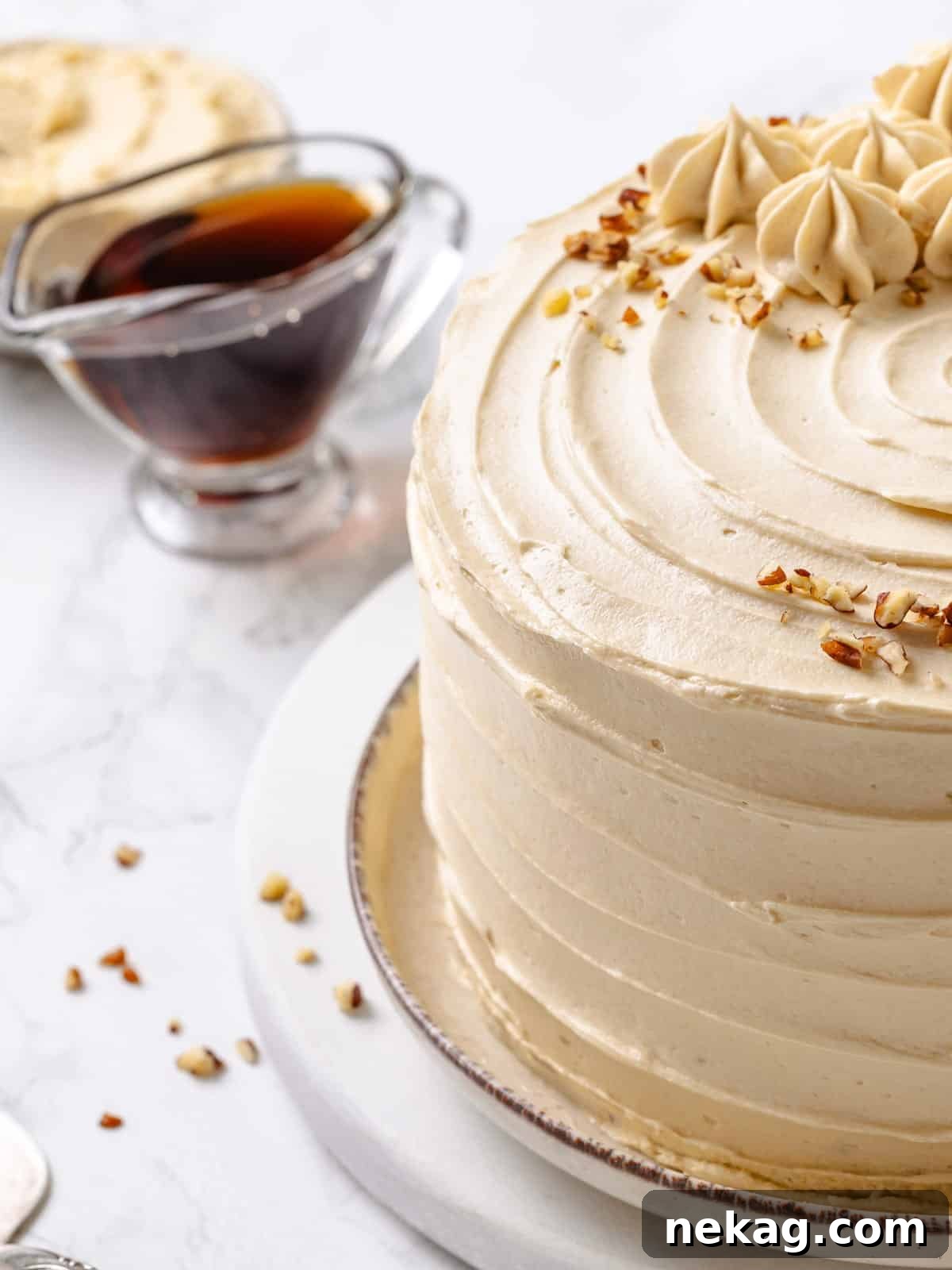
Prepare to fall in love with this heavenly maple frosting. It strikes the perfect balance of sweetness, boasting a profound and authentic maple flavor that stands out from artificial alternatives. Much like my beloved ermine frosting recipe, the magic lies in its cooked flour base, which provides incredible stability, while butter and sugar whip together to create an unbelievably creamy frosting with a luxurious, rich texture that melts in your mouth.
While I certainly appreciate the elegance and versatility of Swiss meringue buttercream, venturing into different frosting techniques can be incredibly rewarding. This particular maple frosting offers a delightful departure from the norm, bringing a unique character to your baked goods. Beyond traditional cakes and cupcakes, consider piping this rich maple goodness atop sweet potato casserole cupcakes for an autumnal twist, or using it as a luxurious topping for an easy pumpkin pie. Its robust flavor and stable consistency make it perfect for a wide array of applications.
Why You Will Absolutely Adore This Maple Frosting
- Unparalleled Lightness, Fluffiness, and Stability: Imagine a frosting that’s as light and ethereal as whipped cream, yet possesses the impressive structure and pipeability of an Italian meringue buttercream. This maple frosting achieves precisely that. The cooked flour base creates a strong, yet delicate, framework, allowing for intricate piping designs that hold their shape beautifully, even in warmer environments. You’ll be amazed by its cloud-like texture and its ability to maintain its integrity.
- The Perfect Companion for Autumnal Desserts: As the leaves begin to turn, this maple frosting becomes an indispensable addition to your fall baking repertoire. Its warm, comforting maple notes perfectly complement a variety of seasonal treats. Elevate your pumpkin spice cupcakes by piping a generous swirl of this frosting on top, or transform a simple applesauce cake into an extraordinary dessert. It’s truly a celebration of fall flavors that will impress your guests.
- Authentic, Deep Maple Syrup Flavor (Not Cloyingly Sweet): Unlike frostings that rely on artificial extracts or excessive sugar, this recipe highlights the genuine, complex flavor of pure maple syrup. By gently cooking the maple syrup with the flour, its natural sugars are slightly reduced, and its rich, earthy nuances are intensified. This process creates a deeply flavored frosting that avoids being overly sweet or artificial, allowing the true essence of the maple to shine through.
Table of Contents
- Why You Will Absolutely Adore This Maple Frosting
- Ingredients & Substitutions for Perfect Maple Frosting
- Creative Variations to Customize Your Maple Frosting
- Professional Tips for Flawless Maple Frosting
- How to Make The Best Maple Frosting (Step-by-Step)
- Chef Lindsey’s Recipe Tip
- Recipe FAQs: Your Maple Frosting Questions Answered
- Recommended Fall Dessert Recipes
- Maple Frosting Recipe Card
- Before You Go
Ingredients & Substitutions for Perfect Maple Frosting
Crafting this exquisite maple frosting relies on a few key ingredients. Understanding their roles and potential substitutions will ensure your success.
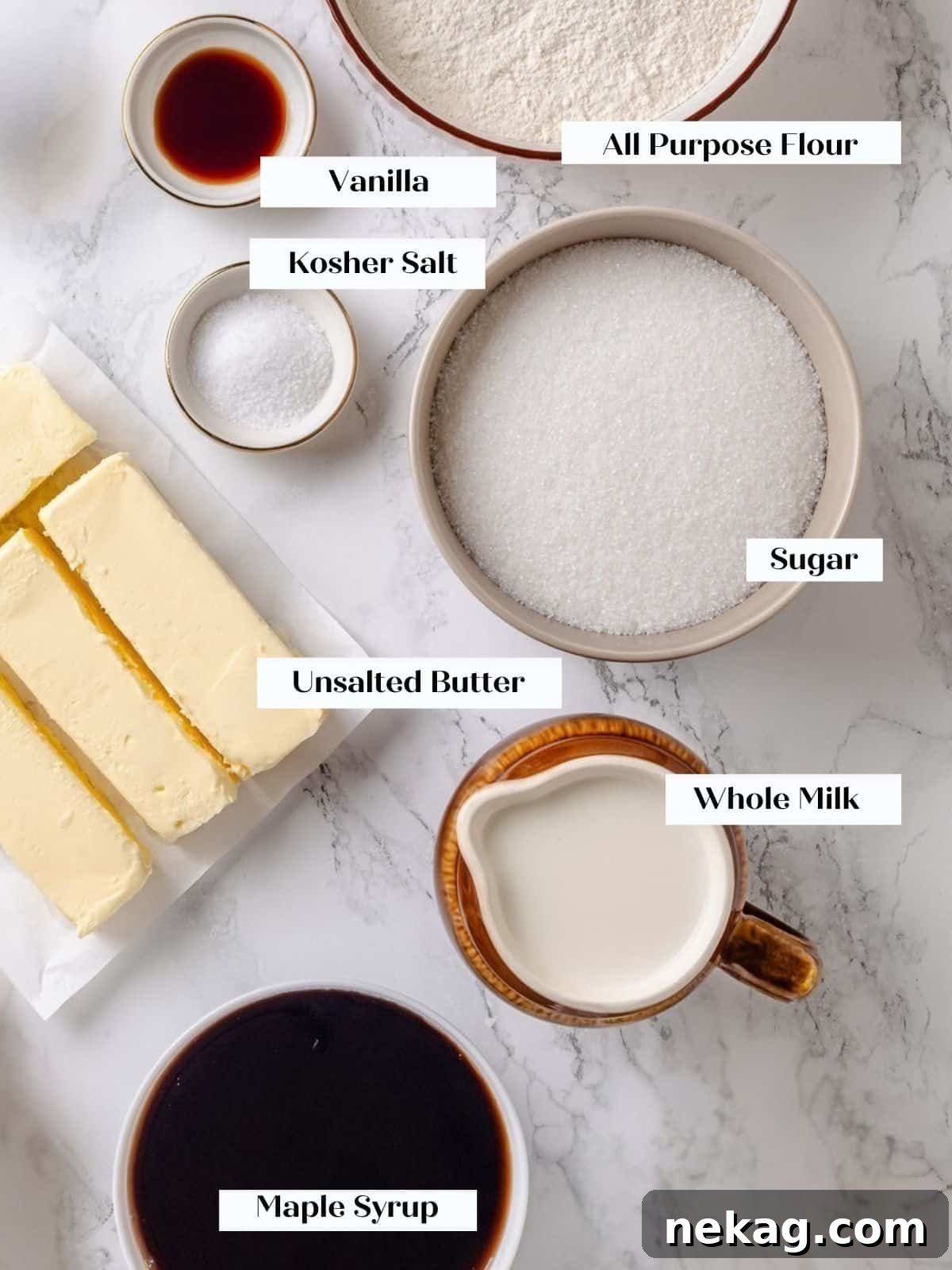
- All-Purpose Flour: This is the crucial thickening agent that forms the stable base of our cooked flour frosting. It’s what gives the frosting its unique, light yet sturdy texture. While you could attempt a gluten-free all-purpose flour blend, please be aware that the final product may have a slightly grainy texture due to the different starch properties. For a truly smooth, gluten-free alternative, consider exploring recipes for American buttercream frosting or cream cheese buttercream frosting, and then infuse them with maple syrup and complementary extracts.
- Whole Milk: The fat content in whole milk contributes significantly to the richness and velvety mouthfeel of this frosting. It also enhances the overall flavor profile. If you need to use a milk alternative, such as almond milk or oat milk, be mindful that these can impart their own subtle flavors to your frosting, potentially altering the pure maple taste. Experimentation is key if you choose to deviate.
- Pure Maple Syrup: This is where the magic happens! For the absolute best texture, depth of flavor, and stability, it is essential to use pure maple syrup, specifically Grade A: dark amber, rich taste. This grade, formerly known as Grade B, has been cooked down longer, resulting in a more concentrated flavor and less moisture. This concentration is vital for both the taste and the structural integrity of the frosting. Avoid imitation maple syrups at all costs, as they lack the authentic complexity and will not yield the same delicious results.
- Granulated Sugar: Granulated sugar provides the necessary sweetness and contributes to the smooth consistency of the frosting. If you prefer a slightly less sweet frosting, you have the flexibility to reduce the amount down to ½ cup, or anywhere in between, to suit your personal preference. Remember that sugar also plays a role in the frosting’s stability and texture.
- Unsalted Butter: While this frosting uses a more moderate amount of butter compared to some traditional recipes like Swiss meringue buttercream, it still forms a substantial and essential component. I highly recommend using unsalted butter to have complete control over the salt content in your recipe. Ensure your butter is cold but pliable, as detailed in the professional tips section, for optimal whipping results.
- Vanilla Extract: A touch of vanilla extract rounds out the flavors, enhancing the natural sweetness and warmth of the maple without overpowering it. Use a good quality pure vanilla extract for the best results.
- Kosher Salt: A pinch of kosher salt is crucial for balancing the sweetness and intensifying all the other flavors, particularly the rich maple notes. It prevents the frosting from tasting flat and brings out its best characteristics.
For precise measurements and further details, please refer to the comprehensive recipe card below.
Creative Variations to Customize Your Maple Frosting
This versatile maple frosting recipe serves as an excellent foundation for culinary creativity. Don’t hesitate to experiment with these exciting variations to tailor it to your taste or specific dessert theme.
- Explore Different Syrups: Beyond maple, this frosting base can be flavored with a variety of other syrups. Consider using rich molasses for a deeper, more robust flavor perfect for gingerbread or spice cakes, or golden honey for a delicate sweetness that pairs beautifully with lighter cakes. For a unique gourmet twist, try incorporating the luscious syrup from Fabbri Amarena Cherries, which would add a beautiful fruity and slightly tart note.
- Infuse with a Flavorful Reduction: Elevate your frosting by incorporating a concentrated reduction. Similar to how I create the intense apple flavor in my apple cider donut recipe, you can reduce apple cider until it’s thick and syrupy, then use this vibrant concentrate to flavor your frosting. This method delivers a punch of natural fruit flavor that artificial extracts simply can’t replicate.
- Aromatic Milk Infusions: Infuse your milk with whole spices for an incredibly fragrant frosting. Gently simmer whole spices like nutmeg, cinnamon sticks, vanilla bean pods, or cloves in the milk before making your flour base. For an even more unique flavor, try infusing the milk with toasted almonds or hazelnuts. To achieve this, you’ll need to boil a little more milk than the recipe calls for, add your chosen infusion, cover it, and let it steep for several hours or even overnight in the refrigerator. Strain the milk thoroughly before measuring and proceeding with the recipe. This slow infusion process extracts maximum flavor, resulting in a beautifully nuanced frosting.
- Enhance with Extracts: If you’re short on time or ingredients, or simply want to boost the maple flavor, you can use maple extract. You can adapt my base ermine frosting recipe and substitute some of the vanilla extract with maple extract. Alternatively, for a different frosting base, a hint of maple extract can be a wonderful addition to Italian meringue buttercream, or it would perfectly complement a rich caramel Swiss meringue buttercream.
Professional Tips for Flawless Maple Frosting
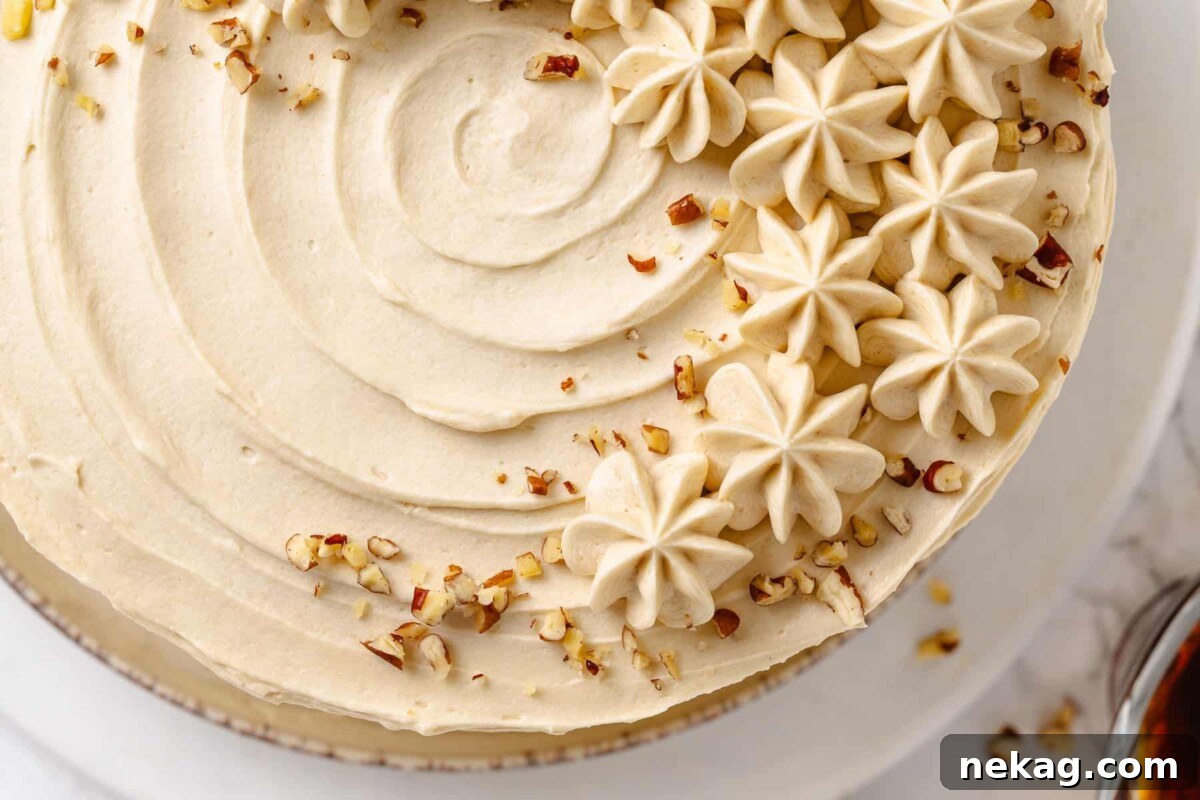
Achieving the perfect consistency and flavor in this maple frosting requires attention to detail. These professional tips will guide you to a consistently successful and delicious result.
- Mastering the Cooked Flour Base: The most critical step in this recipe is ensuring the flour base is cooked thoroughly and to the correct consistency. It can be challenging to know exactly when to stop cooking. The mixture should become very thick, resembling a stiff pudding. When you pull your spoon or spatula through the bottom of the pan, it should leave a distinct line that holds its shape for a few seconds before slowly collapsing. The base should also “plop” rather than pour off your utensil. If the base is too thin, your final frosting will be runny and lack stability; if it’s overcooked, it might be too stiff. This thickness directly correlates to the stability, pipeability, and overall luxurious texture of your finished frosting. Aim for a consistency where it can hold a peak.
- The Importance of Cold, Pliable Butter: The temperature of your butter plays a vital role in the emulsification process and the final texture of the frosting. The butter needs to be cold enough to incorporate air effectively, but pliable enough to cream smoothly without lumps. If your butter is too warm, it will melt into the cooked flour base too quickly, resulting in a soft, soupy frosting that won’t hold its shape when piped. Conversely, if the butter is too cold and hard, it won’t cream properly and will leave noticeable chunks in your frosting. A good trick for overly cold butter is to cream it with the paddle attachment in a stand mixer, gently warming the outside of the bowl with a kitchen torch for brief bursts until it reaches the desired pliable consistency. Then, switch to the whisk attachment for beating.
- Invest in High-Quality Pure Maple Syrup: This is not the time to economize on ingredients! The quality of your maple syrup directly impacts the depth of flavor and overall excellence of this frosting. Splurge on Grade A: dark amber, rich taste pure maple syrup. This variety offers a more intense, complex maple flavor with less water content compared to lighter grades. Using superior maple syrup provides a truly authentic and profound maple taste without adding excessive moisture, which could compromise the frosting’s stability. Once you have this exquisite syrup on hand, you can also use it to create other magnificent desserts, such as my delightful maple bundt cake.
How to Make The Best Maple Frosting (Step-by-Step)
Follow these detailed instructions to create a perfectly fluffy, silky-smooth, and irresistibly delicious maple frosting. For precise measurements and a printable version, refer to the full recipe card below.
Part 1: Make the Cooked Flour Base
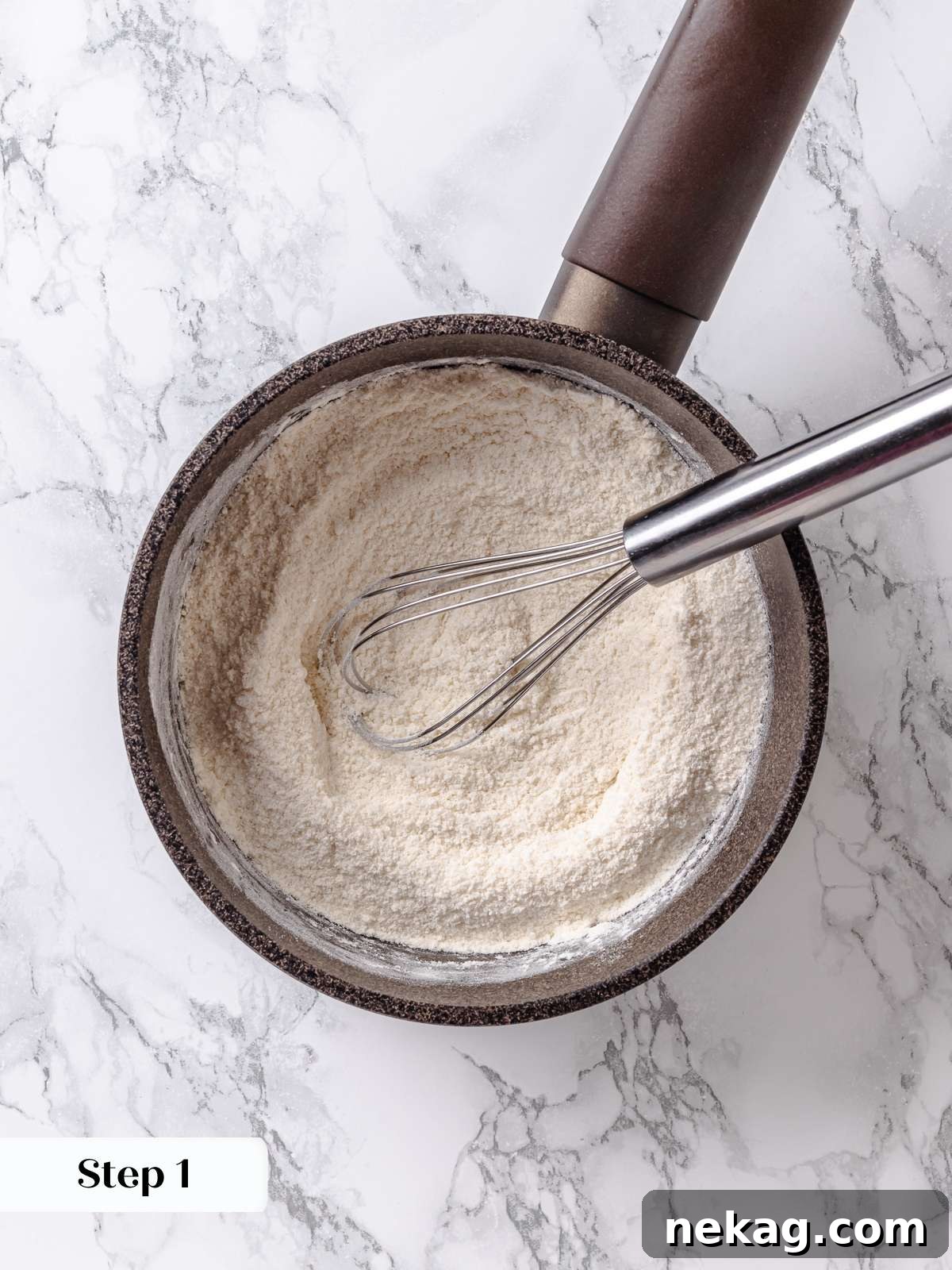
Step 1: Combine Dry Ingredients. In a large, heavy-bottomed saucepan, measure and combine the all-purpose flour, granulated sugar, and kosher salt. Use a whisk to stir them thoroughly until evenly mixed. This ensures there are no pockets of dry flour, which can lead to lumps later (photo 1).
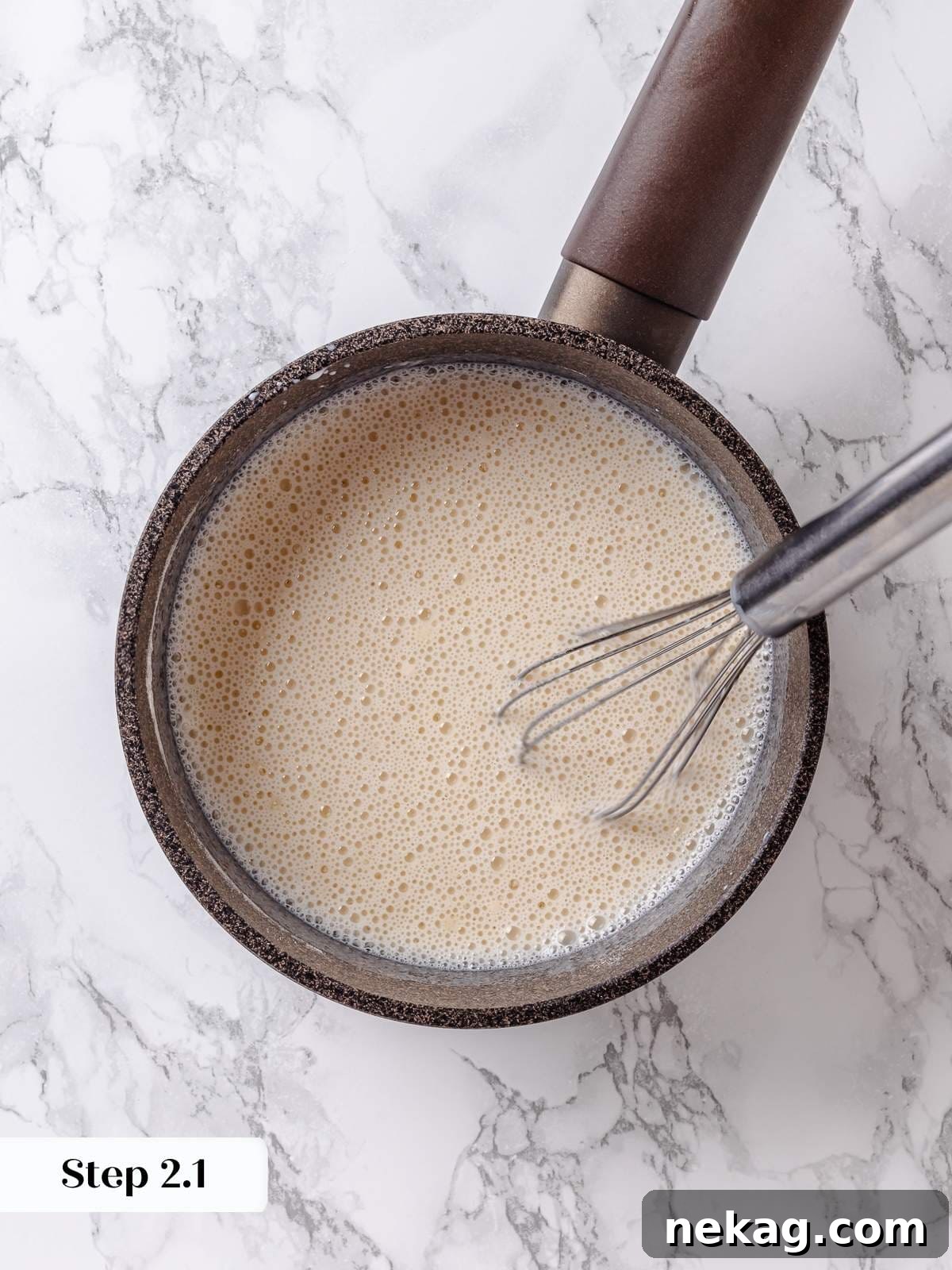
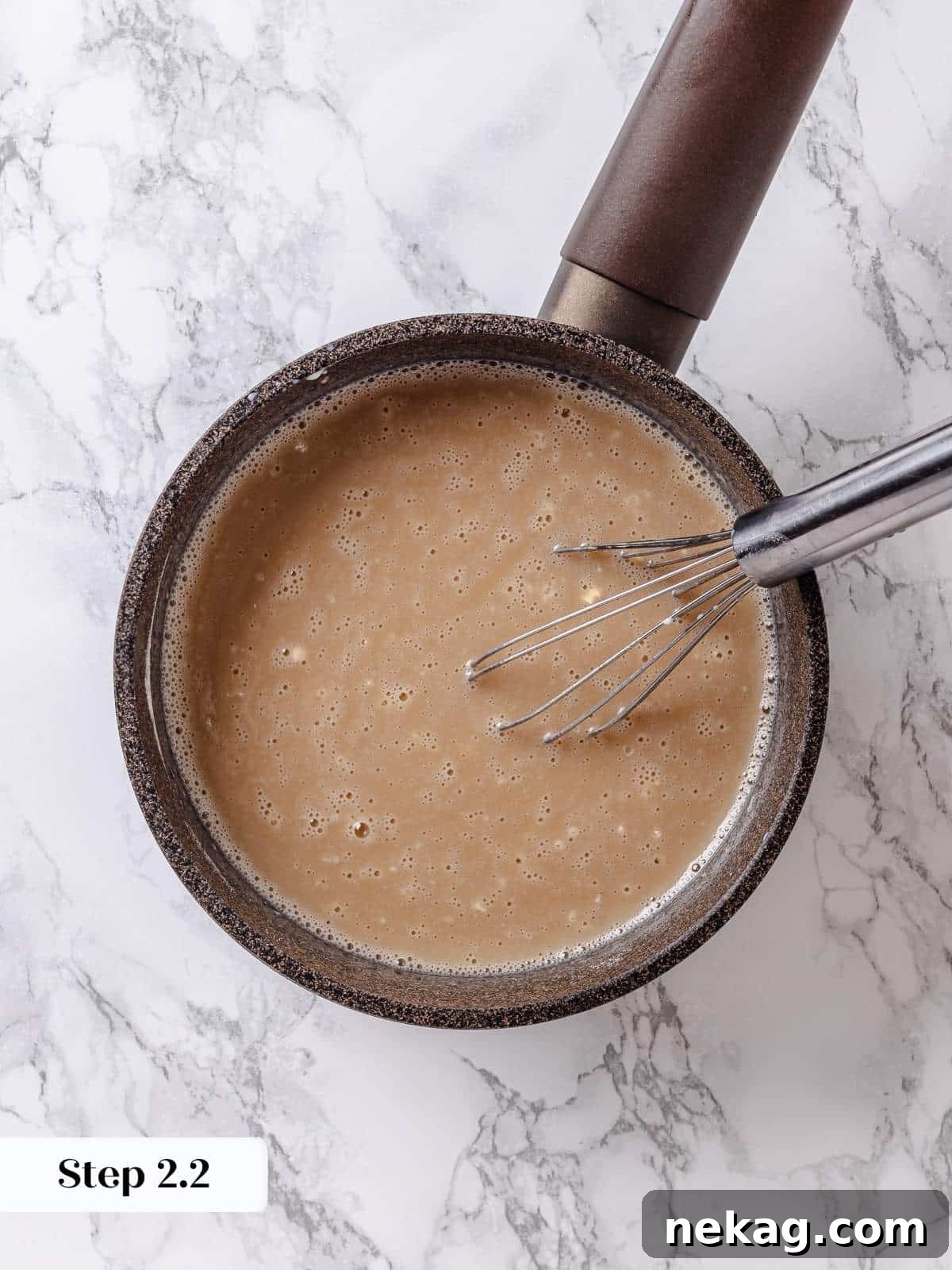
Step 2: Incorporate Liquids Smoothly. Slowly begin to whisk in the whole milk, adding just a small amount at a time. Whisk continuously until each addition of milk is fully incorporated into the dry mixture before adding more. This gradual approach is crucial for preventing lumps, much like the technique used when making a perfectly smooth homemade vanilla pudding. Once the milk is mostly incorporated, whisk in the pure maple syrup until well combined (photo 2 & 3). The mixture will still be quite thin at this stage.
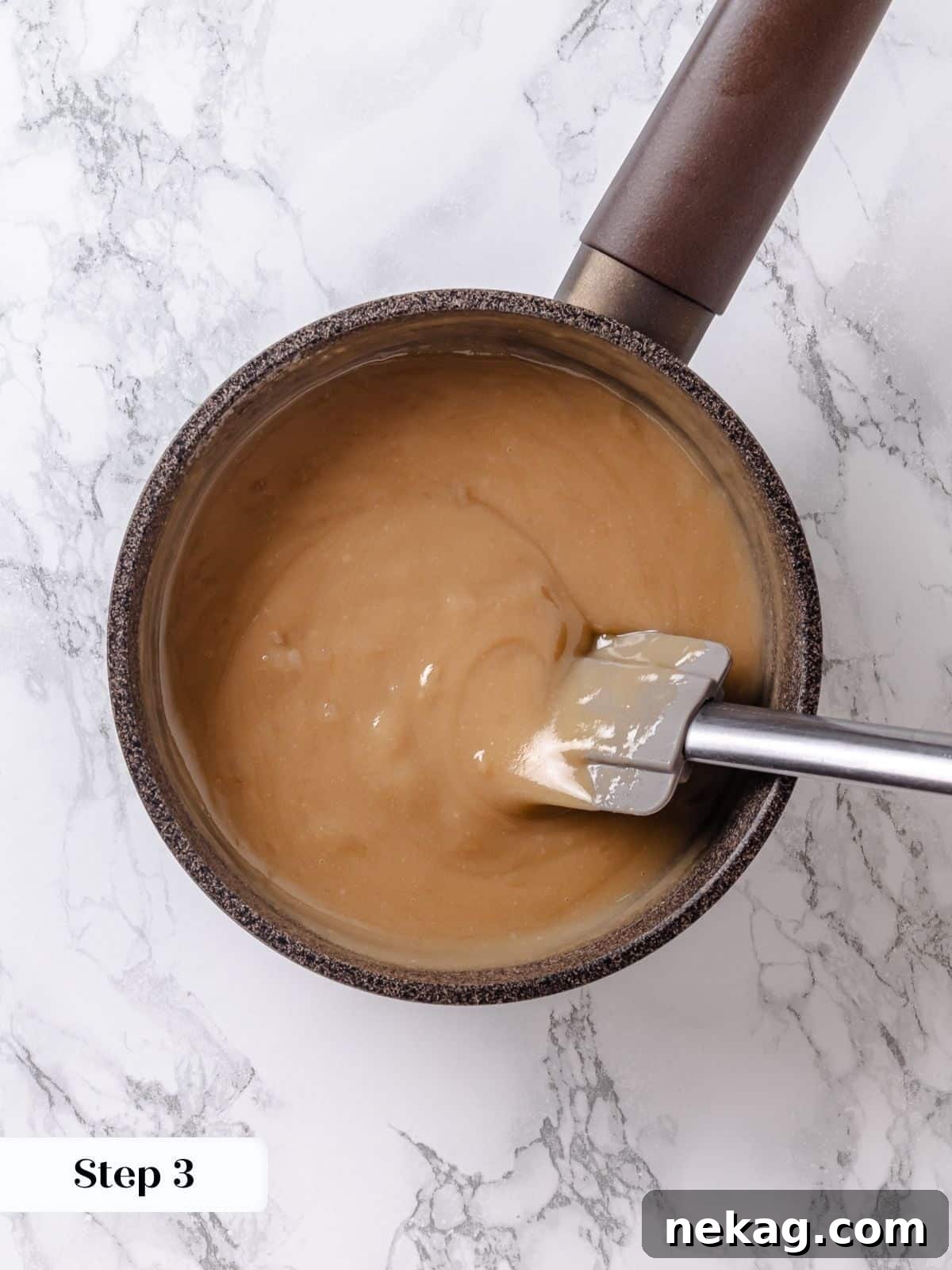
Step 3: Cook to Thickness. Remove the whisk and switch to a heat-resistant silicone spatula. Cook the mixture over medium heat, stirring constantly and thoroughly. Your stirring motion should scrape the entire bottom and sides of the saucepan to prevent sticking and burning (photo 4).
EXPERT TIP: I find it most effective to use a continuous zig-zag pattern across the bottom of the pot, followed by a thorough scrape around the edges. Repeat this precise pattern throughout the cooking process. This meticulous technique ensures that no part of the flour mixture remains unscraped, preventing it from scorching on the bottom of the pan – a method I also employ for delicate preparations like crème anglaise or my easy lemon curd!
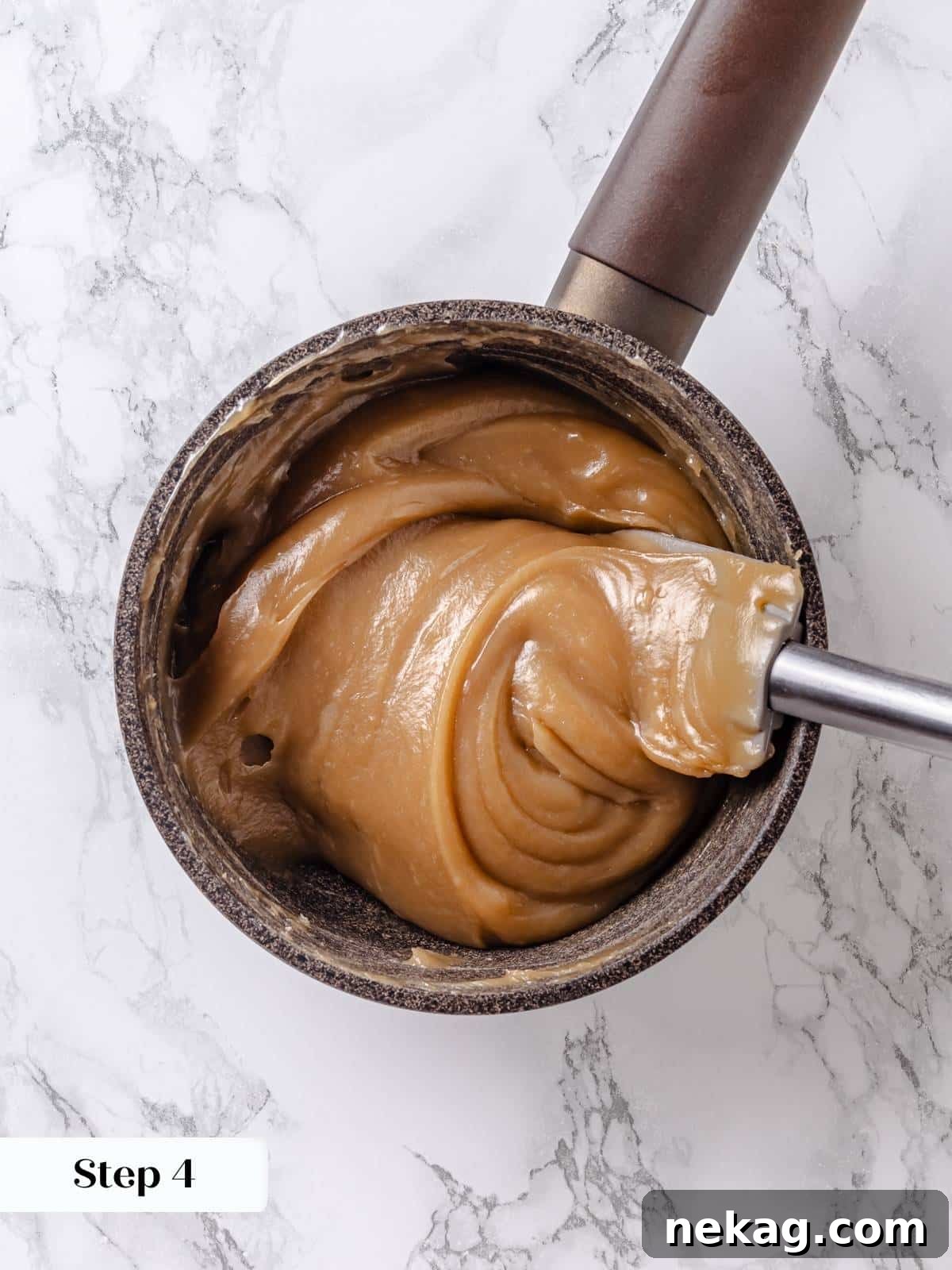
Step 4: Achieve Desired Thickness. Continue stirring and cooking until the flour mixture has visibly thickened. It should be very dense and sticky, dropping off your spoon in heavy clumps rather than pouring in a stream (photo 5). This process typically takes around 20-25 minutes, but rely on the visual cues and texture.
The thickness you achieve in this flour base is paramount; it directly determines the ultimate consistency and pipeability of your finished frosting. A perfectly thick base will yield a stable, pipeable frosting that holds elegant lines and intricate details, even under warmer temperatures and humidity. Do not rush this step!
Step 5: Cool the Base Completely. Once the desired thickness is reached, remove the saucepan from the heat. Scrape the entire flour mixture into a clean, large bowl using your silicone spatula. Immediately press plastic wrap directly onto the surface of the mixture to prevent a skin from forming. Allow it to cool completely at room temperature until it is no longer warm to the touch. This can take several hours. To expedite the cooling process, you can place the bowl in the refrigerator, stirring it every 20 minutes and repeating until it reaches body temperature – neither warm nor cold, but neutral.
Part 2: Assemble the Maple Frosting
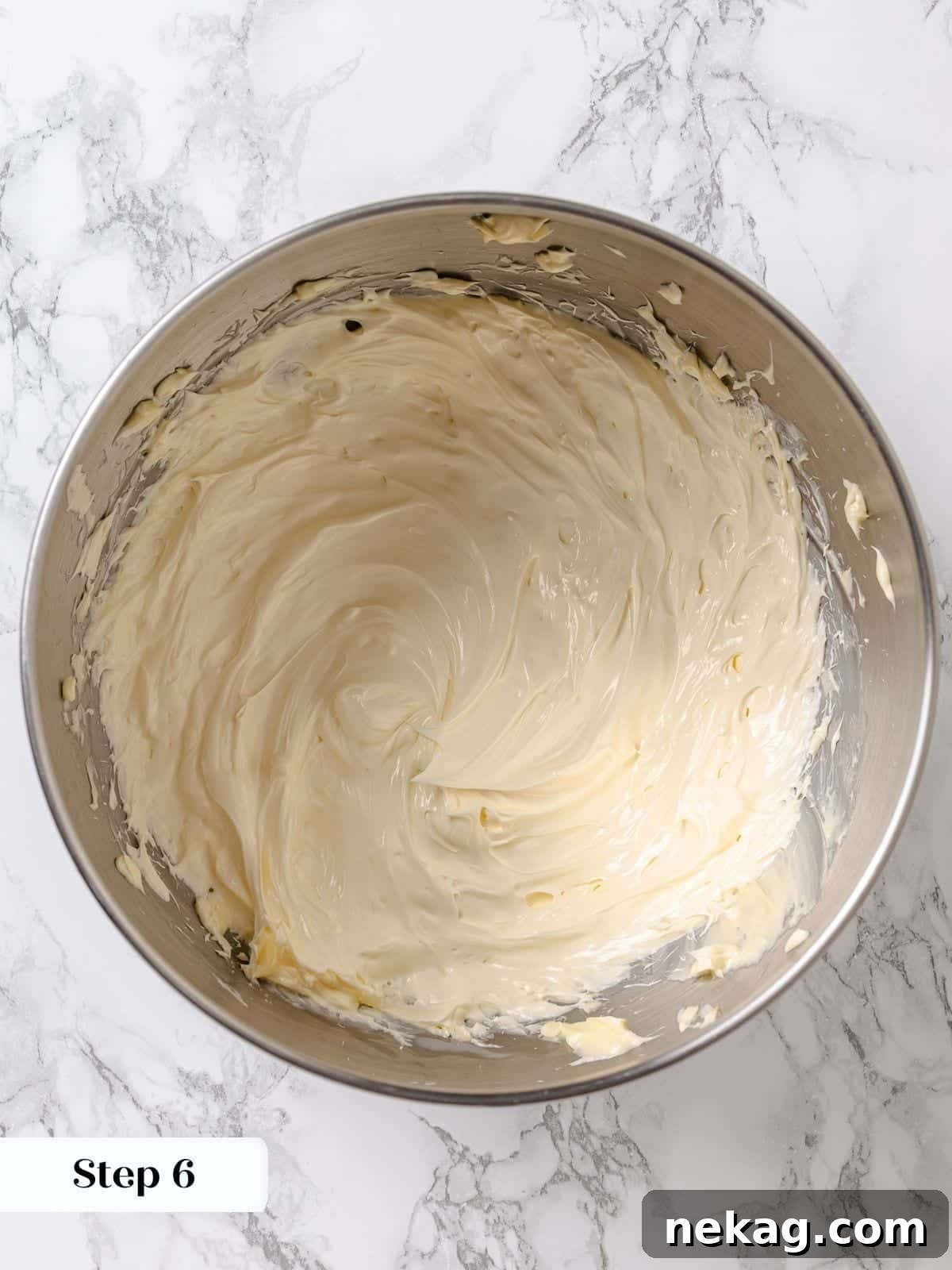
Step 6: Cream the Butter. In the bowl of a stand mixer fitted with the whisk attachment, add the cold but pliable unsalted butter. Beat the butter on medium-high speed for 5-7 minutes until it becomes incredibly light, fluffy, and almost white in color (photo 6). This aeration is key to a light and airy frosting.
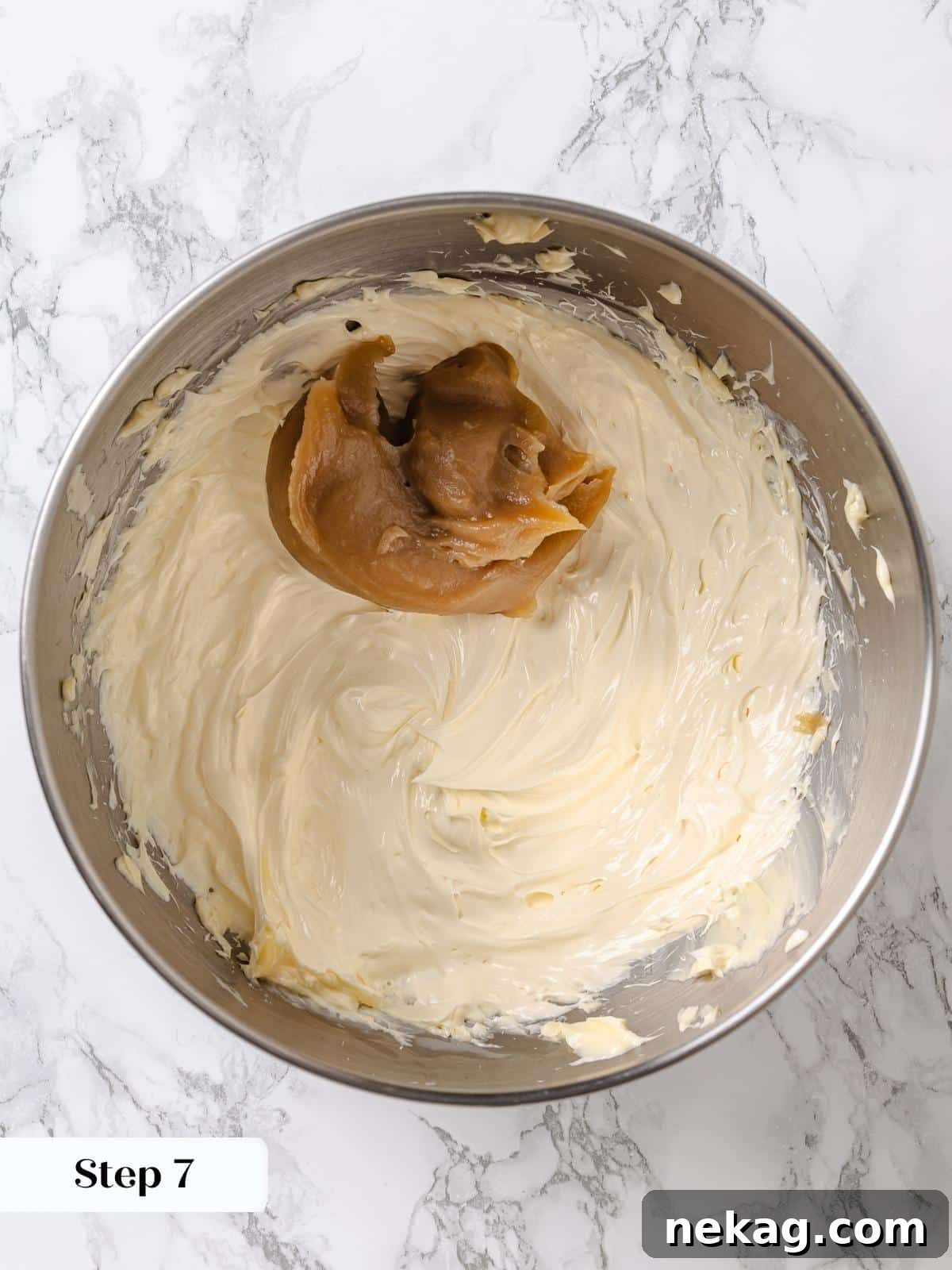
Step 7: Gradually Add Maple Base. With the mixer still running on medium speed, begin adding the cooled maple flour mixture, one generous spoonful at a time. Allow each spoonful to fully incorporate into the whipped butter before adding the next. This slow, gradual addition is crucial for creating a smooth, emulsified frosting. Periodically stop the mixer to scrape down the sides and bottom of the bowl with your spatula to ensure everything is evenly combined (photo 7).
Step 8: Final Scrape and Vanilla. Once all the maple flour mixture has been incorporated, stop the mixer one last time. Give the bowl a thorough scrape, ensuring no unmixed butter or base remains at the bottom or sides.
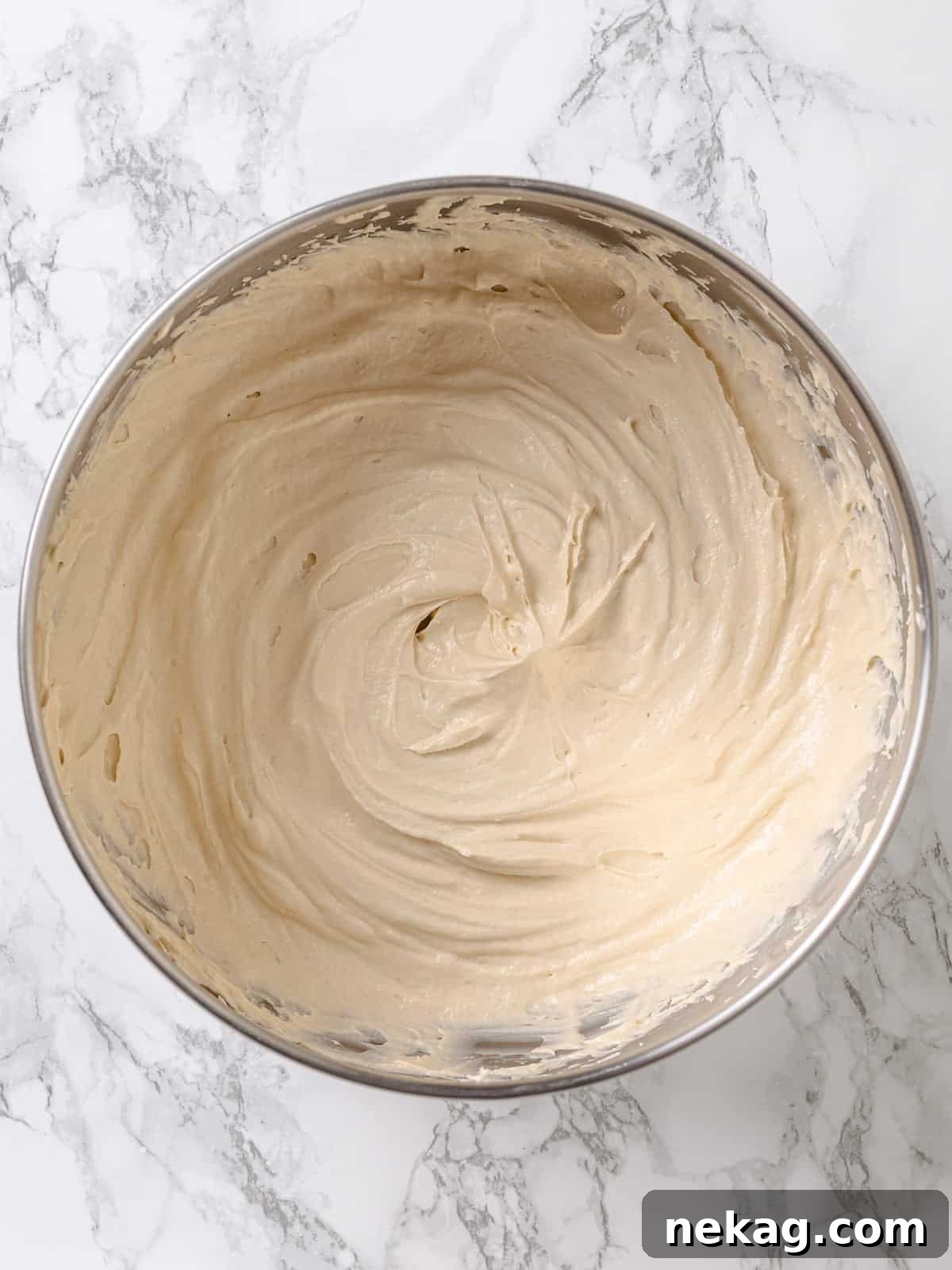
Step 9: Whip to Perfection. Add the vanilla extract to the bowl. Increase the mixer speed to high and continue to whisk for another 3-5 minutes. The frosting will transform, becoming incredibly light, fluffy, and airy, holding beautiful stiff peaks (photo 8).
Step 10: Serve or Store. Your exquisite maple frosting is now ready! Transfer it to a piping bag fitted with your favorite nozzle for decorating cupcakes or cakes, or simply spread it generously onto your desired baked goods, such as my decadent maple cake. Enjoy!
Chef Lindsey’s Expert Recipe Tip
For the absolute best results, I wholeheartedly recommend using this maple frosting as soon as it’s prepared. At this stage, its texture is at its peak—wonderfully light, fluffy, and incredibly easy to work with for piping and spreading. While you can certainly store any leftover frosting for future use by refrigerating it, please note that it will firm up considerably. When you’re ready to use it again, allow it to come to room temperature for at least an hour, then re-whip it briefly in your stand mixer. While still delicious, it won’t quite achieve the same ethereal lightness as when it was freshly made. Planning to make it ahead? Consider preparing just the cooked flour base in advance, storing it covered in the fridge, and then letting it return to room temperature before combining with freshly whipped butter.
Recipe FAQs: Your Maple Frosting Questions Answered
Proper storage is key to extending the life of your maple frosting. Store it in an airtight container in the refrigerator for up to 2 weeks. For longer storage, it can be frozen for up to 2 months. As mentioned in Chef Lindsey’s tip, this maple frosting truly shines when used immediately after preparation due to its optimal texture. However, if you’re making it in advance, it can be re-whipped from the refrigerator. For best results after chilling, allow the frosting to come to room temperature for about an hour before re-whipping it on medium-high speed until light and fluffy again. You can also prepare the cooked flour base several days in advance and store it covered in the refrigerator. Just ensure the base comes completely to room temperature before adding it to the softened butter.
There are typically two main culprits for runny or excessively soft maple frosting. The most common reason is not cooking the flour base long enough. The base must be very thick, resembling stiff pudding, to provide the necessary structure. If it’s too thin, the final frosting will be unstable. The second reason is using butter that is too warm or allowing it to get too warm during the whipping process. The butter should be cold but pliable, not soft or melted. If your kitchen is warm, you might even consider chilling the mixing bowl for a few minutes before whipping the butter. Ensure all ingredients are at the correct temperature for the best results.
Yes, this cooked flour-based maple frosting hardens beautifully and holds its shape perfectly when chilled in the refrigerator. This characteristic makes it ideal for layered cakes or desserts that need to be transported. Despite setting firm, it remarkably retains its delicate, light, and creamy texture even when cold, unlike some buttercreams that can become unpleasantly hard. This stability is one of its many advantages!
The versatility of this maple frosting knows no bounds! It’s absolutely perfect for layering between cake tiers, creating a stunning visual and flavor profile, or piping decorative swirls on top of cupcakes for an elegant finish. For a delightful autumnal treat, try sandwiching it between soft and chewy molasses cookies. Imagine the rich spiced cookies complemented by creamy maple! You could even experiment by replacing the traditional glaze on my apple cinnamon rolls with a generous dollop of this maple frosting for an extra special breakfast or brunch indulgence. Its robust flavor pairs wonderfully with a variety of baked goods.
While this recipe traditionally uses whole milk and unsalted butter for their rich fat content and flavor, you can attempt a dairy-free version. Substitute the whole milk with a full-fat dairy-free milk alternative (such as canned full-fat coconut milk or a rich oat milk for best results, avoiding thinner milks like almond milk if possible). For the butter, use a high-quality, firm plant-based butter stick that is specifically designed for baking and has a high fat content. Be aware that the flavor and texture may vary slightly from the original recipe due to differences in fat composition and taste of dairy-free products.
Recommended Fall Dessert Recipes
If you’re embracing the cozy flavors of autumn, you’ll love these other delightful fall-inspired dessert recipes that perfectly complement our stable maple frosting.
Cupcake Recipes
Pumpkin Cupcakes with Cream Cheese Frosting
Cake Recipes
Maple Pound Cake with Maple Glaze
Cake Recipes
Applesauce Cake
Fall Dessert Recipes
Pumpkin Pecan Pie Cupcakes
If you tried this recipe and absolutely loved it, please take a moment to leave a 🌟 star rating and share your experience in the comments section below. Your feedback truly brightens my day and helps other bakers!
Maple Frosting
Chef Lindsey
10 minutes
25 minutes
35 minutes
24 cupcakes
Pin Recipe
Comment
Print Recipe
Ingredients (US Customary)
-
10 tablespoons all-purpose flour -
1 cup whole milk -
¾ cup maple syrup grade A, dark amber -
⅔ cup granulated sugar -
2 teaspoons vanilla extract -
1 teaspoon kosher salt -
2 cups unsalted butter cold but pliable
Instructions
Make the flour base:
-
In a large saucepan, combine the flour, sugar, and salt. Stir to combine thoroughly.
-
Slowly whisk in the milk, adding just a little at a time, ensuring it is completely incorporated before adding more to prevent lumps. Whisk in the maple syrup.
-
Switch from the whisk to a silicone spatula and stir constantly over medium heat, scraping the bottom and sides of the pan.
-
Continue cooking until the flour mixture has thickened considerably and will drop off a spoon in heavy clumps rather than pour off in a stream. This usually takes about 25 minutes.
-
Remove from the heat and scrape into a large bowl with the spatula. Cover the top tightly with plastic wrap directly touching the surface to prevent a skin, and allow to cool at room temperature until it is no longer warm to the touch. You can speed this up by cooling it in 20-minute intervals in the refrigerator, stirring and repeating until it reaches body temperature.
Make the frosting:
-
In the bowl of a stand mixer fitted with the whisk attachment, beat the cold but pliable unsalted butter on medium-high speed until fluffy and almost white in color (5-7 minutes).
-
With the mixer running on medium speed, gradually add the cooled maple mixture, one spoonful at a time. Allow each addition to beat in fully before adding the next. Remember to scrape down the sides and bottom of the bowl as you go.
-
Stop the mixer to scrape in any remaining flour mixture from the sides and bottom of the bowl, ensuring everything is thoroughly combined.
-
Add the vanilla extract and continue to whisk on high speed for another 3-5 minutes, until the frosting is incredibly light, fluffy, and holds stiff peaks.
-
Transfer the finished frosting to a piping bag for decorating or spread generously on your favorite cakes and cupcakes.
Notes
Flavor Customization – If you desire a frosting that is significantly less sweet while retaining a strong maple presence, your best approach is to make this ermine frosting recipe and substitute a portion of the vanilla extract with high-quality maple extract. This allows for excellent flavor control.
Crucial Technique – Always use butter that is cold yet pliable. This means it should be firm enough to hold its shape but soft enough to leave an indentation when pressed. This temperature ensures optimal aeration and a smooth, stable frosting.
Storage Guidance – Store any leftover maple frosting in an airtight container within the refrigerator for up to 2 weeks. For extended preservation, it can be safely stored in the freezer for up to 2 months. Remember to bring chilled or frozen frosting to room temperature and re-whip it for best texture before use.
Nutrition
Calories: 203kcal
|
Carbohydrates: 15g
|
Protein: 1g
|
Fat: 16g
|
Saturated Fat: 10g
|
Polyunsaturated Fat: 1g
|
Monounsaturated Fat: 4g
|
Trans Fat: 1g
|
Cholesterol: 42mg
|
Sodium: 104mg
|
Potassium: 46mg
|
Fiber: 0.1g
|
Sugar: 12g
|
Vitamin A: 489IU
|
Calcium: 29mg
|
Iron: 0.2mg
Enjoyed this recipe? Share your thoughts below!
Before You Go
I sincerely hope you enjoyed creating and tasting this unique cooked flour maple frosting recipe. Its light, stable, and richly flavored profile makes it a standout choice for countless desserts. Don’t stop your baking adventure here! Be sure to explore our extensive collection of other easy and delicious buttercream & frosting recipes, including the decadent chocolate buttercream frosting recipe or the perfectly tangy and creamy cream cheese buttercream frosting. Happy baking!