
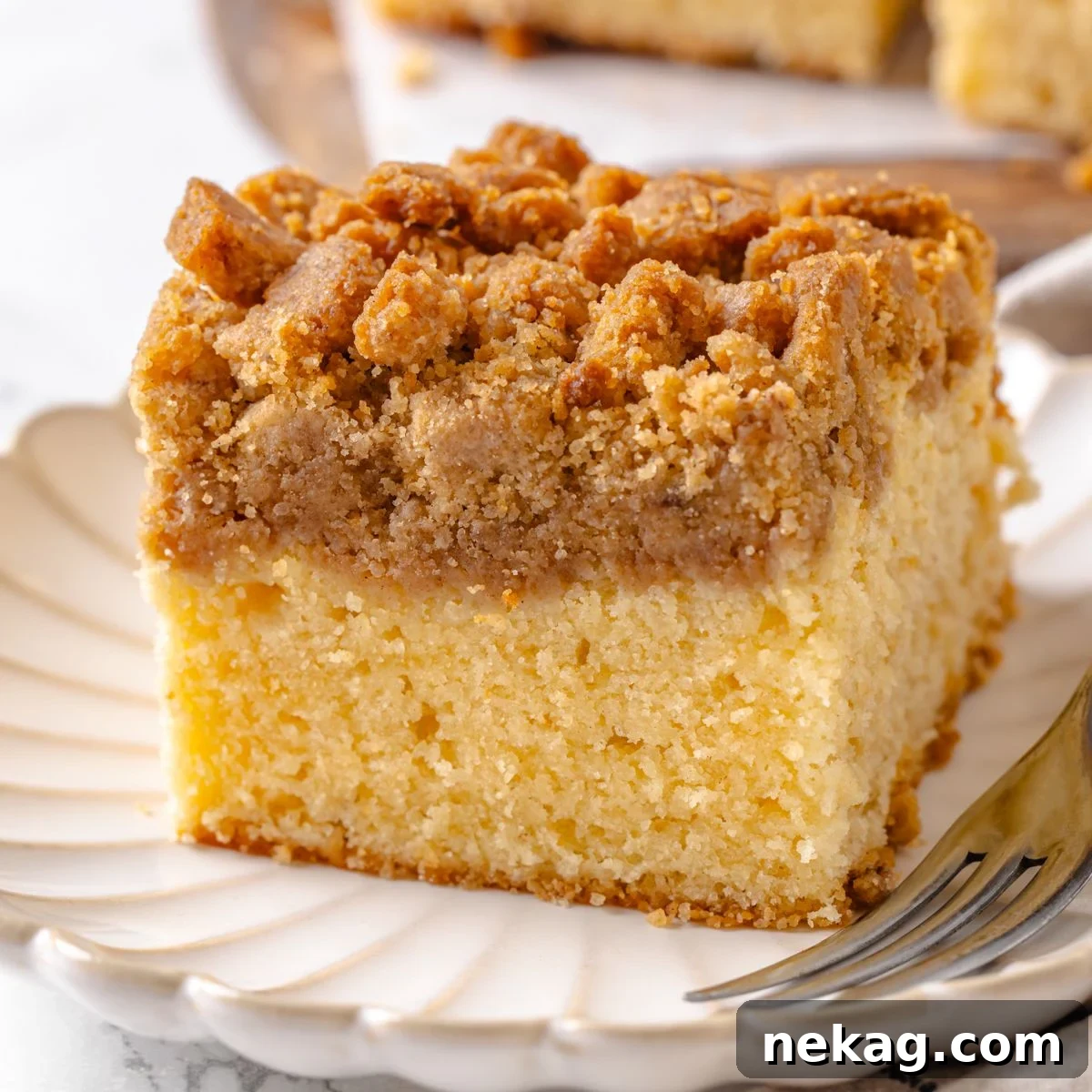
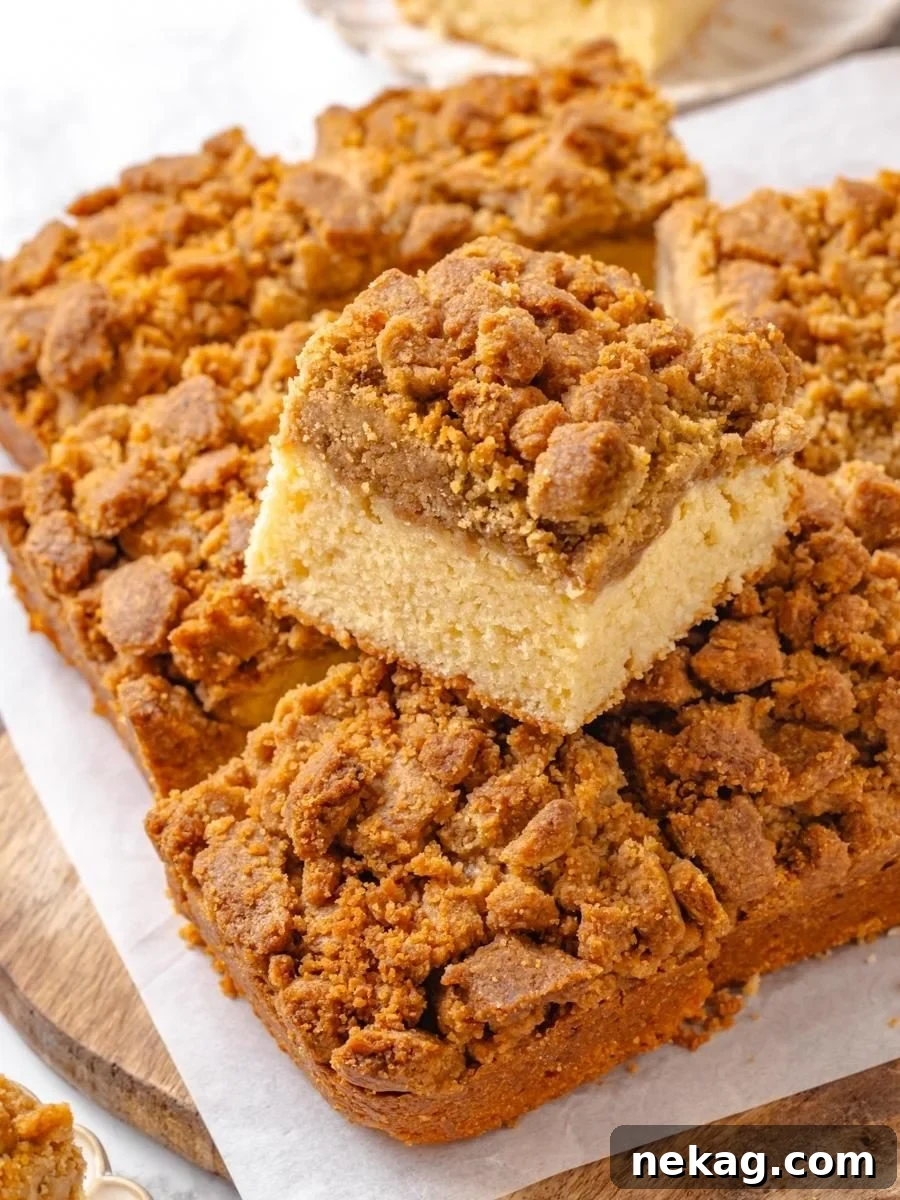
Crumb cake depends as much on the topping-to-cake ratio as it does on technique. This version uses a vanilla sour cream base for structure and a generous cinnamon-sugar crumb topping that stays pleasantly crunchy from the first slice to the last.
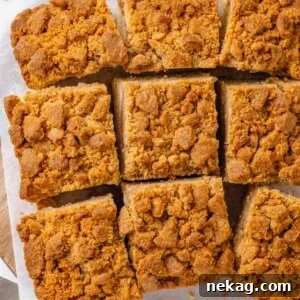
A Quick Look At The Recipe
This is a brief summary of the recipe. Jump to the recipe for full details.
Jump to Recipe
Prep Time
12 minutes
Cook Time
1 hour 3 minutes
Total Time
1 hour 15 minutes
Servings
9 Slices
Difficulty
Intermediate
Calories *
687 kcal per serving
Technique
Creaming method for the cake base; crumb topping mixed separately and layered before baking to preserve chunkiness and crunch.
Flavor Profile
Vanilla-forward, warm cinnamon-sugar, buttery and lightly sweet.
* Based on nutrition panel
I was so excited for all that crumb topping, I was choosing to trust you and man it was absolutely perfect! Perfect cake for a streusel lover! I followed the tip about pressing the crumb gently into the batter before baking, and every piece came out clean with a full layer of crunchy topping right to the edge. This is the crumb-to-cake ratio I have been looking for. ⭐⭐⭐⭐⭐
Lisa
Why This Recipe Works
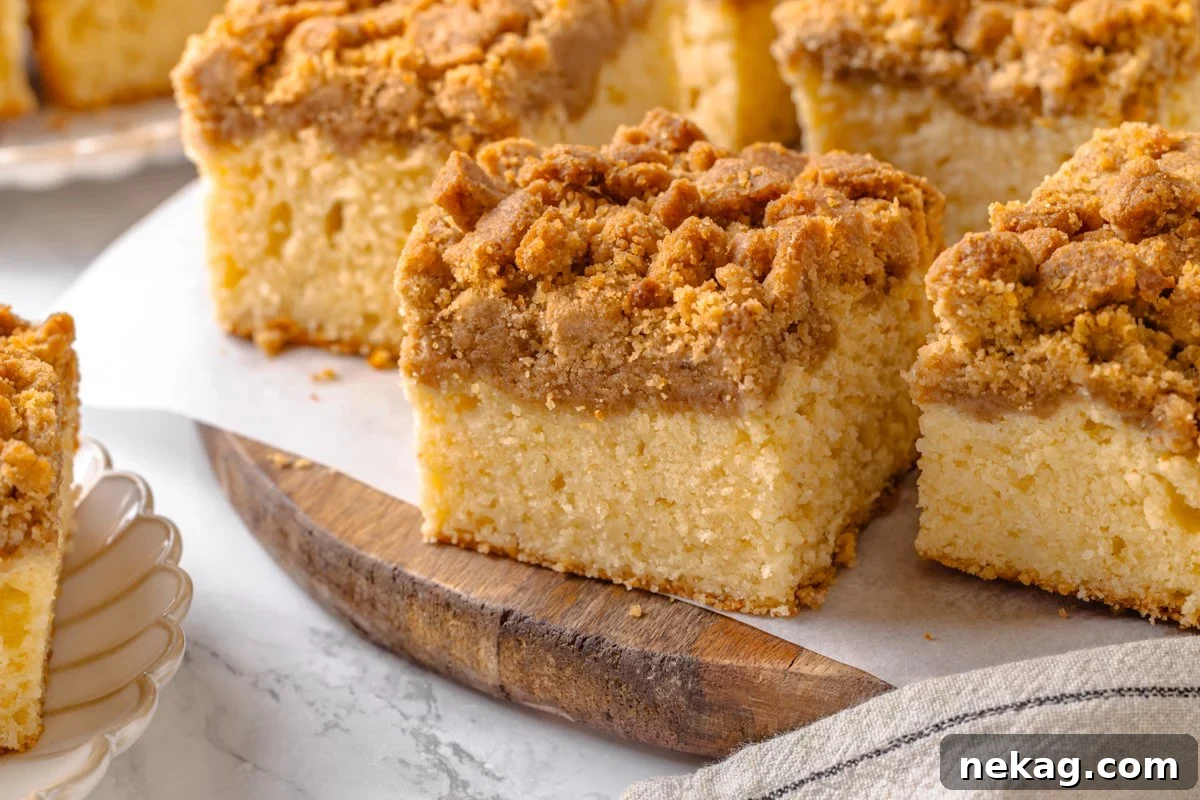
- High crumb-to-cake ratio. The crumb topping is nearly equal in volume to the cake layer, so each slice delivers a thick crunchy top and a soft, chewy meeting point with the cake below.
- Sour cream base for structure and tenderness. Sour cream adds richness and acidity that tenderizes the crumb while keeping it tight enough to support a heavy topping without collapsing.
- Simple pantry ingredients. This recipe uses basic staples—flour, butter, sugar, eggs, sour cream, and spices. Room-temperature ingredients and the creaming method make the process straightforward and repeatable.
Table of Contents
- Why This Recipe Works
- Ingredients & Substitutions
- Variations on This Crumb Cake
- Professional Tips
- How to Make Crumb Cake
- Make the Crumb Topping
- Make the Batter
- Assemble the Cake
- Bake
- Chef Lindsey’s Recipe Tip
- Recipe FAQs
- Crumb Cake Recipe
- Before You Go
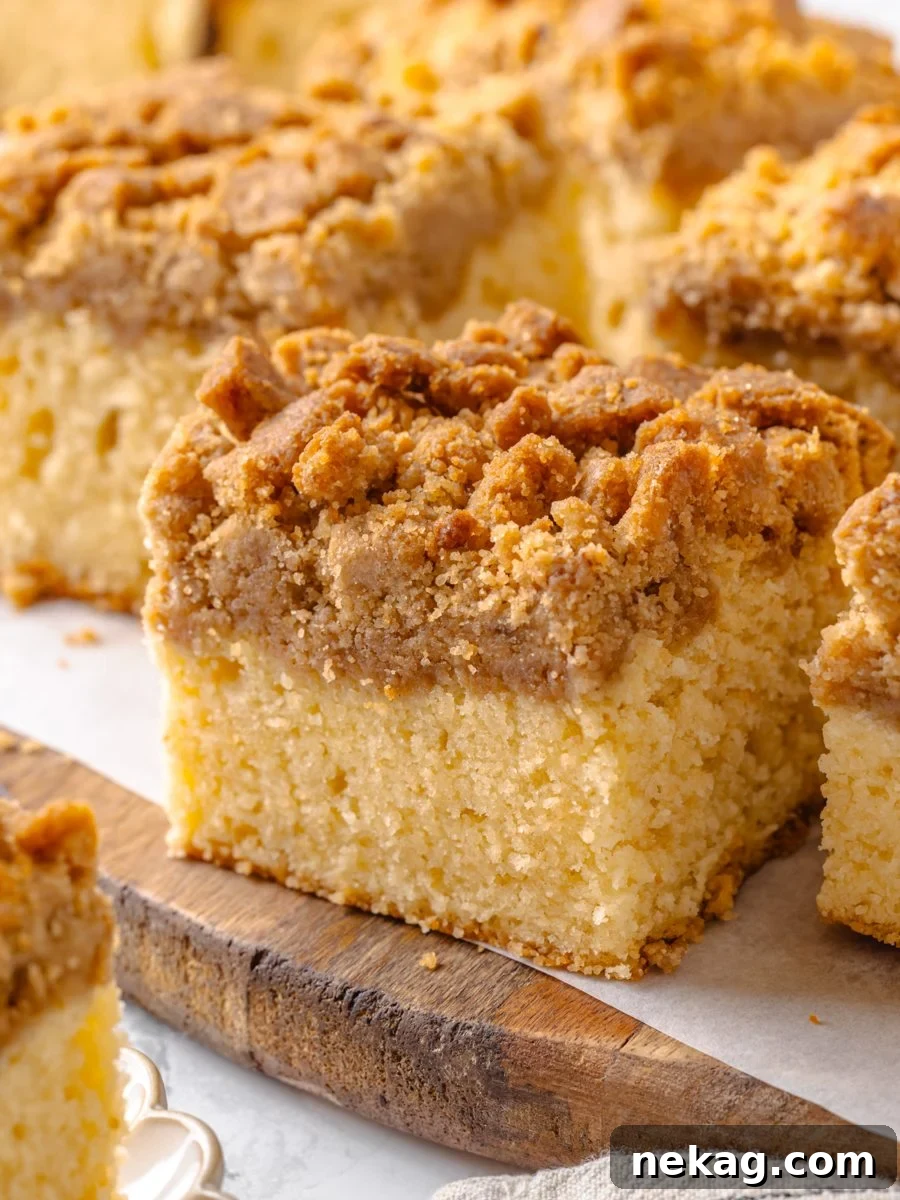
This is my go-to crumb cake: a plush vanilla sour cream base topped with a mountain of cinnamon-sugar crumb. Because the crumb is almost equal to the cake, each bite offers a balance of tender cake and crunchy, cinnamon-kissed topping. It’s a bakery-style treat you can make with pantry staples and just a few minutes of active work.
If you like seasonal variations, you can adapt the same format with pumpkin or apple spices for a different direction while keeping the same technique and structure.
Ingredients & Substitutions
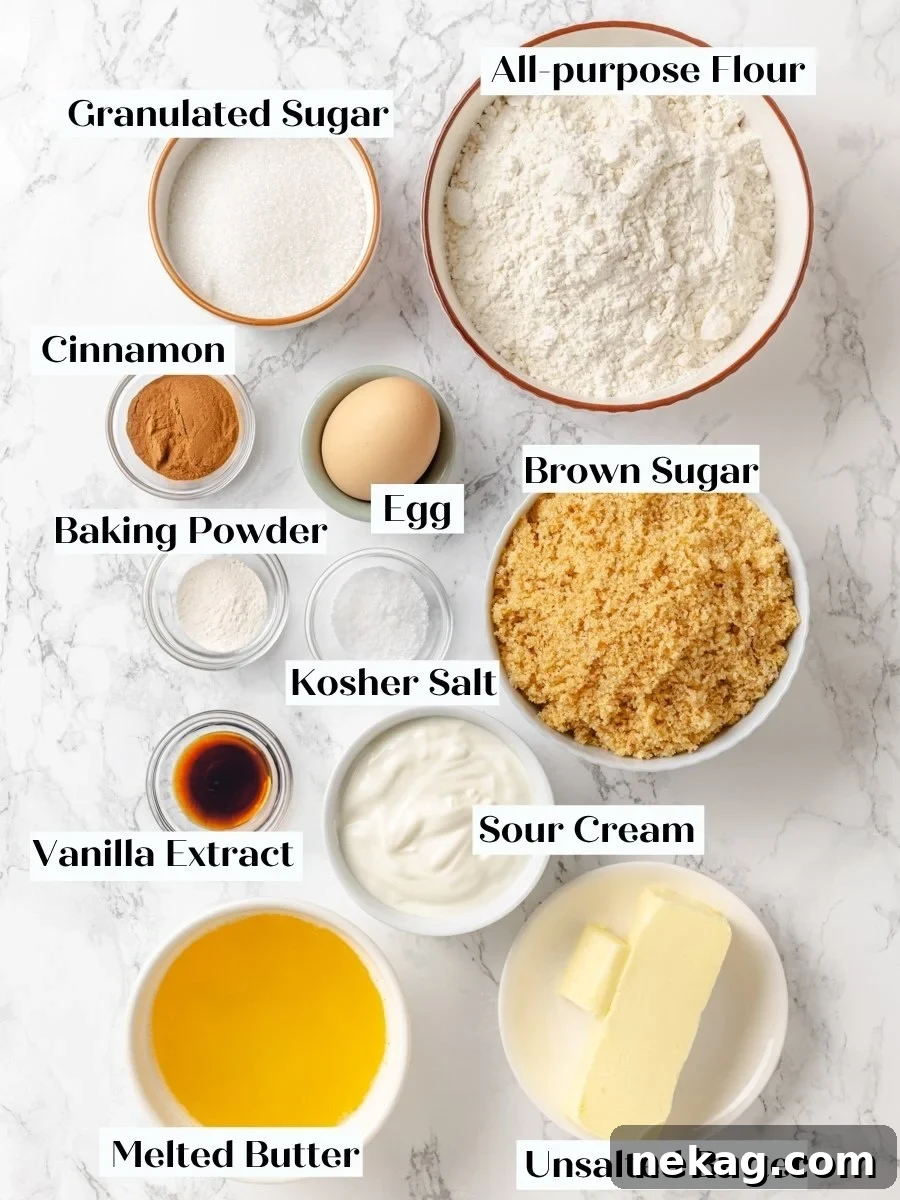
- Egg: Provides structure and helps emulsify fat and liquid. Use at room temperature so it blends evenly.
- Sour Cream: Adds moisture, richness, and a touch of acidity that tenderizes the crumb. Don’t reduce the sour cream if you want the cake to support the heavy topping.
- Baking Powder: The sole leavener for the cake, balanced to lift the base without creating a coarse crumb.
- All-Purpose Flour: Gives structure so the cake holds the thick crumb layer. Weighing flour is recommended for consistent results.
- Light Brown Sugar (crumb): Provides clumping and a slight chew from molasses, which helps the crumbs bake with caramelized edges.
- Ground Cinnamon: The dominant spice—intentional at a generous tablespoon. Swap or add a pinch of cardamom or nutmeg for variation.
See the recipe card below for full ingredient amounts and the complete method.
Variations on This Crumb Cake
- Change the spice mix. Replace or complement cinnamon with pumpkin spice, apple pie spice, or speculoos-style blends for seasonal flavors.
- Add fruit filling. Layer thin-sliced apples, a spoonful of fruit compote, or cherry pie filling under the crumble for a fruit-forward coffee cake.
- Mix-ins. Fold chocolate chips, chopped nuts, or sprinkles into the batter or scatter them on top before adding the crumble for texture and flavor contrast.
Professional Tips
- Make the crumb first, then rest it. Mix the crumb while the butter is still slightly warm, then let it sit at room temperature so the fat re-solidifies. That creates a mix of large chunks and finer crumbs instead of one greasy layer.
- Use room-temperature ingredients. Cold butter or eggs can break the emulsion and produce a denser cake. Take 30–45 minutes to bring ingredients to room temperature.
- Stop mixing as soon as the flour is incorporated. Overmixing develops gluten and yields a tougher crumb—especially noticeable with a heavy topping. Finish by hand for control.
How to Make Crumb Cake
Make the crumb topping first and let it rest while you prepare the batter. Full measurements and step-by-step instructions are in the recipe card below.
Make the Crumb Topping
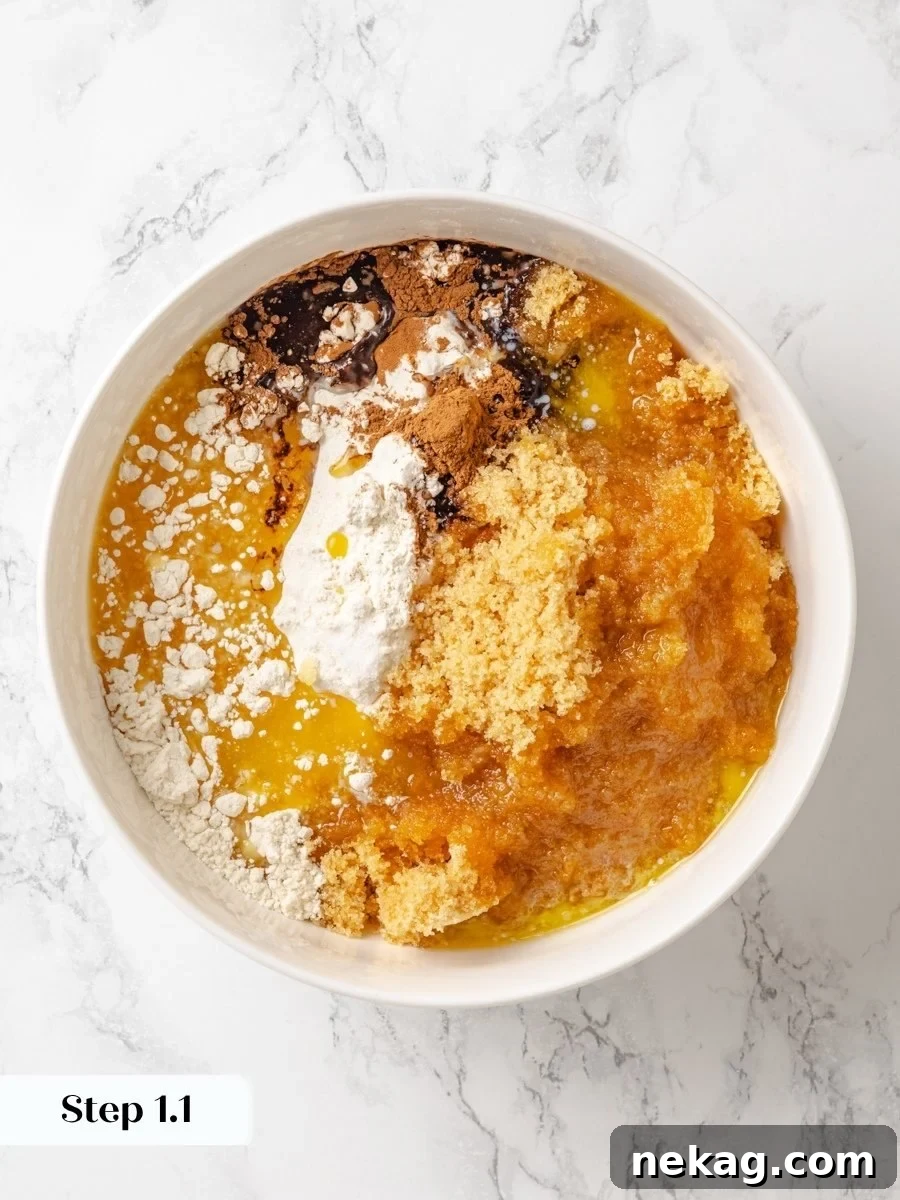
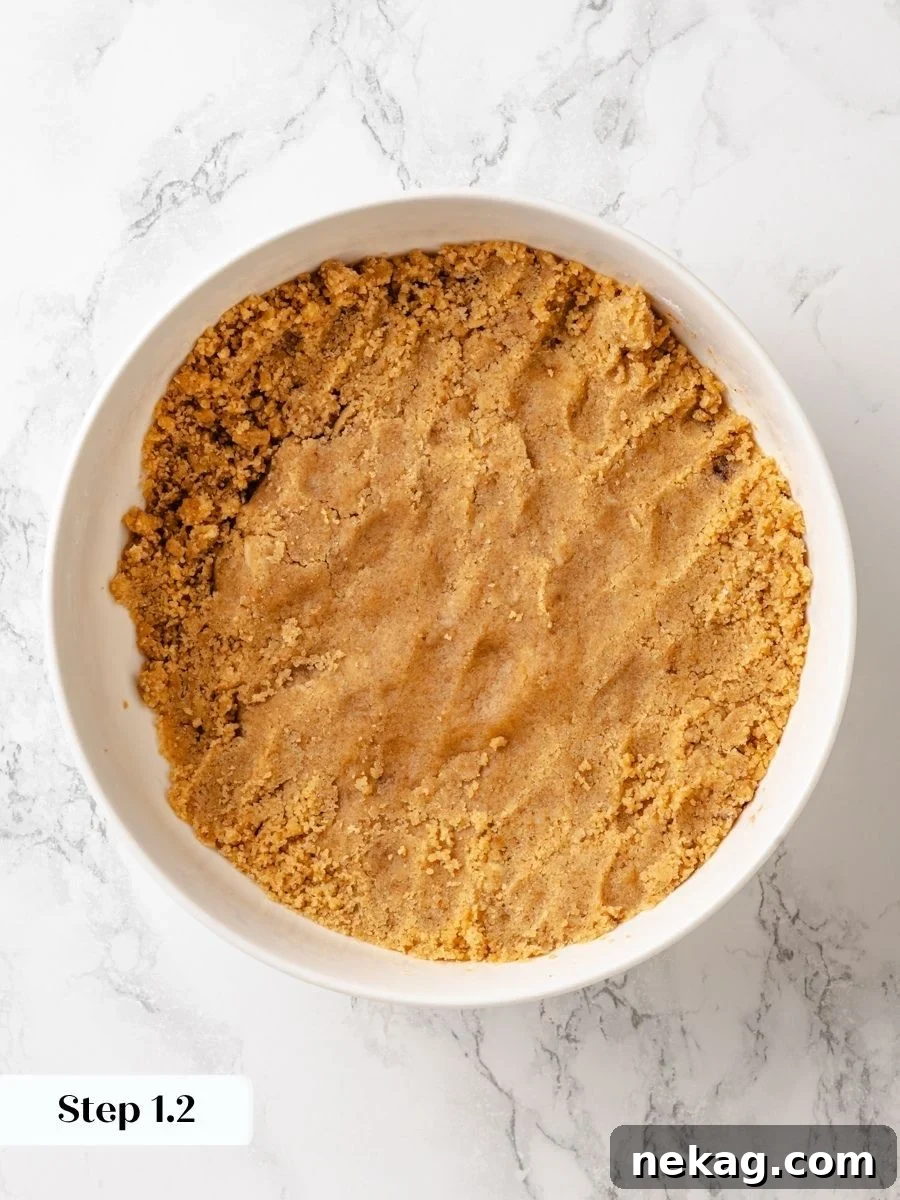
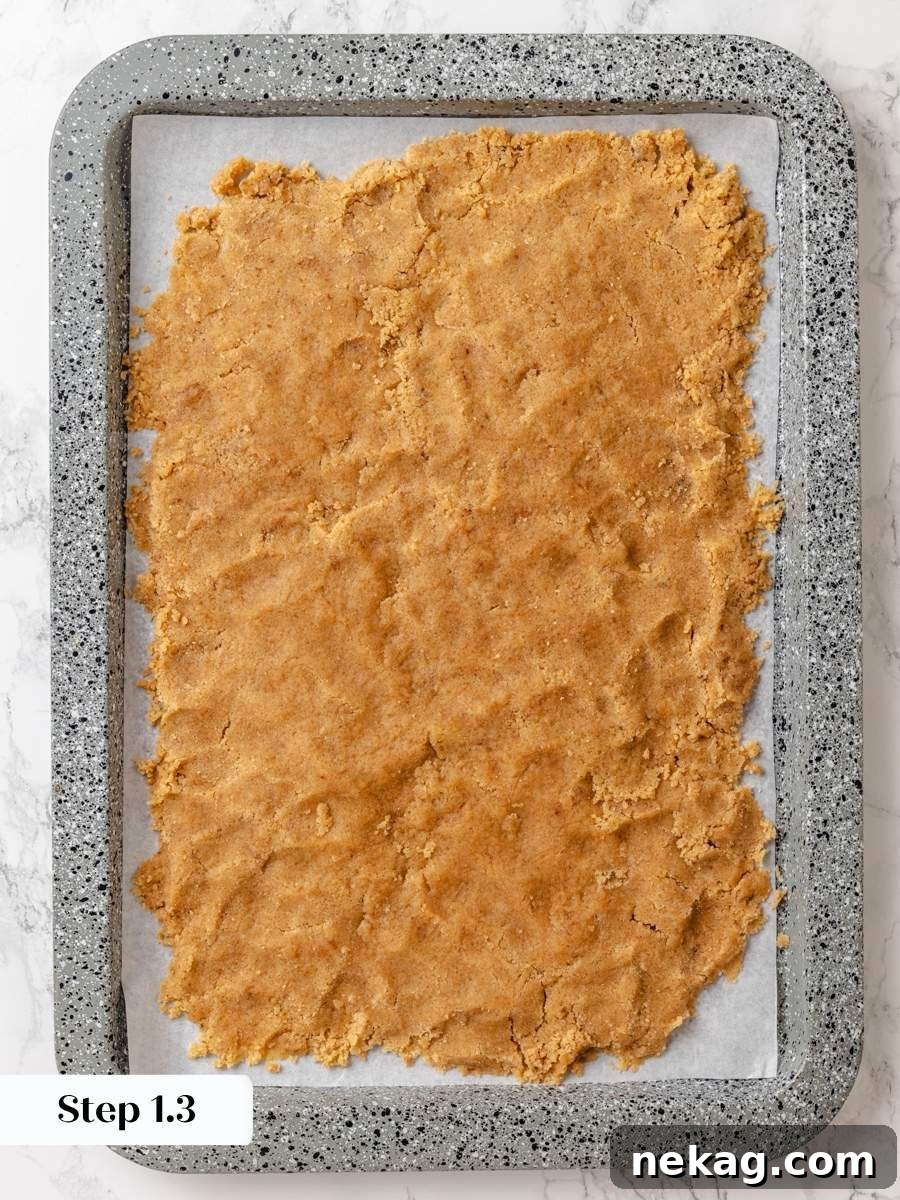
Step 1: Combine the crumb topping ingredients—melted butter, light brown sugar, cinnamon, flour, and salt—in a bowl. Mix until the butter distributes and the mixture clumps. Spread or press it thinly onto parchment and let it rest at room temperature while you mix the batter. This rest helps the butter firm up and creates chunky texture as it bakes.
Step 2: Prep the pan and preheat the oven. Spray a 9×9-inch pan and line the bottom with parchment. Preheat to 325°F convection or 350°F conventional.
Make the Batter
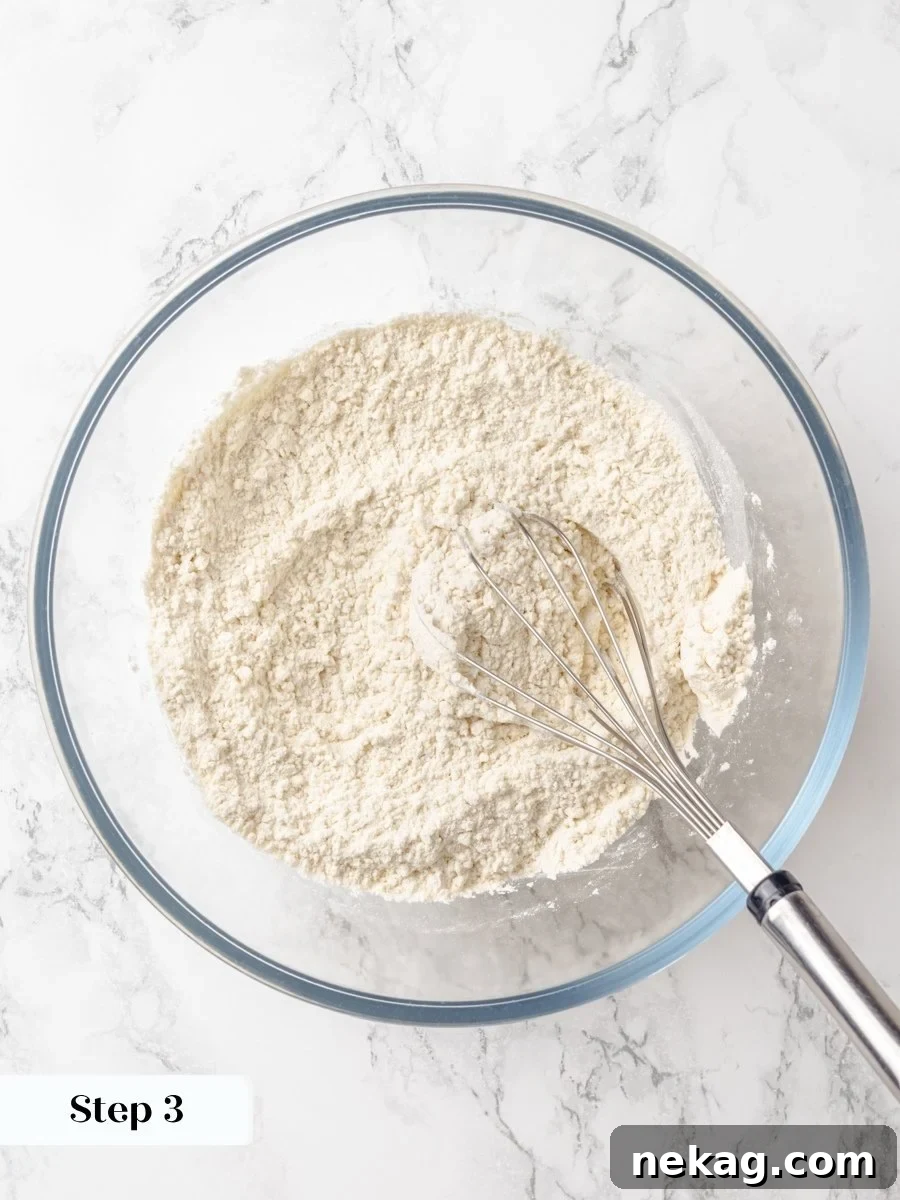
Step 3: Whisk the dry ingredients—flour, baking powder, and kosher salt—together and set aside.
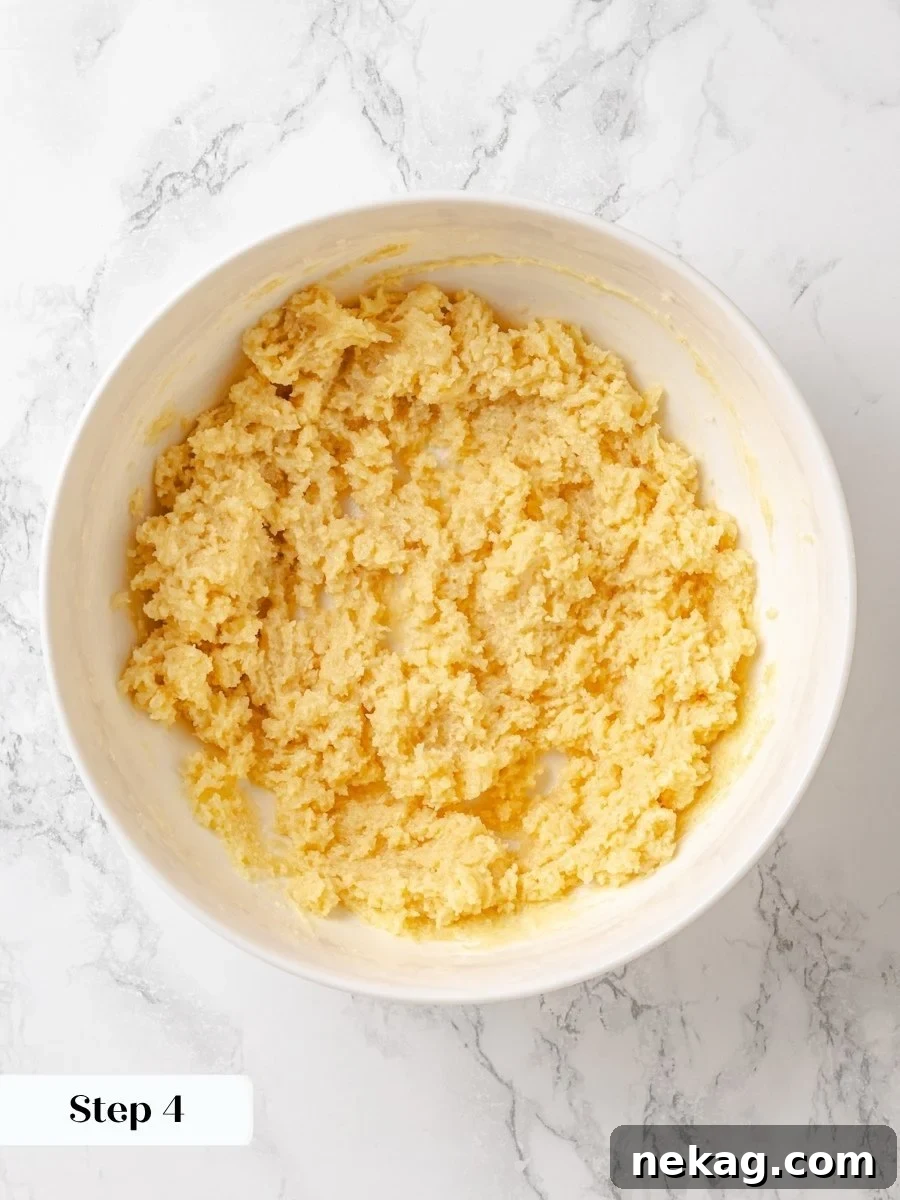
Step 4: Cream the butter with granulated and brown sugar until pale and fluffy.
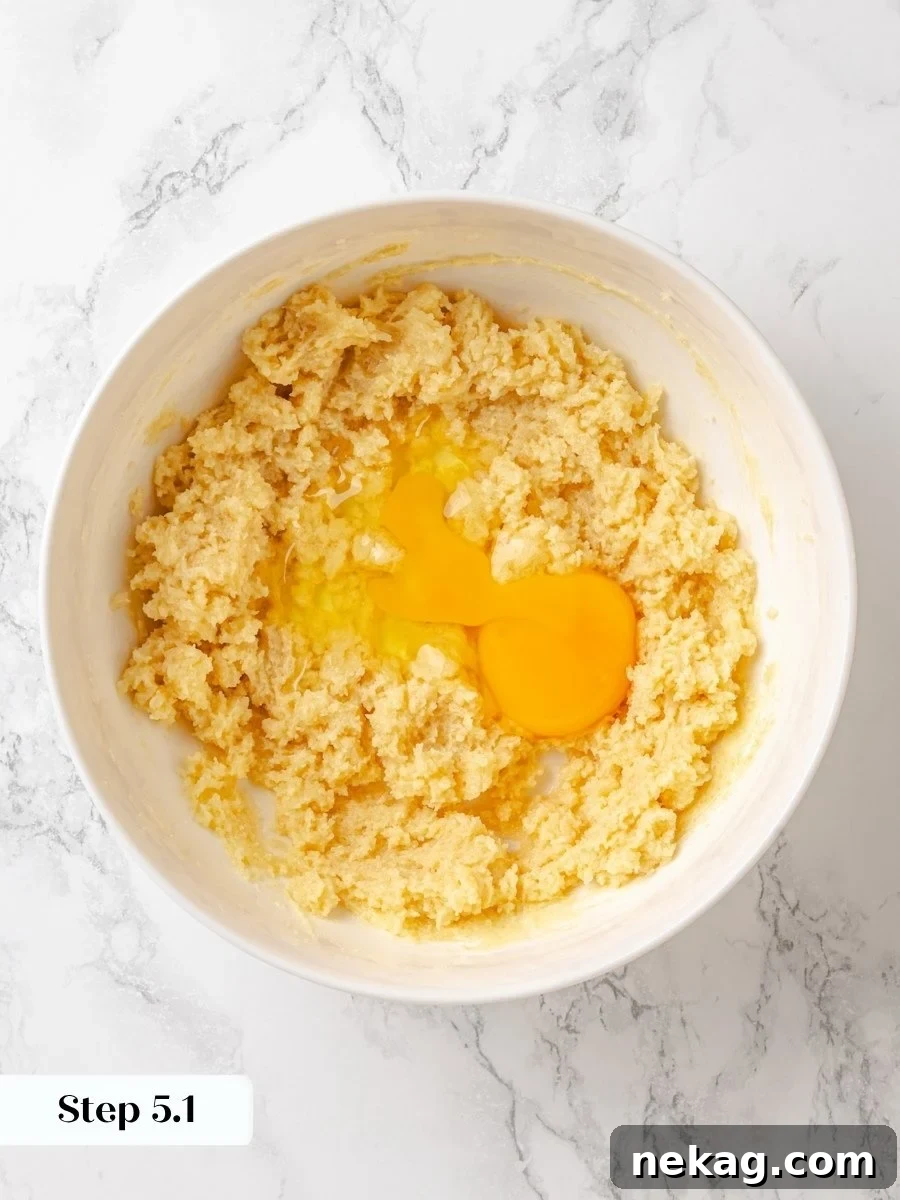
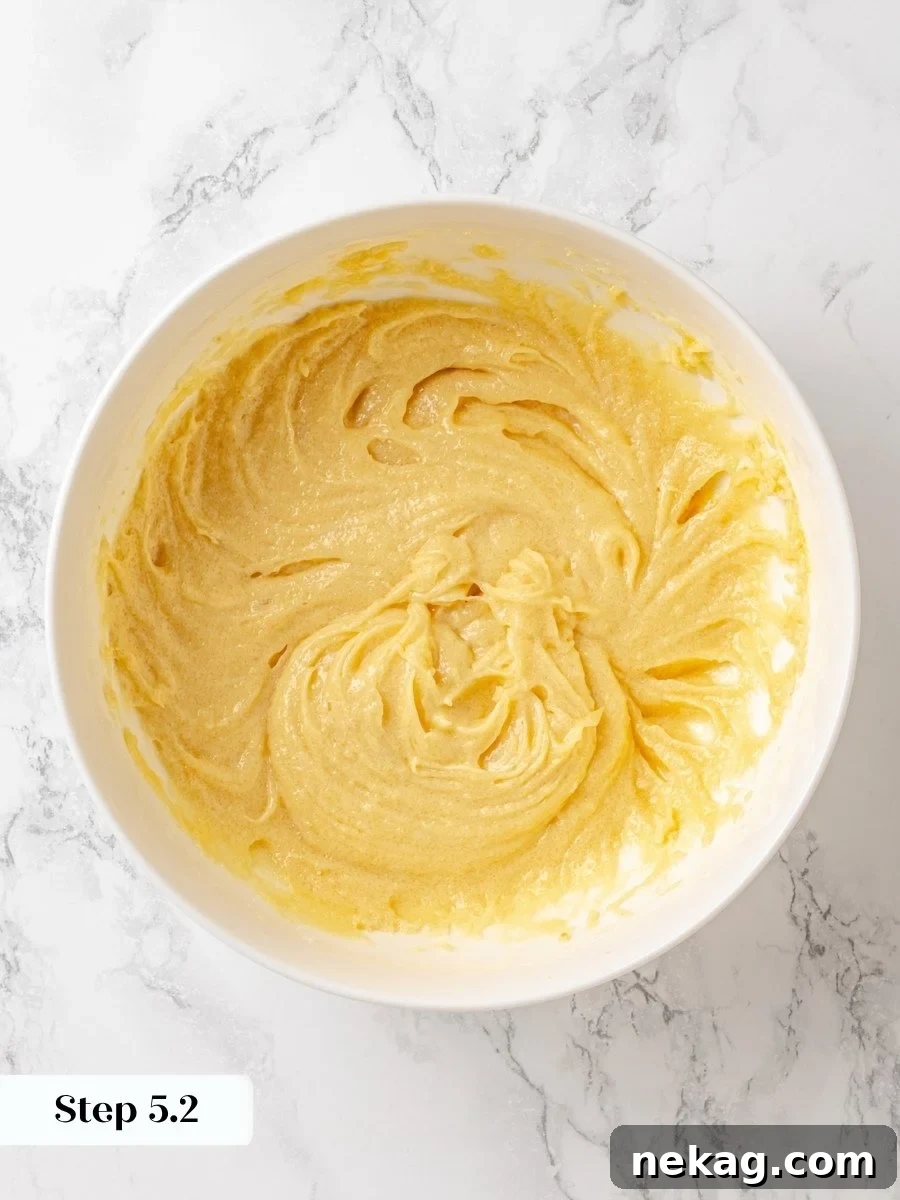
Step 5: Beat in the egg until emulsified. If the mixture looks slightly curdled because the egg was cold, continue—adding the remaining ingredients will bring it back together.
Step 6: In a separate bowl whisk together sour cream, milk (if used), and vanilla until smooth. Room-temperature dairy incorporates easily.
Step 7: With the mixer on low, alternate adding the dry and wet ingredients, beginning and ending with the flour mixture. Finish folding by hand just until incorporated so you don’t overdevelop gluten; the batter should be smooth and thick.
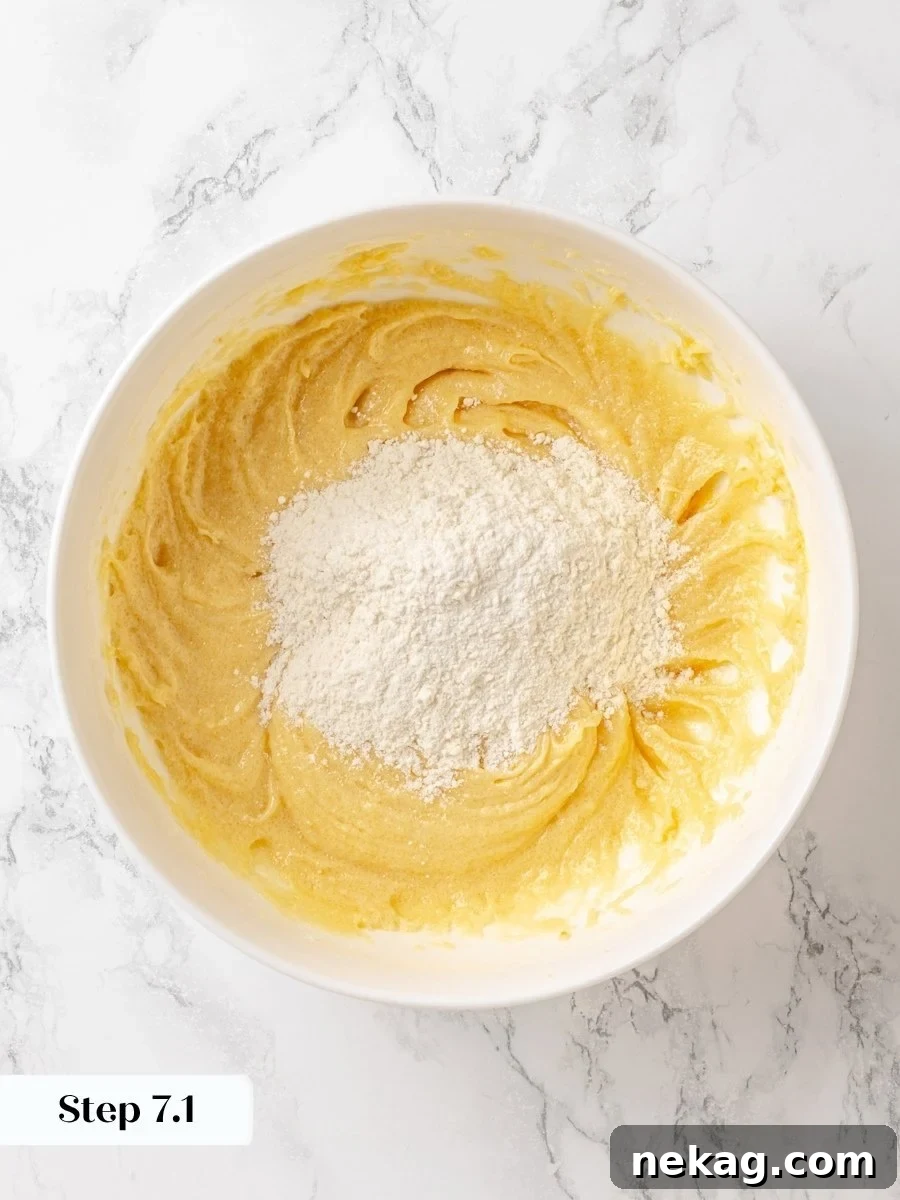
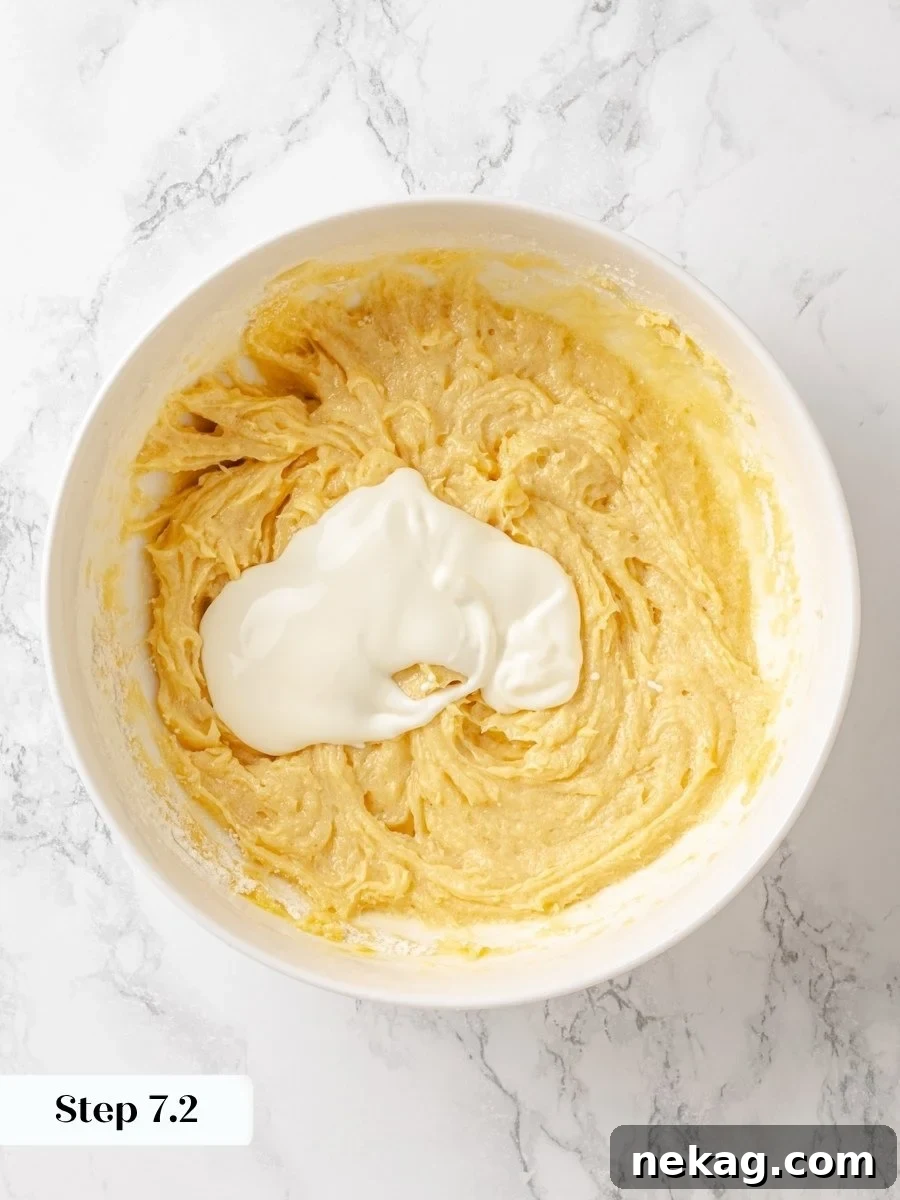
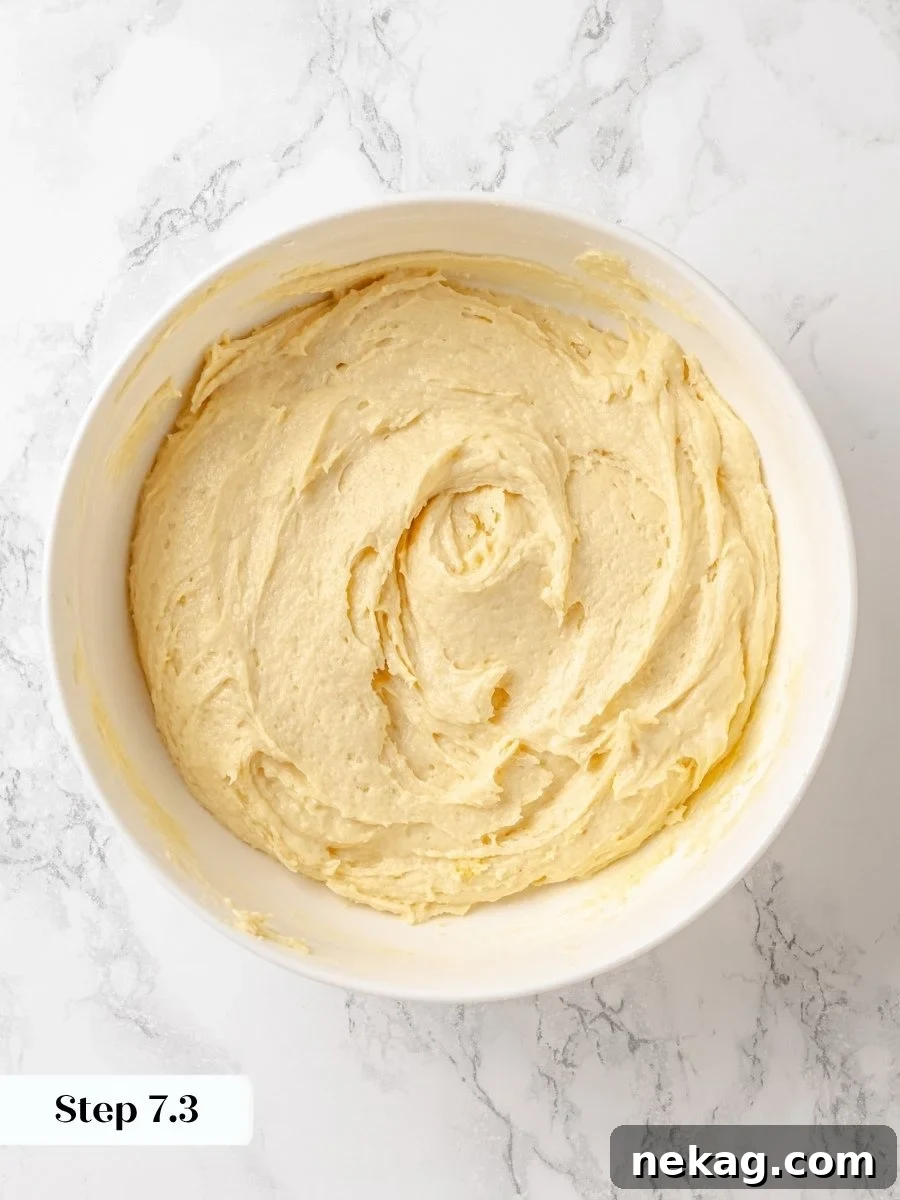
This vanilla sour cream base was chosen because earlier versions were too light to hold up under the generous crumb layer. For structure, do not reduce the sour cream.
Assemble the Cake
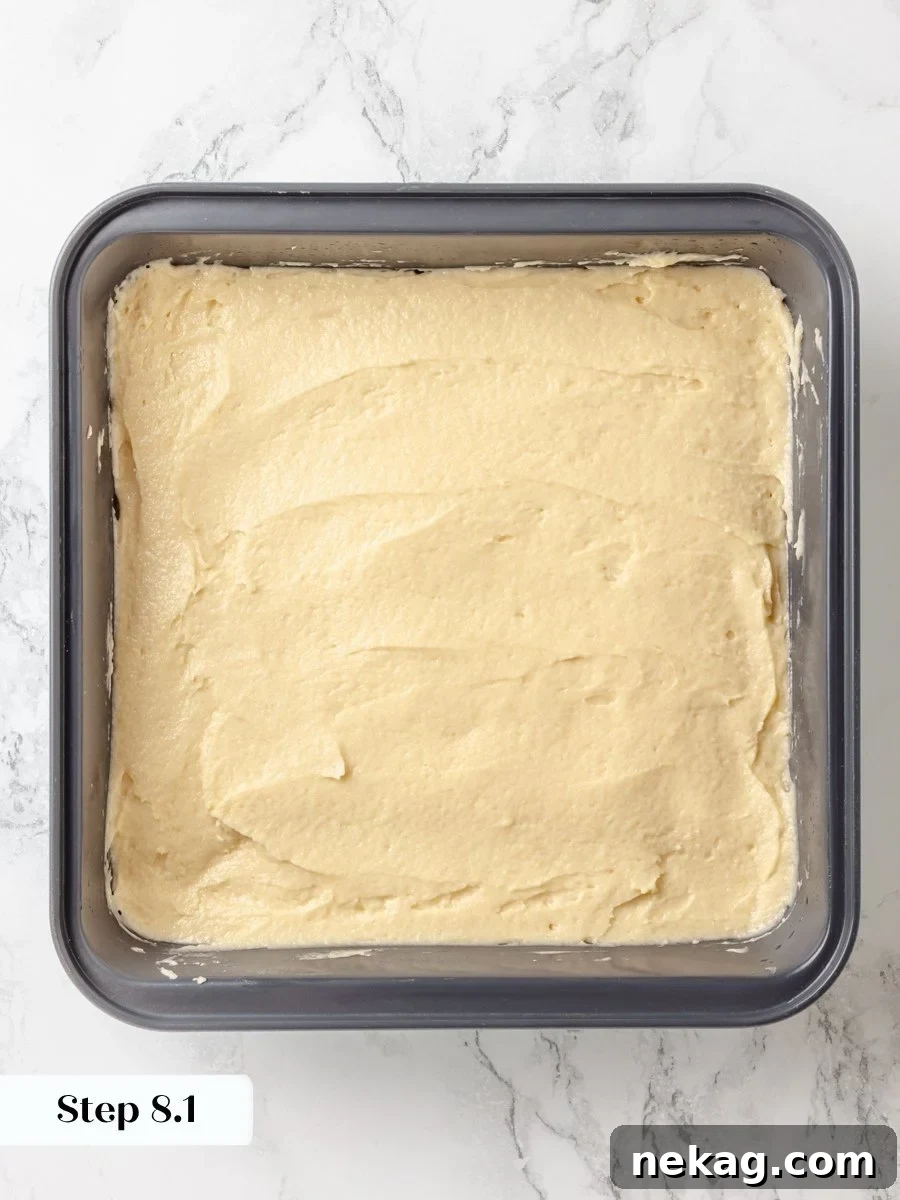
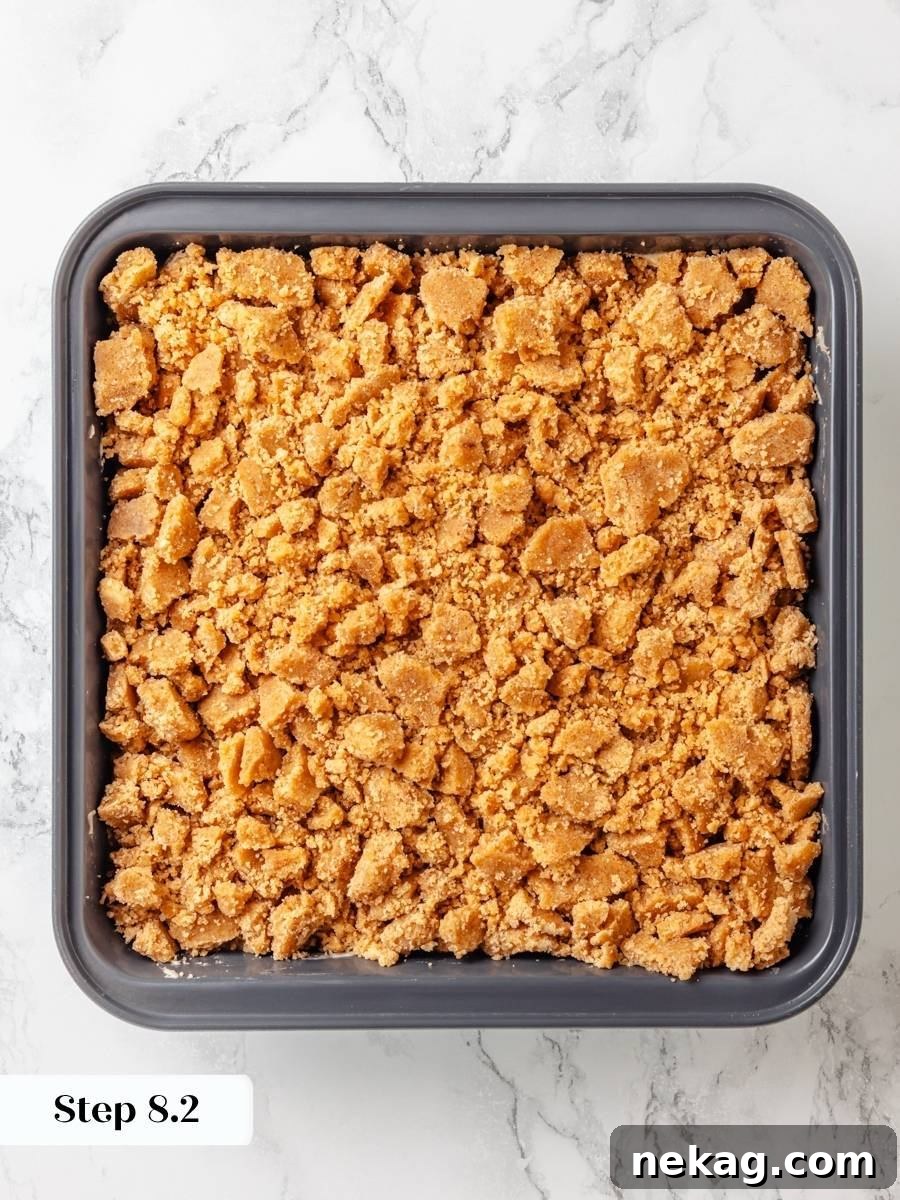
Step 8: Spread the batter evenly into the prepared pan. Break the rested crumb topping into chunks with your hands and scatter it evenly over the surface. A light press to anchor the pieces is all that’s needed—avoid packing it down.
Bake
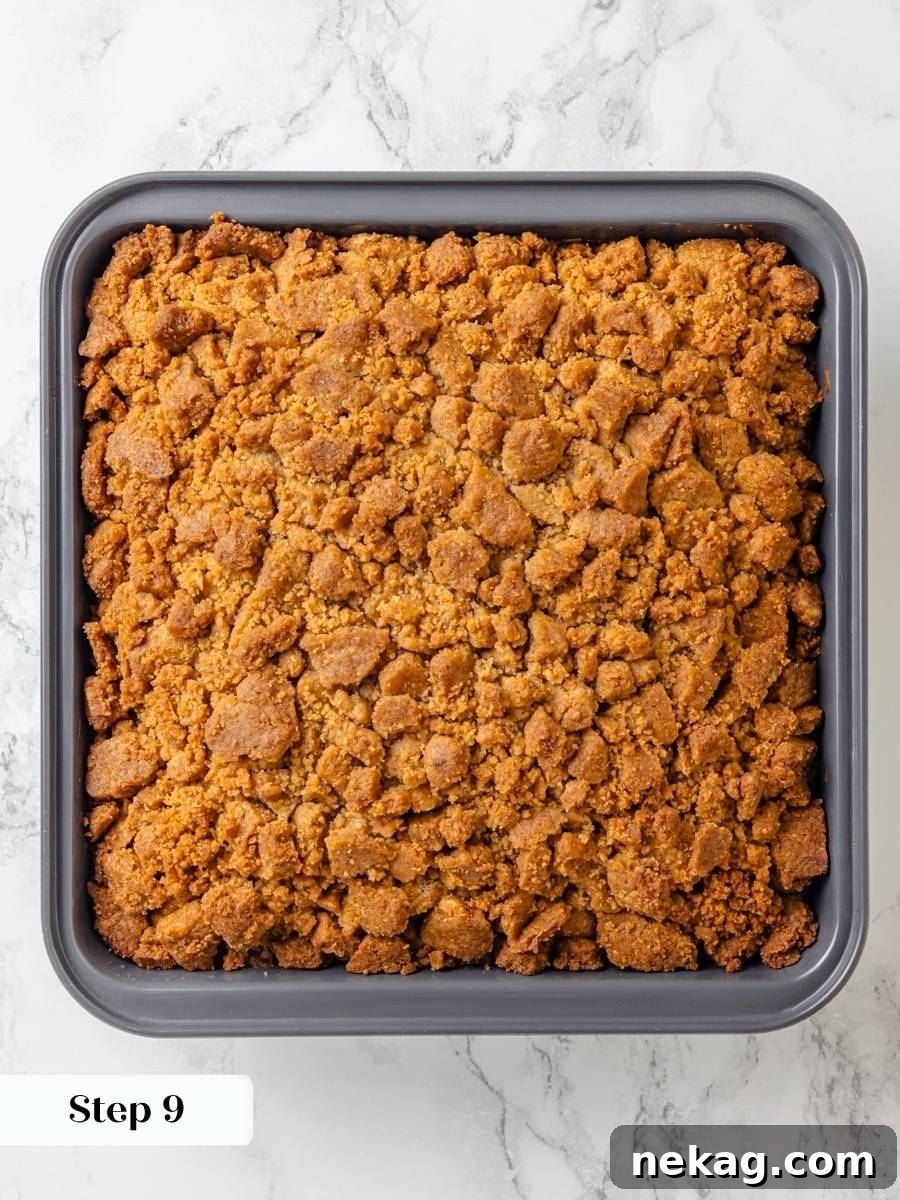
Step 9: Bake 42 to 63 minutes depending on oven and bakeware. Start checking at 42 minutes for metal pans; ceramic dishes can take longer. The center should puff, the top should be deep golden brown, and a skewer should come out with a few clinging crumbs, not wet batter.
In testing, a ceramic dish at 350°F (conventional) took about 63 minutes. Rely on visual cues rather than the clock—edges should be set and slightly crisp while the crumb meeting the cake remains soft and slightly chewy.
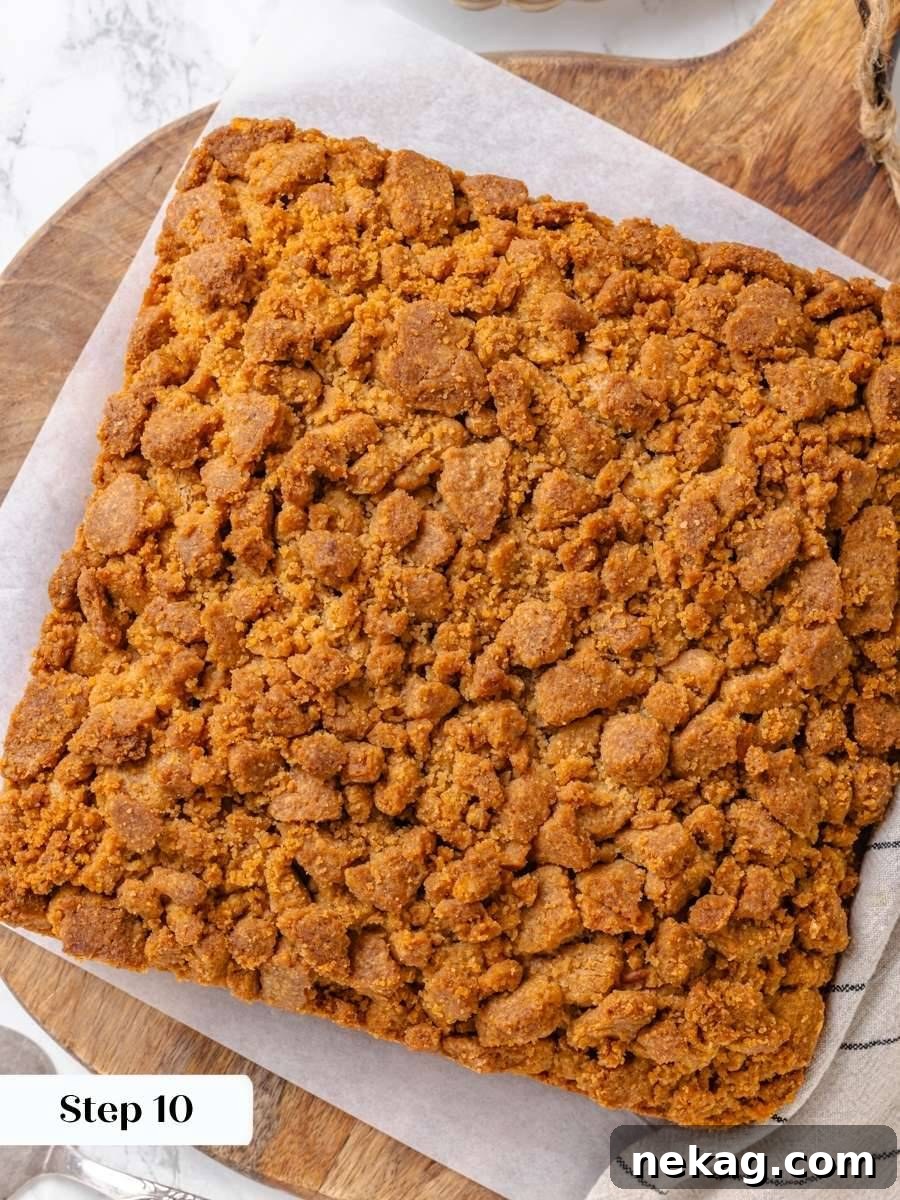
Step 10: Cool completely on a wire rack before slicing. Cooling lets the crumb topping set and the interior finish cooking; slicing too soon will create collapsing, messy pieces instead of tidy squares with a stable crumb layer.
Chef Lindsey’s Recipe Tip
The crumb-to-cake ratio is deliberate. Press the crumb topping only lightly to anchor it—allow the batter to puff up around the pieces while baking. Packing the crumb down too much compresses the texture and reduces the contrast between chunk and cake.
Recipe FAQs
Look for a visibly puffed center, an even golden-brown top, and a tester that comes out with a few clinging crumbs rather than wet batter. Ceramic pans run slower than metal pans, so allow extra time if using ceramic bakeware.
This happens when the crumb mixture is still warm and the butter hasn’t re-solidified. Letting the topping rest at room temperature after mixing allows the butter to firm and produces distinct chunks and crumbles rather than a uniform greasy layer.
Overmixing after adding flour develops gluten and toughens the crumb. Stop mixing the moment the flour is incorporated and finish by hand if needed.
Recommended Brunch Recipe
Easy Breakfast Recipes
Sweet Crepe Recipe
Cake Recipes
Gooey Butter Cake
Breakfast Pastry Recipes
Cinnamon Roll Recipe with Cream Cheese Icing
Yeasted Bread Recipes
Raisin Bread Recipe
If you tried this recipe and loved it, please leave a star rating and tell me how it went in the comments below. I love hearing from you—your feedback makes my day!
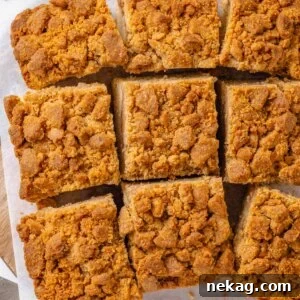
Crumb Cake Recipe
Comment
Print Recipe
Ingredients
For the Cake
- ½ cup unsalted butter, room temperature
- ½ cup granulated sugar
- ⅓ cup light brown sugar
- 1 large egg, room temperature
- 1 teaspoon vanilla extract
- ⅔ cup sour cream
- 1 teaspoon kosher salt
- 1½ teaspoons baking powder
- 1¾ cups all-purpose flour
For the Crumb Topping
- ¾ cup unsalted butter, melted
- 1½ cups light brown sugar
- 1 tablespoon ground cinnamon
- 2¼ cups all-purpose flour
- 1½ teaspoons kosher salt
Instructions
- Preheat the oven to 325°F convection or 350°F conventional. Spray a 9×9-inch pan and line the bottom with parchment paper.
Make the Crumb Topping:
- Combine melted butter, light brown sugar, cinnamon, flour, and salt in a bowl. Mix until combined, then spread on parchment and let rest at room temperature so the butter firms up.
Make the Batter
- Whisk together flour, baking powder, and salt; set aside.
- Cream butter with both sugars until light and fluffy.
- Beat in the egg until emulsified. In a separate bowl, whisk sour cream and vanilla. With the mixer on low, alternate adding the dry and wet ingredients, starting and ending with the flour mixture. Finish by hand just until incorporated.
Assemble and Bake
- Spread the batter into the prepared pan. Crumble the rested topping into chunks and scatter it evenly over the surface, pressing only gently to anchor.
- Bake 42 to 63 minutes depending on oven and bakeware. The center should puff and the top be golden brown; a skewer should come out with just a few clinging crumbs. Cool completely before slicing.
Notes
Doneness cue: Center should puff and top should be evenly golden; a skewer should pull out with a few clinging crumbs. Ceramic pans can take up to 63 minutes.
Crumb topping: Rest the mixed crumb topping at room temperature so the butter firms and large chunks form when baked.
Mixing: Stop mixing as soon as the flour is incorporated; finishing by hand helps prevent overdeveloped gluten.
Storage: Store covered at room temperature up to 3 days. Wrap slices tightly and freeze for up to 2 months.
Nutrition
Before You Go
If this crumb cake becomes a weekend favorite, that’s exactly the goal. For more ideas, browse other cake recipes or try sourdough cinnamon rolls for another flaky, cinnamon-forward breakfast treat.