
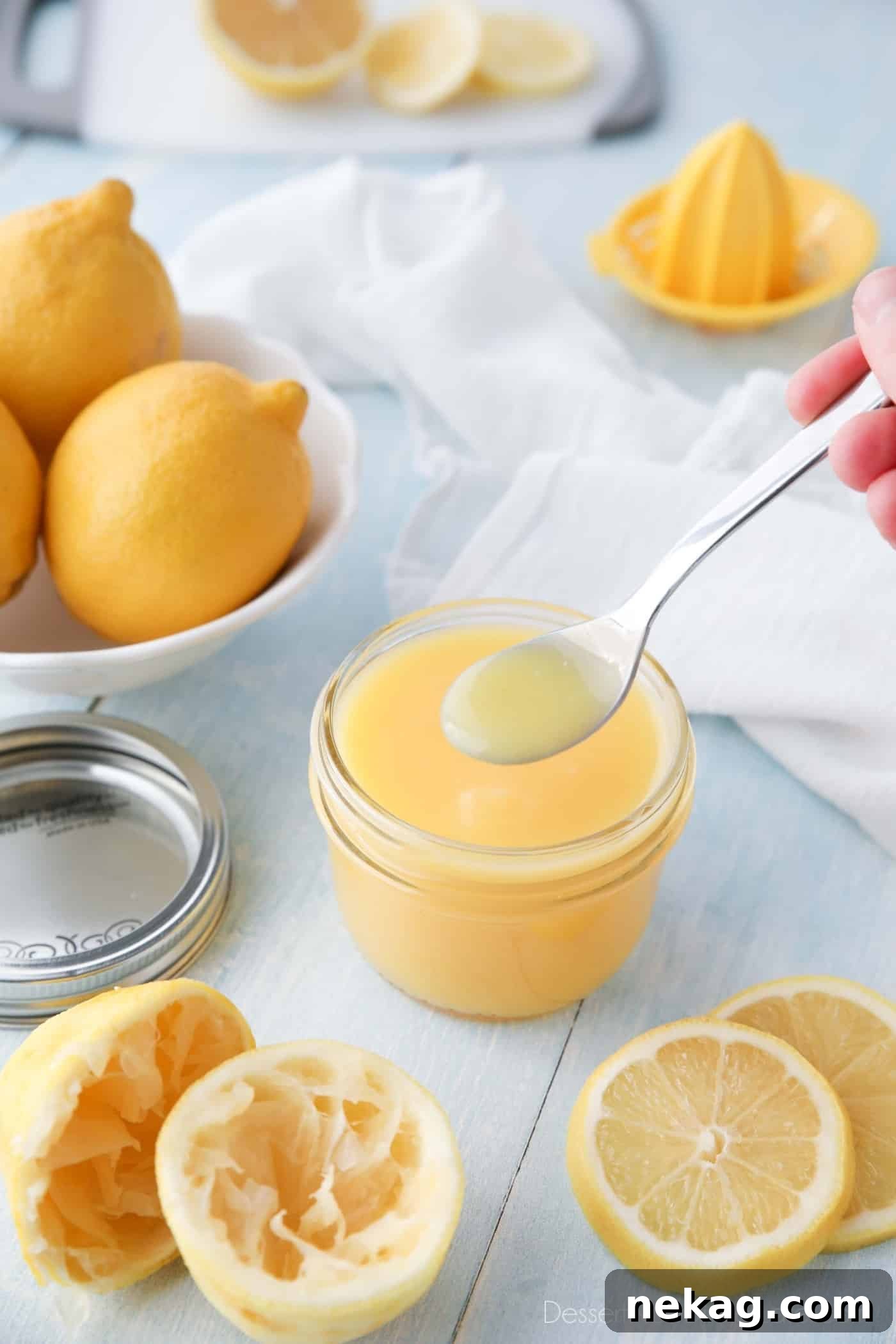
This homemade lemon curd is tangy, silky and simple to make. With just five ingredients and about 20 minutes, you can make a bright citrus spread perfect for toast, scones, cakes and more. Below you’ll find what lemon curd is, how it differs from pie filling, ideas for using it, troubleshooting tips, storage guidance, and an easy stove-top method.

Homemade Lemon Curd
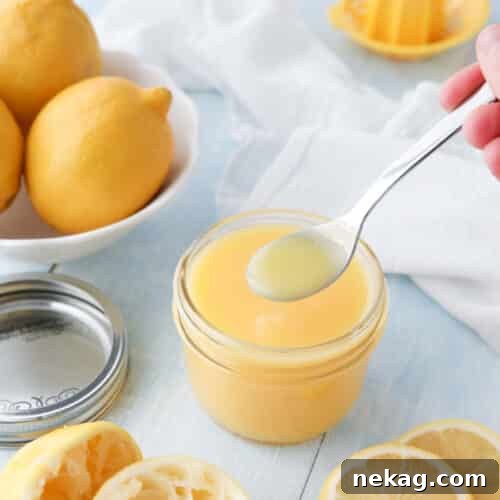
If you love citrus, lemon curd is one of those treats you’ll happily eat by the spoonful. It’s a concentrated, buttery citrus spread made from sugar, lemon zest, lemon juice, butter and egg yolks. The result is smooth, tangy and richly flavored.
Lemon curd behaves like a jam or spread and can be used wherever you’d use a fruit preserve—on warm toast, biscuits, or scones—but it’s also excellent in desserts and baked goods (see ideas below).
This recipe adapts easily to other citrus fruits such as limes, oranges or grapefruit—just swap juices and zests for a different flavor profile.
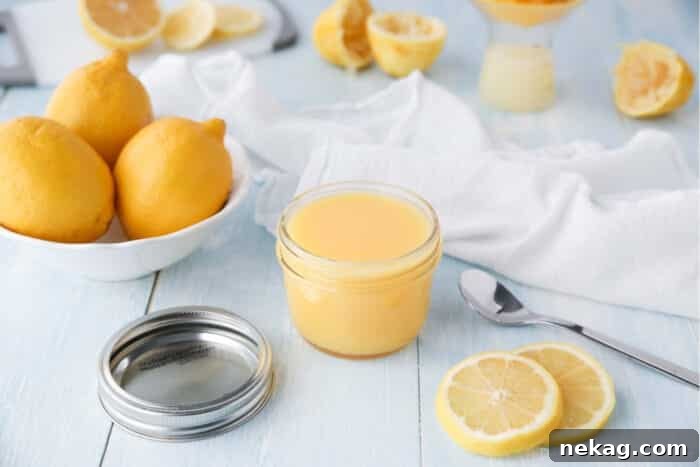
What’s the difference between lemon curd and lemon pie filling?
Lemon curd and lemon pie filling share a citrus base but differ in intensity, texture and thickener. Lemon curd uses more lemon and butter, producing a rich, concentrated flavor that’s usually served in smaller amounts. It’s traditionally thickened with egg yolks, which give a silky texture.
Lemon pie filling is typically diluted with water to create more volume and is thickened with flour or cornstarch rather than egg yolks, giving a firmer set suited for slicing in pies.
Ways to Use Lemon Curd
Lemon curd is highly versatile. Try it on:
- Toast, bagels or English muffins
- Waffles and pancakes
- Scones, biscuits or croissants
- Cheesecake toppings or swirled into batters
- Parfaits layered with yogurt or whipped cream
- Filling for cakes, cupcakes, tarts, doughnuts, cream puffs or sandwich cookies
- Mixed with whipped cream to make a quick sauce for berries, pound cake or ice cream
Recipes that Use Lemon Curd
Use lemon curd as a component in cookies, bars, tarts, or creamy desserts to add bright citrus flavor. (Recipe links removed per instructions.)
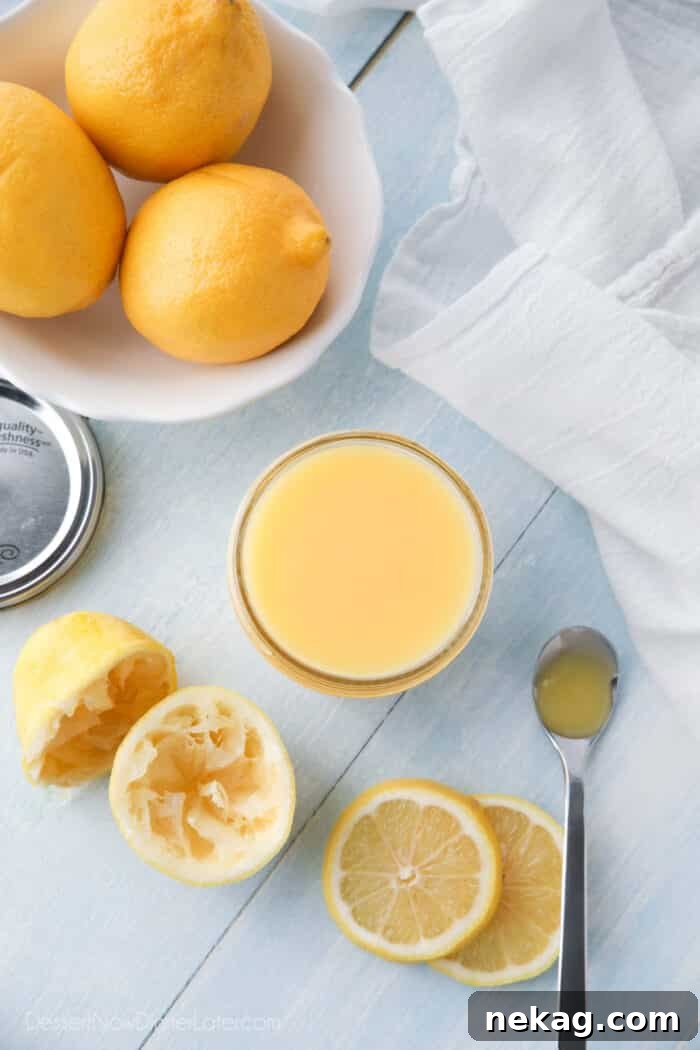
How To Make Lemon Curd
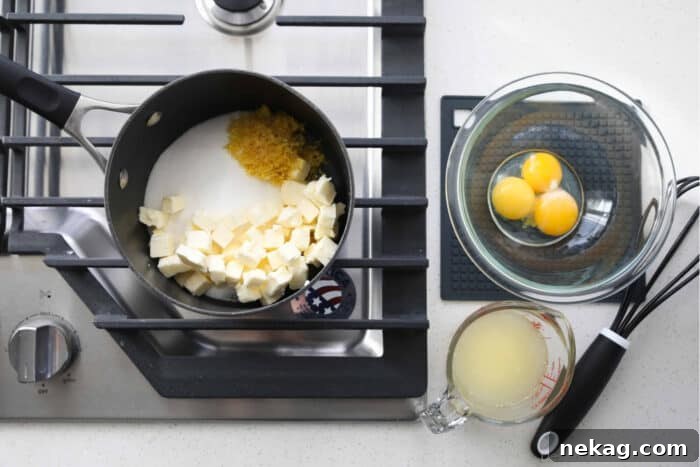
Making lemon curd on the stove is straightforward. You’ll need a heat-safe bowl for the egg yolks, a saucepan, a whisk and a heat-proof spatula. Prepare your ingredients before you start because the process moves quickly once the mixture warms.
Simmer the Lemon Mixture
In a medium saucepan over medium-low heat, stir together sugar, lemon zest, lemon juice and cubed butter. Stir continuously until the butter melts and the mixture comes to a gentle simmer.
Temper the Eggs
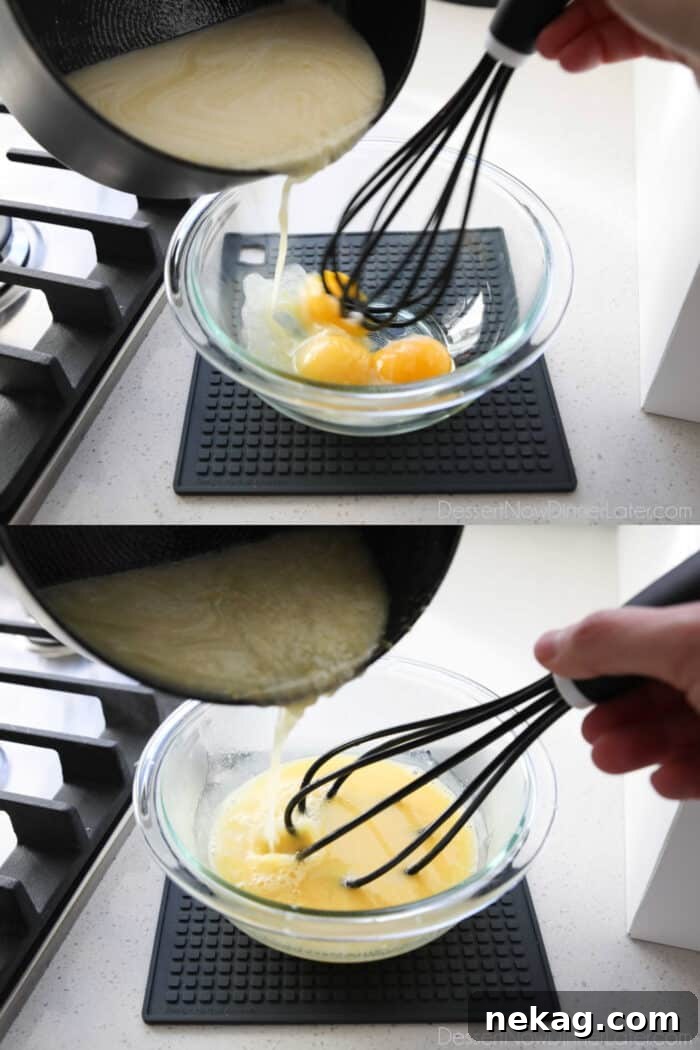
When the lemon-butter mixture simmers, temper the egg yolks: place yolks in a heat-safe bowl and slowly pour a small stream of the hot liquid into the yolks while whisking constantly. Continue adding the hot liquid gradually until the yolks are warmed and fully combined.
Tempering prevents the yolks from cooking too quickly and forming lumps. Pour slowly and whisk vigorously.
Cook Low and Slow
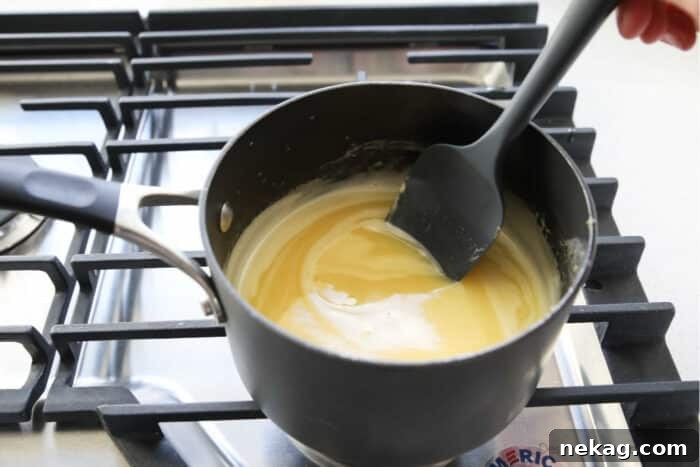
Return the combined mixture to the saucepan and cook over low heat, stirring constantly with a spatula or whisk. Continue stirring until the curd thickens and small bubbles begin to appear on the surface, about 15 minutes. Be patient—rushing this step risks curdling or under-thickening.
Strain the Lemon Curd
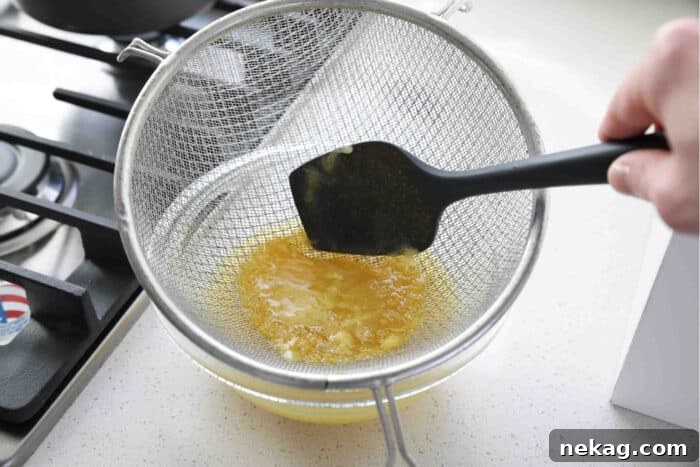
When the curd is thick and just coming to a boil, remove the pan from the heat and push the curd through a fine-mesh sieve into a clean container to remove any bits of cooked egg or zest. Let it cool to room temperature, then refrigerate. The curd will continue to set as it chills. Store covered in the refrigerator.
How to Fix Lemon Curd
Egg yolks usually provide sufficient thickening, but you must use large or extra-large yolks and allow the full cooking time. If the curd boils too quickly or is rushed, it may not thicken properly.
If the curd cools and is still too thin, whisk a cornstarch slurry (2 teaspoons cornstarch mixed with 2 teaspoons cold water or cold lemon juice) and stir it into the hot curd. Bring back to a gentle boil while whisking; the hot curd reacting with the cold slurry will thicken the mixture quickly.
How long does lemon curd last?
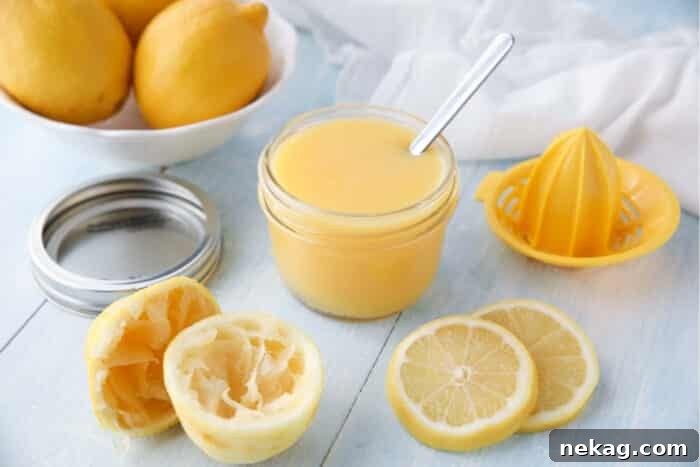
Refrigerated lemon curd keeps up to one month in an airtight container or sealed jar. It can also be frozen up to one year in a freezer-safe container; thaw in the refrigerator for about 24 hours before using.
Lemon Curd
Ingredients
- 3 large egg yolks (no whites)
- 3/4 cup (150 g) granulated sugar
- 1 Tbsp lemon zest (about 2 lemons)
- 3/4 cup (177 g) lemon juice (about 2–3 lemons)
- 1/2 cup (113 g) unsalted butter (1 stick), cut into cubes
Equipment
- Zester
- Juicer
- Fine mesh strainer
- Whisk and silicone spatula
Instructions
- Place egg yolks in a large heat-safe bowl and set aside.
- In a medium saucepan over medium-low heat, stir sugar, lemon zest, lemon juice and cubed butter until butter melts and the mixture begins to simmer.
- Once simmering, temper the egg yolks by very slowly pouring a small stream of the hot lemon mixture into the yolks while whisking constantly until combined.
- Return the combined mixture to the saucepan and cook over low heat, stirring continuously with a spatula or whisk until thickened and small bubbles appear on the surface, about 15 minutes.
- When thick and just boiling, remove from heat and press the curd through a fine mesh sieve into a clean container. Cool to room temperature, then refrigerate. The curd will continue to thicken as it cools.
Notes
- If the curd boils too soon and doesn’t thicken: mix 2 tsp cornstarch with 2 tsp cold water or cold lemon juice to make a slurry. Whisk the cold slurry into the hot curd and bring to a gentle boil while whisking; it will thicken quickly.
- Store lemon curd in the refrigerator up to one month or freeze up to one year. Thaw in the refrigerator for 24 hours before using.
- Yield: about 1 1/2 cups.
Nutrition
Disclaimer: Nutritional values are estimations only.
Sharing this recipe with a link is encouraged. Content and photographs are copyright protected.
*Originally published 5/6/14. Updated 1/8/21.