
*Disclaimer: I received a complimentary bag of King Arthur Flour, which inspired this comprehensive article. All perspectives and opinions expressed herein are entirely my own and reflect my genuine experience.
Discovering the King Arthur Flour Difference: A Journey into Quality Baking
For many home bakers, King Arthur Flour is a name synonymous with quality, often spotted on supermarket shelves or mentioned in beloved recipes. My own journey with King Arthur Flour began similarly, through casual observations in the baking aisle and discovering their highly-rated recipes on Pinterest. Over time, I’ve been consistently impressed, finding great success with several of their inspired creations, including a delightful Apple Slab Pie, an indulgent Chocolate Roulade with Whipped Peanut Butter Filling, and a comforting Cinnamon Chip Bread.
My connection to this esteemed brand deepened when I participated in a special “April Showers Bring May… Flour?” giveaway. I was incredibly fortunate to receive a bag of their premium flour for my personal use, an experience that truly solidified my appreciation for the brand.
Why King Arthur Flour Stands Out in the Baking World
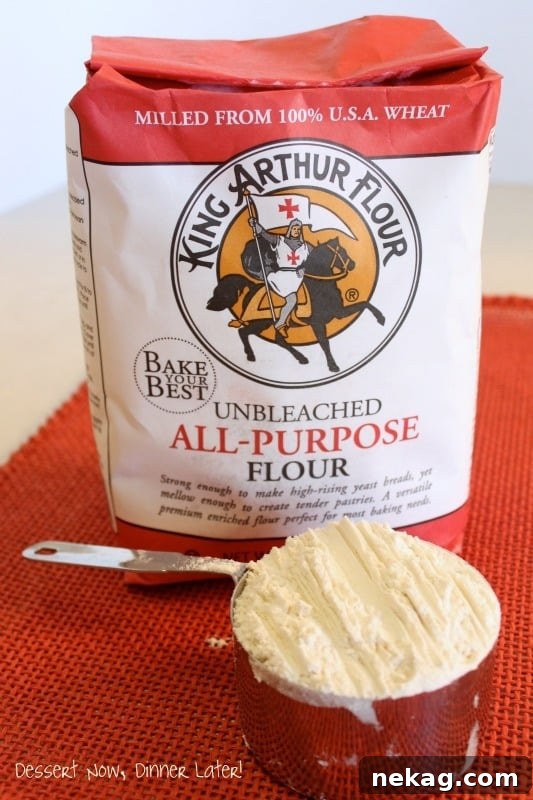
Naturally, I was eager to put the flour to the test. I had always pondered whether its slightly higher price point, compared to other brands of the same weight, was truly justified by a noticeable difference in quality. As I delved into the packaging, I was not only pleasantly surprised but genuinely impressed by the information I uncovered. King Arthur Flour proudly states that it is “always unbleached” and “never contains any unnecessary chemicals or additives.” This commitment to purity immediately resonated with me, reinforcing the belief that some companies prioritize the integrity and quality of the products they offer to consumers.
This dedication translates directly into a flour of exceptional quality. Its versatility is remarkable, proving perfect for a wide array of baked goods, from delicate cookies and hearty breads to fluffy cakes, cupcakes, and flaky pastries. What truly sets King Arthur Flour apart, however, isn’t just the product itself, but the extensive ecosystem of resources they provide, born from over two centuries of unparalleled baking experience. This rich heritage ensures that every baker, from novice to expert, has access to the support needed for successful baking endeavors:
- KINGARTHURBAKING.COM: More than just a website, this online hub is a treasure trove for bakers. It offers a vast collection of trusted recipes, invaluable baking tips, and comprehensive tutorials, often accompanied by helpful videos. Beyond recipes, it’s a premier destination for online shopping, featuring an impressive selection of baking ingredients, specialized pans, convenient mixes, essential kitchen tools, and an expanding range of gluten-free options. It’s truly a one-stop shop that caters to every baking need.
- THE BAKING HOTLINE: Imagine having direct access to a team of seasoned baking experts whenever you encounter a culinary conundrum. King Arthur Flour’s baking hotline provides precisely that – a direct line to experienced bakers who can offer personalized advice and troubleshooting tips. Whether you prefer to call for immediate assistance or chat live online, this service exemplifies their commitment to superior customer support and ensures that no baking question goes unanswered.
- BAKING EDUCATION CENTER: For those who thrive on hands-on learning, the Baking Education Center in Norwich, Vermont, offers immersive baking instruction. Attending a class there would undoubtedly be an incredibly fun and enriching experience, providing an opportunity to refine skills, learn new techniques, and connect with fellow baking enthusiasts in a dedicated, professional environment.
This revelation about their commitment to quality and extensive resources has profoundly impacted my consumer habits. I now find myself reading product labels more often, driven by a desire to support companies that genuinely care about their customers and are invested in ensuring their success. It’s a simple thought, but one that encourages a deeper connection between baker and brand.
Crafting Perfect Homemade English Muffins with King Arthur Flour
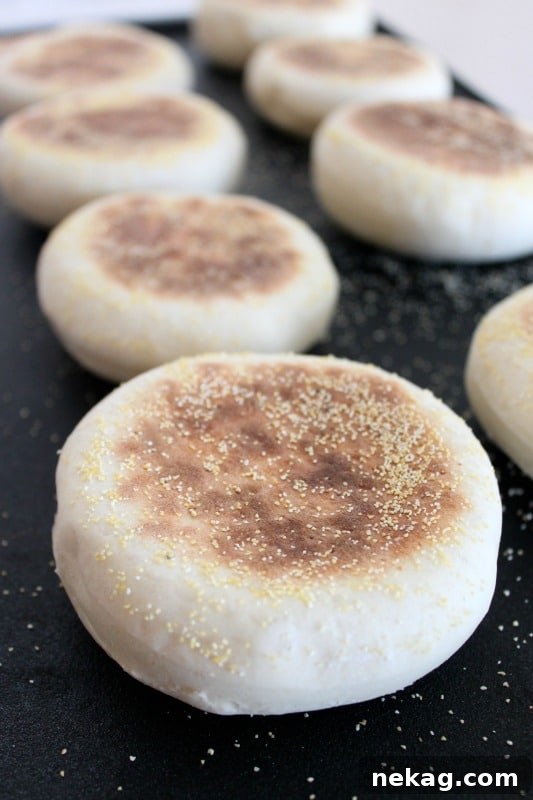
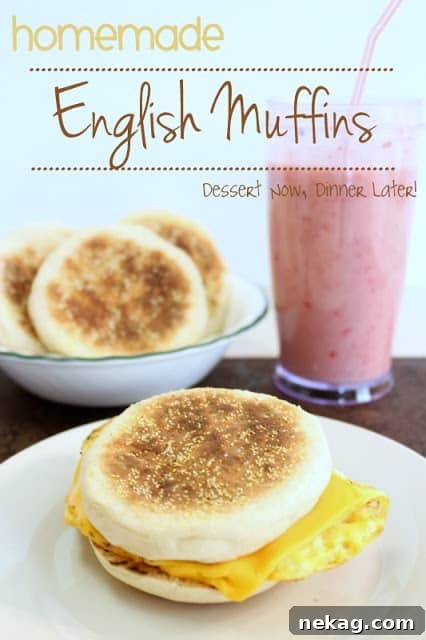
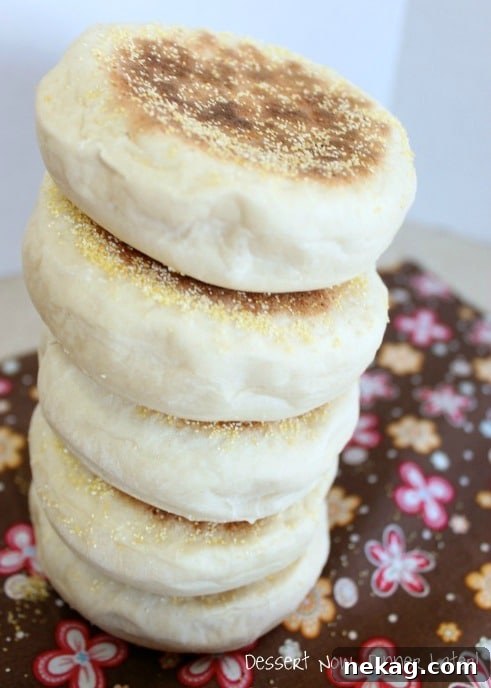
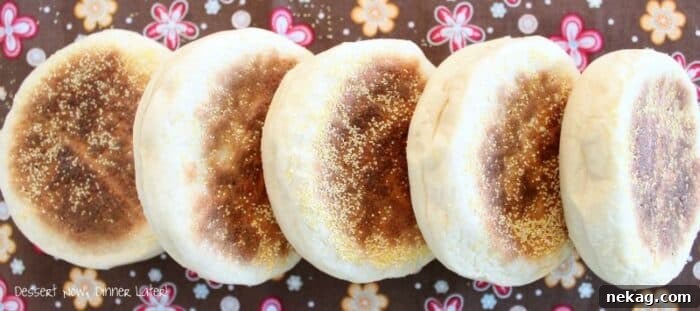
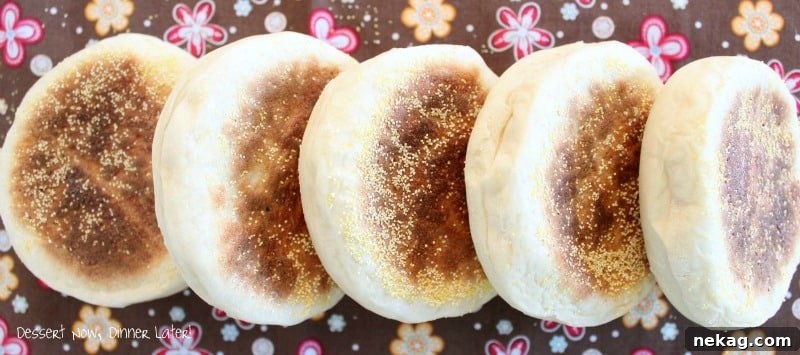
Now, let’s turn our attention to the star of today’s post: these incredible homemade English muffins. Using King Arthur Flour, I discovered just how surprisingly easy it is to create these breakfast staples from scratch. The results were so impressive that my husband genuinely mistook them for store-bought, a testament to their perfect shape and texture!
The King Arthur Flour performed exceptionally well throughout the baking process. While I can’t definitively pinpoint the exact reason, I noticed that I seemed to require less flour when rolling out the dough and during the initial mixing stages. This could be attributed to my living at a higher elevation, which sometimes affects baking, or, more likely, it speaks volumes about the superior quality and consistency of King Arthur Flour. Its finely milled texture and consistent protein content likely contribute to better hydration and gluten development, resulting in a more manageable and less sticky dough.
Ultimately, King Arthur Flour’s passion for delivering products that yield outstanding results was evident in every bite of these English muffins. They were perfectly soft, wonderfully chewy, and simply pure perfection. The characteristic nooks and crannies that make English muffins so beloved were abundant, ready to soak up butter, jam, or any other delicious spread. This experience further solidified my trust in King Arthur Flour as a go-to brand for all my baking needs. I wholeheartedly encourage you to explore some of the many King Arthur Flour recipes available online or browse their website for a wide array of fascinating kitchen gadgets and premium baking supplies.
Homemade English Muffins
Pin
Ingredients
- ½ cup (118 ml) 2% milk
- 2 Tbsp (28 g) butter
- ½ cup (118 ml) warm water
- 1 ½ tsp rapid rise yeast
- 1 ½ Tbsp granulated sugar
- 1 tsp salt
- 2 ¾ to 3 cups (330-360 g) King Arthur Flour All-Purpose Flour, (stir, spoon & level)
- 1-2 Tbsp cornmeal
Instructions
-
Gently heat the milk and butter in a saucepan or microwave just until the butter is melted. Transfer to the fridge to cool until it is merely warm, not hot. This ensures it won’t kill the yeast.
-
While the milk cools, in a separate bowl, dissolve the rapid rise yeast and granulated sugar into ½ cup of warm water. Allow this mixture to sit undisturbed for about 5 minutes, or until it becomes bubbly and frothy, indicating the yeast is active.
-
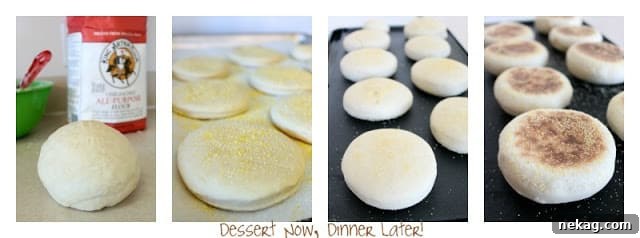
Combine the cooled milk mixture with the activated yeast mixture. Stir in the salt, then gradually add the King Arthur All-Purpose Flour, a little at a time, until the dough comes together and forms a ball. Turn the dough out onto a lightly floured surface. With hands lightly greased with oil, knead the dough for approximately 5 minutes. The dough should become smooth and elastic, indicating that the gluten has properly developed. Cover the dough with a clean kitchen towel and let it rest for 10 minutes.
-
Prepare a baking sheet by lining it with parchment paper and sprinkling it generously with cornmeal. On a lightly floured surface, roll out the rested dough to a thickness of about ½ inch. Using a round cookie or biscuit cutter (approximately 3-4 inches in diameter), cut out circles from the dough. Carefully transfer these dough circles to the cornmeal-sprinkled parchment paper, ensuring they are not touching. Gather any dough scraps, gently re-roll them, and cut out more circles until all the dough is used. Sprinkle the tops of the cut muffins with additional cornmeal, cover with a towel, and let them rise in a warm place for about 45 minutes, or until they have visibly doubled in size.
-
Heat a heavy, non-stick skillet or griddle over low to medium-low heat (do NOT add any grease or cooking spray). Carefully place the risen English muffins onto the hot skillet, ensuring not to overcrowd it. Cook for 6-8 minutes per side, until they are beautifully golden brown and cooked through. The low heat is crucial to allow them to cook internally without burning the exterior. Once cooked, transfer the English muffins to a wire rack to cool completely. Once cooled, split them open with a fork to reveal their signature nooks and crannies. Serve immediately with your favorite spreads. (I personally love to toast mine after splitting for an extra crispy texture!)
Notes
Baking Tips for Success:
- For consistently perfect English muffins, ensure your water temperature for yeast activation is between 105-115°F (40-46°C).
- Don’t skip the kneading step; it’s essential for developing the gluten structure that gives English muffins their chewy texture.
- The cornmeal is crucial for preventing sticking and contributing to the traditional English muffin texture and flavor, so don’t be shy with it!
- Cooking on low heat is key. Patience here will result in thoroughly cooked muffins with a lovely golden crust.
Sharing this recipe with a link is both encouraged and appreciated. Copying/pasting and/or screenshots of full recipes to any social media is strictly prohibited. Content and photographs are copyright protected.