
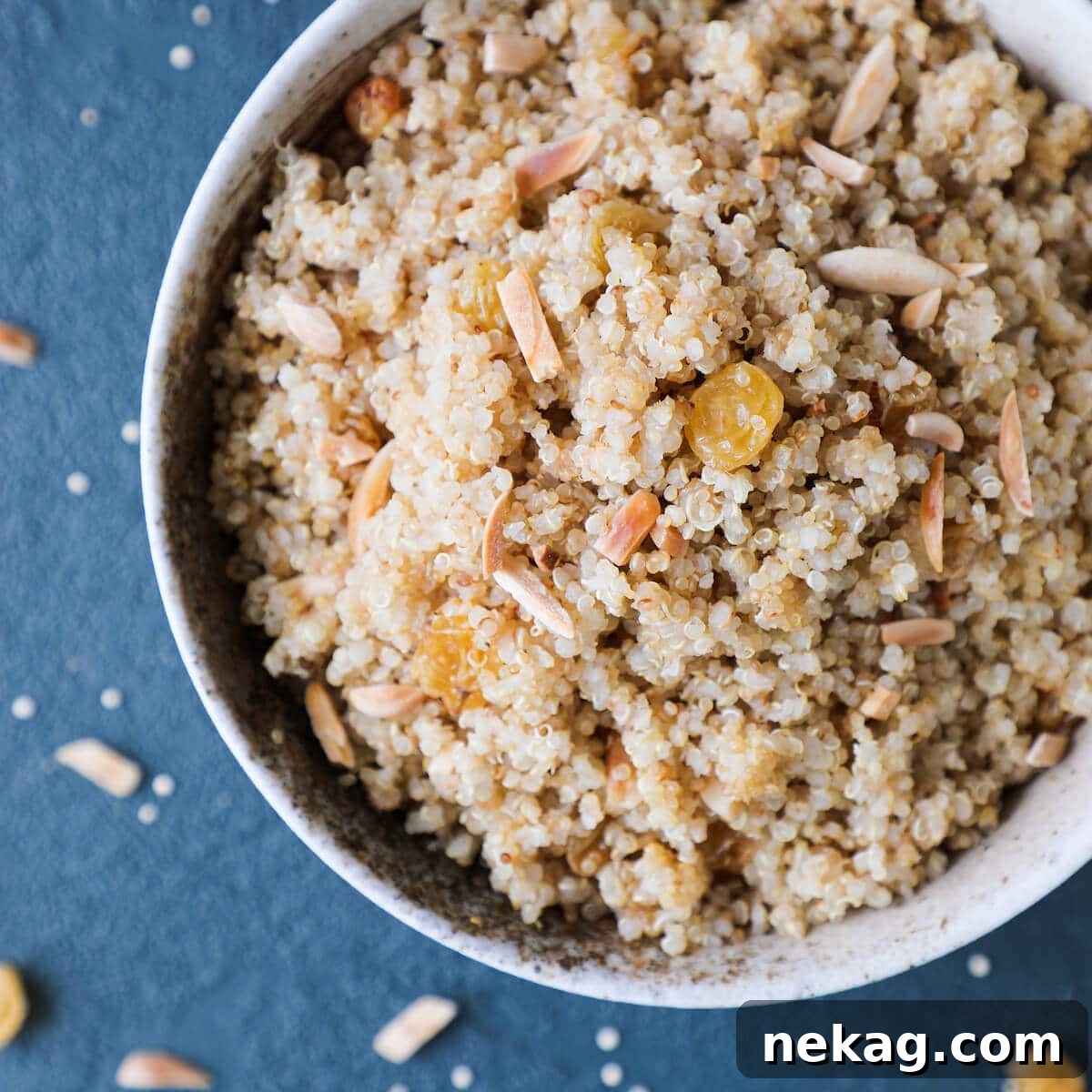
Quinoa Pilaf is an incredibly flavorful, effortlessly quick, and supremely nutritious twist on the classic rice pilaf. It masterfully adapts the traditional preparation method – which involves butter-toasted grains and aromatic spices cooked in a rich broth – to the versatile, high-protein, and naturally gluten-free grain: quinoa. This easy side dish is not merely delicious; it’s a healthy powerhouse that complements a wide array of main courses, making it an indispensable component in any health-conscious kitchen. Imagine perfectly fluffy quinoa, each delicate grain infused with savory spices and the profound depth of homemade chicken broth, creating a side that is both comforting and elegantly sophisticated. It’s a dish that promises rich flavors without compromising on health or ease of preparation.
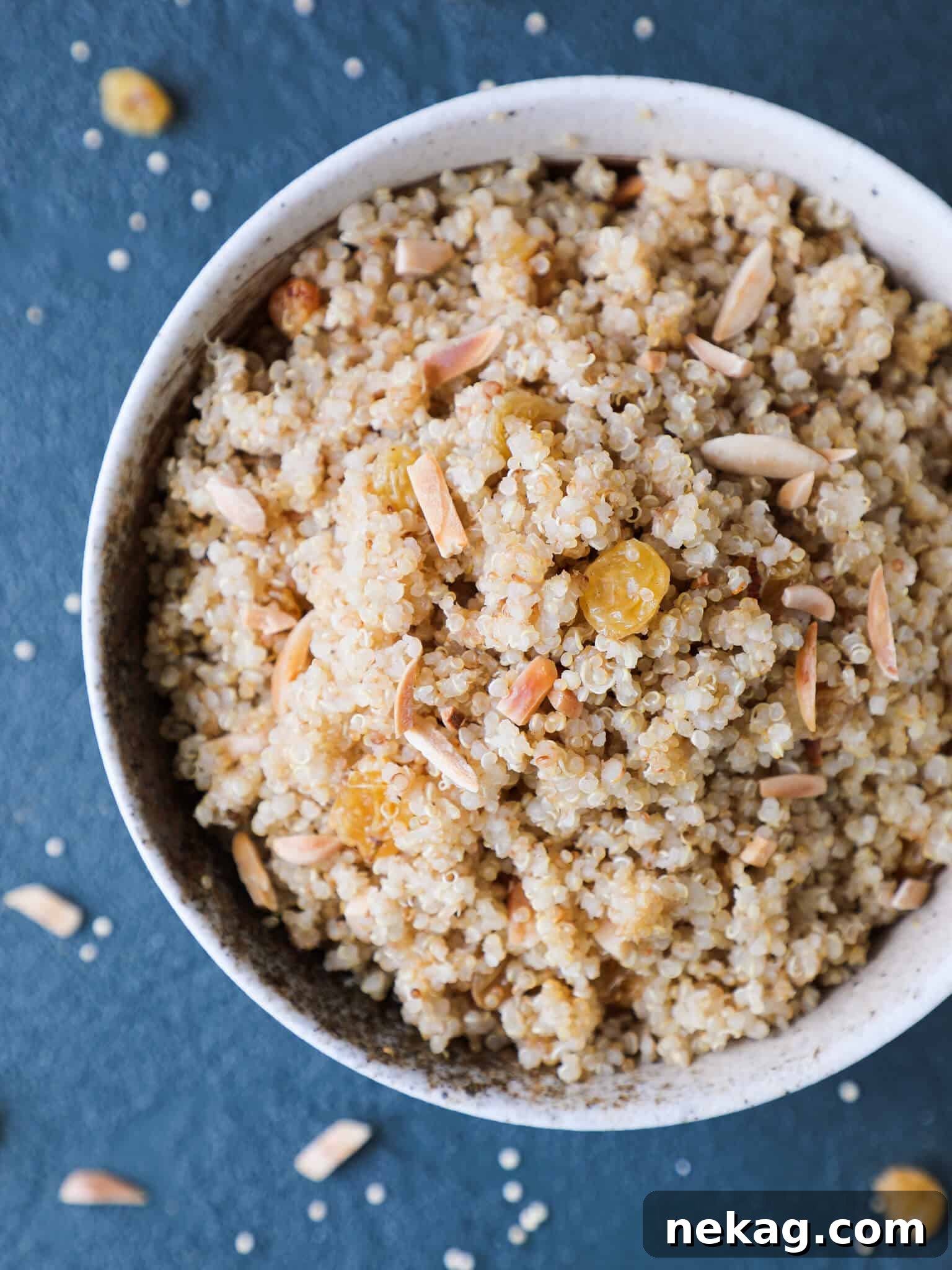
The beauty of this accessible side dish lies in its simplicity and the depth of flavor achieved through a few key techniques. Quick-cooking quinoa grains are initially toasted in melted butter, a crucial step that unlocks their inherent nutty flavor and contributes to a wonderfully distinct, non-clumping texture. Following this, the toasted quinoa is gently simmered with a carefully selected blend of whole spices in a flavorful liquid base. While the richness of chicken broth offers an unparalleled savory depth, you can effortlessly opt for vegetable broth to create a delightful vegan or vegetarian variation without sacrificing taste. This particular recipe became a cherished staple in my kitchen after I prepared it for a friend who had just welcomed her beautiful baby boy, serving it alongside a succulent lemon roasted chicken and a colorful sheet pan roasted summer squash. It was a wholesome, comforting, and nourishing meal designed to offer both flavor and ease to a new mother.
The remarkable versatility of this Aromatic Quinoa Pilaf truly shines when it’s paired with an extensive range of main courses. It proves to be an absolutely phenomenal accompaniment to robust dishes like savory Spicy Peach Pork Chops, the refreshing crunch of a Healthy Creamy Coleslaw, or even a lightened-up rendition of Healthy Beef Stroganoff. The quinoa, with its impressive ability to absorb rich sauces and complementary flavors, acts as the perfect canvas, seamlessly pulling diverse elements of a meal together into a harmonious and deeply satisfying experience. Beyond its role as a fresh side, this recipe is perfectly suited for efficient meal prepping. I frequently prepare it in generous batches, cleverly transforming it throughout the week into exciting new dishes such as a vibrant and hearty chickpea quinoa Greek salad, a nutrient-dense kale power bowl, or a refreshing roasted vegetable quinoa salad. Its adaptable nature makes it an indispensable, healthy, and flavorful component of any mindful cook’s kitchen arsenal.
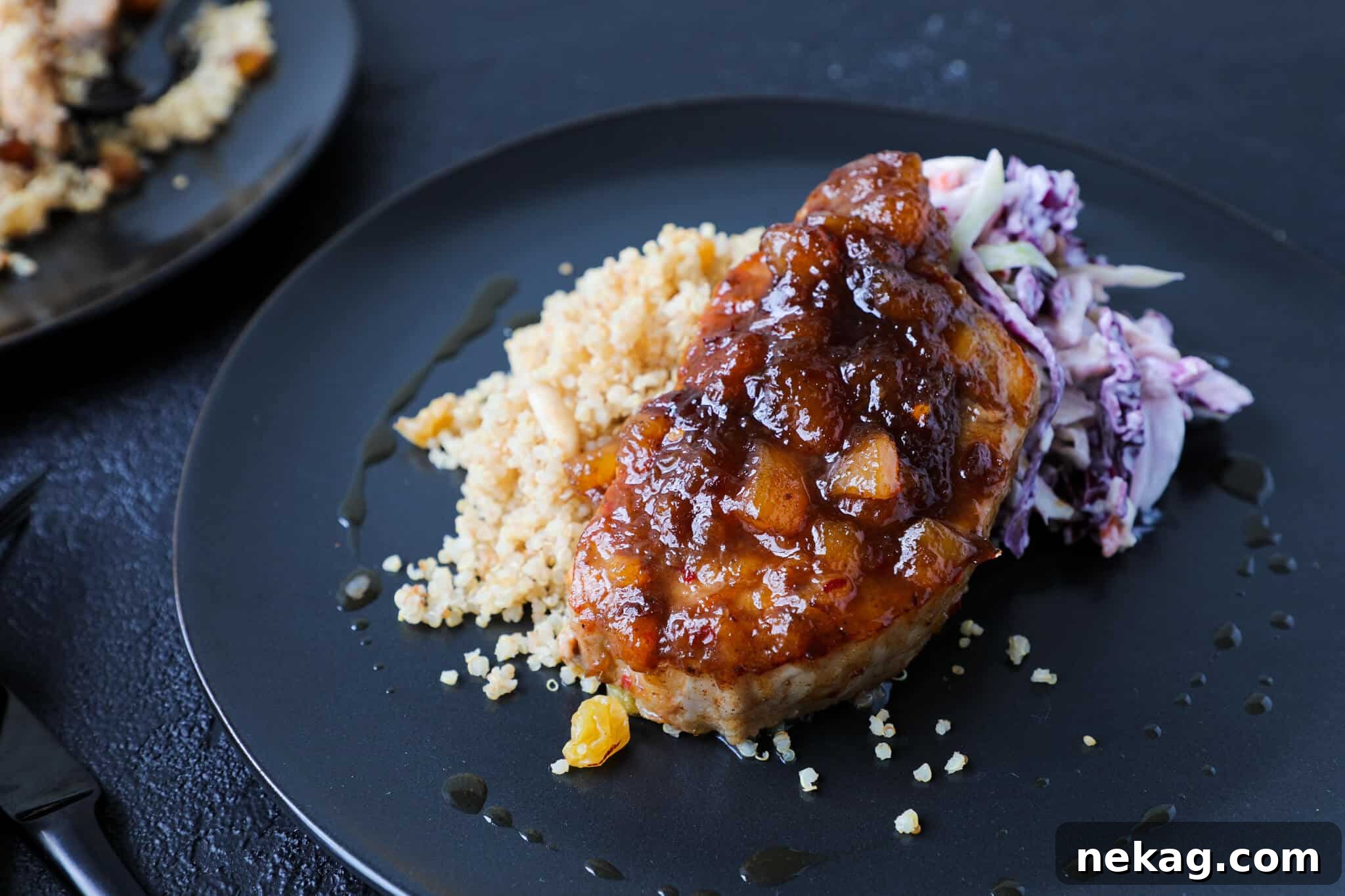
Table of Contents
- What Defines a Pilaf? Understanding the Traditional Technique
- The Essence of Quinoa Pilaf: A Healthy & Flavorful Alternative
- Key Ingredients for Perfect Quinoa Pilaf: Building Layers of Flavor
- How to Make Aromatic Quinoa Pilaf: Step-by-Step Excellence
- Delicious Variations of Quinoa Pilaf: Customizing Your Dish
- Serving Suggestions for Quinoa Pilaf: Versatility on Your Plate
- Aromatic Quinoa Pilaf Recipe Card
- Expert Tips for Quinoa Perfection
- Before You Go!
What Defines a Pilaf? Understanding the Traditional Technique
At its heart, a pilaf refers to a traditional culinary technique, typically applied to grains like rice, where the primary grain undergoes a transformative process. The fundamental secret to an exquisite pilaf lies in first toasting the dry grains – whether it’s rice, barley, or in our case, quinoa – in butter or oil. This initial, often overlooked, step is absolutely crucial. It serves multiple, vital purposes: it gently seals the exterior of each grain, which helps to prevent them from becoming clumpy or mushy during cooking, thus ensuring a beautifully distinct and fluffy texture. More importantly, this toasting process deeply enhances the natural, nutty flavor of the grain, creating a foundational layer of taste before any liquid is introduced. Following this careful toasting, the grains are then simmered in a savory stock or broth, often infused with whole spices, herbs, and sometimes finely diced vegetables. This meticulous layering of flavors, from the initial butter-toasting to the slow infusion of aromatic spices during simmering, elevates a seemingly simple grain into a truly satisfying, aromatic, and delicious side dish. It’s this thoughtful approach and the development of flavor from the ground up that makes a pilaf stand out, offering a much richer and more complex taste experience compared to merely boiled grains.
The Essence of Quinoa Pilaf: A Healthy & Flavorful Alternative
Taking profound inspiration from the time-honored pilaf tradition, I’ve masterfully applied this revered method to quinoa, creating a dish that brilliantly marries ancient culinary wisdom with modern nutritional needs and dietary preferences. While traditional rice pilaf is undeniably delicious and comforting, our Quinoa Pilaf brings a host of additional and compelling benefits to the table. Quinoa, frequently lauded as a “superfood,” is not just a grain; it’s a complete protein, meaning it naturally contains all nine essential amino acids necessary for human health, a rarity in the plant kingdom. Furthermore, it’s naturally gluten-free, making it an outstanding and safe choice for those with celiac disease or gluten sensitivities, as well as anyone actively seeking wholesome, nutritious, and whole-grain options. My specific process involves carefully toasting the raw quinoa grains in fragrant, bubbling butter until they achieve a subtle golden hue and begin to release a delicate, yet distinct, nutty aroma. They are then gently simmered to perfection in a rich chicken stock – or, for a plant-based option, a high-quality vegetable broth – creating a deeply satisfying and nourishing base that is incredibly flavorful.
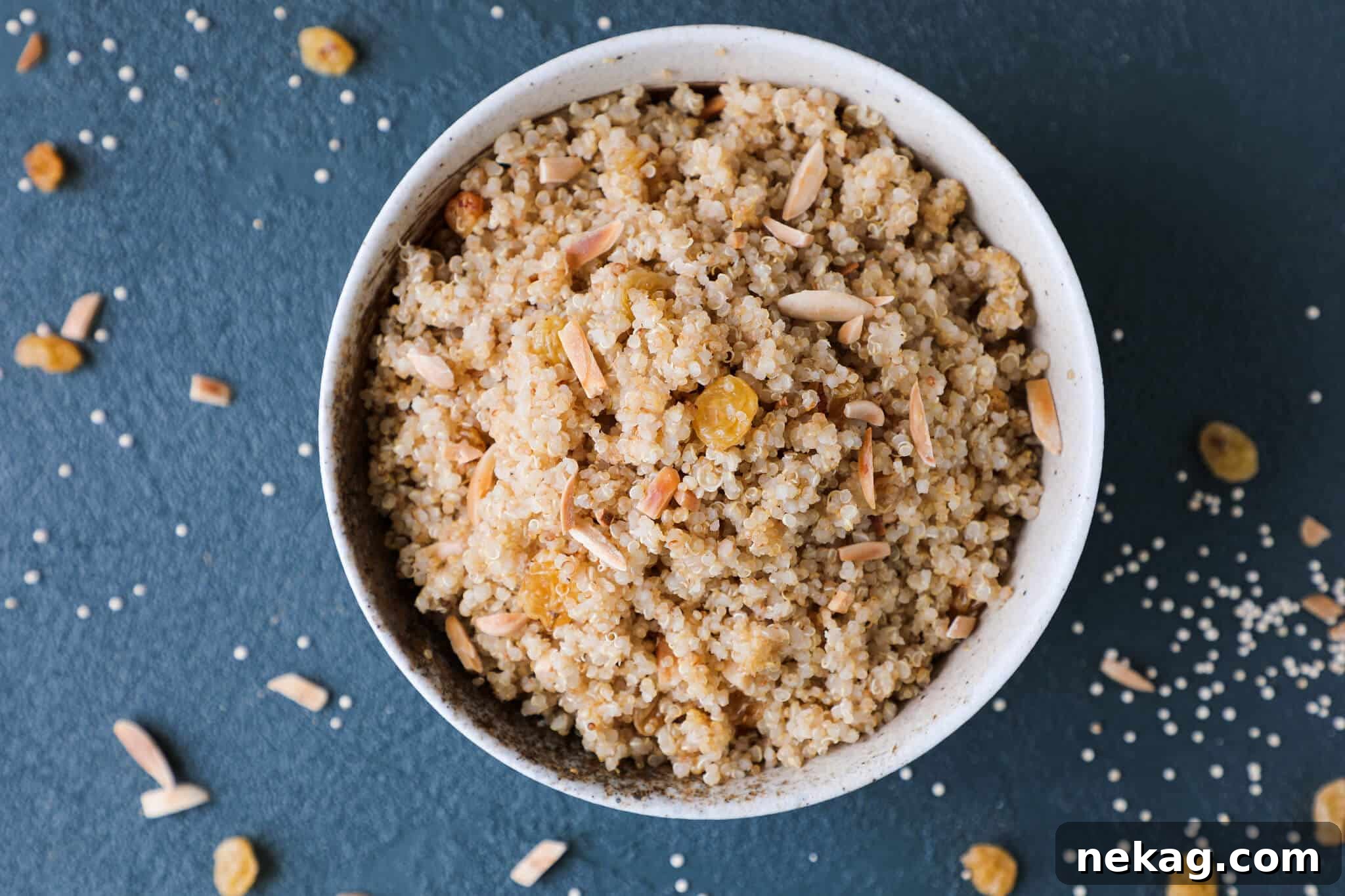
What truly elevates this Quinoa Pilaf from a simple side to an extraordinary culinary experience are the whole aromatic spices we incorporate: a wonderfully fragrant cinnamon stick, a classic and subtly earthy bay leaf, and a few exquisite, gently crushed cardamom pods. These spices are added whole, a deliberate choice that allows their complex flavors and essential oils to gently and gradually infuse the cooking liquid, and subsequently the quinoa itself, throughout the simmering process. This slow infusion results in an incredibly aromatic, protein-rich, and immensely flavorful dish that is both exotic and deeply comforting. The subtle, warming sweetness from the cinnamon, the herbaceous depth from the bay leaf, and the bright, almost citrusy, yet earthy notes from the cardamom pods collectively create a harmonious and multifaceted flavor profile that will delight your palate. This isn’t just a side dish; it’s a flavorful journey and a wholesome experience rolled into one.
Key Ingredients for Perfect Quinoa Pilaf: Building Layers of Flavor
Crafting an exceptional Quinoa Pilaf begins with a thorough understanding of the specific role each ingredient plays in the overall flavor, texture, and aroma of the final dish. Here’s a detailed breakdown of what you’ll need and the precise reason behind each choice:
- Unsalted Butter: I always advocate for the use of unsalted butter in cooking. This critical choice gives you absolute and precise control over the seasoning, allowing you to achieve the perfect balance of flavors without any worries about an inadvertent excess of saltiness. The butter is paramount for the initial toasting of the quinoa, imparting a rich, foundational taste that sets the stage for the rest of the flavors. For those adhering to a vegan diet, a high-quality, plant-based vegan butter substitute can be used with equally delicious results.
- Quinoa (Uncooked): The undisputed star of our culinary creation! While I typically gravitate towards white quinoa due to its consistently milder flavor and its tendency to cook up into a fluffier texture, I wholeheartedly encourage you to experiment. Don’t hesitate to try red quinoa or even the visually striking tri-color quinoa, both of which offer a slightly chewier bite and add a beautiful aesthetic appeal to your pilaf. A simple, yet golden, rule for cooking quinoa is easy to remember: for every one cup of uncooked quinoa, you will require two cups of cooking liquid. Crucially, always remember to rinse your quinoa thoroughly under cold running water before cooking to remove saponins, a natural coating that can otherwise impart an undesirable bitter taste to your finished dish.
- Chicken Broth: The choice of liquid base is absolutely paramount for cultivating a truly flavorful pilaf. While you can certainly achieve excellent results using a good quality vegetable broth for a vegetarian or vegan iteration, it’s fair to say that nothing quite compares to the profound depth, richness, and savory complexity offered by a robust homemade chicken broth. It truly infuses the quinoa with an unparalleled savory goodness, elevating the entire dish.
- Bay Leaf: One of the subtle wonders of the bay leaf is its remarkable versatility; both fresh and dried varieties can be used interchangeably in this recipe. They impart a delicately savory, almost herbaceous and earthy flavor that is incredibly difficult to pinpoint directly, yet undeniably adds a crucial layer of complexity to the overall taste profile. You’ll often find that its absence is more noticeable than its subtle presence, making it an essential, quiet background player in the symphony of flavors.
- Cinnamon Stick: Whole cinnamon sticks are unequivocally preferred over ground cinnamon for this pilaf. This specific choice allows for a gentle, gradual, and nuanced infusion of cinnamon flavor throughout the cooking process. This prevents the spice from overwhelming the delicate balance of the dish, instead offering a warm, subtly sweet undertone that beautifully complements and enhances the other aromatic components. For its full potential, the cinnamon stick truly needs to be cooked directly in the liquid to fully release its fragrant essential oils.
- Cardamom Pods: I confess a particular fondness for white cardamom pods, prized for their exquisitely delicate and floral notes. However, green cardamom, which is generally more accessible and easier to locate in most grocery stores, is just as fragrant and equally effective in contributing its unique flavor profile. If your only option is to use ground cardamom or cardamom seeds, I advise extreme caution and sparingly, as their flavor is considerably more concentrated and intense. Gently crushing the pods slightly with the back of a knife or spoon before adding them to the pot can significantly help in releasing their full aromatic potential.
- Kosher Salt: Kosher salt is generally less dense and therefore less salty by volume compared to standard table salt. This characteristic makes it considerably easier to control the seasoning precisely and prevents the undesirable outcome of a dish tasting flat or under-seasoned. It is absolutely essential for enhancing and harmonizing all the other wonderful flavors present in the pilaf.
- Golden Raisins: These sweet, plump little gems (golden raisins) offer a truly delightful and welcome counterpoint to the savory and earthy notes of the spices and quinoa. They are distinctly a touch sweeter and fruitier than their darker counterparts, providing a lovely, bright sweet note that beautifully balances the overall flavor profile of the pilaf. Their soft texture also adds a pleasant chewiness.
- Slivered Almonds (Toasted): Toasted slivered almonds contribute a highly desirable textural contrast with their satisfying crunch. Moreover, they add a delicate, earthy, and nutty flavor that perfectly complements the hearty quinoa and the warm, aromatic spices. The key here is to toast them beforehand; this simple step significantly enhances their natural flavor and crunch, making them an indispensable topping.
How to Make Aromatic Quinoa Pilaf: Step-by-Step Excellence
Creating this deeply flavorful and aromatic Quinoa Pilaf is a wonderfully straightforward process that consistently yields impressive and delicious results. By following these simple, detailed steps, you can achieve a perfect batch of fluffy, fragrant quinoa pilaf every single time:
- Prepare Your Quinoa: Begin by placing your uncooked quinoa into a fine-mesh sieve. Thoroughly rinse the quinoa under cold running water for at least 1-2 minutes, stirring it with your hand or a spoon, until the water draining from beneath the sieve runs completely clear. This crucial step effectively removes the natural bitter saponin coating, ensuring your pilaf tastes clean, sweet, and utterly delicious. Once rinsed, shake off as much excess water as possible and drain well.
- Toast the Quinoa: In a medium-sized sauce pot, melt one tablespoon of unsalted butter over a medium-low heat. Once the butter is melted and slightly shimmering, add the rinsed and well-drained quinoa to the pot. Toast the quinoa, stirring it frequently with a wooden spoon or spatula, for approximately 3-5 minutes, or until most of the quinoa grains begin to turn a very light golden brown and you can detect a distinctly nutty, toasted aroma. It is perfectly normal for some quinoa grains to inevitably pop during this toasting stage, so don’t be alarmed. This initial toasting step is absolutely crucial for developing a richer flavor profile and ensuring the final cooked quinoa has a wonderfully fluffy, separated texture, rather than being sticky or mushy.
- Add Liquids and Spices: With care, pour in the 2 cups of chicken broth (or your chosen vegetable broth) into the pot with the toasted quinoa and stir gently to combine all ingredients. Immediately add the whole bay leaf, the cinnamon stick, and the gently crushed cardamom pods to the pot, ensuring they are submerged in the liquid. Increase the heat to medium and bring the mixture to a full, rolling boil.
- Simmer to Perfection: As soon as the liquid comes to a boil, promptly reduce the heat to its lowest setting. Cover the pot tightly with a lid, creating a seal to trap the steam. Allow the quinoa to simmer undisturbed for approximately 15-20 minutes, or until all of the liquid has been completely absorbed by the quinoa. You will know the quinoa is perfectly cooked when the individual grains appear plump and translucent, and you can visibly see the tiny “tails” (the germ of the seed) that have separated, giving them a light, airy, and fluffy appearance.
- Rest and Fluff: Once the cooking time is complete, remove the pot from the heat but keep it covered. Let it stand, undisturbed, for an additional 5 minutes. This vital resting period allows the quinoa to steam gently in its own residual heat, which helps it become even fluffier and ensures even moisture distribution. After resting, carefully remove and discard the whole spices (the bay leaf, cinnamon stick, and cardamom pods). Then, gently fluff the quinoa with a fork to separate the grains.
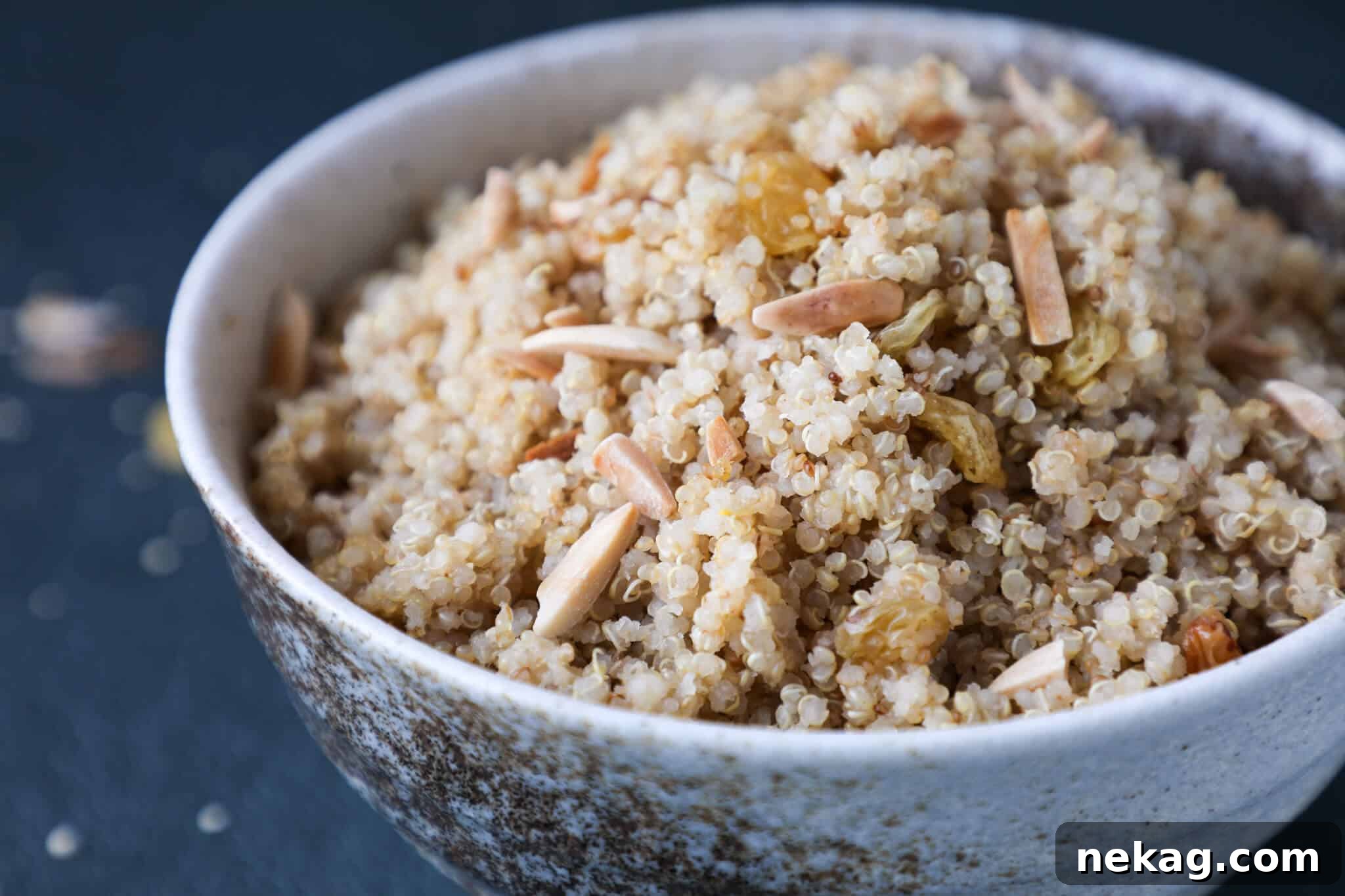
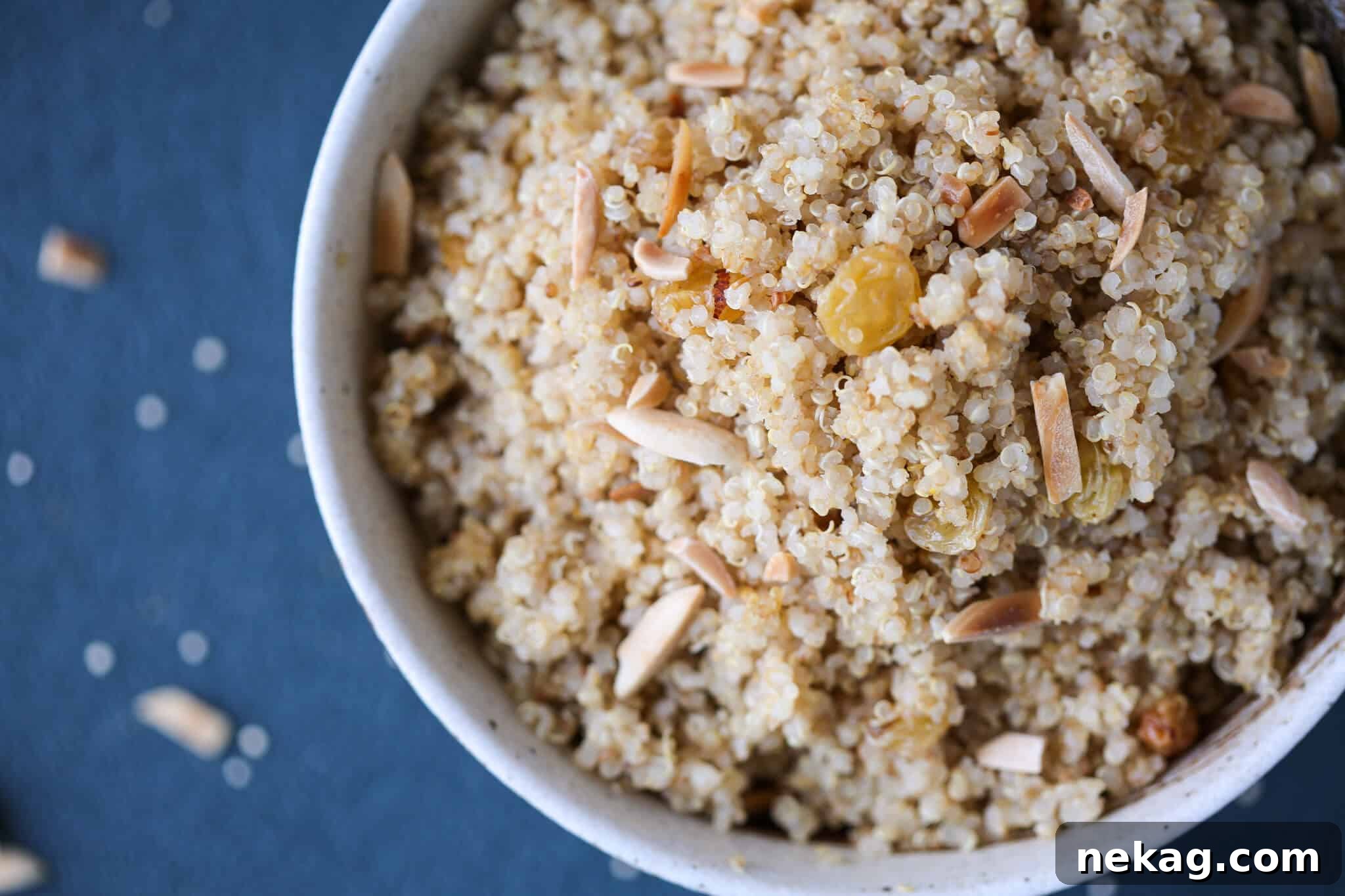
- Finish and Serve: Gently stir in the golden raisins and the toasted slivered almonds, distributing them evenly throughout the pilaf. Transfer the fragrant Aromatic Quinoa Pilaf to a serving bowl. Serve it hot as an incredible, standalone side dish, or integrate it into your favorite main courses and meal preparations. Enjoy the rich flavors and wholesome goodness!
Delicious Variations of Quinoa Pilaf: Customizing Your Dish
The inherent beauty of Quinoa Pilaf lies not only in its core recipe but also in its remarkable adaptability. Once you’ve mastered the basic preparation, the opportunities for culinary creativity and customization are virtually endless. Here are a few popular and inspiring variations that can transform your basic Quinoa Pilaf into something truly unique, catering to different tastes and dietary needs:
- Vegetarian Quinoa Pilaf: To effortlessly create a delicious and wholesome vegetarian version of this pilaf, the modification is simple yet effective. You merely need to swap the chicken broth for an equal amount of a high-quality, flavorful vegetable broth. All other ingredients and steps in the recipe remain precisely the same, yielding a savory, protein-packed side dish that is perfectly suited for any meatless meal. For an even quicker and more convenient preparation, especially when short on time, consider adapting this recipe for an instant pot, much like this efficient instant pot rice pilaf technique.
- Vegan Quinoa Pilaf: Building upon the vegetarian foundation, you can easily make your Quinoa Pilaf entirely vegan. This involves two key adjustments: first, omit the dairy butter entirely, or, for an even richer flavor and texture, use a plant-based vegan butter substitute for the initial toasting step. Second, ensure you substitute the chicken stock with an equally robust vegetable stock. With these simple changes, you’ll have a wholesome, flavorful, and completely plant-based main or side dish that caters to a vegan lifestyle.
- Moroccan Quinoa Pilaf: Embark on a culinary journey to North Africa by transforming this pilaf into a Moroccan-inspired delight. To achieve this, you will omit the traditional whole spices (cinnamon stick, bay leaf, cardamom pods) from the base recipe. Instead, generously season the quinoa during the toasting phase with the complex and incredibly fragrant Moroccan spice blend known as ras el hanout. This intricate blend typically includes a harmonious mix of spices such as ginger, turmeric, cumin, coriander, and sometimes even exotic additions like rose petals, offering a deep, earthy, and highly aromatic profile. For a characteristic touch of sweet and tangy contrast, replace the golden raisins with an equal amount of finely chopped dried apricots or succulent dates, both of which are staples in authentic Moroccan cuisine.
- Mediterranean Quinoa Pilaf: Infuse your pilaf with the fresh, vibrant, and sun-kissed flavors characteristic of the Mediterranean diet. After the quinoa has fully cooked and been fluffed, stir in a generous amount of crumbled feta cheese, a handful of freshly chopped parsley, briny Kalamata olives, and savory sun-dried tomatoes (either oil-packed or rehydrated). A final squeeze of fresh lemon juice just before serving brightens all the flavors and adds a zesty finish.
- Southwestern Quinoa Pilaf: Give your versatile pilaf a lively Tex-Mex or Southwestern twist. Replace the traditional whole spices with a robust blend of ground cumin, chili powder, and a smoky pinch of smoked paprika during the toasting stage. Once the quinoa is cooked, gently fold in cooked black beans, sweet corn kernels (fresh or frozen), finely diced bell peppers (any color), and a generous amount of freshly chopped cilantro. A dollop of your favorite salsa or a refreshing squeeze of fresh lime juice can make this version incredibly vibrant and zesty.
- Herbed Quinoa Pilaf: For a simpler, yet incredibly fresh and aromatic approach, enhance your pilaf with an abundance of fragrant fresh herbs. After the quinoa has cooked and been properly fluffed, stir in generous amounts of finely chopped fresh parsley, delicate dill, cooling mint, or pungent chives. This particular variation is exceptionally refreshing, especially during warmer months, and pairs exquisitely with grilled fish, roasted chicken, or light vegetable dishes. The fresh herbs provide a burst of verdant flavor and color.
Serving Suggestions for Quinoa Pilaf: Versatility on Your Plate
One of the most remarkable and appealing attributes of Quinoa Pilaf is its incredible versatility. It possesses the unique ability to stand as the flavorful star of your meal or serve as a humble, yet utterly essential, supporting act. Here are several creative and delicious ways to seamlessly incorporate this nutritious and aromatic dish into your regular culinary rotation:
- As a Hearty Grain Bowl Base: Elevate your next grain bowl by substituting the often plain, unseasoned grains with our flavorful quinoa pilaf. Its inherent aromatic profile and rich taste will instantly add an exciting and complex dimension to your bowl. Build layers of complementary flavors and textures around it with ingredients such as tender, savory rosemary chicken, beautifully caramelized roasted cauliflower, crisp mixed greens, and a sprinkle of creamy, crumbled feta cheese. Finish with a light, zesty vinaigrette for a wholesome, satisfying, and balanced meal. You can draw inspiration from the vibrant combinations found in a cherry burrata millet grain bowl and adapt them beautifully with quinoa.
- The Perfect Side Dish: Quinoa Pilaf truly shines in its role as a side dish, particularly when paired with saucy main courses. Its wonderfully fluffy texture and exceptional ability to absorb rich flavors make it an ideal companion to dishes like this succulent baked chicken and shallots, or a subtly sweet and savory pork chop. The pilaf effectively soaks up all the delicious pan juices and rich sauces, ensuring that every single bite is packed with flavor and that absolutely nothing goes to waste. Its aromatic profile also beautifully complements and enhances robust meat dishes, adding a layer of sophistication.
- A Fulfilling Vegetarian Entree: Easily transform Quinoa Pilaf into a substantial and incredibly satisfying vegetarian main dish. To do this, simply mix it with a vibrant medley of colorful roasted vegetables, such as tender broccoli florets, sweet bell peppers (red, yellow, or orange), tender zucchini, and juicy cherry tomatoes. For an extra boost of plant-based protein, add perfectly seared tofu or tempeh. Incorporate earthy mushrooms for a delightful umami depth. A bright, flavorful dressing or a generous sprinkle of fresh herbs can elegantly tie all these components together into a wholesome, nutritious, and deeply satisfying meal. For further inspiration, consider the vibrant combinations found in our roasted vegetables quinoa chopped salad.
- Breakfast Power Bowl: Don’t limit quinoa to lunch or dinner! Reheat any leftover Quinoa Pilaf and transform it into a savory, protein-packed breakfast power bowl. Top it with a perfectly fried or poached egg, creamy avocado slices, and a sprinkle of chili flakes for an invigorating and flavorful start to your day. The combination of protein, healthy fats, and fiber will keep you feeling full, focused, and energized until your next meal.
- Stuffed Vegetables: Utilize the flavorful Quinoa Pilaf as a gourmet, wholesome stuffing for various vegetables. It works wonderfully for bell peppers (red, yellow, or green), zucchini boats, or even large, meaty portobello mushrooms. You can mix the pilaf with a few breadcrumbs, additional fresh herbs, and a little cheese (if desired, for added richness) before baking until the vegetables are tender and the stuffing is golden and deliciously aromatic. This makes for an elegant and satisfying main course.
Aromatic Quinoa Pilaf
Comment
Print Recipe
Equipment
-
All Clad 3 qt Pot
-
OXO Good Grips 3-Piece Wooden Utensil Set
-
Pyrex 32oz Liquid Measuring Cup
Ingredients
- 1 tablespoon Butter unsalted (or vegan butter)
- 1 cup Quinoa uncooked, thoroughly rinsed
- 2 cups Chicken Broth or high-quality vegetable broth
- 1 Bay Leaf dried or fresh
- 1 Cinnamon Stick
- 6 Cardamom Pods gently crushed
- 1/8 teaspoon Kosher salt or to taste
- ¼ cup Golden Raisins
- ¼ cup Slivered Almonds toasted
Instructions
-
Rinse Quinoa: Thoroughly rinse the uncooked quinoa under cold water using a fine-mesh sieve until the water runs clear. This removes saponins which can cause bitterness. Drain well.
-
Toast Quinoa: In a medium sauce pot, melt 1 tablespoon of unsalted butter over medium-low heat. Add the rinsed and drained quinoa. Toast, stirring frequently, until the quinoa grains begin to brown slightly and release a nutty aroma. Some popping is normal.
-
Simmer with Broth and Spices: Pour in 2 cups of chicken broth (or vegetable broth) and stir well. Add the bay leaf, cinnamon stick, and gently crushed cardamom pods. Bring the mixture to a boil over medium heat.
-
Cook until Liquid Absorbed: Reduce the heat to low, cover the pot tightly, and simmer for 15 minutes, or until all the liquid has been absorbed and the quinoa appears plump with visible “tails.”
-
Rest and Fluff: Remove the pot from the heat and let it rest, covered, for 5 minutes. Remove the whole spices (bay leaf, cinnamon stick, cardamom pods). Fluff the quinoa with a fork.
-
Finish and Serve: Gently toss in the golden raisins and toasted slivered almonds. Transfer to a serving bowl and enjoy your aromatic Quinoa Pilaf while hot.
Video
Notes
Nutrition
Carbohydrates: 26g |
Protein: 6g |
Fat: 6g |
Saturated Fat: 2g |
Polyunsaturated Fat: 2g |
Monounsaturated Fat: 2g |
Trans Fat: 0.1g |
Cholesterol: 7mg |
Sodium: 357mg |
Potassium: 277mg |
Fiber: 4g |
Sugar: 4g |
Vitamin A: 67IU |
Vitamin C: 1mg |
Calcium: 46mg |
Iron: 2mg
Like this? Leave a comment below!
Expert Tips for Quinoa Perfection
To ensure that your Aromatic Quinoa Pilaf is consistently excellent, fluffy, and bursting with flavor every single time you prepare it, keep these expert tips and culinary insights in mind. These small details can make a significant difference in the final outcome:
- Rinse, Rinse, Rinse! I simply cannot stress the importance of this step enough. Quinoa naturally possesses a bitter, soap-like protective coating called saponin. Rinsing it thoroughly under cold running water before cooking is absolutely vital to effectively remove this coating, thus ensuring a clean, pleasant, and entirely delicious flavor in your finished pilaf. Skipping this step can lead to a noticeably bitter taste.
- Don’t Skip the Toasting: Toasting the dry quinoa in butter (or oil, for a vegan version) for a few minutes before adding any liquid is one of the ultimate secrets to achieving a truly fluffy pilaf with a remarkably deeper, nuttier, and more complex flavor. This process helps to slightly dry out the exterior of the grains and prevents them from becoming mushy or clumpy during simmering, ensuring each grain remains beautifully separate.
- Maintain the Proper Liquid Ratio: The general rule of 1 cup uncooked quinoa to 2 cups of cooking liquid (broth) is usually perfect and yields ideal results. However, if, after the recommended cooking time, your quinoa still seems a bit firm or al dente and all the liquid has been absorbed, don’t despair! Simply add an extra tablespoon or two of hot broth to the pot, re-cover it tightly, and allow it to simmer gently for another 2-3 minutes. This should finish the cooking process without overdoing it.
- Resist the Urge to Peek: Once you’ve covered the pot and the quinoa is simmering, it is absolutely essential to resist the temptation to lift the lid. Doing so allows crucial steam to escape, which can disrupt the cooking process and lead to unevenly cooked or undercooked quinoa. Let the steam do its work undisturbed to ensure an even and perfect cook.
- The Importance of Resting: After the quinoa has finished simmering and all the liquid is absorbed, remove the pot from the heat but keep it covered. Let it rest, undisturbed, for an additional 5-10 minutes. This vital resting period allows the remaining steam to gently finish cooking the grains, ensuring they become incredibly fluffy, fully hydrated, and beautifully separate. This step is a game-changer for texture.
- Fluff with a Fork: Always, and I mean always, fluff your cooked quinoa with a fork, rather than using a spoon or stirring vigorously. Using a fork helps to separate the delicate grains and maintains their light, airy, and fluffy texture. A spoon can compress the grains, leading to a denser result.
- Season to Taste: While the recipe provides a carefully balanced starting point for salt and other seasonings, always taste your pilaf before serving. Personal preferences vary, and a tiny pinch more salt can often work wonders, bringing out all the other subtle and beautiful flavors in the dish. Adjust as needed to suit your palate.
- Fresh Spices Make a Difference: While dried whole spices certainly work well, making an effort to use fresh, high-quality spices can genuinely elevate the aroma and depth of flavor in your pilaf even further. Quality ingredients always shine through.
Before You Go! Discover More Delicious Recipes
We sincerely hope you’ve thoroughly enjoyed learning how to prepare this truly delicious, healthy, and aromatic Quinoa Pilaf. Its remarkable ease of preparation, incredible depth of flavor, and outstanding nutritional benefits collectively make it an excellent and versatile addition to any meal, whether for a weeknight dinner or a special occasion. We encourage you to continue your culinary journey with us! Don’t forget to explore all our other delightful, chef-created recipes featured in our extensive Side Dishes collection. You’ll find a wealth of fantastic options, including invigorating choices like this wonderfully refreshing Shaved Brussels Sprout Salad, perfect for balancing rich flavors. Your adventure into wholesome, flavorful, and easy-to-make sides truly begins here!