
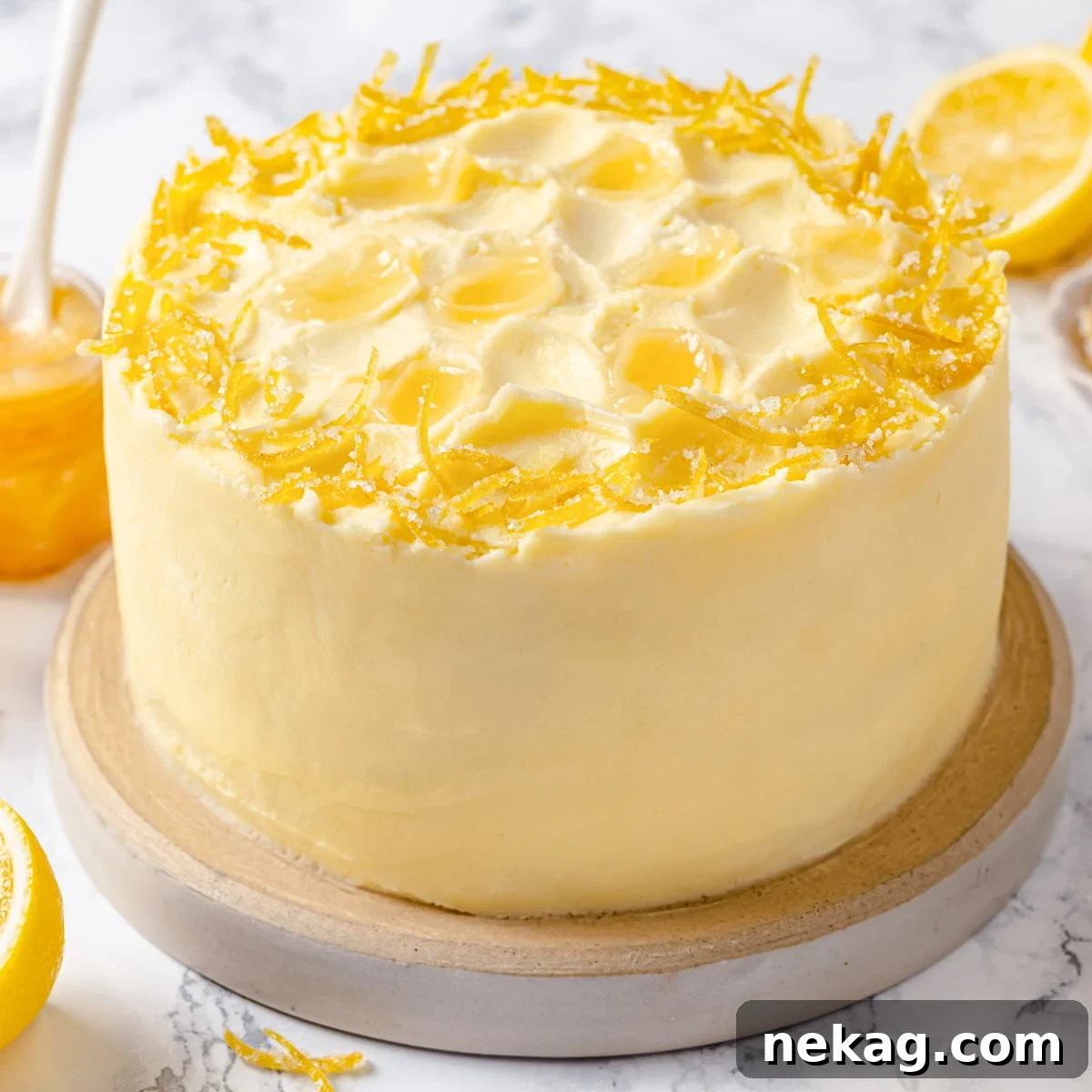
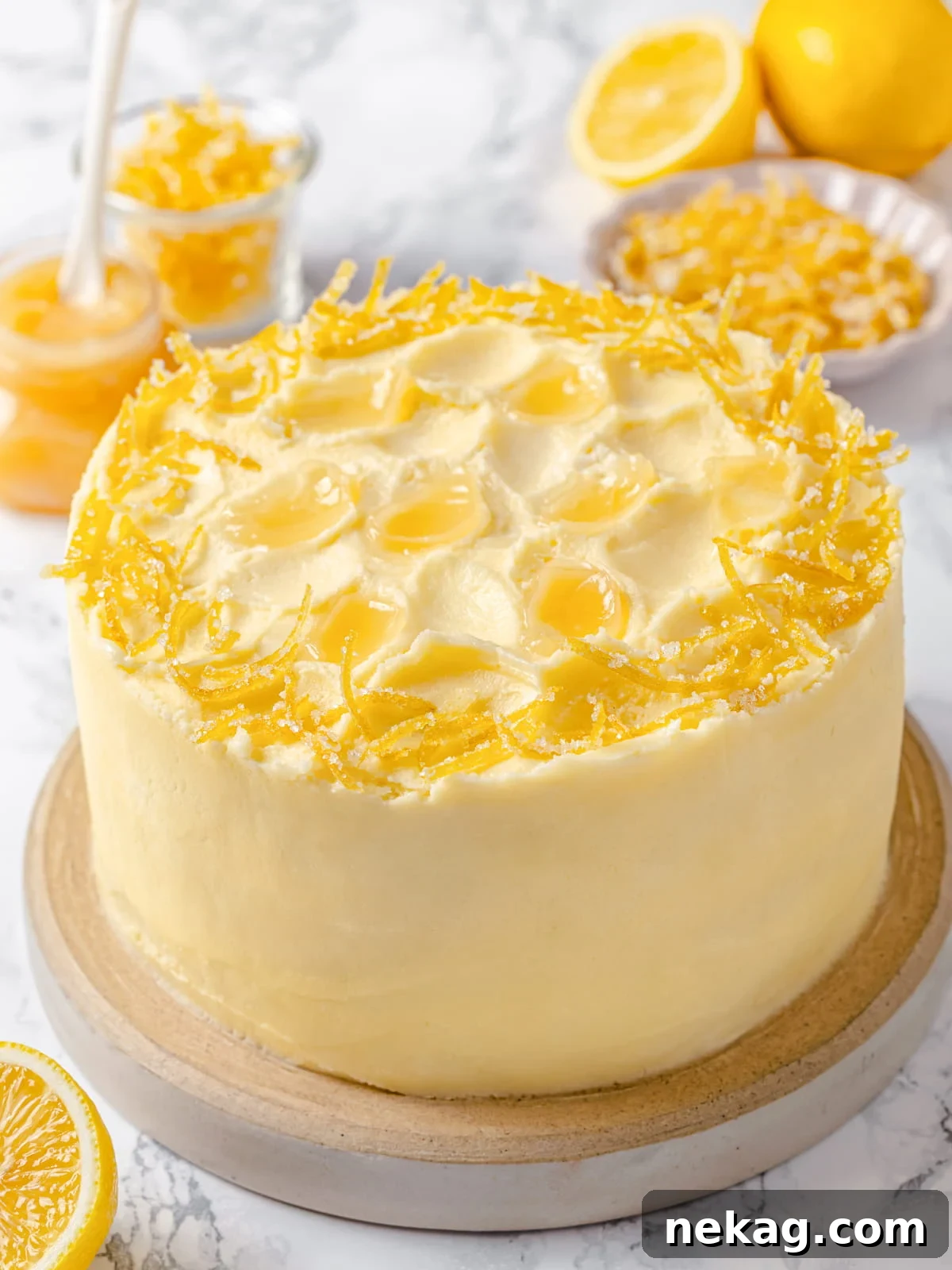
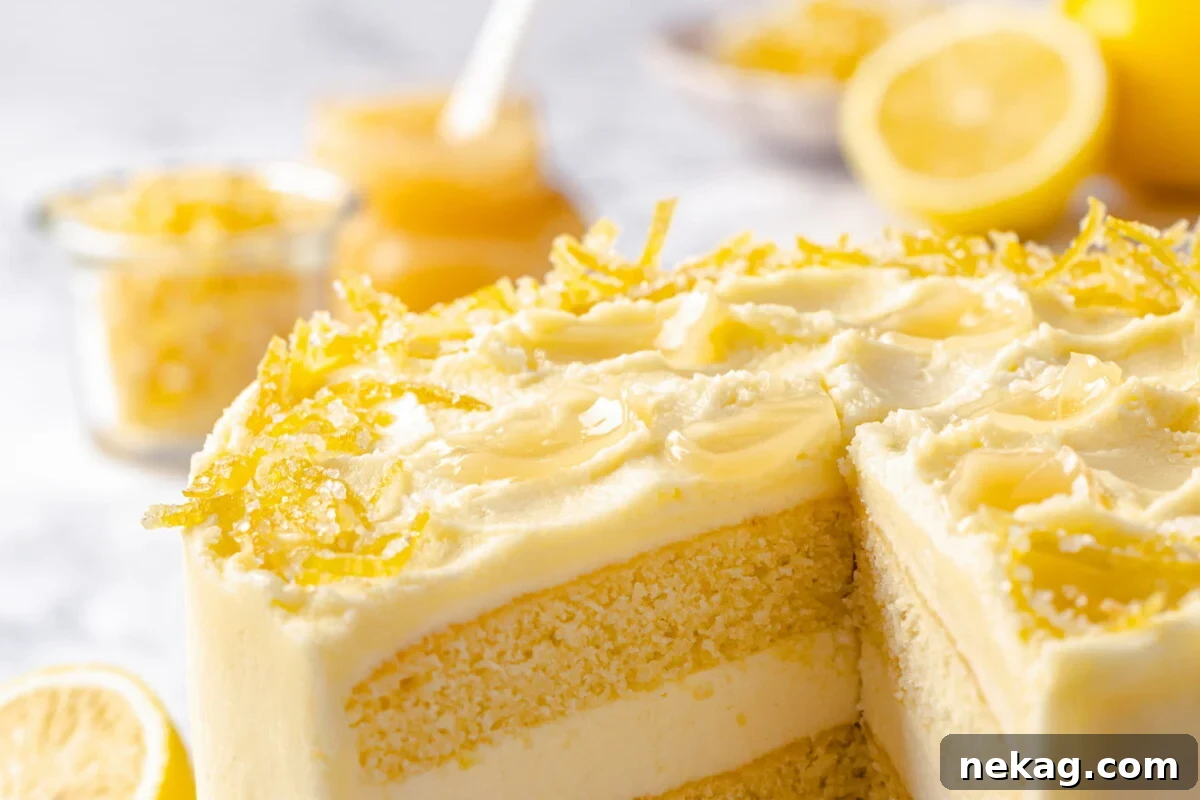
Lemon Swiss Meringue Buttercream is a truly divine frosting that offers a vibrant, intense lemon flavor married with an exceptionally light, fluffy, and smooth texture. Unlike other buttercreams that can be overly sweet or lack authentic fruit taste, this recipe leverages the brightness of real lemon curd to create a balanced and sophisticated profile. Designed for ease and efficiency, you can whip up this luxurious buttercream in approximately 30 minutes, making it perfect for last-minute celebrations or simply elevating your everyday baking.
A Quick Look At The Recipe
This is a brief summary of the recipe. Jump to the detailed recipe card below for complete instructions and measurements.
Jump to Recipe
Prep Time
30 minutes
Cook Time
10 minutes
Total Time
40 minutes
Servings
16 servings
Difficulty
Intermediate—but incredibly forgiving with a little patience.
Calories *
316 kcal per serving
Technique
Gently heating egg whites and sugar, whipping into a stable meringue, then emulsifying with butter and vibrant lemon curd.
Flavor Profile
Bright, refreshingly tart lemon harmoniously balanced by rich, creamy butter and a subtly sweet meringue base.
* Based on nutrition panel
Summarize & Save this content on
google ai
perplexity
grok
I was nervous about adding so much lemon curd, but your notes about patience saved me. The buttercream looked broken, then suddenly turned silky and fluffy. The texture was unreal—soft but stable—and not overly sweet at all. ⭐⭐⭐⭐⭐
Lauren
Why This Lemon Swiss Meringue Buttercream Recipe Works So Well
Achieving a perfectly stable, intensely flavored, and not-too-sweet lemon buttercream can be a challenge. Many recipes fall flat or result in a broken frosting. However, this Lemon Swiss Meringue Buttercream recipe is meticulously crafted to guarantee success. Here’s why it stands out as the ultimate choice for your baking needs:
- Bold Lemon Flavor Without Compromising Texture: The secret lies in using high-quality lemon curd. Unlike adding raw lemon juice, which can introduce too much acidity and cause the buttercream to curdle, lemon curd provides a concentrated, tart, and sweet lemon profile safely. Its fat content helps stabilize the emulsion, allowing for a truly intense citrus burst without breaking the delicate buttercream structure.
- Swiss Meringue for Superior Balance and Stability: Swiss meringue forms the backbone of this buttercream. By gently heating egg whites and sugar over a double boiler, you create a stable, pasteurized meringue that boasts incredible structure. This method allows us to achieve a light, airy, and incredibly smooth buttercream without relying on excessive amounts of powdered sugar, a common pitfall in American buttercreams that often leads to an overly sweet and gritty texture. The result is a refined frosting that holds its shape beautifully while remaining delightfully soft on the palate.
- Extremely Forgiving and Easy to Troubleshoot: If you’ve ever been intimidated by Swiss meringue buttercream, fear not! This recipe is incredibly forgiving. The primary challenges in SMB relate to temperature control, but almost any issue—whether it looks curdled, soupy, or too stiff—can be resolved with simple adjustments and a dose of patience. We’ll walk you through common troubleshooting tips, ensuring that even if things don’t look perfect initially, you’ll achieve a flawless finish every time.
- Versatile for Various Applications: This lemon Swiss meringue buttercream is not just delicious; it’s also incredibly versatile. Its stable nature makes it ideal for piping intricate decorations, filling delicate layer cakes, or frosting cupcakes. The bright lemon notes cut through richness, making it a fantastic pairing for a wide range of cakes, from classic vanilla and lemon to even spiced cakes like carrot cake, where it adds a refreshing zest.
Table of Contents
- Why This Lemon Swiss Meringue Buttercream Recipe Works So Well
- Ingredients & Smart Substitutions for Lemon Swiss Meringue Buttercream
- Creative Variations on Lemon Swiss Meringue Buttercream
- Professional Tips for Perfect Lemon Swiss Meringue Buttercream
- Step-by-Step Guide: How to Make Lemon Swiss Meringue Buttercream
- Chef Lindsey’s Recipe Tip for Success
- Lemon Swiss Meringue Buttercream FAQs
- Recommended Buttercream & Frosting Recipes
- Lemon Swiss Meringue Buttercream Full Recipe Card
- Before You Go: Elevate Your Baking
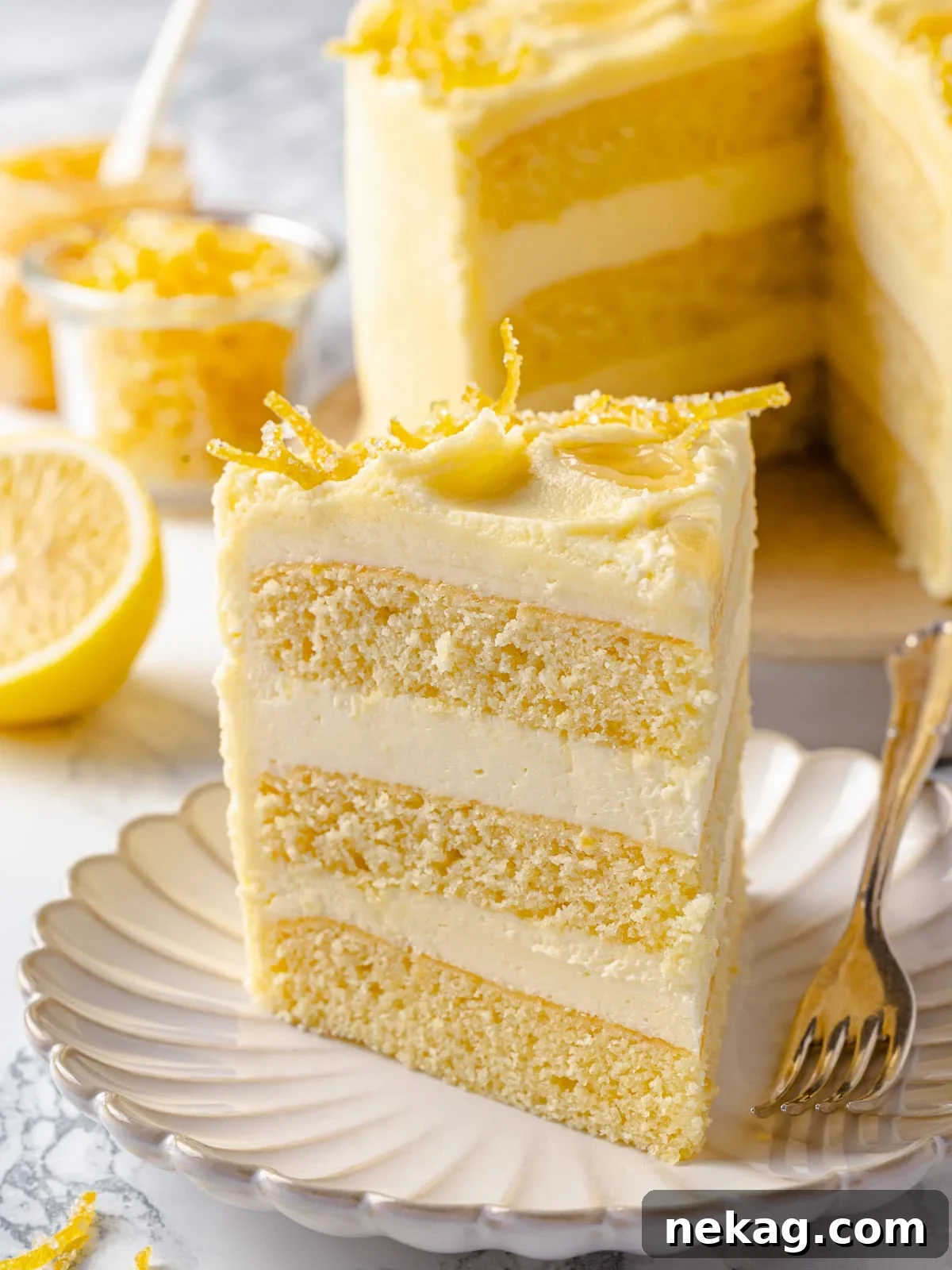
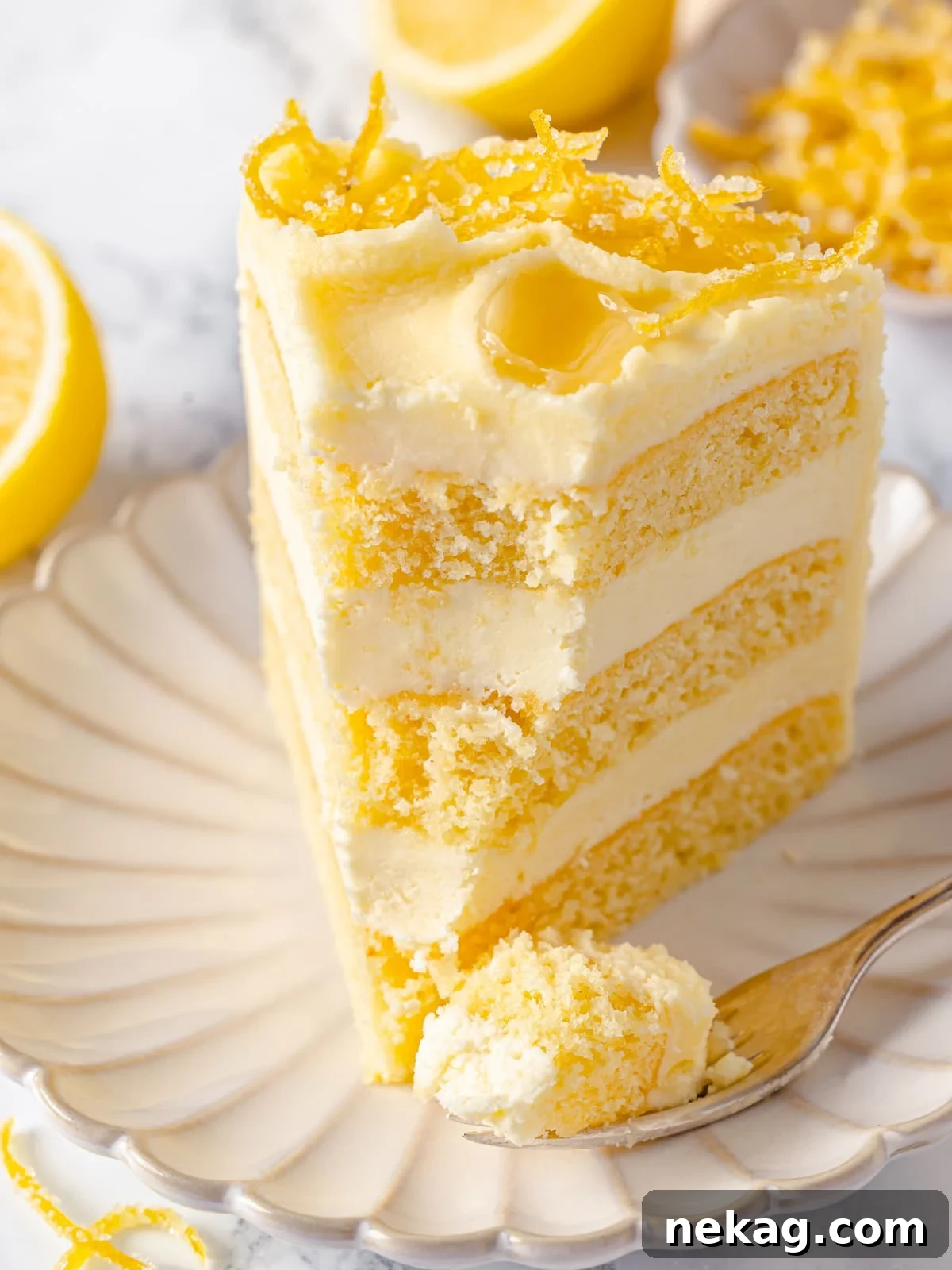
The inspiration for this exquisite lemon Swiss meringue buttercream sprang from a common baking dilemma: I found myself without piping bags, tips, or the inclination to meticulously pipe a dam for cake layers. Instead of struggling with traditional methods, I decided to lean into the inherent structural principles of my beloved vanilla Swiss meringue buttercream. My goal was to create a frosting so stable and flavorful it could serve as both a luscious filling and a smooth exterior for any cake.
Through extensive testing with my signature lemon curd recipe, I discovered that this robust meringue base could beautifully incorporate a generous full cup of curd without losing its integrity. The result was nothing short of extraordinary! The flavor profile is significantly brighter and more profound than a simple lemon whipped cream, yet it possesses the essential stability required for towering layer cakes. This buttercream was specifically designed to complement recipes like my recent lemon cake recipe, creating a harmonious and utterly delightful dessert. Beyond lemon-on-lemon pairings, I especially adore how its vibrant acidity beautifully cuts through the richness of warmly spiced cakes, such as carrot cake cupcakes, offering a refreshing contrast that never overwhelms the palate.
Ingredients & Smart Substitutions for Lemon Swiss Meringue Buttercream
Crafting the perfect Lemon Swiss Meringue Buttercream starts with understanding the role of each ingredient. Quality and temperature are key to achieving that silky, stable texture and vibrant flavor. Here’s a closer look at what you’ll need and how to make smart substitutions:
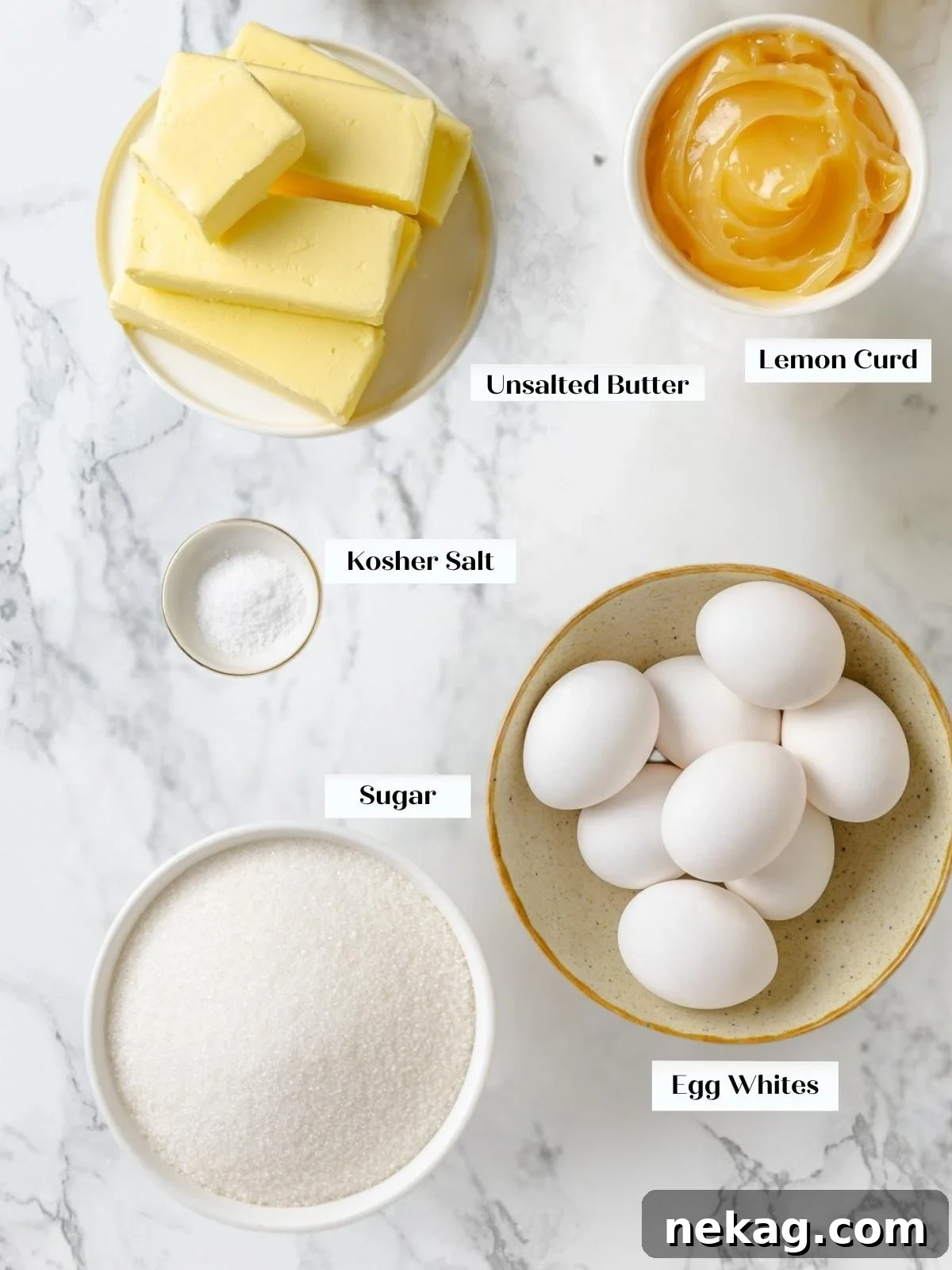
- Egg Whites: For the best results, always use fresh, carefully separated egg whites. Carton egg whites, while convenient, contain additives that prevent them from whipping into the stable, voluminous Swiss meringue required for this recipe. Even a trace amount of egg yolk or grease in your bowl or on your whisk can inhibit the meringue from forming, so meticulous separation and clean equipment are crucial.
- Granulated Sugar: Standard granulated sugar works perfectly here. The heating process ensures it dissolves completely, preventing any grittiness in the final buttercream. While extra-fine sugar (caster sugar) can speed up dissolution slightly, it is not a requirement for success.
- Kosher Salt: A small amount of kosher salt is added early in the process. It plays a vital role in stabilizing the egg whites, helping them whip into a stronger meringue. More importantly, it beautifully balances the sweetness of the sugar and the tartness of the lemon, enhancing the overall flavor profile.
- Unsalted Butter: The temperature of your butter is paramount. It should be cool to the touch but pliable, meaning it yields easily when pressed but isn’t overly soft or melted. This specific temperature allows the butter to emulsify properly with the meringue, forming a smooth, cohesive buttercream. If your butter is too cold, it won’t combine, and if it’s too warm, it will melt the meringue, leading to a soupy consistency.
- Lemon Curd: This is the star ingredient for flavor! You can use either homemade lemon curd (my perfect lemon curd recipe is highly recommended for its intense flavor) or a high-quality store-bought version. The curd’s acidity, buffered by its sugar and fat content, is safely incorporated into the buttercream, providing that coveted bold lemon taste without risking a broken frosting.
Refer to the full recipe card below for exact quantities and detailed instructions.
Creative Variations on Lemon Swiss Meringue Buttercream
While the classic Lemon Swiss Meringue Buttercream is undeniably delicious, its robust base makes it incredibly adaptable for exciting variations. Here are a few ideas to customize your frosting and impress your guests:
- Boost the Citrus Intensity: For those who crave an even more pronounced lemon punch, you can carefully add up to ¼ cup of fresh lemon juice after the buttercream is fully emulsified. Introduce it gradually, a teaspoon at a time, mixing well after each addition. Stop immediately if the buttercream begins to loosen too much. You can also incorporate a tablespoon or two of finely grated lemon zest (from the outer yellow rind only) along with the lemon curd for an added aromatic layer and flecks of vibrant color.
- Extract-Based Lemon for a Lighter Touch: If lemon curd isn’t available or you prefer a lighter, more subtle citrus note, you can omit the curd entirely and use a high-quality lemon extract instead. Start with 1-2 teaspoons, adding it during the final whipping stage, and adjust to taste. Be mindful that extracts can sometimes have an artificial flavor if not chosen carefully.
- Innovative Layering Strategies: This versatile buttercream can be used in multiple ways on your cakes. Use it as both the filling and the outer frosting for a cohesive lemon experience. Alternatively, if you desire a sharper contrast between textures and flavors, pipe a sturdy dam of this Swiss meringue buttercream around the perimeter of your cake layers and fill the center with pure lemon curd for an extra burst of intense lemon.
- Explore Other Flavors with the Same Base: If you love the silky texture and stable nature of this Swiss meringue buttercream, consider using the same foundational technique to create other delicious flavors. The base is incredibly adaptable and works beautifully for richer additions. For instance, try my caramel Swiss meringue buttercream, which incorporates homemade salted caramel sauce and a hint of vanilla extract for deep, complex notes. The possibilities are endless!
- Adding a Pop of Color: While the natural pale yellow of lemon curd is lovely, you can easily tint this buttercream with gel food coloring. Start with a tiny amount of yellow food coloring for a brighter lemon hue, or even a touch of green for a lime-inspired twist. Add gradually until your desired shade is reached.
Professional Tips for Perfect Lemon Swiss Meringue Buttercream
Making Swiss meringue buttercream might seem daunting at first, but with these professional insights and a bit of patience, you’ll achieve bakery-quality results every single time. Master these core principles, and you’ll unlock the secret to flawless buttercream:
- Temperature Matters Most: In the world of Swiss meringue buttercream (often abbreviated as SMBC), precise temperature control is more critical than exact ratios. The key is to combine a warm, stable meringue with butter that is cool but pliable (room temperature). If your meringue is too hot, it will melt the butter, resulting in a soupy mess. If the butter is too cold, it won’t emulsify properly, leading to a curdled appearance. Using an instant-read thermometer is your best friend here!
- “Broken” Does Not Mean Ruined: This is perhaps the most important tip. Swiss meringue buttercream often goes through an awkward, “broken” phase where it looks curdled, soupy, or separated after the butter is added. Do not panic! This is a completely normal part of the emulsification process. Almost all issues can be resolved by simply continuing to mix on medium speed. If it’s very soupy, a short stint in the refrigerator (20-30 minutes) to firm up the butter, followed by more mixing, will bring it back together beautifully. If it’s too stiff and curdled, a gentle warming of the bowl (either over a warm water bath for a few seconds or by briefly warming a portion in the microwave) before remixing can fix it.
- Patience is a Virtue, and It Rewards with Silky Texture: Don’t rush the process. After adding the butter, it might take a few minutes for the buttercream to come together and smooth out. Once it looks cohesive, continue whipping for an additional 2-3 minutes. This extra whipping time incorporates more air and further develops the emulsion, resulting in an even silkier, fluffier, and lighter texture that is truly irresistible. Think of it as polishing your frosting to perfection.
- Cleanliness is Next to Godliness: Ensure your mixing bowl and whisk attachment are impeccably clean and completely grease-free before starting. Even a tiny speck of fat can prevent the egg whites from whipping into a proper meringue. Wiping down your equipment with a paper towel dampened with lemon juice or vinegar can help.
Step-by-Step Guide: How to Make Lemon Swiss Meringue Buttercream
Follow these detailed instructions to create consistently perfect, bright, and silky Lemon Swiss Meringue Buttercream for all your baking projects. Each step is crucial for achieving the ideal texture and flavor.
Step 1: Prepare Your Water Bath. Place about 1 inch (2.5 cm) of water in a medium saucepan and bring it to a gentle simmer over medium heat. This will act as a double boiler, providing indirect, gentle heat to your mixing bowl without allowing the water to touch the bottom of the bowl directly. This prevents the egg whites from scrambling.
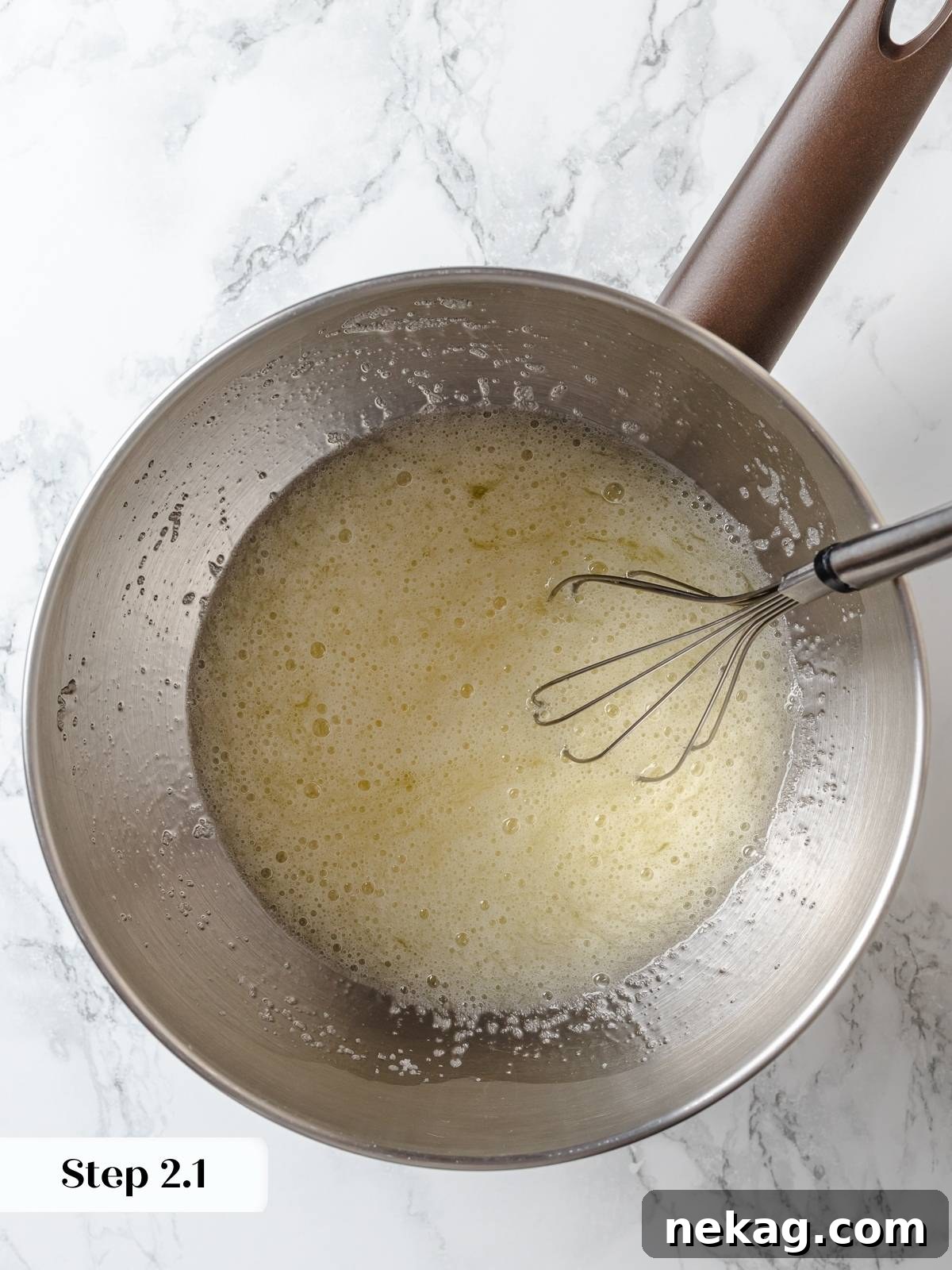
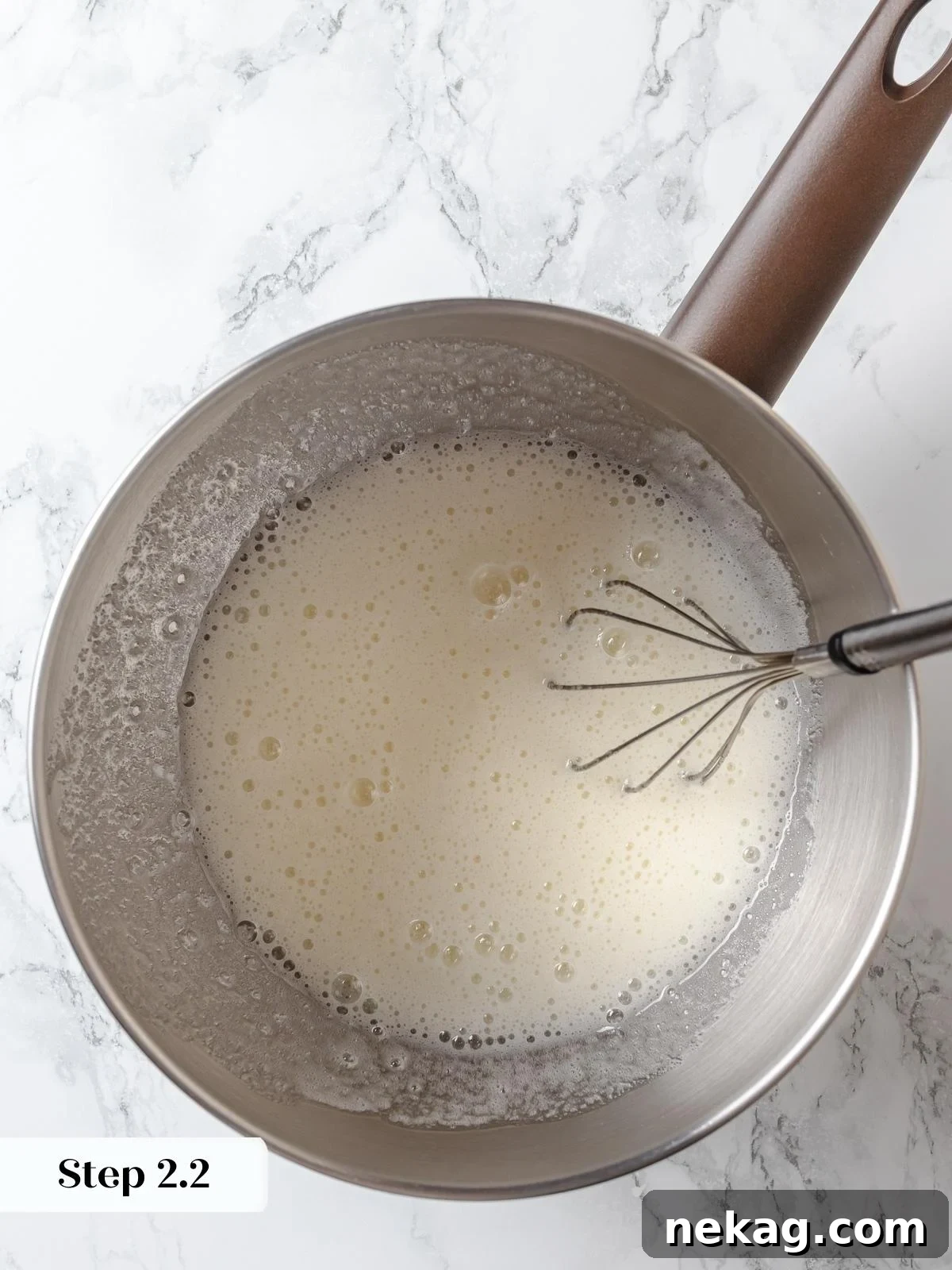
Step 2: Gently Heat the Egg Whites and Sugar. In the clean bowl of your stand mixer (or a heatproof bowl), combine the egg whites, granulated sugar, and kosher salt. Place this bowl over the simmering water bath, ensuring the bottom of the bowl does not touch the water. Whisk the mixture constantly and vigorously for approximately 8–10 minutes. During this time, the sugar will fully dissolve, and the mixture will become warm to the touch and slightly lighter in texture. Use an instant-read thermometer to confirm it reaches 120–130°F (49-54°C). This heating process pasteurizes the egg whites and creates a stable meringue base (photos 1 & 2).
An instant-read thermometer is your most reliable tool for perfect meringue!
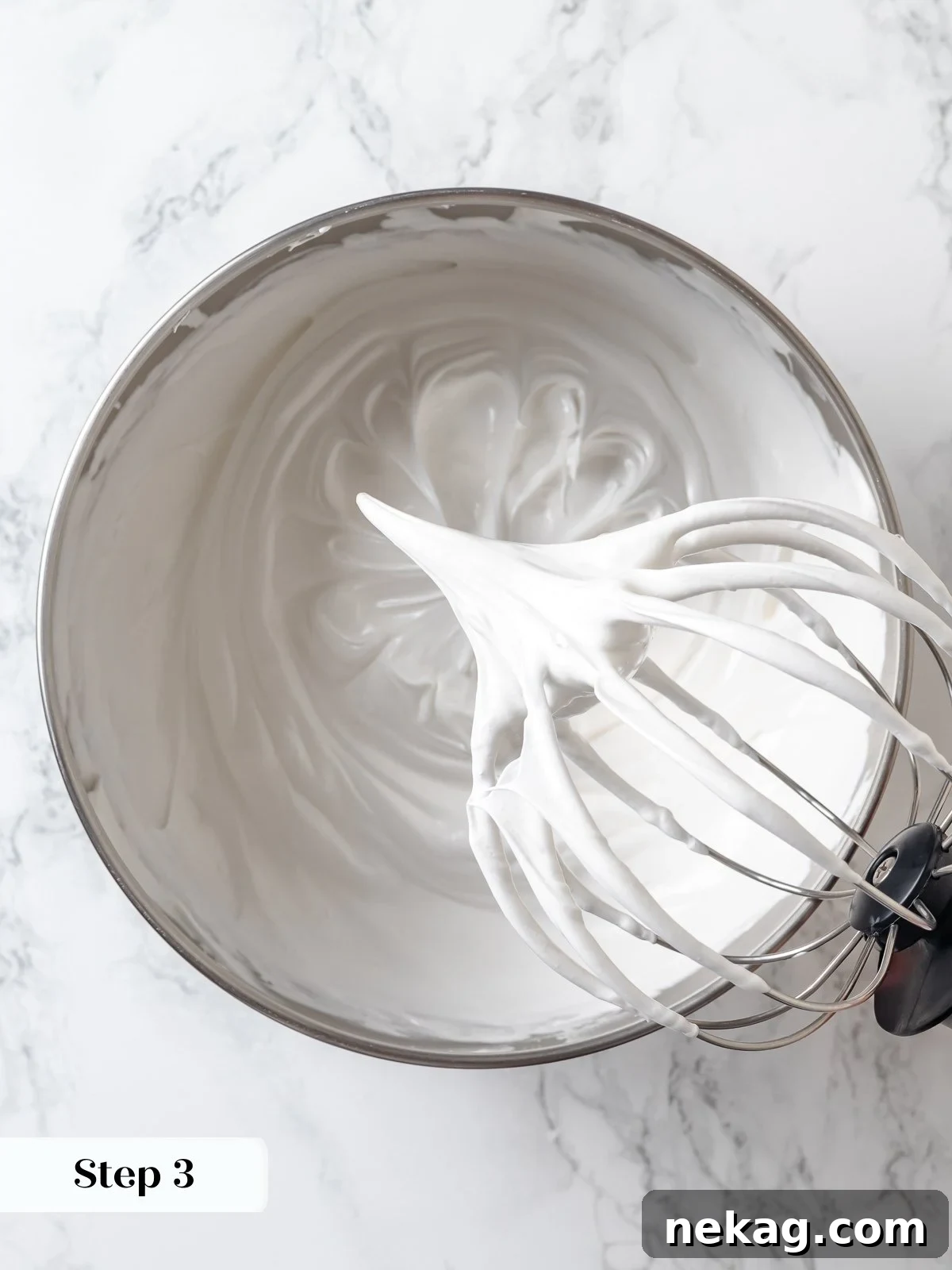
Step 3: Whip the Meringue to Stiff Peaks. Carefully remove the bowl from the water bath. If using a hand mixer, start on low speed and gradually increase to medium-high. If using a stand mixer, attach the whisk attachment and beat on high speed for 6–8 minutes. The mixture will transform into a thick, glossy, and marshmallow-like meringue that holds stiff peaks. Crucially, the bottom of the mixing bowl should feel only slightly warm or cool to the touch. This cooling ensures your butter won’t melt in the next step (photo 3).
A powerful stand mixer with a whisk attachment is ideal for this step, but a hand mixer can achieve similar results with a bit more time and effort.
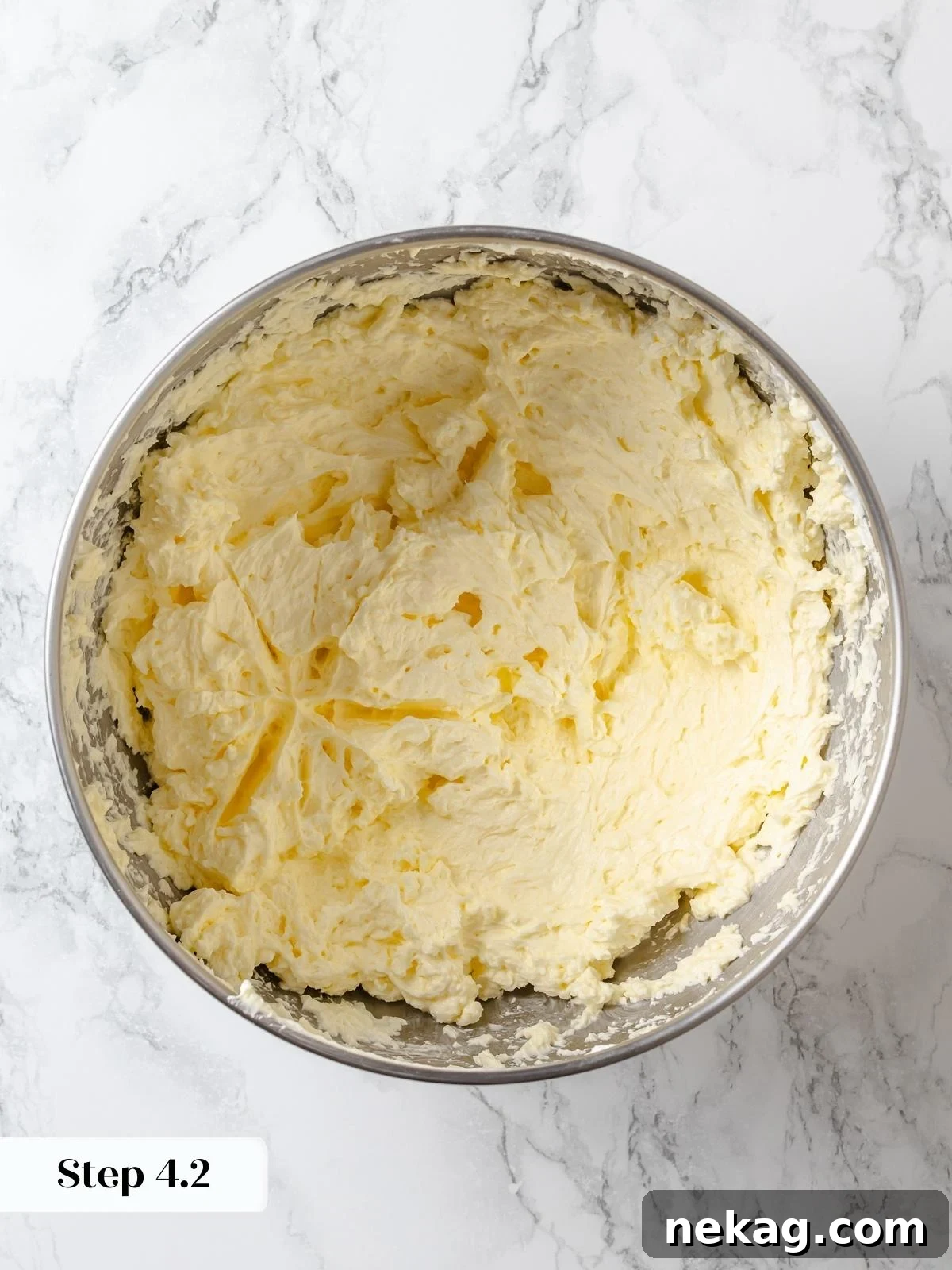
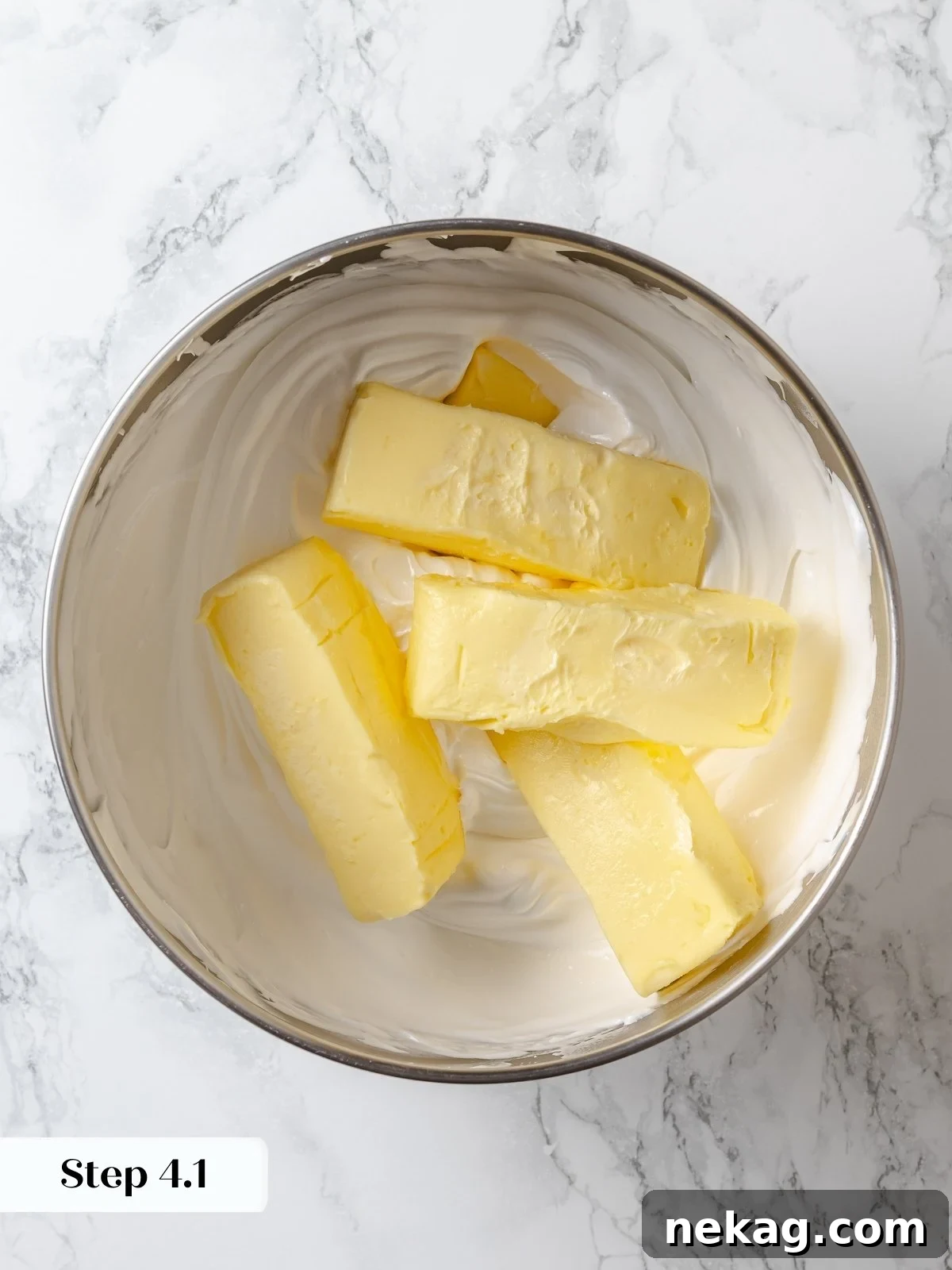
Step 4: Emulsify with Butter. Switch from the whisk attachment to the paddle attachment on your stand mixer. With the mixer on medium speed, add the softened unsalted butter one cube at a time, or all at once if you prefer. Continue mixing for 3–5 minutes. The mixture will likely appear curdled or broken at first—this is normal! Keep mixing, and the butter and meringue will emulsify, transforming into a perfectly smooth, cohesive, and light buttercream. Patience is key here; don’t stop until it’s completely smooth (photos 4 & 5).
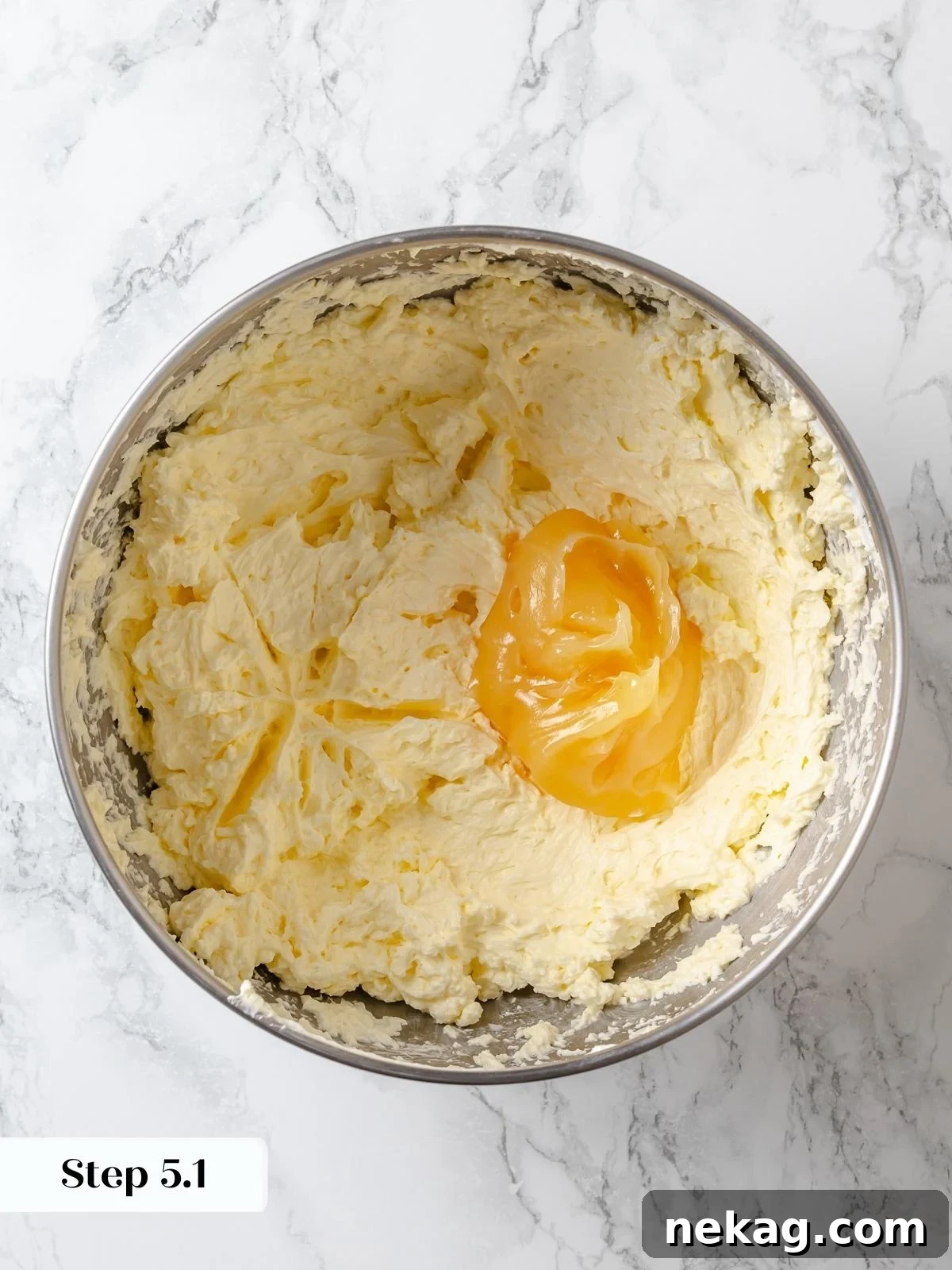
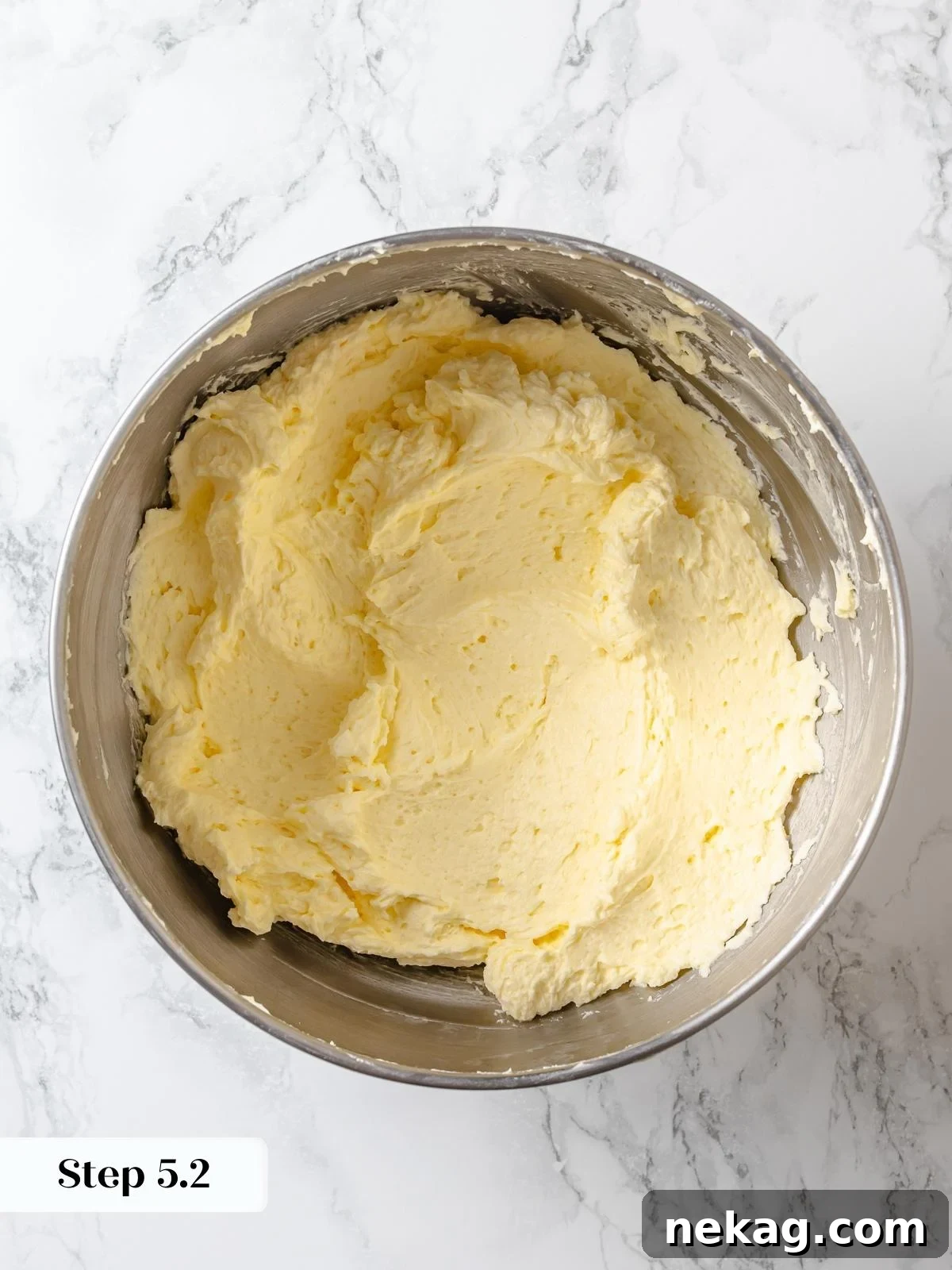
Step 5: Incorporate the Lemon Curd for Flavor. Once your buttercream is silky smooth, switch back to the whisk attachment for final aeration. Add the entire cup of lemon curd to the bowl. Whip for another 1–2 minutes on medium-high speed until the curd is fully incorporated, and the buttercream becomes wonderfully light, fluffy, and infused with vibrant lemon flavor (photos 6 & 7).
Step 6: Frost and Enjoy! Your Lemon Swiss Meringue Buttercream is now ready to use. Frost your cakes or cupcakes immediately, or prepare it for storage for later use (photo 8).
Chef Lindsey’s Recipe Tip for Success
Remember, Swiss meringue buttercream is far more forgiving than you might think! It rewards patience more than absolute precision. If your buttercream looks broken or seems off, nine times out of ten, it just needs a little more time mixing or a slight temperature adjustment. Trust the process, keep that mixer running, and it will almost always come back together into a beautifully smooth, stable frosting.
Lemon Swiss Meringue Buttercream FAQs
Absolutely, adding lemon curd to Swiss meringue buttercream is not only possible but it’s the safest and most effective way to infuse it with a strong, authentic lemon flavor. Lemon curd is ideal because it contains a balanced amount of sugar and fat, which acts as a buffer against its acidity. This balance prevents the buttercream from breaking or becoming unstable, unlike adding pure lemon juice too aggressively. In this specific recipe, a full cup of lemon curd is carefully folded in after the buttercream has fully emulsified, resulting in a perfectly smooth, stable, and intensely lemony frosting that is both delicious and reliable.
While it is possible to add fresh lemon juice to Swiss meringue buttercream, it must be done with extreme caution and in very small amounts. Lemon juice is highly acidic, and if added too quickly or in large quantities, it can easily cause the delicate emulsion of the buttercream to break, resulting in a curdled or separated texture. For the best results, always wait until your buttercream is fully smooth and emulsified before attempting to add any juice. Then, introduce it a mere teaspoon at a time, mixing thoroughly after each addition. Stop immediately if you notice the texture beginning to loosen or curdle. For additional aroma and a milder citrus enhancement, lemon zest can be a wonderful, safer alternative to large amounts of juice.
The most common reason for Swiss meringue buttercream to appear curdled, soupy, or melted is an imbalance in temperature. If the meringue is too warm when you incorporate the butter, the butter will melt, leading to a soupy, liquid-like consistency. Conversely, if your butter is too cold and hard, it won’t properly emulsify with the meringue, resulting in a lumpy, curdled appearance resembling cottage cheese. But don’t despair! Most temperature-related issues can be easily fixed with patience and the right adjustment:
- If it’s soupy/melted: The butter is too warm. Place the mixing bowl (with the buttercream) into the refrigerator for 15-20 minutes, or until the edges start to firm up slightly. Then return it to the mixer and continue beating on medium speed. It should come together into a smooth buttercream.
- If it’s curdled/lumpy: The butter is too cold. You need to gently warm the mixture. You can either remove about 1/4 to 1/2 cup of the buttercream, microwave it for 10-15 seconds until barely melted, then pour it back into the main bowl while the mixer is running. Or, you can briefly place the entire mixing bowl over your warm water bath (from Step 1) for 10-20 seconds, just enough to slightly warm the butter at the bottom of the bowl, then return it to the mixer and beat again. Continued mixing will usually bring it back to a smooth, stable consistency.
The key is to keep mixing; once the butter reaches the correct temperature and properly emulsifies with the meringue, the buttercream will regain its beautiful stability and consistency.
Recommended Buttercream & Frosting Recipes
If you’ve enjoyed mastering this Lemon Swiss Meringue Buttercream, you’ll love exploring these other chef-tested recipes designed to perfect your cake decorating skills and delight your taste buds. Expand your repertoire with these delicious and reliable frosting options!
Easy Buttercream & Frosting Recipes
Easy Lemon Buttercream Frosting
Easy Buttercream & Frosting Recipes
Classic Vanilla Swiss Meringue Buttercream
Easy Buttercream & Frosting Recipes
Advanced Italian Meringue Buttercream Recipe
Easy Buttercream & Frosting Recipes
Decadent Caramel Swiss Meringue Buttercream
If you tried this recipe and loved it, please consider leaving a 🌟 star rating and sharing your experience in the comments below. I genuinely love hearing from you; your feedback truly makes my day!
Lemon Swiss Meringue Buttercream
Chef Lindsey
30
10
40
16
servings
Pin Recipe
Comment
Print Recipe
Ingredients
-
5
large egg whites -
1 ¼
cups
granulated sugar -
¼
teaspoon
kosher salt -
2
cups
unsalted butter
cool but pliable, cut into cubes -
1
cup
lemon curd
homemade or high-quality store-bought
Instructions
-
Heat about 1 inch of water in a medium saucepan until it’s gently simmering. Place a heatproof stand mixer bowl (or another heatproof bowl) over the pot, ensuring the bottom of the bowl does not touch the simmering water.
-
In the bowl over the water bath, whisk together the egg whites, granulated sugar, and kosher salt. Continue whisking constantly for 8–10 minutes, or until the mixture reaches a temperature of 120–130°F (49-54°C) and the sugar crystals are completely dissolved (rub a small amount between your fingers to check for grittiness). The mixture should feel warm and slightly lighter.
-
Remove the bowl from the water bath and transfer it to a stand mixer fitted with the whisk attachment. Beat on high speed for 6–8 minutes, or until the meringue forms stiff, glossy peaks and the outside of the bowl feels cool or just slightly warm to the touch. This indicates the meringue has cooled sufficiently.
-
Switch to the paddle attachment. With the mixer on medium speed, gradually add the cubed, cool but pliable unsalted butter, one piece at a time. Continue mixing for 3–5 minutes. The buttercream may look curdled or soupy initially—do not worry! Keep mixing; it will eventually come together into a smooth, cohesive, and light frosting.
-
Once the buttercream is perfectly smooth, switch back to the whisk attachment for final aeration. Add the lemon curd and whip on medium-high speed for an additional 1–2 minutes, until the curd is fully incorporated and the buttercream is light, fluffy, and vibrant with lemon flavor.
-
Your Lemon Swiss Meringue Buttercream is now ready to use. Frost your cakes, cupcakes, or other desserts immediately.
Notes
- Yield: This recipe makes approximately 1 ½ quarts of buttercream, enough to generously frost a 3-layer 8-inch cake or about 24 cupcakes.
- Troubleshooting Tip (Soupy Buttercream): If your buttercream appears soupy after adding butter, it means your meringue (or butter) was too warm. Place the mixing bowl in the refrigerator for 20–30 minutes to chill slightly, then return it to the mixer and continue beating until it firms up and becomes smooth.
- Flavor Tip (Sharper Lemon): For an even sharper lemon flavor, you can add 1-2 tablespoons of fresh lemon juice, a teaspoon at a time, after the buttercream is fully emulsified and the lemon curd has been added. Be cautious not to add too much, as excessive liquid can loosen the buttercream.
- Storage Instructions: This Lemon Swiss Meringue Buttercream can be stored in an airtight container in the refrigerator for up to 2 weeks. Before using, bring it back to room temperature and re-whip it in a stand mixer (with the paddle attachment) until light and fluffy again. For longer storage, it can be frozen for up to 3 months. Thaw in the refrigerator overnight, then bring to room temperature and re-whip.
Nutrition
Calories:
316
kcal
|
Carbohydrates:
24
g
|
Protein:
2
g
|
Fat:
24
g
|
Saturated Fat:
15
g
|
Polyunsaturated Fat:
1
g
|
Monounsaturated Fat:
6
g
|
Trans Fat:
1
g
|
Cholesterol:
61
mg
|
Sodium:
98
mg
|
Potassium:
22
mg
|
Fiber:
0.03
g
|
Sugar:
24
g
|
Vitamin A:
709
IU
|
Calcium:
8
mg
|
Iron:
0.02
mg
Dessert
European, French, Swiss
316
Like this? Leave a comment below!
Before You Go: Elevate Your Baking with More Buttercream Expertise
I genuinely hope you enjoyed crafting and tasting this bright, silky Lemon Swiss Meringue Buttercream. It’s a truly versatile and delightful frosting that can elevate any dessert. Whether you’ve used it on a vibrant lemon cake, delicate cupcakes, or a richly spiced treat, its balance of tartness and sweetness is simply irresistible.
To further enhance your baking repertoire and create cakes that not only look stunning but taste truly exceptional, I encourage you to explore my other chef-tested buttercream and frosting recipes. From classic vanilla to rich caramel, mastering various frostings will open up a world of creative possibilities in your kitchen. Happy baking!