
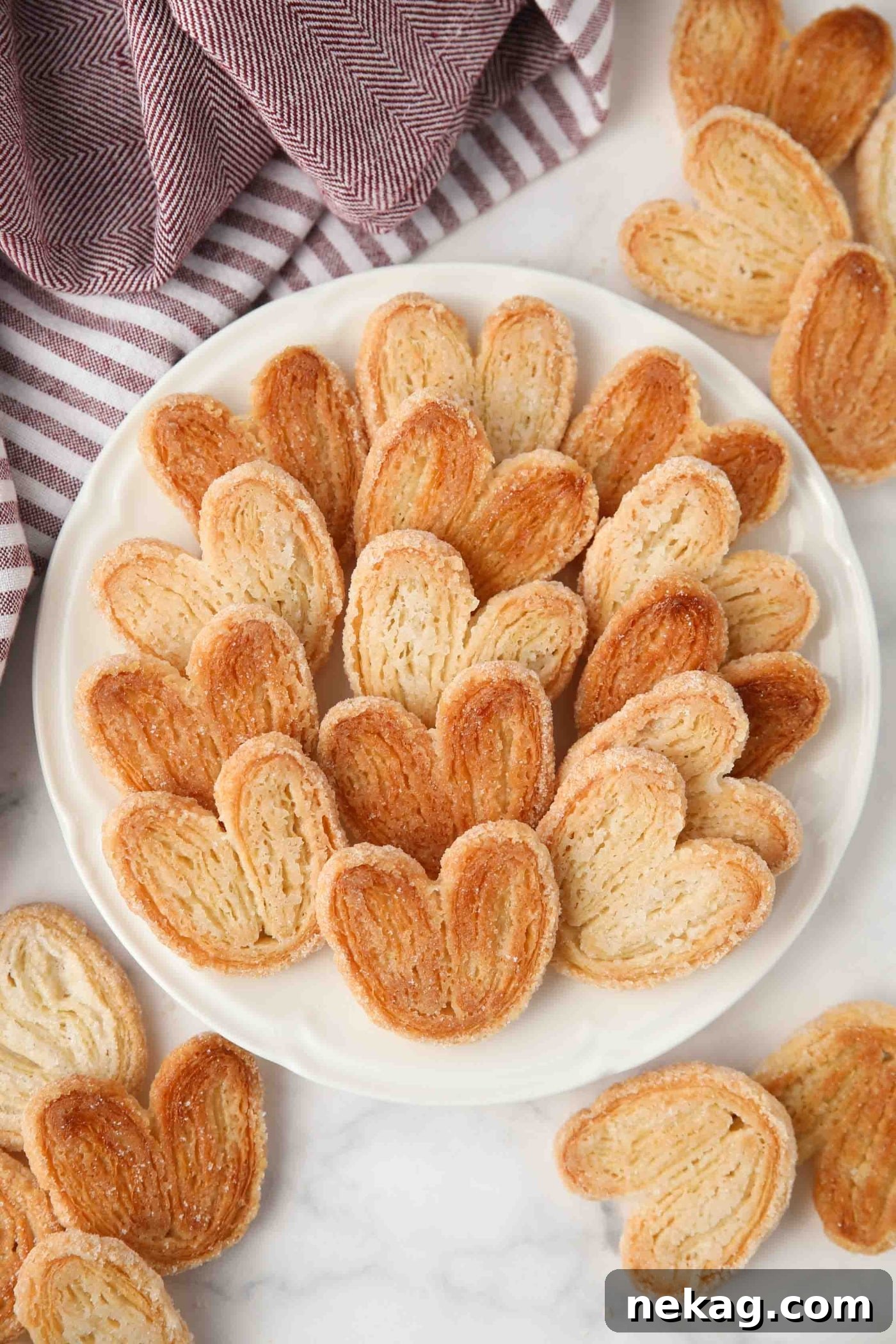
Palmiers, also called palmier cookies or elephant ears, are a timeless French pastry: elegant, crisp and buttery. With caramelized sugar and flaky puff pastry layers, they make a perfect bite with coffee, tea, or as a light dessert.
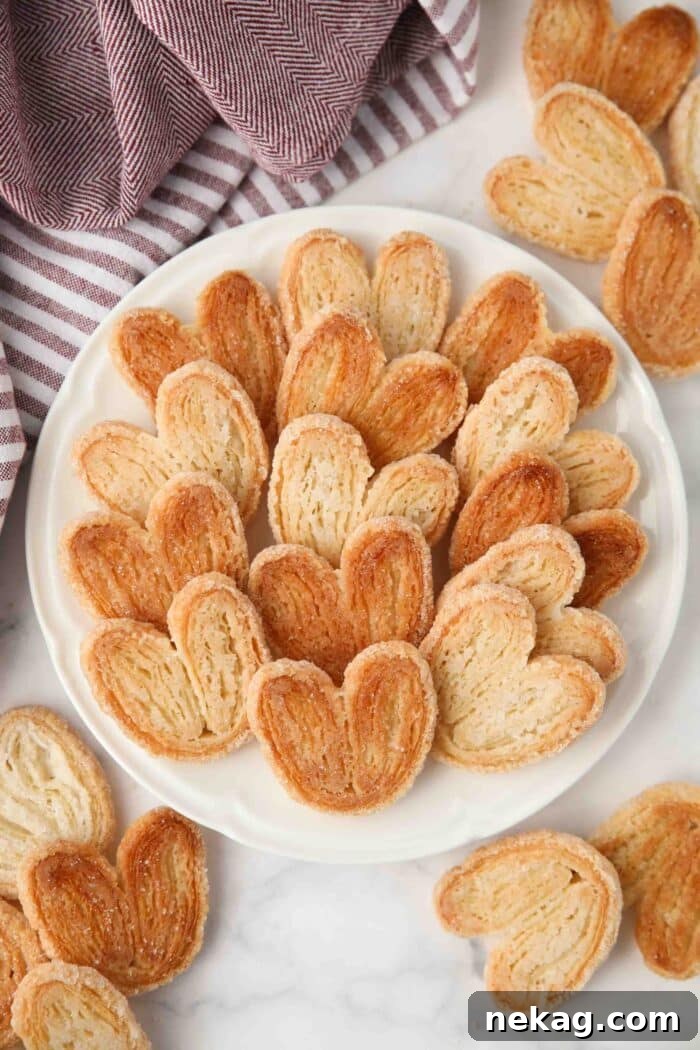
I first learned to make palmiers in culinary school, where we laminated dough by hand to create those buttery layers. Today I prefer a practical shortcut: store-bought puff pastry yields the same crisp, flaky result with far less effort. Pronounced “palm-ee-ays,” palmiers are essentially puff pastry dusted with sugar, rolled and baked until caramelized.
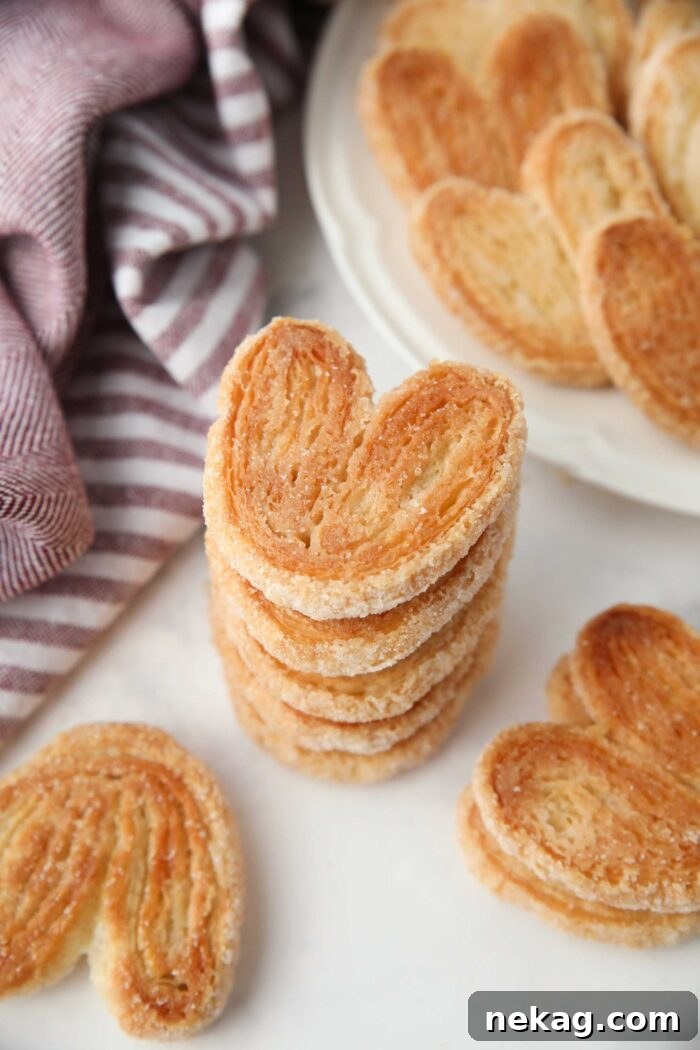
What Are Palmiers?
Palmiers are delicate puff pastry cookies shaped like hearts or palm leaves—hence the name. Originating in France, they’re made by coating puff pastry with sugar, rolling it to form thin layers, folding, slicing and baking to golden caramelized spirals. They’re known by several names including:
- Elephant ears
- French heart cookies
- Palmier cookies
Different languages have their own names for them; for example, in German they’re sometimes called “schweineohren” (pig’s ears). Whatever you call them, palmiers are an easy yet impressive treat for everyday or holiday baking.
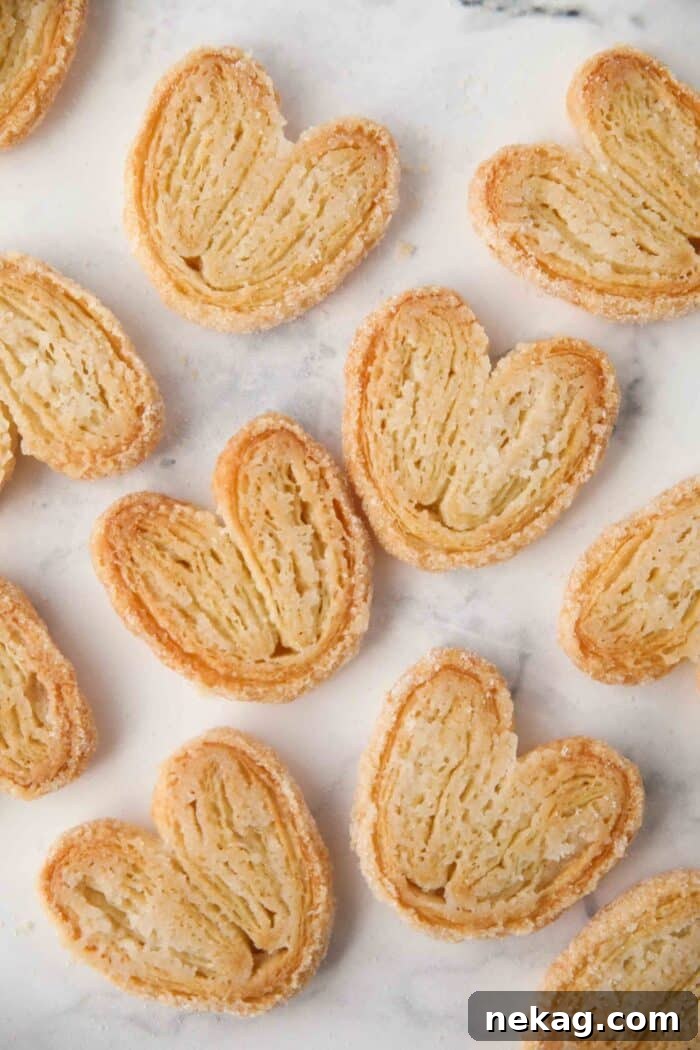
Ingredients You’ll Need
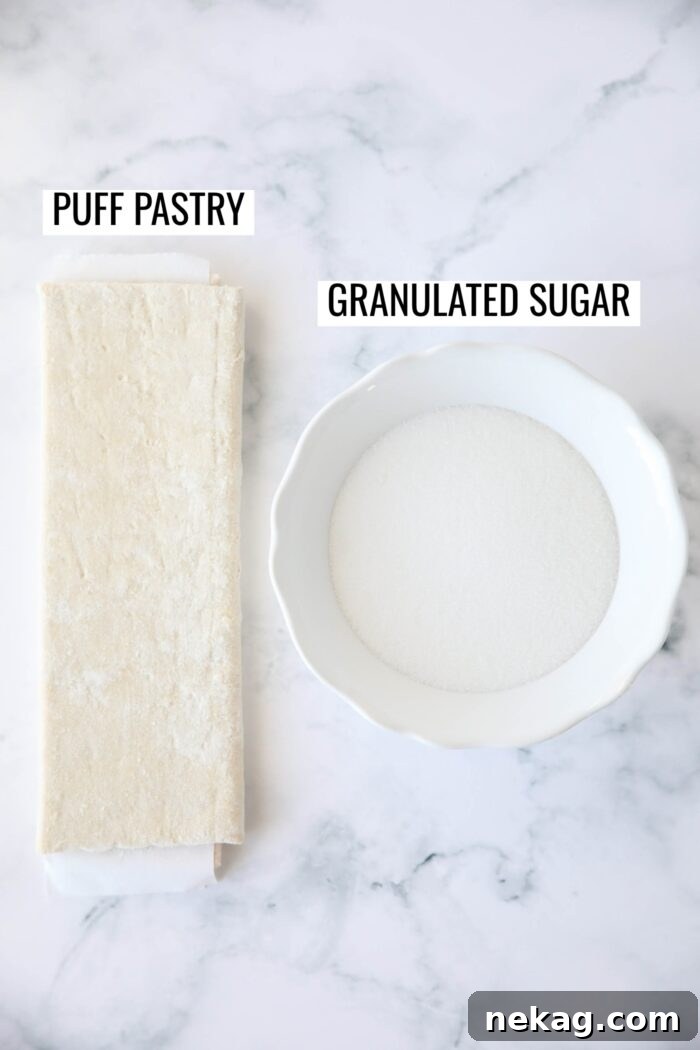
This recipe uses only two essential ingredients:
- Puff pastry (one sheet, store-bought or homemade)
- Granulated sugar
Pro tip: Thaw puff pastry overnight in the refrigerator or at room temperature for no more than about 40 minutes. Flip it every 10–15 minutes to encourage even thawing. Use the dough as soon as it’s pliable so the butter layers don’t melt.
Optional add-ins: a sprinkle of cinnamon or cardamom, vanilla sugar, or a drizzle/dip of melted chocolate for variation.
How to Make Palmiers (Step-by-Step)
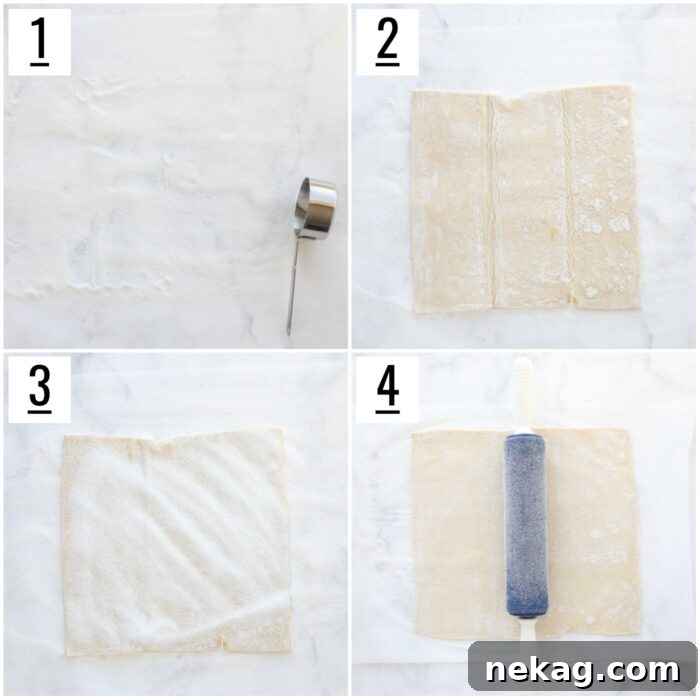
- Prepare your surface: Sprinkle about 1/3 cup sugar onto a large piece of parchment paper.
- Place the puff pastry on the sugared parchment and unroll it.
- Add more sugar: Sprinkle another 1/3 cup of sugar evenly over the top.
- Roll the dough: Use a rolling pin to enlarge the sheet to roughly 12 × 12 inches.
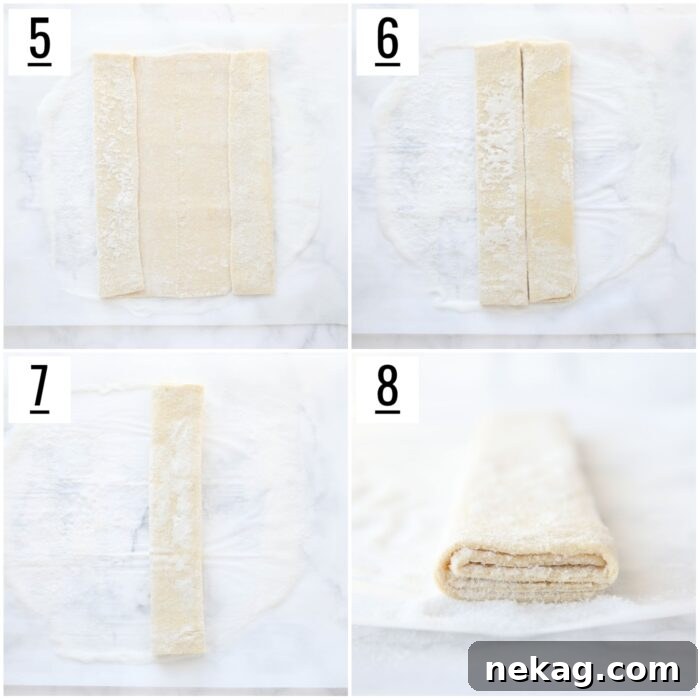
- Fold the pastry: Fold the left and right edges in halfway toward the center, then fold each side again so they meet in the middle. Fold the whole piece in half to form a closed book.
- Chill: Refrigerate the folded dough 15–30 minutes so the butter firms up. Keep it on the parchment so you can move it easily.
- Preheat oven to 400°F (200°C) while the dough chills.
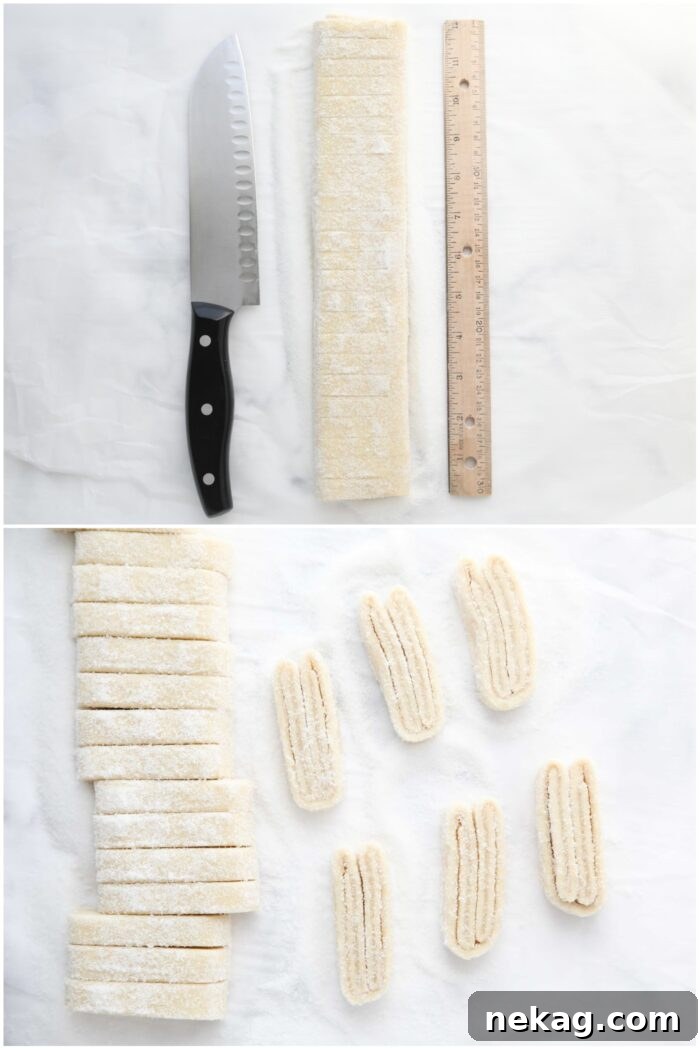
- Slice: Cut the rolled, folded dough into 1/2-inch slices using a sharp knife. Coat cut edges with extra sugar and arrange on a parchment-lined baking sheet.
Pro tip: Score the top lightly or use a ruler to mark uniform pieces before slicing. One puff pastry sheet typically yields about 24 palmiers.
Shaping and Baking
- Place cookies about 2 inches apart on the sheet, no more than 12 per tray. Gently separate the tips so each cookie forms a heart shape as it bakes.
- Bake at 400°F for about 12 minutes, flip each cookie and bake another 3–7 minutes until golden and caramelized. Transfer to a wire rack immediately and let cool 10 minutes before tasting—the sugar will be very hot.
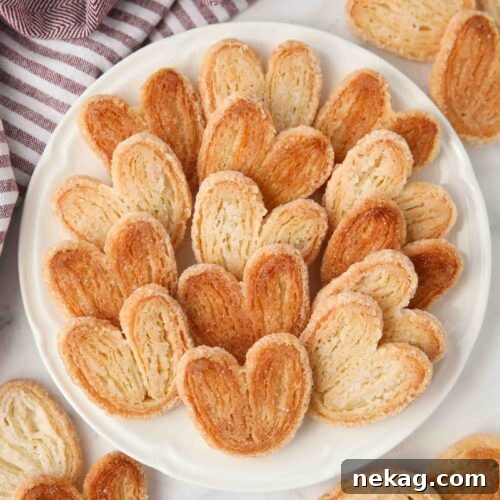
Result: crisp, buttery, slightly chewy cookies with a caramelized sugar shell.
Did you Make This?
Please leave a review and rating if you try the recipe—feedback helps keep new recipes coming.
To Flip the Cookies or Not
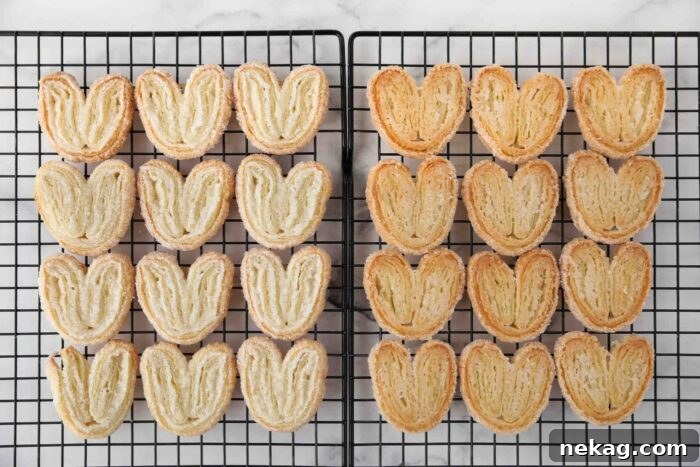
There are two common approaches:
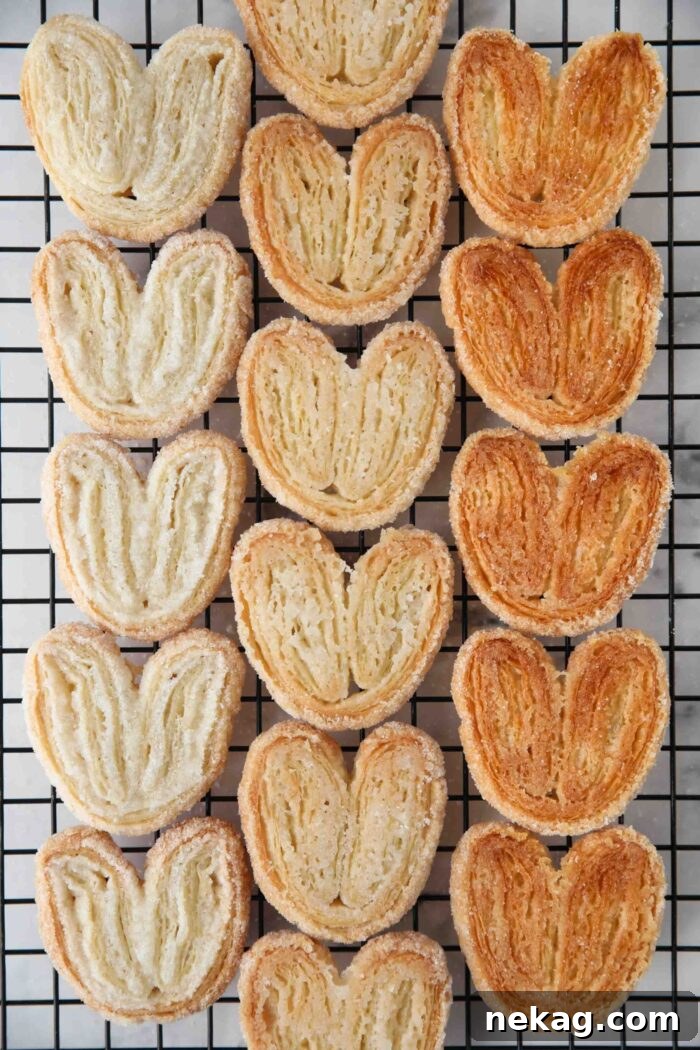
- Flipped: Flipping halfway creates even caramelization on both sides.
- Unflipped: Baking straight through gives a darker, crisper bottom and a lighter top—simpler and still delicious.
- Conclusion: Texture is similar either way; the difference is mainly appearance. Mixing both styles on a tray adds variety.
Important: Keep the oven rack away from the heating element and watch the cookies closely. Sugar can burn quickly once it caramelizes.
Recipe Notes
Tips for Perfect Palmiers
- Chill before slicing: Cold dough keeps the layers defined.
- Use plenty of sugar: It caramelizes into the signature crunchy coating.
- Flip partway through: For even browning, if you prefer.
- Try variations: Savory palmiers with grated Parmesan and herbs are excellent, too.
Why You’ll Love Making Palmiers
Palmiers look fancy but are surprisingly simple. They require no special equipment, come together quickly, and offer many flavor possibilities. Whether sweet or savory, they become a fast favorite once you try them.
FAQs
They’re both: a pastry made from puff pastry but shaped and served like a cookie.
Keep them in an airtight container at room temperature for up to 5 days. They’re best the day they’re made.
Yes, but only before baking. Freeze sliced palmiers flat on a tray, then package in an airtight container for up to 3 months. Bake a few extra minutes from frozen.
Light, buttery and sweet with a caramelized sugar coating—like a cross between a croissant and a sugar cookie.
Recipe at a Glance
- Yields: 24 cookies
- Prep: 15 minutes
- Chill: 15 minutes
- Cook: 15 minutes
- Total: about 45 minutes
Ingredients
- 2/3 cup (134 g) granulated sugar
- 1 puff pastry sheet
Equipment
- Rolling pin
- Sharp knife
- Baking sheet and parchment paper
Instructions
- Thaw the puff pastry as directed; use as soon as it’s pliable.
- Sprinkle 1/3 cup sugar on parchment; place puff pastry on top, then sprinkle remaining 1/3 cup sugar over the dough. Roll to about 12×12 inches.
- Fold both sides inward toward the center twice, then fold in half to make a closed book.
- Chill 15–30 minutes to firm the butter.
- Preheat oven to 400°F (200°C).
- Slice into 1/2-inch pieces, coat cut edges with sugar and place on parchment-lined pans 2 inches apart. Separate the tips so each forms a heart shape.
- Bake 12 minutes, flip and bake another 3–7 minutes until golden and caramelized. Cool on a wire rack 10 minutes before eating.
Storage
Store at room temperature in an airtight container up to 5 days. Freeze only before baking for up to 3 months.
Did you make this?
Please leave a rating and share feedback if you try the recipe.