
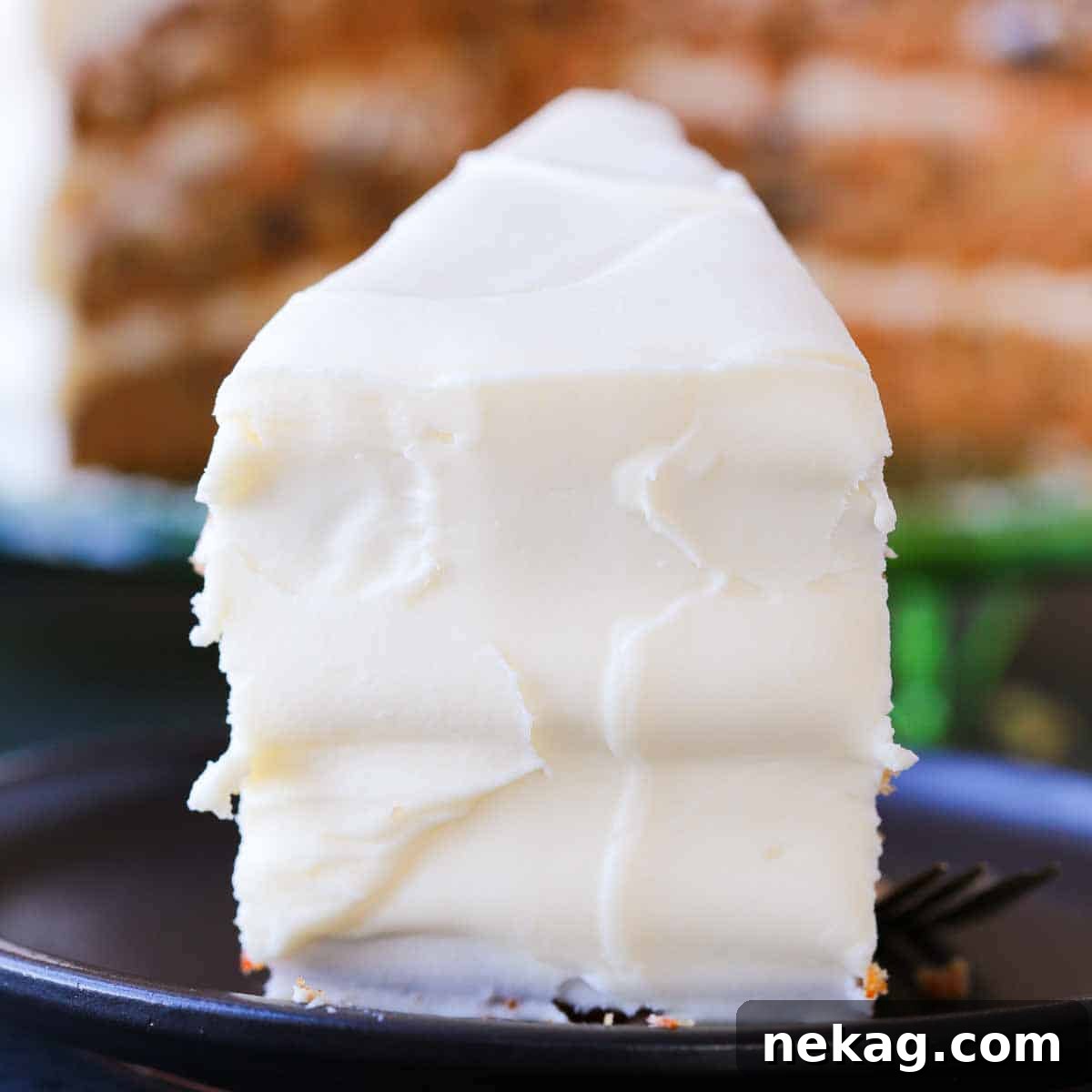
This easy cream cheese buttercream frosting is a culinary masterpiece: tangy, sweet, and exquisitely balanced. The true magic behind its unparalleled flavor and texture lies in a simple yet often overlooked ingredient: fresh lemon juice. As a professional chef, I’ve perfected this recipe to deliver a silky-smooth cream cheese buttercream that will elevate any dessert it graces, from classic layer cakes and moist pound cakes to delicate cookies and vibrant cupcakes.
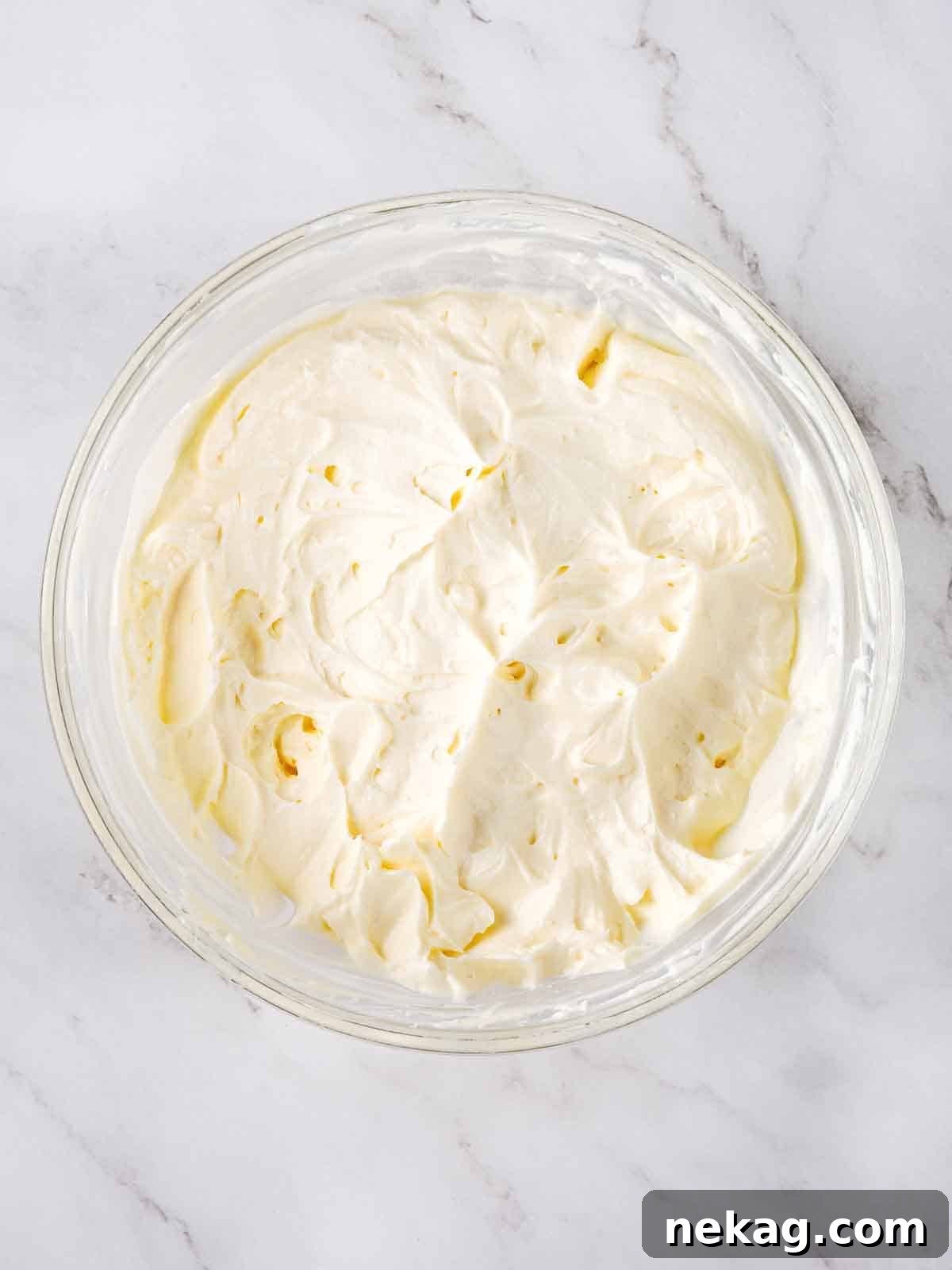
Search no further for the perfect tangy cream cheese buttercream frosting – a versatile creation designed to beautifully complement almost any sweet treat. During my tenure as Executive Pastry Chef in bustling Manhattan restaurants, this frosting was consistently one of the most requested recipes by patrons and colleagues alike. It holds a special place alongside my famed carrot cake that famously beat Bobby Flay and these irresistibly thick chocolate chip cookies.
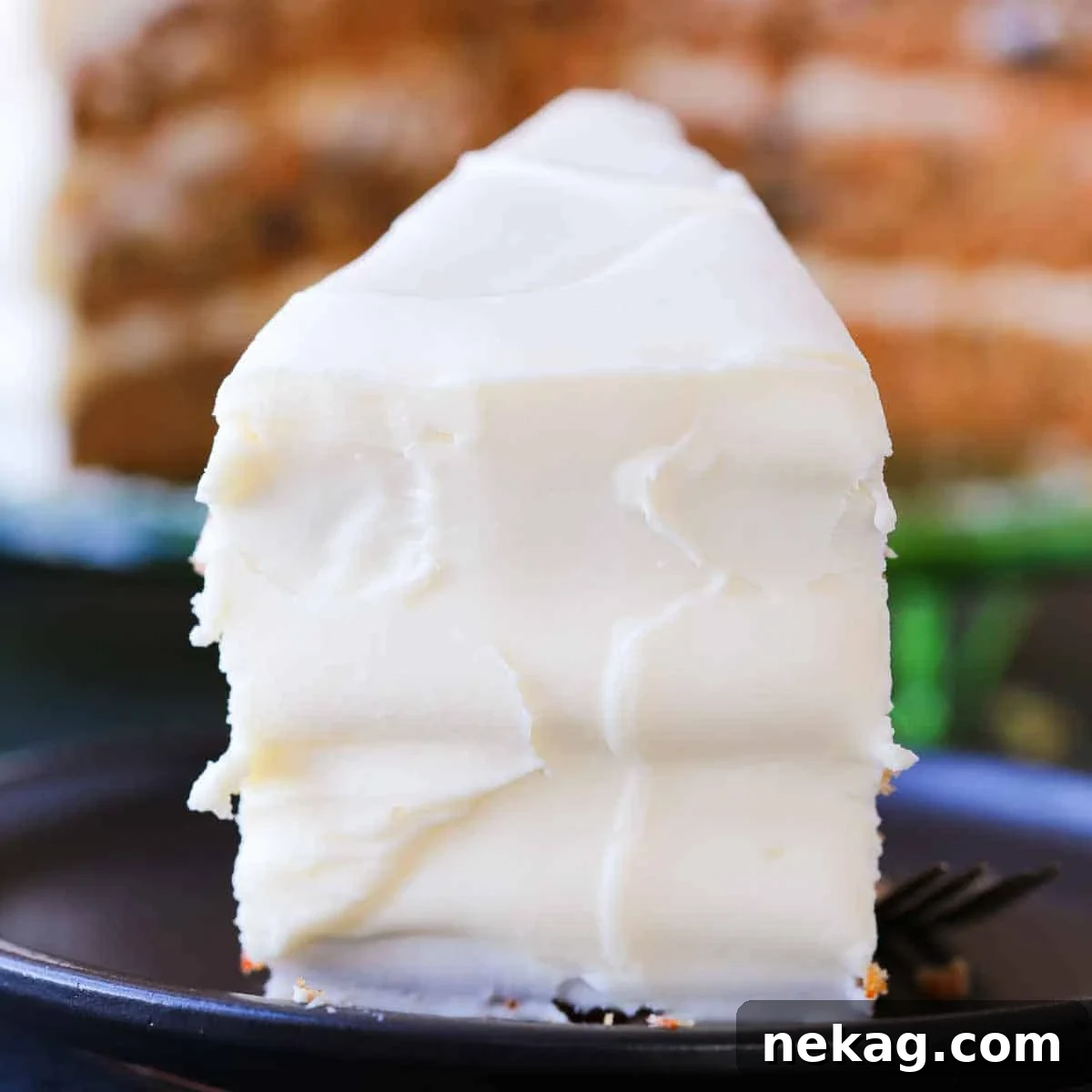
The secret to its distinct character and superior taste lies in a carefully calibrated high ratio of cream cheese to powdered sugar, enhanced by the bright zing of freshly squeezed lemon juice. This unique combination yields a frosting that, while slightly looser at room temperature, offers a depth of flavor that is truly worth it. A brief chill in the refrigerator is all it takes to firm it up and ensure it maintains its beautiful shape for flawless presentation.
Why This is the Best Cream Cheese Buttercream Frosting
Crafting exceptional desserts requires foundational recipes that truly shine. This cream cheese buttercream isn’t just good; it’s a testament to professional pastry techniques adapted for the home kitchen. Here’s why it stands head and shoulders above other recipes:
- Exquisite Tangy, Balanced Flavor: Unlike many overly sweet frostings that can overpower a dessert, our recipe strikes a sublime balance. The generous ratio of cream cheese to butter and powdered sugar, coupled with the vital addition of fresh lemon juice, creates a bright, tangy profile that perfectly cuts through sweetness. It’s vibrant without being sour, rich without being heavy, ensuring every bite is a delightful experience. This frosting complements rather than competes with your dessert’s natural flavors.
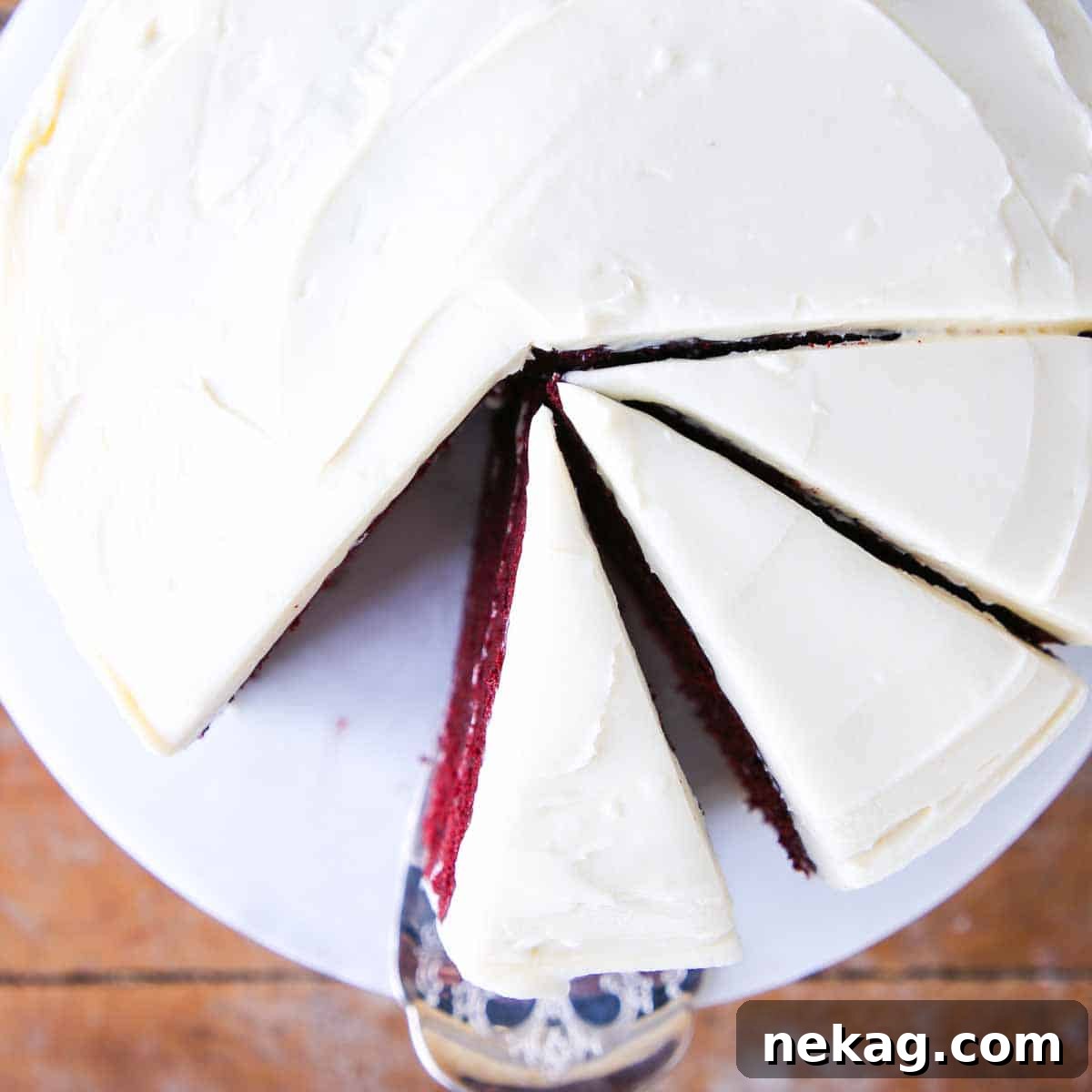
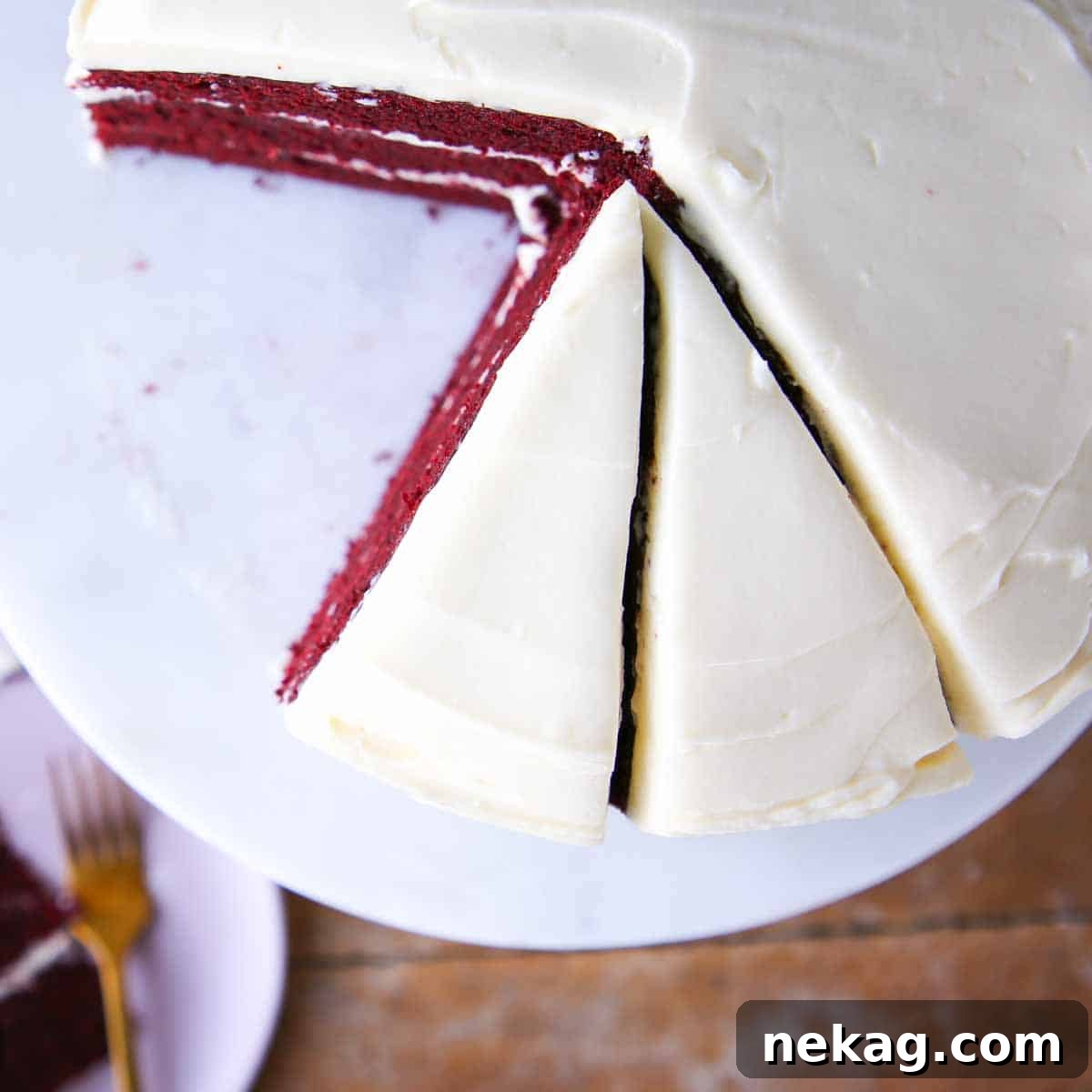
- Silky Smooth Texture, Perfect for Any Dessert: Achieving a truly smooth frosting can be a challenge, but this recipe delivers unparalleled silkiness. Its ideal consistency makes it incredibly versatile, perfect for frosting classic layer cakes such as a delicate hummingbird cake, the best carrot cake, or a luxurious red velvet cake. It also performs exceptionally well on less traditional options, like an effortless one-bowl chocolate cake or delightful peach cupcakes. Whether spreading, piping, or swirling, its smooth texture ensures a professional finish every time.
- Remarkably Versatile & Effortless to Prepare: You don’t need exotic ingredients or complex techniques to achieve perfection with this frosting. It comes together in under 10 minutes, making it an ideal choice for busy bakers and seasoned professionals alike. Its inherent simplicity belies its sophisticated flavor and adaptability. Use it straight away to frost your creations or adapt it with various flavorings to suit any occasion. This ease of preparation makes it a go-to recipe for everything from everyday treats to special celebrations.
Table of Contents
- Why This is the Best Cream Cheese Buttercream Frosting
- Essential Ingredients & Smart Substitutions
- Creative Variations to Elevate Your Frosting
- Professional Chef’s Tips for Flawless Frosting
- Step-by-Step: Crafting Your Cream Cheese Buttercream
- Mastering Ingredient Temperatures
- Chef’s Secret for Perfect Consistency
- Versatile Uses for Your Delicious Cream Cheese Frosting
- Frequently Asked Questions
- Recommended Carrot Cake Recipes
- Cream Cheese Buttercream Frosting Recipe
- Final Thoughts
Essential Ingredients & Smart Substitutions
Every exceptional recipe starts with quality ingredients. For this cream cheese buttercream, a few key components make all the difference:
- Full-Fat Brick-Style Cream Cheese: We’ve emphasized this before, and it bears repeating: opt for full-fat, brick-style cream cheese. Avoid any varieties sold in tubs, as these often contain stabilizers or a higher water content that will result in a looser, less flavorful frosting. Brands like Philadelphia Cream Cheese are ideal for their superior texture and taste, which contribute significantly to the creaminess and tang of the final product. Ensure it’s softened to room temperature for a lump-free blend.
- Unsalted Butter: Using unsalted butter allows you to control the overall salinity of your frosting. Like cream cheese, the butter must be at true room temperature to emulsify properly with the other ingredients, creating that coveted silky texture. If it’s too cold, your frosting will be lumpy; too warm and it might separate.
- Powdered Sugar (Confectioners’ Sugar): This fine sugar is crucial for the frosting’s smooth consistency. While sifting isn’t always strictly necessary if your powdered sugar is consistently clump-free, it’s a wise step if you notice any lumps. Sifting ensures a uniform texture, preventing grainy or unmixed pockets in your buttercream.
- Freshly Squeezed Lemon Juice: This is our secret weapon! Please, resist the temptation to use bottled lemon juice. The flavor difference is monumental. Bottled versions often contain preservatives and lack the bright, natural zestiness of freshly squeezed lemons, which can leave your frosting tasting artificial and flat. Just take a moment to squeeze a lemon – the vibrant, authentic tang it imparts is irreplaceable and what truly balances the sweetness of the frosting.
- Vanilla Extract: Pure vanilla extract provides a warm, complementary aroma that rounds out the flavors beautifully. While vanilla flavorings exist, pure extract offers a richer, more nuanced profile. Feel free to use your preferred quality.
For precise measurements and further details, please consult the comprehensive recipe card below.
Creative Variations to Elevate Your Frosting
While the classic cream cheese buttercream is sublime on its own, its versatility allows for endless creative adaptations. Here are some ideas to customize your frosting for any occasion or flavor preference:
-
Change the Flavor Profile:
- Chocolate Cream Cheese Frosting: Whisk in a few tablespoons of unsweetened cocoa powder (sifted, to avoid lumps) for a rich, chocolatey twist that pairs wonderfully with chocolate cakes or red velvet.
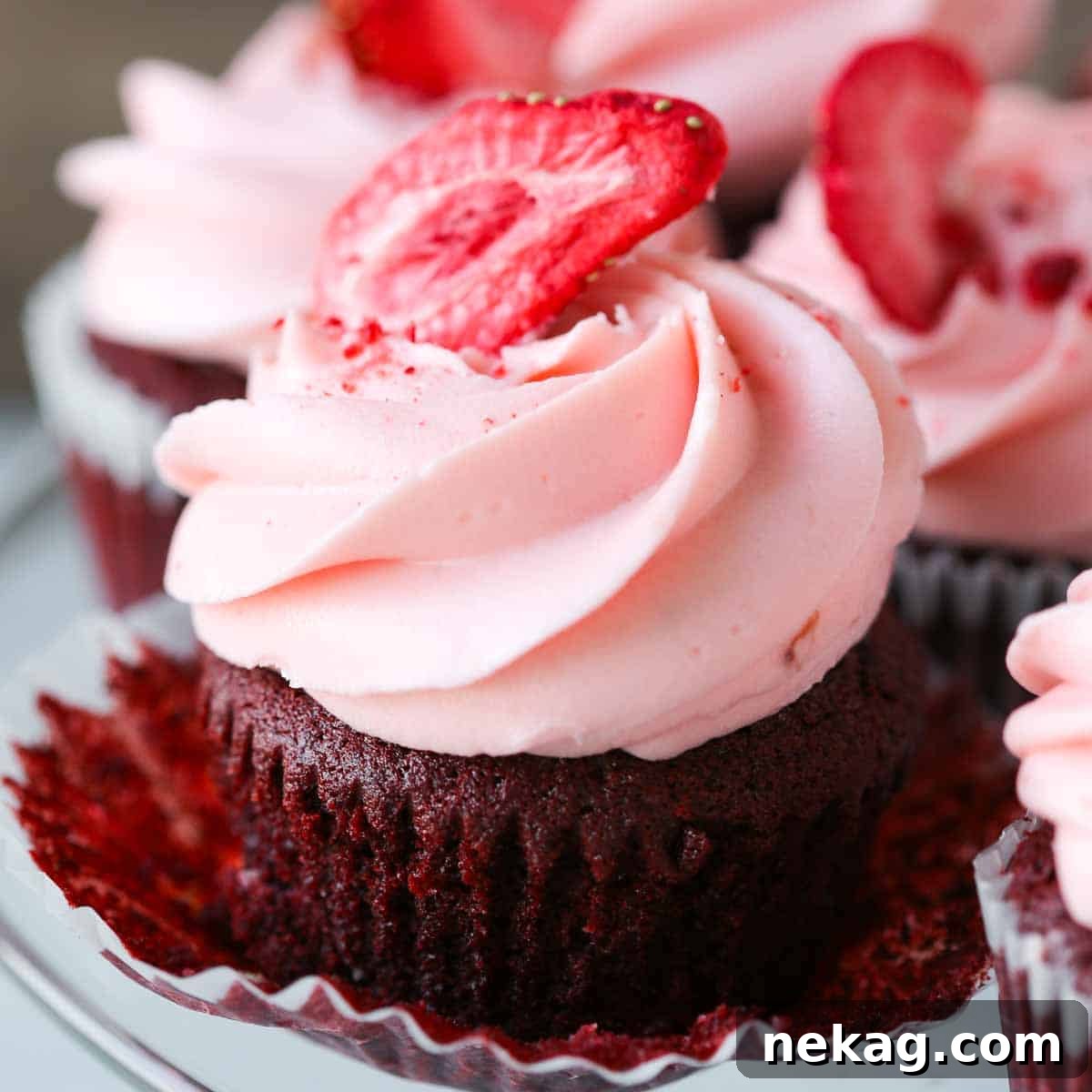
- Fruity Cream Cheese Frosting: Incorporate a few spoonfuls of easy strawberry jam or a purée of your favorite berries (strained, to remove seeds) to create a vibrant fruit-flavored frosting. This is fantastic on vanilla or lemon cakes, much like the strawberry cream cheese frosting I used for these red velvet cupcakes.
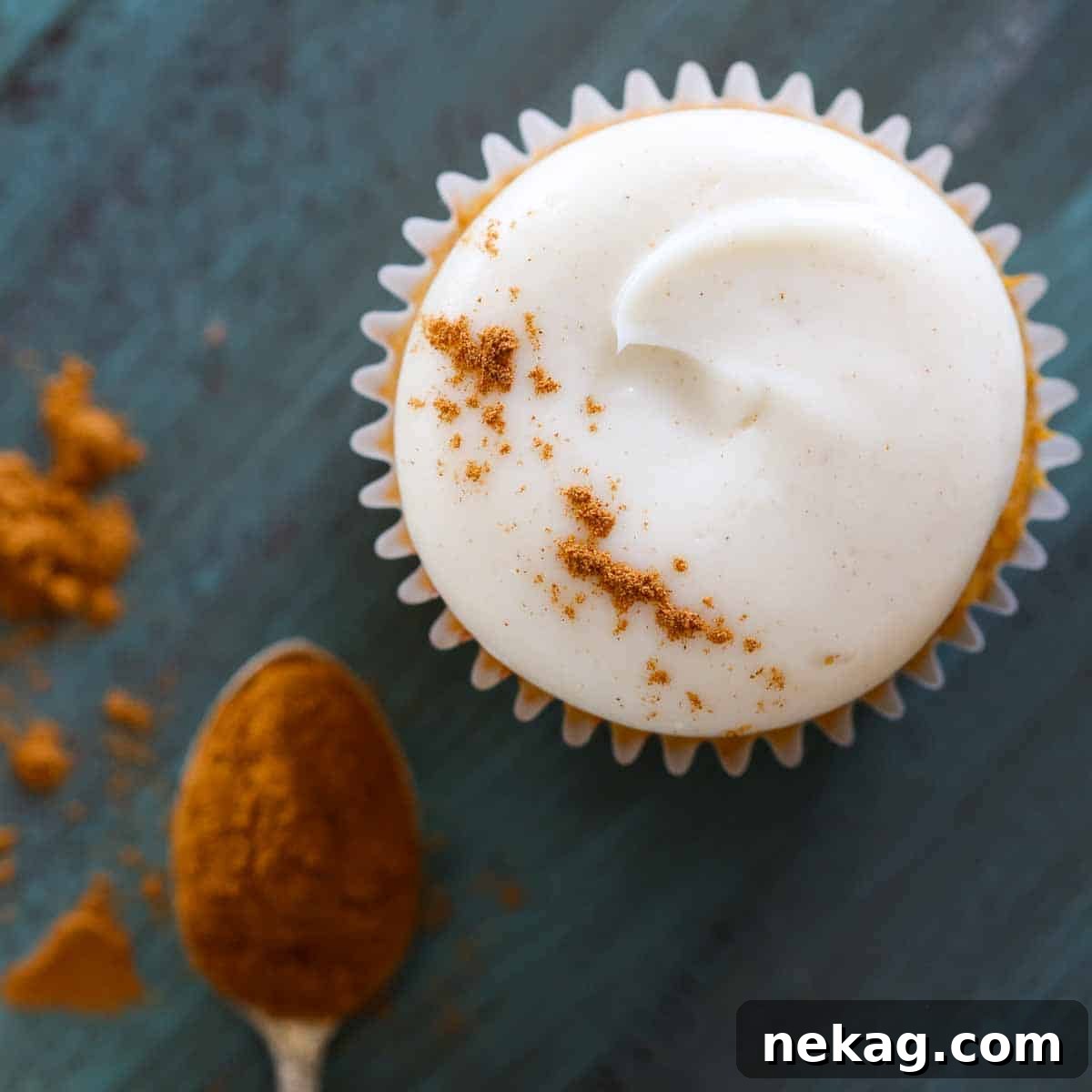
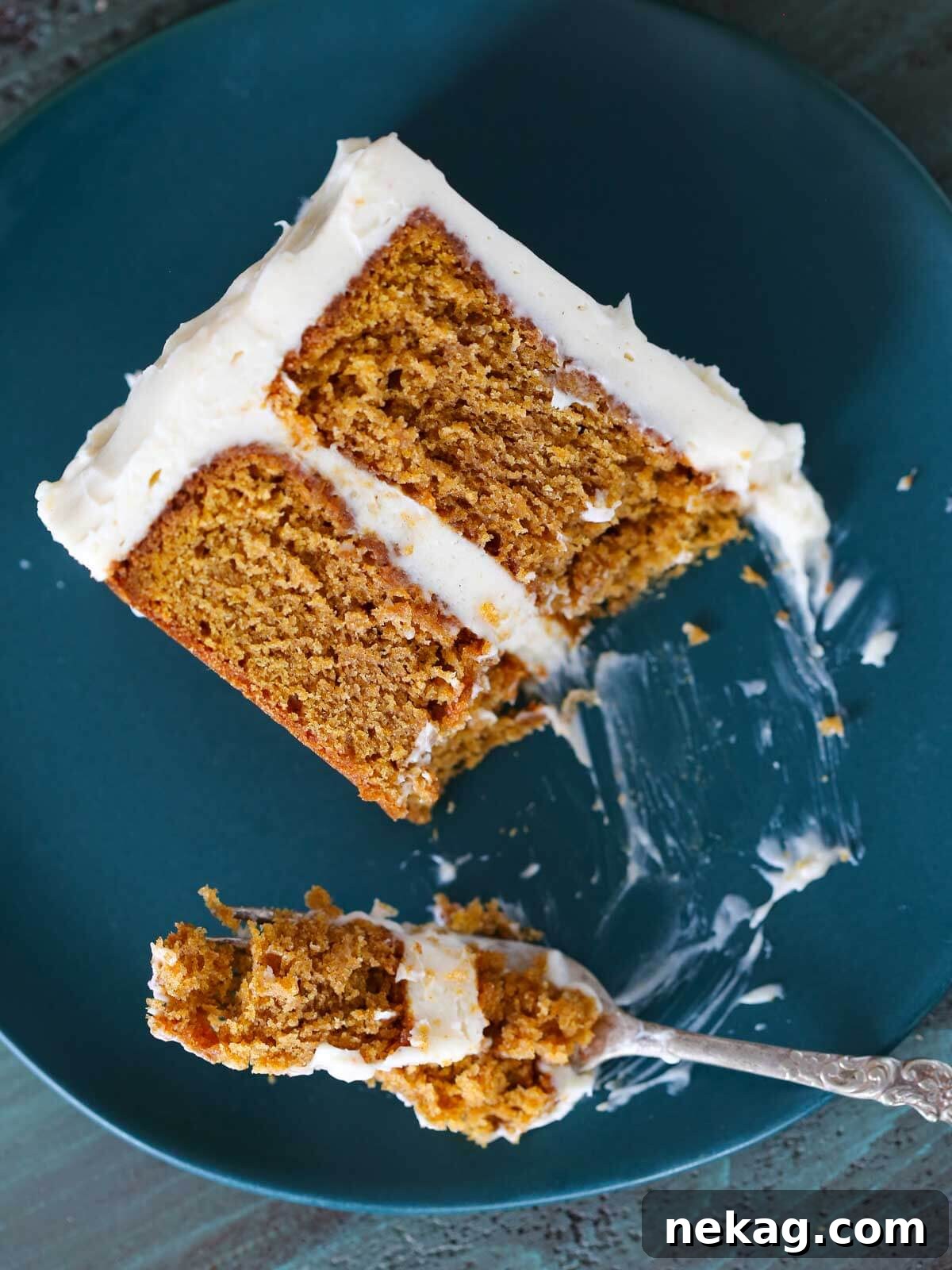
- Spiced Cream Cheese Frosting: Add a dash of ground cinnamon, nutmeg, or a full pumpkin spice mix for a warm, comforting flavor. It’s truly exceptional on pumpkin cake or gingerbread.
- Alcohol Infusions: For an adult twist, a tablespoon or two of bourbon or another liqueur can add a sophisticated depth of flavor, as demonstrated in my red velvet cake with bourbon buttercream.
-
Add-ins for Decoration and Texture:
- Funfetti Frosting: Fold in colorful sprinkles for a festive funfetti frosting, perfect for birthday cakes or cupcakes, much like those funfetti cupcakes.
- Nutty or Seedy Additions: Gently stir in poppy seeds for a subtle crunch, reminiscent of a lemon poppyseed cake. Finely chopped nuts can also add texture.
- Vanilla Bean Elegance: For an elevated vanilla experience, scrape in the seeds from half a vanilla bean or use a teaspoon of high-quality vanilla bean paste.
-
Adjusting Consistency for Specific Uses:
While this recipe provides a perfectly spreadable and pipeable frosting, you might sometimes desire a thicker consistency. However, be mindful that altering the thickness significantly can impact the flavor balance.
- Thicker Frosting: To achieve a firmer frosting, gradually beat in more powdered sugar. This is the most common method. Adding a small amount of cornstarch is sometimes suggested, but I generally advise against it, as it can impart an undesirable starchy flavor and texture. If you need a very firm, pipeable frosting specifically for intricate cookie decorating, you might consider a dedicated cream cheese frosting recipe designed for cookies, which typically has a different fat-to-sugar ratio.
- Looser Frosting: If your frosting becomes too stiff, you can gently thin it with a tiny amount (half a teaspoon at a time) of milk, cream, or even more fresh lemon juice, beating thoroughly after each addition until the desired consistency is reached.
Professional Chef’s Tips for Flawless Frosting
Achieving bakery-quality cream cheese buttercream is within your reach with these insider tips from a professional pastry kitchen:
- Ensure Cream Cheese and Butter are Very Soft (but not melted): This is arguably the most critical step for a silky-smooth, lump-free frosting. Both your full-fat brick cream cheese and unsalted butter must be at proper room temperature – soft to the touch, but not greasy or melty. If either ingredient is too cold, you’ll inevitably end up with stubborn lumps of unmixed dairy, resulting in a texturally inferior frosting. Adequate softness allows them to cream together effortlessly into a homogenous, smooth base.
- Always Use Full-Fat Cream Cheese (Seriously, please!): While it’s your kitchen and your choice, I implore you to use full-fat cream cheese. Resist the urge to use low-fat or whipped varieties. This is buttercream, and it’s destined for a delicious cake or cupcake! The fat content in full-fat cream cheese is essential for achieving the rich, creamy texture and robust tangy flavor that defines this recipe. Low-fat alternatives or whipped cream cheese products contain more water and less fat, which will result in a significantly looser, less stable, and less flavorful buttercream that struggles to hold its shape and body. Give your dessert the decadent frosting it deserves!
- Strategic Use for Layer Cakes: This cream cheese buttercream is perfect for filling and frosting up to a 3-layer cake. However, for taller, multi-tiered cakes, or elaborately shaped cakes where structural integrity is paramount, a combination approach is best. Use this delicious cream cheese frosting for the delicious filling between layers. For the exterior crumb coat and a sturdy dam (a border that prevents fillings from oozing out), opt for a more stable frosting like Swiss meringue buttercream. This technique provides the perfect balance: the structural support needed for a tall cake, coupled with the incredible flavor of cream cheese frosting where it matters most.
Step-by-Step: Crafting Your Cream Cheese Buttercream
Follow these simple instructions to create the silkiest, most delicious cream cheese frosting. Detailed measurements and ingredient quantities are provided in the recipe card below.
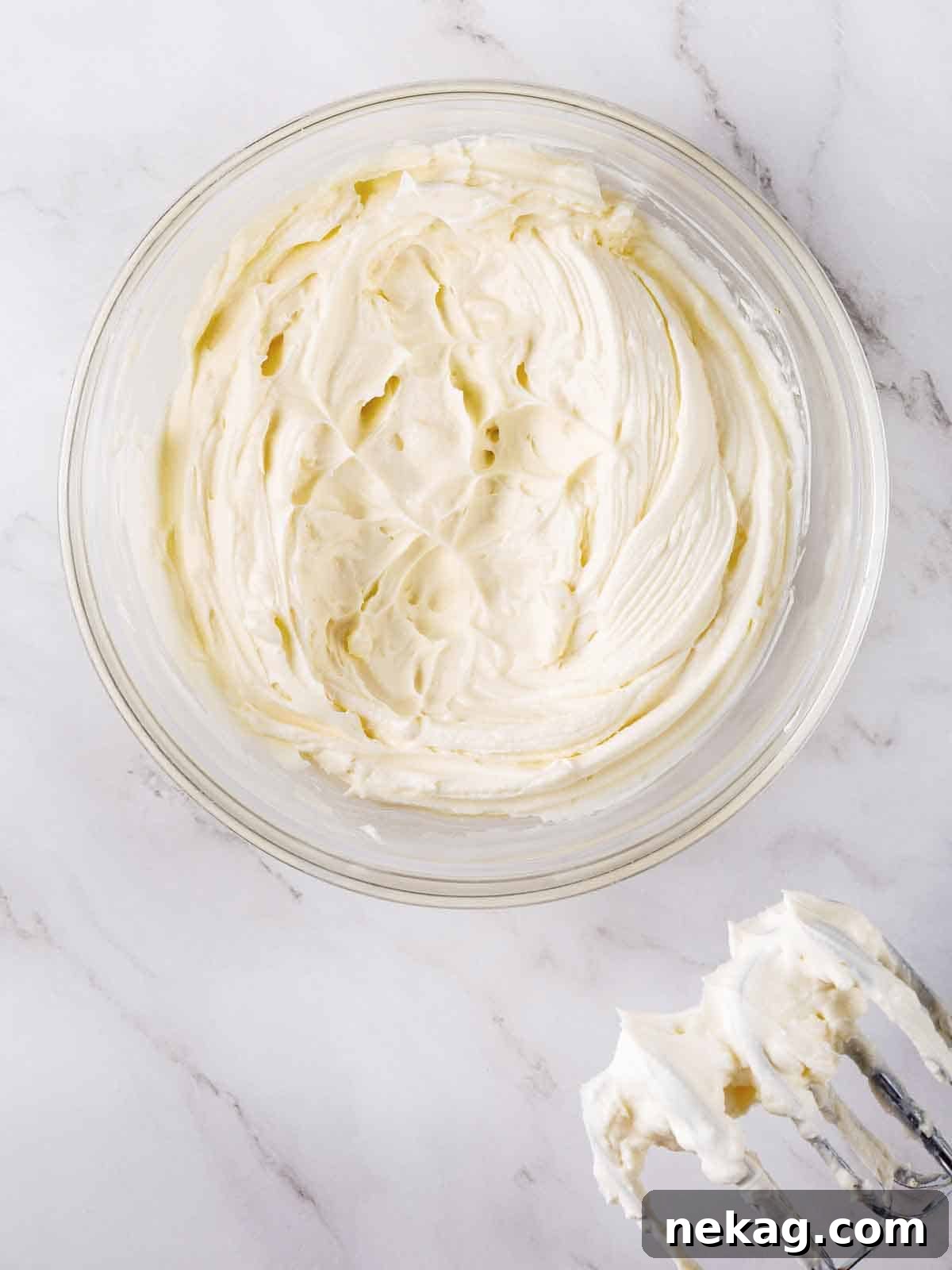
- Step 1: Cream the Butter and Cream Cheese. In the bowl of a stand mixer fitted with the paddle attachment, add your very soft (but not melted) unsalted butter and full-fat brick-style cream cheese. Begin beating on low speed, gradually increasing to medium-high speed. Continue to beat until the mixture is incredibly smooth, fully combined, and free of any lumps. Scrape down the sides of the bowl frequently to ensure everything is evenly incorporated. If you don’t have a stand mixer, a large mixing bowl and a sturdy hand mixer will work just as well. This initial creaming sets the foundation for a truly smooth frosting.
-
Step 2: Incorporate the Powdered Sugar. With the mixer on low speed (to prevent a cloud of sugar from erupting!), gradually add all of the powdered sugar. If your powdered sugar tends to be lumpy, take the extra minute to sift it directly into the bowl before adding. Once all the sugar is added, increase the mixer speed to medium-high and beat until the mixture is light, fluffy, and well combined.
If you’re feeling adventurous and skipped sifting your confectioners’ sugar, sometimes a few stubborn lumps might remain even after extensive beating. Don’t fret! Simply stop the mixer, take a sturdy spoon or a rubber spatula, and press those unyielding lumps against the sides of the mixing bowl. A little patience and gentle persuasion will break them down, ensuring a perfectly smooth frosting.
- Step 3: Add Flavor and Finish. Finally, pour in the fresh lemon juice and vanilla extract. Beat again on medium-high speed until the frosting is beautifully light, fluffy, and the flavors are fully incorporated. You can also switch to the whisk attachment for an extra airy texture if desired. Once it reaches this stage, your exquisite cream cheese buttercream is ready to be spread, piped, and enjoyed on cakes, bars, cupcakes, cookies, and so much more!
Mastering Ingredient Temperatures: How to Soften Cream Cheese & Butter Quickly
Forgetting to bring butter and cream cheese to room temperature is a common baking mishap. If you find yourself in a rush or your kitchen is particularly chilly, here’s a professional trick to quickly yet gently soften your key ingredients without melting them:
- Start with the butter: Place the cold butter in the bowl of your stand mixer. With the mixer on medium-high speed, gently apply a kitchen torch to the *outside* of the metal mixing bowl. Move the torch constantly and quickly, never allowing it to stay in one spot. Stop frequently to check the butter’s softness and allow the warmth to distribute evenly throughout the butter. The goal is soft, pliable butter, not melted butter.
- Remove the softened butter to a small separate bowl. Now, add the cold brick cream cheese to the (now empty) mixer bowl. Repeat the process of gently torching the outside of the bowl while the mixer runs, until the cream cheese is perfectly soft and pliable.
- Once both are individually softened, return the butter to the bowl with the cream cheese. Now you can proceed with the recipe as written, knowing your ingredients are at the perfect temperature for a seamless, lump-free blend. It’s crucial to soften them separately; if you attempt to soften them together, the cream cheese will melt long before the butter reaches the desired consistency.
Chef Lindsey’s Secret: Rest & Re-beat for Perfect Consistency
If, at any point during preparation, your buttercream feels too warm or loose – perhaps due to a warm kitchen or extended mixing – don’t panic! This is a simple fix. Just pop the entire mixer bowl, along with the buttercream and attachments, into the refrigerator. Let it chill for about an hour, allowing the fats to firm up. Once chilled, return it to the mixer and beat it again with the paddle attachment. It will quickly regain its perfect, airy consistency. Take a deep breath, it’s going to be fabulous!
Versatile Uses for Your Delicious Cream Cheese Frosting
This phenomenal cream cheese buttercream isn’t just for carrot cake! Its balanced flavor and delightful texture make it incredibly adaptable for a wide range of desserts. Here are just a few ways to put it to good use:
-
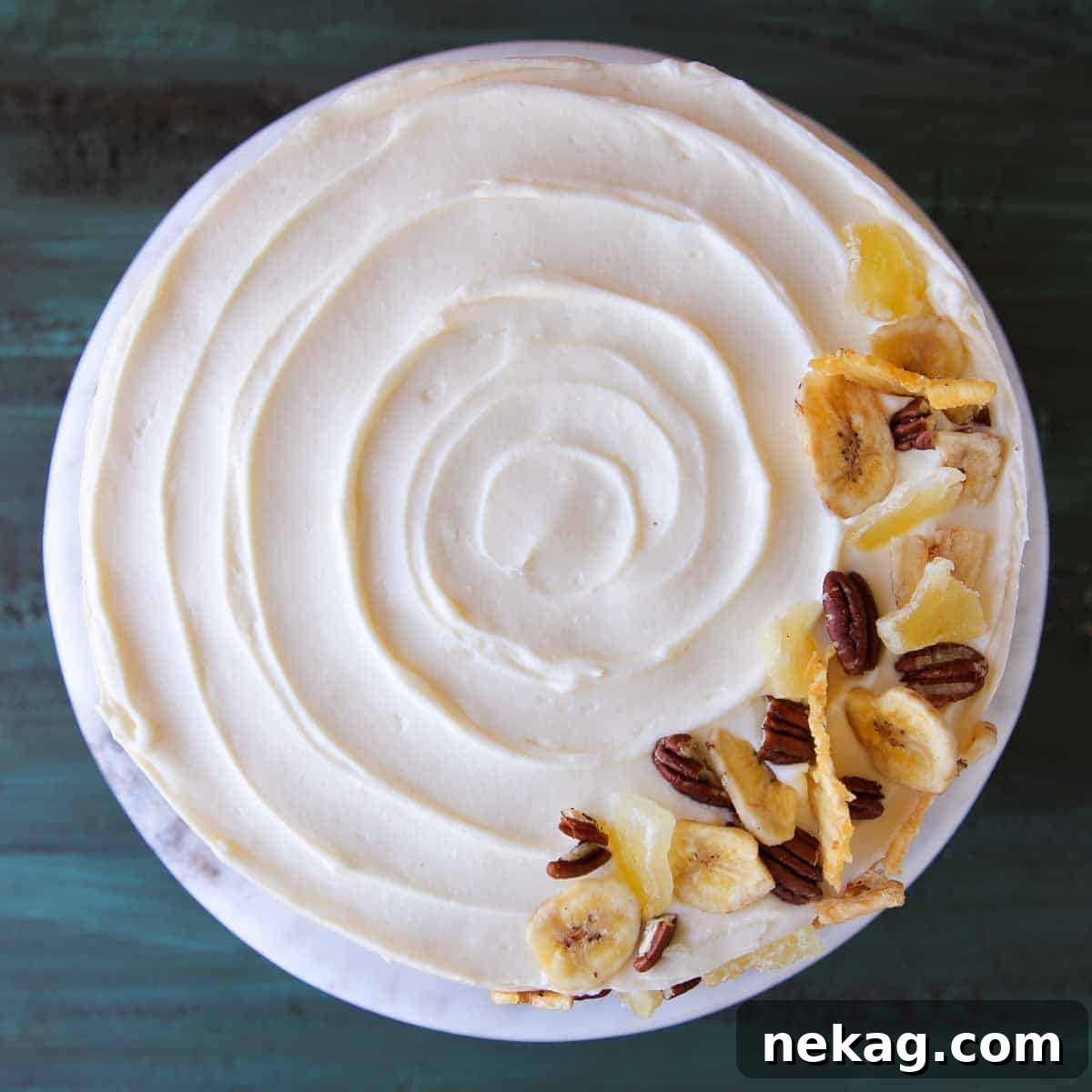
Frost an Indulgent Layer Cake: This frosting is the ideal companion for classic layer cakes. Generously spread it between layers of an easy carrot cake, a tropical hummingbird cake, or a rich red velvet cake. Its tanginess provides a wonderful contrast to the cake’s sweetness.

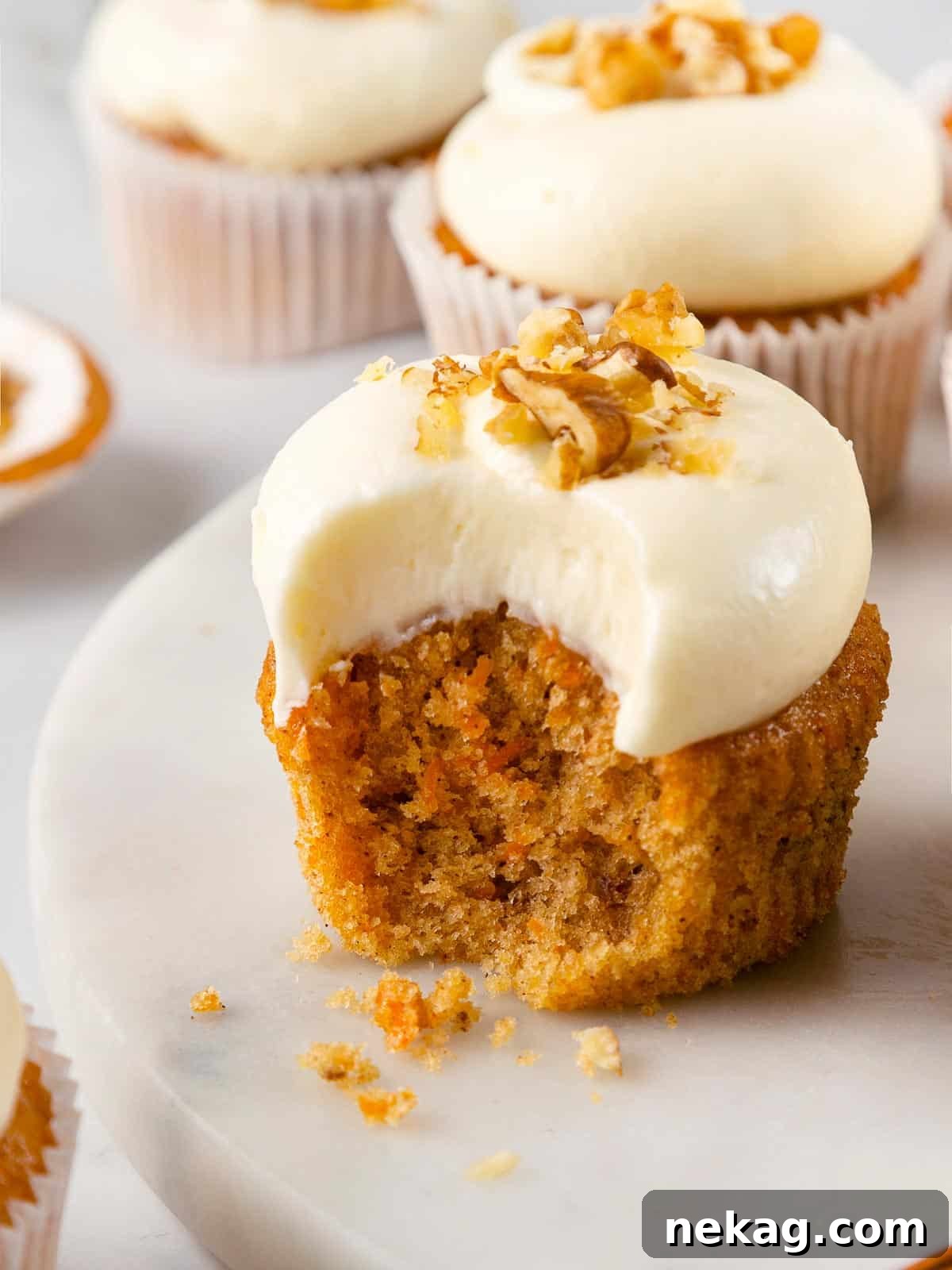
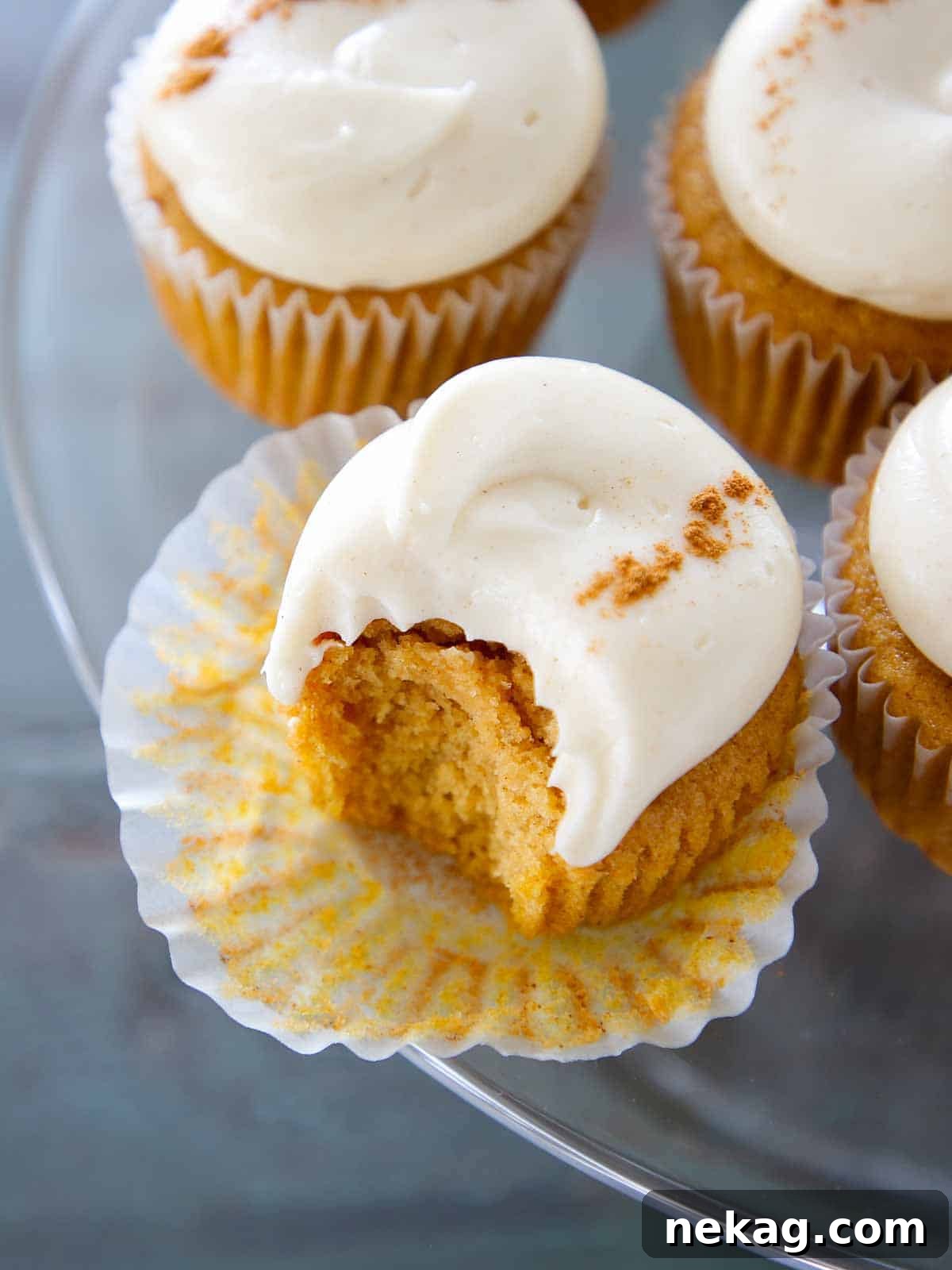
- Pipe it on Cupcakes: Just like my maple frosting, this buttercream holds its shape beautifully, making it perfect for piping elegant swirls or simple dollops on cupcakes. Try it on classic carrot cake cupcakes, decadent chocolate caramel cupcakes, or festive red velvet cupcakes.
- Spread it on Top of a Pound Cake: Who says pound cake can’t be frosted? A thick, generous layer of this cream cheese buttercream transforms a simple pound cake into an extraordinary dessert. Slather it over my sour cream pound cake or a rich red velvet pound cake for an unforgettable treat.
-
Use it in a Roulade (Cake Roll): Its consistency is perfect for filling cake rolls. I frequently use it in my carrot cake roll and my beloved fabulous pumpkin roll. It remains soft and pliable even after refrigeration, ensuring a moist and delicious spiral every time.
- Make the Perfect Sheet Cake: For a less formal but equally delicious dessert, this frosting is delightful on sheet cakes. Imagine it crowning my funfetti sheet cake or a rich Guinness chocolate cake! I’ve also found it to be a perfect match for an easy applesauce cake and a comforting banana cake with cream cheese frosting.
-
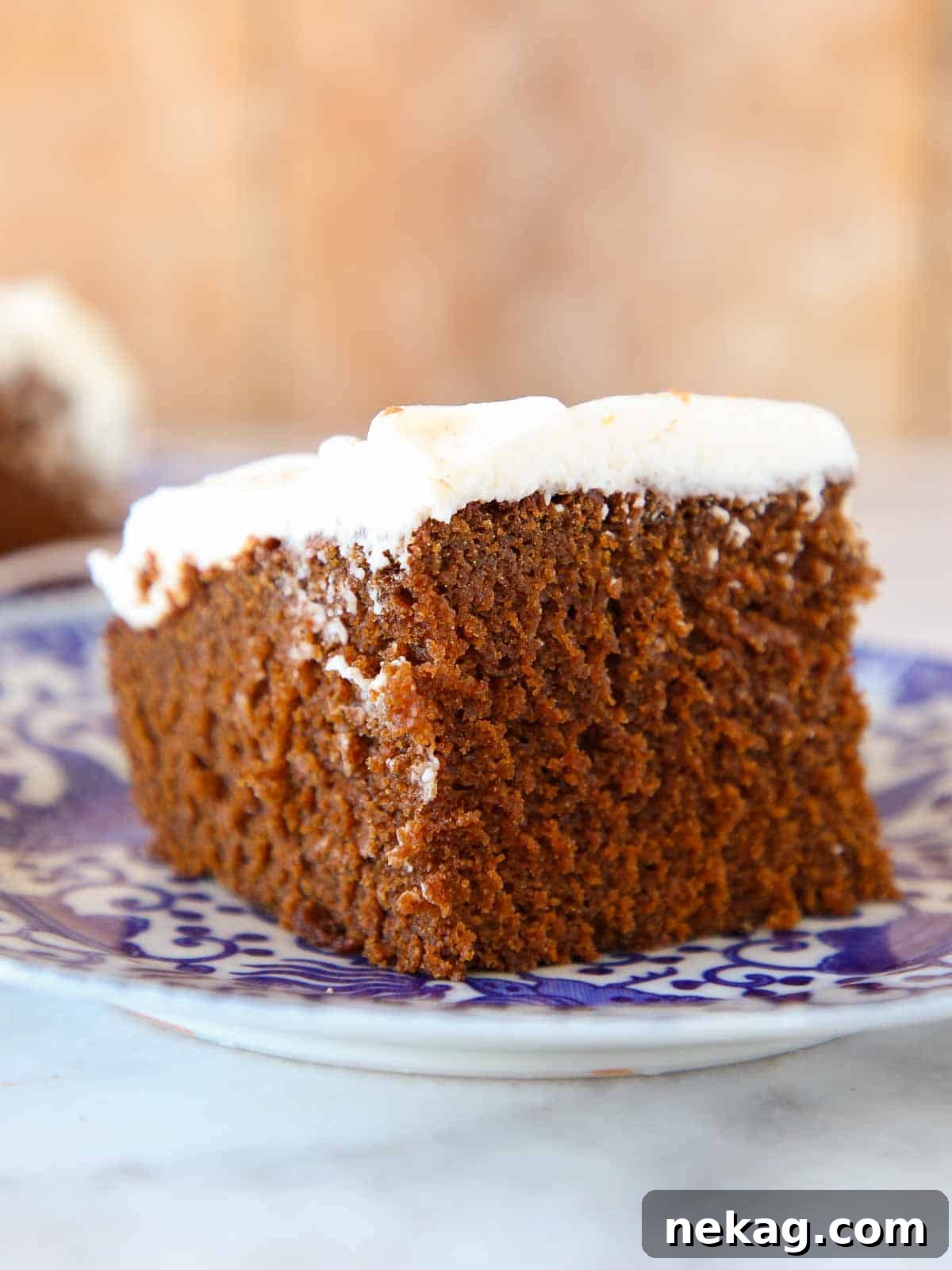
Perfect for the Holidays! Embrace the festive spirit by adapting this frosting for holiday treats. Add cinnamon or a medley of warming spices for a pumpkin cake, or enjoy it plain on pumpkin cupcakes. It’s also the quintessential pairing with an old-fashioned gingerbread, providing a creamy, tangy contrast to the robust spice.
- Spread on Cinnamon Rolls: Don’t let any leftover frosting go to waste! It’s absolutely divine spread generously on warm cinnamon rolls. Elevate your morning pastry with this creamy topping on the best cinnamon rolls, fragrant apple cinnamon rolls, or these incredible sourdough cinnamon rolls.
Frequently Asked Questions
Proper storage is key to extending the life of your delicious cream cheese frosting. Store any leftover frosting in a clean, airtight container. It will keep beautifully in the refrigerator for up to 3 weeks. For longer storage, you can freeze it for up to 2 months. To thaw frozen buttercream, transfer it to the refrigerator overnight. Once thawed, allow it to sit at room temperature for several hours until soft enough to re-whip. Alternatively, you can place the thawed frosting in a stand mixer fitted with the paddle attachment and beat it on medium-low speed. The friction will gradually warm it up and restore its smooth, fluffy texture, ready for use.
Absolutely! This recipe is incredibly scalable. I’ve personally made batches of this frosting in an 80-quart commercial mixer in professional kitchens, so you can confidently adjust the quantities to make as large a batch as you need. Simply multiply all the ingredients proportionally. If you’re using a home stand mixer, be mindful of its capacity and divide the recipe into multiple batches if necessary to avoid overfilling and ensure proper mixing.
One of the reasons this particular frosting recipe is less overwhelmingly sweet than many others found online is its balanced ratio of powdered sugar. Powdered sugar, along with the butter, is the primary thickening agent in this style of buttercream, similar to how it works in a vanilla American buttercream. If you desire a thicker, firmer frosting, you can gradually add more powdered sugar. For every 1/2 cup of additional powdered sugar, you might also consider adding 1-2 tablespoons of softened butter to maintain a good flavor balance and prevent it from becoming too stiff. Beat well after each addition until you reach your desired consistency. Remember, adding too much sugar can make the frosting overly sweet, so adjust to your taste.
It’s important to understand that cream cheese frosting, by its nature, will not set as firm and rigid as a Swiss meringue buttercream or an Italian meringue buttercream, which rely on meringue for their structure. Even a classic American buttercream, such as my chocolate buttercream frosting, tends to set more firmly because it typically contains a higher proportion of butter and powdered sugar. If your cream cheese buttercream still isn’t setting or firming up adequately even after refrigeration, there are a few common culprits. The most likely reason is that either the butter or the cream cheese became too soft, or even slightly melted, during preparation. Another significant factor is the type of cream cheese used: employing low-fat or whipped cream cheese will invariably result in a looser, less stable frosting due to its reduced fat content and higher moisture.
Due to the dairy content of cream cheese, it’s generally recommended to refrigerate cakes frosted with cream cheese buttercream for optimal food safety, especially for prolonged storage. You can safely leave a cake frosted with cream cheese frosting at room temperature for up to 2 hours. Beyond that, it should be stored in the refrigerator to prevent spoilage. For longer-term storage, wrap the cake well in plastic wrap and then aluminum foil before refrigerating or freezing to protect it from absorbing refrigerator odors and to prevent it from drying out.
Recommended Carrot Cake Recipes
If you’re looking for the perfect canvas for this cream cheese buttercream, explore these delightful carrot cake creations:
Cupcake Recipes
Carrot Cake Cupcakes
Cake Recipes
Best Carrot Cake Recipe
Cake Recipes
Carrot Cake Roll
Easy Scone Recipes
Carrot Cake Scones
If you tried this recipe and loved it, please leave a 🌟 star rating and let me know how it goes in the comments below. I love hearing from you; your comments make my day!
Cream Cheese Buttercream Frosting
This easy cream cheese buttercream frosting is tangy, sweet and perfectly balanced. The secret to the perfect flavor is lemon juice! Use this professional chef’s recipe for silky, smooth cream cheese buttercream to top cakes, pound cakes, or cookies.
Comment
Print Recipe
Ingredients
- 21 ounces cream cheese room temp, full-fat brick-style
- 18 tablespoons unsalted butter room temp
- 2 cups powdered sugar sifted if lumpy
- 2 tablespoons lemon juice ~ the juice of 1 fresh lemon
- 1 teaspoon vanilla extract pure
Instructions
-
Cream together cream cheese, butter, and sugar until smooth. In a stand mixer with the paddle attachment, beat the softened cream cheese and unsalted butter on medium-high speed until light, fluffy, and completely smooth. Gradually add the powdered sugar, starting on low speed to avoid a mess, then increasing to medium-high and beating until fully incorporated and lump-free.
-
Add lemon juice and vanilla extract. Pour in the fresh lemon juice and vanilla extract. Continue beating on medium-high speed until the frosting is airy and fluffy. If the frosting becomes too warm or soft at any point, place the entire mixer bowl and attachments into the refrigerator for an hour to chill.
-
Beat with a paddle. Once chilled, remove from the refrigerator and beat again with the paddle attachment until it regains its perfect consistency. Your silky-smooth cream cheese buttercream is now ready to use!
Video
Notes
This recipe yields approximately 2 quarts of buttercream, which is enough to generously frost a 6-inch, 4-layer cake, a 9-inch two-layer cake, or 24 standard cupcakes. For smaller applications, like frosting this gingerbread cake, I often halve the recipe.
Yield: 2 Quarts
Flavor Tips: Always use freshly squeezed lemon juice for the best, most authentic tangy flavor.
Variations: Experiment with flavor by adding cocoa powder for chocolate, dehydrated strawberry powder or jam for strawberry, various extracts (almond, orange), or even a splash of alcohol like bourbon for a sophisticated twist.
Storage: Store leftover cream cheese frosting in a clean, airtight container in the refrigerator for up to 3 weeks, or freeze for up to 2 months. Thaw frozen frosting overnight in the refrigerator and re-whip until smooth before use.
Nutrition
Carbohydrates: 11g |
Protein: 2g |
Fat: 17g |
Saturated Fat: 10g |
Polyunsaturated Fat: 1g |
Monounsaturated Fat: 4g |
Trans Fat: 0.3g |
Cholesterol: 48mg |
Sodium: 79mg |
Potassium: 37mg |
Fiber: 0.004g |
Sugar: 11g |
Vitamin A: 596IU |
Vitamin C: 0.5mg |
Calcium: 27mg |
Iron: 0.04mg
Final Thoughts
We hope you’ve thoroughly enjoyed this professional chef-tested recipe for the ultimate cream cheese buttercream frosting. This recipe is designed to bring a touch of bakery-quality excellence to your home baking, ensuring every bite is a delightful experience. Whether you’re a seasoned pro or an enthusiastic home baker, this frosting is sure to become a cherished staple in your culinary repertoire.
Don’t stop here! Explore our other easy buttercream & frosting recipes for more delicious toppings, or skip straight to our incredible cake recipes to find the perfect foundation for your next masterpiece. Happy baking!