
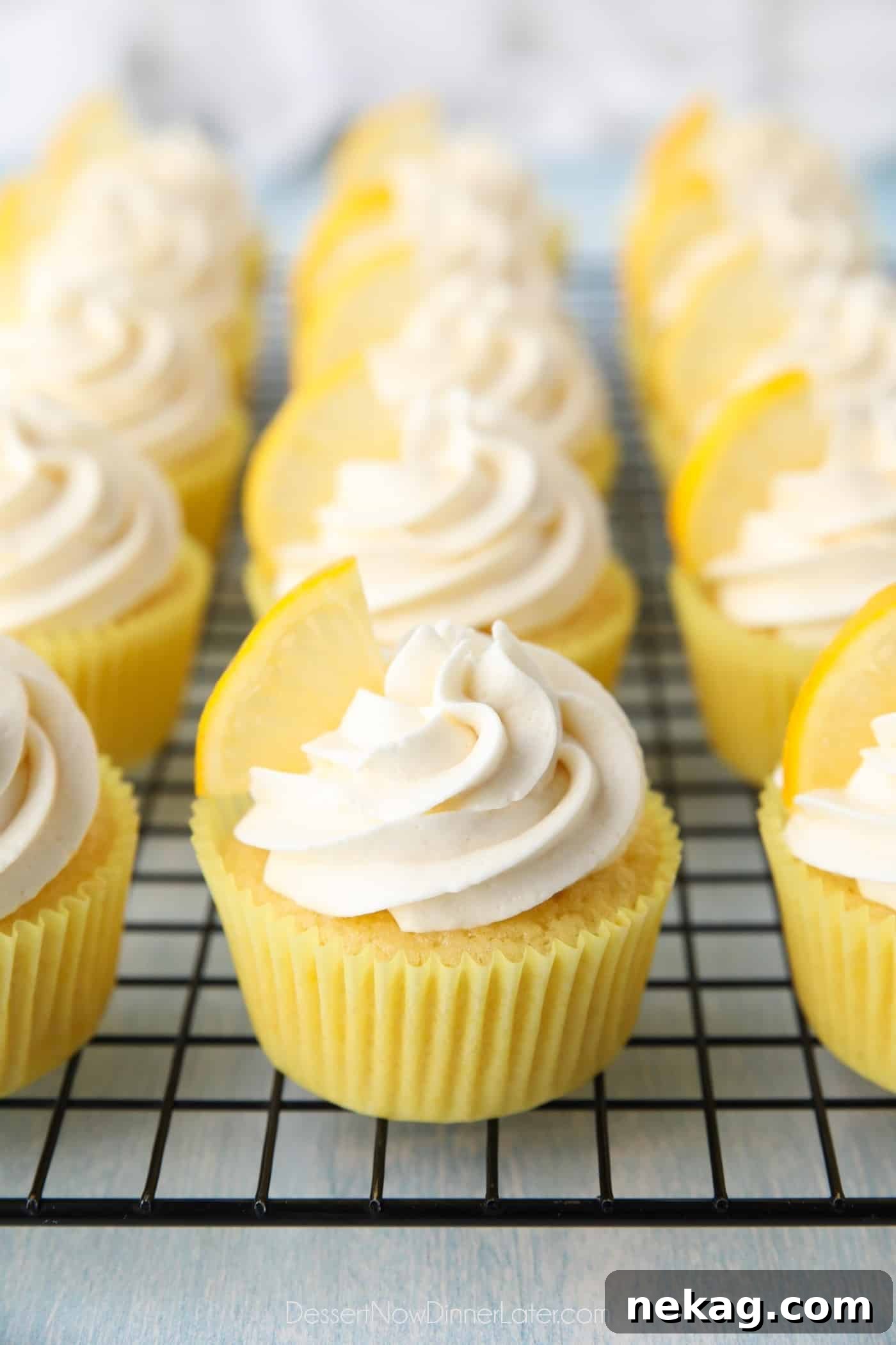
This comprehensive guide will help you create the most delightful homemade lemon cupcakes you’ve ever tasted. They are incredibly light, wonderfully fluffy, and perfectly moist, crafted entirely from scratch using real, vibrant lemons. Prepare for a tangy-sweet citrus explosion that will captivate any lemon lover. Forget the ordinary; these simple yet elegant cupcakes are designed to impress and satisfy.
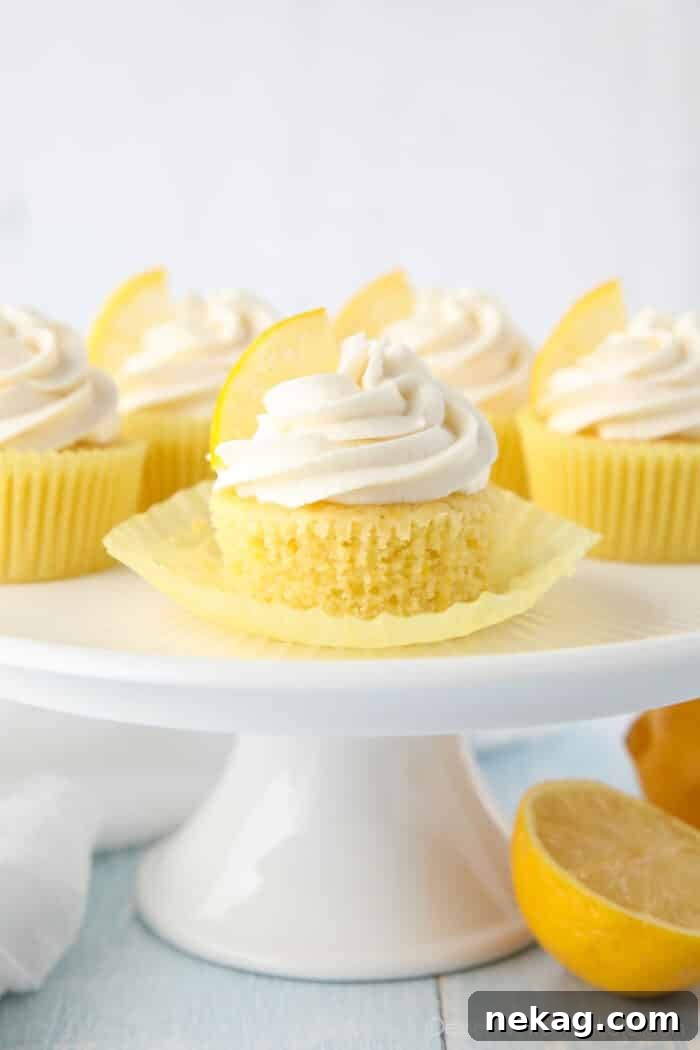
There’s something truly special about a dessert that perfectly balances sweetness with a bright, zesty tang. These lemon cupcakes achieve just that, delivering an authentic lemon flavor that tastes far more sophisticated than their surprisingly easy preparation suggests. Using a generous 1/3 cup of freshly squeezed lemon juice and aromatic lemon zest, this recipe ensures every bite is infused with the essence of fresh lemons. You might even find them almost as convenient as a boxed mix, but with a freshness and quality that’s simply unparalleled.
Why You’ll Fall in Love with This Lemon Cupcake Recipe
Beyond their irresistible flavor, there are many reasons these lemon cupcakes will become a staple in your baking repertoire:
- Unbeatable Fresh Lemon Flavor: We harness the power of both fresh lemon juice and zest to create a vibrant, authentic citrus profile that artificial flavorings simply can’t replicate.
- Perfectly Moist & Fluffy Texture: Through careful ingredient choices and mixing techniques, these cupcakes boast an enviable light and airy crumb while remaining incredibly moist.
- Surprisingly Easy to Make from Scratch: Don’t let the “from scratch” intimidate you. This recipe breaks down the process into simple, manageable steps, making homemade baking accessible and enjoyable.
- Versatile Frosting Options: While a classic cream cheese frosting is suggested, these lemon beauties pair wonderfully with a variety of toppings, allowing you to customize them to your preference.
- A Crowd-Pleasing Dessert: Whether for a summer picnic, a birthday party, or just an afternoon treat, lemon cupcakes are universally loved and always a hit.
The Secret to Superior Texture: Butter vs. Oil in Lemon Cupcakes
When developing this recipe, a crucial decision revolved around the fat component: butter or oil. To truly discover which yielded the best results, I conducted a blind taste test among neighbors. Two variations were made: Cupcake “A” with butter, and Cupcake “B” with oil. The tasters were asked to identify their preference and describe why, without knowing the key difference.
The results were overwhelmingly in favor of Cupcake “B,” the version made with oil, and I wholeheartedly agree! This isn’t to say butter is inherently bad for baking, but for cupcakes, oil often delivers a superior texture. Here’s why:
- Moisture Retention: Oils are 100% fat, while butter is only about 80% fat, with the remaining 20% being water and milk solids. This higher fat content in oil contributes to a noticeably moister crumb in cupcakes.
- Softer Crumb: The liquid nature of oil at room temperature helps to tenderize the gluten in the flour, resulting in a softer, more delicate, and fluffier texture. Butter, being solid at room temperature, creates a slightly denser structure once baked.
- Consistent Performance: Oil is easier to incorporate evenly into batters, leading to a more consistent texture throughout the cupcake.
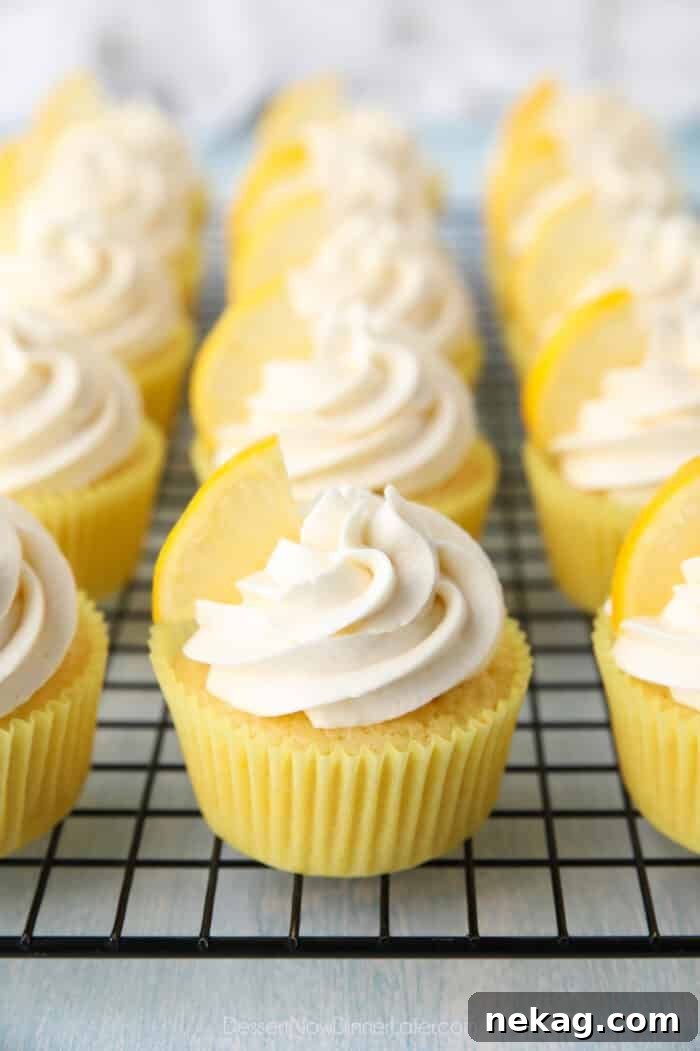
While there was a slight debate about whether the butter-based cupcakes had a marginally stronger lemon flavor, this could have been due to variations in the ripeness of the lemons used in different batches. Regardless, everyone agreed that both variations offered a wonderfully punchy lemon taste. Ultimately, the oil-based lemon cupcakes were consistently described as lighter and fluffier while remaining exceptionally moist, much like the beloved texture of a premium boxed mix, but with a fresh, homemade taste that’s far superior.
Essential Ingredients for Zesty Lemon Cupcakes
Crafting these delectable lemon cupcakes requires a selection of standard baking ingredients, most of which you likely already have in your pantry. The magic truly happens when these simple components come together, especially with the star of the show: fresh lemons. Here’s what you’ll need for this easy lemon cupcakes recipe:
- All-purpose flour: The structural backbone of our cupcakes. Proper measurement is key for a light texture.
- Baking Powder: Our primary leavening agent, ensuring a perfect rise and fluffy crumb.
- Salt: A crucial flavor enhancer that balances the sweetness and brightens the lemon notes.
- Oil (canola or vegetable): As our “butter vs. oil” test revealed, oil is the secret to an incredibly moist and tender cupcake.
- Granulated sugar: Provides sweetness and also contributes to the moisture and browning of the cupcakes.
- Eggs: Act as a binder, add richness, and help with the overall structure. Ensure they are at room temperature for better emulsification.
- Fresh Lemon Zest: This is where a significant portion of the intense lemon aroma and flavor resides, thanks to the essential oils in the peel.
- Fresh Lemon Juice: Provides the signature tangy acidity that lemon lovers crave.
- Buttermilk: Its acidity reacts with the baking powder, contributing to a soft texture and adding a subtle tanginess that complements the lemon beautifully.
- Yellow food coloring (optional): For those who desire a more vibrant, sunny yellow hue in their cupcakes. It’s purely aesthetic.
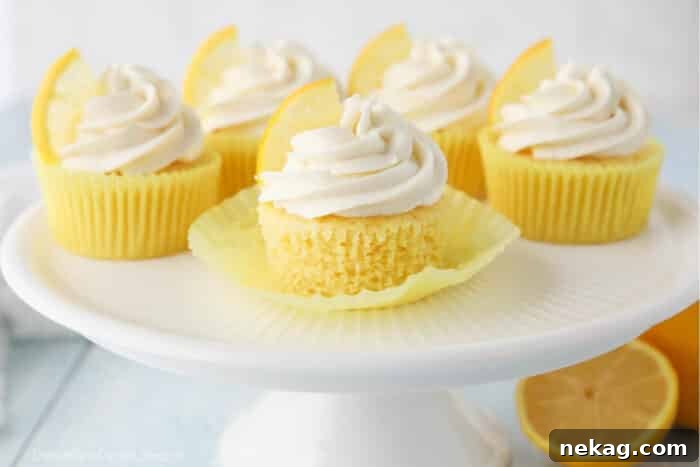
Step-by-Step Guide: Crafting Your Lemon Cupcakes From Scratch
Preparing Your Lemons for Maximum Flavor
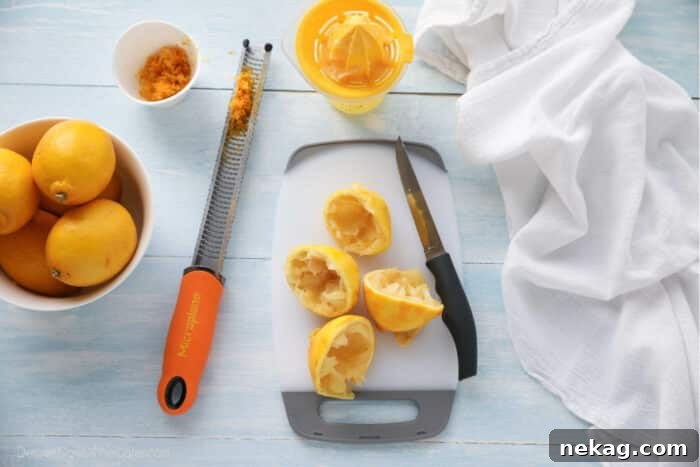
The first and perhaps most crucial step for truly flavorful homemade lemon cupcakes is preparing your lemons. You’ll need to zest two lemons. I highly recommend using a microplane zester; it makes the job incredibly easy and efficient. When zesting, remember to only remove the bright yellow outer peel. The white layer underneath, called the pith, is bitter and will negatively impact the flavor of your cupcakes. The yellow peel, however, is packed with aromatic oils that deliver that intense, fresh lemon flavor we’re after.
If fresh zest isn’t an option or you prefer a smoother texture without tiny bits of zest, you can easily substitute it with lemon extract. A good rule of thumb is to use 1/2 teaspoon of lemon extract for every teaspoon of zest. Since two lemons typically yield about 4 teaspoons of zest, you would use 2 teaspoons of lemon extract for this recipe.
Once zested, cut the lemons in half and juice them. You should aim for approximately 1/3 cup of fresh lemon juice. To get the most juice from your lemons, roll them firmly on a countertop before cutting, and consider microwaving them for 10-20 seconds. Set both the zest and juice aside as you prepare the other ingredients.
Combining the Dry Ingredients for a Light Base
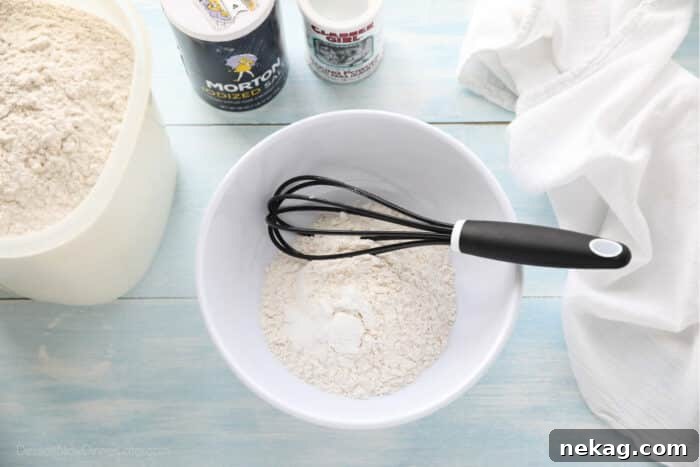
In a medium-sized bowl, whisk together your all-purpose flour, baking powder, and salt. Proper flour measurement is paramount to achieving light and fluffy cupcakes. Do not scoop the flour directly from the bag with your measuring cup, as this compacts it, leading to too much flour and dense cupcakes. Instead, first stir the flour in its container to fluff it up. Then, spoon the flour into your measuring cup until it overflows slightly, and finally, level it off with the back of a knife or a straight edge.
Pro Tip: For an even lighter, more ethereal cupcake texture, consider sifting your dry ingredients (flour, baking powder, salt) with a fine mesh sieve once or even twice. This extra step aerates the flour, breaks up any lumps, and ensures these ingredients are evenly distributed, leading to a perfectly smooth batter and a tender crumb.
Whipping Up the Wet Ingredients
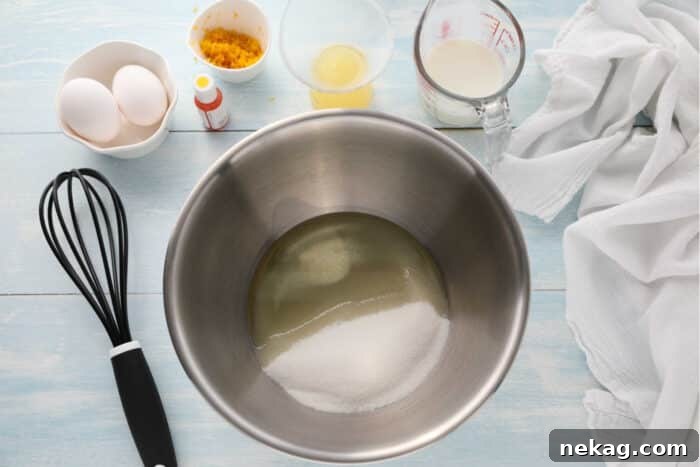
In a separate, larger bowl, begin by whisking together the oil and granulated sugar. Continue to whisk until the mixture is light in color and well combined. Next, add the eggs one at a time, making sure to whisk thoroughly after each addition. This ensures each egg is fully incorporated and helps create a smooth, emulsified base for your batter.
Now it’s time to infuse that wonderful lemon flavor. Add the prepared lemon zest, fresh lemon juice, and if you desire a visually striking sunny yellow cupcake, a few drops of yellow food coloring. Mix these ingredients until they are just combined, ensuring the vibrant lemon elements are evenly distributed throughout the wet mixture.
Achieving the Perfect Batter: Alternating Wet and Dry
The key to a tender cupcake texture lies in how you combine the wet and dry ingredients. You will alternate adding the flour mixture and the buttermilk, starting and ending with the flour. Add the flour in three additions and the buttermilk in two additions. For example: dry, wet, dry, wet, dry. After each addition, mix until just combined, being careful not to over-mix the batter. Over-mixing can develop the gluten in the flour too much, leading to dense, tough cupcakes rather than the light, fluffy texture we desire. Scrape down the sides of the bowl as needed to ensure everything is thoroughly incorporated.
Buttermilk Substitute: If you don’t have buttermilk on hand, don’t worry! You can easily make your own. Simply combine 1/2 cup of regular milk (dairy or non-dairy) with 1 teaspoon of fresh lemon juice or white distilled vinegar. Stir them together and let the mixture rest for 5-10 minutes. During this time, the milk will curdle slightly, creating a perfect substitute for buttermilk.
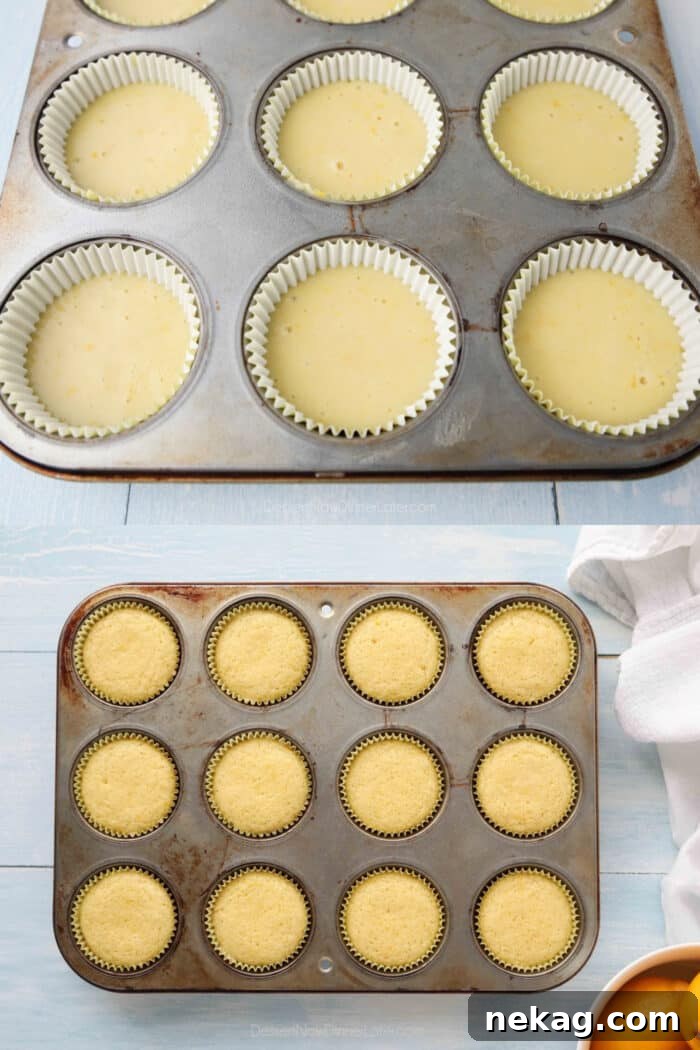
Once your batter is ready, fill your cupcake liners approximately 2/3 full. Overfilling can cause the cupcakes to overflow their liners, leading to a messy bake and an uneven shape. A #24 scoop is an excellent tool for achieving consistent, evenly sized cupcakes.
Baking Your Cupcakes to Golden Perfection
Preheat your oven to 375˚F. If you live at a high altitude, you might find that 400˚F works better for a proper rise and set. Bake the lemon cupcakes for approximately 15-20 minutes. You’ll know they’re perfectly baked when a toothpick inserted into the center comes out with just a few moist crumbs attached, or when the tops spring back lightly when gently touched. Avoid overbaking, as this is a common cause of dry cupcakes.
Once baked, immediately transfer the cupcakes from the hot pan to a wire rack to cool completely. Cooling thoroughly is critical before you even think about frosting them. Attempting to frost warm cupcakes will result in melted, messy frosting and an unsatisfying finish.
The Perfect Pairing: Frosting Your Lemon Cupcakes
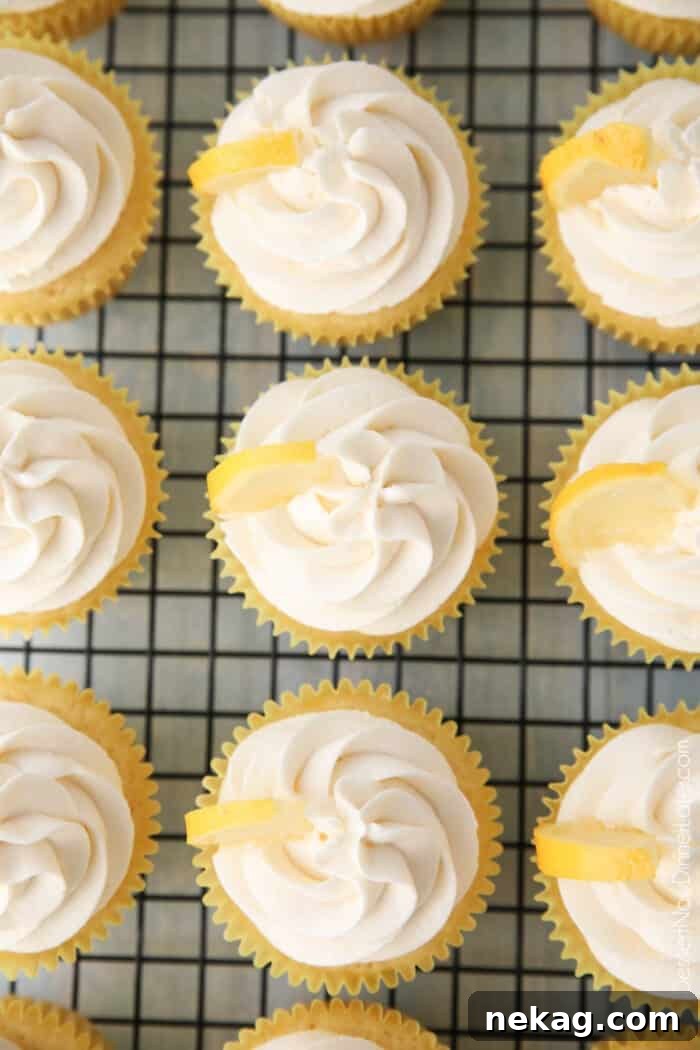
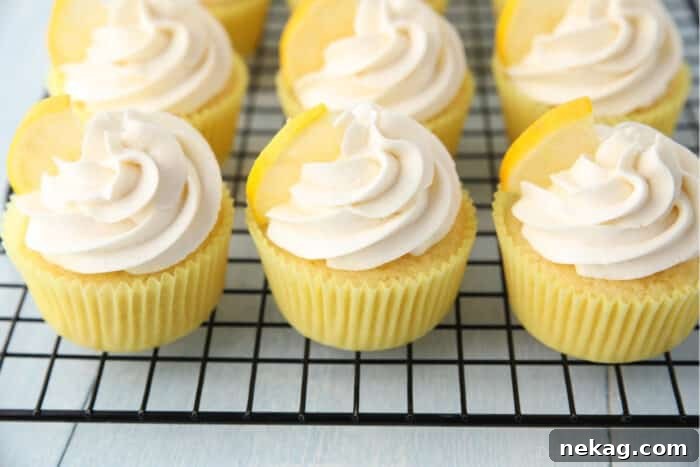
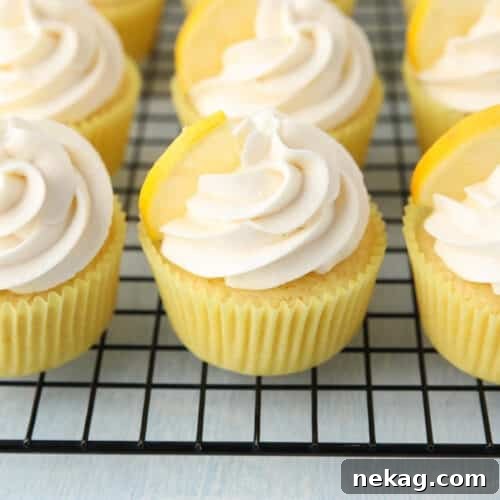
A truly exceptional cupcake is only complete with the perfect frosting. For these tart lemon cupcakes, I highly recommend a light and fluffy whipped cream cheese frosting. This delightful creation is a harmonious blend of classic cream cheese frosting and whipped cream, offering a less dense, incredibly smooth texture that perfectly complements the zesty cake without overpowering it.
However, the beauty of these homemade lemon cupcakes is their versatility with various frosting options:
- Lemon Cream Cheese Frosting: If you crave an extra burst of tangy lemon, you can easily adapt the cream cheese frosting by adding a touch more lemon zest or a small amount of lemon juice. This intensifies the citrus theme throughout.
- Classic Vanilla Buttercream: For a simple yet elegant finish, a smooth vanilla buttercream frosting offers a comforting sweetness that beautifully balances the lemon.
- Strawberry Buttercream: For a delightful fruity pairing, consider a strawberry buttercream. The sweetness of strawberries and the tang of lemon create a wonderfully refreshing combination, perfect for spring or summer.
- Coconut Cream Cheese Frosting: If you’re feeling adventurous and want to introduce a tropical twist, a coconut cream cheese frosting offers a rich, creamy, and subtly exotic flavor that surprisingly harmonizes with the lemon.
No matter which frosting you choose, ensure your cupcakes are completely cool before piping to prevent any melting or sliding. For best results, use a piping bag with your favorite tip to create beautiful swirls and designs.
Storing Your Delicious Lemon Cupcakes
To keep your lemon cupcakes tasting fresh and delicious, proper storage is key:
- Unfrosted Cupcakes: If you plan to frost them later, unfrosted lemon cupcakes can be stored in an airtight container at room temperature for up to 2-3 days, or in the refrigerator for up to 5 days. Ensure they are completely cool before storing to prevent condensation.
- Frosted Cupcakes (with Cream Cheese Frosting): Due to the cream cheese in the frosting, these cupcakes must be refrigerated. Store them in an airtight container in the refrigerator for up to 3-4 days. For the best flavor and texture, remove them from the fridge about 20-30 minutes before serving to allow the cake and frosting to come to a more palatable room temperature.
- Freezing Cupcakes: Both frosted and unfrosted lemon cupcakes freeze beautifully!
- Unfrosted: Once completely cool, wrap individual cupcakes tightly in plastic wrap, then place them in a freezer-safe bag or container for up to 3 months. Thaw at room temperature before frosting.
- Frosted: Place frosted cupcakes on a baking sheet and freeze until the frosting is firm (about 1-2 hours). Then, wrap each cupcake individually in plastic wrap, followed by aluminum foil, and store in a freezer-safe container. This method prevents the frosting from sticking to the wrap. Thaw overnight in the refrigerator, then bring to room temperature before serving.
Troubleshooting Common Cupcake Problems
Even seasoned bakers encounter hiccups. Here are some common cupcake issues and how to avoid them:
- Dense Cupcakes: The most frequent culprit here is overmixing the batter. Once you add the dry ingredients, mix only until just combined. Another cause can be adding too much flour, so ensure you’re using the “spoon and level” method for accurate measurement.
- Dry Cupcakes: Overbaking is the main reason cupcakes become dry. Start checking for doneness at the minimum bake time suggested. An oven thermometer can also help ensure your oven’s temperature is accurate. Using oil instead of butter, as in this recipe, also helps prevent dryness.
- Cupcakes That Sink in the Middle: This often happens due to too much leavening agent (baking powder), opening the oven door too early, or insufficient baking. Make sure your baking powder isn’t expired and follow the recipe’s measurements precisely.
- Unevenly Baked Cupcakes: Hot spots in your oven or unevenly filled liners can cause this. Rotate your cupcake pan halfway through baking, and use a scoop to ensure each liner gets the same amount of batter.
Frequently Asked Questions About Lemon Cupcakes
Here are some common questions you might have when making these delicious lemon cupcakes:
- Can I use bottled lemon juice instead of fresh?
- While fresh lemon juice is always recommended for the best flavor, you can use bottled lemon juice in a pinch. However, be aware that the flavor might not be as bright and vibrant as freshly squeezed.
- Can I make these lemon cupcakes gluten-free?
- You can often substitute all-purpose flour with a 1:1 gluten-free baking blend that contains xanthan gum. The texture might vary slightly, but many bakers have success with this modification. Always check the specific GF flour blend instructions.
- How many lemons do I need for this recipe?
- Typically, two medium-sized lemons will yield approximately 4 teaspoons of zest and 1/3 cup of juice, which is exactly what this recipe calls for. Always have an extra lemon on hand just in case!
- Can I bake this recipe as a lemon cake instead of cupcakes?
- Yes, this batter can be adapted for a small loaf cake or an 8×8 inch square cake. Baking times will need to be adjusted; a loaf cake might take 40-50 minutes, and an 8×8 cake around 25-30 minutes, or until a toothpick comes out clean. Keep an eye on it to prevent overbaking.
- What’s the best way to get room temperature eggs quickly?
- If your eggs are cold, place them in a bowl of warm (not hot) water for 5-10 minutes. This will quickly bring them to room temperature, which is important for creating a smooth, emulsified batter.
More Irresistible Cupcake Recipes
If you loved these lemon cupcakes, you’ll surely enjoy exploring other delightful cupcake flavors. Here are some more recipes to inspire your next baking adventure:
- Key Lime Cupcakes: Another fantastic citrus treat!
- Strawberry Cupcakes: Perfect for spring and summer with fresh fruit flavor.
- Vanilla Cupcake Recipe: A timeless classic that never disappoints.
- Chocolate Cupcakes: Rich, decadent, and a favorite for a reason.
- Funfetti Cupcakes: Add a burst of color and fun to any celebration.
- Yellow Cupcake Recipe: A comforting, buttery classic.
- Pina Colada Cupcakes with cake mix: A tropical escape in every bite.
- Rainbow Cupcakes: Visually stunning and deliciously fun.
- Limoncello Cupcakes: For those who appreciate a boozy twist on their lemon desserts.
FOLLOW ME on PINTEREST, FACEBOOK, OR INSTAGRAM for more great recipes!
Lemon Cupcakes Recipe
Pin Recipe
Ingredients
Cupcakes:
- 1 ½ cups (180 g) all-purpose flour, (stir, spoon & level)
- 1 tsp baking powder
- ½ tsp salt
- ½ cup (118 g) oil, (canola/vegetable)
- 1 cup (200 g) granulated sugar
- 2 large eggs, room temperature
- ⅓ cup (80 ml) fresh lemon juice, (about 2 lemons)
- 4 tsp lemon zest, (about 2 lemons)
- yellow food coloring, optional
- ½ cup (112 g) buttermilk*
Whipped Cream Cheese Frosting:
- 8 oz (226 g) brick cream cheese, COLD (full fat or Neufchatel)
- 1 ½ cups (180 g) powdered sugar
- ⅛ tsp salt
- 1 tsp vanilla extract
- 1 ½ cups (355 ml) heavy whipping cream or heavy cream, COLD
Equipment
- Silicone Spatula Set
- Mixing Bowls with Airtight Lids
- Silicone Whisks
- Cupcake Pans
Instructions
- Preheat oven to 375 degrees Fahrenheit (or 400˚F for high altitude). Line cupcake pans with paper liners.
- In a medium bowl, whisk together the flour, baking powder, and salt; set aside.
- In a large bowl, whisk together the oil and sugar. Add eggs one at a time, whisking well after each addition. Add the lemon juice, lemon zest, and yellow food coloring, if desired. Mix until combined.
- Add the flour in three additions, alternating with the buttermilk in two additions, beginning and ending with the flour. Scrape the bowl as necessary. Mix until just combined. Do not over-mix. Fill each cupcake liner ⅔ full (not ¾ or they will overflow).
- Bake at 375˚F (or 400˚F for high altitude) for 15-20 minutes or until cake springs back when touched or a toothpick inserted into the middle comes out with just a few moist crumbs. Cool completely before frosting.
- FOR THE FROSTING: In a stand mixer fitted with the paddle attachment, beat the cream cheese for 10-15 seconds. Scrape bowl. Then add the powdered sugar, salt, and vanilla and mix until combined. Scrape bowl. Switch to the whisk attachment and whip frosting on medium speed while slowly adding the heavy cream until light, fluffy, and thick. Scraping the bowl as needed. Pipe the frosting onto the cupcakes immediately. Refrigerate frosted cupcakes and any extra frosting. *SEE NOTES*
Notes
- Can substitute 4 tsp of lemon zest with 2 tsp of lemon extract.
- *Make buttermilk with 1/2 cup milk + 1 tsp lemon juice or white distilled vinegar. Stir and let sit for 5 minutes before using.
- Remove frosted cupcakes from fridge 20-30 minutes before serving to remove the chill and soften the cake — OR — Keep cupcakes in an airtight container at room temperature and just refrigerate the frosting in piping bag. Place the piping bag inside of a zip-top bag to keep fresh. Then pipe frosting onto cupcakes just before serving.
Nutrition
Disclaimer: Nutritional values were calculated using a third-party tool and are provided as an estimation only.
Sharing this recipe with a link is both encouraged and appreciated. Copying/pasting and/or screenshots of full recipes to any social media is strictly prohibited. Content and photographs are copyright protected.
Did you make this?
Don’t forget to leave a rating below and make sure to follow on Pinterest and Instagram for more!