
*Disclaimer: I received a complimentary bag of flour from King Arthur Flour which inspired this post. This article is written by me and all opinions are my own.
I first noticed King Arthur Flour on store shelves and in a few recipes pinned on Pinterest. After trying several of their recipes with great success—like Apple Slab Pie, Chocolate Roulade with Whipped Peanut Butter Filling, and Cinnamon Chip Bread—I was eager to try their flour for myself.
Earlier this month I took part in the “April Showers Bring May…Flour?” giveaway and was lucky to receive a bag of King Arthur Flour for my own use. I was curious whether the slightly higher price compared to other brands made a noticeable difference.
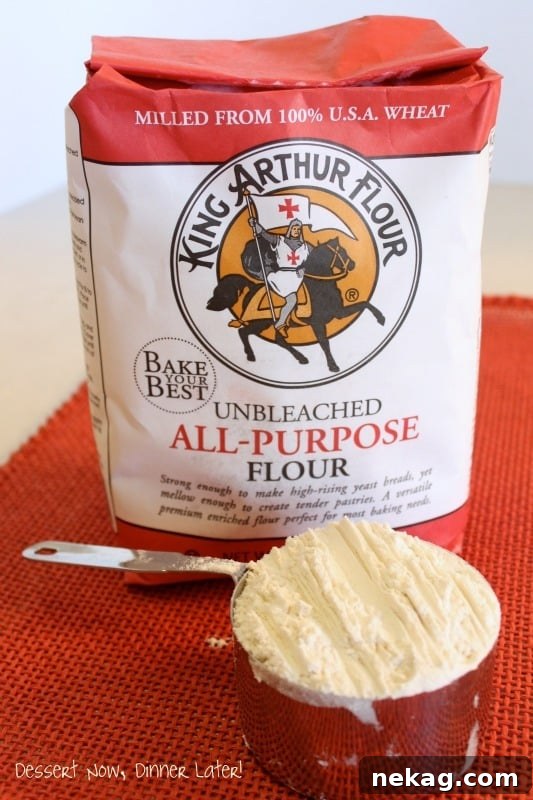
Reading the label, I appreciated that King Arthur Flour is always unbleached and doesn’t include unnecessary additives or chemicals. It’s reassuring when brands prioritize product quality and transparency.
The flour performs very well across a range of baked goods—cookies, bread, cakes, cupcakes, and pastries. King Arthur also supports home bakers with decades of knowledge and useful resources, such as:
- Extensive recipe collections, baking tips, tutorials, and videos on their site.
- A baking hotline where experienced bakers offer advice by phone or online chat.
- A Baking Education Center for hands-on instruction in Norwich, VT.
Learning more about the product made me think I’ll pay closer attention to labels and company practices in the future. Supporting brands that help home cooks succeed feels worthwhile.
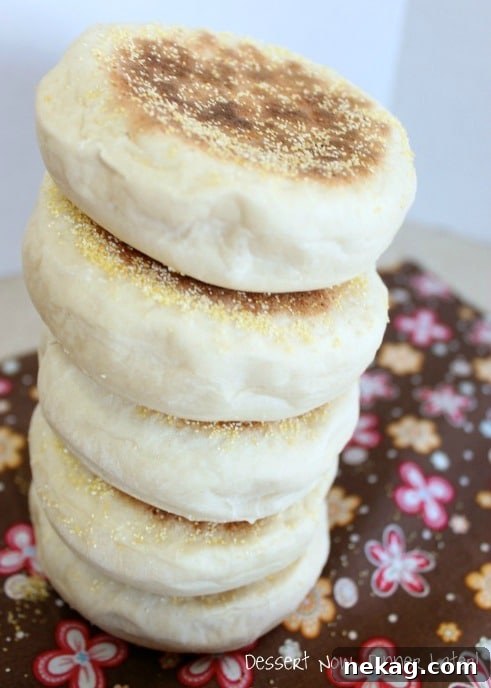
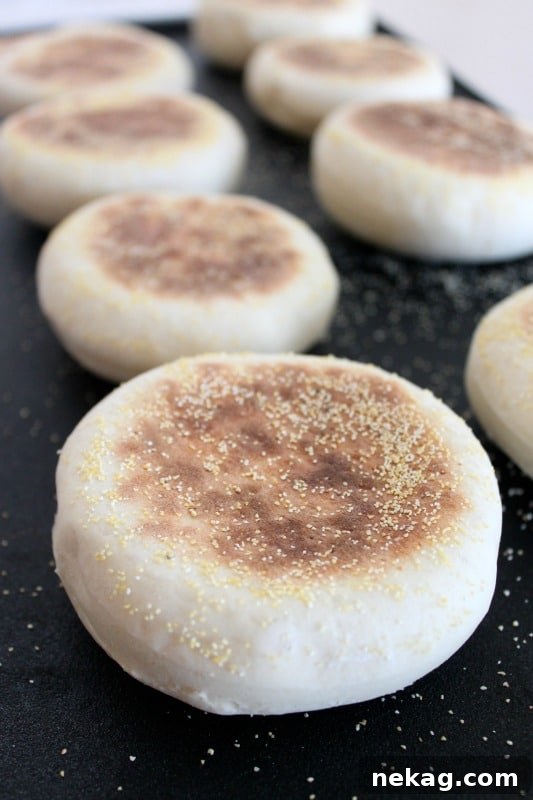
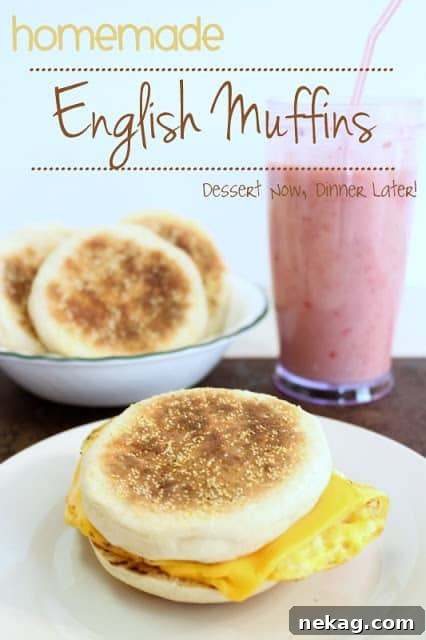
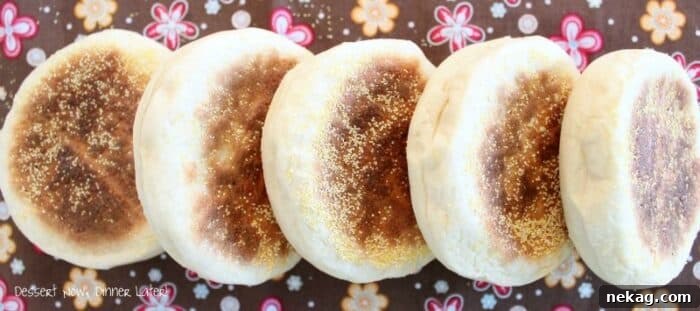
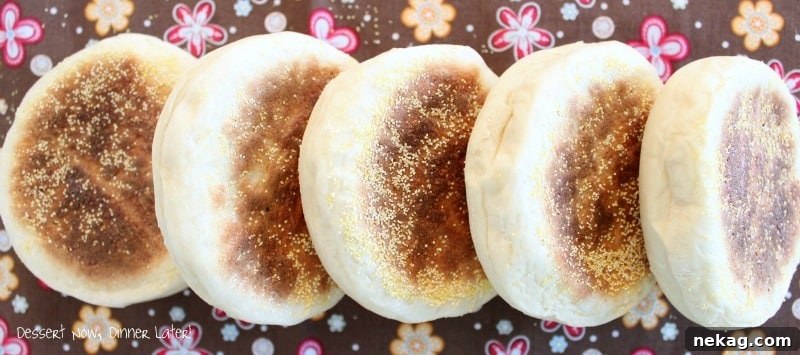
For this post I used the flour to make homemade English muffins. They were simple to prepare and my husband was impressed—he said they looked like they came from a store package. The dough felt easier to work with, and I may have needed slightly less flour while rolling and mixing. That could be due to my local elevation, my technique, or the flour’s consistency, but the results were excellent.
The muffins turned out soft and chewy—classic English muffin texture. King Arthur’s flour gave reliable results and made the process straightforward. If you enjoy baking, their recipes and tools are worth exploring.
Homemade English Muffins
Amber Brady
9
English Muffins
Ingredients
- ½ cup (118 ml) 2% milk
- 2 Tbsp (28 g) butter
- ½ cup (118 ml) warm water
- 1 ½ tsp rapid rise yeast
- 1 ½ Tbsp granulated sugar
- 1 tsp salt
- 2 ¾ to 3 cups (330–360 g) King Arthur All-Purpose Flour (stir, spoon & level)
- 1–2 Tbsp cornmeal
Instructions
- Heat the milk and butter just until the butter melts (stovetop or microwave). Cool until warm, not hot.
- In ½ cup warm water, dissolve the yeast and sugar. Let sit about 5 minutes until bubbly and frothy.
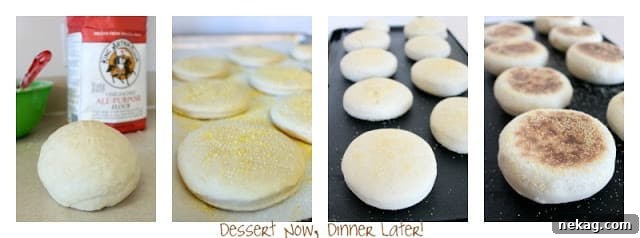
- Combine the milk mixture with the yeast mixture. Add the salt and just enough flour so the dough comes together into a ball when stirred. Turn the dough onto a lightly floured surface. With oiled hands, knead about 5 minutes until smooth and elastic. Cover with a towel and rest 10 minutes.
- Line a baking sheet with parchment and sprinkle with cornmeal. Roll the dough on a lightly floured surface to about ½” thickness. Cut circles with a cookie or biscuit cutter and place them on the cornmeal-dusted parchment. Sprinkle tops with more cornmeal, cover with a towel, and let rise about 45 minutes until doubled.
- Using a heavy non-stick skillet or griddle (no oil or cooking spray), cook the muffins over low to medium-low heat for 6–8 minutes per side, until browned. Cool slightly, split, and serve with your favorite spread. Toasting after splitting is optional and yields a crisp surface.
Notes
Sharing this recipe with a link is encouraged and appreciated. Copying or screenshotting full recipes to social media is prohibited. Content and photos are copyright protected.
Did you make this?
Please leave a rating below and follow for more recipes and photos.