
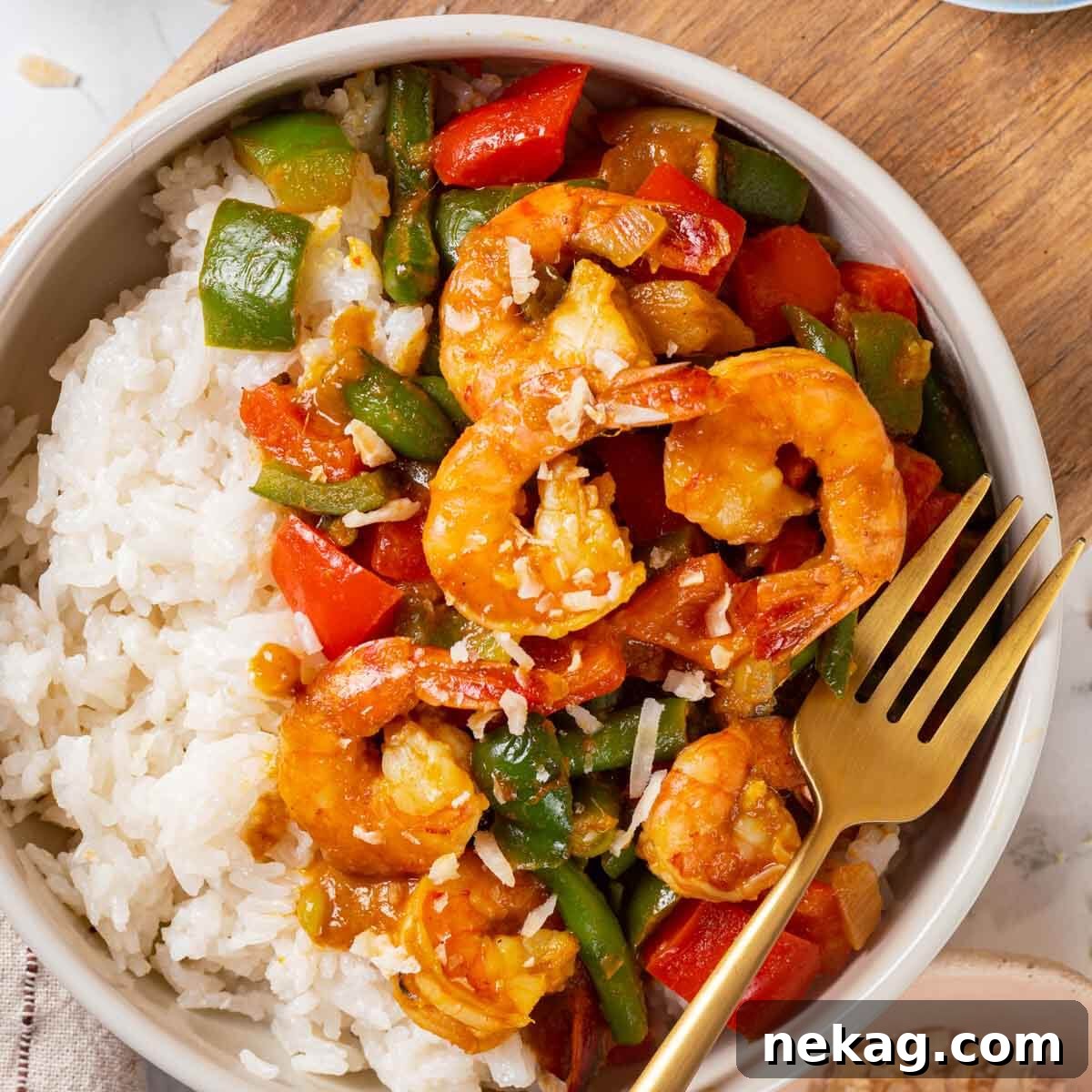
Irresistible Shrimp Curry with Easy Coconut Rice: A Weeknight Delight
Transform your weeknight dinner routine with this incredibly flavorful shrimp curry, perfectly complemented by fluffy, easy coconut rice. Bursting with a harmonious blend of fruity and spicy notes, and generously loaded with fresh, vibrant vegetables, this simple yet profoundly delicious dish is guaranteed to impress your family and have everyone eagerly requesting second helpings. Prepare to embark on a culinary journey that brings restaurant-quality flavors right into your home kitchen.
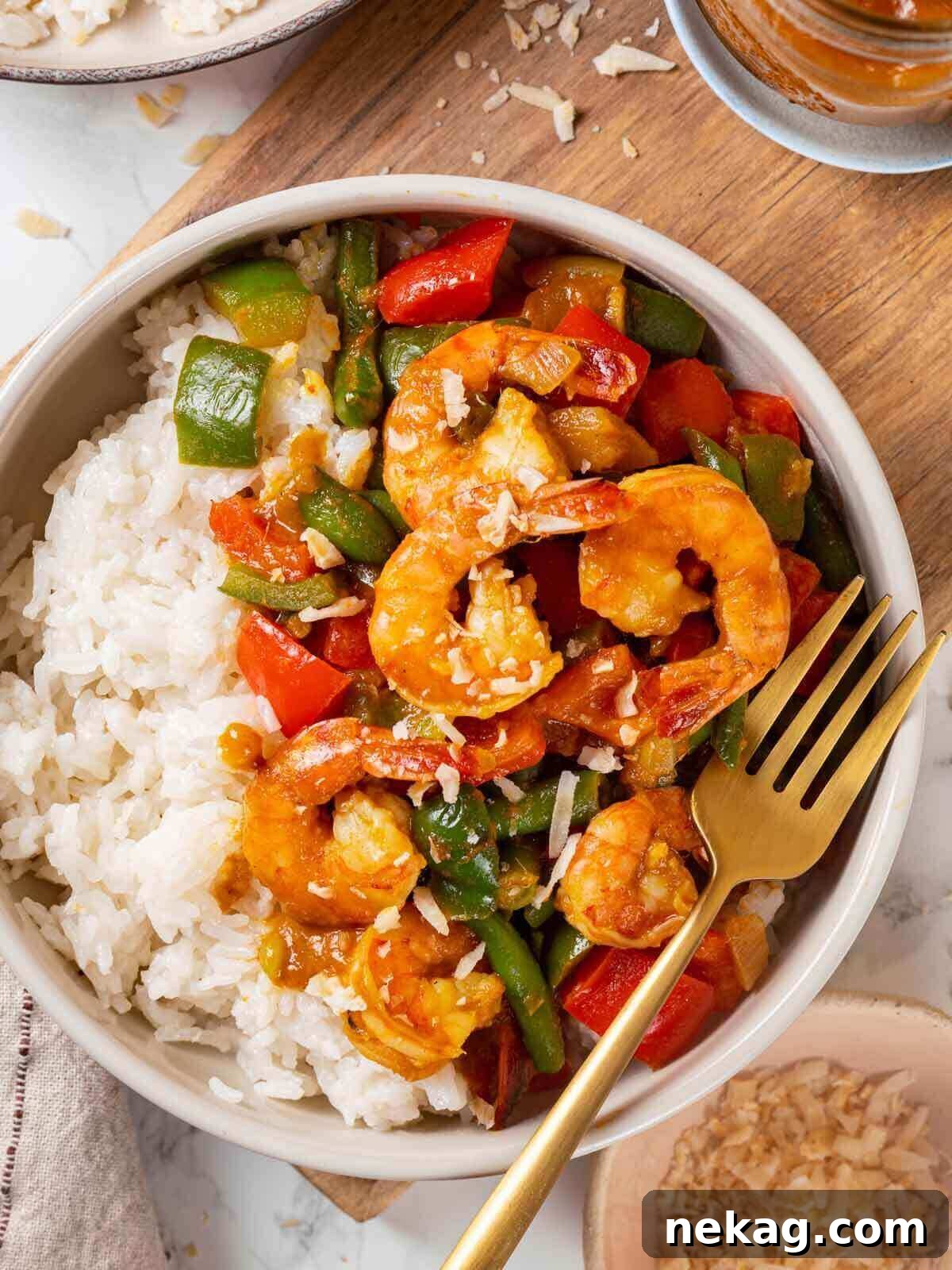
While often perceived as a complex dish, crafting a gourmet curry at home is surprisingly straightforward. This recipe demystifies the process, breaking it down into simple, manageable steps. You’ll begin by preparing the aromatic coconut rice, then effortlessly combine savory aromatics with luscious mango chutney and robust curry paste to form a rich sauce. Finally, quick-sautéed vegetables and succulent, perfectly cooked shrimp complete this masterpiece. Give this exquisite recipe a try, and you might just uncover a new, cherished family favorite that brings joy to your dinner table!
Keep your week filled with exciting flavors by exploring more sweet and spicy creations like these spicy peach pork chops, savory chipotle chorizo tacos, and irresistible sweet and spicy wings!
Table of Contents
- Why You Will Love This Shrimp Curry Recipe
- Professional Tips for Perfect Shrimp Curry
- Essential Ingredients for Shrimp Curry
- Creative Variations for Your Curry
- Step-by-Step: How to Make This Curry
- Chef Lindsey’s Recipe Tip
- Frequently Asked Questions
- Shrimp Curry Recipe Card
- Before You Go
Why You Will Love This Shrimp Curry Recipe
This shrimp curry isn’t just another dinner recipe; it’s a culinary experience designed for ease, flavor, and flexibility. Here’s why it’s destined to become a staple in your kitchen:
- Effortlessly Easy & Incredibly Versatile: Forget complicated cooking! This recipe streamlines the curry-making process, making it accessible for even novice cooks. What’s more, it’s wonderfully adaptable. Feel free to experiment with different seasonal vegetables like broccoli florets, snap peas, or carrots. Adjust the heat level by choosing a mild or hot curry paste, or enhance the creaminess by adding extra coconut milk to the sauce. This flexibility ensures the dish always suits your family’s preferences and whatever ingredients you have on hand.
- Expertly Balanced Sweet and Spicy Flavors: Developed by a professional chef, this recipe guarantees a symphony of tastes. The shrimp will be cooked to absolute perfection – tender and succulent – while the coconut rice will be deliciously fluffy and aromatic. The magic lies in the perfectly balanced flavor profile: a delightful interplay of sweetness from the mango chutney and a gentle warmth from the curry paste. You can easily tweak this balance to match your personal preference for mild or fiery spice.
- Ideal for Meal Prep & Batch Cooking: Life gets busy, and this dish understands that. It’s an absolute dream for meal prepping or batch cooking. Prepare a larger quantity over the weekend, and you’ll have delicious, ready-to-eat meals for the entire week. The prepared curry stores beautifully in the refrigerator for several days or can be frozen for longer-term convenience, making it a perfect solution for quick work lunches or stress-free dinners on those hectic nights when time is of the essence.
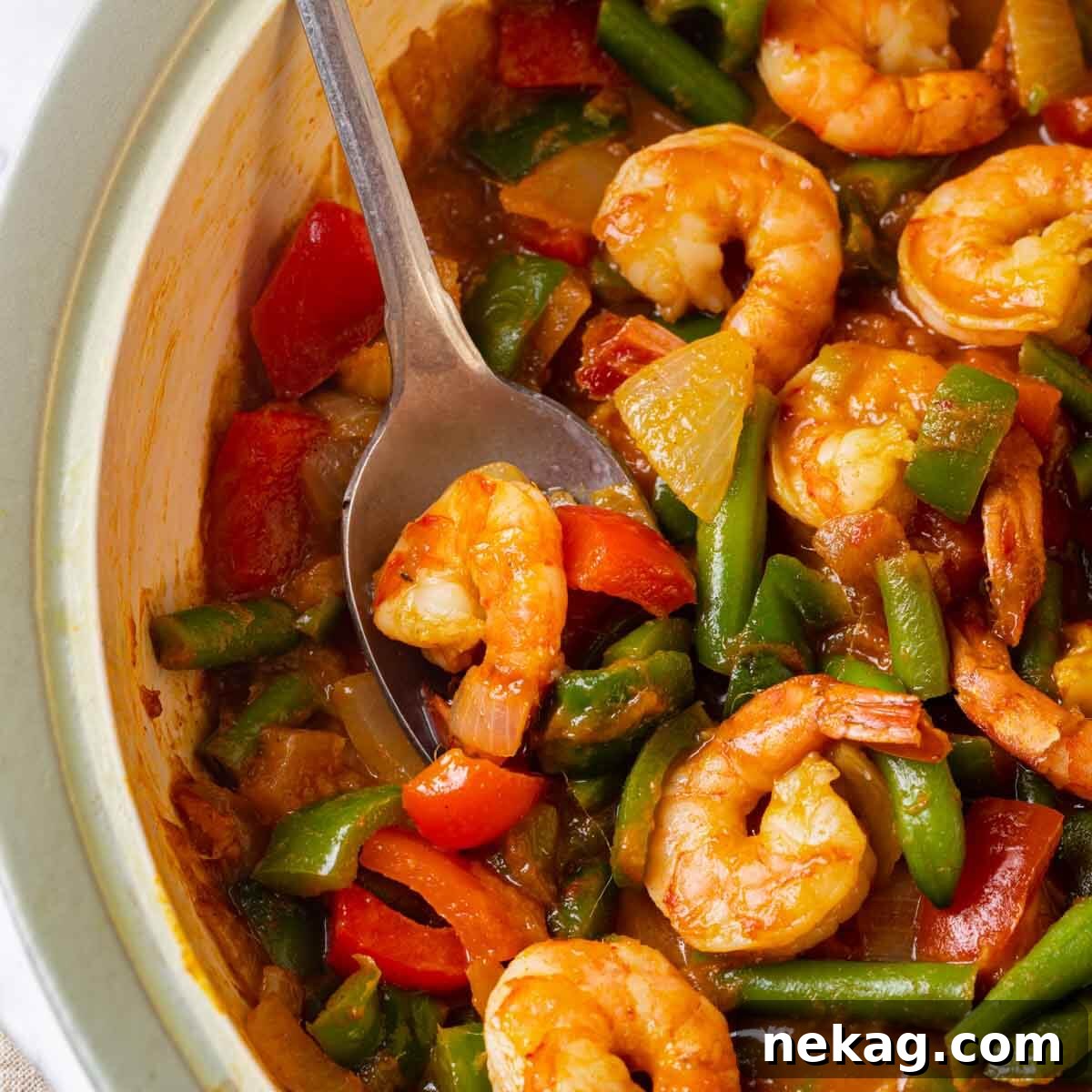
Professional Tips for Perfect Shrimp Curry
Achieving culinary excellence at home is all about understanding a few key techniques. Follow these professional tips to elevate your shrimp curry from good to absolutely outstanding every single time:
- Master the Art of Cooking Shrimp: Shrimp cooks incredibly fast and can quickly become rubbery if overcooked. The key is attentiveness. Keep a close eye on your shrimp during the cooking process. They will only need about 3-4 minutes per side, depending on their size. Look for a visual cue: when the shrimp turn opaque and curl into a C-shape, they are perfectly cooked. Remove them from the heat immediately to preserve their tender texture and succulent flavor.
- Embrace the Power of Tasting as You Go: This is arguably the most crucial skill for any home cook. As you add each component to your curry sauce – from the aromatic spices to the sweet mango chutney and pungent curry paste – take a moment to taste. Does it need a touch more salt to brighten the flavors? Could it benefit from a hint more spice or a bit more sweetness to achieve the perfect balance? Adjusting seasonings incrementally ensures the final dish perfectly suits your palate. Don’t be afraid to experiment and trust your taste buds!
- Unlock Fluffier Rice by Rinsing: Many home cooks skip this simple yet vital step, but rinsing your rice can dramatically improve its texture. The exterior of rice grains often has excess starch, which can lead to a sticky or gummy texture once cooked. Rinsing thoroughly under cold running water until the water runs clear removes this surface starch, resulting in beautifully separated, fluffy, and perfectly cooked grains, ideal for soaking up your delicious curry sauce.
Essential Ingredients for Shrimp Curry
Crafting a truly memorable shrimp curry begins with selecting fresh, high-quality ingredients. Each component plays a vital role in building the layers of flavor that make this dish so special.
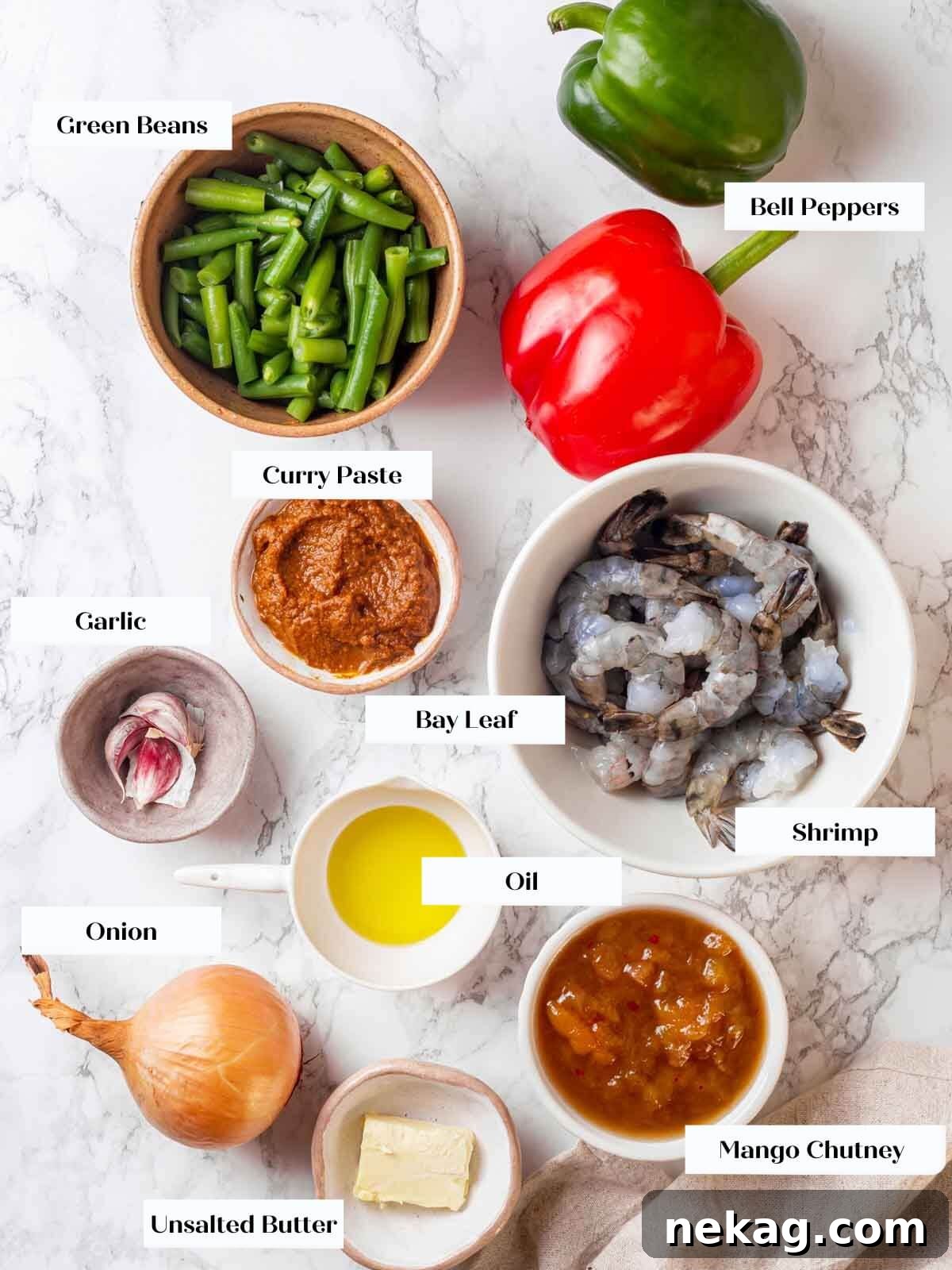
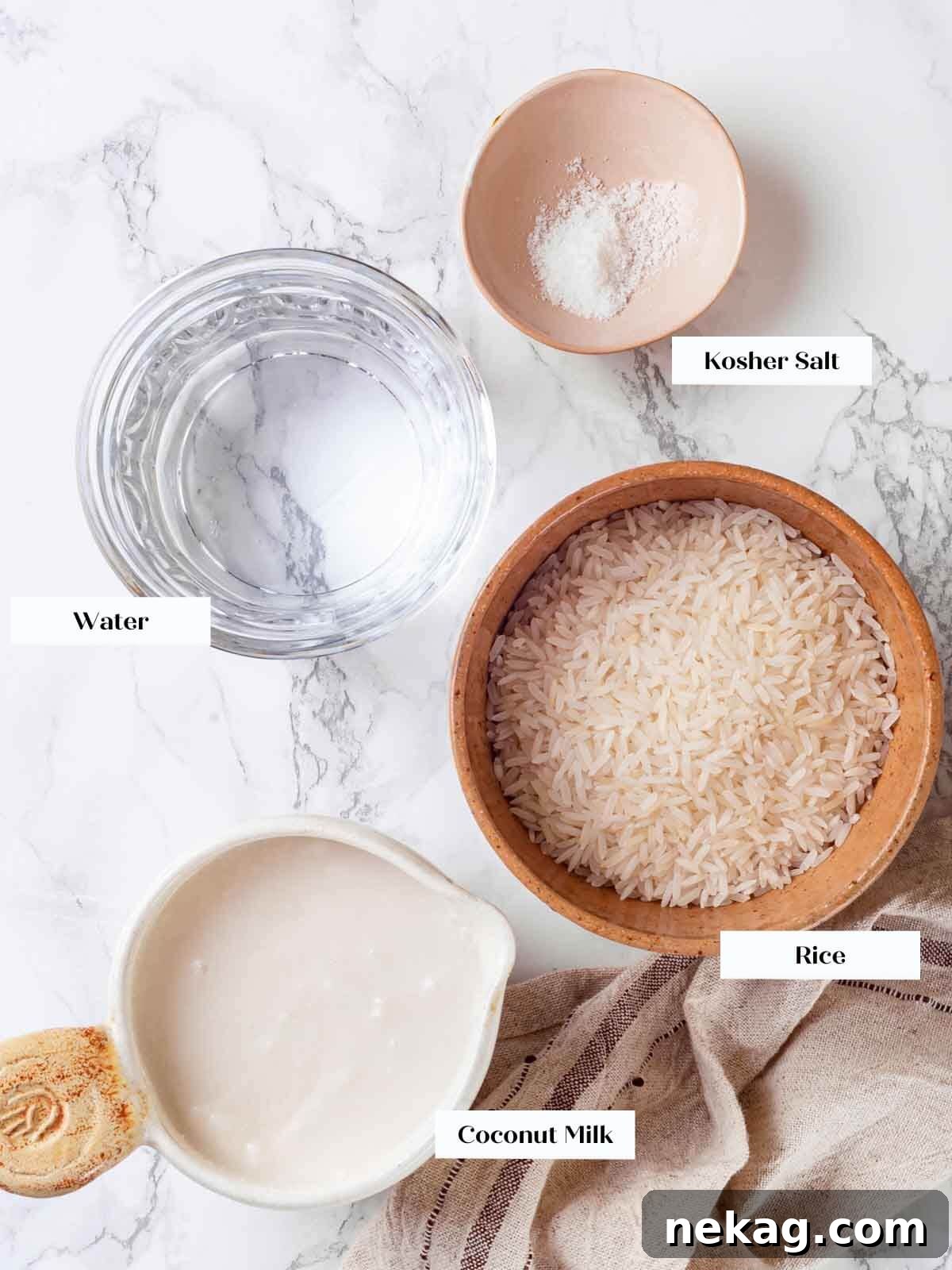
- Unsalted Butter: The foundation for sautéing our aromatics. Using unsalted butter gives you full control over the dish’s overall saltiness. If using salted butter, simply adjust the added kosher salt accordingly.
- Oil: For this recipe, I highly recommend an oil with a high smoke point, such as avocado oil or grapeseed oil. This prevents the oil from scorching or smoking at medium-high heat, ensuring a clean flavor and proper cooking of your vegetables.
- Onion: A finely chopped yellow or white onion forms the aromatic base, adding a foundational sweetness and depth to the curry sauce. Sautéing until translucent unlocks its full flavor.
- Bell Peppers: For both vibrant color and a burst of fresh flavor, I love using a combination of 1 red bell pepper and 1 green bell pepper. Red peppers offer a sweeter note, while green peppers provide a slightly bitter, earthy contrast, enhancing the visual appeal and complexity of the dish.
- Green Beans: Fresh green beans add a delightful crisp-tender texture. Ensure you cut them into 1-inch pieces to allow for even cooking alongside the other vegetables. Trim the ends for the best presentation.
- Garlic: Freshly minced garlic is indispensable in curry, providing a pungent, aromatic kick that elevates all other flavors. Avoid pre-minced garlic for the freshest taste.
- Shrimp: I typically use 20 large or jumbo shrimp (21-25 count) for this recipe. Always ensure they are thoroughly deveined before cooking for the best eating experience. If you opt for smaller shrimp, simply increase the quantity. Frozen shrimp work perfectly; just remember to thaw them properly in cold water and pat them completely dry to prevent a watery sauce.
- Curry Paste: The heart of our curry’s flavor! I used Tikka Curry Paste for its rich, balanced profile, but feel free to explore other varieties. Thai red curry paste is another excellent choice, allowing you to select between hot or mild versions based on your desired spice level. Each paste offers a unique depth of flavor.
- Mango Chutney: This sweet and tangy condiment is a secret weapon, providing a lovely fruity complexity and natural sweetness that balances the savory and spicy notes of the curry. Any good quality jarred mango chutney from your local grocery store will work wonderfully here.
- Coconut Milk: For a lighter touch, I prefer 1 can of light coconut milk. However, if you crave a richer, more indulgent curry, feel free to use regular, full-fat coconut milk. It adds a luxurious creaminess that is truly comforting.
- Water: Essential for cooking the rice to perfection and achieving the right consistency in the curry sauce if needed.
- Kosher Salt: A fundamental seasoning that enhances all flavors. Always taste and adjust salt levels as you go.
- Rice: I use 1 cup of uncooked jasmine rice for its fragrant aroma and slightly sticky, tender texture. If preparing a larger batch of rice, remember to proportionally adjust the amount of water and coconut milk. For an added indulgence, consider serving this dish with warm, buttery garlic naan bread to scoop up every last bit of that incredible sauce!
Refer to the complete recipe card below for precise measurements and quantities.
Creative Variations for Your Curry
One of the beauties of curry is its incredible adaptability. This recipe serves as a fantastic base, but don’t hesitate to get creative and customize it to your taste or what you have on hand. Here are some delightful variations to explore:
- Tropical Thai Coconut Shrimp Curry: To infuse this dish with vibrant Thai flavors, swap the Tikka paste for authentic Thai red curry paste. Crucially, add a full can of rich, creamy coconut milk (full-fat or light, your choice) to the curry sauce, creating a lusciously smooth and aromatic base. Finish with a generous squeeze of fresh lime juice or, for an authentic touch, simmer the curry with a kaffir lime leaf to brighten the flavors. You could also add a dash of fish sauce for umami depth.
- Vibrant Green Curry: For a refreshing and often spicier alternative, utilize green curry paste. Green curry typically features fresh green chilies, galangal, and kaffir lime, offering a distinctly herbal and pungent flavor profile. It pairs wonderfully with the sweetness of shrimp and coconut milk.
- Mellow Yellow Curry: Explore the milder, earthy notes of yellow curry paste. Yellow curry often gets its hue from turmeric and is generally less spicy than red or green varieties. It’s an excellent option for those who prefer a gentler heat. I highly recommend incorporating coconut milk with yellow curry for that signature creamy, comforting finish.
- Boost with Spices and Herbs: Elevate the aromatic complexity with additional spices and fresh herbs. Garnish your finished dish with fresh cilantro or Thai basil for a burst of freshness. Deepen the savory profile by incorporating finely grated ginger, ground coriander, or cumin during the sautéing stage. If you’re craving an extra kick of heat, a pinch of cayenne pepper, fresh chopped chili pepper, or red pepper flakes can be stirred in to taste. Turmeric also adds a beautiful golden color and earthy flavor.
- Protein Swaps: Not a fan of shrimp? This curry base is incredibly versatile. Substitute with boneless, skinless chicken breast or thighs cut into bite-sized pieces, firm tofu, or even chickpeas for a vegetarian option. Just adjust cooking times accordingly.
- Add More Vegetables: Enhance the nutritional value and texture by incorporating more of your favorite vegetables. Spinach, bok choy, mushrooms, bamboo shoots, water chestnuts, or even sweet potato cubes (added early to cook through) would be delicious additions.
Step-by-Step: How to Make This Curry
Follow these detailed instructions to create a perfectly balanced and incredibly flavorful shrimp curry every single time. More precise measurements can be found in the recipe card below.
Part 1: Prepare the Coconut Rice
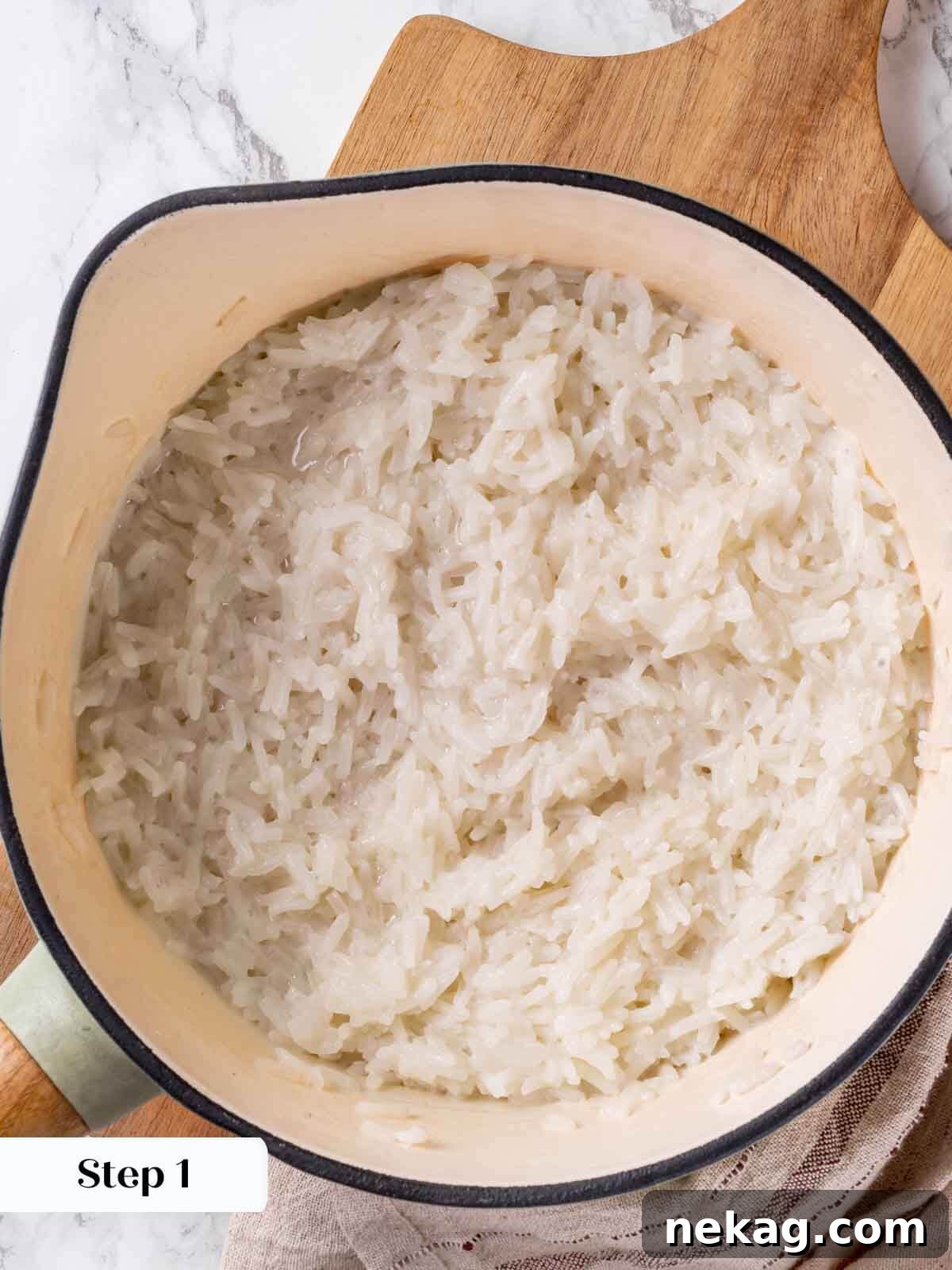
Step 1: In a medium-sized saucepan with a tight-fitting lid, combine all the ingredients for the coconut rice: jasmine rice, light coconut milk, water, and a pinch of salt. Bring the mixture to a rolling boil over medium-high heat on the stove. Once boiling, immediately reduce the heat to low, cover the saucepan tightly, and let it simmer for 20-25 minutes. The rice is ready when it’s tender, and most of the liquid has been absorbed. Resist the urge to lift the lid during cooking! Once cooked, remove from heat and let it rest, covered, for 5 minutes before fluffing with a fork.
Chef’s Tip for Enhanced Rice Flavor: For an extra layer of deliciousness in your coconut rice, sauté finely chopped onions and minced garlic in a teaspoon of oil in the saucepan for 2-3 minutes until fragrant and translucent, *before* adding the rice and liquids. This simple step adds incredible depth.
Part 2: Prepare the Shrimp Curry
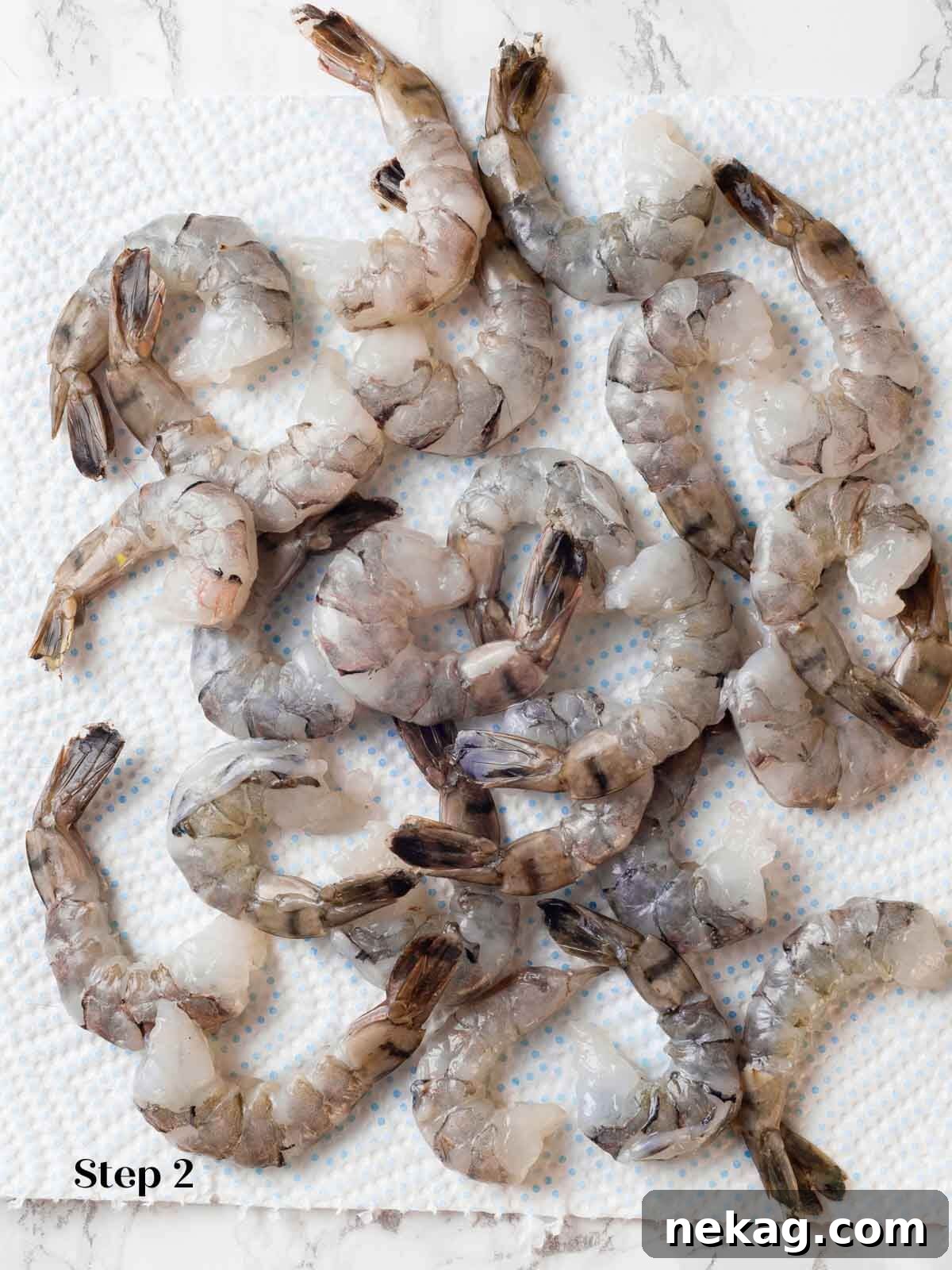
Step 2: While your rice is happily simmering, turn your attention to the star of the show: the shrimp. If using frozen shrimp, place them in a bowl of ice water to thaw quickly and gently. Once thawed, ensure all shrimp are thoroughly deveined. Rinse them under cold water and pat them completely dry with paper towels. This crucial step helps prevent the shrimp from steaming instead of searing and ensures a better texture. Set them aside.
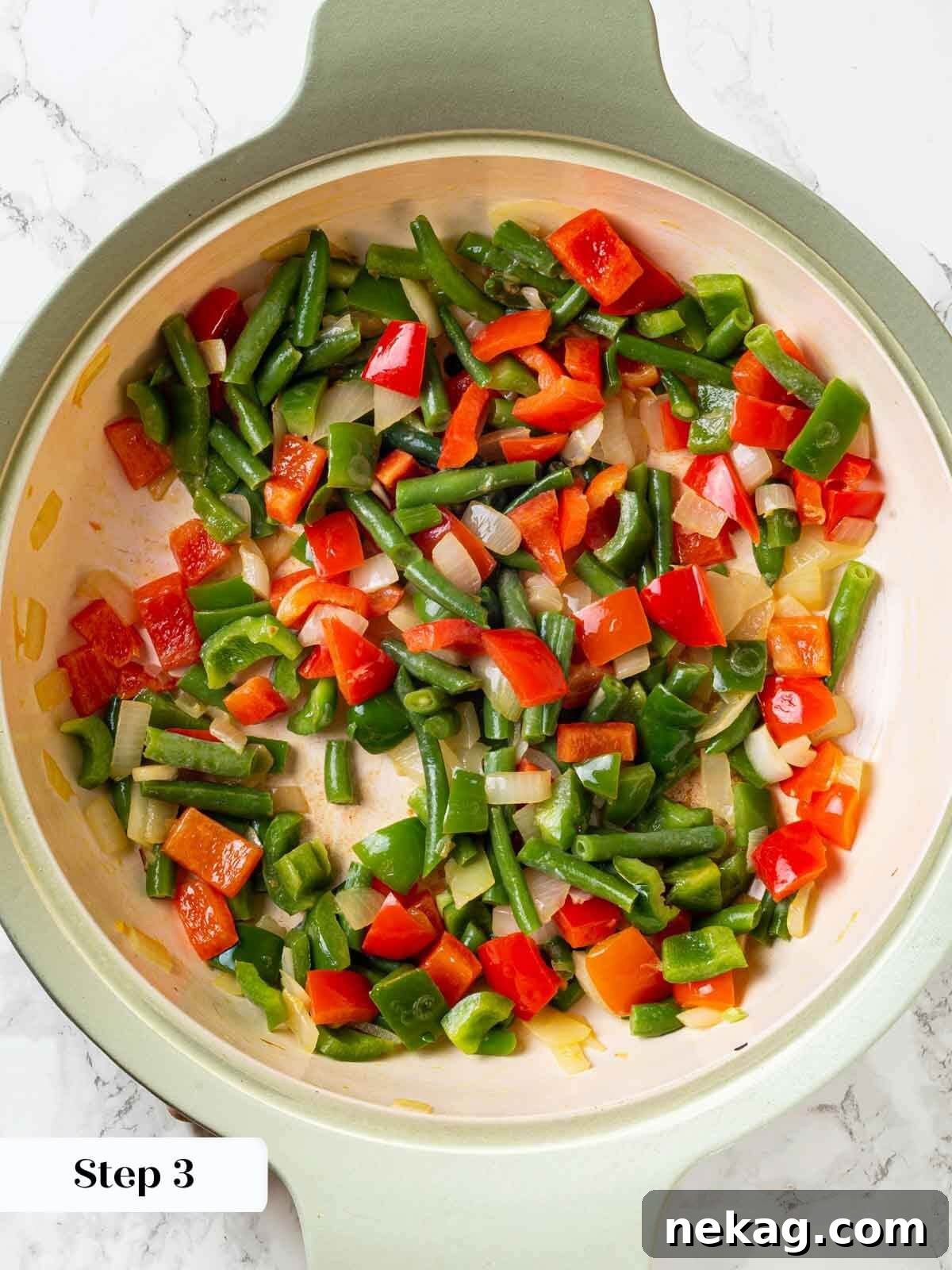
Step 3: In a large skillet or wok, melt the unsalted butter over medium heat. Once shimmering, add the chopped green beans, onions, and bell peppers (both red and green). Sauté these vegetables for approximately 5-7 minutes, stirring occasionally, until the onions become translucent and the bell peppers are tender-crisp. You want them cooked but still retaining a slight bite.
Step 4: Add the minced garlic to the skillet with the sautéed vegetables. Continue to sauté for an additional 1-2 minutes, stirring constantly, until the garlic becomes fragrant and just begins to turn a very light golden brown. Be careful not to burn the garlic, as it can quickly become bitter.
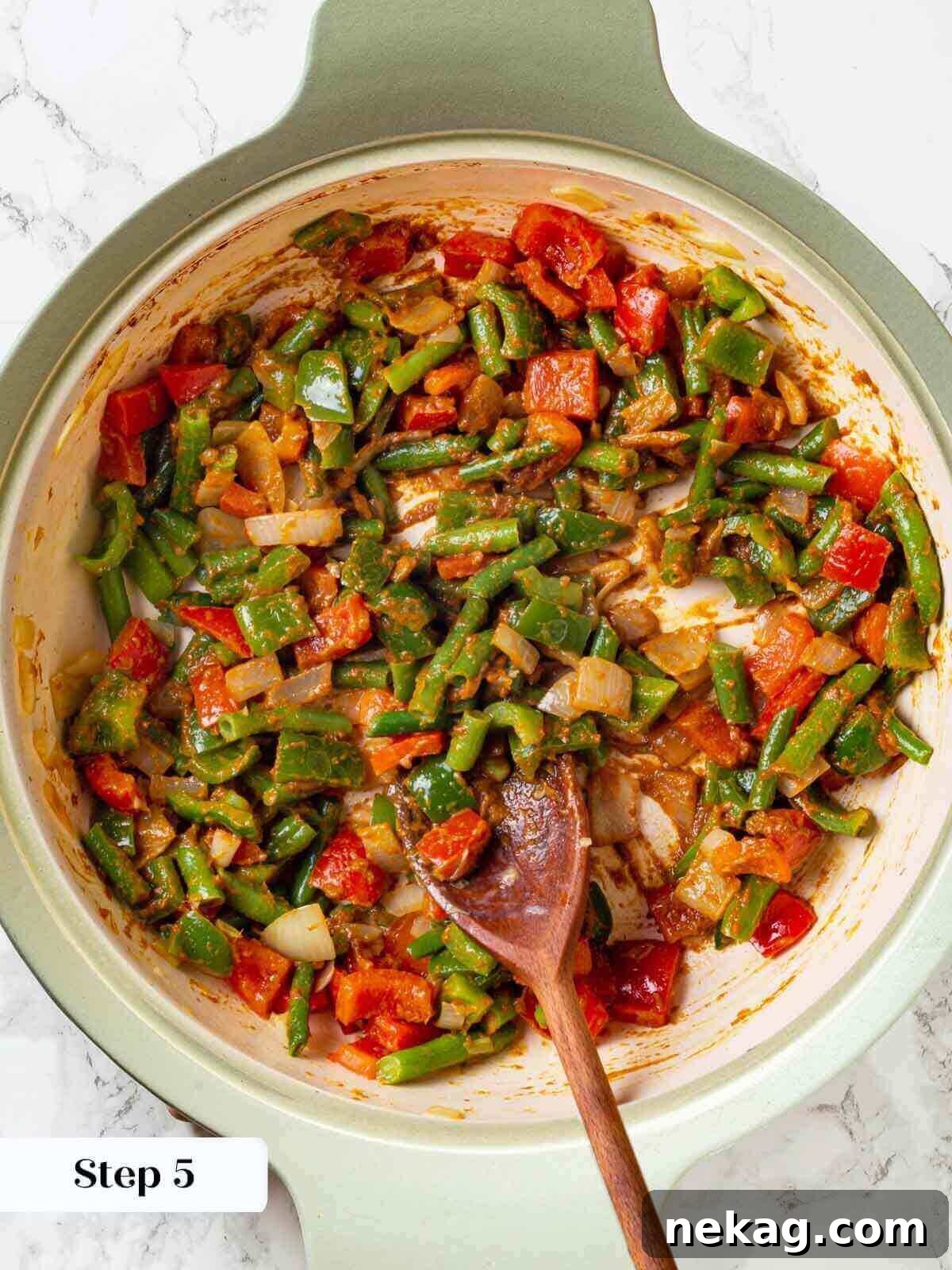
Step 5: Introduce the curry paste to the pan. Stir it vigorously with the vegetables for about 1 minute. This step, known as “blooming” the paste, helps to release its aromatic oils and deepens its flavor, coating all the vegetables beautifully.
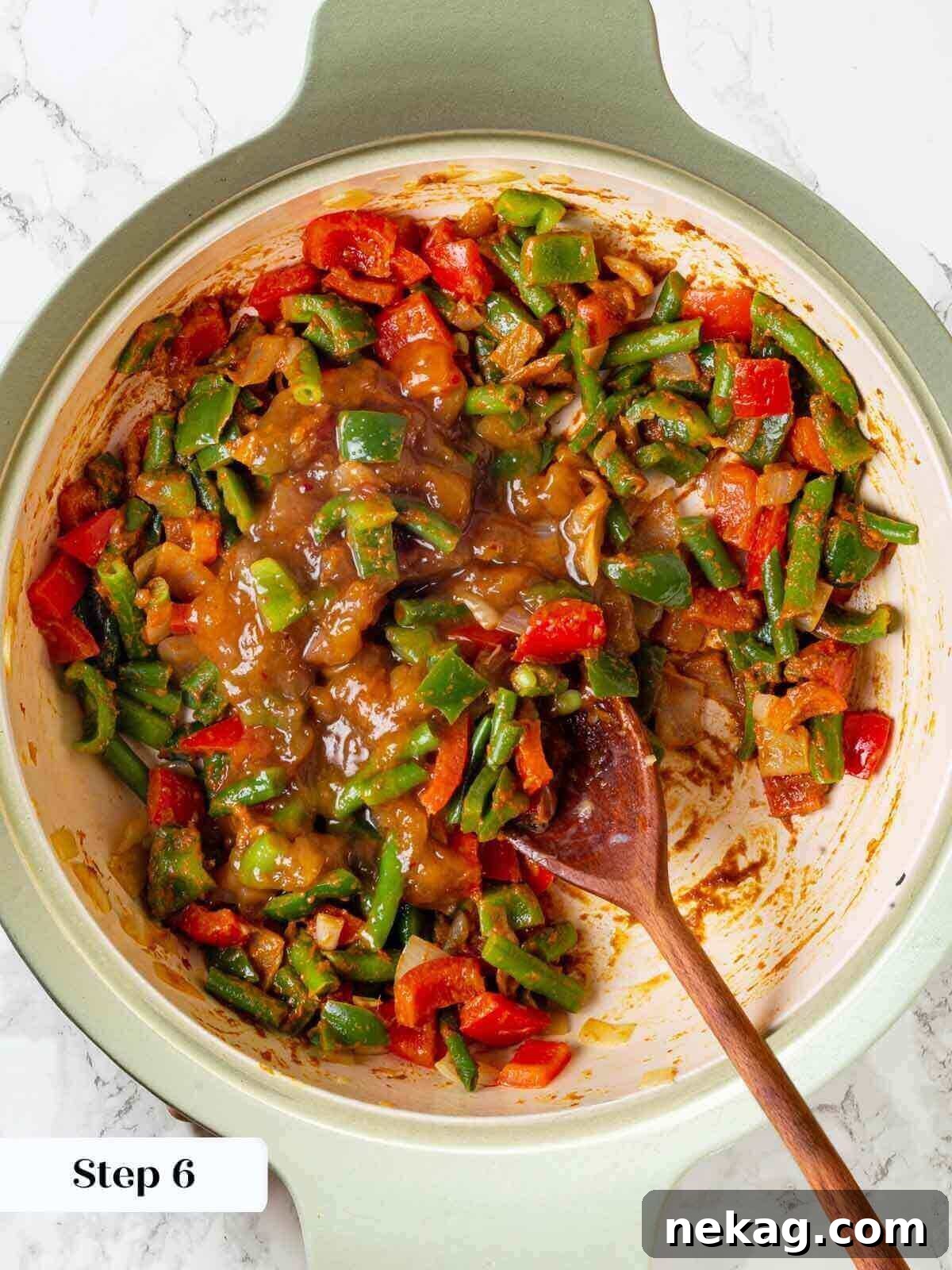
Step 6: Pour in the mango chutney. Stir everything together thoroughly until the chutney is well combined with the curry paste and vegetables, forming a luscious sauce. This is a critical moment to taste the sauce! Assess its flavor profile: does it have the right balance of sweet, spicy, and savory? Adjust by adding a little more curry paste for heat, a pinch more salt to brighten, or even a tiny bit more chutney for sweetness, according to your preference.
Spice Level Adjustment: If your curry sauce turns out too spicy for your liking, don’t despair! You can easily mellow the heat by stirring in a tablespoon or two of unsweetened plain yogurt, a splash of additional coconut milk, or even a teaspoon of brown sugar, tasting as you go until the desired mildness is achieved.
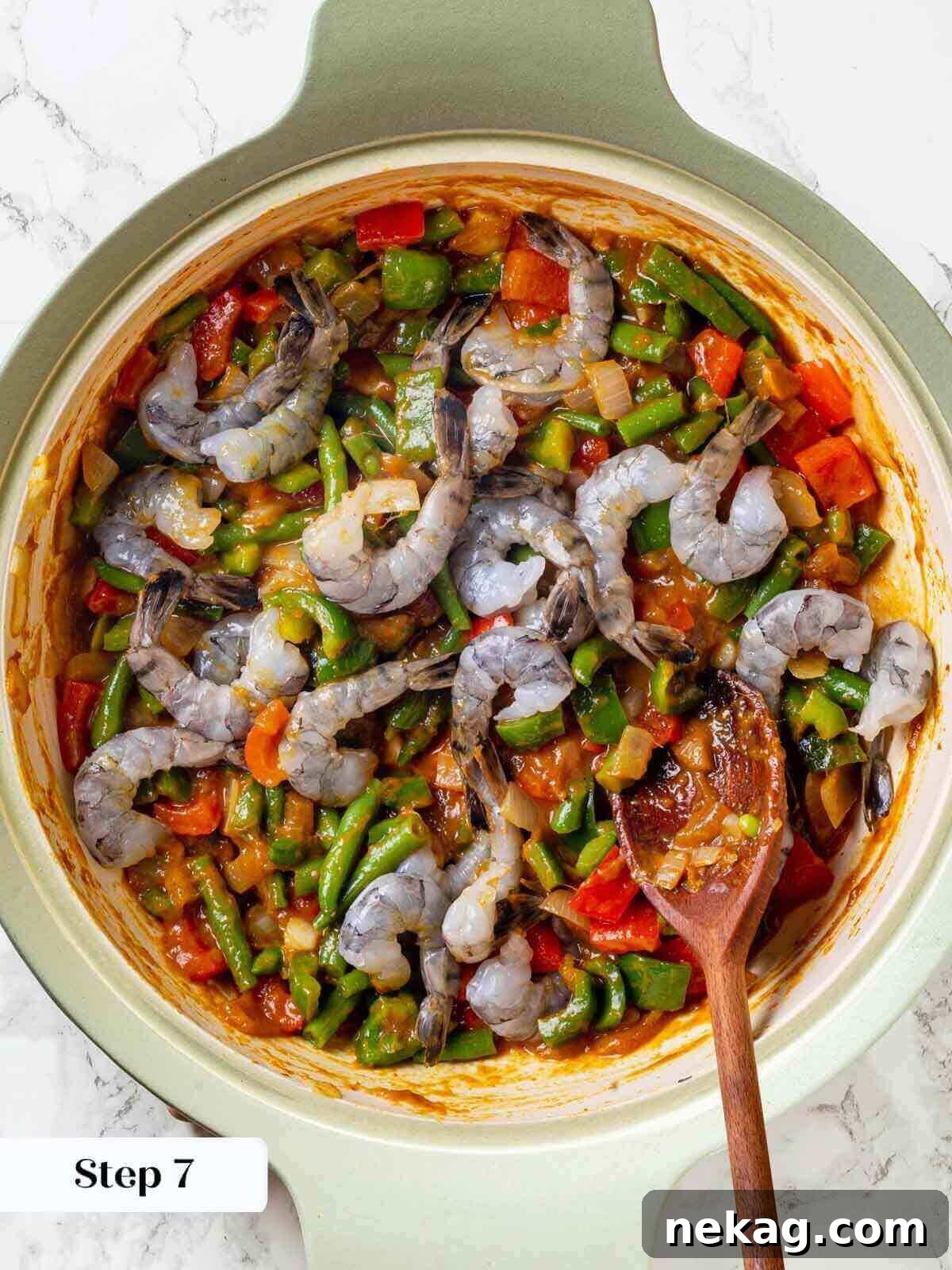
Step 7: Finally, add the prepared shrimp to the pan with the curry sauce. Stir gently to ensure all the shrimp are coated. Simmer for a very short duration, typically 3-4 minutes per side for jumbo shrimp, or until the shrimp are fully cooked through, opaque, and have turned a lovely pink color. Remember, overcooking shrimp makes them tough, so watch them closely!
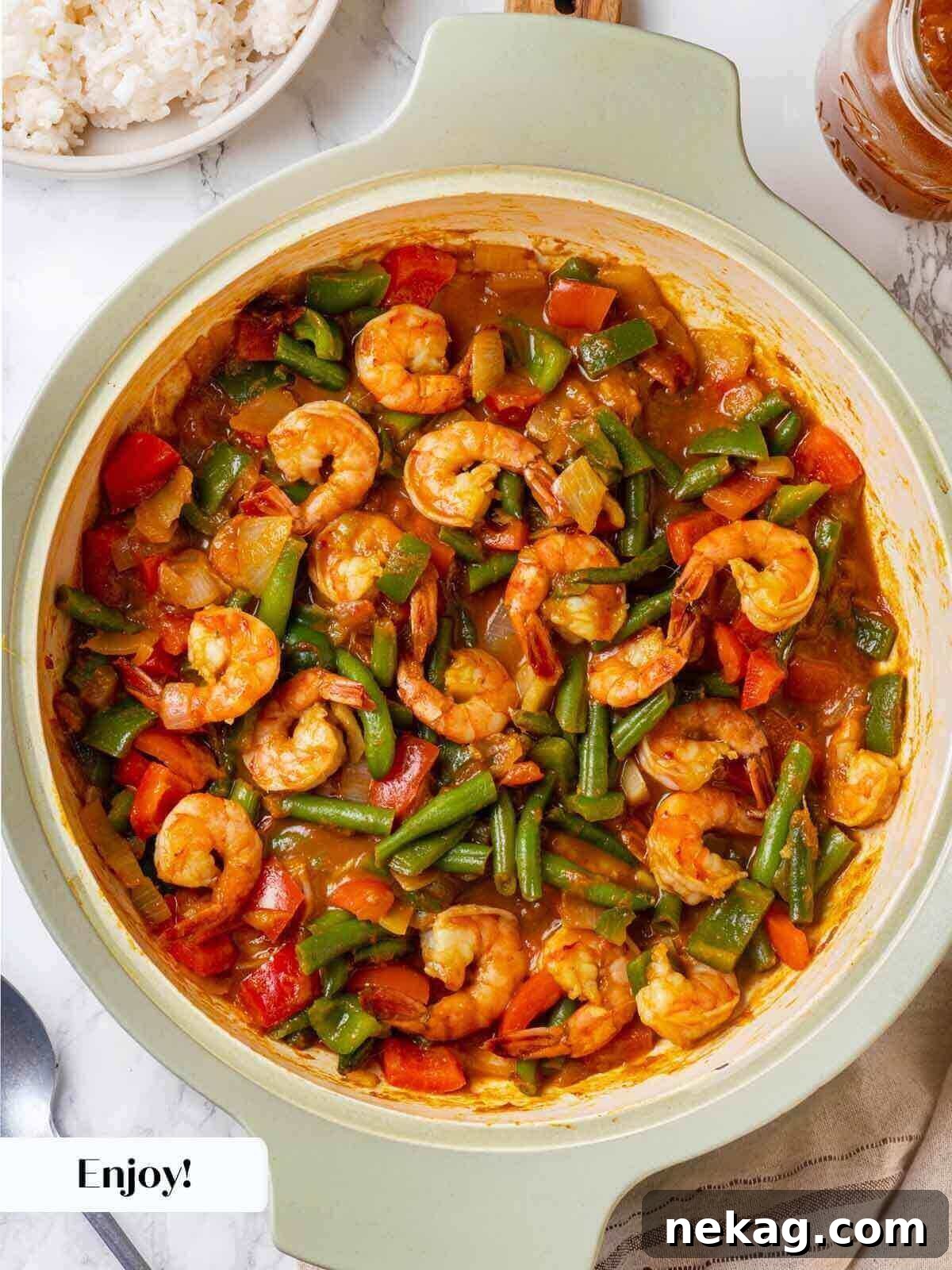
Step 8: With the shrimp perfectly cooked and the curry bursting with flavor, it’s time to serve. Create a generous bed of your fragrant coconut rice in each serving bowl, then spoon the piping hot, vibrant shrimp curry generously over the top. Garnish with fresh cilantro, a lime wedge, or a sprinkle of red pepper flakes if desired. Enjoy your homemade culinary masterpiece!
Chef Lindsey’s Recipe Tip
Adjust the heat level to your personal preference. Curry is all about customization! If you enjoy a milder flavor profile, begin with a smaller amount of curry paste than recommended and gradually add more, tasting as you go, until you reach your desired warmth. Conversely, for those who crave a fiery kick, feel free to incorporate extra curry paste or even a pinch of cayenne pepper or red pepper flakes directly into the dish. Remember, curry pastes come in various heat levels (mild, medium, hot), so choose one that best suits your palate to start.
Frequently Asked Questions
How do you store leftover shrimp curry?
Leftover shrimp curry stores beautifully! Transfer the curry to an airtight container and refrigerate it for up to 3-4 days. For best results and to prevent the rice from becoming soggy, I recommend storing the curry and the coconut rice separately. You can also freeze leftovers for longer storage. Freeze the curry and rice in separate freezer-safe containers for up to 2-3 months. To reheat, thaw overnight in the refrigerator, then gently warm the curry on the stovetop over medium-low heat, adding a splash of water or coconut milk if needed to restore its original consistency. Reheat frozen rice in the microwave with a few teaspoons of water, stirring at 30-second intervals until hot and fluffy.
Can I use a different type of curry paste for shrimp curry?
Absolutely! Curry is incredibly versatile. Feel free to use any type of curry paste you prefer or have on hand. Thai red curry paste will give it a bold, spicy kick, while yellow curry paste will offer a milder, earthier flavor. Green curry paste provides a fresh, herbaceous zest. You could even try a homemade curry paste if you’re feeling adventurous! Each will impart a unique character to your shrimp curry, so experiment to find your favorite.
Can I use frozen shrimp?
Yes, using frozen shrimp is a convenient and perfectly acceptable option for this recipe. The most important step is to thaw them properly before cooking. Place the frozen shrimp in a colander under cold running water or submerge them in a bowl of cold water (changing the water every 15 minutes) until fully thawed. Once thawed, pat them extremely dry with paper towels to remove any excess moisture. This critical step helps prevent the curry from becoming thin or watery and ensures the shrimp sear nicely rather than steam.
Can I substitute the jasmine rice?
Certainly! While jasmine rice offers a lovely fragrance and texture, you can easily substitute it with other varieties. Basmati rice is an excellent alternative, providing a similar long-grain structure and pleasant aroma. Long-grain white rice or brown rice also work well, though you’ll need to adjust the cooking time and liquid ratio according to the specific rice type you choose (brown rice typically requires more liquid and a longer cooking time). For a delicious low-carb alternative, consider serving your shrimp curry over cauliflower rice or broccoli rice.
What are some good serving suggestions for shrimp curry?
Beyond coconut rice, this shrimp curry pairs wonderfully with a variety of sides. Warm naan bread or roti are perfect for scooping up the rich sauce. A fresh cucumber and tomato salad can add a refreshing counterpoint to the curry’s richness. For extra crunch and flavor, garnish with chopped fresh cilantro, a sprinkle of toasted cashews, or a dollop of plain yogurt or sour cream to cool the spice.

If you tried this recipe and loved it, please consider leaving a 🌟 star rating and share your thoughts in the comments below. Your feedback truly makes my day!

Shrimp Curry
This delicious shrimp curry with coconut rice is packed with sweet, spicy, and savory flavors. With easy-to-follow instructions and developed by a professional chef, this dish is sure to become a new family favorite!
Ingredients
For the Shrimp Curry:
- 1 tablespoon unsalted butter
- 1 onion, chopped
- 1 red bell pepper, chopped
- 1 green bell pepper, chopped
- 1 cup green beans, cut into 1-inch pieces
- 3 cloves garlic, chopped
- 20 jumbo shrimp, peeled and deveined
- 4 tablespoons curry paste (Tikka or red curry paste recommended)
- ½ cup mango chutney
- 1 tablespoon oil (avocado or grapeseed)
For the Coconut Rice:
- 12 oz light coconut milk (or regular for a richer taste!)
- 1 ¼ cups water
- 1 pinch salt (kosher)
- 1 cup uncooked jasmine rice
Instructions
Prepare the Coconut Rice:
- In a saucepan, combine all ingredients for the rice. Bring to a boil over medium heat. Cover, reduce heat to low, and simmer for 20-25 minutes or until rice is tender and liquid is absorbed.
Prepare the Curry:
- Thaw shrimp in ice water if frozen. While rice cooks, devein shrimp, rinse, and pat dry. Set aside.
- Melt butter in a skillet over medium heat. Sauté green beans, onions, and peppers until translucent and tender.
- Add garlic and sauté until just beginning to brown (about 1-2 minutes).
- Stir curry paste into the pan, coating the vegetables (about 1 minute).
- Add mango chutney, stir well to combine, and taste the sauce. Adjust curry paste or salt to taste.
- Add shrimp to the pan and stir. Simmer until shrimp is fully cooked (3-4 minutes per side).
- Serve immediately over a bed of fluffy coconut rice.
Notes
Technique – Watch your shrimp: Shrimp cook very quickly. To prevent rubbery texture, cook for only 3-4 minutes per side, or until opaque and pink. Remove immediately.
Variations – Coconut shrimp curry: For a Thai-inspired dish, use Thai red curry paste and add extra coconut milk to the sauce. A squeeze of lime juice at the end brightens the flavor.
Storage – Keep it fresh: Store leftover shrimp curry in an airtight container in the refrigerator for 3-4 days. For optimal freshness, store the curry and rice separately. Can also be frozen separately for longer storage.
Nutrition
Carbohydrates: 53g |
Protein: 13g |
Fat: 10g |
Saturated Fat: 6g |
Polyunsaturated Fat: 1g |
Monounsaturated Fat: 2g |
Trans Fat: 0.1g |
Cholesterol: 89mg |
Sodium: 448mg |
Potassium: 281mg |
Fiber: 3g |
Sugar: 17g |
Vitamin A: 2575IU |
Vitamin C: 49mg |
Calcium: 83mg |
Iron: 1mg
Before You Go
I genuinely hope you enjoyed preparing and savoring this professional chef-tested shrimp curry recipe. It’s a dish designed to bring vibrant flavors and culinary satisfaction to your home. Don’t forget to explore our other delicious, chef-developed summer dinner recipes for more inspiration and exciting meal ideas!