
The Ultimate Cinnamon Raisin French Toast: A Cozy Morning Indulgence
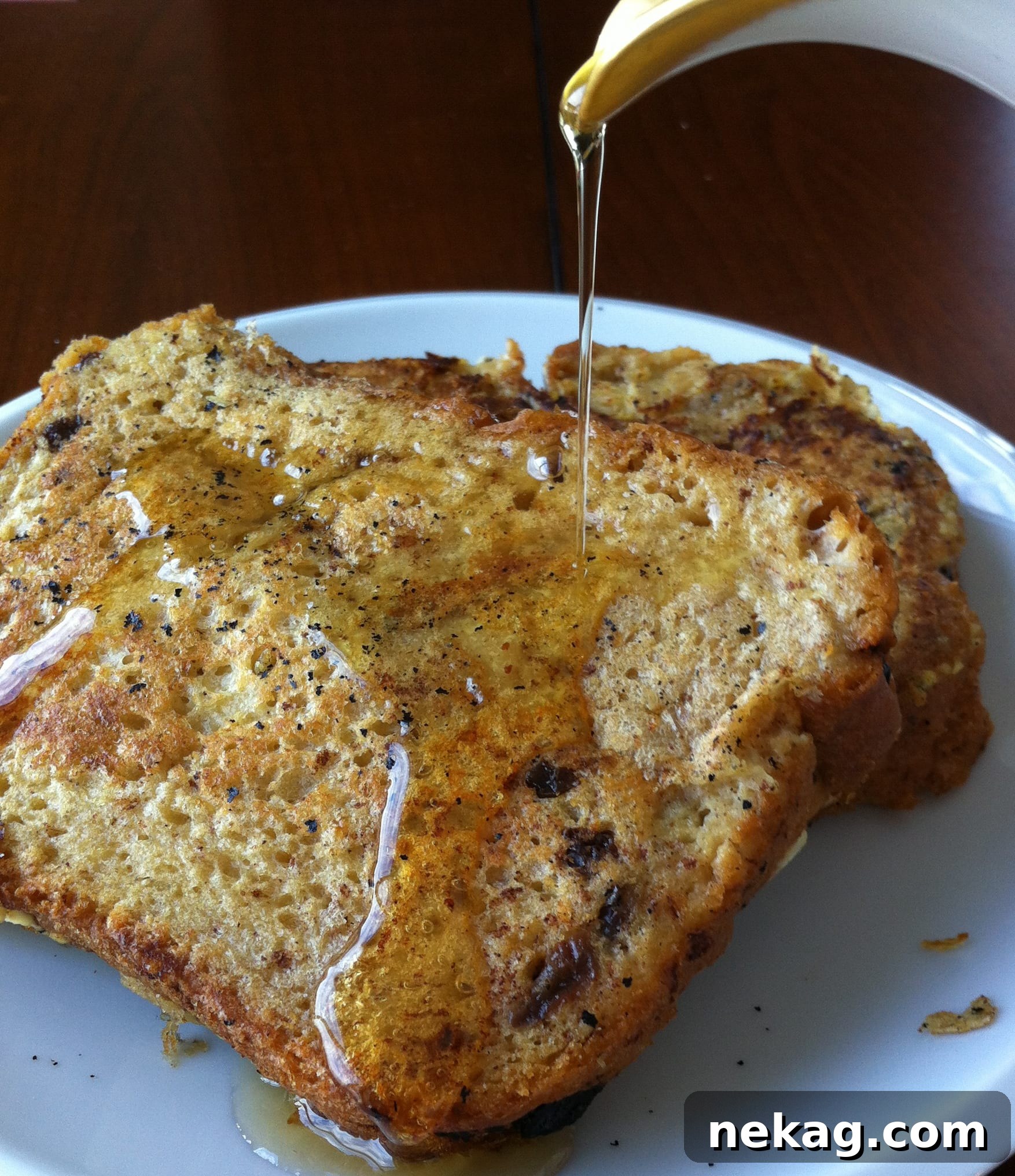
Few dishes evoke the warmth and comfort of a leisurely morning quite like French Toast. But when you elevate it with the delightful flavors of cinnamon and sweet raisins, you create a breakfast experience that is truly unforgettable. This Cinnamon Raisin French Toast recipe transforms ordinary bread into an extraordinary treat, soaking each slice in a rich, spiced custard and delivering a symphony of flavors with every bite. Topped with a generous pour of warm maple syrup, it’s the perfect way to start your day, turning any morning into a special occasion.
A Journey Back to Childhood Mornings
There’s a magical quality to certain foods that can transport you back in time. For me, French toast always brings fond memories of summer visits to Nana’s house in Washington D.C. I’d wake up to the comforting aromas wafting from the kitchen, knowing a delicious breakfast awaited. After indulging in her perfectly made French toast, we would embark on exciting adventures, exploring the city’s historic sites together. Those mornings were filled with joy, and the simple pleasure of French toast became a cherished part of those precious memories. This recipe, infused with the extra warmth of cinnamon and sweetness of raisins, captures that same nostalgic comfort.
While French toast might not be able to solve all of life’s challenges, it certainly has a miraculous way of making even the most daunting days – like Tax Day – a little more bearable. A truly delectable breakfast can set a positive tone for the entire day, and this Cinnamon Raisin French Toast is a testament to that power. This particular version is exceptionally delicious when made with a robust old fashioned raisin bread, providing a sturdy yet tender base that soaks up the custard beautifully. For those who love a bit of tang and depth, my sourdough raisin bread also works wonders, adding another layer of complex flavor to this classic dish.
Cinnamon Raisin French Toast
Chef Lindsey
5
20
25
2 people
Comment
Print Recipe
Ingredients (US Customary)
- 4 slices raisin bread or any bread, sliced ½ inch thick
- 1 egg
- 1/8 teaspoon salt
- 2/3 cup milk
- ½ teaspoon cinnamon
- 1/8 teaspoon nutmeg
Instructions
-
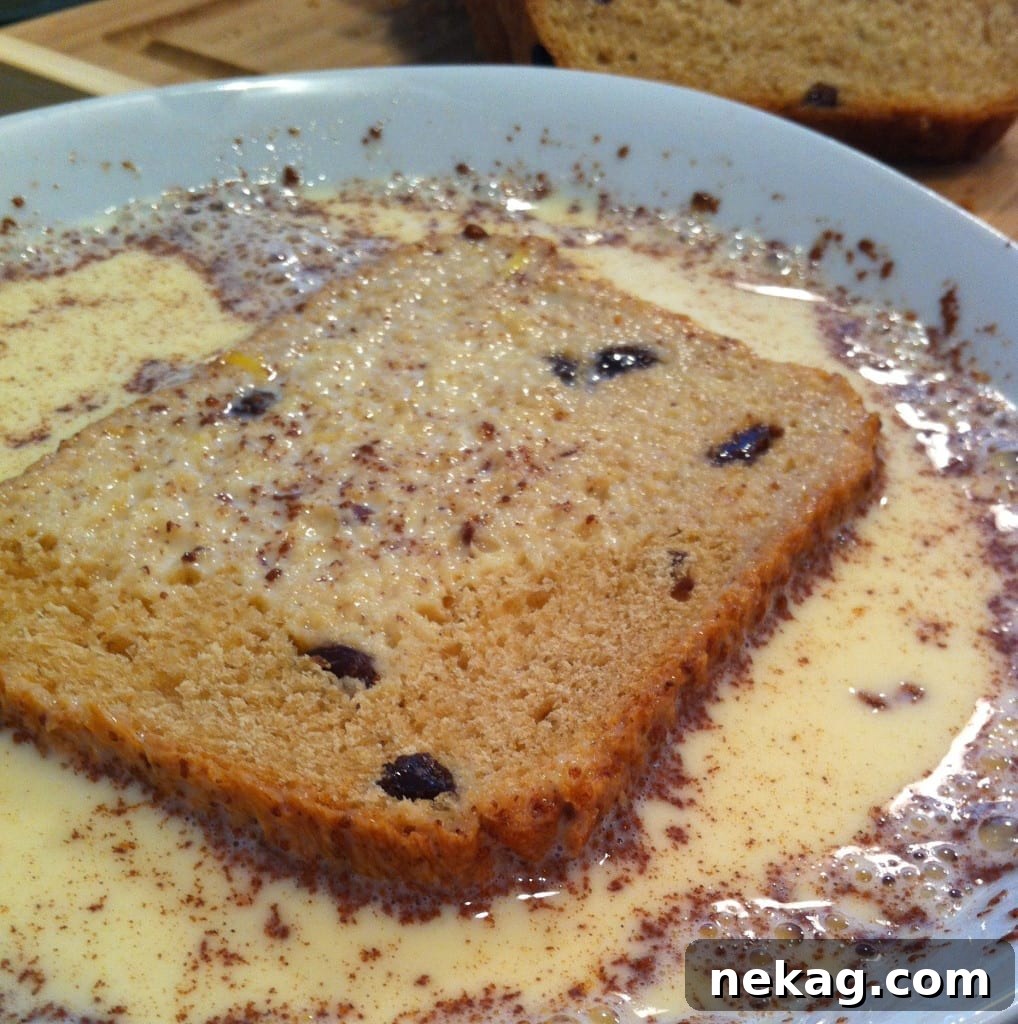
In a shallow dish, beat the egg, then whisk in the milk, salt, cinnamon, and nutmeg until well combined. This is your flavorful custard soak.
-
Carefully dip each slice of raisin bread into the custard mixture, ensuring both sides are thoroughly soaked. Allow the bread to absorb the liquid for a few seconds on each side, but don’t let it become overly saturated and fall apart.
-
Heat a lightly oiled or buttered griddle or large skillet over medium heat. If you’re feeling decadent, a little extra butter will give it a richer flavor and crisper edge.
-
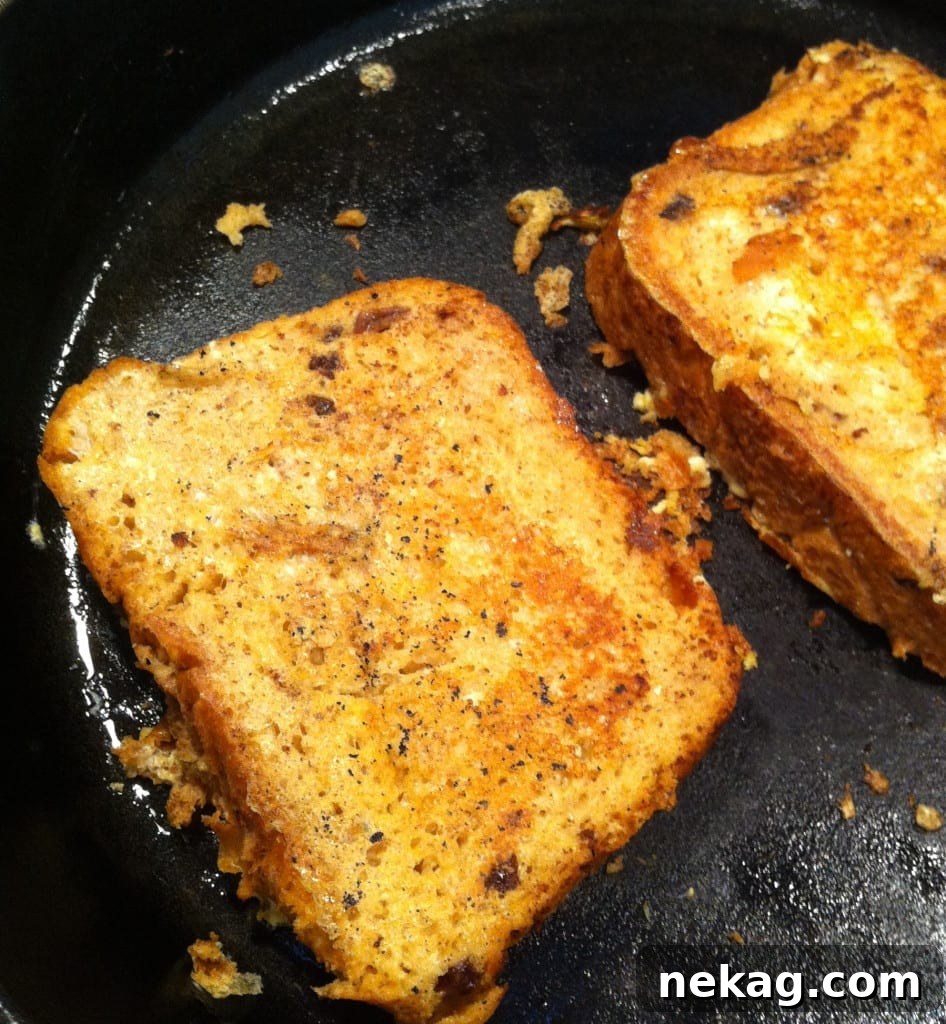
Place the soaked bread slices on the hot griddle. Cook for 2-4 minutes per side, or until both sides are a beautiful golden brown and the center is cooked through to your preference. The exact cooking time will vary depending on your griddle temperature and bread thickness.
-
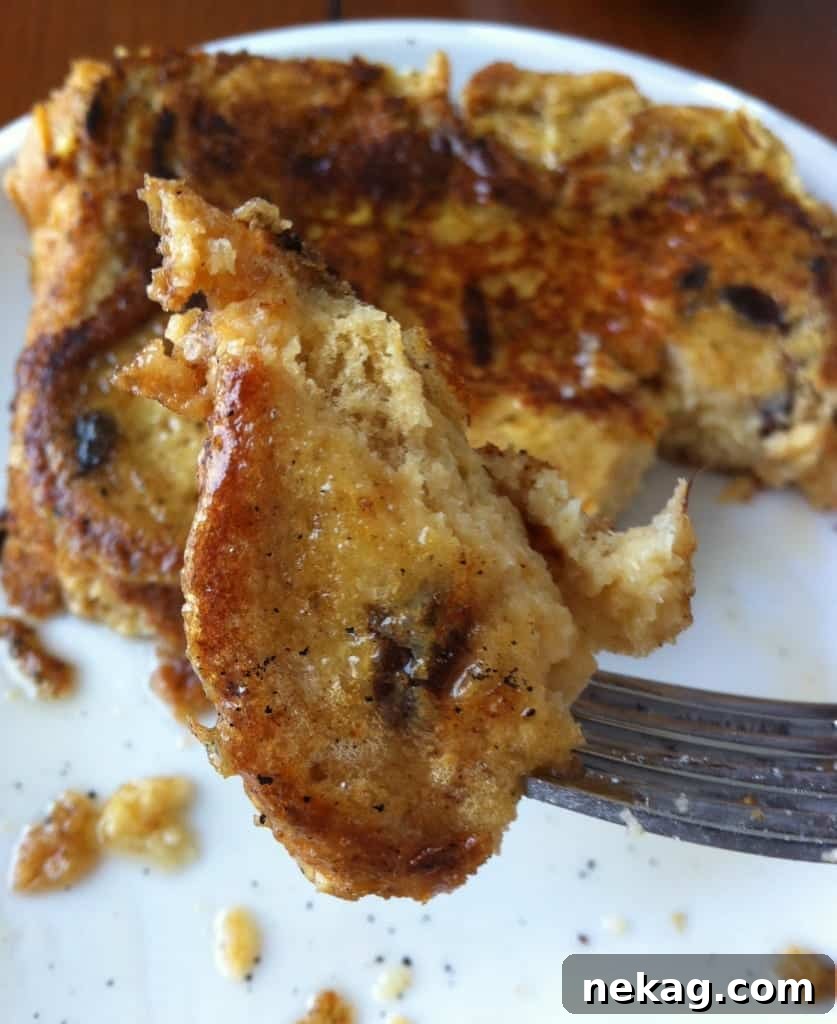
Serve the Cinnamon Raisin French Toast hot, immediately, with a generous drizzle of warm maple syrup or a dusting of powdered sugar. Fresh fruit or a dollop of whipped cream also make wonderful additions.
Notes for a Perfect Batch
This base recipe is inspired by the timeless wisdom found in the American Woman’s Cookbook, a classic that has guided many generations of home cooks.
Nutrition Information (per serving)
Calories: 225kcal
|
Carbohydrates: 32g
|
Protein: 10g
|
Fat: 7g
|
Saturated Fat: 3g
|
Polyunsaturated Fat: 1g
|
Monounsaturated Fat: 3g
|
Trans Fat: 1g
|
Cholesterol: 92mg
|
Sodium: 388mg
|
Potassium: 273mg
|
Fiber: 3g
|
Sugar: 7g
|
Vitamin A: 252IU
|
Vitamin C: 1mg
|
Calcium: 152mg
|
Iron: 2mg
Breakfast
American
225
Like this? Leave a comment below!
Choosing Your Bread for the Best French Toast
The foundation of any great French toast is, undoubtedly, the bread. While this recipe specifically calls for cinnamon raisin bread, the quality and type of bread can dramatically influence the final result. For Cinnamon Raisin French Toast, a slightly stale loaf works best, as it’s less likely to disintegrate when soaked in the custard. Look for a hearty, thick-sliced bread – around ½ to ¾ inch thick – that can stand up to the soaking without becoming mushy. Brioche or challah infused with cinnamon and raisins would also be exceptional choices, offering a rich, buttery texture. If using a less dense bread, a shorter soak time is advisable.
The Secret to a Flavorful Custard
The magic of French toast truly lies in its custard. This recipe uses a simple yet potent blend of eggs, milk, salt, cinnamon, and nutmeg. The key is to achieve a balance where the bread is fully saturated with flavor, but not to the point of becoming waterlogged. The addition of cinnamon and nutmeg is non-negotiable for this particular recipe; these warming spices transform the custard from merely eggy to rich, aromatic, and deeply comforting. For an extra touch, consider adding a splash of vanilla extract or a hint of orange zest to the custard for added brightness and complexity.
Achieving Golden Perfection: Cooking Your French Toast
Once your bread is perfectly soaked, the cooking process is straightforward but requires a watchful eye. A hot griddle or large skillet, lightly greased with butter or oil, is essential. Butter offers a richer flavor and helps achieve a beautiful golden crust, while a neutral oil ensures even cooking without burning. Medium heat is ideal – too high, and your toast will burn on the outside before cooking through; too low, and it might become greasy or dry. Cook each side until it reaches a deep golden brown, indicating a beautifully caramelized exterior and a tender, fully cooked interior. Don’t rush this step; patience is key to French toast perfection.
Beyond Maple Syrup: Creative Serving Suggestions
While warm maple syrup and a dusting of powdered sugar are classic accompaniments, don’t be afraid to get creative with your toppings! Here are a few ideas to elevate your Cinnamon Raisin French Toast:
- Fresh Berries: Strawberries, blueberries, raspberries, or a mix add a burst of freshness and vibrant color.
- Whipped Cream: A dollop of freshly whipped cream provides a luxurious, airy contrast to the dense toast.
- Toasted Nuts: Pecans, walnuts, or almonds add a delightful crunch and nutty flavor.
- Chocolate Chips: A sprinkle of mini chocolate chips, especially dark chocolate, can be a decadent addition.
- Fruit Compote: A homemade berry or apple compote offers a cooked fruit alternative to fresh berries.
- Bacon or Sausage: For a balanced sweet and savory breakfast, serve alongside crispy bacon or breakfast sausage.
- Cinnamon Sugar: Mix granulated sugar with extra cinnamon for a simple yet effective sprinkle.
Tips for French Toast Perfection and Variations
- Day-Old Bread is Best: Slightly stale bread absorbs the custard better without falling apart. If your bread is fresh, you can lightly toast it or leave it out uncovered for a few hours.
- Don’t Overcrowd the Pan: Cook French toast in batches to ensure even browning and proper cooking.
- Keep it Warm: If cooking for a crowd, keep cooked French toast warm on a baking sheet in a preheated oven at a low temperature (around 200°F / 93°C) while you finish the rest of the batch.
- Customize Your Spices: While cinnamon and nutmeg are key here, feel free to experiment with other warming spices like a pinch of allspice or ginger for a unique twist.
- Add Vanilla: A teaspoon of vanilla extract in the custard can enhance the overall sweetness and aroma.
- Citrus Zest: A little orange or lemon zest can brighten the flavors in the custard.
- Make it Ahead: The custard mixture can be prepared the night before and stored in the refrigerator. Simply whisk again before dipping the bread. Cooked French toast can also be frozen and reheated, making it a great meal prep option.
The Fascinating History of French Toast
Did you know that French toast isn’t actually French? Its origins can be traced back to the Roman Empire, where a dish known as Aliter Dulcia (another sweet dish) involved soaking bread in milk and egg, then frying it. This was a common way to use up stale bread, preventing waste. Through the centuries, this practice spread across Europe. While often called “German Toast” or “Poor Knight’s Pudding” in various regions, the name “French Toast” likely emerged in the 17th century. An American innkeeper named Joseph French is said to have advertised “French Toast” in 1724, allegedly because he forgot to add the apostrophe, thus simplifying its name to what we know today. Regardless of its true origin, this beloved breakfast has stood the test of time, evolving into countless delicious variations.
Frequently Asked Questions About Cinnamon Raisin French Toast
Can I use regular bread instead of raisin bread?
Yes, absolutely! While cinnamon raisin bread adds a wonderful built-in flavor, you can certainly use regular bread, preferably a slightly stale brioche, challah, or even a good quality white bread. You might want to increase the cinnamon slightly or add a few extra raisins to the custard if you’re looking to replicate the full cinnamon raisin experience.
How can I prevent my French toast from being soggy?
The key to non-soggy French toast is the right bread and the right soaking time. Use slightly stale, thick-cut bread. Don’t let the bread soak for too long; a quick dip and flip on each side is often enough, especially if your bread is thinner. Also, ensure your griddle is hot enough to create a good sear and cook the custard through.
Can I make French toast ahead of time?
You can prepare the custard mixture the night before and store it in an airtight container in the refrigerator. Just give it a good whisk before dipping the bread in the morning. Cooked French toast can also be frozen. Lay cooked slices on a baking sheet to freeze individually, then transfer to a freezer-safe bag. Reheat in a toaster, oven, or microwave.
What’s the best way to get a perfectly golden crust?
Achieving a beautiful golden crust comes down to two things: butter and heat. Use a generous amount of butter or a butter-oil blend on your griddle. Cook over medium heat, allowing enough time for the sugars in the bread and custard to caramelize. Don’t rush it! A slightly lower temperature for a longer period can prevent burning and ensure even color.
Is this recipe suitable for brunch parties?
Absolutely! This Cinnamon Raisin French Toast is a fantastic choice for brunch. It’s a crowd-pleaser and relatively easy to scale up. You can keep batches warm in a low oven, as mentioned above, or set up a French toast bar with various toppings for guests to customize their plates.
Conclusion: A Taste of Sweet Comfort
This Cinnamon Raisin French Toast recipe is more than just a meal; it’s an experience. It brings together the simple joys of a classic breakfast with the comforting, aromatic embrace of cinnamon and the delightful sweetness of raisins. Whether you’re reliving childhood memories, brightening a dull morning, or hosting a festive brunch, this French toast promises to deliver warmth, flavor, and a smile. So, gather your ingredients, fire up your griddle, and treat yourself to this truly ultimate indulgence. You deserve it!