
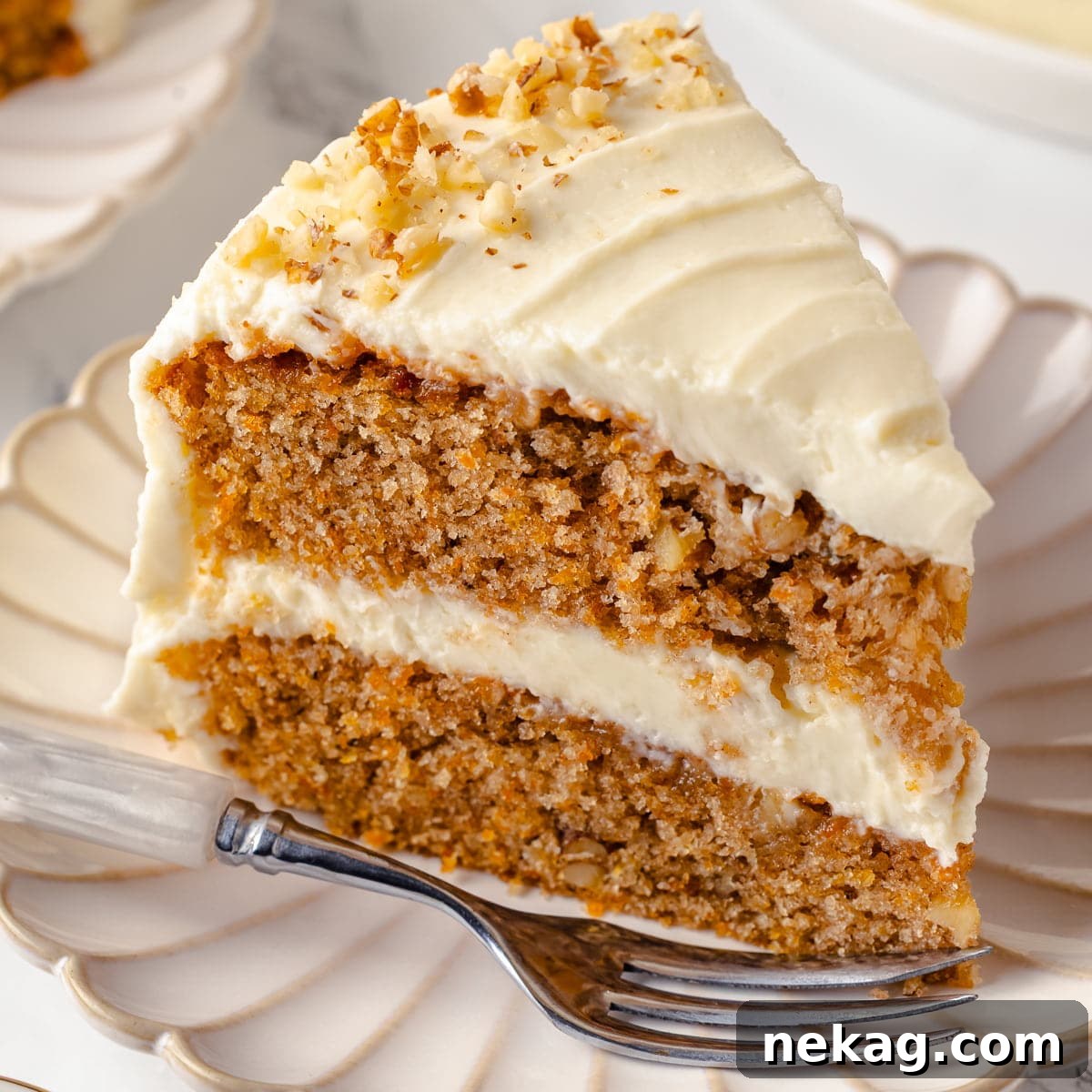
The Ultimate Carrot Cake Recipe: Moist, Spiced, and Simply the Best!
Prepare to bake a carrot cake that stands above the rest – a recipe so exceptional, it even beat Bobby Flay! This isn’t just a claim; it’s a testament to a cake that is truly moist, tender, and perfectly spiced, promising to deliver the most flavorful and satisfying carrot cake experience you’ve ever had. Get ready to impress everyone with this culinary masterpiece.
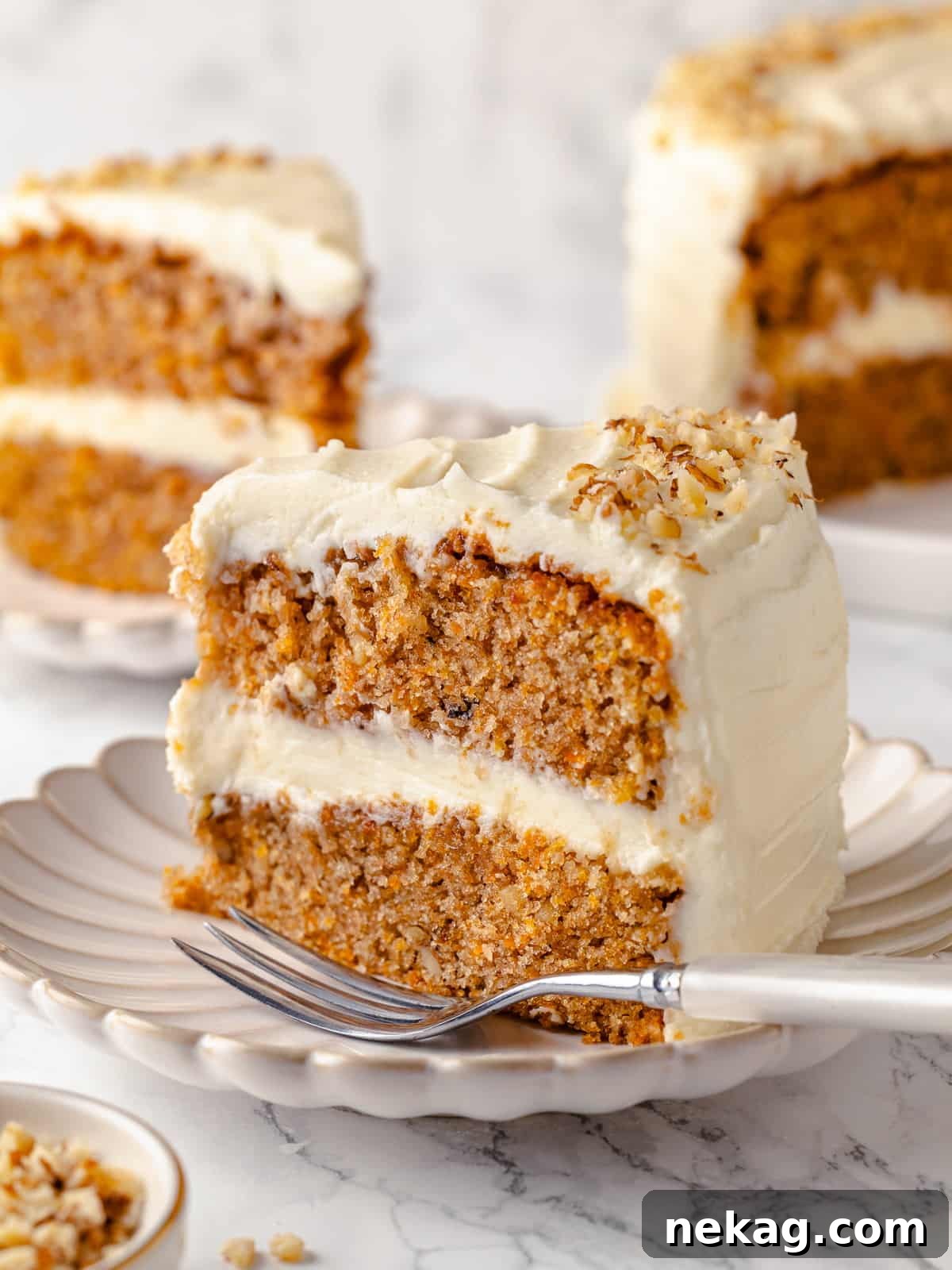
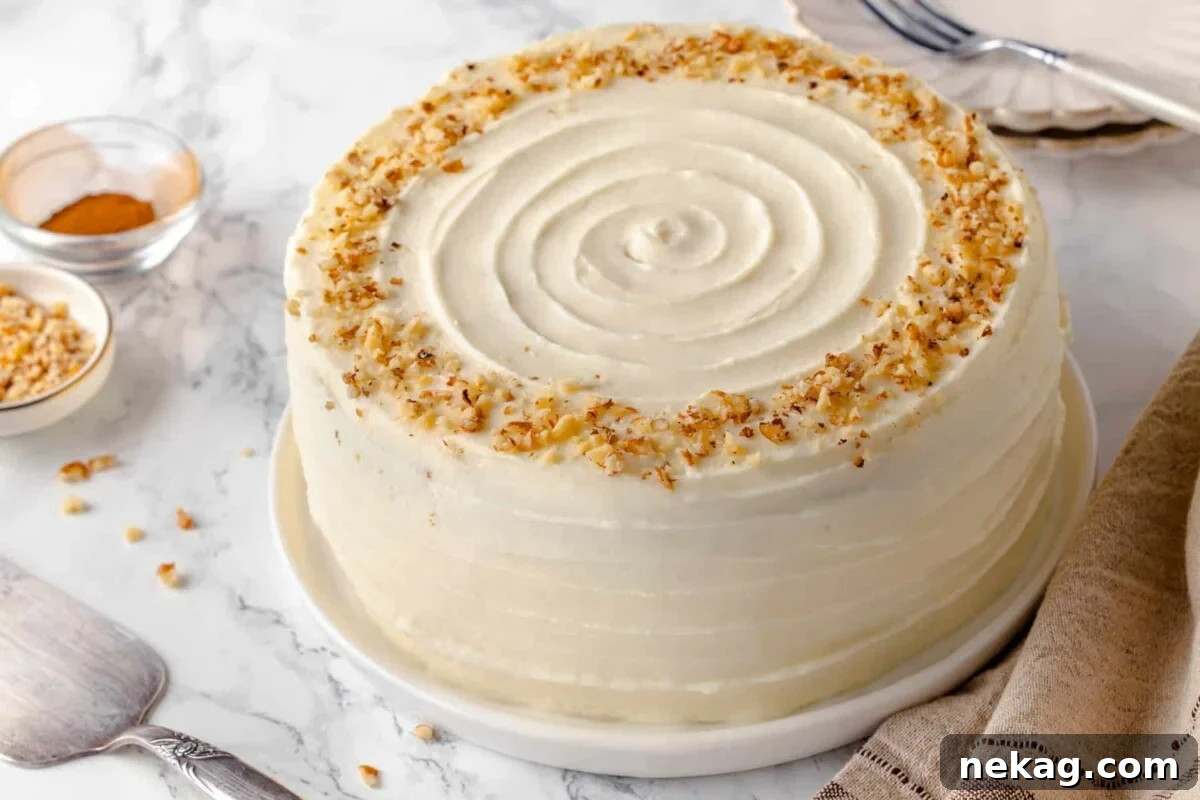
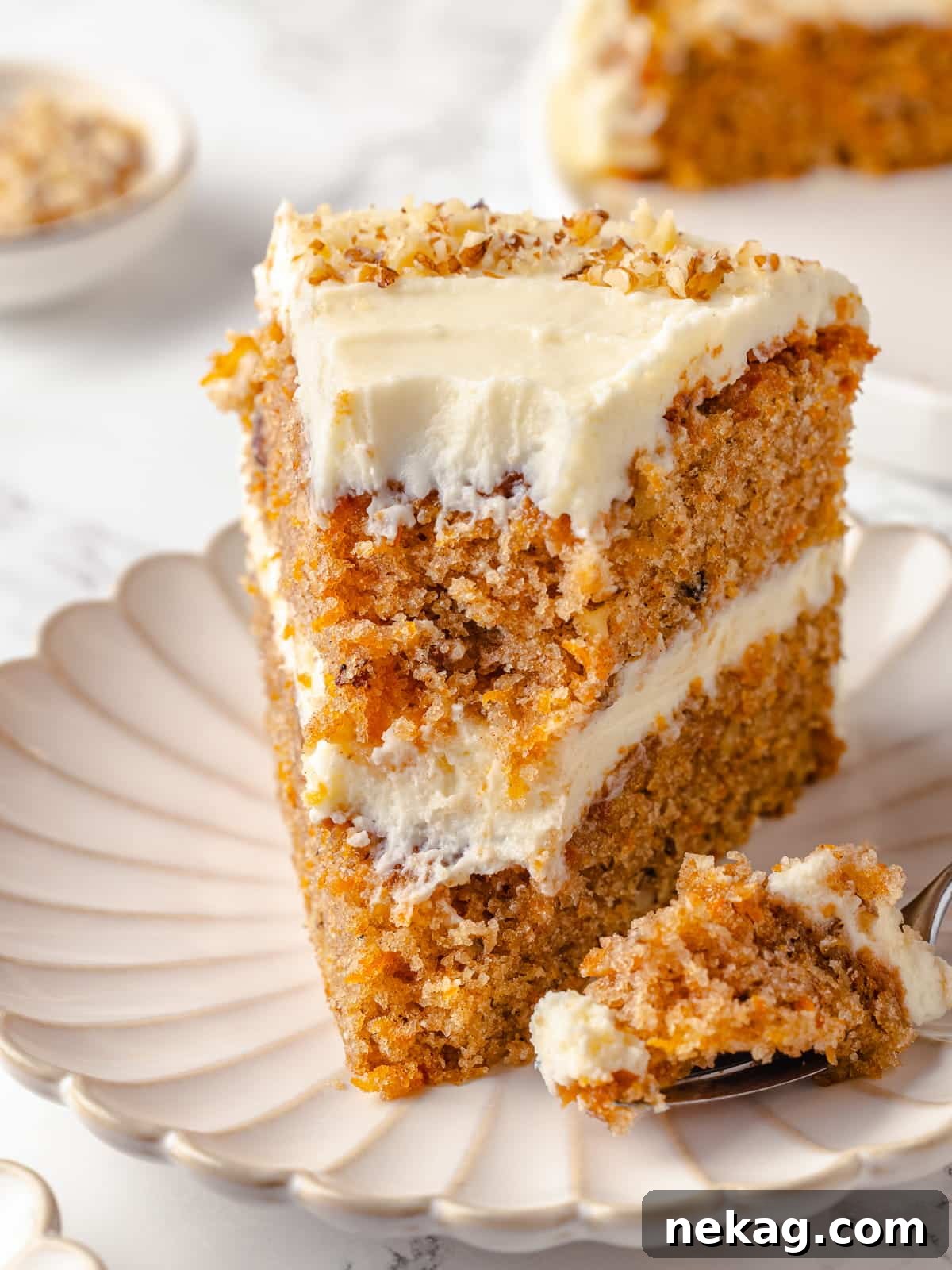
What makes this truly the best carrot cake? It’s a harmonious blend of exceptional moistness, tender texture, abundant fresh carrots, and a generous medley of warming spices. Each layer is lovingly blanketed with our signature tangy cream cheese buttercream frosting, elevating it to dessert perfection. Whether you’re hosting a sophisticated dinner party, contributing to a potluck, or celebrating Easter, this carrot cake is destined to be the star of the show.
Much like our acclaimed Hummingbird Cake or the irresistible Banana Cake with Cream Cheese Frosting, the secret to this cake’s success lies in its exquisite, perfectly balanced cream cheese buttercream. For those moments when simplicity is key, but flavor cannot be compromised, consider our easy one-bowl carrot cake recipe or our decadent moist one-bowl chocolate cake recipe. Or, for a delightful twist on a classic, skip the cake entirely and indulge in our flavorful carrot cake scones!
Table of Contents
- Why This is Truly the Best Carrot Cake Recipe
- Professional Tips for Baking the Perfect Carrot Cake
- Essential Ingredients & Smart Substitutions
- Exciting Variations to Customize Your Cake
- Step-by-Step Guide: How to Make the Best Carrot Cake
- Chef Lindsey’s Expert Baking Tip
- Frequently Asked Questions About Carrot Cake
- The Best Carrot Cake Recipe Card
- Explore More Delicious Recipes
Why This is Truly the Best Carrot Cake Recipe
This isn’t just another carrot cake recipe; it’s a meticulously crafted experience designed to deliver unparalleled taste and texture. Here’s what sets it apart:
- Unrivaled Moistness That Lasts: Our unique mixing method ensures this cake remains incredibly moist for up to a week! The magic happens when eggs and sugar are whipped together to a luxurious ribbon stage, tripling in volume. Then, oil is slowly drizzled into this aerated foam, creating a beautifully emulsified batter that yields a light, airy, and moist cake—never greasy. This technique locks in moisture, giving you a fresh-tasting cake days after it’s baked.
- Packed with Carrot Flavor: When we say carrot cake, we mean it! This recipe boasts an impressive amount of fresh carrots. There’s just enough batter to coat the carrots and walnuts, ensuring every bite is bursting with authentic carrot flavor. This isn’t a cake with a hint of carrot; it’s a celebration of its natural sweetness and earthy notes, making it taste absolutely amazing.
- Exquisitely Spiced for Perfection: The spice blend in this cake is meticulously balanced to complement, not overpower, the carrot flavor. It features a generous amount of warm cinnamon, creating an inviting aroma and depth of taste. For the ultimate experience, we highly recommend using high-quality cinnamon such as Ceylon or Saigon. These varieties offer a richer, more complex flavor profile that truly elevates the cake.
- Perfect Texture Every Time: Beyond just moisture, this cake offers a tender, melt-in-your-mouth crumb that is simply divine. The careful balance of ingredients and the specific mixing technique prevent it from becoming dense or dry, ensuring a consistently delightful texture.
Professional Tips for Baking the Perfect Carrot Cake
Achieving a truly exceptional carrot cake goes beyond just following a recipe. These professional tips will guide you to perfection:
- Shred Your Own Carrots for Superior Texture and Moisture: While pre-shredded carrots offer convenience, they are often drier and thicker, resulting in a less integrated texture in your cake. For the best results, always peel and shred your own carrots. The finer, fresher shreds release more moisture into the batter, contributing to the cake’s tenderness. After shredding, make sure to squeeze out any excess juice using cheesecloth or paper towels; this crucial step prevents your cake from becoming gummy. A food processor with a shredding attachment can save time and effort.
- Ensure Room-Temperature Butter and Cream Cheese for Silky Frosting: The secret to a smooth, lump-free, and perfectly aerated cream cheese buttercream lies in starting with room-temperature butter and cream cheese. If these ingredients are too cold, they won’t emulsify properly, leading to a lumpy or split frosting. If you forget to take them out in advance, gently soften them, or cream each separately in your stand mixer before combining to ensure uniform consistency.
- Avoid Overmixing for a Light and Airy Crumb: The unique mixing method for this carrot cake focuses on whipping air into the eggs and sugar to create volume. It’s vital not to lose this precious aeration by overmixing, especially once the dry ingredients and carrots are added. Mix just until combined and no streaks of flour remain. Overmixing develops gluten, which can lead to a tough, dense cake, counteracting all your efforts for a light and tender crumb.
- Prepare Your Pans Properly: For easy release and perfectly shaped cake layers, always grease and flour your cake pans, then line the bottoms with parchment paper circles. This double layer of protection ensures your cake won’t stick, allowing for a smooth transfer to the cooling rack.
- Invest in Quality Spices: Spices are the heart of a great carrot cake. Using fresh, high-quality spices, especially cinnamon, makes a noticeable difference in flavor. Older spices lose their potency, so check their expiration dates and aim for a vibrant aroma when you open the jar.
Essential Ingredients & Smart Substitutions
Every ingredient in this recipe plays a vital role in creating the ultimate carrot cake. Understanding their function will help you achieve perfection and make informed substitutions.
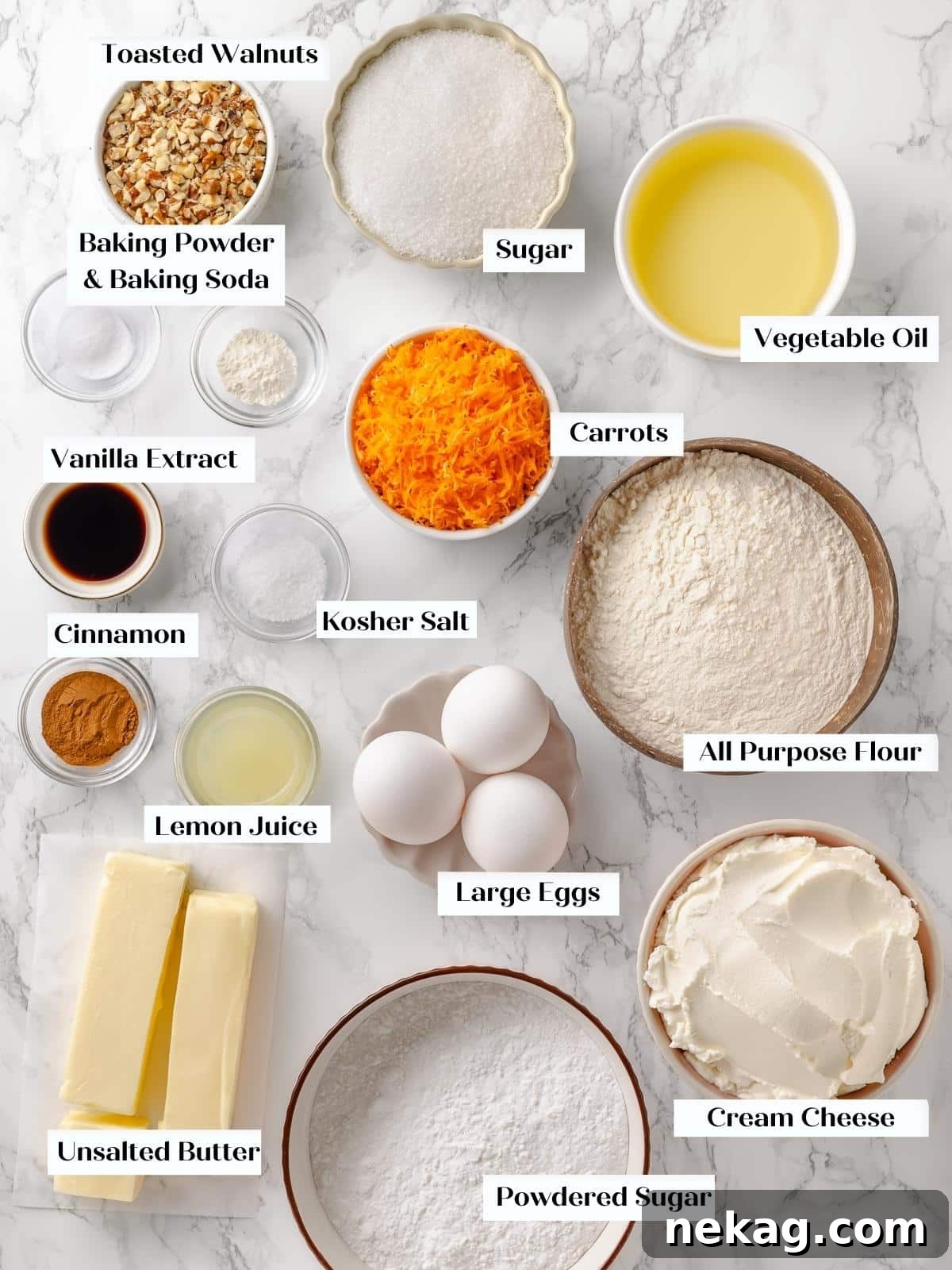
For the Cake:
- All-Purpose Flour: All-purpose flour provides the ideal balance of gluten, creating a tender yet structured cake. While pastry flour can be used for an even softer crumb, we advise against cake flour as its lower gluten content may not adequately support the volume of oil and carrots.
- Granulated Sugar: Beyond sweetness, granulated sugar is crucial for leavening, moisture retention, texture, and overall cake stability. It creams with eggs to create the cake’s airy foundation.
- Baking Soda & Baking Powder: This recipe utilizes a powerful leavening duo. Baking soda reacts with the acidic lemon juice, while baking powder activates with heat during baking. This dual action provides a strong, even rise, resulting in a beautiful, consistent crumb.
- Cinnamon: As highlighted in our cinnamon scones, the warming spice of cinnamon is indispensable for carrot cake. We prefer Saigon cinnamon for its robust flavor, but any good quality cinnamon will infuse your cake with delicious warmth.
- Kosher Salt: A pinch of kosher salt is essential to balance the sweetness and enhance all the other flavors, making them pop.
- Large Eggs: Whole eggs are key to emulsifying the significant amount of oil in this recipe, preventing a greasy texture and ensuring a moist, light cake structure. They also contribute to the cake’s rise and richness.
- Vegetable Oil: Vegetable oil is paramount for the cake’s exceptional moistness. It’s carefully emulsified into the egg and sugar mixture, ensuring a non-greasy finish. Opt for a neutral oil like canola oil; stronger oils such as olive oil or coconut oil will impart their flavor to the cake, which is not desired here. While melted butter can be substituted, it will result in a less moist cake.
- Fresh Lemon Juice (Cake): As with our lemon blondies, fresh citrus is always superior. Lemon juice provides vital acidity for the baking soda reaction and adds a subtle brightness that cuts through the richness of the cake. If fresh lemons are unavailable, consider a high-quality frozen fresh lemon juice like Orchid Island Juice.
- Freshly Shredded Carrots: We highly recommend using freshly peeled, grated, and squeezed carrots for the best flavor and texture. Pre-shredded, store-bought carrots (often dryer) can be used, but the cake will truly shine with fresh ones. Remember to squeeze out excess moisture!
- Walnuts (Optional): Walnuts add a delightful crunch and nutty flavor. For maximum impact, lightly toast them before adding to the batter. Pecans are also a fantastic alternative.
For the Cream Cheese Frosting:
- Unsalted Butter: Unsalted butter provides crucial stability and richness to the cream cheese, ensuring the frosting sets beautifully when chilled and holds the cake layers securely.
- Cream Cheese: For consistent results and superior texture, we always use original Philadelphia Cream Cheese. While reduced-fat options can work, avoid whipped cream cheese as it will make your buttercream too soft and difficult to work with. Ensure it’s at room temperature!
- Confectioner’s Sugar: Also known as powdered sugar, confectioner’s sugar is finely milled, ensuring a smooth, silky buttercream without the need for cooking, characteristic of American buttercream recipes.
- Vanilla Extract: Pure vanilla extract adds a classic, comforting aroma and flavor that perfectly complements the rich cream cheese.
- Fresh Lemon Juice (Frosting): This is the secret weapon for the best cream cheese frosting! Fresh lemon juice is non-negotiable; it beautifully cuts through the sweetness and introduces a delightful tang that perfectly balances and enhances the cream cheese flavor.
Refer to the complete recipe card below for precise measurements and detailed ingredient information.
Exciting Variations to Customize Your Carrot Cake
While our classic recipe is perfection, feel free to unleash your creativity and customize your carrot cake with these delightful variations:
- Experiment with Different Spices: Our recipe features a generous amount of cinnamon for its signature warmth. However, you can easily broaden the spice profile! Consider substituting or adding a spoonful of our homemade pumpkin spice mix or apple pie spice for a seasonal touch. For an even warmer, more complex flavor, incorporate ground ginger, nutmeg, allspice, or clove into the batter. Start with ¼ to ½ teaspoon of each, adjusting to your preference.
- Add Delightful Mix-Ins: Elevate the texture and flavor with various additions. Beyond walnuts, try toasted and chopped pecans, hazelnuts, or even macadamia nuts for a different nutty dimension. If you’re a fan of dried fruit, up to ½ cup of plump raisins, golden raisins, or dried cranberries can add a lovely chewiness and sweetness. For a decadent twist, fold in dark chocolate chips, white chocolate chunks, or even a mix of both!
- Go Tropical: Transform your carrot cake into an exotic delight. Incorporate ½ to 1 cup of well-drained crushed pineapple (ensure you squeeze out all excess liquid!) and ½ cup of shredded coconut into the batter. For the frosting, replace some of the lemon juice and vanilla with a tablespoon or two of coconut milk or coconut extract. Finish by garnishing with toasted coconut flakes for an irresistible tropical paradise.
- Make it Boozy: For an adult-friendly treat, take a cue from our carrot cake roll and infuse your cream cheese buttercream with a touch of your favorite spirit. A tablespoon or two of bourbon, rye, brandy, or even a delightful amaretto can add a sophisticated depth of flavor that beautifully complements the spices and tang of the frosting. Start small and taste as you go!
Step-by-Step Guide: How to Make The Best Carrot Cake
Follow these detailed instructions to bake the best carrot cake every single time. Precision and attention to detail at each stage will guarantee a showstopping result. Further details and measurements can be found in the recipe card below.
Prepare the Ingredients:
Step 1: Preheat Oven & Prepare Pans. Preheat your oven to 350˚F (175˚C) if using a convection oven (with a fan) or 375˚F (190˚C) for a conventional oven (no fan). Lightly spray two 8-inch round cake pans with nonstick cooking spray. For effortless release, line the bottom of each pan with a parchment paper circle. To make your own, simply trace the pan onto parchment paper and cut it out.
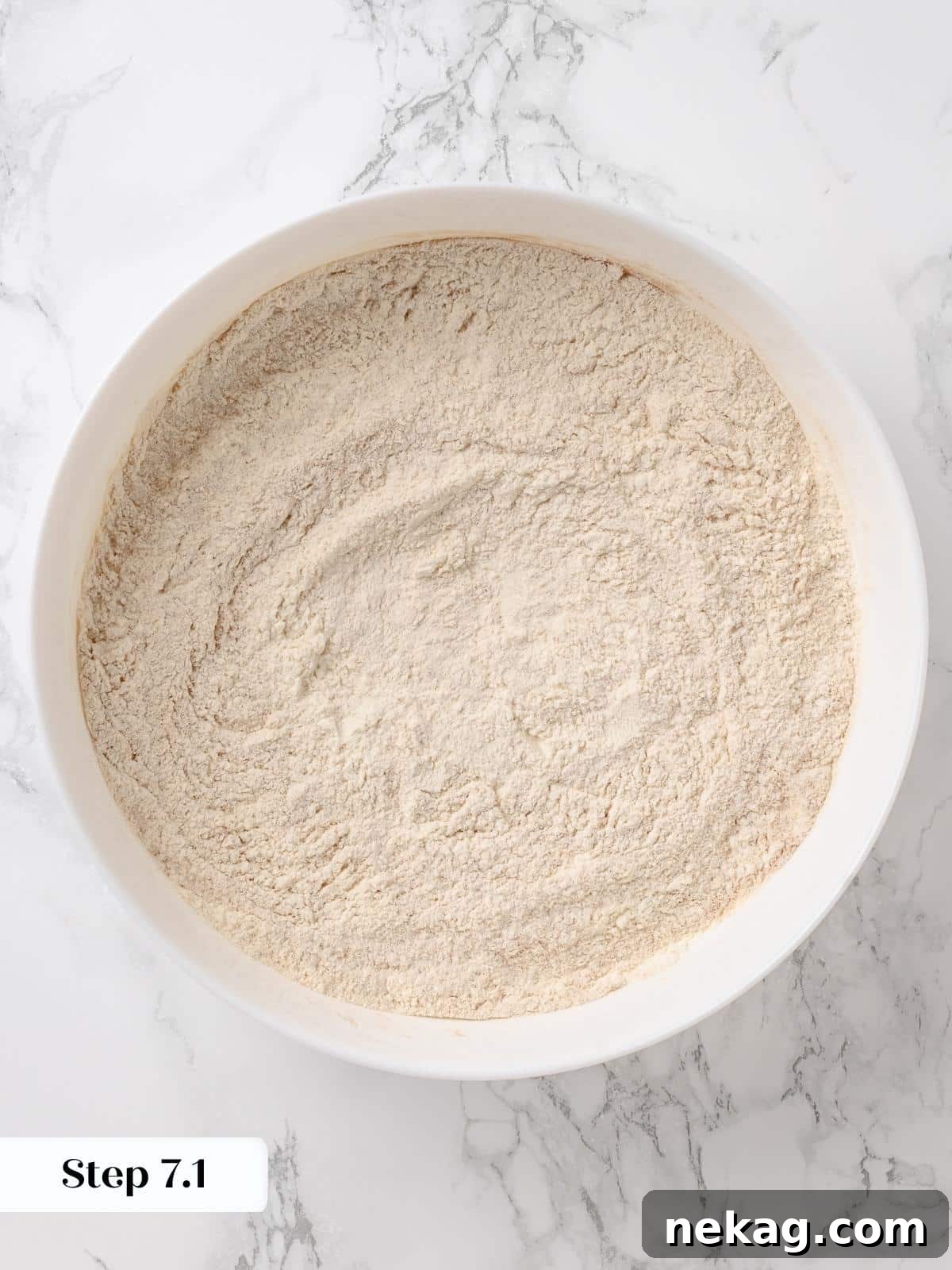
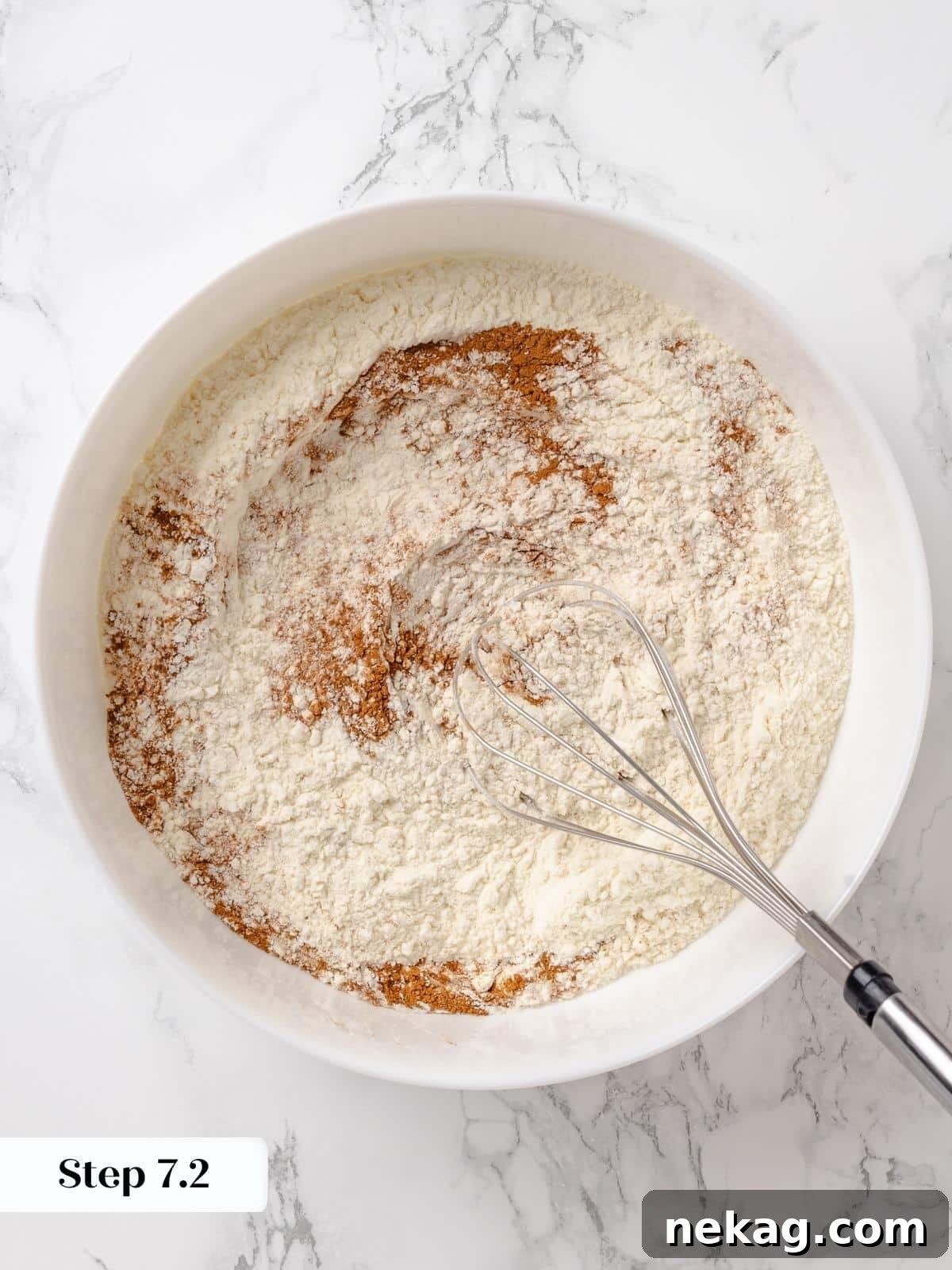
Step 2: Whisk Dry Ingredients. In a large mixing bowl, thoroughly whisk together the all-purpose flour, baking soda, baking powder, cinnamon, and kosher salt. Set this bowl aside.
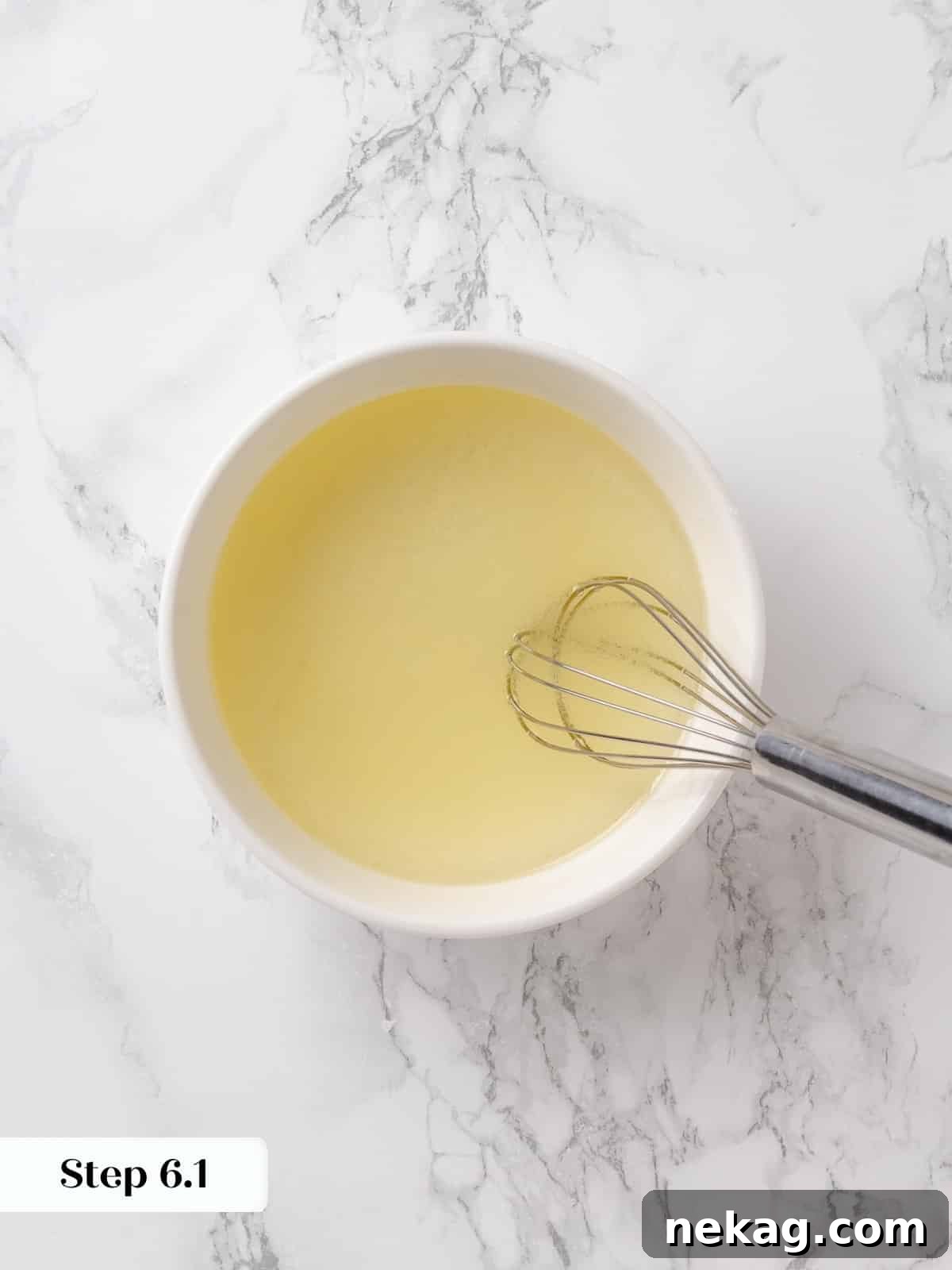
Step 3: Combine Oil & Lemon Juice. In a separate small bowl or liquid measuring cup, combine the vegetable oil and lemon juice. Set aside.
Step 4: Prepare Carrots. Peel your fresh carrots and grate them using a medium-sized box grater. This size ensures the carrots integrate well without being too fine or too chunky. Crucially, gather the grated carrots in cheesecloth or sturdy paper towels and squeeze out all excess juice. This step is vital to prevent a dense, gummy cake. Discard the juice or enjoy a healthy drink! (Chef’s Note: Wear gloves to avoid orange-stained hands!)
Chef’s Pro Tip on Carrots: Do not skip squeezing the carrots, and be sure to squeeze them extremely well! Skipping this or not doing it thoroughly enough will lead to a gooey, gummy cake, regardless of how long you bake it. The excess moisture will hinder proper setting and texture.
Make the Cake Batter:
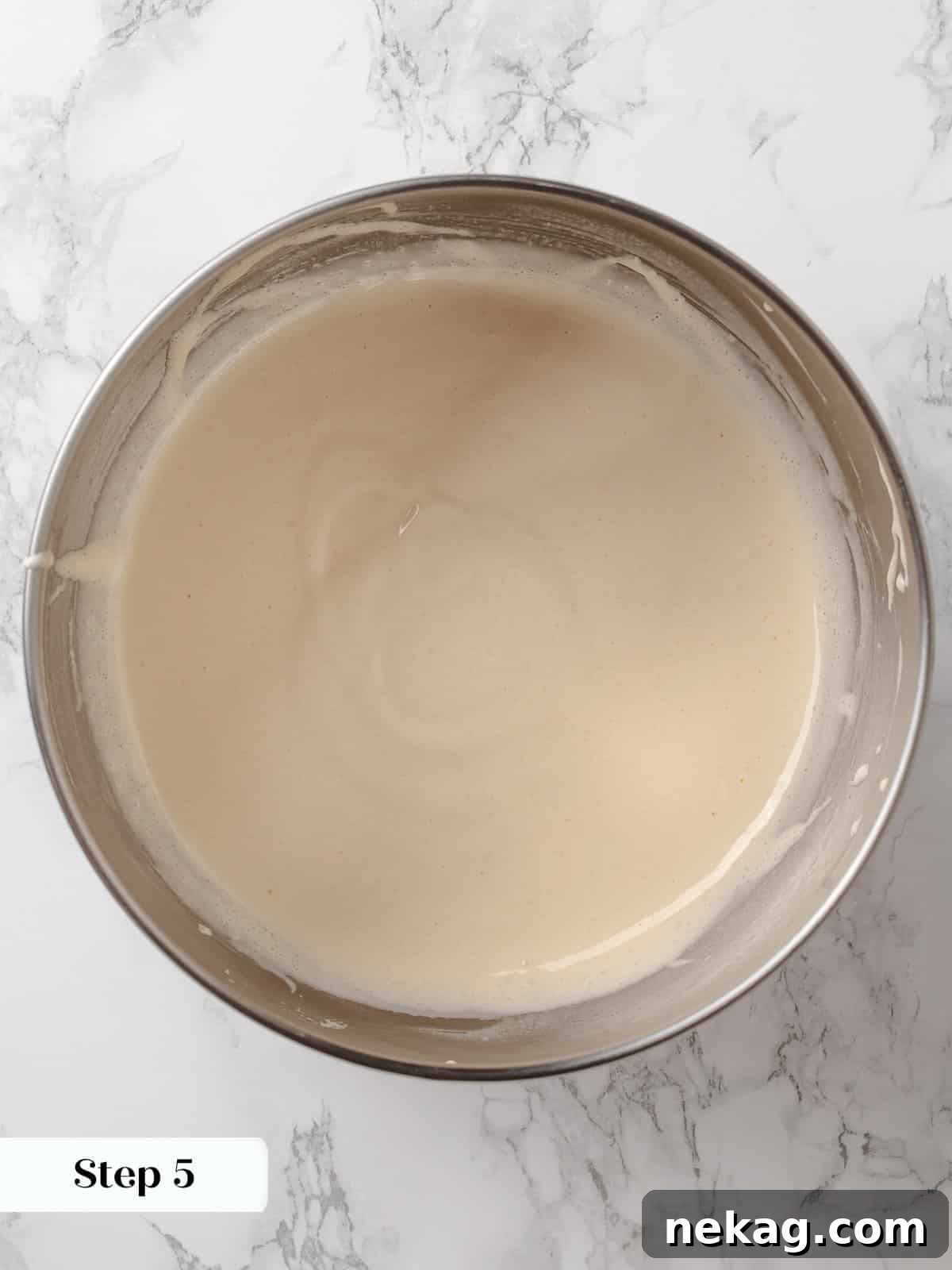
Step 5: Whip Eggs and Sugar to Ribbon Stage. In the bowl of a stand mixer fitted with the whisk attachment, combine the eggs and granulated sugar. Whip on high speed until the mixture triples in volume, becomes very pale yellow, and achieves what’s known as the “ribbon stage.” This means when you lift the whisk, the mixture falls back into the bowl in a thick ribbon that holds its shape on the surface for a few seconds before slowly disappearing. This aeration is key to a light cake.
Understanding Ribbon Stage: Ribbon stage is reached when a whisked egg and sugar mixture is thick enough to form a “ribbon” that slowly dissolves back into the mixture when drizzled from the whisk. This indicates optimal aeration and emulsification potential.
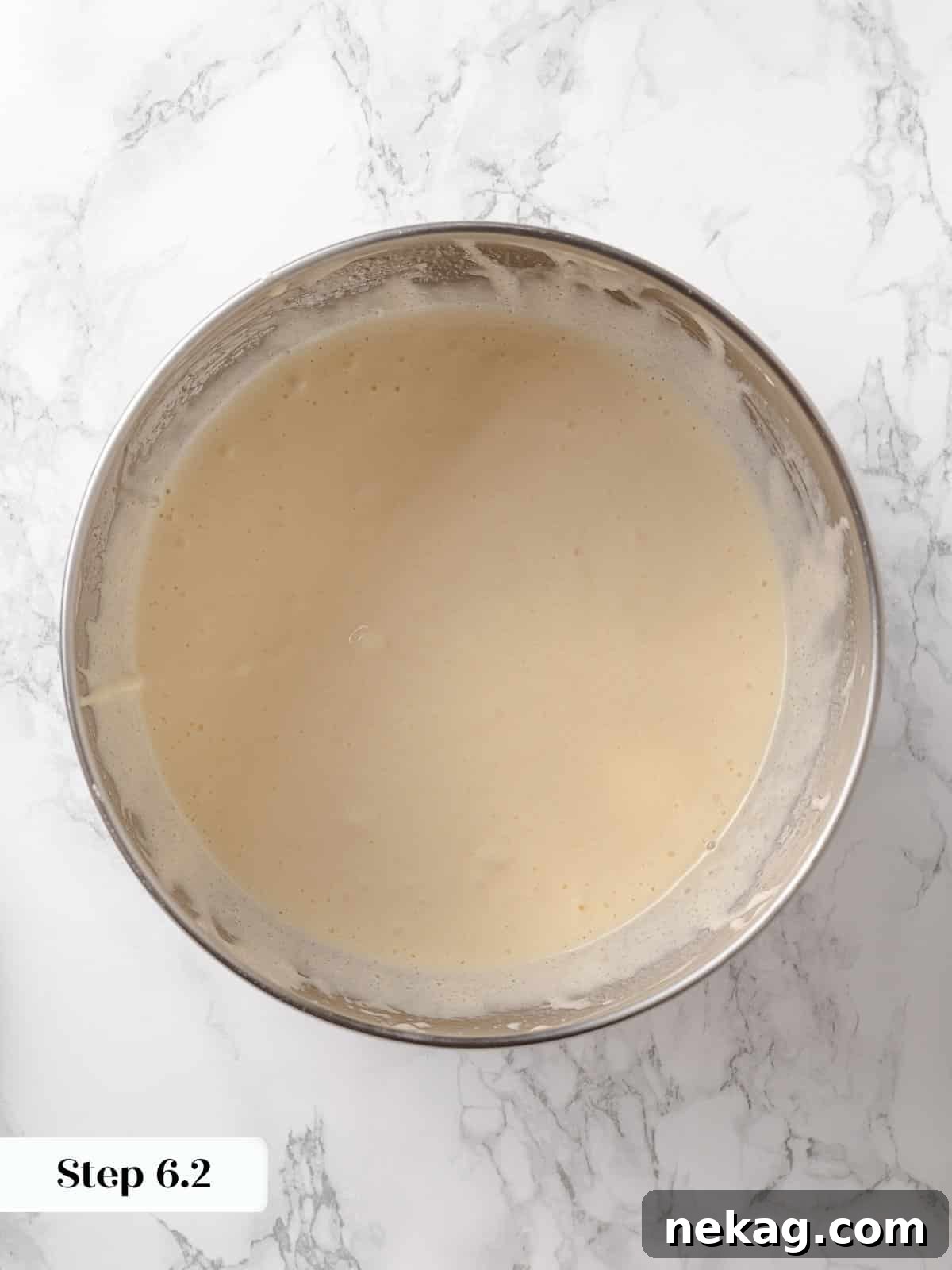
Step 6: Slowly Emulsify Oil Mixture. With the mixer still running on high speed (and still using the whisk attachment), slowly and steadily pour the vegetable oil and lemon juice mixture down the sides of the bowl. Continue whisking until the oil is completely emulsified into the egg foam and no visible traces of oil remain. The mixture will deflate slightly but should still resemble a light, airy yellow cloud. This slow addition is critical for a non-greasy, moist cake.
Mixing Oil Properly: Just like making Italian meringue buttercream, pour the oil slowly and carefully down the inside wall of the bowl. Rushing this step or pouring directly into the center can cause the emulsion to break, leading to a greasy batter.
Step 7: Gently Fold in Dry Ingredients. Remove the bowl from the stand mixer. Using a rubber spatula, add all the dry ingredients at once into the wet mixture. Gently fold them in just until streaky, being careful not to overmix and deflate the batter’s volume. Stop mixing when some streaks of flour are still visible.
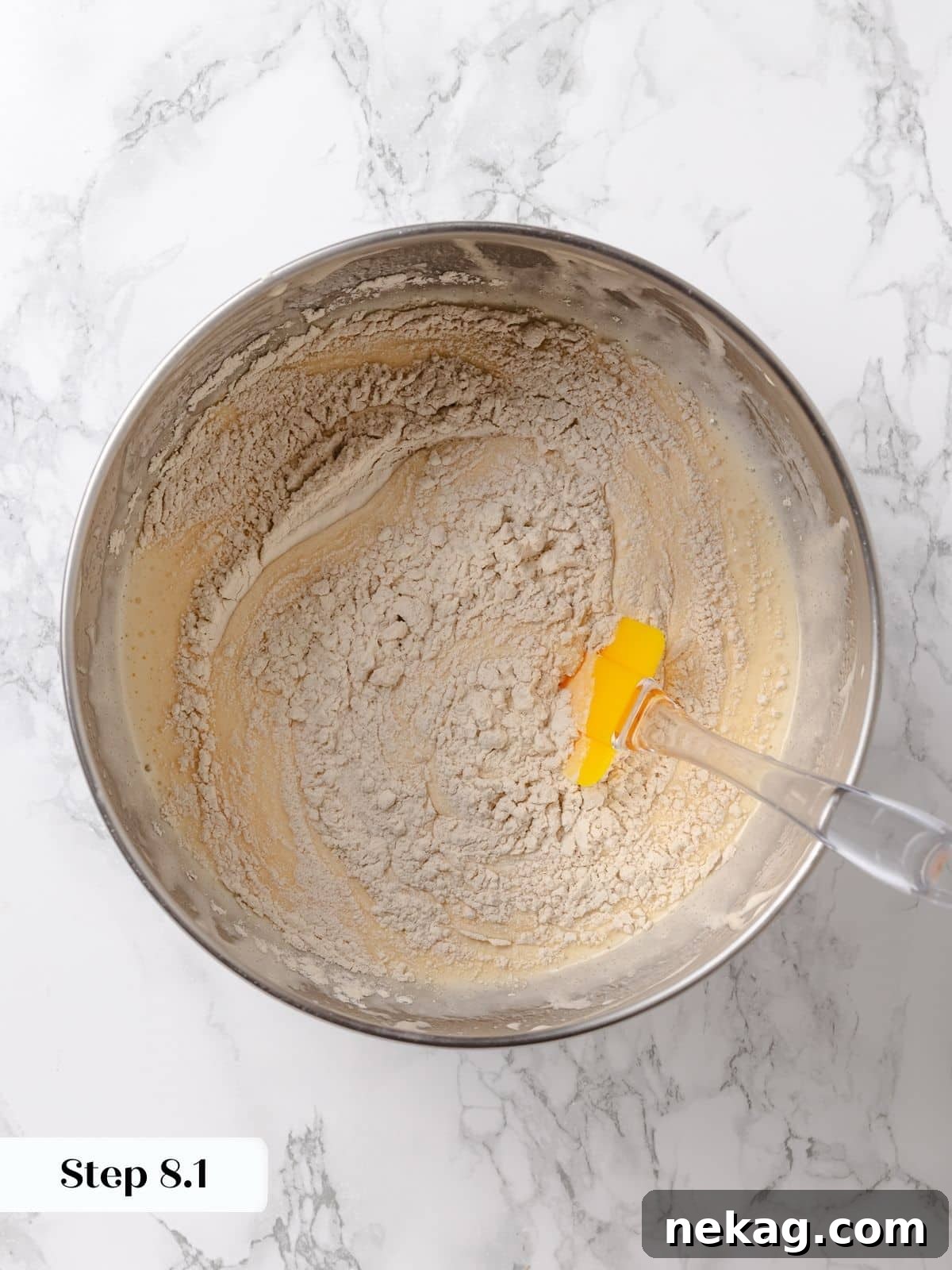
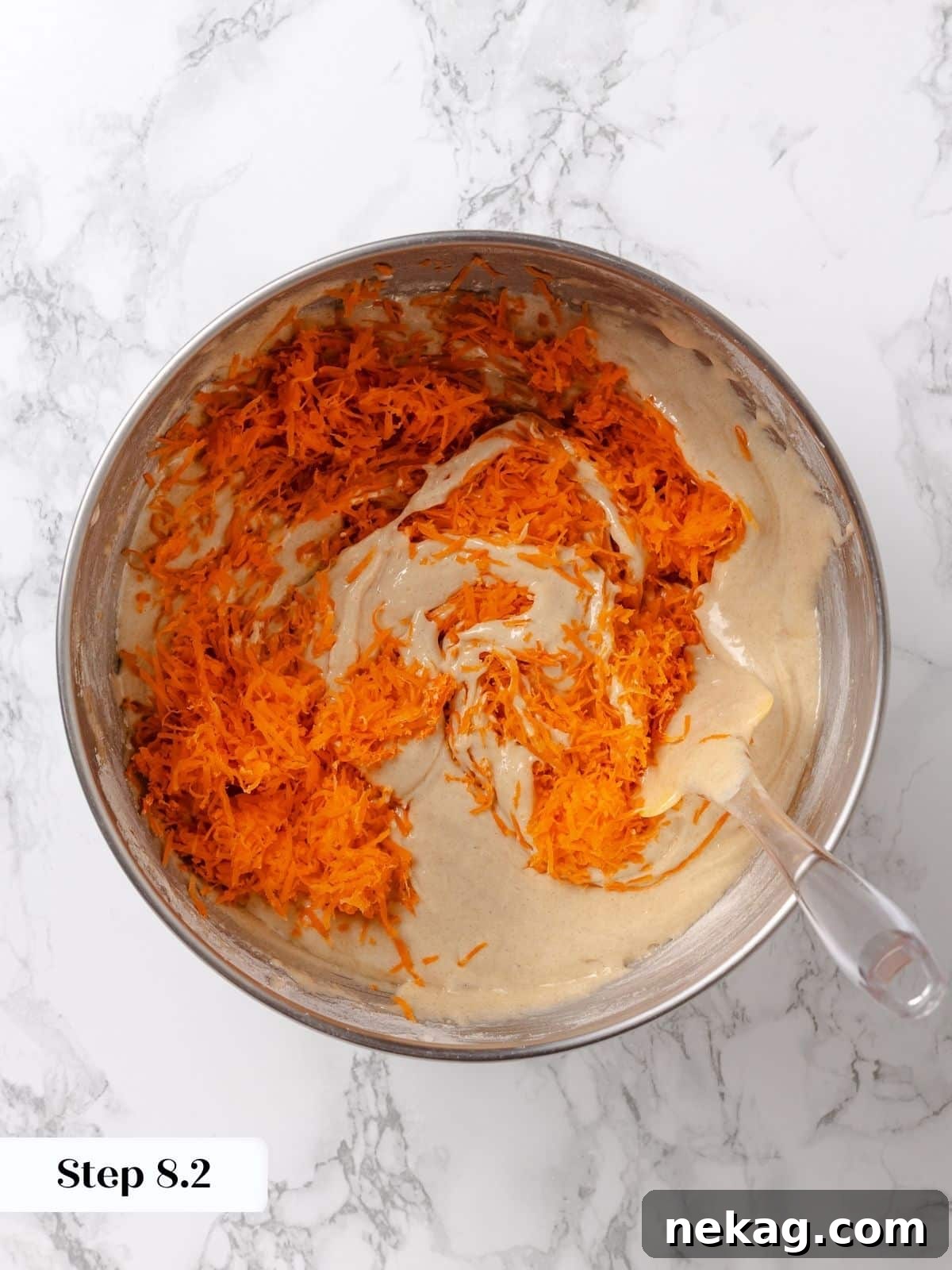
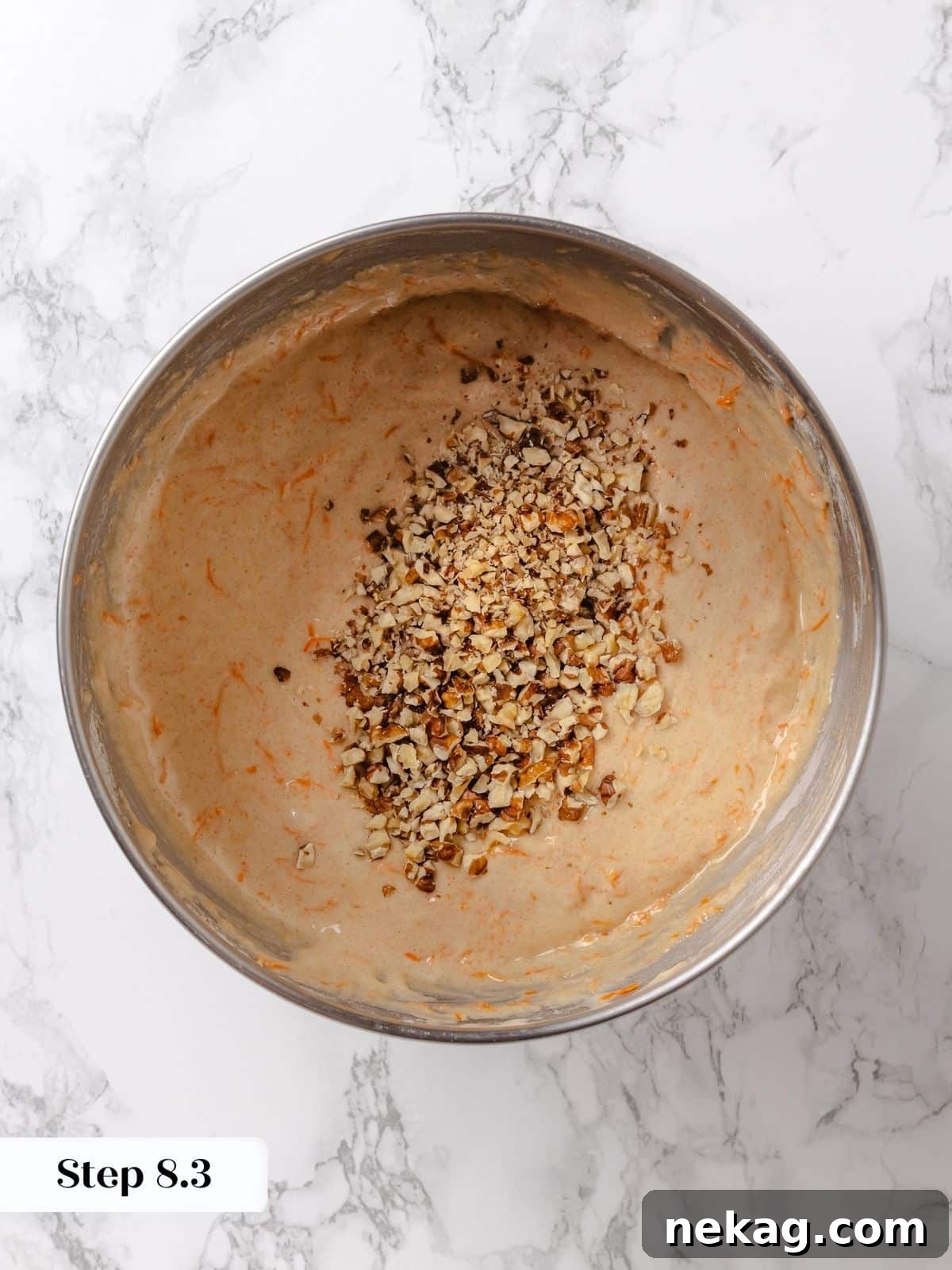
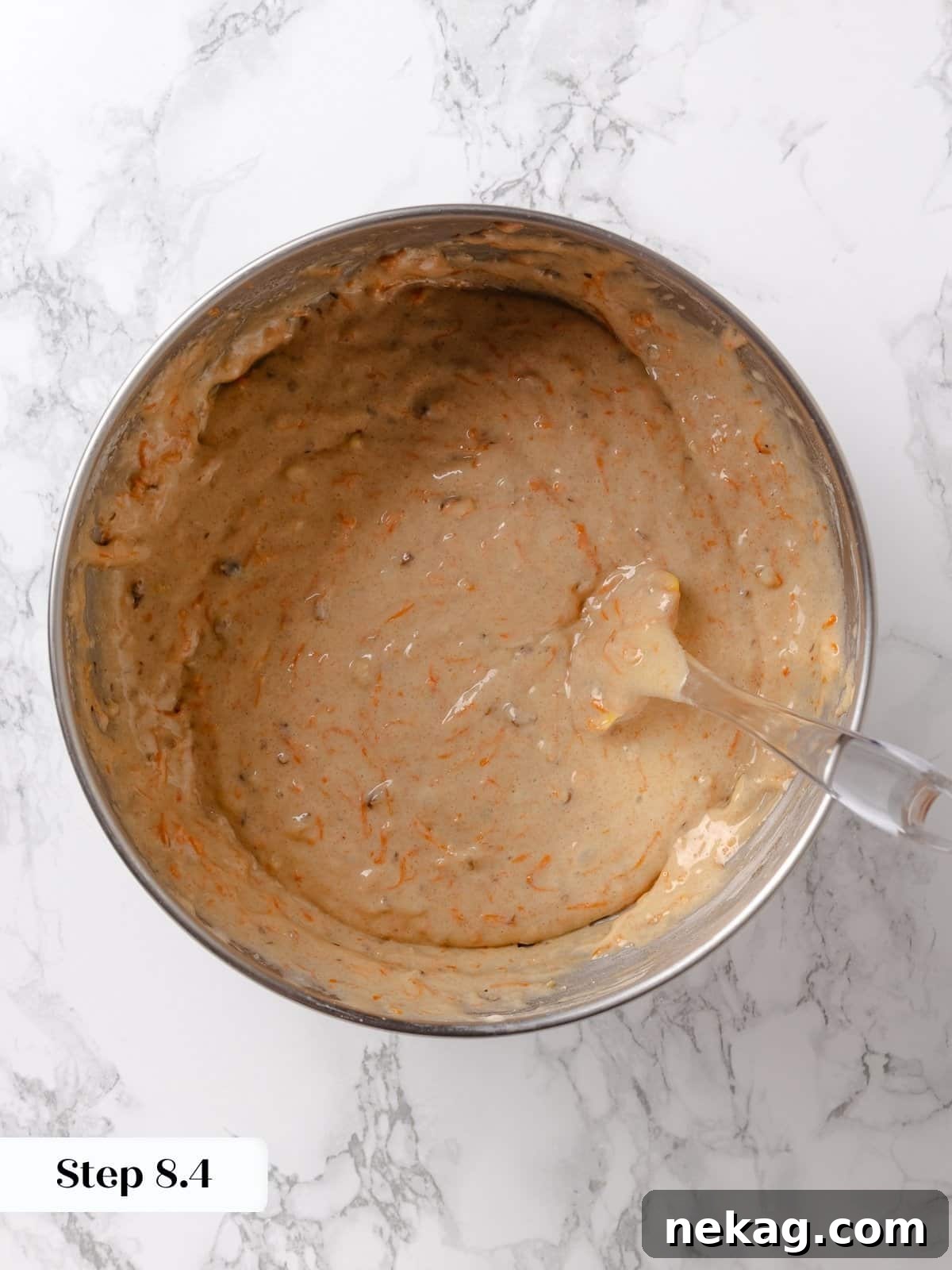
Step 8: Fold in Carrots & Walnuts. Before the flour is fully incorporated, add the squeezed grated carrots and toasted walnuts (if using) to the batter. Continue folding just until everything is combined and no dry flour spots remain. Be very careful not to over-mix – as soon as you think it’s done, it is! Overmixing will lead to a tough cake.
The Mix-In Ratio: Don’t be concerned by the high ratio of mix-ins (carrots and walnuts) to cake batter. This is intentional for maximum flavor! Focus on folding quickly and efficiently to prevent deflating the airy batter you worked so hard to create.
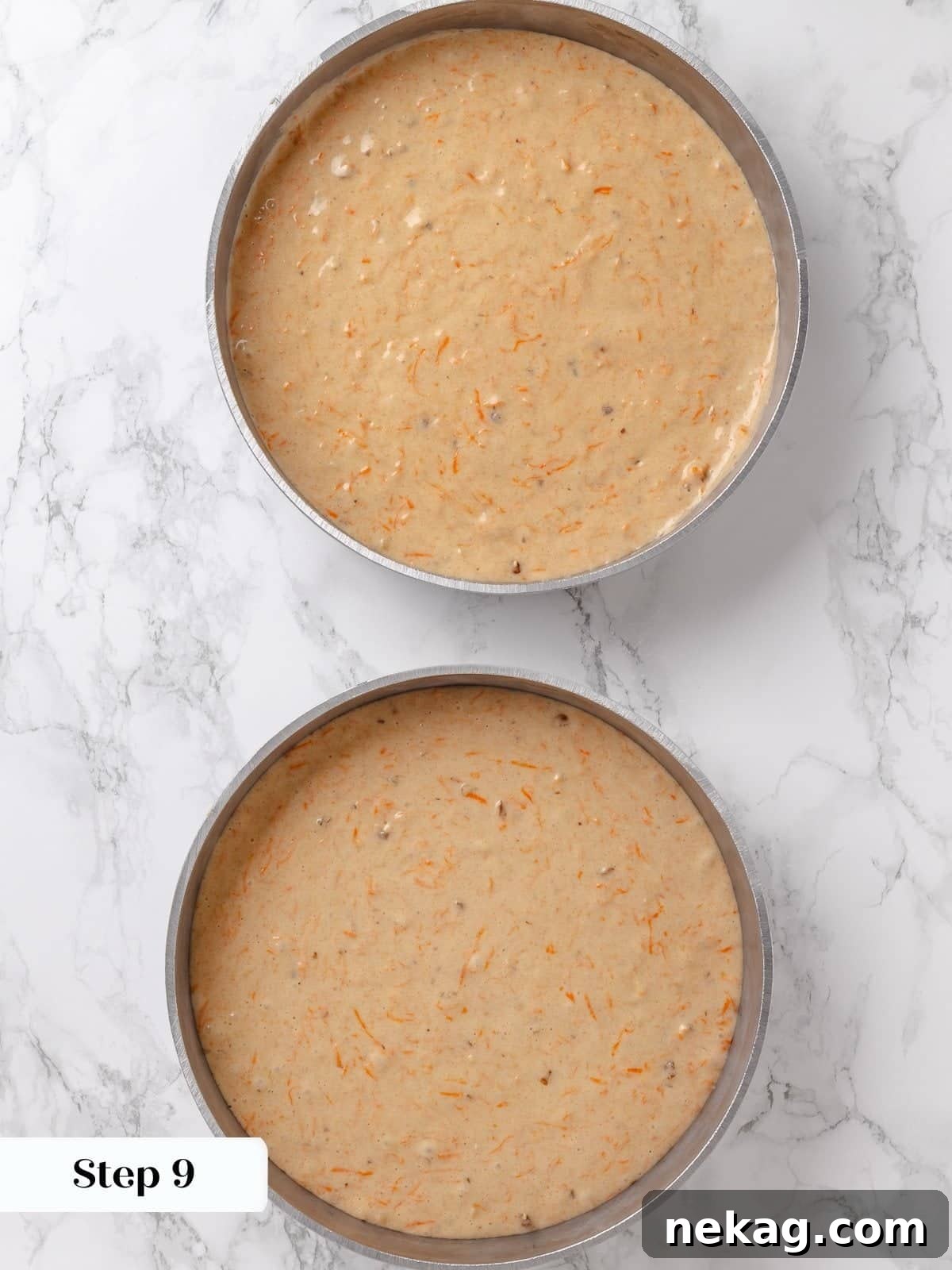
Step 9: Divide Batter. Evenly divide the prepared batter between the two cake pans. For perfectly level layers and uniform baking, use a kitchen scale to ensure an exact division of batter in each pan.
Step 10: Bake Until Done. Bake for approximately 25 minutes. Due to the high oil content, a traditional cake tester won’t work reliably. Instead, test for doneness by gently pressing the center of the cake with your finger. It should feel firm and spring back slightly, offering a subtle resistance. There should be no liquidy feeling underneath. If in doubt, bake for an additional 2 minutes.
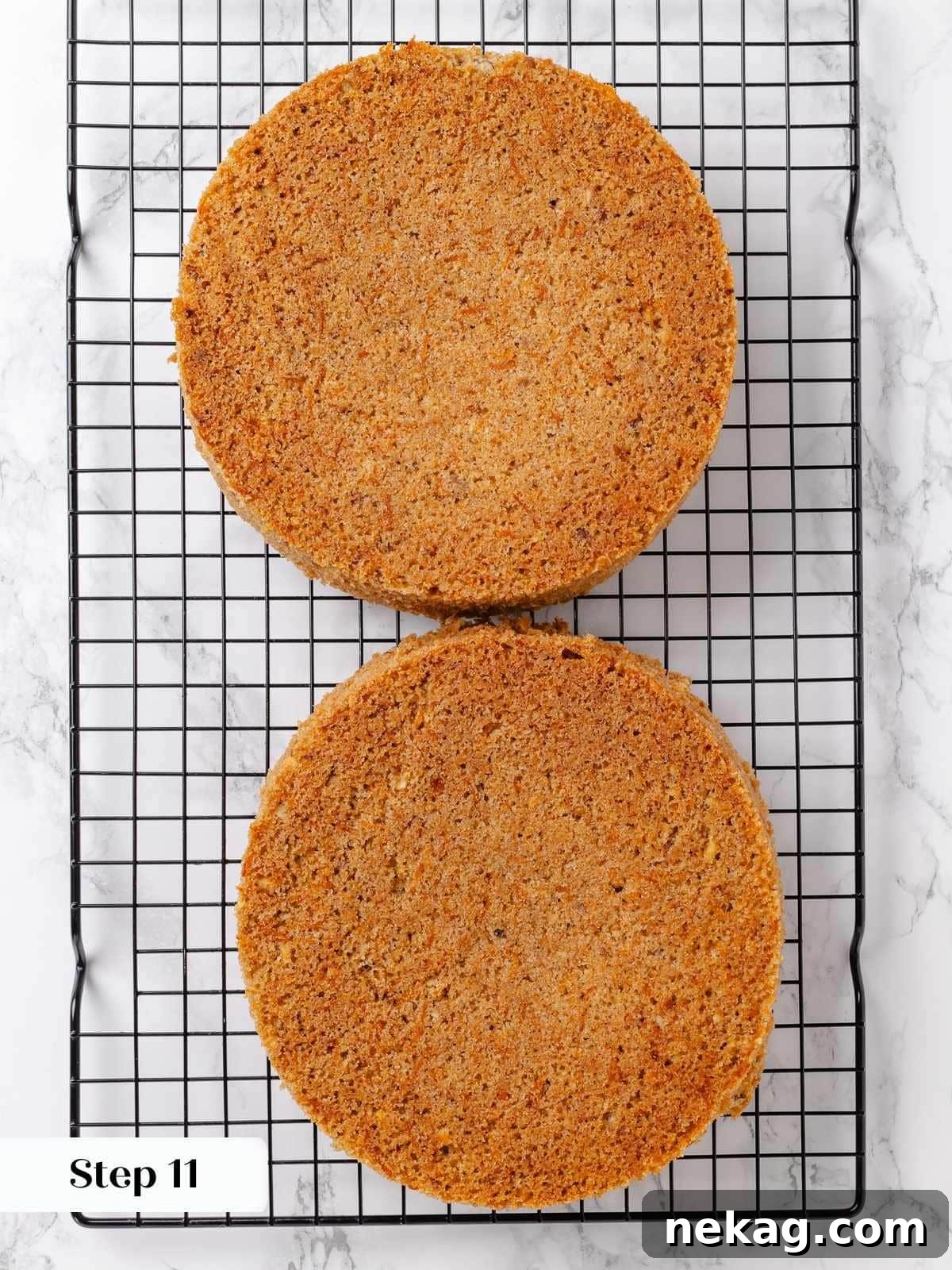
Step 11: Cool Cakes. Allow the cakes to cool in their pans for 5 minutes. Then, carefully invert them onto a wire rack to cool completely upside-down. Cooling upside-down helps to flatten any doming, resulting in perfectly level cake layers for easy frosting. Ensure the cakes are completely cool before applying frosting, or your frosting will melt.
Make the Tangy Cream Cheese Frosting:
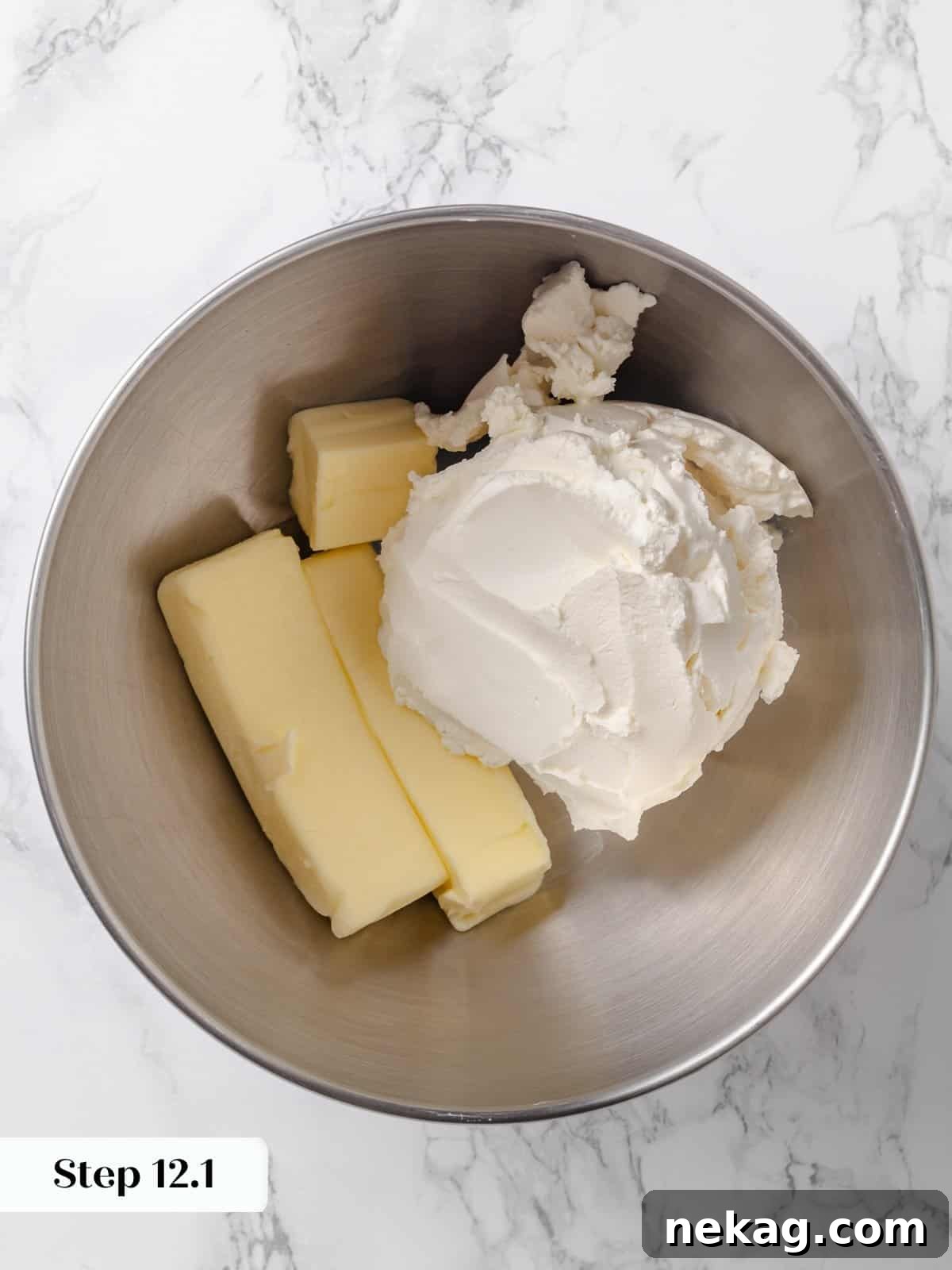
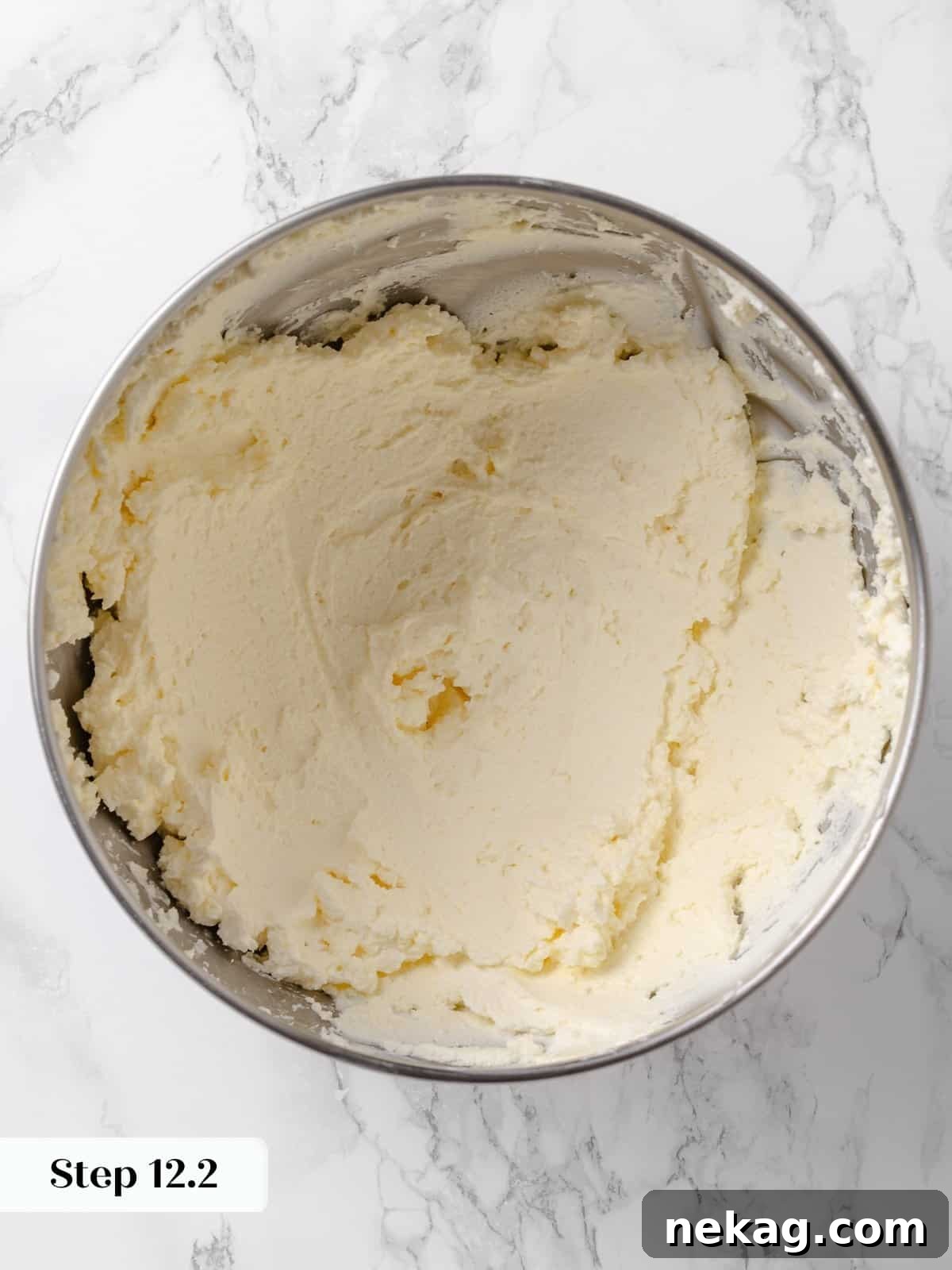
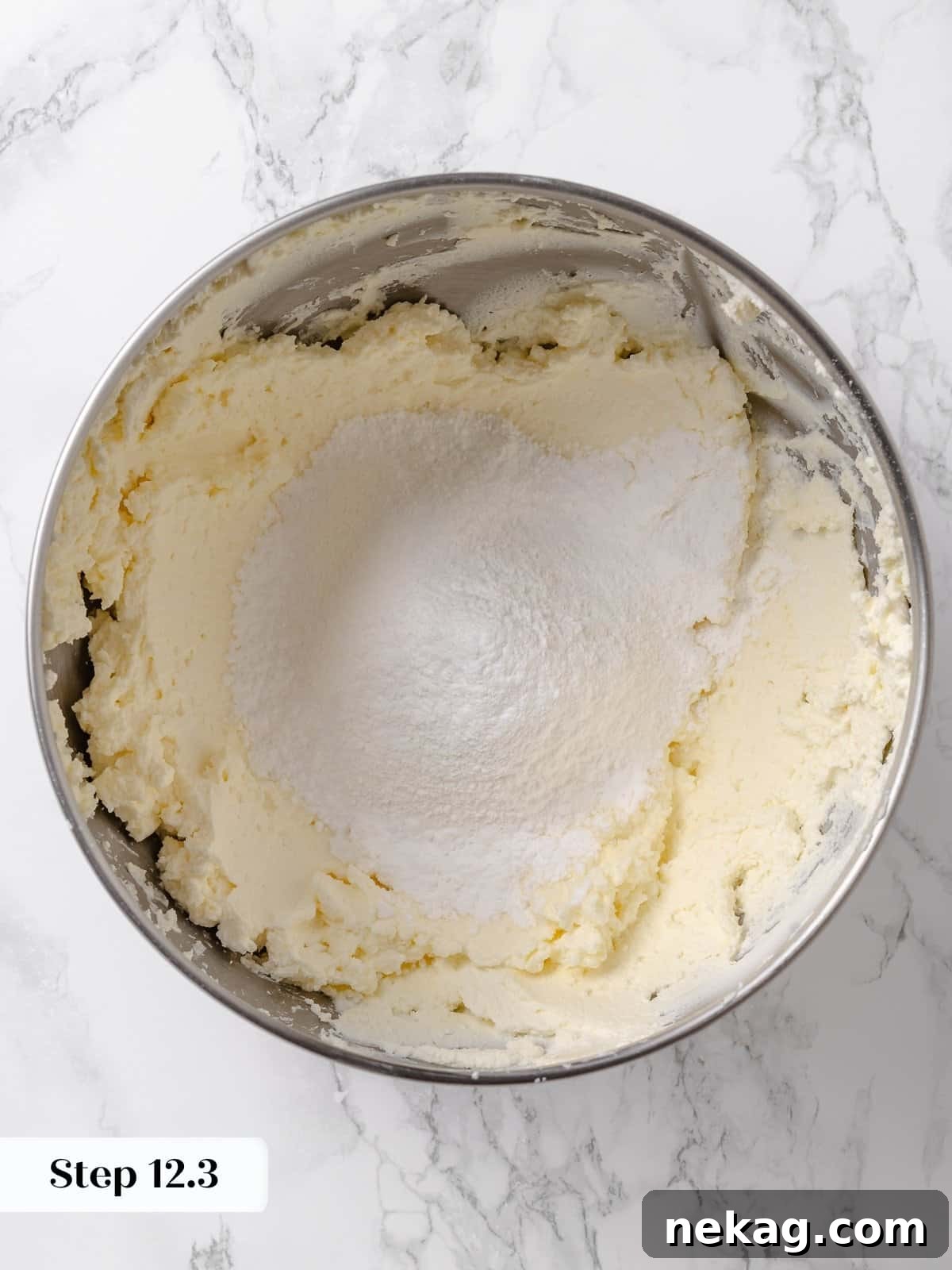
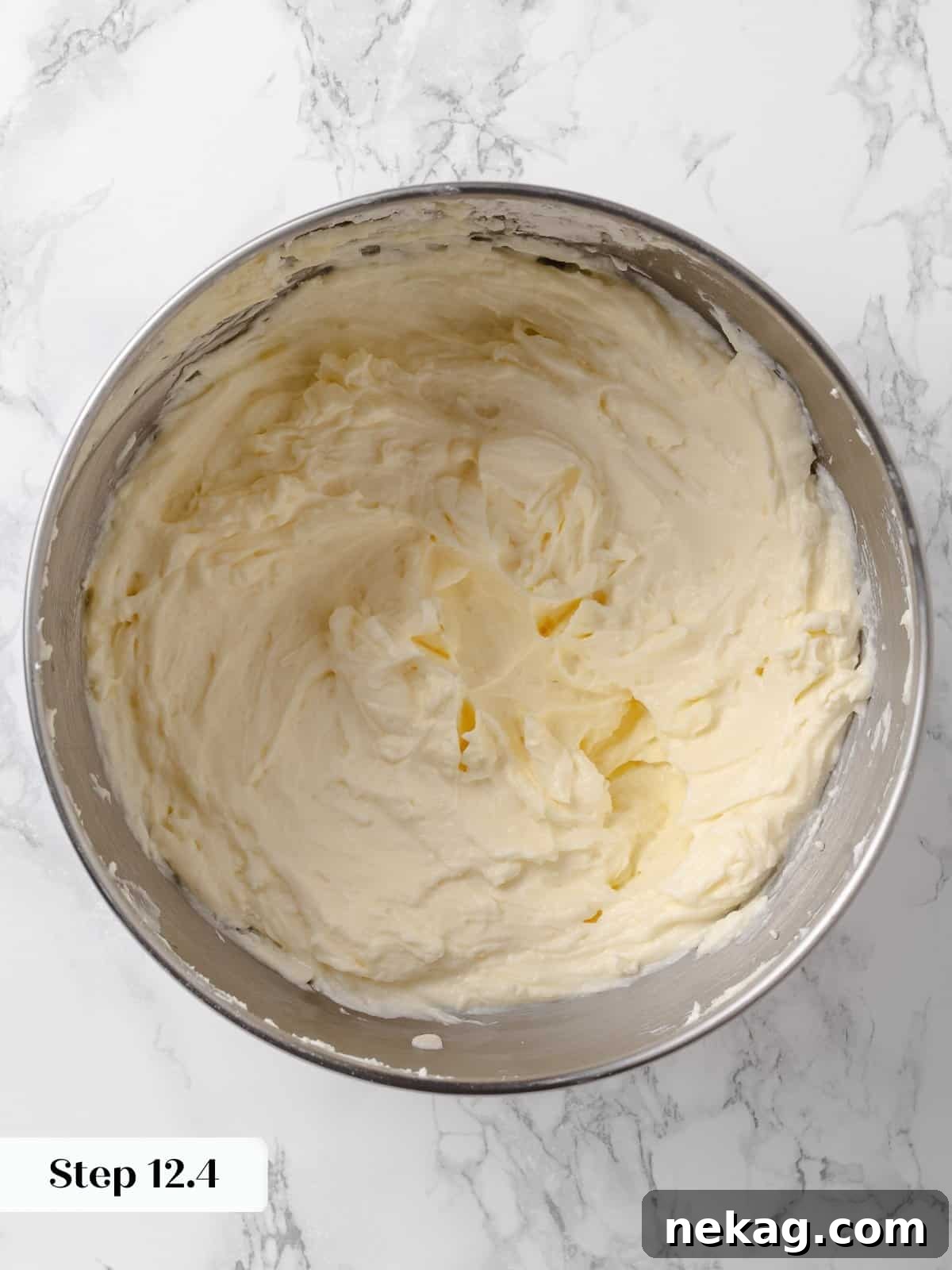
Step 12: Cream Butter & Cream Cheese. In the bowl of a stand mixer fitted with the paddle attachment, or using a hand mixer, beat the room-temperature unsalted butter and cream cheese together until the mixture is completely smooth, light, and airy. Scrape down the sides of the bowl frequently to ensure even blending. Gradually add the confectioner’s sugar, one cup at a time, beating well after each addition until smooth and fully incorporated.
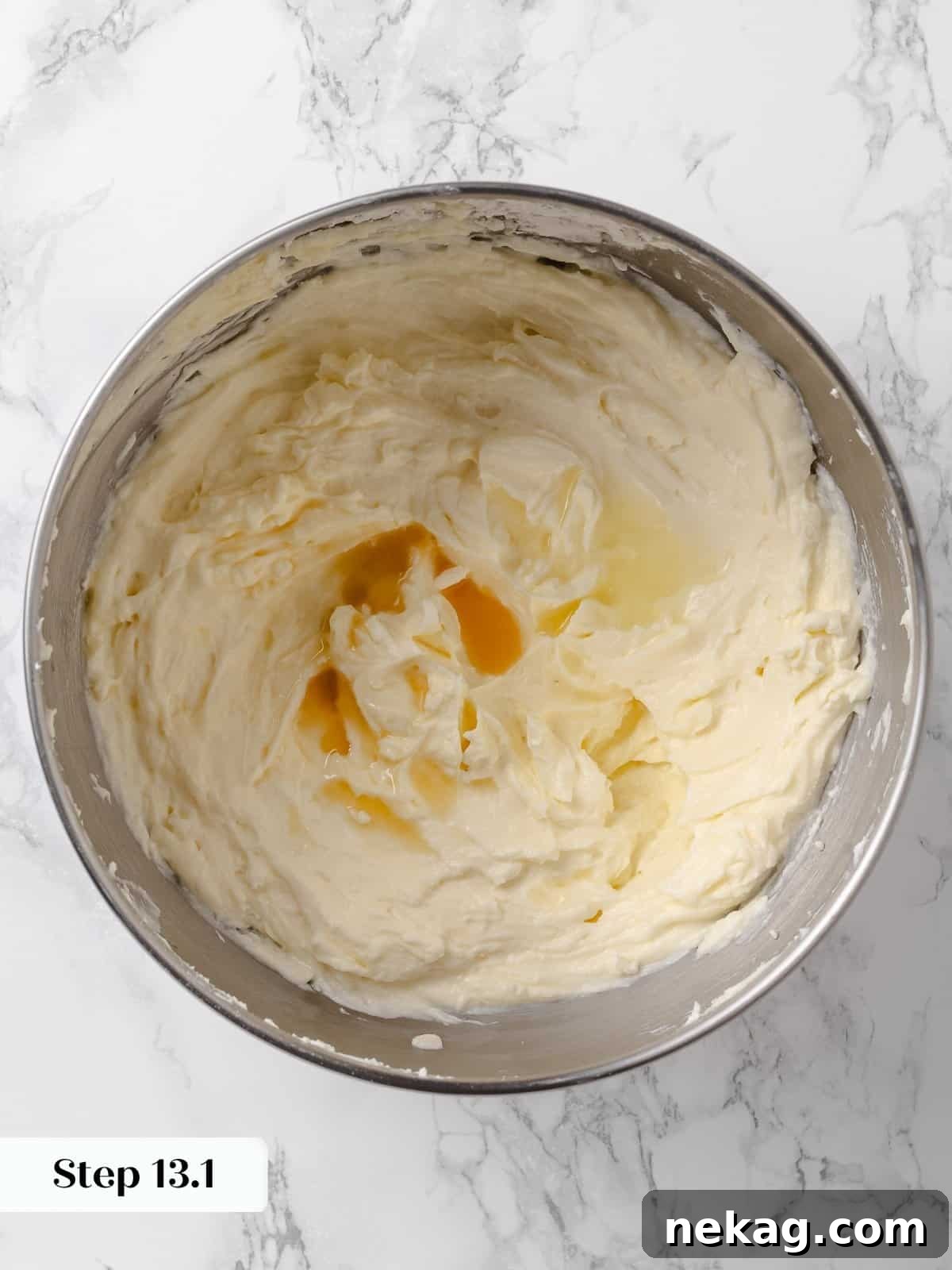
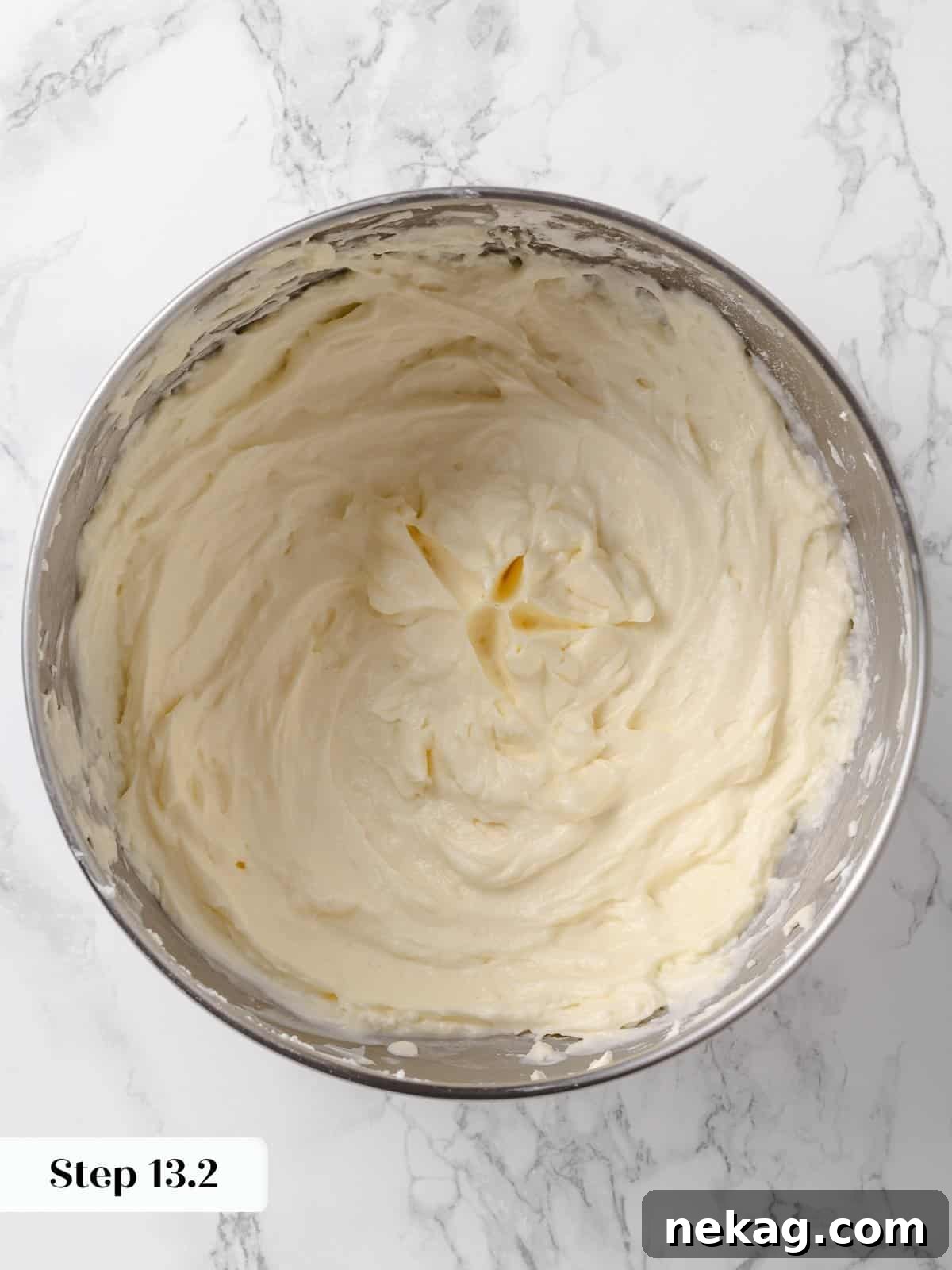
Step 13: Add Flavorings. Add the fresh lemon juice and vanilla extract to the frosting. Beat on medium-high speed for another 1-2 minutes until thoroughly incorporated and the frosting is light and fluffy. The lemon juice is crucial for that signature tangy flavor!
Frosting Consistency Tip: If your buttercream feels too warm or appears loose during mixing, don’t panic! Simply place the entire mixing bowl, with the frosting and attachment, into the refrigerator for 15-20 minutes to chill. Once slightly firmed up, beat it again until it reaches the desired smooth, pipeable consistency.
Assemble the Cake:
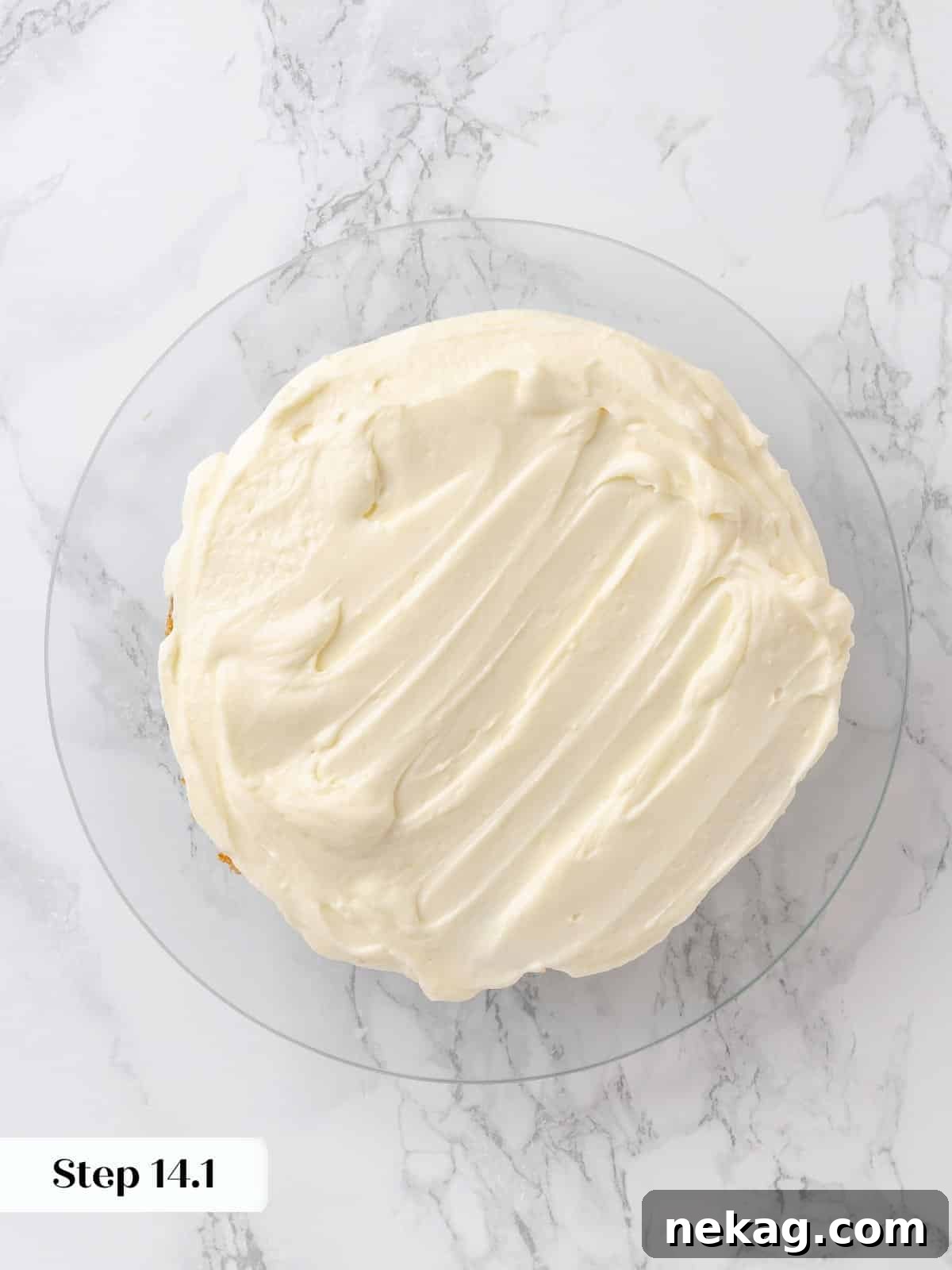
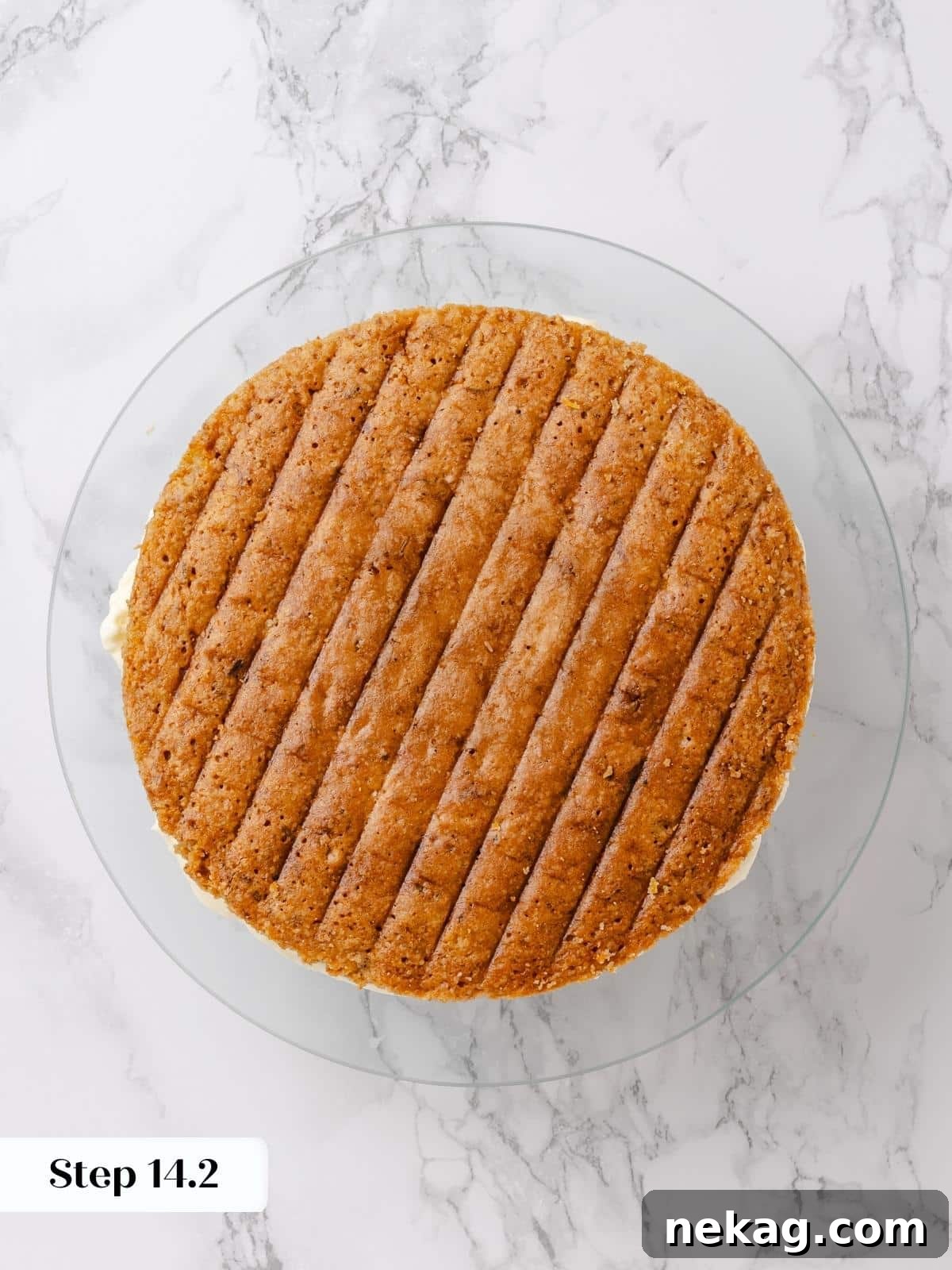
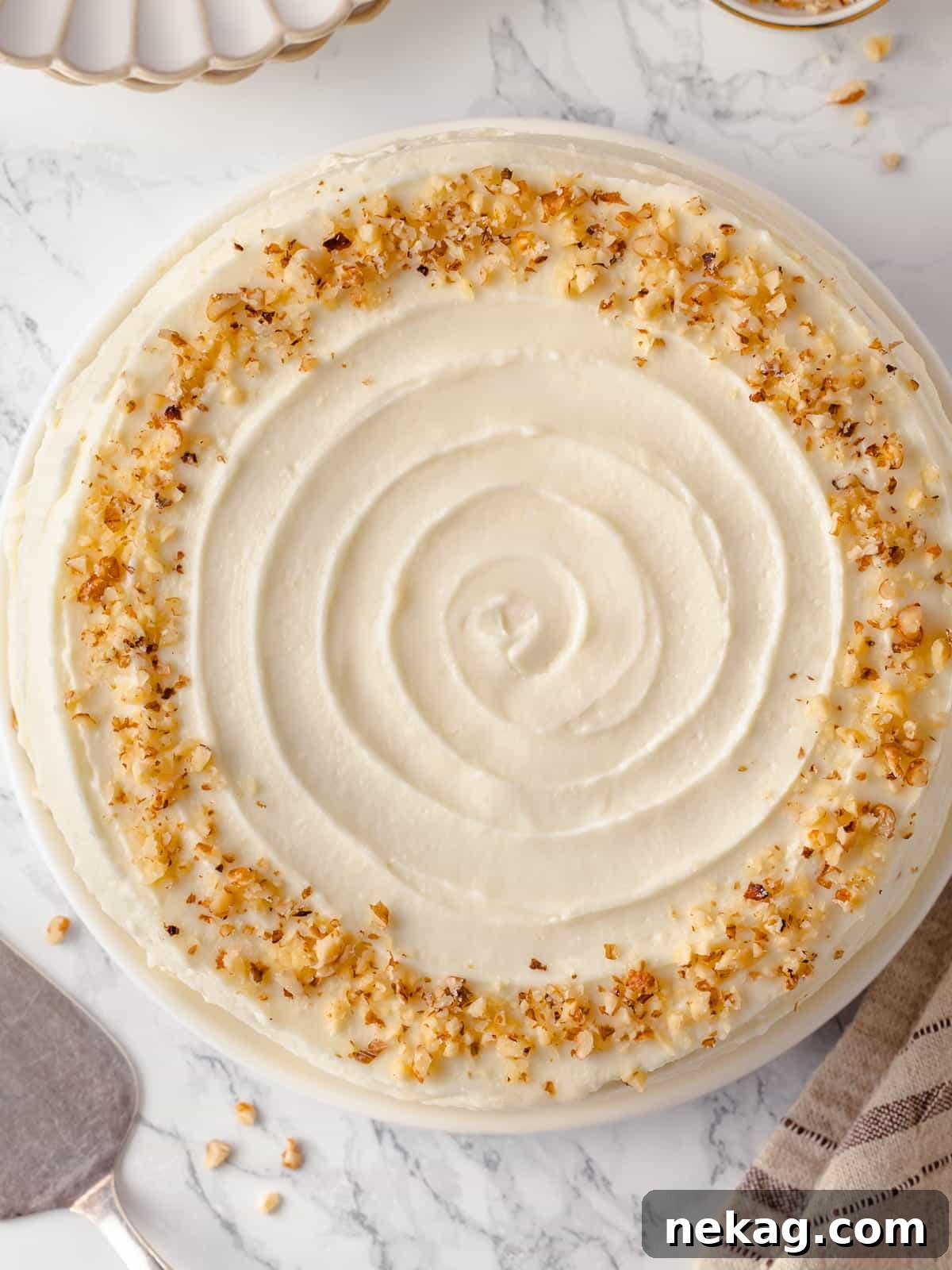
Step 14: Frost and Serve. Place your first cooled cake layer on your serving plate or cake stand. Spread about ⅓ cup of the cream cheese frosting evenly over the top using an offset spatula. Carefully place the second cake layer on top. Use the remaining frosting to generously cover the top and sides of the entire cake. Create decorative swirls or a smooth finish as desired. Slice into generous portions and serve your incredible homemade carrot cake!
Chef Lindsey’s Expert Baking Tip
This particular carrot cake is unique because I almost always bake it by time and feel, rather than relying on a traditional cake tester. Due to its significant oil content, a toothpick can often come out looking oily even if the cake is fully baked, causing unnecessary stress! Instead, test for doneness by gently pressing on the center of the cake. It should offer a slight, springy resistance and not feel liquidy underneath. When in doubt, bake for an additional 2 minutes; it’s better to be slightly overbaked than underbaked for this recipe.
Frequently Asked Questions About Carrot Cake
The fully prepared carrot cake with cream cheese frosting can be stored at room temperature for up to one day. For longer freshness, refrigerate it in an airtight container for up to a week. To store for an extended period, wrap it tightly in plastic wrap and then in aluminum foil, and freeze for up to 2 months. Always ensure it’s well-wrapped to prevent it from absorbing freezer or refrigerator odors. Unfrosted baked cake layers can also be stored wrapped in the fridge for 3 days or frozen for two months. The cream cheese frosting can be stored separately in an airtight container in the refrigerator for a week or frozen for two months.
Carrots can sometimes turn green when they come into direct contact with unreacted baking soda. This chemical reaction is usually harmless but visually unappealing. To prevent this, ensure you thoroughly whisk all your dry ingredients together before incorporating them into the wet batter. This distributes the leavening agents evenly, reducing the chance of localized reactions with the carrots.
A dense or gummy carrot cake can be attributed to several factors. It might be underbaked, meaning it hasn’t fully set internally. Another common culprit is not properly squeezing the excess moisture from the grated carrots, leading to a waterlogged batter. Insufficient emulsification of the oil into the batter can also cause density. Finally, overmixing the batter after adding the dry ingredients develops too much gluten and knocks out the air whipped into the eggs, resulting in a tough texture.
This exceptional carrot cake is wonderful served at room temperature on its own. However, you can elevate the experience by serving it with a scoop of premium vanilla bean ice cream, a delicate crème anglaise, or a drizzle of homemade salted caramel sauce. For added texture, sprinkle some crunchy, toasted walnuts on top. A dollop of easy lemon curd also provides a delightful citrusy counterpoint that pairs beautifully with the rich cake.
If you tried this recipe and loved it, please leave a 🌟 star rating and share your experience in the comments below. We cherish your feedback!
The Best Carrot Cake Recipe
Chef Lindsey
45
25
1
10
14
slices
Comment
Print Recipe
Ingredients
Carrot Cake:
- 2 cups all purpose flour (or pastry flour if you have it)
- ¾ teaspoon baking soda
- ¾ teaspoon baking powder
- 2 teaspoons kosher salt
- 2 teaspoons cinnamon
- 1 ¼ cup vegetable oil
- 4 teaspoons lemon juice
- 3 large eggs
- 1 ⅔ cups granulated sugar
- 1 cup shredded carrots (packed, squeezed of excess moisture)
- ½ cup toasted walnuts (chopped, optional)
Cream Cheese Frosting:
- 21 ounces cream cheese (room temperature, full-fat)
- 18 tablespoons unsalted butter (room temperature)
- 2 cups powdered sugar (confectioner’s sugar)
- 2 tablespoons lemon juice (freshly squeezed)
- 1 teaspoon vanilla extract
Instructions
Prepare the Ingredients:
-
Preheat the oven to 350˚F convection (with fan) or 375˚F conventional (no fan) and spray two 8-inch round cake pans with nonstick cooking spray. Line the bottom with a parchment circle.
-
Whisk the flour, baking soda, baking powder, cinnamon, and salt together in a large bowl and set aside.
-
Add the lemon juice to the vegetable oil and set aside.
-
Peel and grate the carrots on a medium-sized box grater. Squeeze the excess juice from your carrots using cheesecloth or paper towels; discard or drink it!
Make the Cake:
-
In a stand mixer fitted with the whisk attachment, whip the eggs and sugar together until they triple in volume and lighten to a pale yellow, also known as ribbon stage.
-
With the mixer running on high (still with the whisk attachment), slowly pour in the vegetable oil mixture and whisk until completely emulsified. It will deflate a bit, but it will still look like a light yellow cloud.
-
Remove the bowl from the stand mixer and use a rubber spatula to fold in the dry ingredients all at once, just until streaky.
-
Before incorporating all the flour, fold in the walnuts and the grated carrots until the batter is just combined. Do not over-mix.
-
Divide the batter evenly between the two prepared pans.
-
Bake for 25 minutes or until you can gently press on the center and feel resistance. It shouldn’t feel like liquid under there!
-
Cool for 5 minutes in the pan, then turn out onto a wire rack and cool upside-down. Let cool completely before frosting.
Make the Frosting:
-
In the bowl of a stand mixer fitted with the paddle attachment or with a hand mixer, beat together butter and cream cheese until smooth. Add the confectioner’s sugar a cup at a time and beat until smooth.
-
Add lemon juice and vanilla extract. Beat to incorporate until fluffy.
Assemble the Cake:
-
Add about a ⅓ cup frosting on the first layer and spread until evenly covered. Layer on the second cake. Use as much of the remaining frosting as you want to cover the outside! Slice and serve.
Video
Notes
Flavor Tips – If possible, use “horse carrots” (often sold loose in grocery stores) as they are typically larger, juicier, and more flavorful than bagged, thinner carrots.
Variation – This recipe is perfectly adaptable for carrot cake cupcakes! It will yield approximately 24 cupcakes, baking for 10-15 minutes.
Technique – The unique mixing method is paramount for this cake’s moistness. Always add the oil slowly and ensure it emulsifies with the egg mixture with each addition to prevent a greasy cake.
Storage – Store the fully prepared cake at room temperature for one day, in the refrigerator for up to a week, or frozen for up to 2 months (well-wrapped).
Nutrition
Calories: 720kcal
|
Carbohydrates: 59g
|
Protein: 7g
|
Fat: 53g
|
Saturated Fat: 21g
|
Polyunsaturated Fat: 15g
|
Monounsaturated Fat: 13g
|
Trans Fat: 1g
|
Cholesterol: 117mg
|
Sodium: 238mg
|
Potassium: 146mg
|
Fiber: 1g
|
Sugar: 43g
|
Vitamin A: 2601IU
|
Vitamin C: 2mg
|
Calcium: 77mg
|
Iron: 1mg
Dessert
British
720
Enjoyed this recipe? Share your thoughts below!
Your feedback helps us create more delicious content.
Explore More Delicious Recipes
We hope you thoroughly enjoyed baking and tasting this professional chef-tested carrot cake recipe. Its exceptional moistness and balanced flavors make it a true baking triumph. If you’re looking to expand your baking repertoire, be sure to explore more of our delightful cake recipes. We highly recommend trying our comforting classic yellow cake for its nostalgic charm or indulging in the rich, deep flavors of our decadent devil’s food cake. Happy baking!