
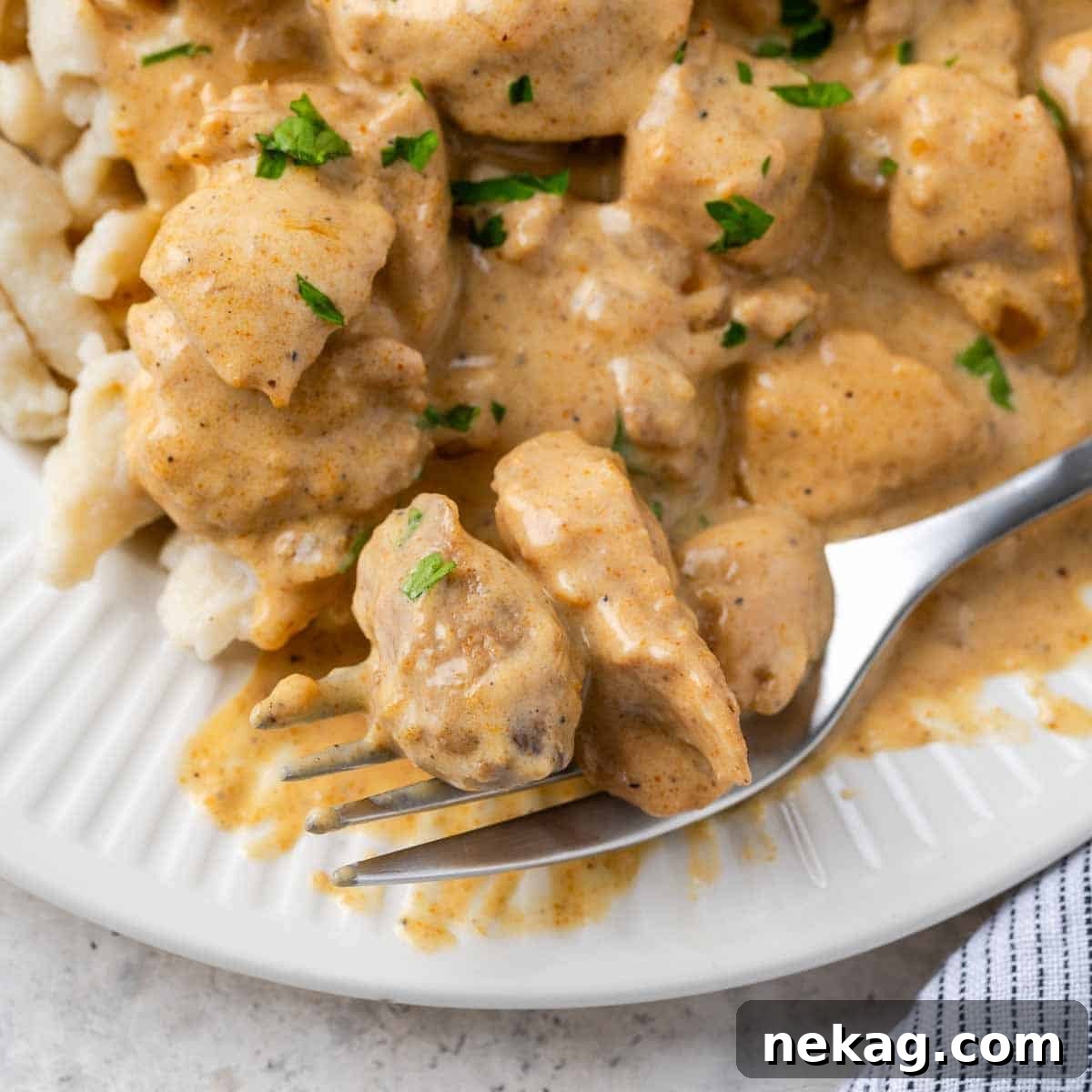
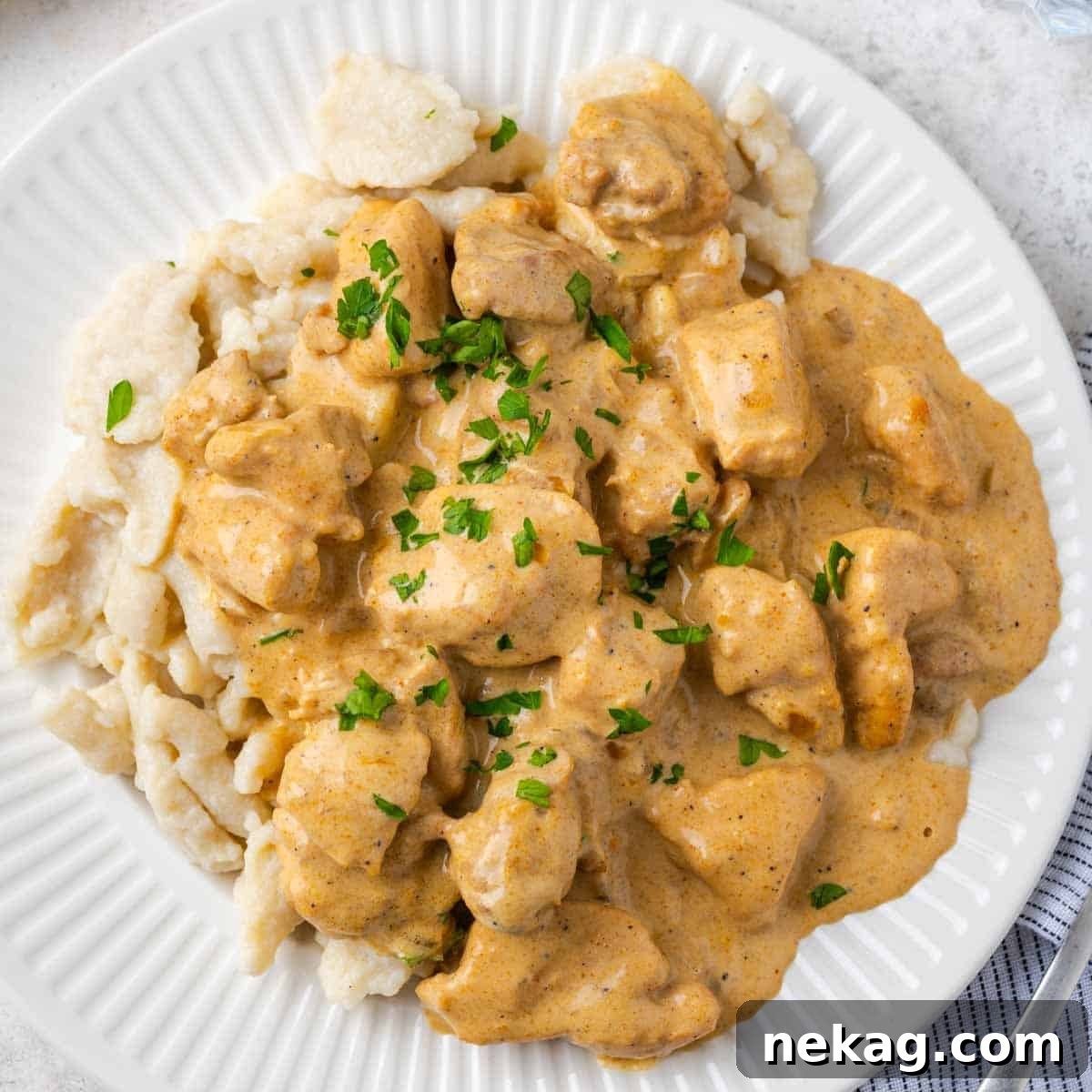
This traditional Hungarian Chicken Paprikash (or Chicken Paprikas) recipe is comfort food at its absolute best! A rich, creamy sauce, deeply flavored with authentic sweet Hungarian paprika, envelops tender chicken pieces, making every bite a delight, especially when paired with chewy, pillowy homemade spaetzle.
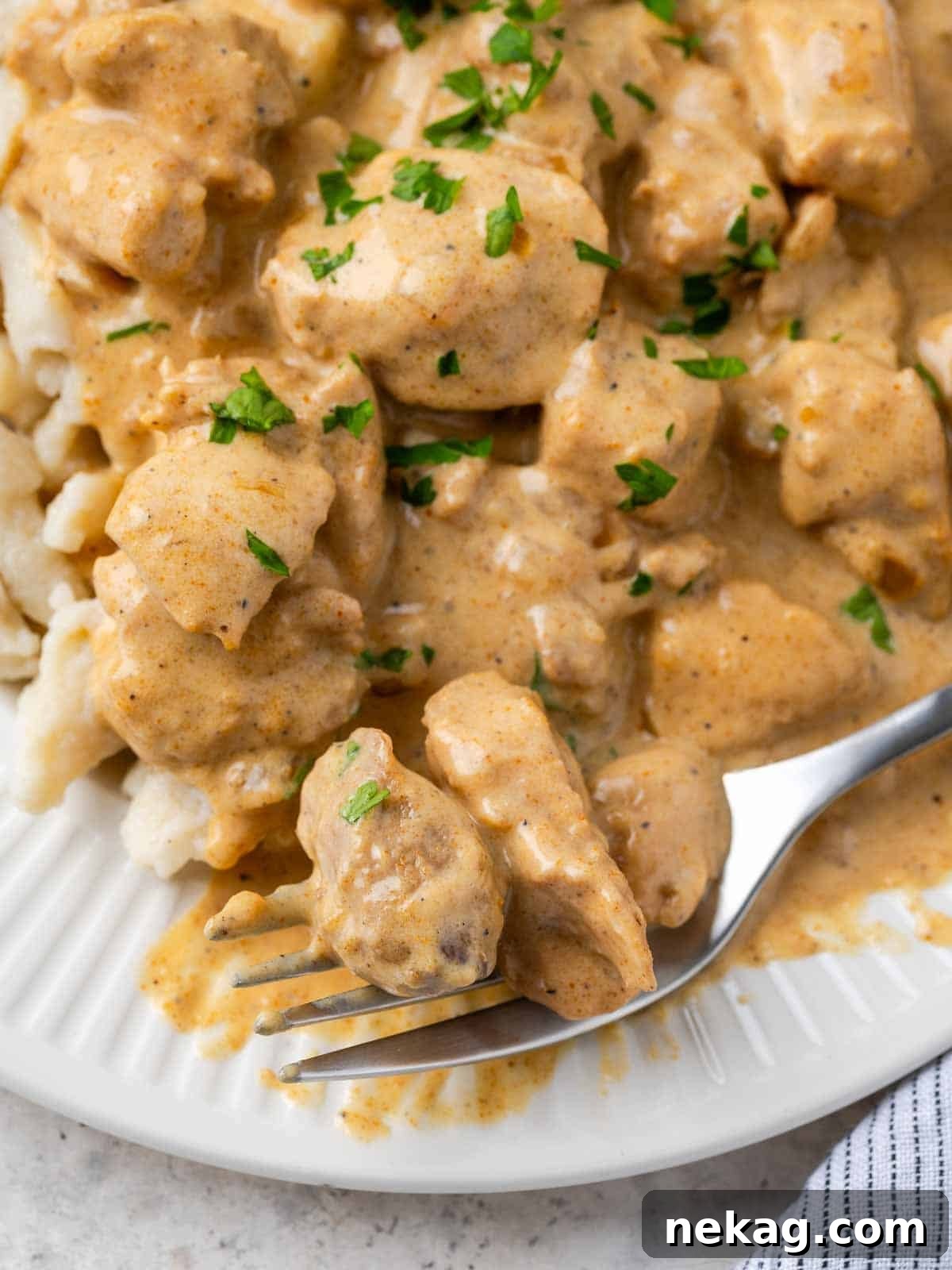
I absolutely adore Hungarian cuisine, and this dish stands out as the quintessential representation of Hungary’s culinary heritage. When I envision a dish beautifully finished with a generous dollop of sour cream, my mind immediately goes to Hungarian Chicken Paprikash (Csirkepaprikás) and its equally delectable cousin, Russian Beef Stroganoff. These hearty meals rank high on my list of favorites, alongside delightful Hungarian pastries like walnut rolls and apricot kiffles!
During my time working in Cleveland, Ohio, I often treated myself to meals at authentic Hungarian restaurants, savoring every traditional flavor. However, finding such authentic tastes in New York City proved to be a challenge. If you crave Chicken Paprikash with its essential Hungarian dumplings, you often have to take matters into your own hands. So, that’s precisely what I did. Below, I’ll guide you through each essential step to recreate this incredibly flavorful and satisfying recipe in your own kitchen.
For a dish that relies on a relatively short list of ingredients, the quality of each component is paramount. This means starting with a robust, flavorful chicken broth (preferably a homemade chicken broth), sourcing authentic, imported Hungarian paprika (I highly recommend Kalustyans, a fantastic spice emporium in NYC, for quality spices), and choosing a high-quality sour cream. These thoughtful selections will elevate your Chicken Paprikash from good to truly exceptional, making all the difference in the final taste and texture.
Table of Contents
- Why You Will Love Hungarian Chicken Paprikash
- Essential Tips for Success
- Key Ingredients Explained
- Delicious Variations
- Step-by-Step Guide to Making Hungarian Chicken Paprikash & Homemade Spaetzle
- Chef’s Insight: The True Story of Paprikás
- Serving Suggestions
- Frequently Asked Questions
- The Complete Hungarian Chicken Paprikash Recipe
Why You Will Love Hungarian Chicken Paprikash:
- The Ultimate Comfort Meal: Imagine a long, cold winter’s night, or simply a day when you crave deep satisfaction. This dish delivers a warm embrace with its savory chicken, rich, creamy sauce, and delightful dumplings, making you forget any chill outside. It’s truly food for the soul.
- Easier Than It Appears: The idea of making homemade dumplings might seem daunting at first, and I certainly shared that apprehension. However, creating spaetzle is surprisingly straightforward! You simply mix the dough in one bowl and spoon drops into boiling water. It’s an accessible culinary adventure that yields incredibly rewarding results.
- A Symphony of Flavors: The distinct earthy sweetness of authentic Hungarian paprika perfectly complements the bold, tangy richness of sour cream. This harmonious blend creates a deeply savory, complex, and utterly balanced flavor profile that is both unique and irresistibly delicious.
- A Taste of Hungarian Heritage: Beyond its incredible taste, preparing Chicken Paprikash offers a genuine connection to Hungarian culinary traditions. It’s a classic dish that tells a story of hearty, rustic cooking passed down through generations.
Essential Tips for Success:
- Uniform Chicken Pieces are Key: To ensure every piece of chicken cooks evenly and remains succulent, it’s crucial to cut your chicken into consistently sized pieces, ideally about 1-inch chunks. This prevents smaller pieces from drying out while larger ones are still cooking through, guaranteeing perfect tenderness in every bite.
- Thickening the Sauce Gradually: When it comes to achieving the perfect consistency for your velvety paprikash sauce, patience is a virtue. Add flour in small increments, stirring continuously until each addition is fully incorporated before adding more. The sauce is ideally thick when it gracefully coats the back of a spoon, creating that luxurious mouthfeel.
- Cook Spaetzle in Batches: To prevent your delicate spaetzle from sticking together or cooking unevenly, always boil them in small batches. Overcrowding the pot can lead to gummy, improperly cooked dumplings. Allowing ample space ensures each spaetzle cooks perfectly, maintaining its soft yet chewy texture.
- Invest in Quality Paprika: This dish is named for paprika, so its quality cannot be overstated. Authentic Hungarian sweet paprika brings a nuanced, earthy sweetness and vibrant color that defines the dish. Avoid generic paprikas, which lack the depth and character necessary for true Paprikash.
Key Ingredients Explained:
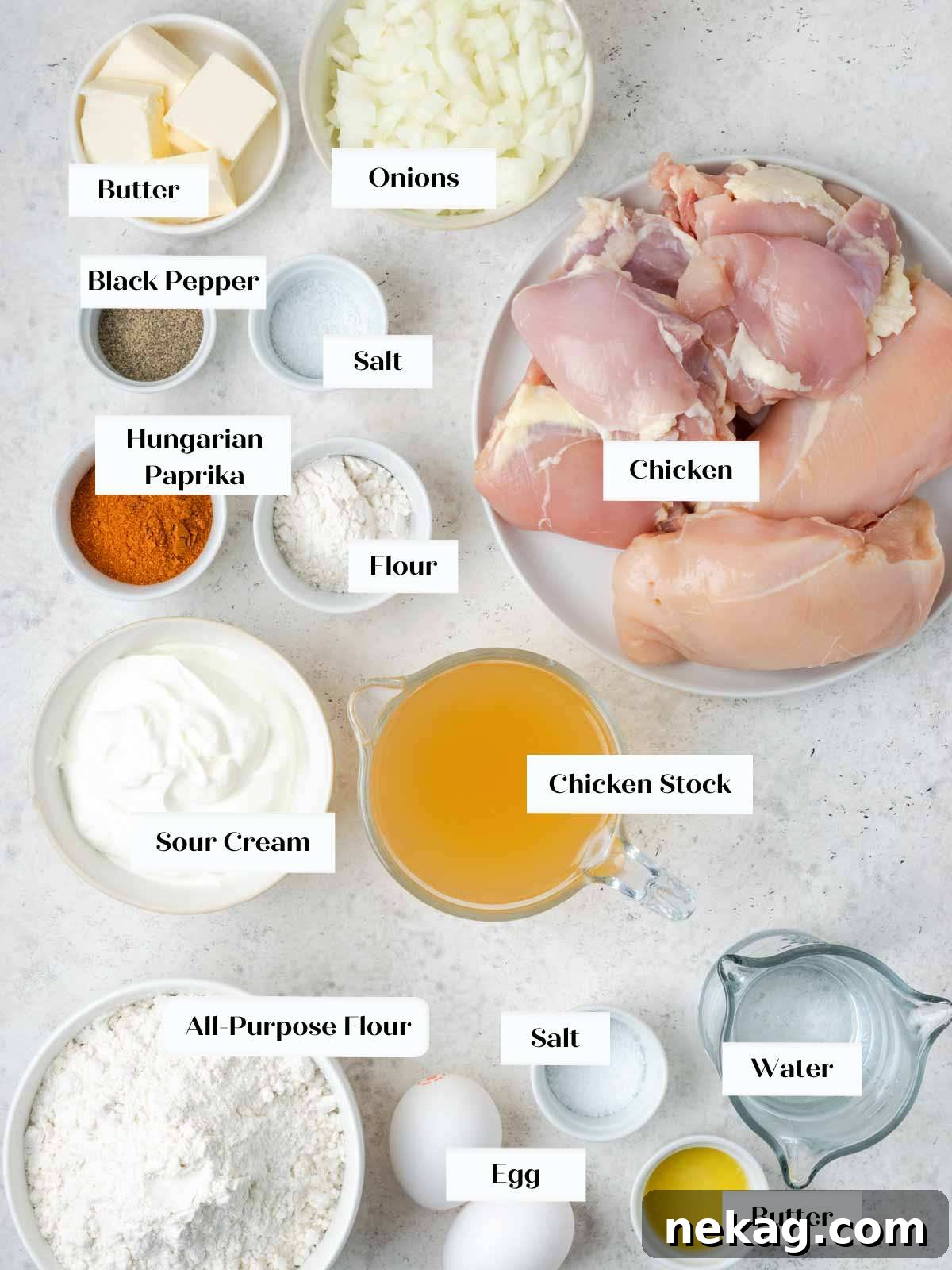
- Unsalted Butter: Using unsalted butter is essential as it gives you complete control over the saltiness of the sauce. This precision allows you to perfectly balance the flavors without fear of over-salting, contributing to the rich foundational taste.
- Chicken: This recipe artfully combines both boneless, skinless chicken thighs and boneless, skinless chicken breasts. The thighs provide rich flavor and moisture, while the breasts offer a leaner texture, creating a perfectly balanced chicken experience in every serving.
- Onion: For the most authentic and sweet foundation, I highly recommend using a sweet or yellow onion in this traditional Hungarian dish. When sautéed until translucent, it releases a delicate sweetness that forms the aromatic base of the sauce.
- Chicken Broth: The quality of your broth significantly impacts the depth of flavor. While a good quality store-bought broth or stock works, homemade chicken broth or stock will undeniably yield the richest and most flavorful result, enhancing the overall savory profile of the Paprikash.
- Hungarian Sweet Paprika: This is the star of the show. I specifically recommend Hungarian sweet paprika for its mild, earthy, and slightly sweet flavor profile. It provides that iconic deep red color and distinct taste that beautifully harmonizes with the rich, tangy sour cream.
- Salt and Pepper: These fundamental seasonings bring out and enhance all the other flavors. I always suggest using kosher salt in your cooking, as its larger flakes are less salty by volume than table salt or sea salt, offering superior control over your seasoning process. Freshly ground black pepper adds a subtle zing.
- All-Purpose Flour: All-purpose flour plays a dual role here. It lightly coats the chicken, helping it brown beautifully, and then acts as a thickening agent for the rich sauce. In the spaetzle, flour creates the essential structure for the dumplings, binding the ingredients together when mixed with water and eggs.
- Sour Cream: A crucial ingredient for the sauce’s signature tang and creamy texture. Be sure to use a high-quality, full-fat sour cream in this recipe. Its richness prevents it from curdling and contributes significantly to the luxurious mouthfeel and authentic taste.
- Water: For the spaetzle dough, regular cold to room temperature water is ideal. This temperature helps the gluten in the flour develop properly, leading to the perfect chewy texture for your dumplings.
- Whole Eggs: In the spaetzle dough, eggs serve as a vital binder, ensuring the dumplings hold their shape and don’t fall apart during poaching. They also contribute to the rich color and subtle flavor of the spaetzle.
Delicious Variations:
- Opt for Egg Noodles: While preparing homemade spaetzle is a truly rewarding experience and completely manageable, you can always choose to serve your Chicken Paprikash with store-bought egg noodles if you prefer a quicker preparation without compromising on taste.
- Experiment with Paprika Types: Hungarian cuisine offers a spectrum of paprikas. While sweet paprika is traditional, you can explore other varieties. Hot paprika can introduce a delightful spicy kick for those who enjoy heat. For a deeper, smoky undertone, try smoked paprika. You can even combine different types to create a unique flavor profile that suits your palate.
- Explore Different Chicken Cuts: Beyond boneless breasts and thighs, some enthusiasts prefer using whole, bone-in chicken legs or drumsticks for an even richer flavor and juicier meat. If you choose bone-in cuts, remember to adjust cooking times accordingly and always ensure the chicken reaches an internal temperature of 165 degrees Fahrenheit for food safety, rather than strictly relying on the recipe’s timed instructions.
- Add Fresh Herbs: For an extra layer of freshness and color, consider garnishing your finished dish with freshly chopped parsley or chives. These herbs not only brighten the presentation but also add a delicate, aromatic contrast to the rich sauce.
- Vegetarian Adaptation: While traditionally a chicken dish, you can adapt the recipe for a vegetarian version by substituting chicken with robust mushrooms (like cremini or oyster mushrooms), hearty root vegetables, or plant-based chicken alternatives, and using vegetable broth instead of chicken broth.
Step-by-Step Guide to Making Hungarian Chicken Paprikash & Homemade Spaetzle
Follow these detailed instructions to create the perfect Hungarian Paprikash every time. More specific measurements and details are provided in the comprehensive recipe card below.
Prepare the Hungarian Chicken Paprikash:
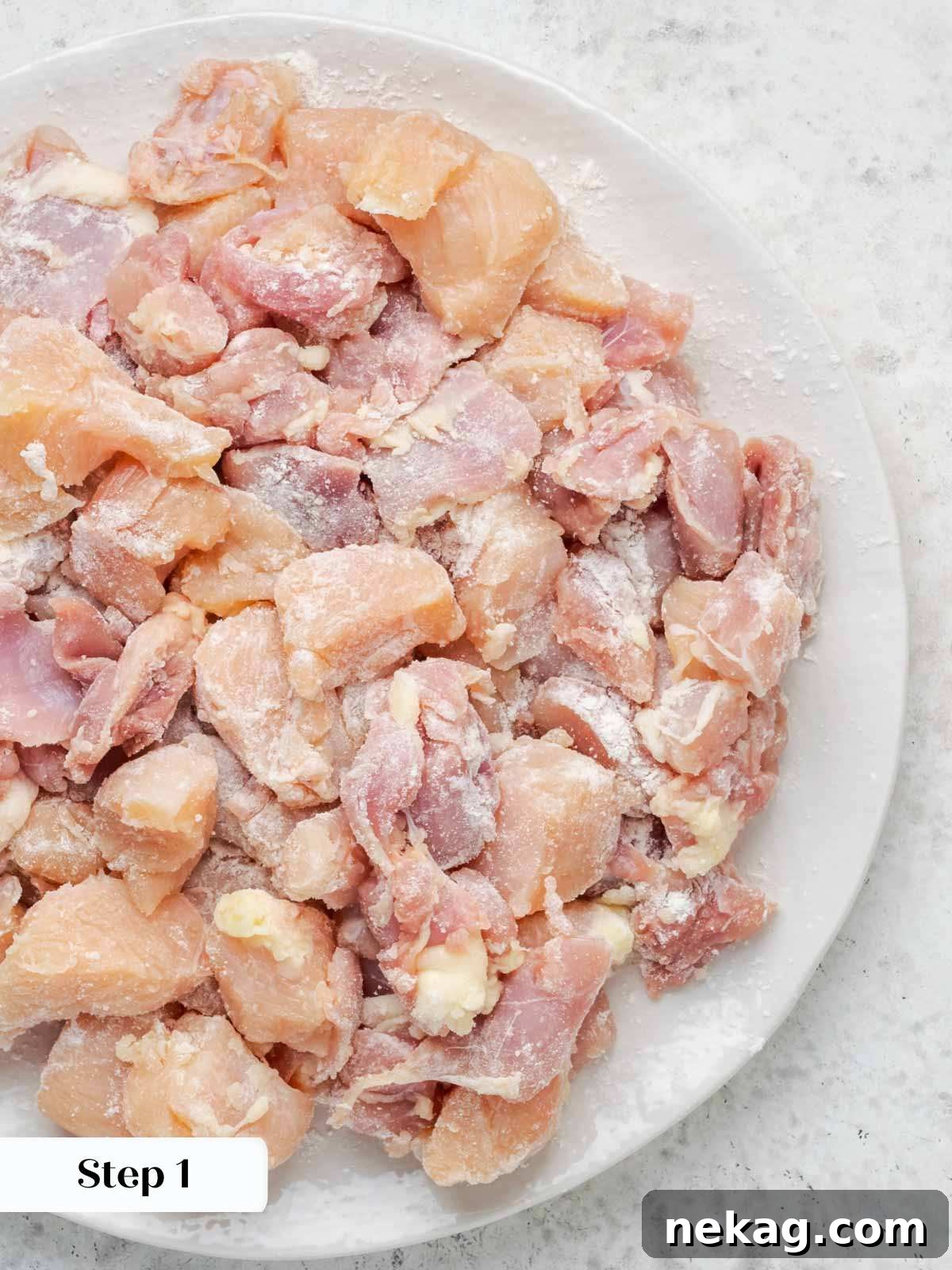
Step 1: Begin by cutting your chicken (both thighs and breasts) into uniform 1-inch pieces. Pat the chicken dry with paper towels to ensure good browning, then lightly dust each piece with all-purpose flour. This coating will help create a beautiful crust and thicken the sauce.
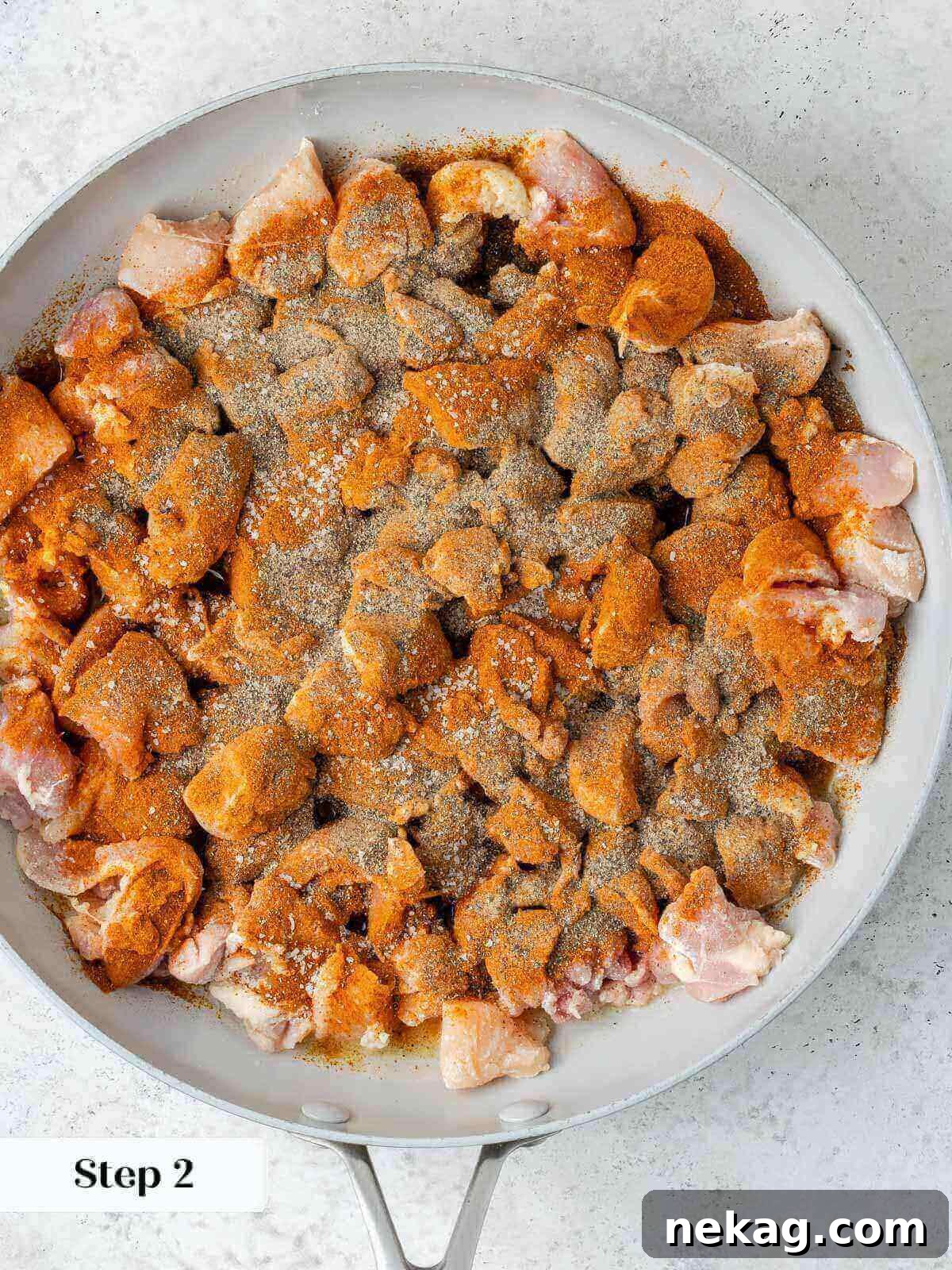
Step 2: Heat a large, heavy-bottomed skillet or Dutch oven over medium heat until it’s hot. Melt ¼ cup of unsalted butter in the pan. Add the floured chicken pieces, along with the Hungarian sweet paprika, kosher salt, and black pepper. Sauté the chicken, stirring occasionally, until it’s lightly browned on all sides. Once browned, remove the chicken from the pan and let it rest, loosely tented with aluminum foil to keep it warm and juicy.
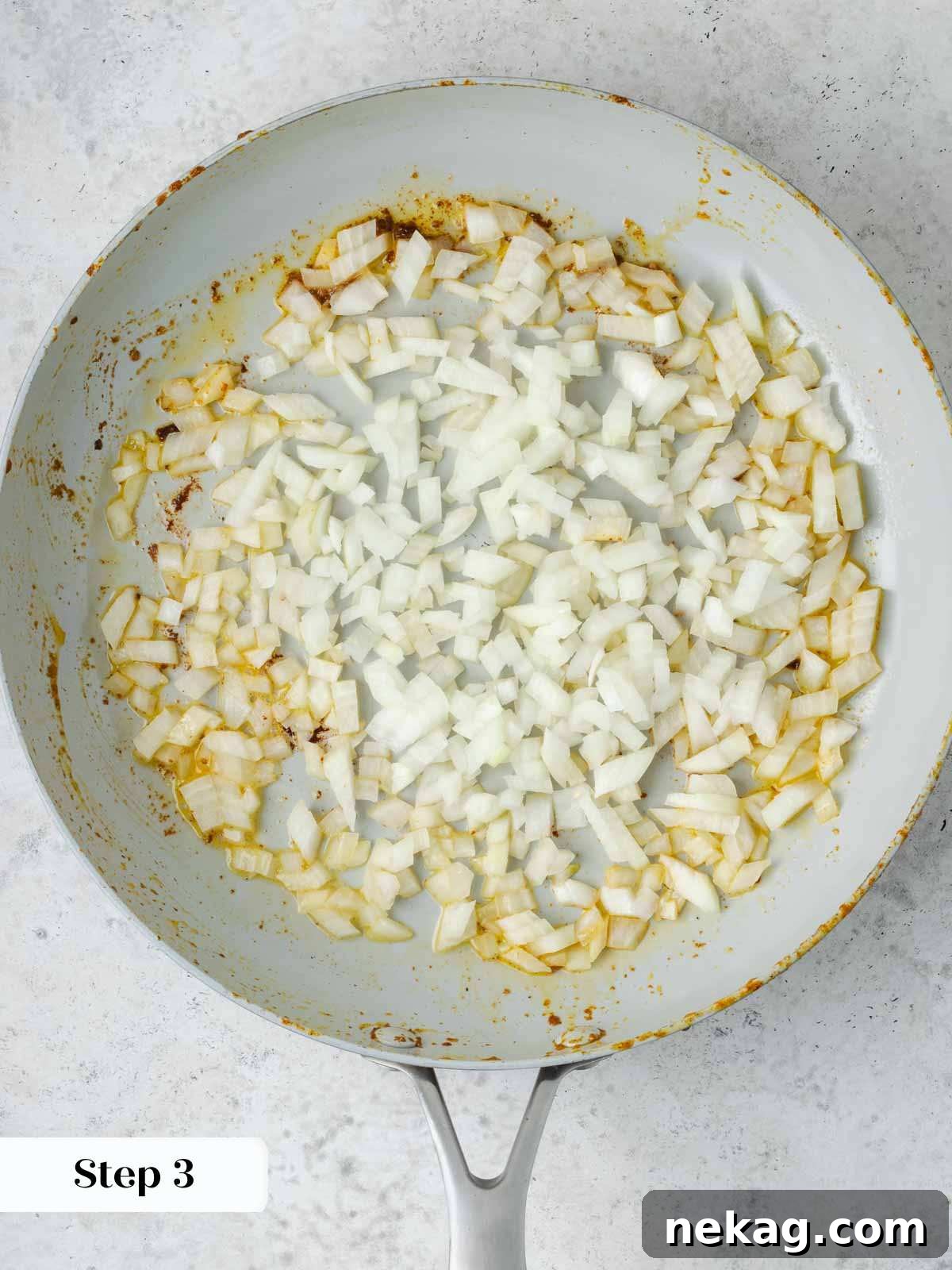
Step 3: To the same pan, add the remaining 1 tablespoon of butter. Add the chopped onion and sauté gently, scraping up any browned bits from the bottom of the pan, until the onion becomes soft and translucent, typically about 5-7 minutes. Once the onions are ready, return the browned chicken pieces to the pan.
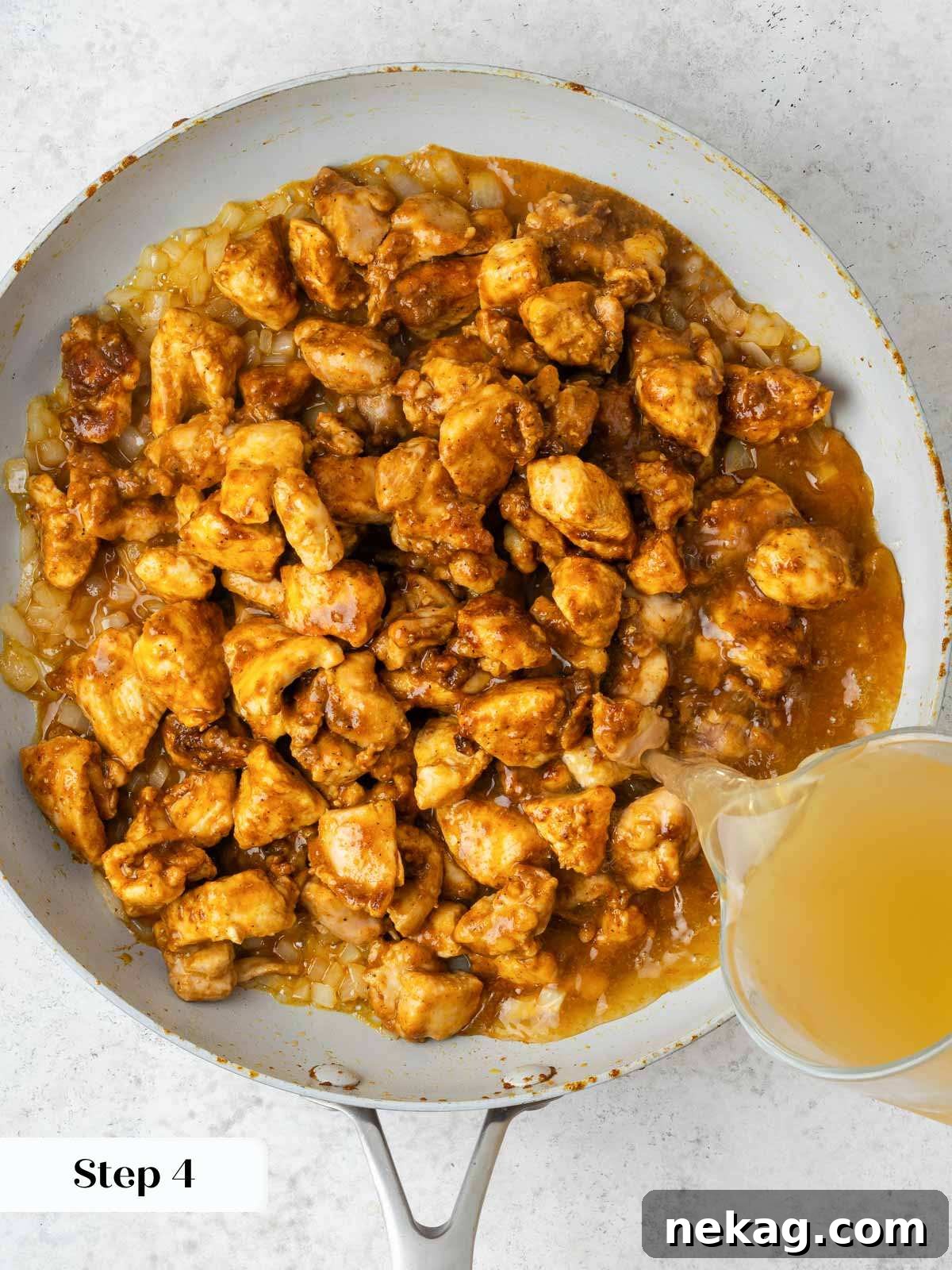
Step 4: Pour in the chicken broth. Bring the mixture to a gentle simmer over low heat. Continue to simmer until the chicken is fully cooked through and fork-tender, which usually takes about 10-15 minutes, depending on the chicken size. Once cooked, remove the chicken from the pan once more, tenting it loosely with foil to keep it warm. Leave the sauce simmering in the pan.
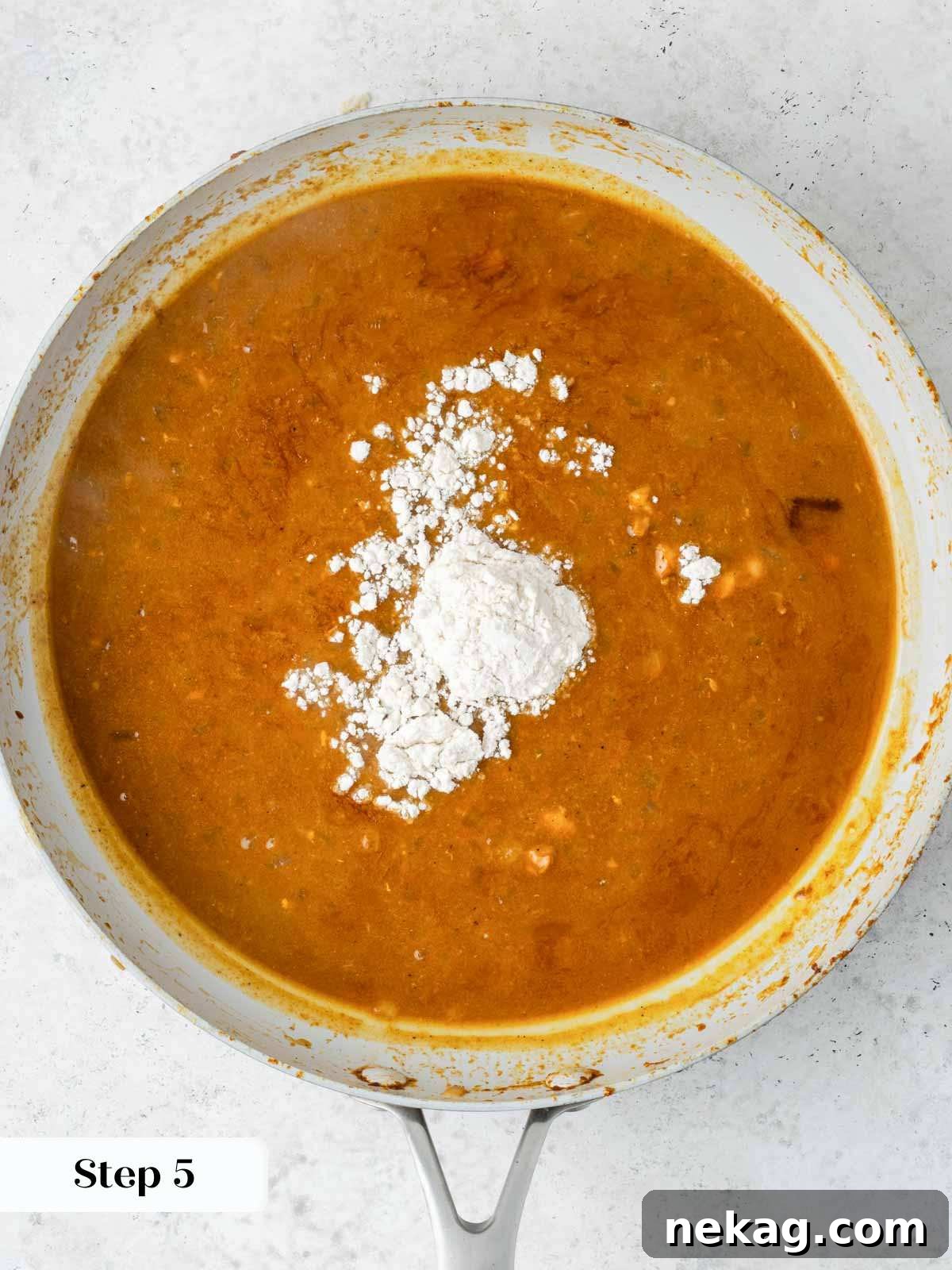
Step 5: Into the simmering sauce, gradually stir in 2 tablespoons of all-purpose flour. Whisk continuously to prevent lumps. Allow the sauce to boil gently for a few minutes, stirring, until it reaches your desired thickness. The sauce should be rich and velvety.
Step 6: Remove the pan from the heat. Carefully stir in the full-fat sour cream until it is thoroughly combined and the sauce is smooth and creamy. Return the cooked chicken to the pan, gently coating all the pieces with the luxurious Paprikash sauce. Do not boil the sauce after adding sour cream, as it can curdle.
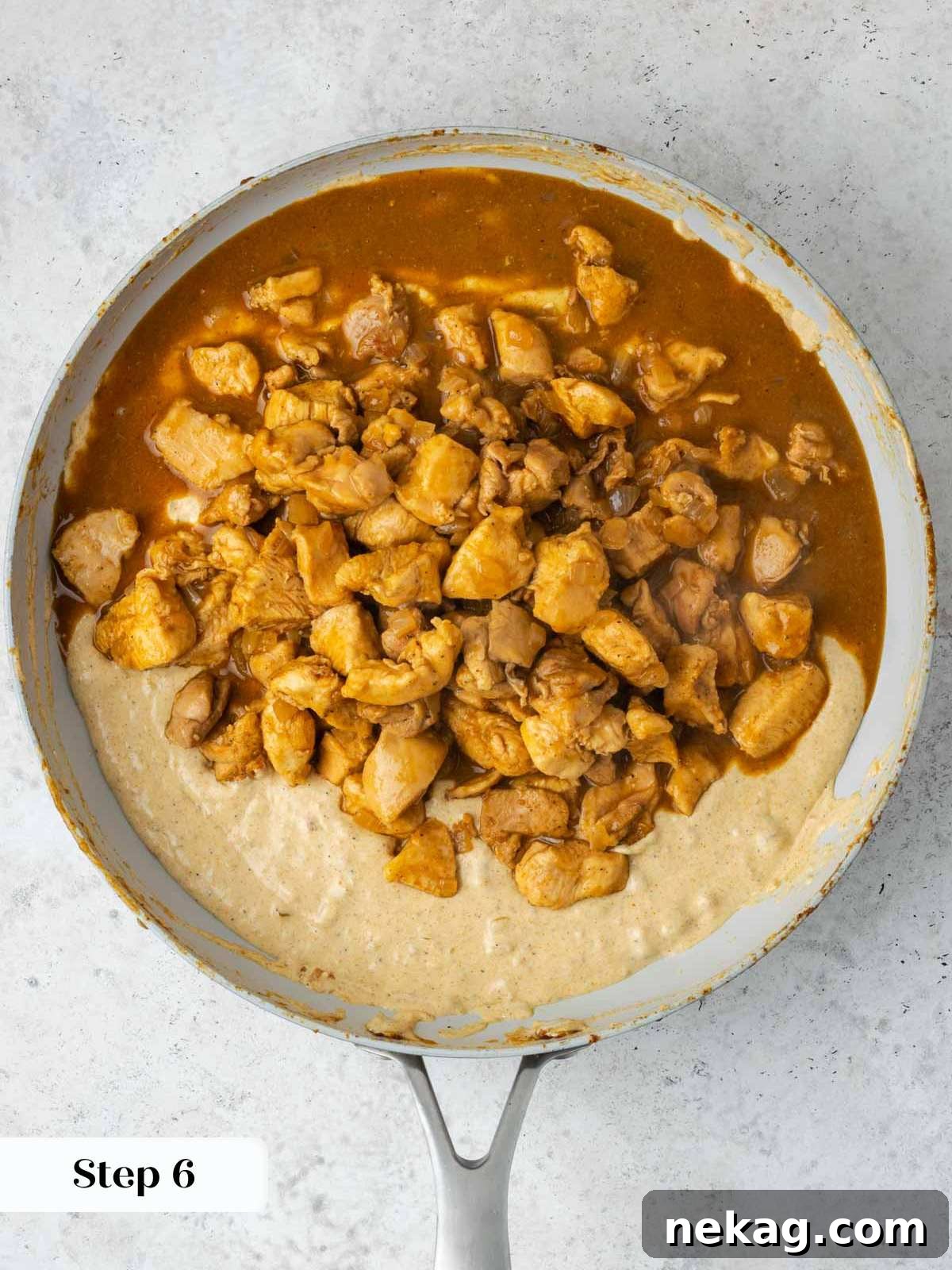
Chef’s Flavor Check: I always recommend tasting your dish as you cook to ensure everything is perfectly balanced. If you find your Chicken Paprikash is a little under-seasoned, add an extra pinch of kosher salt or a dash more paprika to awaken the flavors.
Prepare Homemade Spaetzle:
Timing is Everything: When crafting homemade dumplings, I highly suggest you prepare the spaetzle while your chicken is gently simmering in the broth. This ensures the spaetzle are fresh and perfectly textured when serving. If made too early, they may sit for too long and lose their desirable chewiness by drying out.
Step 7: Bring a large pot of lightly salted water to a rolling boil. This is where your spaetzle will cook.
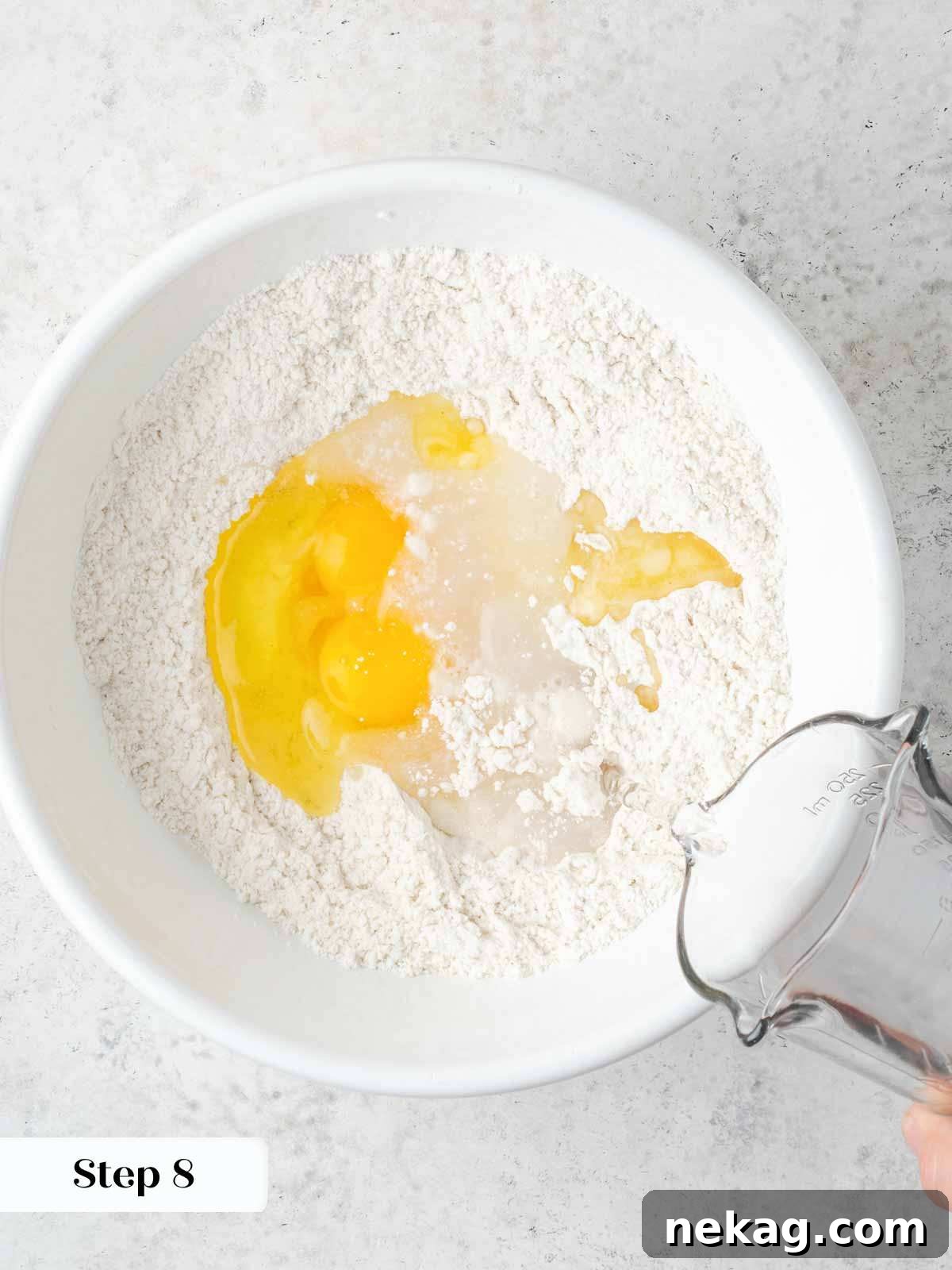
Step 8: In a medium-sized mixing bowl, whisk together the all-purpose flour and kosher salt. Create a well in the center of the dry ingredients. Into this well, add the eggs, cold water, and melted unsalted butter.
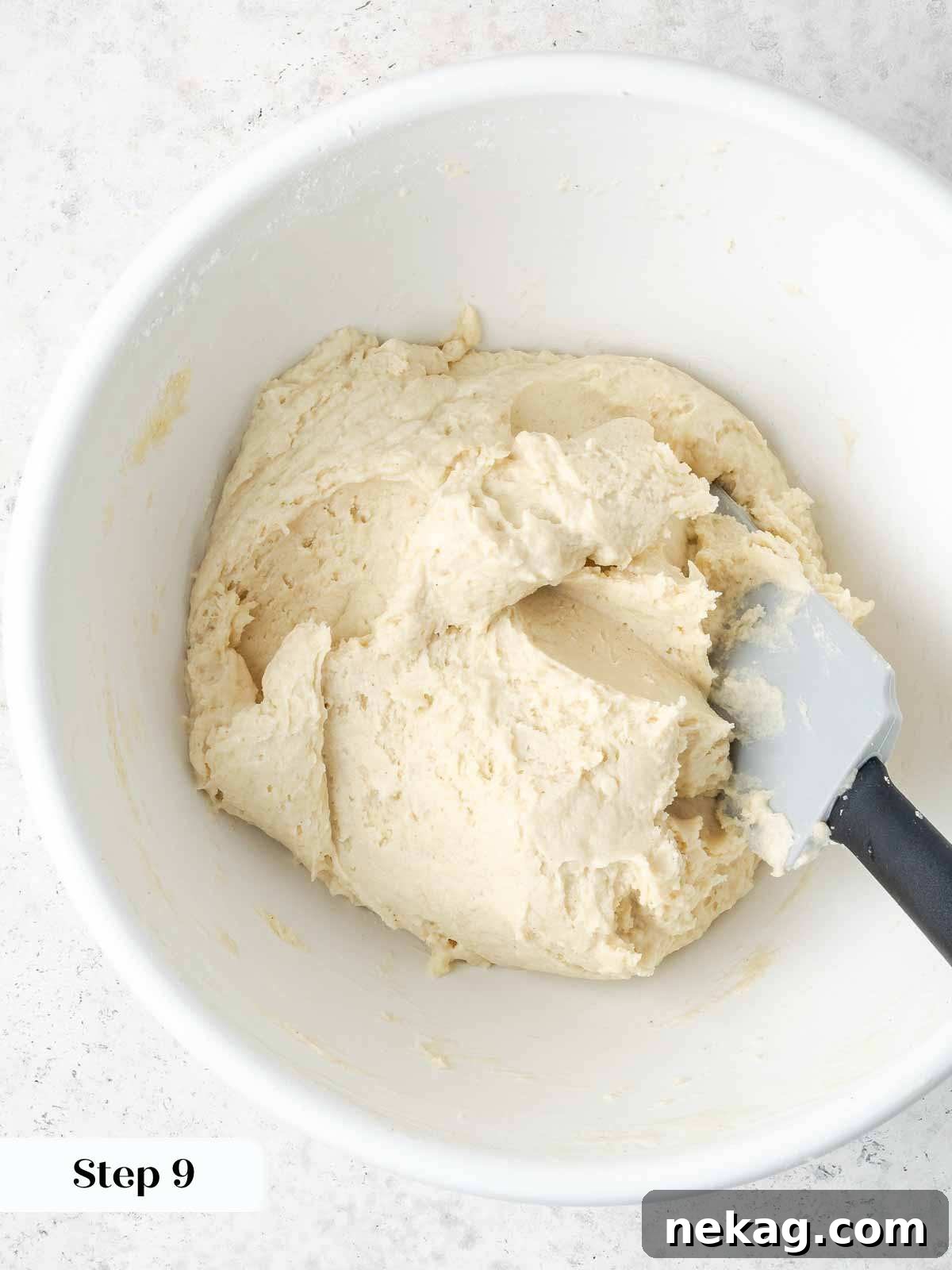
Step 9: Stir the ingredients vigorously with a wooden spoon until the batter is completely smooth and thick. It should have a consistency similar to a thick pancake batter or sticky dough. Beat it well to develop some elasticity.
Step 10: Using a small spoon (about a teaspoon in size), carefully drop dollops of the spaetzle batter directly into the vigorously boiling water. For easier release and to keep your spoon clean, dip the spoon into the boiling water each time before scooping fresh batter. This technique makes the process smoother and less messy.
Step 11: After dropping the spaetzle, gently stir the bottom of the pot with a wooden spoon to prevent the dumplings from sticking. The spaetzle will quickly rise to the surface of the water. Once they float to the top, allow them to boil for approximately 2 more minutes to ensure they are cooked through and tender.
Step 12: Using a slotted spoon or spider, remove the cooked spaetzle from the boiling water and transfer them to a large colander to drain thoroughly. If you have a large batch of batter, repeat the dropping and cooking process with the second half of the dough until all spaetzle are cooked.
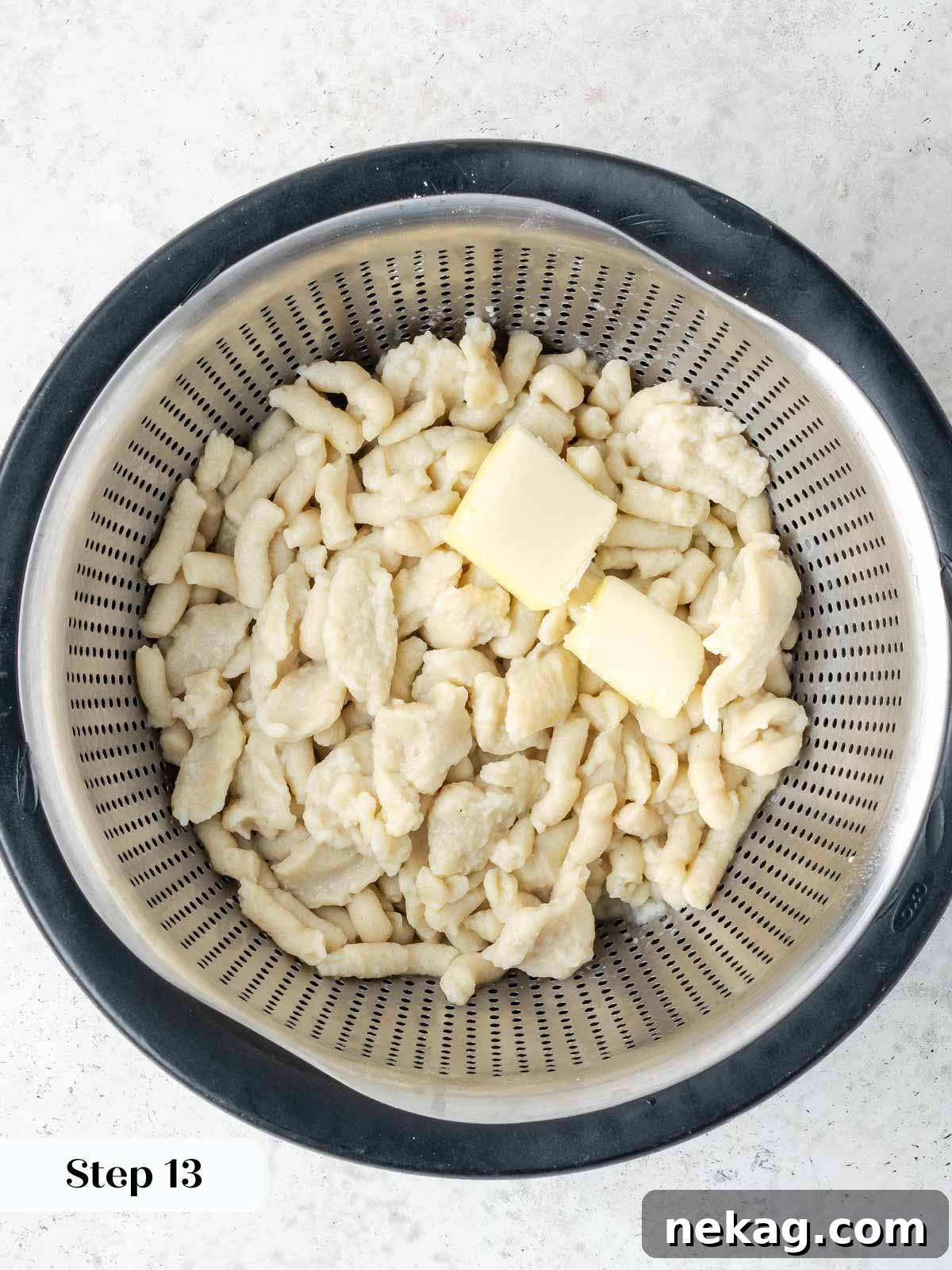
Step 13: Once drained, add about a teaspoon of unsalted butter to the warm spaetzle in the colander and gently toss to coat. While this step isn’t strictly traditional, I’ve found it wonderfully effective in preventing the spaetzle from sticking together, keeping them separate and delightfully tender.
This dish naturally boasts a beautiful, vibrant red sauce that requires little embellishment to impress. However, for an extra pop of color and freshness, consider garnishing your finished Chicken Paprikash with some finely chopped fresh herbs, such as parsley or chives, just before serving.
Chef’s Insight: The True Story of Paprikás
Many people, including some very famous chefs and culinary publications, commonly refer to this dish as “Chicken Paprikash,” which accurately reflects its pronunciation. However, the technically correct Hungarian name for this beloved dish is Hungarian Chicken Paprikas (or Csirkepaprikás)! Its intriguing history dates back to around 1920, when a resourceful Hungarian chef sought to emulate the rich, creamy style of French cooking. Lacking heavy cream, he ingeniously utilized the readily available sour cream, which ultimately led to the creation of the distinctive tangy, savory, and incredibly rich sauce that defines this iconic Hungarian meal today. Understanding this subtle distinction not only enriches your appreciation for the dish but also connects you more deeply with its culinary origins.
Serving Suggestions
Authentic Hungarian Chicken Paprikash is a meal in itself, especially when served with homemade spaetzle. However, to complete the dining experience and offer a balanced meal, consider these complementary sides:
- Cucumber Salad: A light, refreshing Hungarian cucumber salad (uborkasaláta) with a dill or vinegar dressing provides a wonderful, crisp contrast to the rich, creamy sauce.
- Pickled Vegetables: Traditional Hungarian pickled vegetables, like pickled cabbage or peppers, offer a delightful tang that cuts through the richness of the paprikash.
- Fresh Green Salad: A simple mixed green salad with a vinaigrette dressing can add freshness and a lighter element to the meal.
- Crusty Bread: Don’t forget a good, crusty loaf of bread to soak up every last drop of the exquisite paprika-infused sauce.
No matter how you choose to serve it, this dish promises a truly satisfying and memorable culinary journey.
Frequently Asked Questions
You can store leftover Chicken Paprikas and homemade spaetzle in separate airtight containers in the refrigerator. Storing them separately is key to preventing the delicate dumplings from becoming mushy. When properly stored, they will maintain their quality for 3 to 4 days.
Chicken Paprikash is a hearty Hungarian stew primarily made from tender chicken pieces that are browned in butter, then simmered with aromatic onions and a generous amount of authentic Hungarian paprika. A key component is sour cream, which is stirred in at the end to create its signature tangy, savory, and creamy sauce. It is traditionally served over homemade spaetzle or wide egg noodles.
Spaetzle (pronounced “shpeht-zluh”) is a delightful type of small, irregularly shaped dumpling, particularly popular in German and Hungarian cuisines. Its simple ingredients typically include flour, water, salt, butter, and eggs. These soft yet chewy dumplings are formed by pressing or scraping the dough into boiling water, where they poach quickly.
To reheat Chicken Paprikas, gently place the chicken and sauce in a saucepan over low heat. Stir occasionally until warmed through. Using low heat is crucial to prevent the sour cream in the sauce from separating or curdling. For the spaetzle, reheat them separately in a pan with a small amount of butter over medium to medium-high heat until they are warmed through and slightly crisped, if desired.
Yes, Chicken Paprikash can be frozen, but with a slight modification. The sauce containing sour cream may sometimes separate when thawed and reheated. To prevent this, freeze the chicken and sauce *before* adding the sour cream. When ready to serve, thaw the chicken and sauce, reheat it, then stir in fresh sour cream. Freeze cooked spaetzle separately, if desired, in a single layer on a baking sheet before transferring to an airtight container.
If you tried this recipe and loved it, please leave a 🌟 star rating and let me know how it goes in the comments below. I love hearing from you; your comments make my day!
Authentic Hungarian Chicken Paprikash
By Chef Lindsey
This traditional Hungarian Chicken Paprikash is comfort cooking at its best! A rich, creamy sauce flavored with sweet Hungarian paprika surrounds tender chicken for a delicious meal!
- Prep Time: 40 mins
- Cook Time: 25 mins
- Total Time: 1 hr 5 mins
- Servings: 8 people
Course: Dinner | Cuisine: Hungarian | Calories: 445
Ingredients
For the Chicken Paprikas:
- 5 tablespoons unsalted butter
- 1 pound boneless, skinless chicken thighs
- 1 pound boneless, skinless chicken breasts
- 1 large yellow onion, chopped
- 1 ½ cups chicken broth
- 3 tablespoons Hungarian sweet paprika
- ½ teaspoon kosher salt
- 1 teaspoon black pepper
- 2 tablespoons all-purpose flour (as needed for coating chicken and thickening sauce)
- 1 cup full-fat sour cream
For the Hungarian Spaetzle:
- 2 ½ cups all-purpose flour
- 1 teaspoon kosher salt
- 2 large eggs
- ¾ cups cold water
- 1 tablespoon unsalted butter, melted
- Additional teaspoon of butter for tossing (optional, for non-sticking)
Instructions
Prepare the Chicken Paprikas:
- Cut the chicken into 1-inch pieces. Pat dry and lightly dust with 1 tablespoon of flour.
- Heat a large skillet over medium heat until hot. Melt ¼ cup butter. Add the floured chicken pieces, paprika, salt, and pepper. Sauté until the chicken is lightly browned. Remove chicken from the pan and let it rest, tented loosely with foil.
- Add the remaining 1 tablespoon of butter to the pan. Add the chopped onion and sauté until translucent (about 5-7 minutes). Return the chicken to the pan.
- Add chicken broth. Gently simmer over low heat until the chicken is cooked through (about 10-15 minutes). Remove chicken from the pan and tent loosely with foil.
- Stir the remaining 1 tablespoon of flour into the simmering sauce in the pan. Bring to a gentle boil, stirring constantly, until the sauce has thickened to your taste. Remove from heat.
- Stir in the sour cream until fully incorporated and smooth. Return the cooked chicken to the pan and coat with the sauce. Do not boil after adding sour cream.
- Serve immediately with homemade spaetzle or egg noodles.
Prepare the Spaetzle:
- Bring a large pot of lightly salted water to a boil.
- In a medium bowl, whisk together flour and salt. Make a well in the middle and add the eggs, water, and melted butter.
- Stir vigorously with a wooden spoon until the batter is smooth and thick, with a slightly elastic consistency.
- Drop batter (each dollop about a teaspoon) into the boiling water using a spoon; dipping the spoon into the water each time will help prevent sticking.
- Gently stir the bottom of the pot with a wooden spoon to prevent sticking. Once the dumplings rise to the top, let them boil for about 2 minutes more.
- Remove the cooked spaetzle to a large colander and drain while you repeat the process with any remaining batter.
- Add about a teaspoon of butter to the drained spaetzle and toss to coat. This helps prevent them from sticking together (optional, but recommended).
Notes
- Technique: For best results, make the spaetzle while your chicken is simmering in the broth. This ensures both components are fresh and warm when serving.
- Storage: Store leftover Chicken Paprikas and homemade spaetzle in separate airtight containers. They will keep well in the fridge for 3 to 4 days. Storing them separately prevents the spaetzle from becoming mushy.
Nutrition Information (per serving)
Calories: 445kcal | Carbohydrates: 36g | Protein: 30g | Fat: 20g | Saturated Fat: 10g | Polyunsaturated Fat: 2g | Monounsaturated Fat: 5g | Trans Fat: 0.4g | Cholesterol: 171mg | Sodium: 746mg | Potassium: 537mg | Fiber: 2g | Sugar: 2g | Vitamin A: 1827IU | Vitamin C: 2mg | Calcium: 65mg | Iron: 3mg
(Nutritional values are estimates and may vary based on specific ingredients and preparation methods.)
Before You Go!
I sincerely hope you enjoyed preparing and savoring this authentic, professional chef-tested recipe for Hungarian Chicken Paprikash with homemade spaetzle. It’s a dish that truly embodies comfort and rich culinary tradition. Don’t forget to explore our other delicious, chef-developed easy chicken recipes to inspire your next meal!