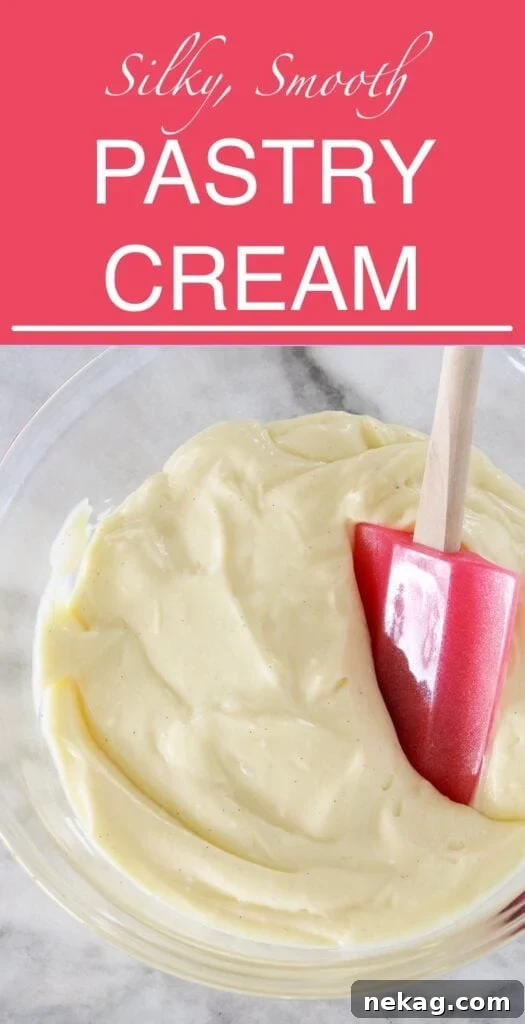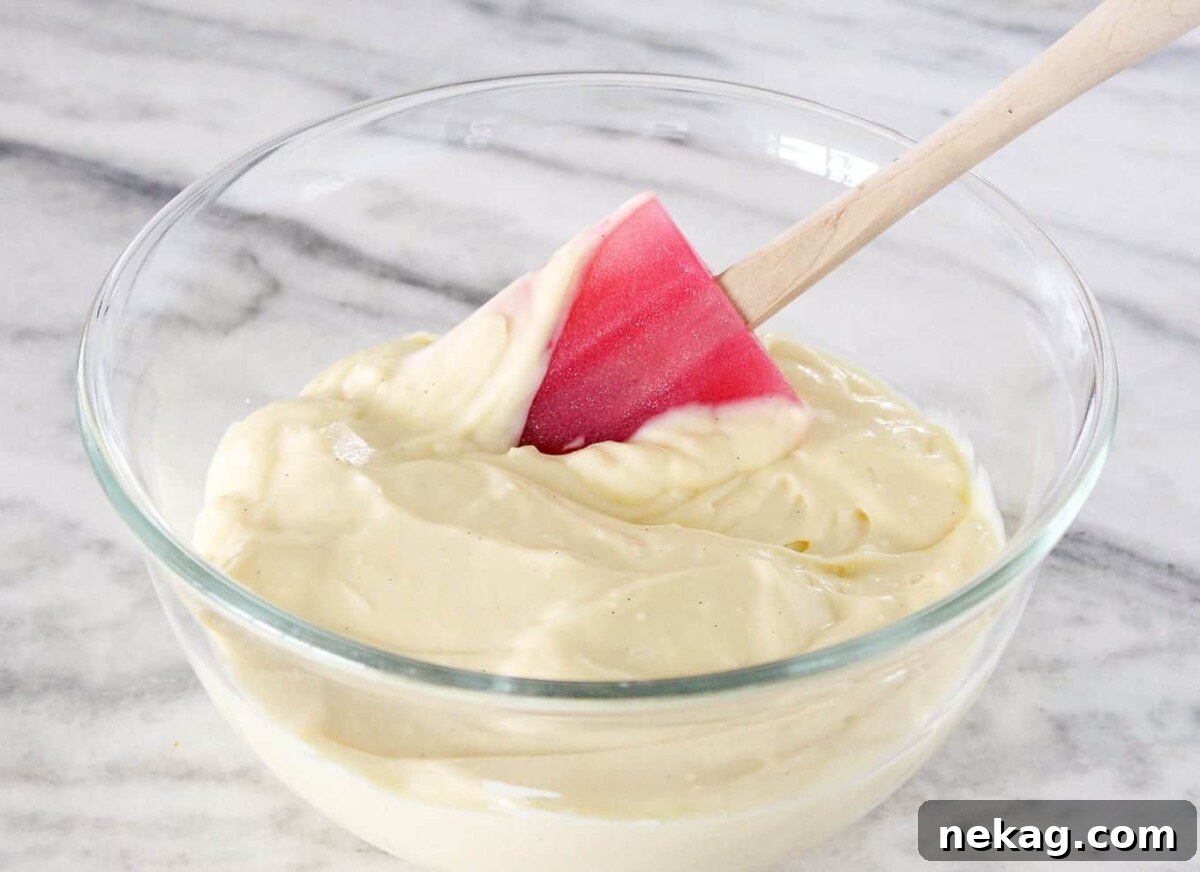
Mastering Vanilla Bean Pastry Cream: A Professional Chef’s Guide to Crème Pâtissière
Elevate your dessert game with this definitive Vanilla Bean Pastry Cream Recipe, a foundational classic in the world of professional patisserie. Known in French as Crème Pâtissière, this incredibly versatile custard is an indispensable component for countless confections. From exquisitely filled tarts and delicate cream puffs to elegant éclairs and beyond, a perfectly executed pastry cream can transform a simple dessert into a culinary masterpiece. This guide, developed by a seasoned pastry chef, provides all the insights and techniques you need to create a lusciously smooth, richly flavored vanilla bean pastry cream that will impress every time.
The Versatility of Crème Pâtissière in Classic Desserts
Pastry cream isn’t just a recipe; it’s a cornerstone of dessert creation, offering a canvas for endless flavor innovation. Its rich, creamy texture and delicate sweetness can be adapted to complement an astonishing array of desserts, making it a must-have in any baker’s repertoire. Whether you infuse it with exotic spices or enrich it with decadent chocolate, crème pâtissière holds the power to elevate the entire character of your sweet treats.
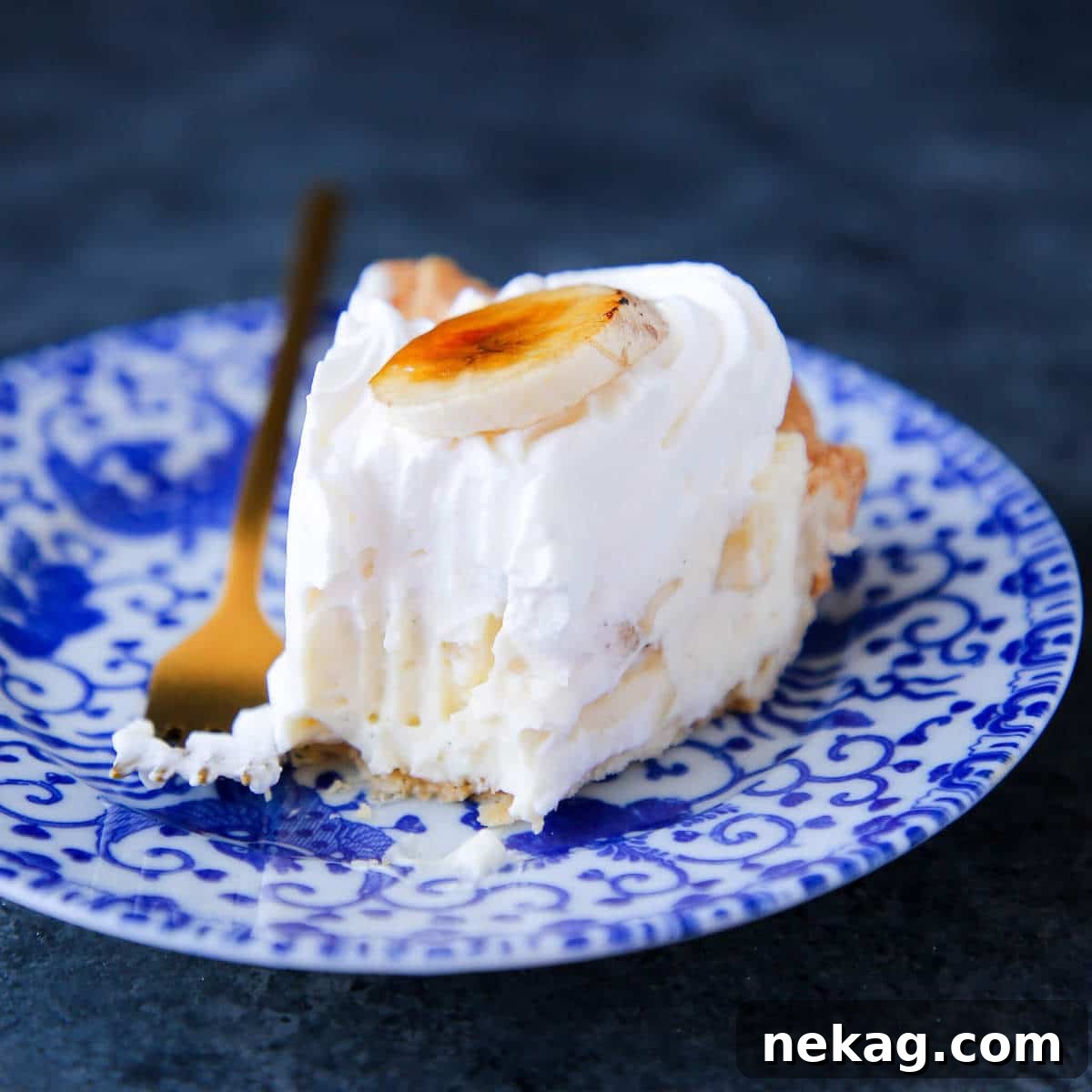
Discover the myriad applications of this essential custard. Use it as the luxurious filling for classic mille-feuilles, the creamy heart of banana cream pies, or combined with almond cream for an exquisite pithivier. Beyond these, pastry cream is the star in fillings for fruit tarts, Boston cream pie, and a variety of other confections. It can even be lightened with whipped cream to create crème légère, providing a delicate and airy texture perfect for lighter fillings.
For those who have embraced the indulgence of real vanilla beans (and you absolutely deserve it!), explore other delightful vanilla bean recipes like crème anglaise, vanilla bean crème brûlée, vanilla bean ice cream, or even vanilla bean marshmallows. With these precious pods, ensure no speck of their exquisite flavor goes to waste.
Table of Contents
- Why This is the Best Pastry Cream Recipe!
- Professional Tips for Making Pastry Cream
- Essential Ingredients for Perfect Pastry Cream
- Creative Variations and Flavor Enhancements
- Smart Substitutions for Pastry Cream
- Step-by-Step Guide: How to Make Crème Pâtissière
- Preparing Pastry Cream for Use
- Chef Lindsey’s Expert Storage Tip
- Frequently Asked Questions About Pastry Cream
- Vanilla Bean Pastry Cream Recipe Card
- Before You Go
Why This is the Ultimate Pastry Cream Recipe!
- Developed by a Pastry Chef for Perfection: This isn’t just any recipe; it’s a meticulously crafted formula from a professional pastry chef’s extensive experience. Pastry cream is a foundational skill, and this recipe ensures the perfect balance of texture, consistency, and ease of adaptation, reflecting years of professional insights and countless batches refined to perfection.
- Endless Flavor Customization: One of the greatest attributes of this pastry cream is its incredible adaptability. Beyond simply being scalable, it offers limitless possibilities for flavor. Whether you’re infusing the milk with aromatic spices, citrus zests, or coffee beans, or enriching the finished product with chocolate, fruit purees, or liqueurs, this recipe provides a stable and delicious base that encourages creative experimentation.
- Precisely Balanced Ratios for Superior Texture: The secret to truly exceptional pastry cream lies in the precise ratios of its core ingredients: sugar, eggs, and cornstarch. This recipe features just the right amount of sugar to achieve a luxurious texture without being overly sweet, allowing the delicate vanilla flavor to shine. The eggs contribute richness and essential thickening power, resulting in a remarkably silky and smooth custard. Meanwhile, cornstarch acts as a crucial stabilizer, binding all ingredients together and preventing any undesirable separation, ensuring a consistently perfect result.
Professional Tips for Flawless Pastry Cream Every Time
Making pastry cream, while straightforward, benefits immensely from a few professional techniques. These tips will help you avoid common pitfalls and achieve a consistently smooth, rich, and lump-free crème pâtissière.
- Strategically Divide the Sugar: Distributing the sugar between the milk and the eggs serves two critical purposes. A portion of the sugar added to the milk helps prevent it from scorching on the bottom of the pot, ensuring a clean flavor. The remaining sugar, whisked with the eggs, acts as a protective shield, tempering the egg proteins and preventing them from scrambling when the hot milk is added. Don’t stress too much about exact halves; just eyeball roughly half in each mixture after measuring the total amount.
- Continuous Whisking is Key: Invest in your favorite, most comfortable whisk – you’ll be using it a lot! From thoroughly blanching the eggs (whisking eggs and cornstarch together), to slowly tempering them with hot milk, and finally cooking the pastry cream until thickened, constant whisking is paramount. This ensures even cooking, prevents lumps, and creates that signature silky texture. Keep moving the whisk across the entire bottom surface of the pot and up the sides.
- Opt for a Heavy-Bottom Pot: A quality heavy-bottom pot is an invaluable tool for making custards. Its thick base distributes heat more evenly, significantly reducing the risk of the milk scorching, which can ruin the flavor of your pastry cream. This added thermal mass gives you greater control over the cooking process, allowing you to gradually bring the milk to a boil without burning.
- Mise en Place is Your Best Friend: “Mise en place,” a French culinary term meaning “everything in its place,” is crucial for stirred custards like pastry cream and lemon curd. Before you even start heating anything, ensure all your ingredients are measured and ready, and all your equipment (whisk, pot, bowls) is laid out. These recipes require fluid, quick transitions between steps, and being prepared eliminates panic and mistakes.
Essential Ingredients for Perfect Pastry Cream
Understanding the role of each ingredient is fundamental to mastering pastry cream. Here’s a breakdown of what you’ll need and why each component is crucial:
- Whole Milk: As the primary liquid in pastry cream, milk contributes significantly to its creamy texture and rich flavor. While whole milk offers the most luxurious result due to its fat content, the fat isn’t as structurally critical as in some other recipes. Feel free to use your preferred alternative or lower-fat milk, though adjustments in richness might be noticed. (Find milk here)
- Vanilla Bean: Often considered one of the most exquisite (and expensive) spices globally, vanilla beans impart an unmistakable, complex floral and sweet aroma that cannot be replicated by extracts alone. Scrape out the tiny, aromatic seeds for your pastry cream, and don’t discard the used pod! Save it to infuse into other creamy creations like ice cream, crème anglaise, or even vanilla pudding. You can also bury dried pods in sugar to make fragrant vanilla sugar. (Source high-quality vanilla beans)
- Granulated Sugar: Beyond simply adding sweetness, sugar plays several vital roles in this recipe. It helps prevent the milk from scorching when heated, contributes to the pastry cream’s glossy texture, and most importantly, protects the egg proteins from curdling when tempered with the hot milk, ensuring a smooth custard. (Shop for sugar)
- Large Whole Eggs: Eggs are integral thickeners in stirred custards. The proteins in whole eggs coagulate when heated, setting the custard. Whisking them initially with sugar provides a protective barrier, making them less susceptible to scrambling when introduced to heat. (Find large eggs)
- Egg Yolks: Adding extra egg yolks alongside whole eggs contributes additional richness and thickening power without introducing excess moisture from egg whites. This results in a thicker, more luxurious, and intensely flavored custard. However, be mindful not to use too many yolks, as this can lead to an undesirable “eggy” flavor. (Eggs for yolks)
- Cornstarch: Cornstarch is a powerful starch-based thickener that works in conjunction with the eggs to create a stable, smooth, and cohesive pastry cream. It helps to bind all the ingredients together, providing structure and preventing the custard from separating, especially when chilled or whipped. It’s crucial to boil the pastry cream for at least a minute to fully activate the cornstarch and eliminate any starchy taste or mouthfeel. (Get your cornstarch)
Refer to the complete recipe card below for precise measurements and quantities.
Creative Variations and Flavor Enhancements for Pastry Cream
One of the most exciting aspects of crème pâtissière is its incredible versatility. Once you’ve mastered the basic vanilla recipe, you can easily explore a world of flavors and textures.
- Flavor by Infusion: Infusing the milk is an elegant way to introduce nuanced flavors. Experiment with whole spices like cinnamon sticks, star anise, or cardamom seeds, allowing them to simmer gently with the milk before straining. For a more adventurous twist, try fresh ginger slices, lemongrass stalks, or even coffee beans. The key is to let the flavors steep sufficiently and then strain the milk before proceeding with the recipe.
- Flavor by Adding Ingredients: Another straightforward method is to incorporate additional ingredients at various stages.
- Chocolate Pastry Cream: For an instant chocolate delight, simply pour the hot, freshly cooked pastry cream over finely chopped chocolate (dark, milk, or white) and whisk until smooth and fully melted.
- Matcha Pastry Cream: For an earthy, vibrant flavor, whisk matcha powder directly into the milk before heating. This technique helped secure a win on Beat Bobby Flay’s first round!
- Citrus Pastry Cream: While lemon zest can be infused into the milk and then strained, lemon juice is often preferred for a brighter, cleaner citrus flavor and is typically added after the pastry cream has cooled slightly. For truly vibrant citrus notes, consider blending this recipe with my easy lemon curd for an intense lemon pastry cream, or drawing inspiration from my luscious caramel crème pâtissière recipe.
- Nut Pastry Cream: Gently toast chopped nuts (almonds, hazelnuts) and infuse them in the milk. After straining, you can also add a touch of complementary extract (like almond extract) for intensified flavor.
- Crème Alternatives: Lightening and Enriching Pastry Cream: Pastry cream serves as the base for several other classic French creams, each offering a distinct texture and application:
- Crème Légère (Light Pastry Cream): This delicate cream is made by folding homemade whipped cream into cooled pastry cream. The result is an airy, cloud-like filling, ideal for desserts where a lighter touch is desired, such as in my banana cream pie recipe or for filling fruit tarts.
- Crème Diplomate: Similar to crème légère but stabilized with gelatin, crème diplomat offers a firmer yet still light consistency. This makes it perfect for intricately piped fillings, like those in éclairs, or for tarts that require a filling to hold its shape more robustly, especially in warmer conditions.
- Crème Mousseline: For an exceptionally silky and rich filling, crème mousseline is created by whipping softened unsalted butter into cooled pastry cream. This luxurious cream has a wonderfully smooth mouthfeel and is frequently used for layering in celebration cakes, such as my exquisite classic vanilla cake, where its decadence truly shines.
Smart Substitutions for Pastry Cream Ingredients
While this recipe is perfected with specific ingredients, sometimes substitutions are necessary. Here are some reliable alternatives:
- Using Alternative Milks: This pastry cream recipe adapts beautifully to various alternative milks. Coconut milk, for instance, creates a wonderfully rich and aromatic pastry cream. Be aware that the coconut flavor will be prominent, so embrace it and pair it with complementary flavors like tropical fruits or chocolate. Other plant-based milks like oat milk or almond milk can also be used, though they may slightly alter the richness and final consistency.
- Pastry Cream Powder (Instant Pastry Cream Mix): For a quick and convenient option, pastry cream powder can be used as a substitute for cornstarch. These powders typically contain cornstarch, vanilla flavoring, and sometimes additional sugar. When substituting for cornstarch, use a 1:1 ratio by weight or as directed on the product packaging. While convenient, homemade pastry cream with fresh vanilla bean will always offer a superior, more authentic flavor profile.
- Vanilla Extract or Paste: If you don’t have fresh vanilla beans, high-quality vanilla extract or vanilla bean paste can be used. I highly recommend Nielsen-Massey products for their exceptional flavor. For substitutions, generally use 1-2 teaspoons of good quality vanilla extract or paste in place of half a vanilla bean, adding it at the very end of cooking to preserve its delicate aromatics.
Step-by-Step Guide: How to Make Crème Pâtissière
Follow these detailed instructions to create perfectly smooth, lump-free vanilla bean pastry cream every single time. More precise measurements can be found in the recipe card below.
Making the Pastry Cream:
Step 1: Begin by precisely measuring your milk and about half of the total sugar into a medium-sized, heavy-bottomed pot. The heavy bottom will aid in even heat distribution and prevent scorching.
Step 2: Carefully split half a vanilla bean lengthwise with a sharp knife. Use the back of the knife to scrape out the tiny, fragrant seeds. Add these vanilla seeds directly into the milk and sugar mixture in the pot. Whisk thoroughly to combine.
Pro Tip for Enhanced Vanilla Flavor: For an even deeper vanilla aroma, add the scraped vanilla bean pod to the milk mixture as well. This allows the remaining flavor from the pod to infuse into the milk. Remember to remove the pod before tempering. The pod can then be rinsed, dried, and saved for future use in other recipes like crème anglaise or to make vanilla sugar.
Step 3: Place the pot with the milk, sugar, and vanilla over medium heat. Bring the mixture to a gentle boil, stirring occasionally to ensure the sugar dissolves and the milk doesn’t stick to the bottom. Once it reaches a boil, immediately remove it from the heat.
Step 4: While the milk is heating, prepare your egg mixture. In a separate bowl, whisk together the whole egg and egg yolks vigorously. This breaks up the egg proteins, making for a smoother custard. Next, add the remaining half of the sugar and the cornstarch to the eggs. Whisk them together until the mixture is pale yellow and smooth. This process is called “blanchir the eggs” and creates a protective barrier around the egg proteins, making them more resilient to the hot milk during tempering.
Stability during Tempering: Before you start tempering, place a damp kitchen towel underneath the bowl containing your egg mixture. This simple trick provides friction and will prevent the bowl from sliding around on your countertop as you pour in the hot milk and continuously whisk, making the tempering process much safer and easier.
Step 5: Once the milk mixture has come to a boil, it’s time to temper the eggs. This crucial step gradually raises the temperature of the eggs, preventing them from scrambling. Slowly pour a thin, steady stream of the hot milk mixture into the blanched eggs while continuously whisking the eggs vigorously. I prefer to incorporate all the hot milk into the egg mixture in this way to ensure the eggs are fully and adequately tempered before returning everything to the pot.
Step 6: Pour the entire tempered mixture back into the same heavy-bottomed pot. Return the pot to medium-low heat. Continue to cook, whisking constantly and vigorously. Ensure your whisk touches the entire bottom surface of the pan and scrapes the edges frequently. This prevents the mixture from sticking, burning, and forming lumps.
Troubleshooting Lumps: If, despite your best whisking efforts, the pastry cream starts to develop a few lumps, don’t panic! Immediately remove the pot from the heat and continue to whisk vigorously. The residual heat and constant agitation will often smooth out most minor lumps. You can always strain it later if needed.
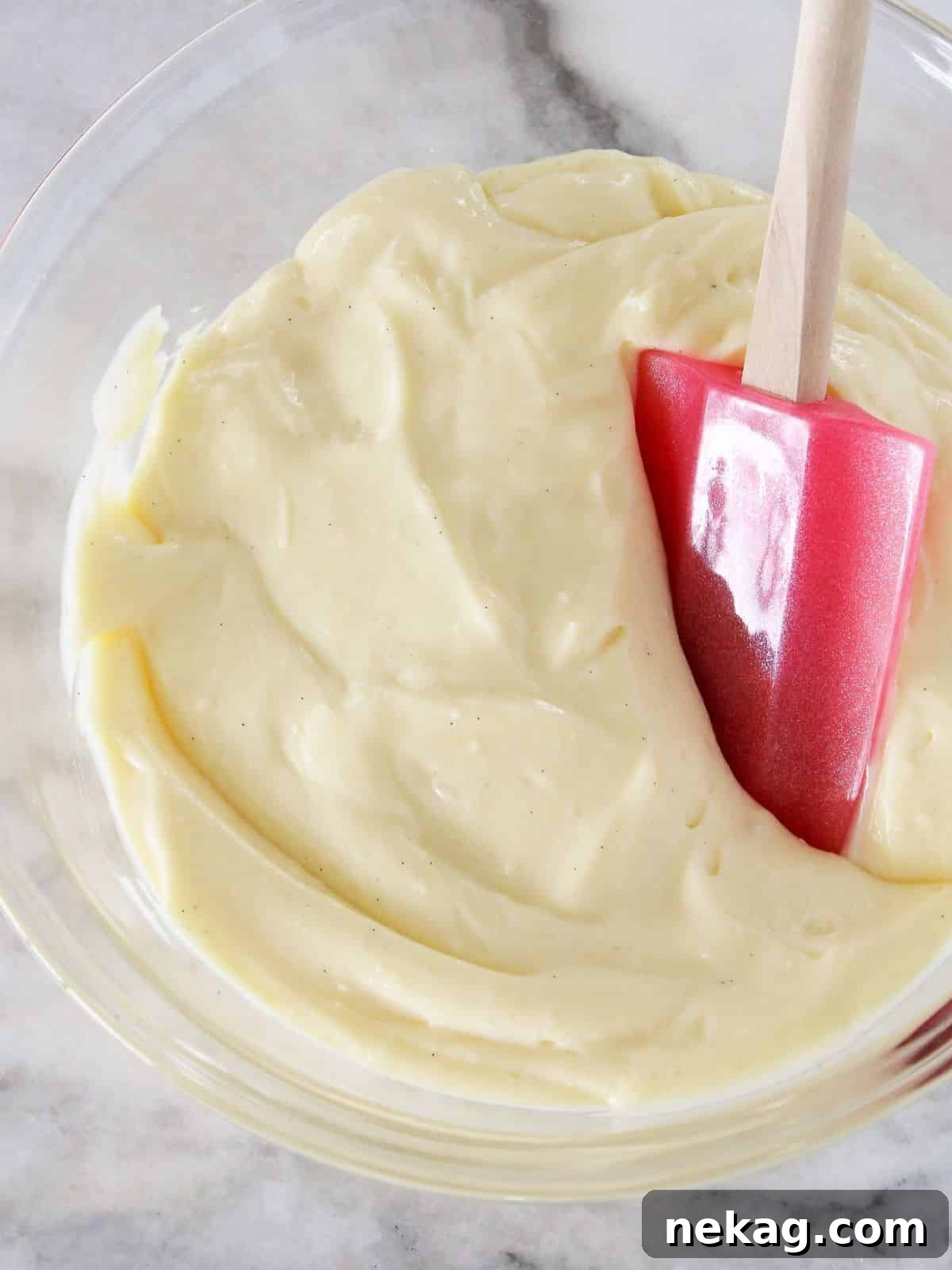
Step 7: Continue cooking and whisking until the pastry cream significantly thickens and begins to visibly boil, with large bubbles breaking the surface. Once it starts boiling, set a timer for precisely one minute and continue to whisk without stopping. Boiling for a full minute is essential to properly activate the cornstarch’s thickening power and cook out any raw starch flavor or powdery mouthfeel, ensuring a perfectly smooth and stable custard.
Ensuring Silky Smoothness: If your pastry cream has any stubborn small lumps or specks (like from the vanilla pod you removed), strain it immediately after cooking through a fine-mesh strainer or fine-mesh sieve directly onto your prepared baking sheet. This extra step guarantees an impeccably smooth final product.
Step 8: Promptly pour the hot pastry cream onto a clean sheet tray or baking dish lined with plastic wrap. This large, flat surface helps it cool quickly and evenly. Cover the surface of the pastry cream directly with another layer of plastic wrap, pressing it down to eliminate any air pockets. This prevents a “skin” from forming. Poke a few small holes in the plastic wrap to allow steam to escape. Cool completely in the refrigerator for several hours until firm.
Preparing Pastry Cream for Use
After chilling, pastry cream will become quite firm. Before using it as a filling, it requires a simple but important “refreshing” or “conditioning” step to restore its smooth, silky texture.
Step 1: To refresh, place the desired amount of chilled pastry cream into the bowl of a stand mixer fitted with the paddle attachment. Alternatively, you can use a large bowl and a sturdy whisk, though a stand mixer makes the process much easier.
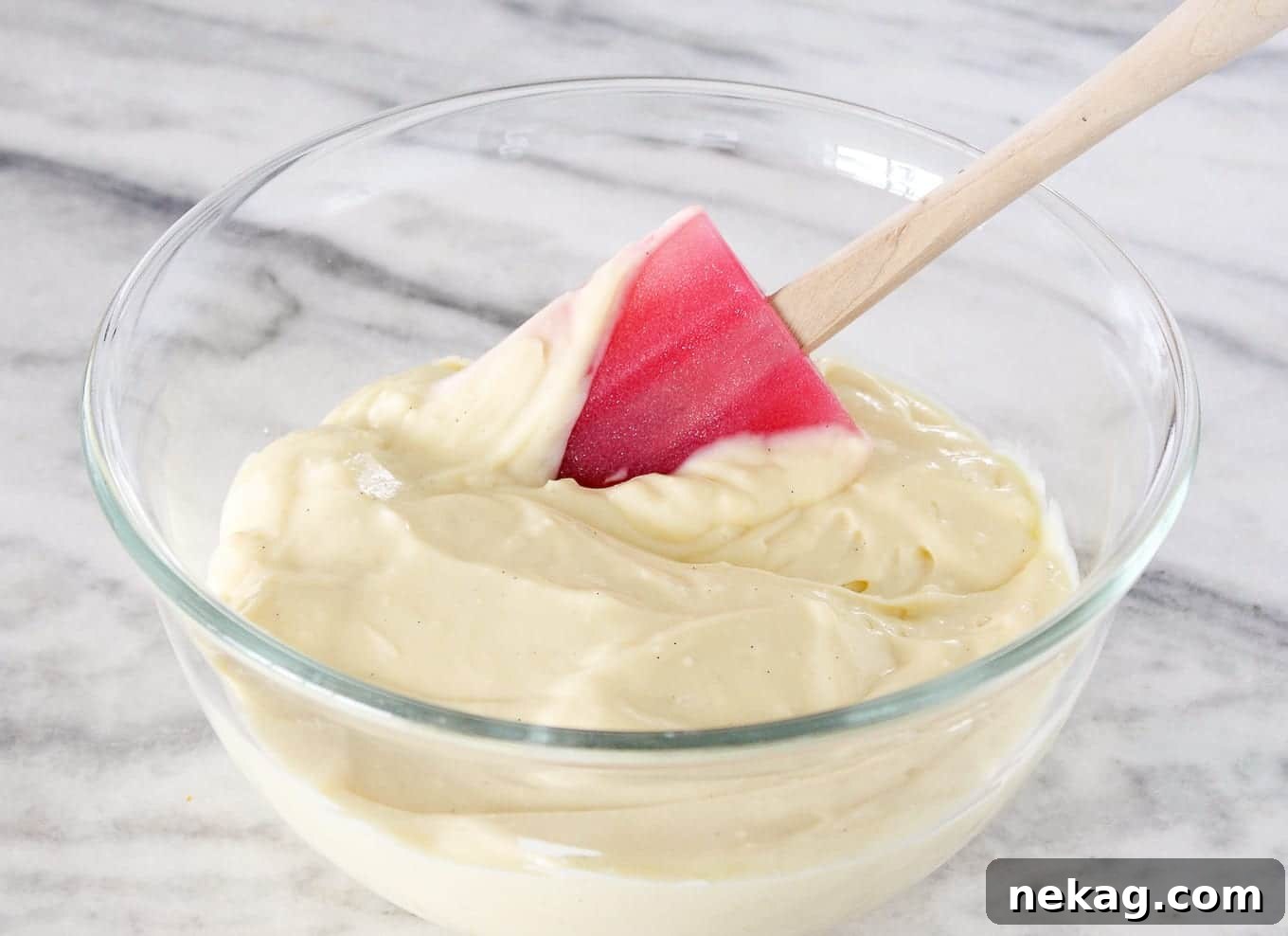
Step 2: Beat the pastry cream on medium-high speed until it becomes completely smooth, silky, and pliable. The goal is to break down its firm texture into a luscious cream that’s easy to pipe or spread. Be careful not to over-beat it, as excessive agitation can cause the cornstarch to lose some of its structural integrity, potentially leading to a looser, less stable filling.
Chef Lindsey’s Expert Storage Tip
When storing prepared pastry cream, always aim to keep it flat in a shallow container or on a baking sheet. Placing it in a deep bowl, pastry bag, or ball jar for extended storage can cause it to “sweat” or begin to separate due to uneven cooling and compaction. Keeping it flat significantly slows this process, prolonging its ideal texture and extending its shelf life in the refrigerator.
Frequently Asked Questions About Pastry Cream
To ensure optimal freshness and prevent a skin from forming, store your pastry cream flat on a baking sheet or in a shallow airtight container. Press plastic wrap directly onto the surface of the cream, ensuring no air is trapped. Refrigerate for up to 7 days. Storing it flat also helps maintain its consistency and prevents separation.
It is generally not recommended to freeze pastry cream. Upon defrosting, the starches, sugar, and eggs tend to separate, resulting in a grainy, watery, and unappealing texture. Unfortunately, reconditioning or whisking will not fix this separation once it occurs. It’s always best to prepare pastry cream fresh when possible.
Yes, this pastry cream recipe multiplies beautifully! As long as you have a sufficiently large pot and a sturdy bowl for the egg mixture, you can easily double or triple the batch. Just be aware that larger quantities will naturally take longer to come to a boil and thicken. Be prepared for a bit more whisking as the volume increases, but the effort is well worth it for a bigger batch.
While scaling down is technically possible, I generally wouldn’t recommend halving this recipe. Working with half an egg and half an egg yolk can be fiddly and lead to imprecise measurements. Moreover, smaller quantities of pastry cream are more prone to burning or developing lumps due to faster heating, and an eggy taste can become more pronounced. For best results and consistency, stick to the original recipe or scale it up.
For an effortlessly elegant dessert, create a lemon berry trifle! Lighten your vanilla bean pastry cream with a generous fold of homemade whipped cream to create a crème légère. Then, layer it with cubes of your favorite sour cream pound cake and an abundance of fresh, vibrant berries. It’s a delightful, impressive dessert that comes together with ease.
- Lumps: Lumps usually form from insufficient whisking during cooking or improper tempering. Whisk continuously and vigorously, scraping the bottom and sides of the pot. If lumps appear, remove from heat and whisk forcefully until smooth. You can always pass the finished cream through a fine-mesh sieve.
- Too Thin: This often means the cornstarch wasn’t fully activated. Ensure the pastry cream boils for a full minute to allow the starch to thicken properly. If it’s still too thin after chilling, gently reheat it and boil again, whisking constantly.
- Scorched Taste: This is caused by the milk sticking to the bottom of the pot. Use a heavy-bottomed pot, stir frequently during heating, and divide the sugar as instructed to prevent this.
- “Eggy” Flavor: Too many egg yolks or insufficient cooking can lead to an eggy taste. Ensure your ratios are correct and that the cream boils for the recommended minute to cook out the raw egg flavor.
If you tried this recipe and loved it, please leave a 🌟 star rating and let me know how it goes in the comments below. I love hearing from you; your comments make my day!
Vanilla Bean Pastry Cream (Crème Pâtissière)
by
Chef Lindsey
A professional pastry chef’s vanilla Pastry Cream Recipe. Crème Pâtissière is one of the most versatile recipes in the pastry box! Use it to fill tarts, cream puffs, éclairs and more!
30 mins
30 mins
16 people
Print Recipe
Ingredients
- 2 cups milk
- ½ vanilla bean seeded
- ½ cup sugar
- 1 whole egg
- 2 egg yolks
- ¼ cup cornstarch
Instructions
Making Pastry Cream:
- Scale the milk and the sugar into a medium pot.
- Split and scrape the seed from half a vanilla bean. Put the seeds in the milk mixture and whisk together.
- Heat the milk mixture on medium heat until it comes to a boil.
- While the milk is coming to a boil, whisk together the eggs and egg yolks to break up the proteins. Then Blanchir the eggs with cornstarch. This means whisking the cornstarch and eggs together to lighten them and give them more protection for the tempering process.
- Once the milk has come to a boil, time to temper it into the eggs. Slowly pour the hot milk mixture into the blanched eggs while you continue to whisk the eggs. I prefer to pour all the milk into the eggs to ensure they are adequately tempered.
- Pour the mixture back into the pot. Continue to cook on medium-low heat and whisk, ensuring you touch the bottom of the pan at all times and scraping the edges to prevent burning and clumping.
- Cook the pastry cream until it has thickened and starts to boil. Once it starts to boil, set a timer or watch the clock for 1 minute and continue to whisk. It needs to boil for one minute to properly activate the cornstarch and to cook out the starch flavor and mouthfeel.
- Pour the pastry cream onto a plastic-lined sheet tray or baking dish. Cover with plastic wrap, poke a few holes, and cool completely in the refrigerator.
How to Prepare Pastry Cream for Use:
- Before you use pastry cream, you need to “refresh it” or “condition” it. This means beating it so that it becomes smooth and silky. This will not remove lumps, but it will create a more pleasant product to eat and work with.
- Place the desired amount of pastry cream in a stand mixer fitted with the paddle attachment. Beat on medium-high speed until smooth. You don’t want to beat it too long, or the cornstarch will lose some of its hold. This can lead to loose, unruly fillings.
Video Tutorial
Notes
Yield: ~2.5 cups
Flavor Tips: If you don’t have vanilla beans on hand, you could use vanilla extract or vanilla bean paste. I suggest Nielsen-Massey for the substitution; I believe they have the best flavor.
Variations: Infuse your milk ahead of time with toasted almonds and add a little bit of almond extract to the blanched eggs for a delightful almond pastry cream.
Storage: Store the pastry cream flat on a plastic-lined baking sheet, covered with plastic wrap, in the refrigerator for up to 7 days.
Nutrition Information (per serving)
Calories: 71kcal | Carbohydrates: 12g | Protein: 2g | Fat: 2g | Saturated Fat: 1g | Polyunsaturated Fat: 1g | Monounsaturated Fat: 1g | Trans Fat: 1g | Cholesterol: 38mg | Sodium: 17mg | Potassium: 51mg | Fiber: 1g | Sugar: 9g | Vitamin A: 95IU | Calcium: 41mg | Iron: 1mg
Breakfast, Dessert
French
71
Before You Go
We hope you thoroughly enjoyed this professional chef-tested recipe for Vanilla Bean Pastry Cream. Mastering crème pâtissière opens up a world of delightful dessert possibilities. We encourage you to explore our other delicious, chef-developed custard recipes, or perhaps challenge yourself by using this exquisite pastry cream to fill inverse puff pastry for an truly impressive treat!