

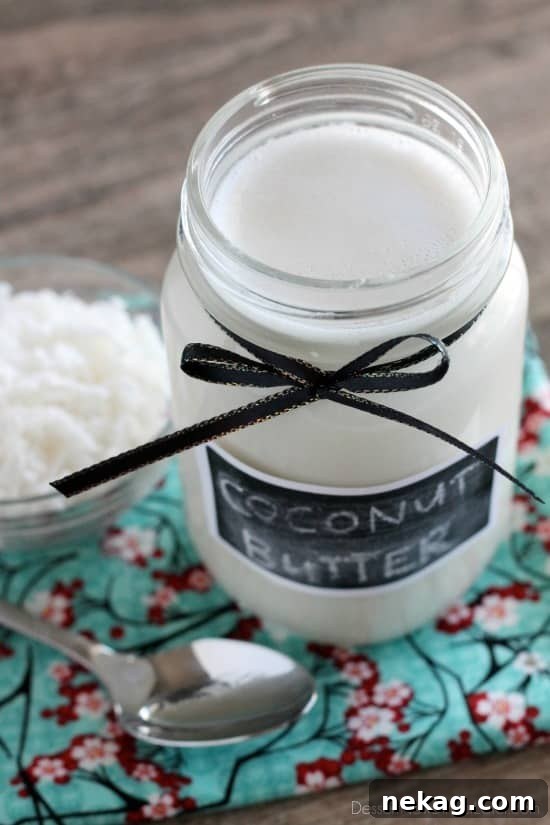
Homemade Coconut Butter offers a delightful and nutritious alternative to its store-bought counterparts, transforming simple unsweetened shredded coconut into a velvety, versatile paste. Far more than just a spread, this superfood can elevate your culinary creations, from enriching baked goods and smoothies to being a wholesome topping for toast, fruits, or even dark chocolate. Its healthy fats and natural goodness make it an invaluable addition to any health-conscious kitchen. And the best part? Crafting it yourself is surprisingly simple and incredibly cost-effective.
This post is proudly created using insights from my experience with a Blendtec blender, which was provided for review purposes. All opinions expressed and content shared are 100% my own, reflecting my genuine culinary journey.
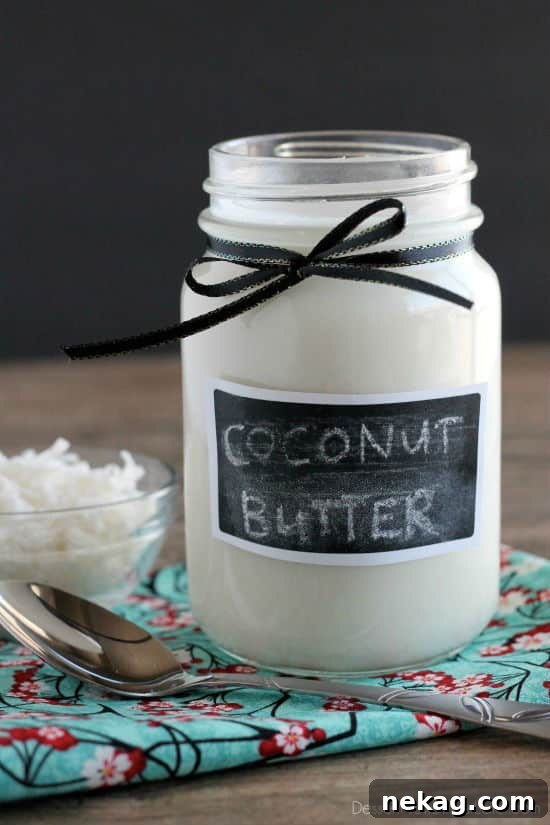
Discover the Magic of DIY Coconut Butter: Healthy, Affordable, and Delicious
Embarking on a journey towards healthier eating doesn’t have to be daunting or expensive. Often, the processed foods lining grocery store shelves are packed with hidden sugars, unhealthy oils, and artificial ingredients that can derail even the best intentions. My own exploration into wholesome foods has been a gradual process, but one that consistently yields rewarding results. Today’s recipe for homemade coconut butter is a perfect example of how small steps can lead to significant improvements in your diet and overall well-being.
My motivation for making coconut butter stemmed from a specific need for a recipe I was developing (which you’ll see soon!). When I checked the price of coconut butter at a local health store, I was taken aback. A small jar, containing perhaps a single cup, was priced at a steep $13. While I appreciate organic and high-quality ingredients, such prices can quickly make a healthy lifestyle feel inaccessible for many. This sticker shock prompted me to investigate if I could create this creamy delight at home. The discovery was revolutionary: I could make approximately two cups of fresh, delicious coconut butter for just over $3 – a mere fraction of the store-bought cost! This significant saving immediately convinced me that homemade was the way to go.
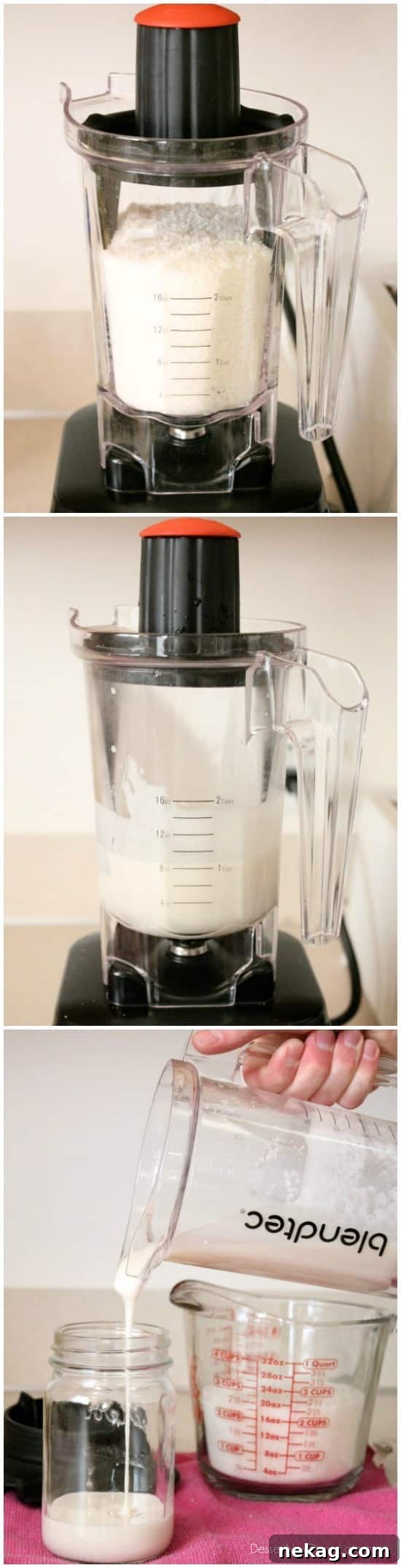
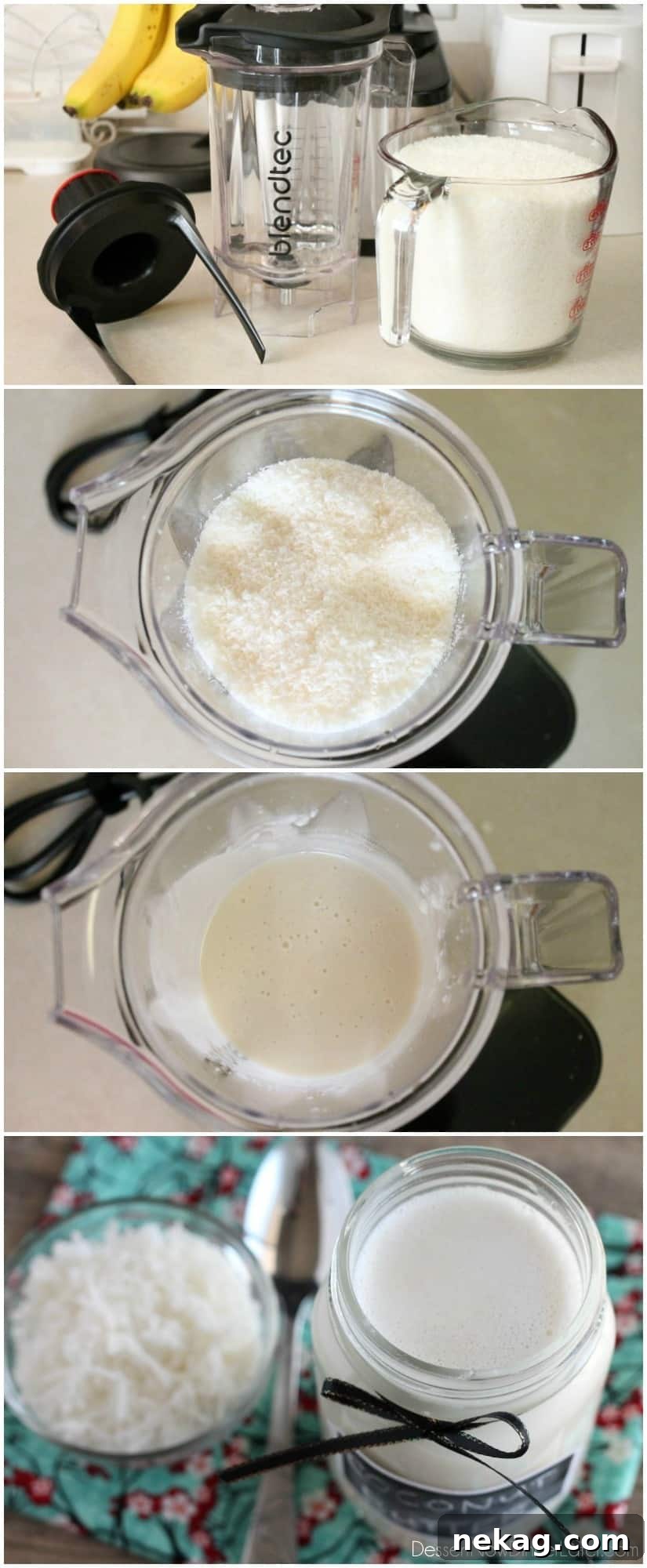
Thanks to the power of my Blendtec blender and its specialized Twister Jar, the unsweetened shredded coconut transformed into a smooth, liquid paste in an astonishing 45 seconds. The resulting texture was absolutely silky, with no trace of lumps – a testament to the efficiency of a high-speed blender in unlocking the natural oils of the coconut.
Understanding Your Ingredients: Unsweetened Shredded Coconut is Key
For those new to homemade coconut butter, understanding the right ingredient is crucial. The unsweetened shredded coconut I used for this recipe was sourced from the bulk section at Winco Foods, costing just over $3 per pound. This type of coconut is markedly different from the sweetened coconut flakes commonly used in baking. Unsweetened shredded coconut, often referred to as desiccated coconut, has a much lighter, finer texture and, as its name suggests, contains no added sugar. While it isn’t sweet, its rich, distinct coconut flavor shines through beautifully. I can’t confirm if the Winco product is organic, but its affordability made it an ideal choice for this budget-friendly project.
If buying in bulk isn’t an option, unsweetened shredded coconut is also readily available on Amazon, often at a more reasonable price than specialty health food stores, though perhaps not as inexpensive as my Winco find. One standard bag typically contains just over four cups, and this recipe calls for five cups. Depending on your confidence in loving homemade coconut butter, you might opt for a single bag to try it out or stock up if you’re already a fan.
What is Coconut Butter, Anyway?
At its core, coconut butter is simply the pureed flesh of the coconut. Similar to how various nuts are processed into nut butters, the shredding and blending action releases the natural oils present in the coconut meat. This process transforms the dry, fibrous coconut into a smooth, creamy, and spreadable paste. Unlike coconut oil, which is solely the oil extracted from the coconut, coconut butter contains all parts of the coconut flesh, including the fiber, protein, and other nutrients, making it a more complete and nutrient-dense food.
Its consistency and application are very similar to nut butters, making it an excellent spread for toast, a delightful addition to baked goods, or a quick, satisfying snack straight from the spoon. One unique characteristic of coconut butter is its behavior at different temperatures: it naturally gets solid at room temperature due to its high saturated fat content. This means you’ll want to store it in a container that allows for easy scooping or, more often, gentle warming to achieve that desirable soft, spreadable texture.
Unlocking the Health Benefits of Coconut Butter
Beyond its incredible taste and versatility, homemade coconut butter is a nutritional powerhouse. It’s packed with healthy fats, primarily medium-chain triglycerides (MCTs). MCTs are unique because they are metabolized differently from other fats; instead of being stored, they are quickly converted into energy by the liver, making them a fantastic fuel source for both body and brain. This can lead to increased energy levels, improved focus, and even support in weight management by promoting satiety and boosting metabolism.
Coconut butter also contains lauric acid, a powerful fatty acid known for its antimicrobial and antiviral properties, which can help support a healthy immune system. Furthermore, being made from whole coconut flesh, it retains dietary fiber, which is crucial for digestive health and maintaining stable blood sugar levels. For those following specific diets, homemade coconut butter is naturally vegan, paleo, and keto-friendly, making it a valuable staple for a wide range of dietary needs.
I am absolutely thrilled to continue discovering more ways to incorporate this homemade superfood into my daily routine! Have you tried making or using coconut butter? What are your favorite applications? Share your experiences and creative ideas in the comments below!
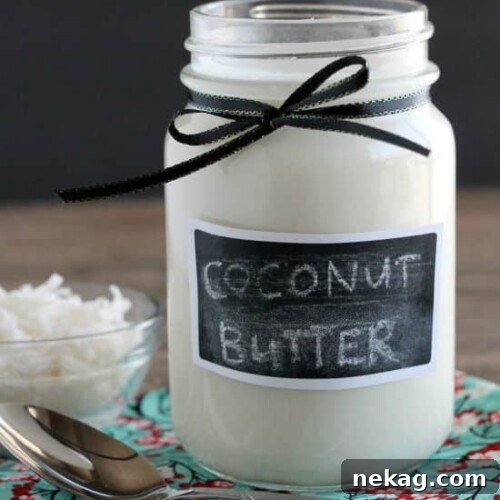
Homemade Coconut Butter
Pin
Rate
SaveSaved!
Ingredients
- 5 cups unsweetened shredded coconut, (also known as desiccated coconut)
Instructions
-
For best results, use a high-speed blender like a Blendtec with a Twister Jar. Add 2 ½ cups of unsweetened shredded coconut at a time to the blender. Begin blending on a medium-high speed. If using a Twister Jar, continuously twist the lid counter-clockwise to push the coconut down towards the blades. If using a standard high-speed blender, stop periodically to scrape down the sides with a tamper or spatula. Continue blending until the coconut fully liquifies into a smooth, creamy paste. This typically takes about 45 seconds to a few minutes, depending on your blender’s power. (The “ice cream” button on a Blendtec often works well for this).
-
Once blended, carefully pour the fresh coconut butter into an airtight, microwave-safe container for storage. As it cools to room temperature, the coconut butter will naturally solidify. Store it in a cool, dry place – refrigeration is not necessary.
-
To Use: When ready to enjoy, scoop out the desired amount of solidified coconut butter. Gently heat it in the microwave in 30-second intervals (ensure no metal lids or containers!) until it softens to a smooth, spreadable consistency. The warming time may vary depending on the initial temperature and amount of coconut butter. Stir well after heating.
Nutrition
Disclaimer: Nutritional values were calculated using a third-party tool and are provided as an estimation only.
Sharing this recipe with a link is both encouraged and appreciated. Copying/pasting and/or screenshots of full recipes to any social media is strictly prohibited. Content and photographs are copyright protected.
Did you make this?
Don’t forget to leave a rating below and make sure to follow on Pinterest and Instagram for more!