
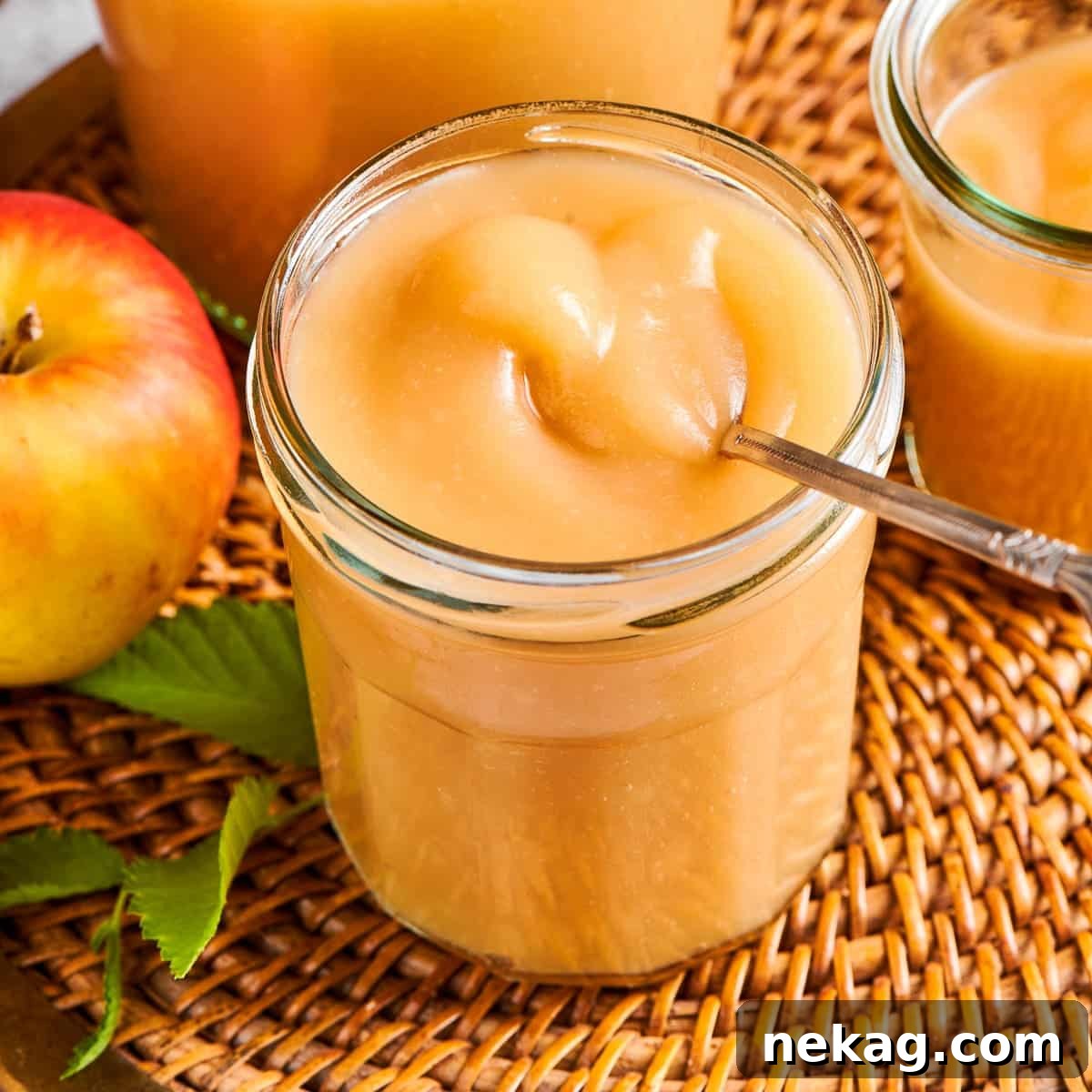
The Ultimate Homemade Applesauce Recipe: Simple, Delicious, and Versatile
Unleash the natural sweetness and vibrant flavor of fresh apples with this incredibly simple homemade applesauce recipe. Requiring only two core ingredients and a thoughtful selection of apples, this recipe empowers you to create the most delicious applesauce you’ve ever tasted. Whether you prefer it chunky or silky smooth, in small batches or large quantities for preserving, this guide offers all the professional tips and adaptable instructions you need. We’ll even show you how to effortlessly transform it into a warming cinnamon applesauce!
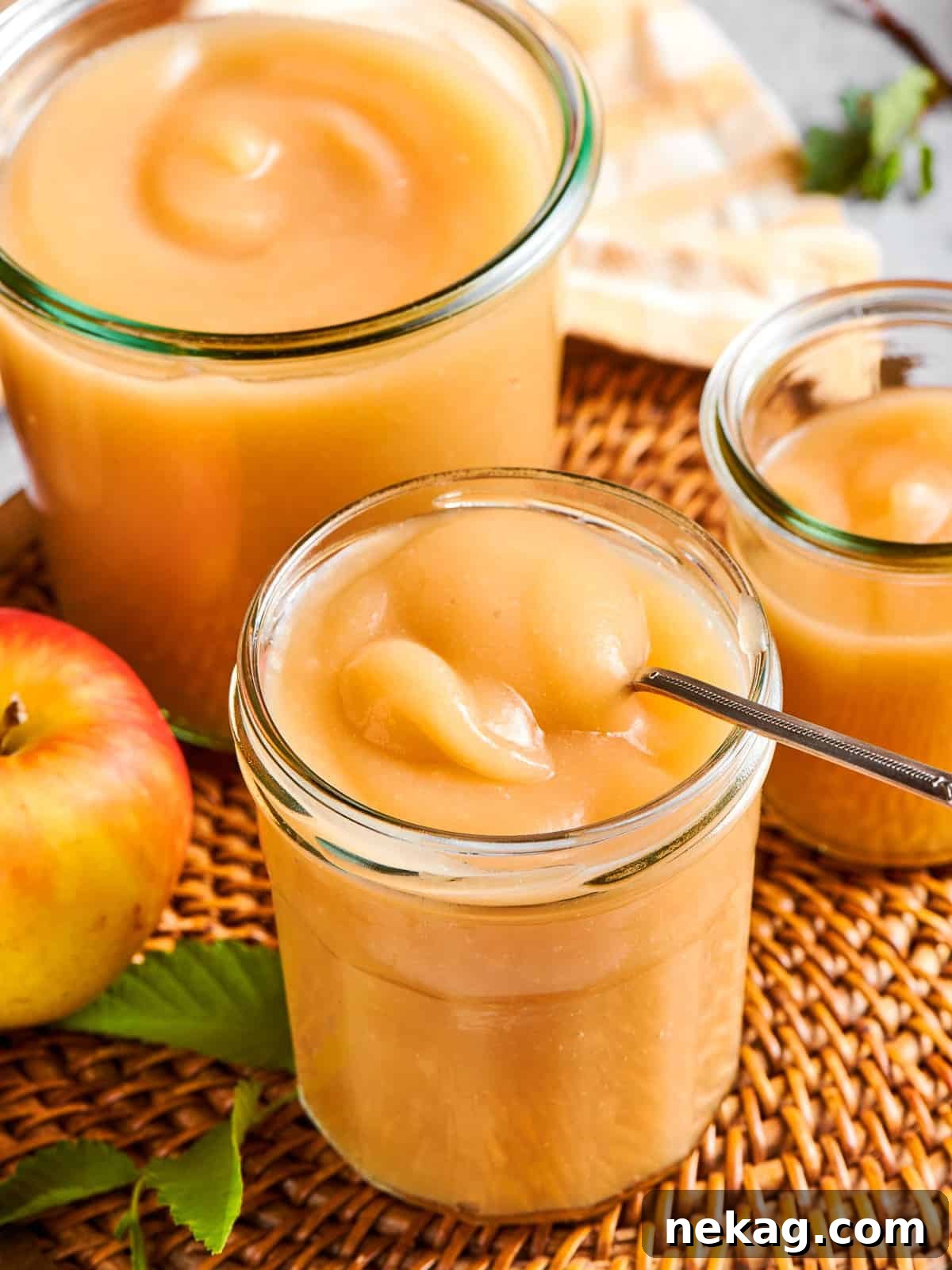
At its heart, applesauce is a celebration of autumn’s bounty, so straightforward that it barely needs a recipe. The secret to truly exceptional flavor lies almost entirely in the quality and variety of apples you choose. My annual tradition involves preparing homemade applesauce and my grandmother’s beloved Jewish apple cake after a joyous apple picking adventure. This ensures the most concentrated flavor, a naturally thicker consistency, and a wonderful complexity that comes from a blend of apple varieties.
Why This Is the Best Homemade Applesauce Recipe
Forget bland, overly sweet store-bought versions. Our homemade applesauce stands out for several compelling reasons:
- Naturally Sweetened & Unrivaled Flavor: This recipe focuses on the inherent sweetness and tartness of the apples themselves, resulting in a naturally delicious product far superior to anything from a jar. You control the ingredients, ensuring no artificial flavors or excessive sugars.
- Professional Insights for Perfection: Drawing from years of culinary experience, I’ve refined this seemingly simple recipe to perfection. I’ll share all my expert tips and tricks, guiding you through the methodology to achieve consistently delightful results, whether you’re a novice or an experienced cook.
- Clear, Step-by-Step Guidance with Visuals: We provide easy-to-follow instructions, complete with illustrative photos, making the process smooth and enjoyable. Learn helpful adaptations for varying textures and effective troubleshooting for common issues, ensuring your applesauce is always a success.
Table of Contents
- Why This Is the Best Homemade Applesauce Recipe
- What Are the Best Apples for Homemade Applesauce?
- Beyond the Spoon: Creative Ways to Use Homemade Applesauce
- Professional Tips for Crafting the Perfect Homemade Applesauce
- How to Make Simple Homemade Applesauce: A Step-by-Step Guide
- How to Make Aromatic Cinnamon Applesauce
- Homemade Applesauce Recipe FAQs
- Delicious Recommended Apple Recipes
- The Best Homemade Applesauce Recipe Card
- Before You Go: More Apple Inspiration
What Are the Best Apples for Homemade Applesauce?
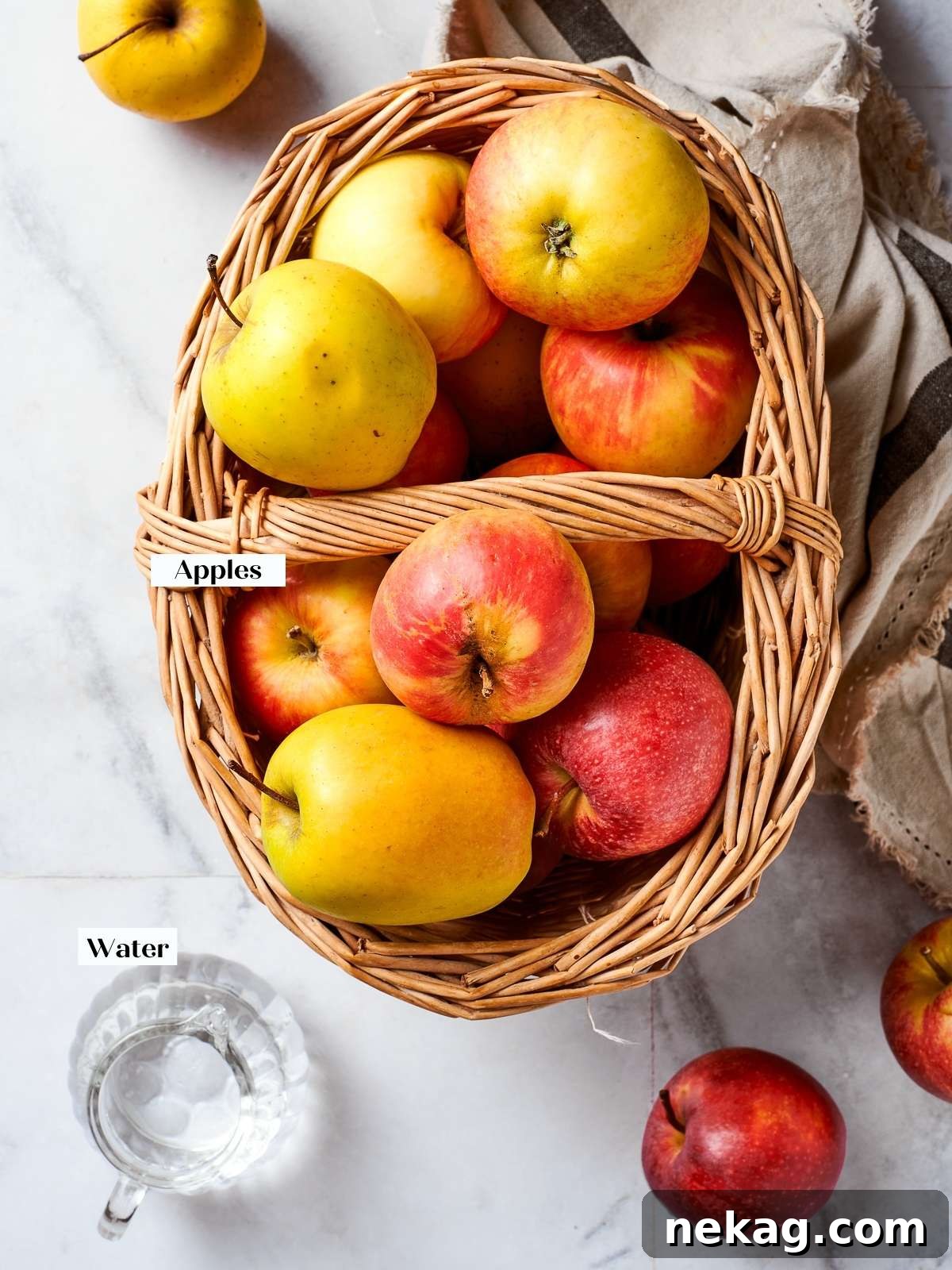
Since this recipe relies on only two ingredients—apples and water—the choice of apples is paramount to achieving a truly remarkable flavor and texture. The right combination will deliver a balanced sweet-tart profile and a consistency that’s neither too watery nor too stiff.
The Ideal Apple Blend for Superior Flavor
For the ultimate homemade applesauce, I highly recommend using a blend of at least five different apple varieties. Aim for a ratio that leans towards sweetness with a touch of tartness for complexity:
- Sweet & Crisp Apples (Approx. 3 parts): These varieties will form the sweet base of your applesauce. Look for apples like Honeycrisp, Macoun, Golden Delicious, Gala, Fuji, Cosmic Crisp, Mutsu, or Jonagold. Their natural sugars will provide depth, and their crisp texture ensures they break down beautifully during cooking.
- Tart & Crisp Apples (Approx. 1 part): Incorporating 2-3 varieties of tart apples adds a bright, tangy counterpoint that prevents the applesauce from being overly saccharine. Excellent choices include Pink Lady (Cripps Pink), Braeburn, Cortland, Envy, or Empire. These contribute a lively acidity and firm texture.
While some recipes suggest Granny Smith apples for tartness, I typically avoid them as their tartness can be overwhelming without sufficient balancing sweetness. Similarly, I steer clear of Red Delicious and McIntosh apples. Red Delicious often have a mealy, unpleasant texture once cooked, and McIntosh can become mushy too quickly, leading to a less appealing final product. The key is to select apples that are crisp and flavorful, whether sweet or tart, as these will yield the best results.
Beyond the Spoon: Creative Ways to Use Homemade Applesauce
While a simple spoonful of homemade applesauce is a delight, its versatility extends far beyond mere snacking. Think of it as a natural sweetener, a healthy fat substitute, and a powerful flavor enhancer in a myriad of dishes.
- As a Healthy Oil or Butter Substitute: Applesauce can be a fantastic, healthier alternative to oil or butter in many baked goods, especially quick bread recipes. Consider using it in apple bread, healthy pumpkin muffins, or banana bran muffins. Be mindful that replacing fat entirely might result in a slightly less moist pastry and increases the risk of overbaking, so adjust baking times accordingly. However, the health benefits are undeniable!
- Elevate Apple-Flavored Desserts: Boost the apple essence and add moisture to your favorite treats. My applesauce cake already uses 1 ½ cups for a rich, spiced apple flavor. You can also stir a generous amount into the fresh apple mixture for dishes like easy apple crisp, apple cobbler, or even mini apple pies. Adding up to ¼ cup to an easy apple compote can lead to even juicier apple hand pies or exceptionally moist apple cinnamon rolls.
- Quick & Easy Apple Butter Shortcut: While I have a dedicated recipe for the best apple butter (which starts with caramelizing sugar for deep flavor), homemade applesauce can significantly speed up the process. Substitute applesauce for pumpkin puree and half the apple cider in a pumpkin butter recipe to create a delicious 15-minute apple butter that’s perfect for toast or pancakes.
- A Natural Sweetener for Healthier Breakfasts & Snacks: As a busy cook and a parent, I’m always seeking ways to incorporate healthy options into daily meals. Stir applesauce into plain yogurt for a nutritious breakfast, or freeze it into bars for a refreshing toddler snack. Combine it with apple pie spice in your morning oatmeal or use it to prepare delightful apple pie overnight oats. It’s the sole sweetener in these wholesome apple crisp energy bites and can replace pumpkin puree in gluten-free pumpkin bars for an equally delicious autumn treat.
Professional Tips for Crafting the Perfect Homemade Applesauce
Achieving outstanding homemade applesauce is incredibly simple, but a few professional insights can elevate your results from good to exceptional:
- Control Water Content Carefully: Begin with just the suggested amount of water and add more gradually only if needed. Different apple varieties have varying moisture levels; apples picked later in the season or those that have been stored longer tend to be more watery and less flavorful than early fall harvests. Always err on the side of less water initially, as you can always add more, but it’s harder to remove excess moisture.
- Embrace a Variety of Apples: While precise measurements aren’t critical for the apple ratio, aiming for approximately a 3:1 ratio of sweet apples to tart varieties provides the most balanced and complex flavor profile. Don’t be afraid to experiment with different combinations based on what’s available and fresh. Refer to the section above for detailed guidance on specific varietals to choose.
- Don’t Obsess Over Exact Apple Weight Post-Prep: You might weigh your apples at the store or farmer’s market, then peel, core, and quarter them. Don’t stress if the weight changes slightly after preparation. Simply load them into your pot. The beauty of this recipe is its forgiving nature; your applesauce will still turn out perfectly delicious. A kitchen scale is useful for initial measurement but not for post-prep precision.
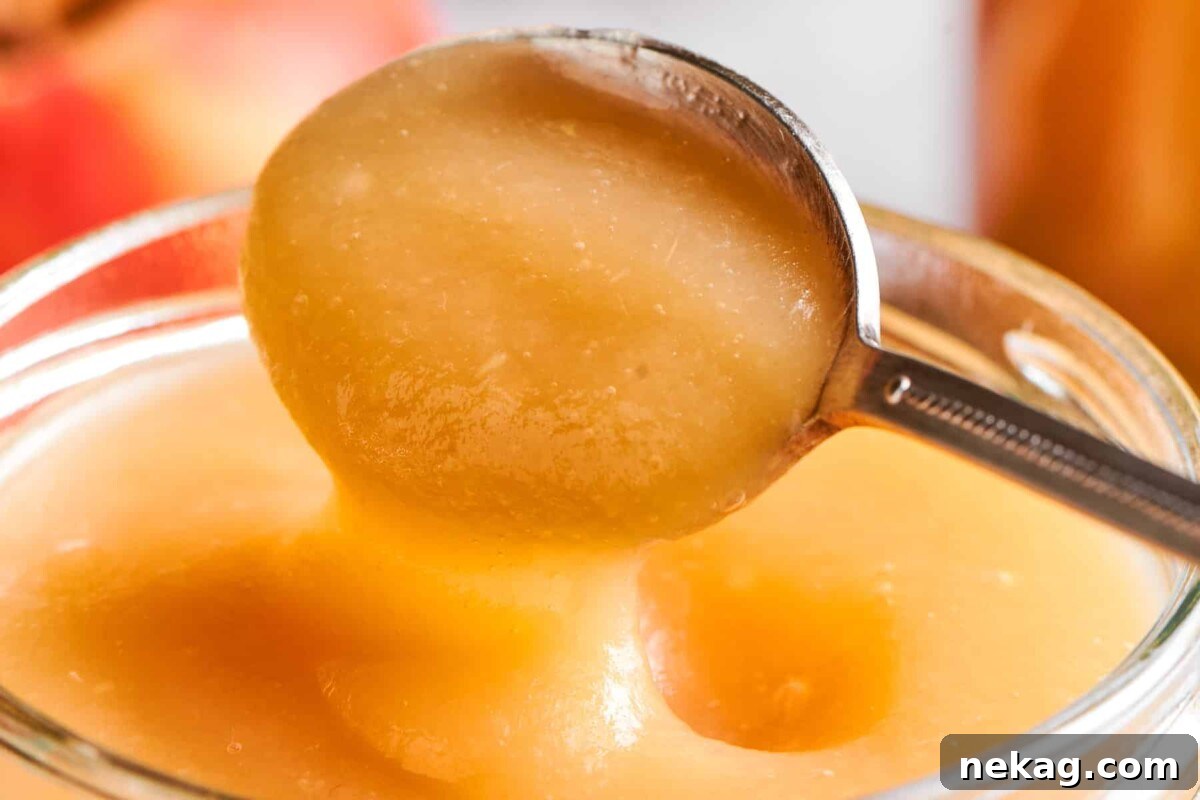
- Mash While Hot for Optimal Texture and Flavor: The secret to truly smooth and flavorful applesauce is to mash or puree it while it’s still hot. I often use a wooden spoon to break down the apples as they cook, even if I don’t have a potato masher handy. For a silky texture, an immersion blender used directly in the hot pot works wonders. Mashing or pureeing at this stage helps release more of the apples’ natural flavors, allowing them to meld and deepen during the final stages of cooking.
- Adjust Consistency to Your Preference: Some prefer a chunky applesauce, while others crave a super smooth puree. This recipe is adaptable! For chunky, simply mash with a potato masher or fork. For smooth, use an immersion blender or carefully transfer batches to a regular blender (remembering to vent steam if using a closed blender).
How to Make Simple Homemade Applesauce: A Step-by-Step Guide
Follow these straightforward instructions to create a delicious, simple applesauce using just two primary ingredients. Detailed measurements are provided in the recipe card below.
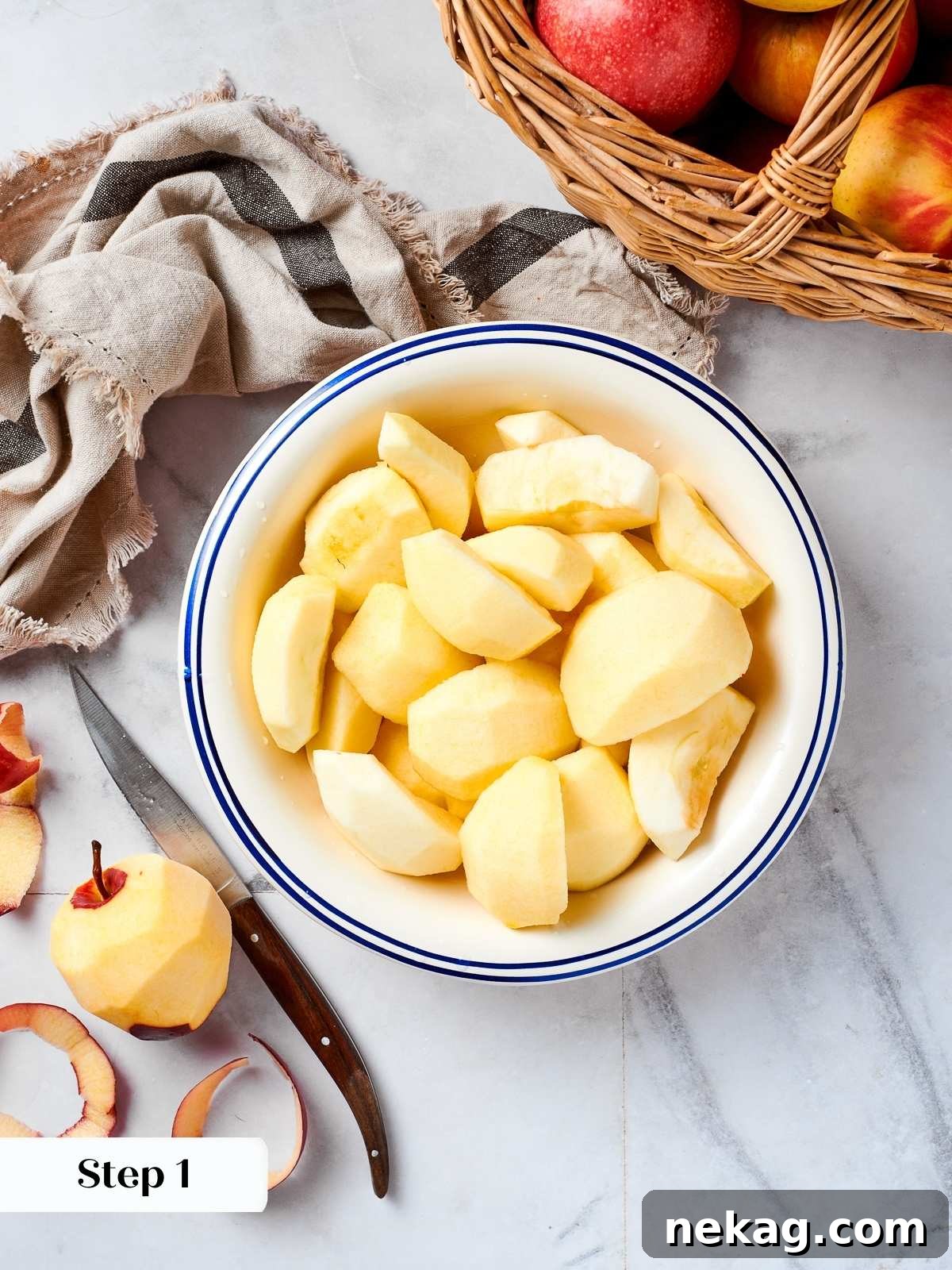
- Step 1: Prepare the Apples. Begin by thoroughly washing your chosen apples. Then, peel, quarter, and core each apple. I typically leave my apples in quarters, but if you’re using a smaller pot, feel free to cut them into smaller chunks to ensure they fit snugly and cook evenly (Photo 1).
- Step 2: Load into the Pot. Transfer all the prepared apples into a large saucepot or a Dutch oven. Ensure your pot has a capacity of at least 7 ¼ quarts and is equipped with a tight-fitting lid. When you first add the apples, they might mound up slightly; simply press them down gently with the lid to get it to fit.
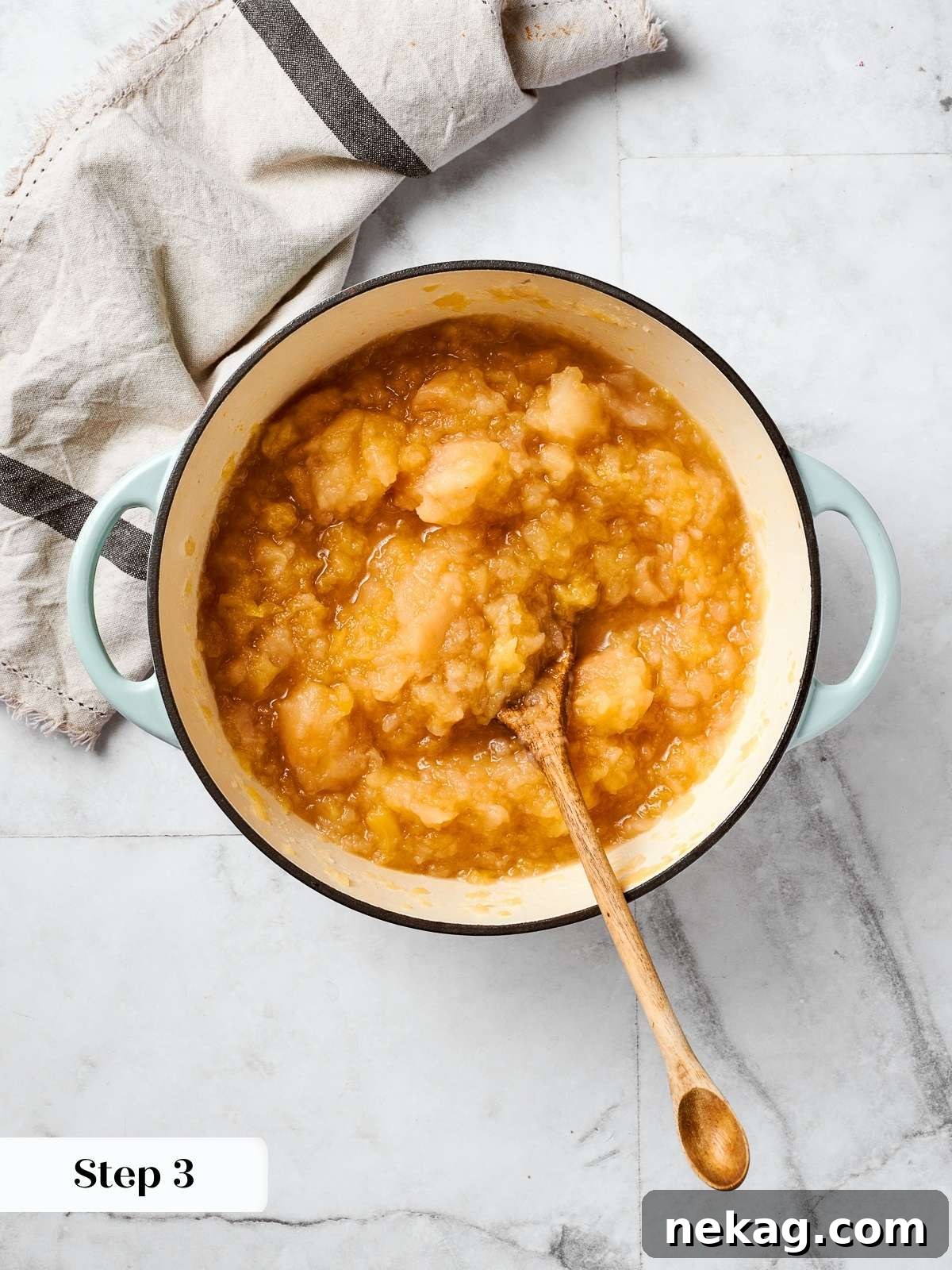
- Step 3: Add Water and Cook. Pour 1 ½ cups of water over the apples in the pot. Place the pot on the stovetop and bring the mixture to a gentle boil over medium-low heat. Once boiling, reduce the heat slightly, cover the pot tightly with the lid, and continue cooking for approximately 2 to 2 ½ hours. Remember to stir the apples occasionally, about every 30-45 minutes, to prevent sticking and ensure even cooking (Photo 2).
- Step 4: Soften and Reduce Heat. You’ll notice the apples naturally beginning to break down as they cook. After about 30-45 minutes, when they have visibly softened, reduce the heat to low. Stirring will further assist in breaking them apart, or you can use a potato masher for a chunkier texture. During this long cooking process, keep an eye on the water level. If the applesauce starts to stick to the bottom of the pot, first try reducing the heat to the absolute lowest setting. If sticking persists, add a small amount of water, about ¼ cup at a time, until the sticking stops.
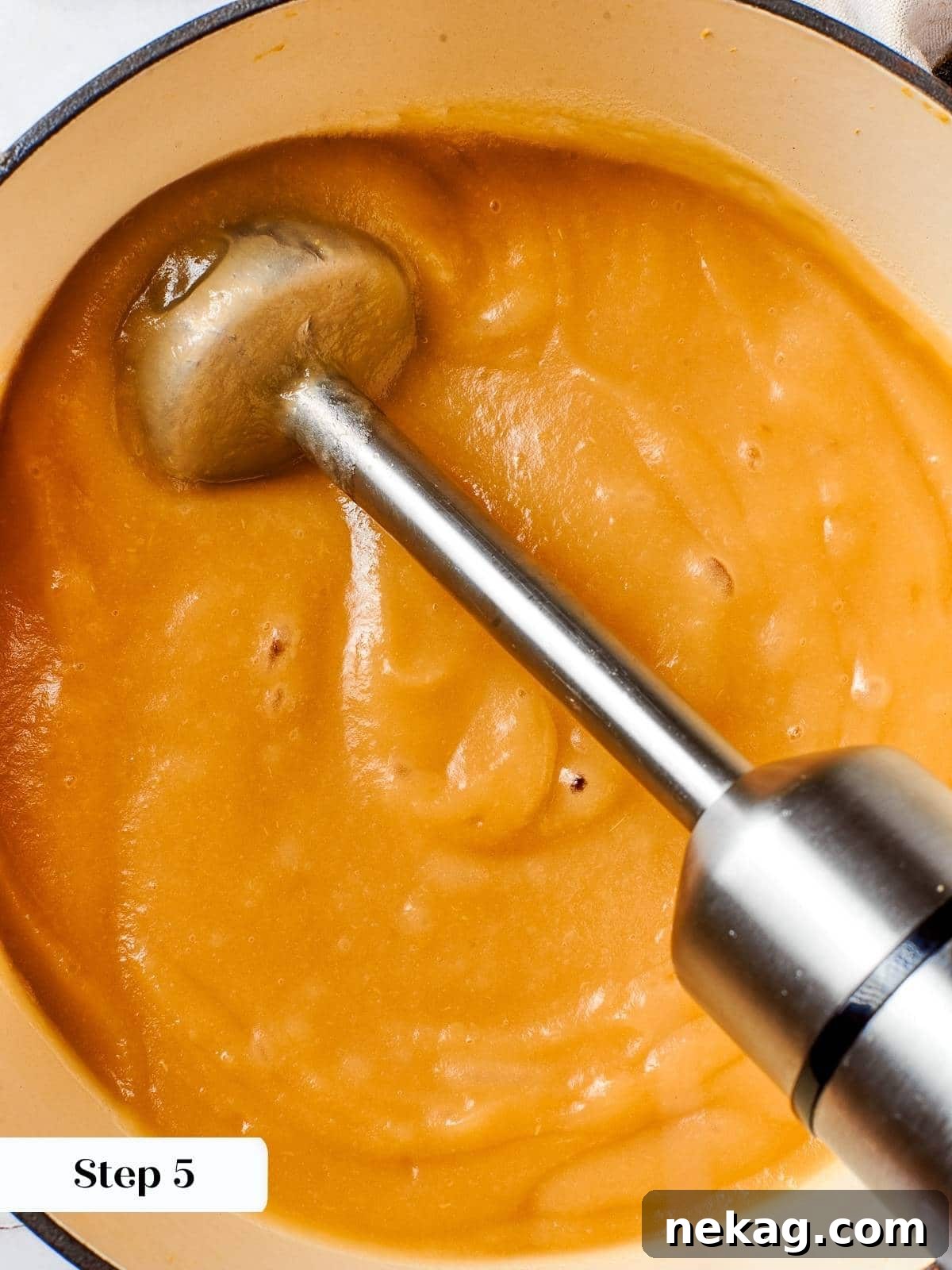
- Step 5: Achieve Desired Texture. At this point, your applesauce is technically cooked through and ready. However, for those who prefer a luxurious, super-smooth and silky texture, I recommend blending it. Carefully use an immersion blender directly in the hot cooking pot until you reach your desired consistency. Exercise caution to avoid splashes (Photo 3). Alternatively, you can transfer the cooked applesauce in batches to a standard blender or food processor. If using a regular blender, remember to remove the feeder cover and cover the opening with a kitchen towel to allow steam to escape, preventing pressure buildup. For a chunky applesauce, simply use a potato masher or leave as is after the apples have broken down.
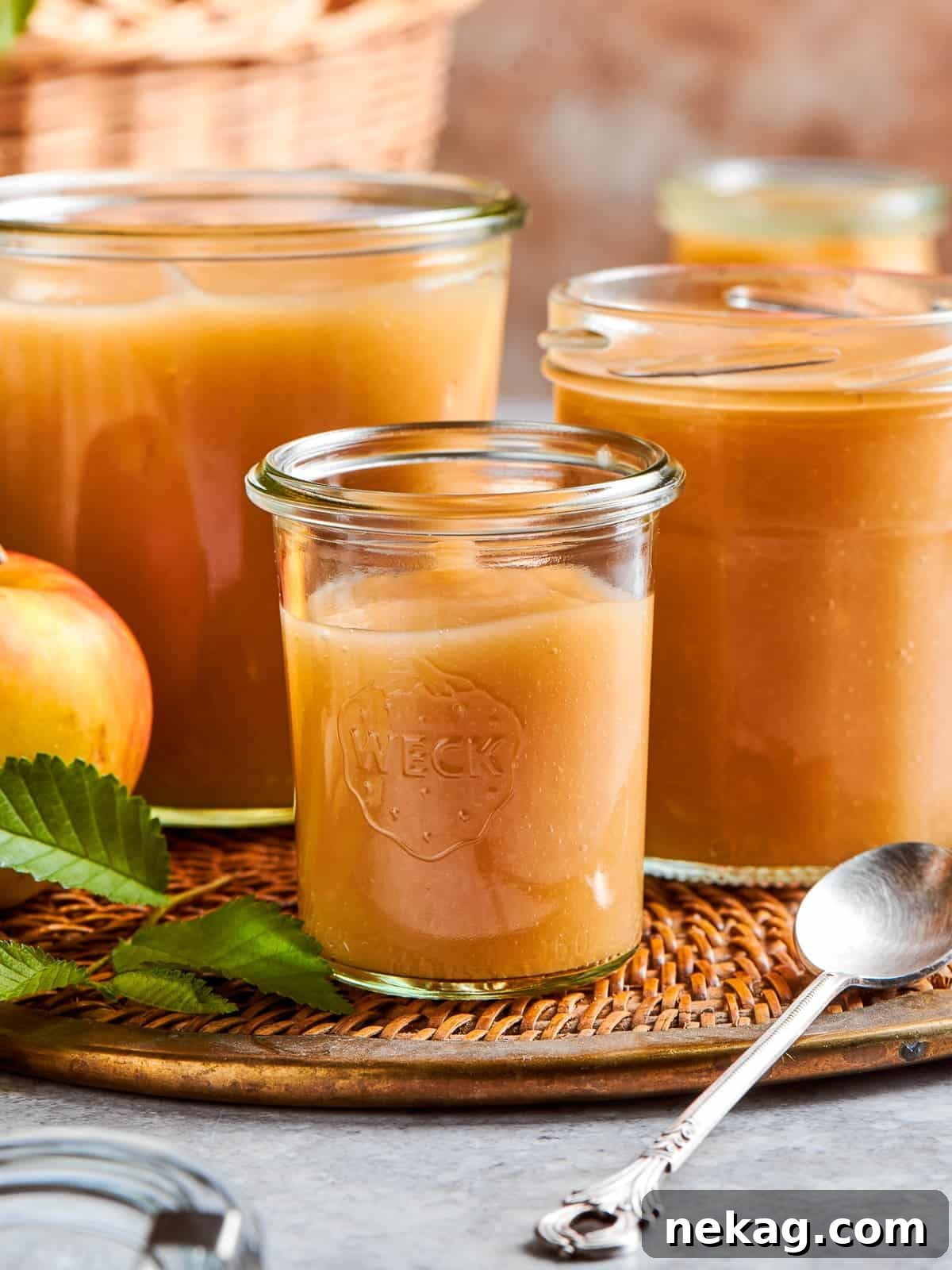
- Step 6: Cool and Store. Allow the freshly made applesauce to cool completely to room temperature. Once cooled, transfer it into clean, sanitized, airtight containers such as quart containers, mason jars, or other food-safe storage. It will keep beautifully in the refrigerator for up to 1 month, or you can freeze it for up to a year (Photo 4).
How to Make Aromatic Cinnamon Applesauce
To infuse your homemade applesauce with the comforting warmth of cinnamon, simply add 2 tablespoons of ground cinnamon and an additional ½ cup of water to the pot during Step 3, after the initial softening. Stir these ingredients in and continue cooking over low heat for another 30 minutes, allowing the flavors to meld beautifully. After about 15 minutes, taste and adjust the cinnamon quantity to your personal preference for a perfectly spiced applesauce.
Homemade Applesauce Recipe FAQs
Whether or not to peel apples before making applesauce is entirely a matter of personal preference. I choose to peel mine because I dislike the texture of small bits of apple skin in my otherwise smooth applesauce. Conversely, my mother never peels hers and loves the rustic quality and added fiber. It’s your kitchen, your choice! If you opt to leave the peels on, ensure you wash the apples very thoroughly.
Homemade applesauce has a relatively good shelf life when stored properly. It will last approximately 1 month in the refrigerator. For longer storage, it can be frozen for up to a year. The most common reason for spoilage is contamination of the container through improper handling, such as using an unwashed spoon, finger, or spatula. Always use clean utensils and ensure containers are sanitized. Always inspect your applesauce for any signs of spoilage, such as visible mold, an off smell, or an accumulation of air pushing the lid outwards, which can indicate fermentation.
Proper storage is crucial for preserving the freshness and quality of your homemade applesauce. Once the applesauce has cooled completely to room temperature, transfer it into clean, sanitized, airtight containers. Glass mason jars, high-quality plastic quart containers, or other sealed Tupperware are excellent options. Store these in the refrigerator for up to a month. For extended storage, freeze the applesauce in freezer-safe containers for up to a year. The consistency of your freezer (e.g., a consistent temperature chest freezer versus a frequently opened kitchen freezer) can affect how long it maintains peak quality.
If, despite your best efforts, your applesauce turns out runnier than desired, don’t despair! You can easily thicken it by simmering it uncovered on the stovetop. Allowing it to cook with the lid off will help some of the excess water evaporate. Another fantastic option, if you enjoy the flavor, is to add cinnamon. Ground cinnamon acts as an excellent natural thickener. Add a tablespoon or two, stir well, and watch the thickening magic happen as it simmers. Keep in mind that applesauce will also naturally thicken considerably as it cools, so factor this into your adjustments.
Ideally, by choosing a variety of apples as recommended, you’ll achieve a naturally balanced sweet-tart applesauce. However, if you find your finished applesauce is too sweet, you can easily balance it by adding a touch of acidity. A small amount of apple cider vinegar, fresh lemon juice, or even a pinch of citric acid can cut through the sweetness. If, on the other hand, it’s too tart and lacks sweetness, granulated sugar, brown sugar, or honey can be stirred in to taste. You could also enhance the overall flavor by adding a little vanilla extract.
Delicious Recommended Apple Recipes
Cake Recipes
Applesauce Cake
Homemade Gift Ideas
Easy Apple Compote
Fall Dessert Recipes
21 Best Apple Dessert Recipes
Easy Bake Sale Ideas
Apple Crisp Energy Bites
If you tried this recipe and loved it, please leave a ⭐ star rating and share your experience in the comments below. I genuinely love hearing from you; your comments truly make my day!
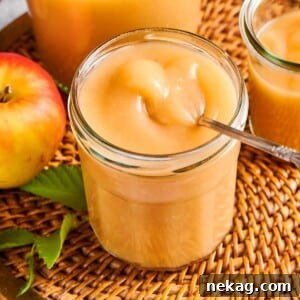
The Best Homemade Applesauce
Chef Lindsey
20 mins
2 hrs 15 mins
2 hrs 35 mins
12 cups
Comment
Print Recipe
Ingredients
- 8 pounds apples (about 4 lbs 9 oz peeled & cored)
- 1 ½ cups water
Cinnamon Variation:
- 2 tablespoons ground cinnamon (more to taste)
- ½ cup water
Instructions
-
Peel, quarter, and core apples. You can cut them smaller if needed to fit into a smaller pot.
-
Place apples in a saucepot or Dutch oven with a capacity of at least 7 ¼ quarts and a tight-fitting lid.
-
Pour 1 ½ cups water into the pot with the apples and bring to a boil over medium-low heat. Cover with the lid and continue cooking for 2- 2 ½ hours, stirring occasionally to prevent burning.
-
Once apples start to soften (usually after 30-45 minutes), reduce the heat to low.
-
The applesauce is done at this point. For a super smooth texture, blend with an immersion blender while hot in the cooking pot. Be careful not to splash yourself.
-
Cool completely and store in clean, sanitized, airtight containers in the refrigerator for up to 1 month or frozen for up to a year.
Notes
Flavor Tips: Use at least 5 different varieties of apples for the best flavor, whether store-bought or freshly picked!
Technique: Weigh apples initially at the store, then peel, core, and quarter before placing them in the pot. Precision isn’t crucial after initial prep.
Cinnamon Variation: Add an additional ½ cup water and 2 tablespoons ground cinnamon towards the end of cooking.
Storage: Store for up to a month in the refrigerator or frozen for a year.
Nutrition
Carbohydrates: 43g |
Protein: 1g |
Fat: 1g |
Saturated Fat: 0.1g |
Polyunsaturated Fat: 0.2g |
Monounsaturated Fat: 0.02g |
Sodium: 5mg |
Potassium: 329mg |
Fiber: 8g |
Sugar: 31g |
Vitamin A: 167IU |
Vitamin C: 14mg |
Calcium: 33mg |
Iron: 0.5mg
Condiments, Side Dish, Snack
American
161
Like this? Leave a comment below!
Before You Go: More Apple Inspiration
We hope you’ve thoroughly enjoyed this easy and rewarding homemade applesauce recipe. Don’t stop your apple culinary journey here! Feel free to explore our full collection of apple recipes, which include both sweet and savory dishes that celebrate this versatile fruit. Or, if you’re ready to dive headfirst into dessert, discover our handpicked list of the 21 Best Apple Dessert Recipes for even more delicious inspiration!