
Achieving a perfectly baked pie or tart crust is a hallmark of any great baker. One of the most fundamental yet often misunderstood techniques in pastry making is docking a pie crust. This seemingly simple step involves poking small holes in the dough before baking, and it’s backed by both scientific principles and years of culinary experience. As a professional pastry chef, I’m here to demystify docking, making it clear exactly how, when, and why you should incorporate this crucial step into your baking routine.
The question of “when to dock a pie crust” often receives the frustratingly accurate answer: “it depends.” And indeed, it truly does! The decision hinges on the type of crust, the filling you plan to use, and your desired final texture. This comprehensive guide applies universally to almost any pie or tart crust you might be working with, from sweet to savory.
Whether you’re crafting a classic flaky, all-butter pie crust, experimenting with a vodka pie crust for extra flakiness, or working with specialized doughs like sweet tart dough (pâte sucrée) or pâte sablée, the principles of docking remain consistent. These techniques are equally vital for pies and tarts of all shapes and sizes, from individual mini almond tart shells destined for decadent chocolate tarts, to large family-sized creations. Mastering this technique is a cornerstone of achieving professional-quality results in your home kitchen.
Table of Contents: Your Guide to Perfect Pie Crusts
- How to Dock a Pie Crust: The Technique
- Why Do You Dock a Pie Crust? The Science Explained
- When Should You Dock a Pie Crust?
- When Do You NOT Need to Dock a Pie Crust?
- Do I Need to Weight a Docked Crust for Blind Baking?
- Essential Tips for Flawless Pie Crusts
- Before You Go! Explore More Pie Recipes
How to Dock a Pie Crust: The Right Technique for a Flat Base
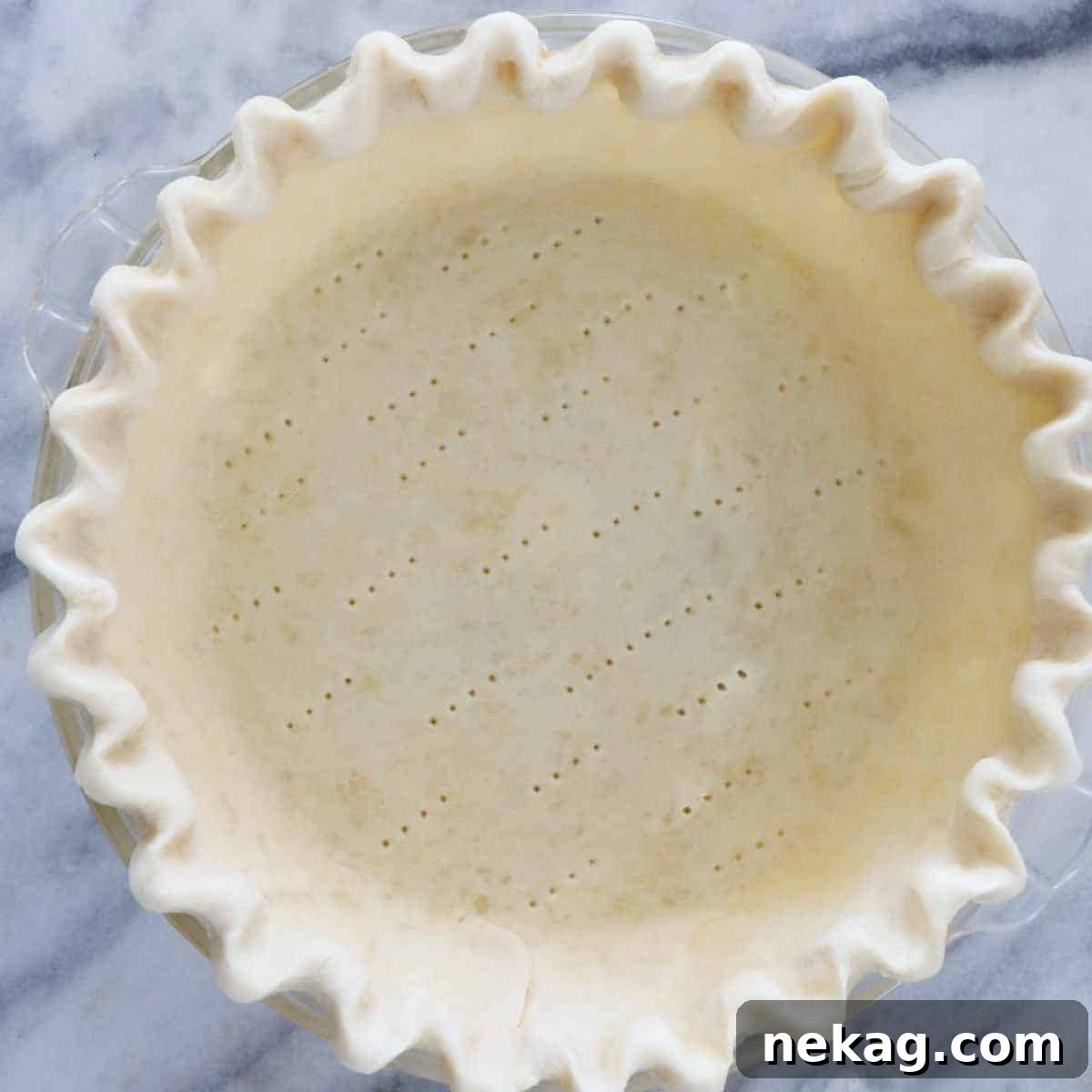
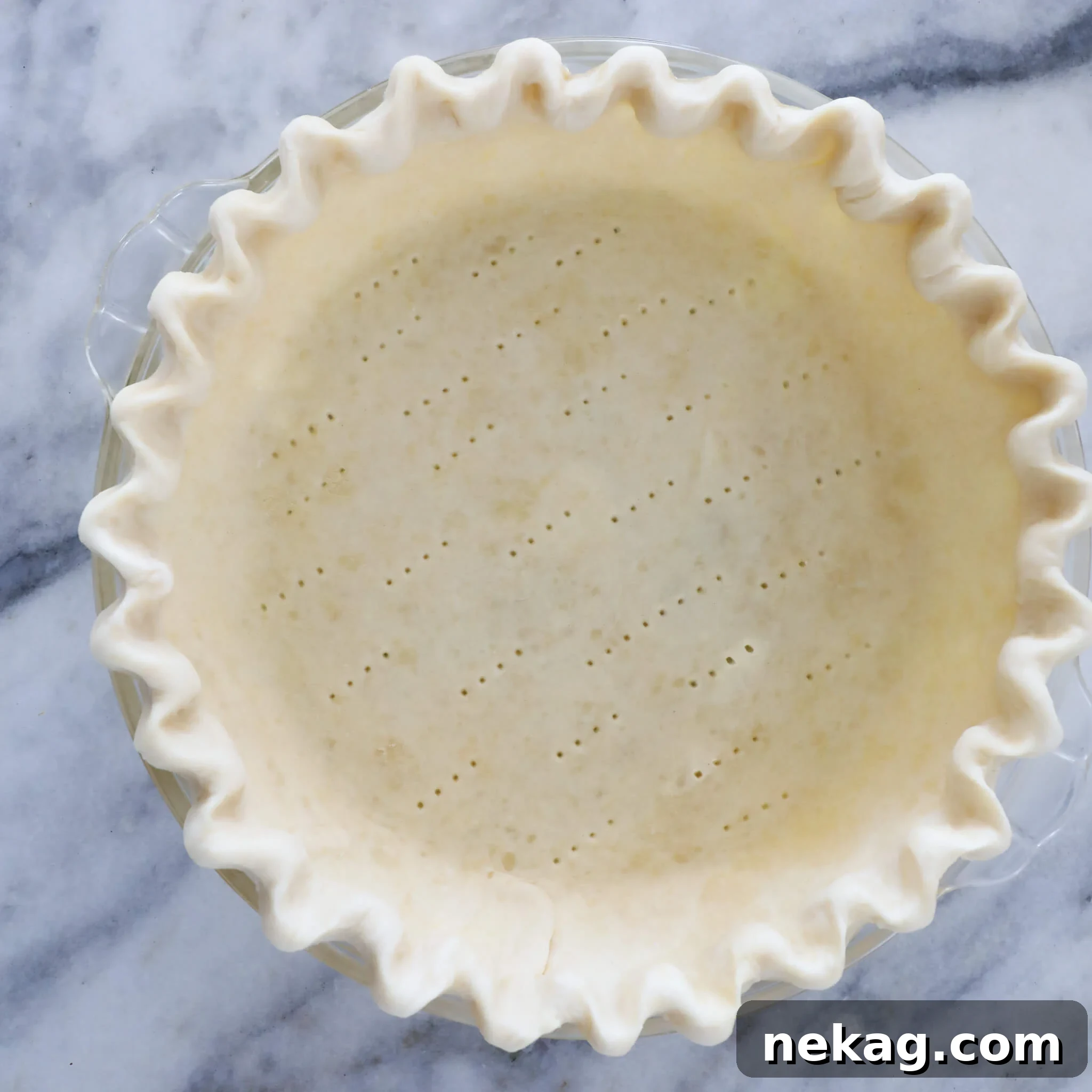
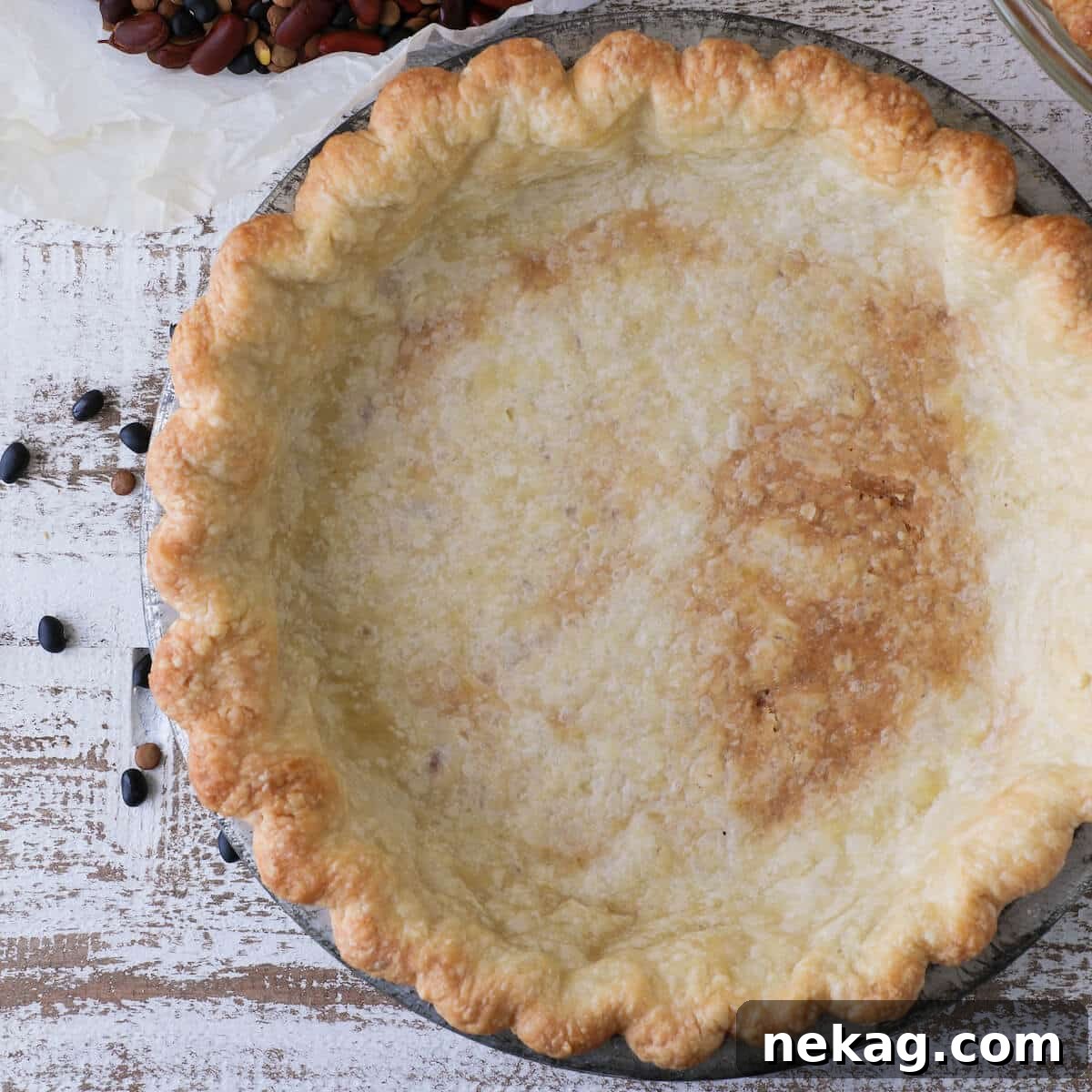
Docking a pie crust is a straightforward process, but precision makes all the difference. After you’ve successfully lined your pie tin, tart mold, or baking dish with your preferred pastry dough, the next step is to prepare it for baking. To dock, simply take a standard dinner fork and gently pierce the bottom of the crust. Aim for evenly spaced holes, approximately 1 to 2 inches apart, covering the entire base of the crust. The goal is to create small vents without tearing the dough excessively.
While specialized tools like pie dockers (which resemble a small spiked roller) exist for this purpose, they are rarely necessary for the home baker, especially when preparing just one or two pies. A simple fork works perfectly. These specialized tools are primarily beneficial for high-volume bakeries or when working with vast sheets of classic puff pastry, where speed and uniformity are paramount. For most home baking applications, your trusty fork is the ideal tool.
This method remains consistent regardless of the type of baking vessel you’re using. Whether you’re working with charming vintage pie tins, sturdy ceramic baking dishes, or sleek removable-bottom tart pans, the technique for docking remains precisely the same. The objective is to create an escape route for steam, and a fork handles this task beautifully across all materials and designs.
Why Do You Dock a Pie Crust? The Science Behind a Perfect Base
The primary reason for docking a pie crust is to allow steam, which is generated during the baking process, to escape in a controlled manner. All pastry doughs contain water, and when heated in the oven, this water turns into steam. Without an escape route, this steam becomes trapped beneath the crust, causing it to puff up unevenly and form large, unsightly bubbles. This uncontrolled expansion can lead to a misshapen base, making it difficult to fill evenly and resulting in an unprofessional appearance.
Pastry chefs, like myself, are always seeking control in the baking process, and docking is a prime example of this philosophy. By creating small, deliberate perforations, you provide multiple vents for the steam to release, ensuring that the crust bakes flat and evenly. Even when using pie weights for blind baking, an undocked crust can still puff up irregularly once the weights are removed, especially if it hasn’t been fully baked through. The steam will find its way out, and without docking, it will create bulges and air pockets. Docking helps to mitigate this, leading to a much more stable and aesthetically pleasing crust that is ready for its filling.
Beyond preventing bubbles, docking also contributes to the desired texture of your baked crust. A properly docked crust will cook more evenly, helping to achieve a crisp, golden bottom that resists becoming soggy once filled. This is particularly crucial for pies and tarts that are filled with cream or custard after the crust has been baked, where a firm, well-structured base is essential for a delightful eating experience.
When Should You Dock a Pie Crust? Essential Scenarios
Knowing precisely when to dock your pie crust is key to achieving optimal results. There are two primary scenarios where docking is not just recommended, but often essential:
- When you are baking a pie or tart crust without a filling. This process is commonly known as blind baking or par-baking. Many recipes call for a partially or fully baked crust before adding the filling. This is typically done for two main reasons: to prevent a soggy bottom crust, especially with very wet fillings, or to ensure the crust is fully cooked when the filling itself requires no baking (like cream pies). In these cases, without a filling to weigh it down, the crust would inevitably puff up without docking, even with pie weights.
- When the filling you are adding is not liquid. If your pie or tart will be filled with a dry or very thick, set filling (such as fruit fillings that have been pre-cooked, or cream cheese fillings), and the crust needs to be pre-baked, then docking is necessary. A thick filling, even if added before baking, may not exert enough pressure to completely prevent the crust from puffing up, especially in the initial stages of baking. Docking provides that crucial steam release, working in tandem with the filling (or pie weights) to ensure a flat base.
Think of docking as an insurance policy against those frustrating air pockets and uneven surfaces that can compromise the integrity and appearance of your finished pie or tart. It’s a simple step that yields significant benefits.
When Do You NOT Need to Dock a Pie Crust? Avoiding Unnecessary Steps
While docking is a valuable technique, it’s equally important to know when to skip it. There are specific situations where docking is unnecessary, and in some cases, can even be detrimental:
- If you are baking the pie crust 100% of the time with a liquid filling. When a pie crust is filled with a liquid or semi-liquid mixture from the very beginning of baking, the filling itself acts as a natural weight. The liquid filling presses down on the crust, preventing it from puffing up irregularly. The steam generated by the crust will simply rise through the filling, or be contained, without causing major issues to the crust’s structure.
- If you are filling the pie crust with an unbaked custard or a very wet mixture. Classic examples include most custard-based pies like easy pumpkin pie, buttermilk pie, or certain quiches. The raw custard filling is heavy enough to hold the crust in place as it bakes, rendering docking superfluous. Poking holes in a crust that will immediately be filled with a liquid could also lead to leaks, creating a messy situation and potentially a soggy crust if the filling seeps underneath.
Some perfect examples of pies that typically do not need (and often should not) be docked include a classic pumpkin pie with a twist, an indulgent old-fashioned buttermilk pie, a rich bourbon pecan pie, and any double-crust pies such as a heartwarming cinnamon apple pie, or a tangy lemon chess pie. In these cases, the heavy, wet filling or the top crust provides enough resistance to steam.
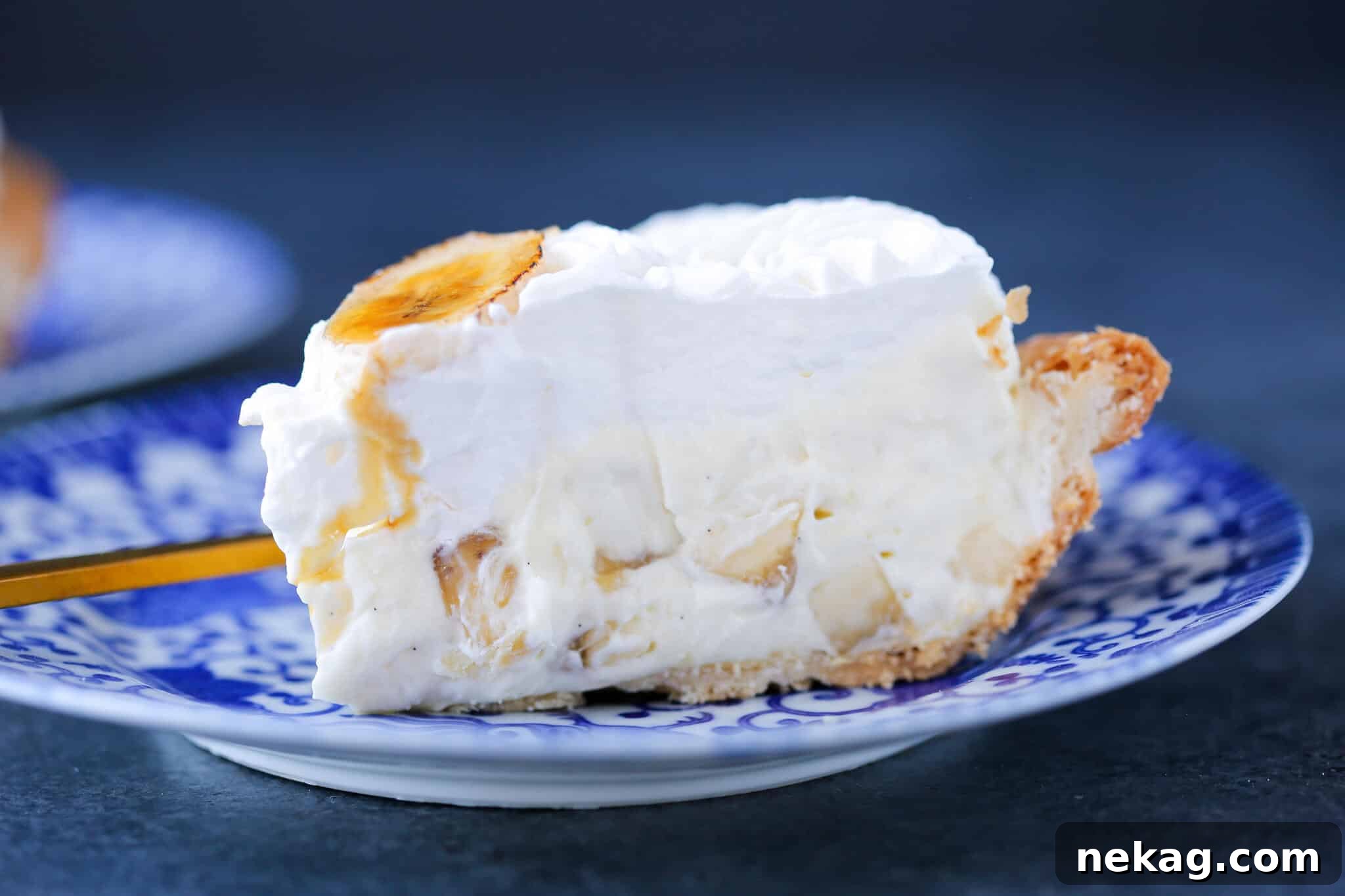
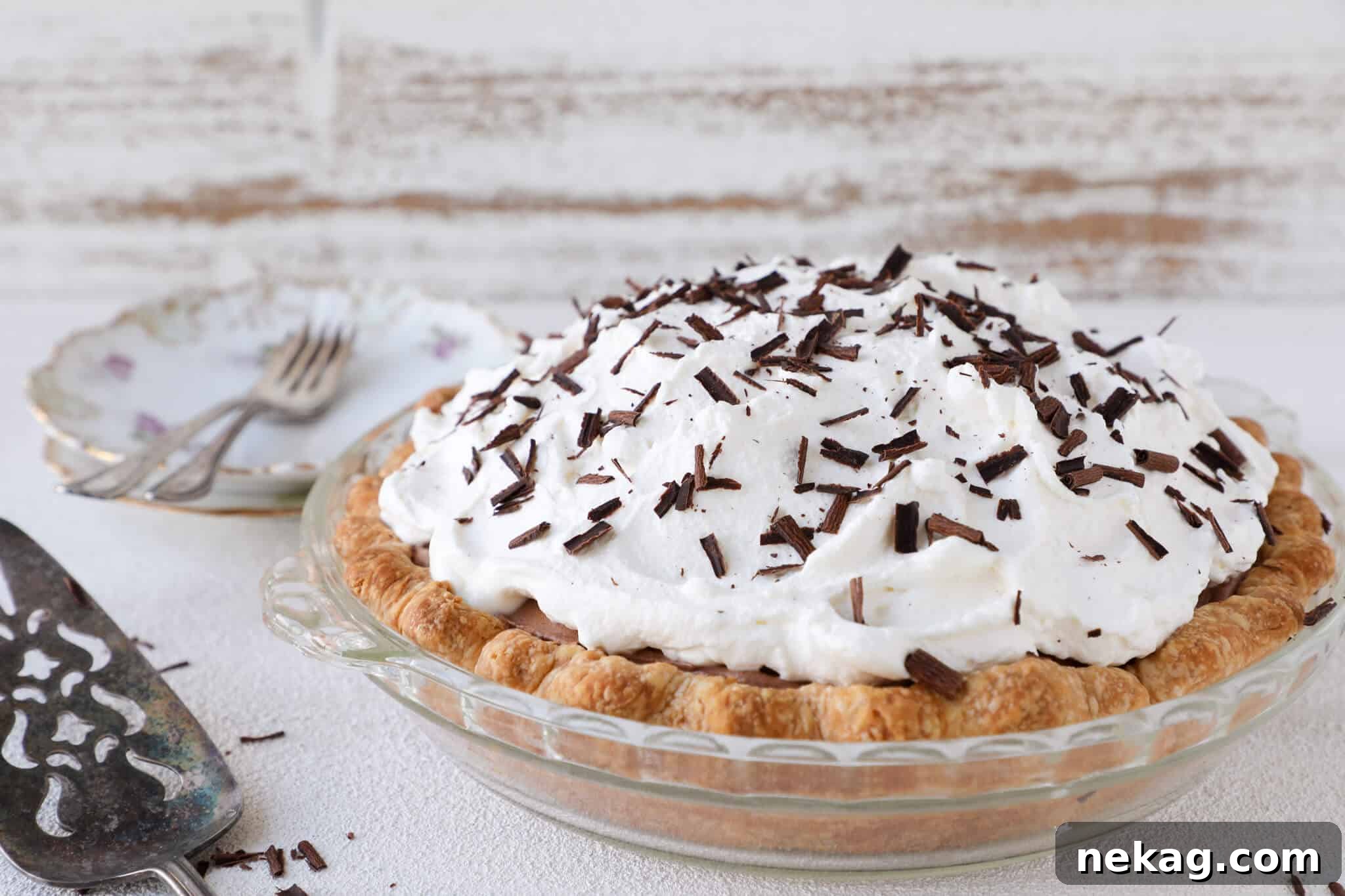
Conversely, I always dock the crusts for pies and tarts where the filling is added after baking, or is relatively light and requires a crisp, pre-baked shell. This includes elegant chocolate tarts, creamy French silk pie, luscious banana cream pie, and heavenly coconut cream pie. For these, a sturdy, pre-baked, and docked crust ensures the perfect foundation.
Do I Need to Weight a Docked Crust for Blind Baking? A Deeper Look
This is a common question, and the answer, once again, is nuanced: it depends on the type of pastry dough you’re using. While docking addresses the issue of steam causing bubbles on the *bottom* of the crust, pie weights are primarily used to prevent the *sides* of the crust from collapsing and shrinking during blind baking. They also help to keep the bottom crust flat during the initial stages of baking before it sets.
When Weights Might Not Be Essential (Even with Docking):
If you are working with a pâte sucrée (sweet shortcrust pastry) or a pâte sablée (sable pastry), you might find that you do not always need to weight a docked crust for blind baking. These doughs typically have a higher fat content and often contain egg yolks, which contribute to a more tender, less elastic structure. This makes them less prone to shrinking and collapsing compared to a traditional flaky pie crust. Their inherent stability means that docking alone might suffice to prevent major puffing, especially if you chill the dough thoroughly before baking.
When Weights Are Crucial (Even with Docking):
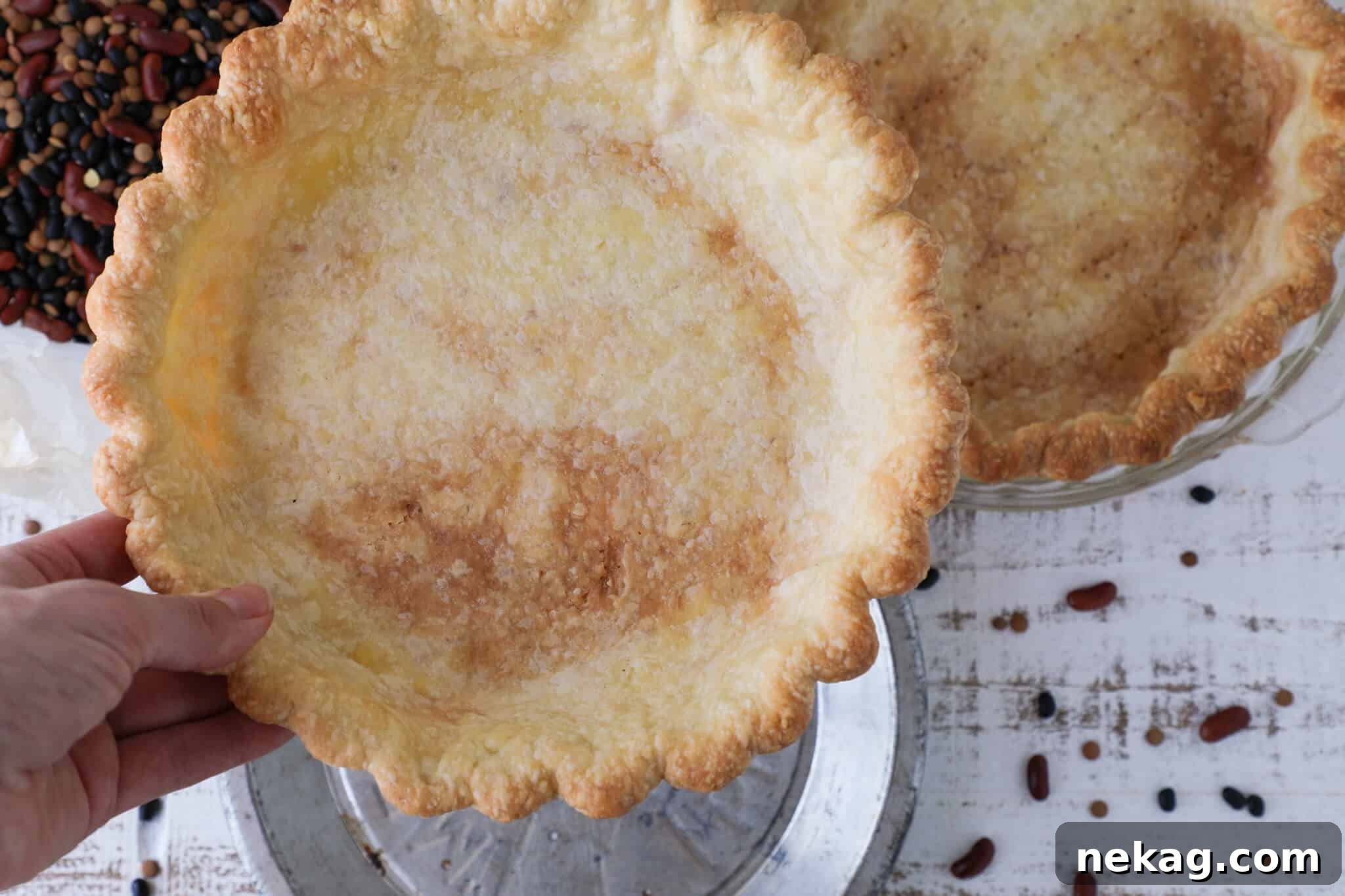
However, if you are using a pâte brisée (flaky pie crust) or any other traditional flaky crust, the crust will still benefit significantly from being weighted, even if it has been properly docked. The very nature of a flaky crust relies on layers of butter (or other fat) creating steam pockets that lift the dough. This means that even with docking, the inherent flakiness and gluten structure of these doughs will cause them to puff up irregularly, especially along the sides. If your flaky crust still puffs significantly even after docking and weighting, it’s actually a sign that you’ve done an excellent job of creating those distinct layers of butter in your pastry – a testament to good technique! The weights are there to harness that puff, ensuring it remains contained and forms a perfect, uniform shell.
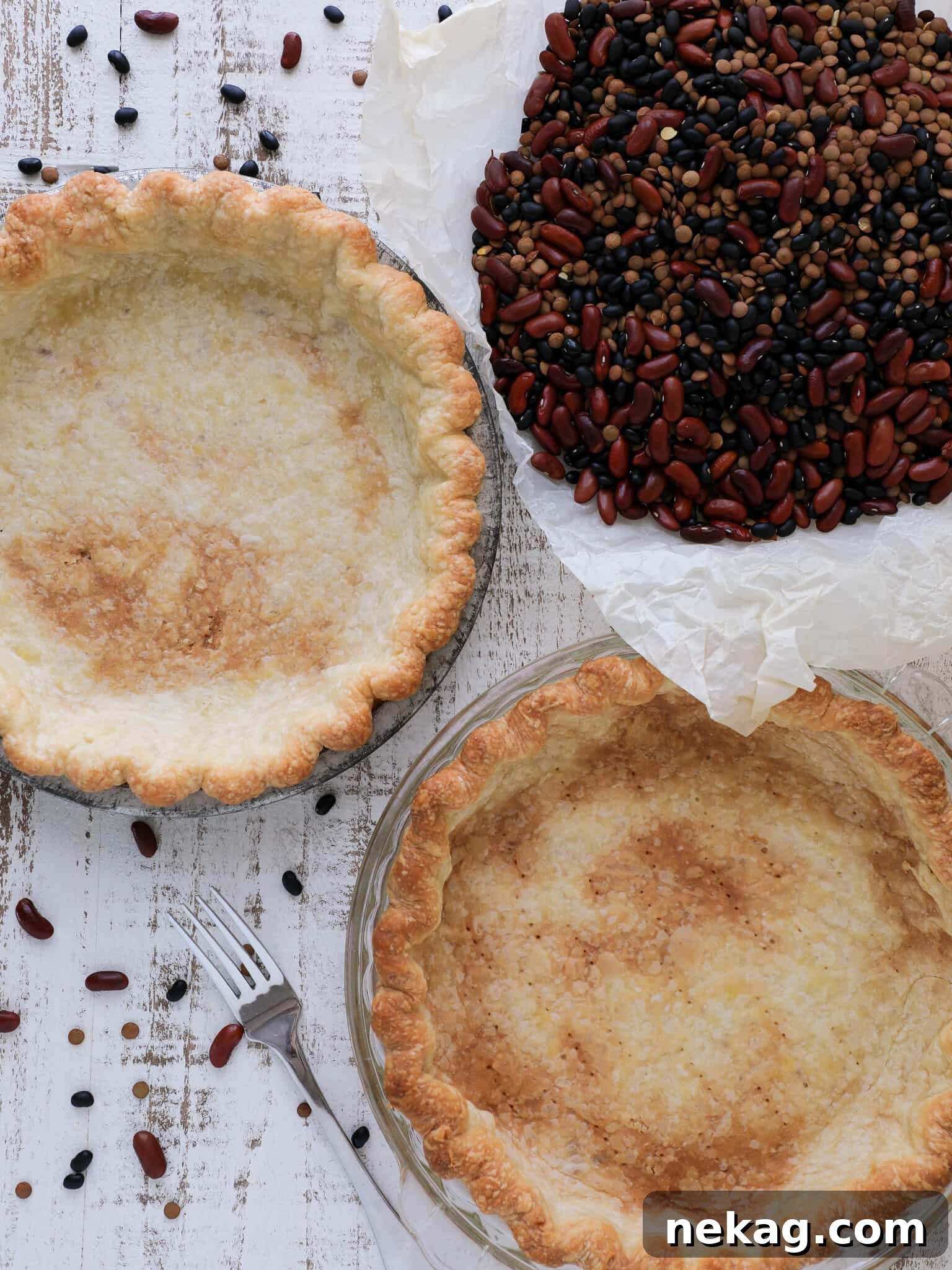
To use pie weights for blind baking, line your docked pie crust with parchment paper or aluminum foil, making sure it covers the sides as well. Fill this lining with ceramic pie weights, dried beans, or even uncooked rice. Bake as directed by your recipe, then carefully remove the weights and lining to allow the crust to finish baking and crisp up. For a more in-depth guide on the entire process, consult my detailed post on how to blind bake pie crust.
Essential Tips for Flawless Pie Crusts
- Chill Your Dough: Always ensure your pie dough is thoroughly chilled before rolling, lining your pan, and especially before docking and baking. Cold dough holds its shape better and is less likely to shrink dramatically in the oven.
- Don’t Over-Dock or Under-Dock: Aim for consistent, evenly spaced holes. Too few holes might not allow enough steam to escape, leading to bubbles. Too many holes, or poking them too aggressively, can weaken the crust’s structure and make it prone to tearing.
- Use a Hot Oven: Place your chilled, docked (and weighted, if applicable) pie crust into a preheated, hot oven. The initial burst of heat helps to set the crust quickly, preventing excessive shrinkage and promoting an even bake.
- Prevent a Soggy Bottom: Docking is your first line of defense against a soggy bottom. For extra protection, especially with fruit pies, you can brush the par-baked crust with an egg wash before its final bake to create a moisture barrier.
- Embrace the Imperfections: Even professional chefs encounter minor issues. If a small bubble forms despite docking, you can sometimes gently press it down with the back of a spoon immediately after taking it out of the oven, while the crust is still warm and pliable.
By understanding and applying the principles of docking, you’re well on your way to creating consistently beautiful and delicious pies and tarts. This simple yet critical step ensures a sturdy, flat foundation for all your culinary creations, moving you closer to pastry perfection.
Before You Go! Explore More Pie Recipes
Now that you’ve mastered the art of docking, it’s time to put your skills to the test! Check out our other delicious, chef-developed Pies Recipes and elevate your baking game. Happy baking!