
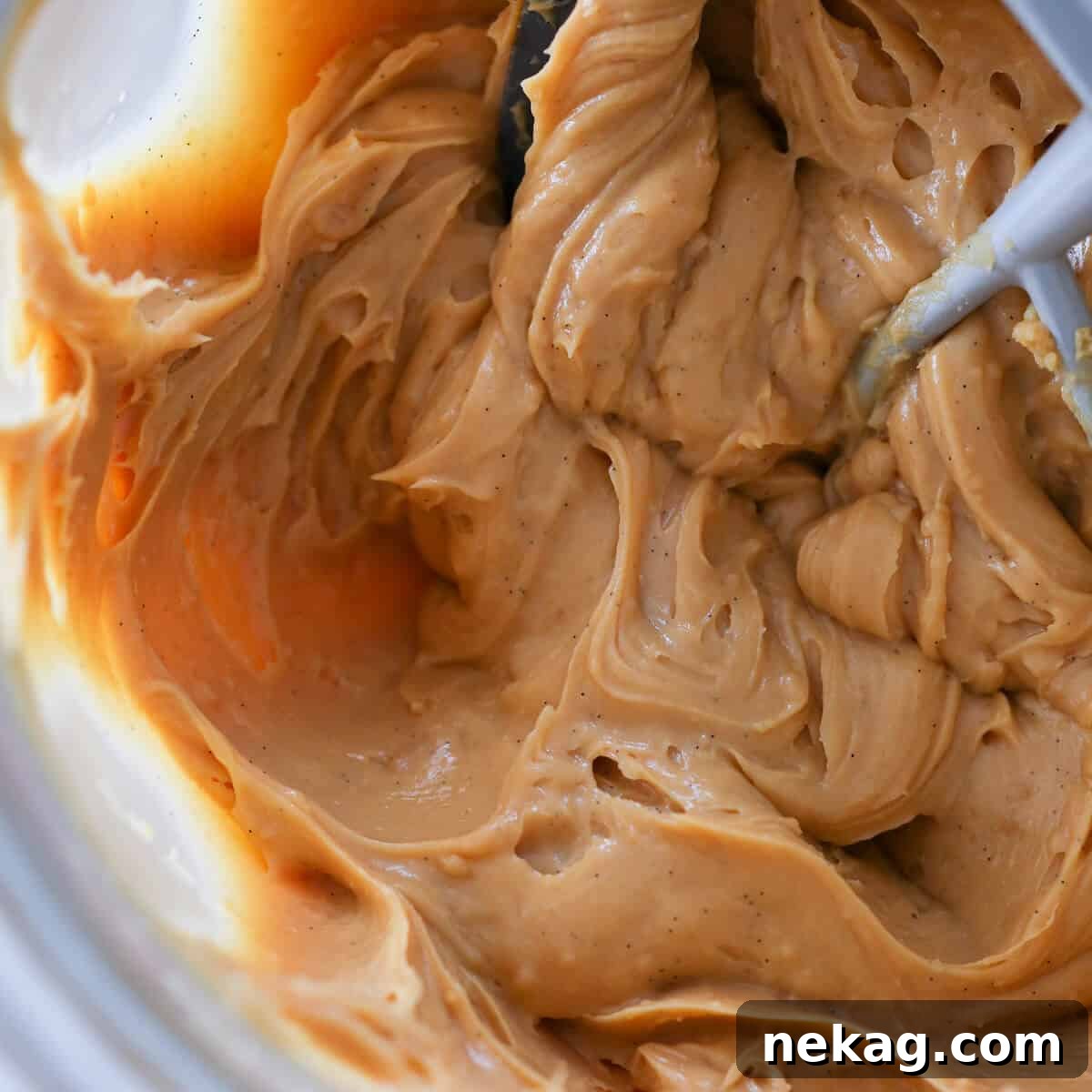
Indulge in the silky smoothness and rich, deep flavor of this exquisite Caramel Pastry Cream. A true testament to classic French confectionery, this crème pâtissière variation elevates any dessert with its luxurious caramel notes. It’s the perfect, versatile filling you’ve been searching for – whether it’s destined for elegant tarts, delicate classic puff pastry creations, airy cream puffs, sophisticated éclairs, or even as a surprisingly delightful twist on a beloved banana cream pie! Forget artificial flavors; this recipe builds its caramel foundation right from the start, promising an authentic and unforgettable taste experience.
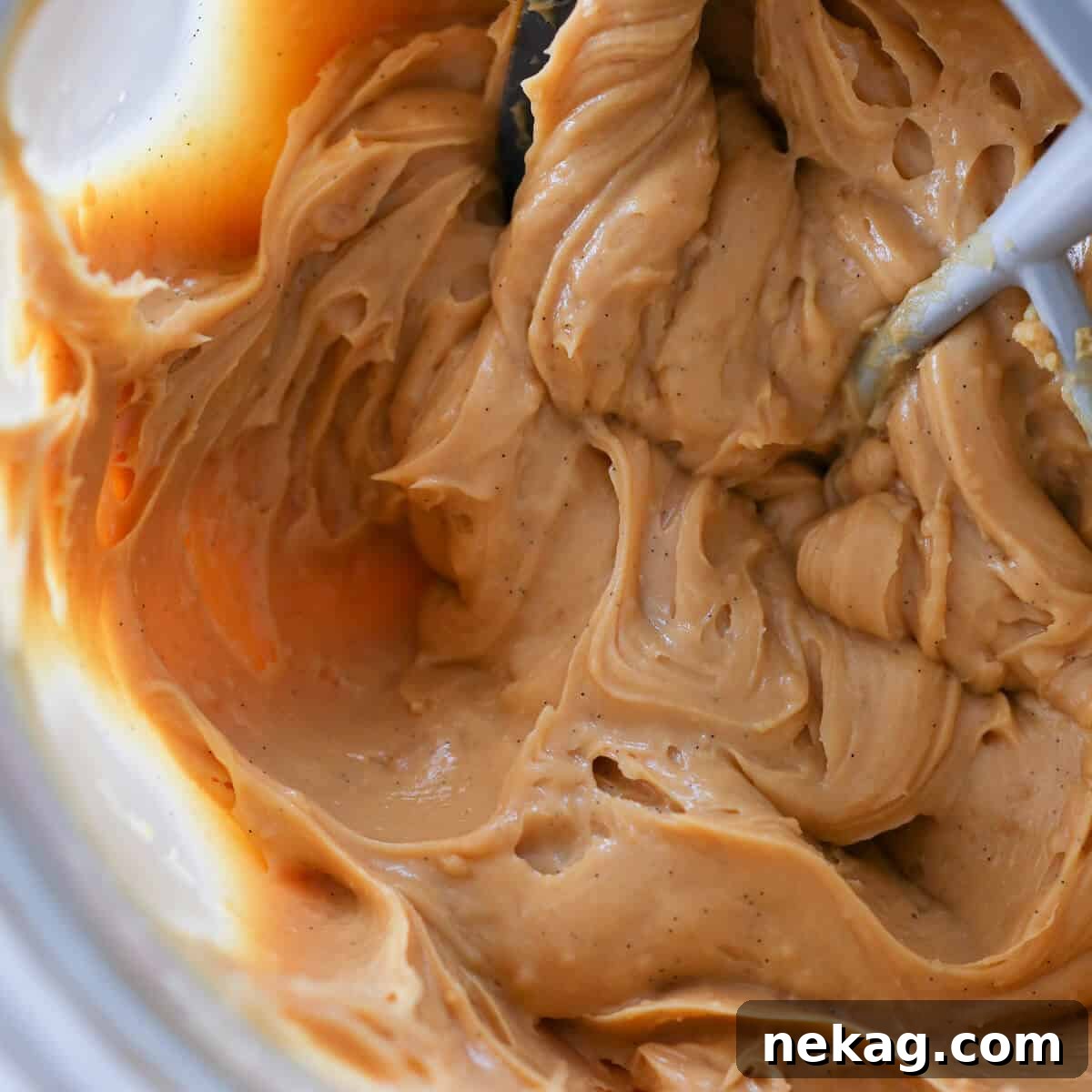
Pastry cream, also known as crème pâtissière, stands as one of the most indispensable and hardworking components in a baker’s repertoire. Its incredible adaptability allows it to shine in countless applications, much like the versatility of almond cream. Imagine it baked directly into flaky Danishes, providing a moist and flavorful center. Envision it as the star filling for elaborate tarts, such as this vibrant puff pastry fruit tart, or the creamy core of elegant éclairs and delightful profiteroles. For a lighter touch, you can effortlessly fold it with whipped cream to create a divine filling for layered trifles like this autumnal maple pumpkin trifle, fluffy donuts, elegant parfaits, or classic pies. Furthermore, pastry cream serves as the essential base for creating a rich and stable German buttercream, showcasing its foundational role in advanced pastry techniques. This humble yet powerful custard is truly a baker’s best friend.
This particular recipe is a delectable variation of my classic vanilla bean pastry cream, but with an ingenious twist. Instead of simply infusing flavor at the end – a common and somewhat predictable approach – we craft the caramel right from the very beginning of the cooking process. This foundational method results in a pastry cream that is subtly less sweet than one relying on added caramel sauce, boasting a delicate yet profound caramel flavor that permeates every spoonful. For those who crave an even more intense caramel experience, you have the option to incorporate additional caramel sauce into the warm custard just before it cools, allowing you to customize the depth of flavor to your exact preference.
Table of Contents
- Why You Will Love This Caramel Pastry Cream Recipe
- Professional Tips for a Perfectly Smooth, Lump-Free Pastry Cream
- Key Ingredients for Caramel Pastry Cream
- Step-by-Step: How to Make Caramel Pastry Cream
- Preparing Pastry Cream for Use (Refreshing)
- Chef Lindsey’s Expert Recipe Tip
- Creative Ways to Utilize Caramel Pastry Cream
- Storage Guidelines for Caramel Pastry Cream
- Frequently Asked Questions About Caramel Pastry Cream
- Caramel Pastry Cream Recipe Card
- Before You Go!
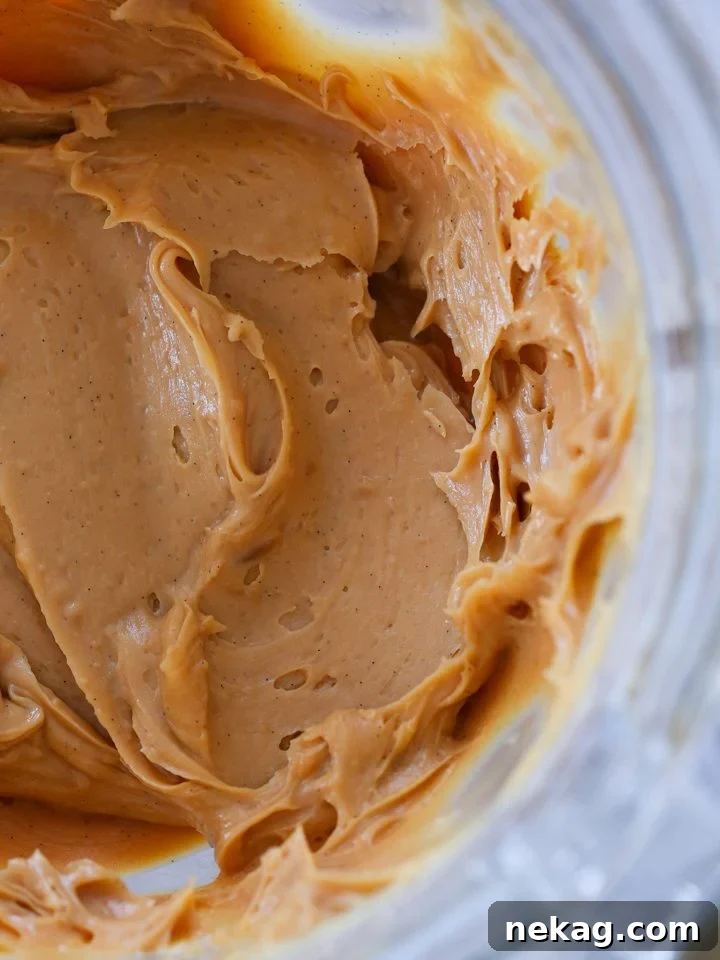
Why You Will Love This Caramel Pastry Cream Recipe:
- Unrivaled Caramel Flavor. Unlike recipes that add caramel flavoring at the end, our method begins with creating a rich, dry caramel base. This foundational approach ensures a deep, authentic caramel taste that permeates every spoonful, creating a perfectly balanced and lightly sweetened salted crème pâtissière. This isn’t just a hint of caramel; it’s a profound flavor experience that sets this pastry cream apart.
- Beginner-Friendly with Professional Guidance. While some recipes appear simple, achieving perfection often lies in flawless execution. This guide is crafted with easy-to-follow, detailed instructions, specifically designed to help both novice and experienced bakers achieve a smooth, lump-free, and incredibly flavorful caramel pastry cream every single time. I’ll share all my best tips and tricks honed over years in professional kitchens.
- The Ideal Texture and Hold. Much like selecting the perfect hairspray for a flawless hairstyle, getting the cornstarch-to-egg ratio just right is paramount for pastry cream. Too little thickener results in a loose, runny cream that fails to hold its shape. Conversely, an excessive amount can impart an undesirable starchy flavor and lead to premature moisture leakage. Our carefully balanced ratio guarantees a stable, luscious cream that maintains its integrity, whether piped into delicate pastries or layered into elaborate desserts.
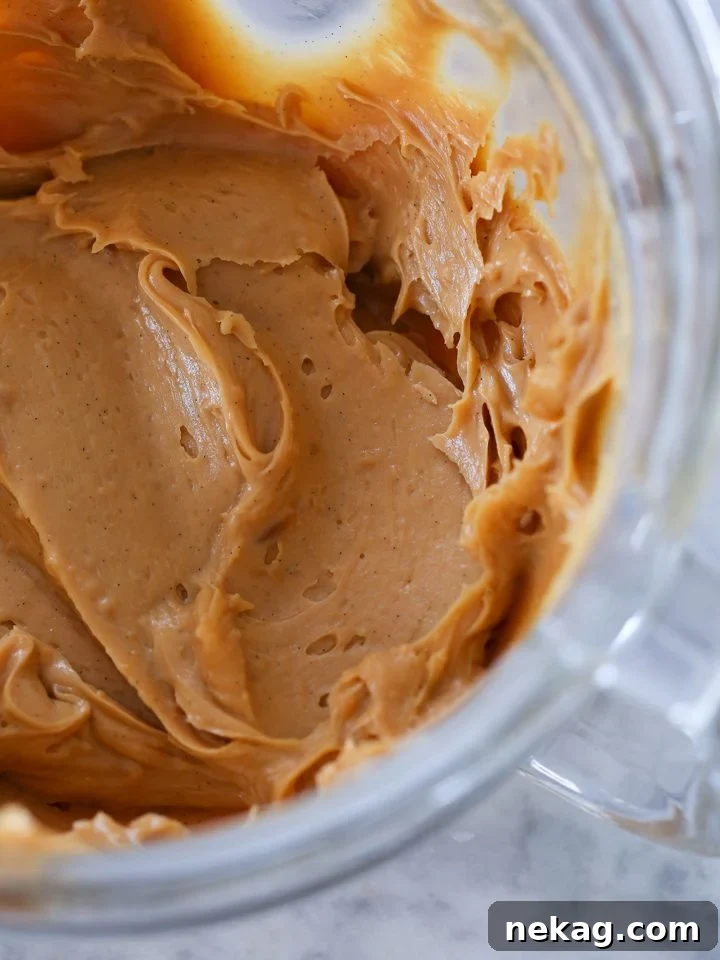
My Professional Tips for a Perfectly Smooth, Lump-Free Pastry Cream
Beyond the risks of burning or undercooking, lumps are a common pitfall when making pastry cream. However, by paying close attention to a few critical stages, you can easily avoid this issue and achieve a consistently smooth, velvety custard. Consider these “high-lump-alert” moments your keys to success:
- Thoroughly Whisk Cornstarch with Eggs and Sugar. This crucial initial step serves multiple purposes. First, the sugar helps to protect the delicate egg proteins from denaturing prematurely when exposed to heat. Second, combining the cornstarch with the eggs and sugar ensures that the cornstarch is evenly dispersed and prevents it from clumping into undesirable pockets of starch once it hits the warm liquid. This forms a smooth, homogenous mixture that integrates beautifully into the milk.
- Temper Your Hot Milk Slowly and Steadily. When it’s time to combine the hot milk mixture with the egg mixture, a controlled tempering process is essential. Gradually stream the hot milk into the egg mixture in a slow, continuous fashion while whisking vigorously and constantly. This gentle introduction allows the eggs to gradually come up to temperature without shocking and scrambling them, preventing the formation of cooked egg bits or “scrambled egg” texture in your cream.
- Whisk Constantly While the Pastry Cream Cooks. Once the tempered mixture is back on the stove, constant and vigorous whisking is non-negotiable. Do not stop! Ensure your whisk reaches every part of the pot, including the corners and edges. This continuous agitation prevents the pastry cream from sticking to the bottom and sides, where it can easily coagulate, burn, and form lumps. Your arm might ache, but the smooth result is worth it.
- Avoid Overcooking. Cooking pastry cream at too high a heat or for too long can lead to lumps and a grainy texture. The mixture needs to come to a full boil to activate the cornstarch, but prolonged boiling or excessive heat can cause the egg proteins to seize up and curdle, resulting in an uneven, lumpy consistency. Monitor it closely and remove from heat once it reaches the proper thickness and has boiled for the specified time.
- Cool it Rapidly and Effectively. Once cooked, prompt and proper cooling is vital to prevent skin formation and ensure a smooth texture. I highly recommend pouring the hot pastry cream onto a plastic wrap-lined baking sheet and spreading it into a thin, even layer. Immediately cover the surface directly with another sheet of plastic wrap to prevent a skin from forming. Poke a few small holes in the top plastic wrap to allow steam to escape efficiently, then transfer it directly to the refrigerator. This rapid cooling halts the cooking process and keeps the cream wonderfully smooth.
Key Ingredients for Caramel Pastry Cream
Understanding the role of each ingredient is key to mastering this classic custard. Here’s a breakdown of what makes our Caramel Pastry Cream truly exceptional:
- Granulated Sugar: Sugar is much more than just a sweetener in this recipe; it’s a multi-functional powerhouse. It provides the essential sweetness, yes, but it also plays a critical protective role by helping to prevent the milk from scorching on the bottom of the pot. Furthermore, when tempering, sugar protects the delicate egg proteins from the hot milk, preventing them from scrambling. Most importantly for this recipe, the sugar undergoes a magical transformation as it melts and caramelizes, forming the incredibly flavorful base for our unique caramel pastry cream.
- Cornstarch: Cornstarch acts as a primary thickening agent, working synergistically with the eggs to bind all the ingredients into a luscious, stable custard once cooked. In stirred custards that contain starch, such as this one, cornstarch is crucial because it allows the custard to come to a full boil without the eggs curdling. Without a starch like cornstarch, boiling a stirred custard (like lemon curd) would almost certainly lead to immediate lumps and a broken texture. It ensures a stable, thick, and smooth finish.
- Whole Egg: The whole egg is integral to the structure and thickening of this stirred custard. Its proteins coagulate when heated, providing body and stability. Whisking it thoroughly with sugar at the beginning is a vital step that protects these proteins from the sudden heat of the milk during tempering, ensuring a smooth, unbroken custard.
- Egg Yolk: While whole eggs contribute to thickening, additional egg yolks are added specifically for their rich fat content, which yields a particularly thick, creamy, and luxurious custard. Yolks contribute significantly to thickening without adding the extra moisture from egg whites, which can dilute the richness. However, it’s a delicate balance: too many yolks can impart an undesirable “eggy” flavor, so the precise ratio in this recipe is designed for optimal richness without overwhelming the delicate caramel.
- Whole Milk: As the primary liquid component, whole milk forms the creamy foundation of our pastry cream. While the fat in whole milk certainly enhances the flavor and richness, it’s not as critical as in some other recipes. This offers flexibility; feel free to experiment with your favorite alternative milks or lower-fat dairy options if you prefer, knowing that the structural integrity of the cream will largely be maintained by the eggs and cornstarch.
- Vanilla Bean: Vanilla beans, often regarded as one of the most exquisite and expensive spices globally, impart an unmistakable, complex, and aromatic flavor that elevates the caramel to new heights. The subtle floral and sweet notes of vanilla perfectly complement and enhance the deep, buttery tones of the caramel, creating a truly harmonious flavor profile.
This recipe presents a fantastic opportunity to utilize a “spent” vanilla bean pod! If you’ve already scraped out the precious seeds for another culinary creation – perhaps for a batch of airy vanilla marshmallows made with egg whites or to infuse an elegant Italian meringue buttercream – don’t discard the pod. Infusing the milk with a spent pod still imparts a wonderful, lingering vanilla aroma and subtle flavor, ensuring no part of this valuable ingredient goes to waste and adding another layer of depth to your caramel pastry cream.
Step-by-Step: How to Make Caramel Pastry Cream
Follow these detailed instructions to create a flawless caramel pastry cream every single time. Precision and attention to detail are your best allies in achieving the perfect texture and flavor. More specific measurements and comprehensive details can be found in the recipe card provided below!
Phase 1: Crafting the Caramel Base for the Custard
Mise en Place is Your Best Friend: Before you even begin to turn on the stove, gather and measure all of your ingredients. Have them laid out and ready to go. Additionally, prepare your landing spot for the finished custard: line a rimmed baking sheet with plastic wrap or have a large, clean bowl ready. Pastry cream isn’t inherently difficult, but it does require careful timing and being prepared for each stage. Rushing can lead to common pitfalls.
Step 1: In a heavy-bottomed saucepot – essential for even heat distribution and preventing scorching – combine the whole milk, 1/3 cup of granulated sugar, and the vanilla bean pod (split and scraped, or a ‘spent’ pod). Place the pot over medium heat and gently warm the mixture until it’s hot but not boiling, just steaming lightly. This allows the vanilla flavor to infuse deeply into the milk. Once warm, remove from heat and set aside.
Step 2: In a second, preferably deep pot (at least 4 inches deep to ensure safety and provide ample room for vigorous whisking), add the remaining 1 ¾ cups of granulated sugar designated for the caramel. Heat this sugar over medium-high heat. The sugar will initially melt unevenly, starting at the edges. You can gently stir it a few times with a heat-resistant spatula or wooden spoon to help redistribute the melting sugar. It is perfectly acceptable to stir a dry caramel at this stage to encourage even melting; however, avoid excessive stirring, which can cause the sugar to crystalize and form hard clumps that will not easily melt. If clumps do form, they can be strained out later, but prevention is always best.
Step 3: Continue cooking the sugar until it transforms into a beautiful, dark amber color and you begin to see faint wisps of smoke – this indicates a deep caramelization and intense flavor. At this critical point, slowly and cautiously pour the previously warmed milk mixture into the hot caramel. Be extremely careful, as the temperature difference will cause the mixture to splatter and pop vigorously. Continue heating the mixture over medium heat, stirring occasionally, until the hardened caramel has fully dissolved and incorporated back into the milk. If you encounter any stubborn lumps of sugar that refuse to melt, carefully strain the caramel milk through a fine-mesh sieve into another bowl, then pour the now smooth caramel milk back into the original pot, discarding any undissolved bits.
Phase 2: Preparing the Caramel Pastry Cream
Step 4: In a large, separate bowl, combine the whole eggs, egg yolks, and the remaining 1/3 cup of granulated sugar. Whisk these ingredients together vigorously until the mixture becomes pale yellow in color and has noticeably doubled in volume, becoming light and airy. This aeration is important for the final texture. Once achieved, whisk in the cornstarch until it is completely incorporated and there are no visible lumps. This prevents the cornstarch from clumping when it meets the hot liquid.
Step 5: Bring your caramel-infused milk mixture back to a rolling boil. Once boiling, carefully and slowly pour a small amount of the hot milk into the egg mixture while continuously whisking the egg mixture. This process, known as tempering, gradually brings the temperature of the eggs up, preventing them from scrambling. Continue adding the hot milk in a slow, steady stream, whisking constantly until about half of the milk has been incorporated. Then, pour the warmed egg-milk mixture back into the pot containing the remaining hot caramel milk and return the pot to the stovetop.
Choosing the Right Whisk: The type of whisk you use can significantly impact the final texture of your pastry cream. I highly recommend opting for a French (straight) whisk for this task. Its design, with longer, straighter wires, allows it to effectively reach into the corners and along the entire surface area of your pot. This ensures thorough and consistent whisking, preventing any custard from getting stuck, overcooking, or clumping around the edges, leading to a much smoother and more consistent end product.
Step 6: Continue to whisk the mixture vigorously and constantly over medium heat. You will observe the custard gradually beginning to thicken. Keep whisking without interruption until it comes to a full, rolling boil. Once it reaches a boil, continue to whisk and boil for precisely one full minute. This crucial minute ensures that the cornstarch is fully activated and properly cooked, eliminating any raw starch flavor and guaranteeing the pastry cream reaches its maximum thickening potential and stable set. Resist the temptation to cut this step short!
Step 7: Immediately pour the hot custard out onto your prepared baking sheet (lined with plastic wrap) or into a large bowl. Spread the custard evenly into a thin layer to facilitate rapid cooling. Cover the entire surface of the pastry cream directly with a sheet of plastic wrap, ensuring no air pockets, to prevent a skin from forming. Poke a few small holes in the plastic wrap to allow steam to escape efficiently, then promptly transfer the baking sheet or bowl to the refrigerator to cool completely.
Emergency Lump Removal: Even with the best intentions and careful technique, a few stubborn lumps might occasionally appear. Don’t despair! If your pastry cream has any unwanted lumps, you can quickly remedy this. While the custard is still hot, press it firmly through a fine-mesh sieve directly onto your prepared baking sheet or into your bowl. Use the back of a ladle or a silicone spatula to help push the creamy goodness through, leaving any lumps behind, for a perfectly smooth result.
Preparing Pastry Cream for Use (Refreshing)
Before you incorporate your chilled pastry cream into any dessert, it’s essential to “refresh” or “condition” it. This simple but vital step will transform the firm, sometimes stiff, chilled cream back into a smooth, silky, and spreadable consistency that is much more pleasant to eat and easier to work with. While refreshing won’t magically eliminate any lumps that may have formed during cooking, it will significantly improve the overall texture and mouthfeel of your finished product.
To refresh, place the desired amount of firm, chilled pastry cream into the bowl of a stand mixer fitted with the paddle attachment. Begin beating on medium-high speed until the cream becomes completely smooth and luscious. Be careful not to beat it for too long, however; excessive beating can cause the pastry cream to loosen too much and potentially compromise the stabilizing power of the cornstarch. If over-beaten, it might not firm back up properly when rechilled, leading to loose, runny, and unruly fillings. Aim for a velvety, uniform texture that holds its shape well when scooped.
Chef Lindsey’s Expert Recipe Tip
Just Keep Whisking! I know, it sounds simple, but it’s the absolute truth. There comes a point when your pastry cream is thickening, and your arm feels like it’s about to fall off. That crucial moment, just as it’s about to come to a boil, is when you might be tempted to stop. But I promise you, you can whisk just one minute more! That extra minute of continuous boiling and whisking is absolutely vital. Cutting this step short will inevitably lead to a pastry cream with an unpleasant starchy flavor and a looser, less stable texture. So, push through that last minute – your perfectly smooth, delicious pastry cream will be your reward!
Creative Ways to Utilize Caramel Pastry Cream
The versatility of this Caramel Pastry Cream makes it a beloved ingredient in countless desserts. Its rich flavor and silky texture can elevate even the simplest treat. Here are some of my favorite ways to incorporate this delightful custard:
- Decadent Donut Fillings: This recipe was originally conceived as the ultimate donut filling. To use, simply refresh the chilled pastry cream as described above. Transfer it to a piping bag fitted with a long, plain tip. Create a small hole in a yeasted donut (my recipe for filled donuts provides excellent guidance for this!), insert the piping bag into the hole, and gently squeeze until the delicious caramel cream starts to emerge from the opening. The result is an irresistibly soft, sweet, and perfectly filled donut.
- Exquisite Tart Fillings: Elevate your tart game by spreading a generous layer of this caramel pastry cream onto a puff pastry fruit tart for a wonderfully unique flavor variation. It also pairs beautifully as a base for baked sweet tart crusts. Top it with your favorite seasonal sliced fruits – think crisp apples (perhaps in a compote!), vibrant berries, or even sweet, creamy bananas for an incredible combination of textures and tastes.
- An Incredible Banana Cream Pie Twist: For an effortlessly flavorful and exciting variation on a classic, simply swap the traditional vanilla pastry cream with this rich caramel pastry cream in my banana cream pie recipe. The deep caramel notes complement the sweetness of the bananas perfectly, creating a dessert that is both familiar and excitingly new.
- Classic Pastry Perfection: This crème pâtissière is the ideal filling for a host of classic French pastries. Pipe it into delicate cream puffs, layer it into flaky Danishes, or fill the hollow shells of elegant éclairs. It’s also the perfect creamy component for a stunning mille-feuille (Napoleon), offering a delightful contrast to crisp layers of puff pastry.
- Layered Trifles or Parfaits: For a quick yet impressive dessert, lighten the pastry cream by gently folding equal parts (by weight) with freshly whipped cream, whisked to soft peaks. Use this airy caramel cream as a decadent layer in trifles or parfaits. Experiment with alternating layers of cubes of sour cream pound cake, a spiced pumpkin bundt cake, or even a rich red velvet pound cake, along with your favorite fresh fruits for a truly customizable and visually stunning dessert.
Intensify the Caramel: For those who desire an even more pronounced and robust caramel flavor, you can incorporate up to ½ cup of high-quality salted caramel sauce into the pastry cream while it is still warm. Stir it in thoroughly until fully combined. Keep in mind that the more caramel sauce you add, the slightly looser the custard’s final consistency will be, so adjust according to your preferred texture.
How to Store Caramel Pastry Cream?
Proper storage is essential to maintain the freshness and quality of your homemade caramel pastry cream. Once completely cooled, transfer the pastry cream to an airtight container. It can be safely stored in the refrigerator for up to one week. You might notice that after a few days, the pastry cream may begin to “leach” or release a small amount of moisture; this is a completely normal occurrence and does not indicate spoilage. To minimize this separation and maintain a more consistent texture, it is often beneficial to store the pastry cream spread out in a single, thin layer on a baking sheet covered tightly with plastic wrap, rather than mounded in a deep storage container.
Frequently Asked Questions About Caramel Pastry Cream
While technically possible, I generally do not recommend freezing pastry cream. The freezing and thawing process can significantly alter its delicate texture. The cornstarch can break down, leading to a thinner, watery, or grainy consistency upon thawing, losing its characteristic smooth and creamy mouthfeel. For best results, it’s always better to prepare pastry cream fresh.
Absolutely! This recipe is quite scalable. You can confidently double or even triple the batch, provided you have a pot large enough to accommodate the increased volume and a whisking arm robust enough to handle the extra effort! Just ensure you continue to whisk constantly and thoroughly, especially in the larger pot, to prevent lumps and scorching.
To “refresh” or “condition” chilled pastry cream means to beat it until it returns to a smooth, silky, and workable consistency. This crucial step is vital for improving its texture for eating and ease of handling. While it won’t remove lumps, it will make the cream pleasant. Imagine trying to fold stiff, unconditioned pastry cream into whipped cream – it’s a miserable experience that results in chunky, uneven mixtures. You can condition it efficiently using a stand mixer with a paddle attachment, or by hand in a bowl with a sturdy rubber spatula for smaller batches.
The most common culprits behind lumpy pastry cream are typically improper incorporation of cornstarch or insufficient whisking during the cooking process. To prevent this, ensure you vigorously whisk the cornstarch with the eggs and sugar until completely smooth before adding any hot liquid. This evenly distributes the starch and prevents it from clumping when heated. Additionally, use a whisk that can effectively reach all corners and the bottom of your pot, and whisk constantly as the custard cooks. This prevents the cream from sticking to the edges and forming cooked, lumpy bits.
If you meticulously followed all the recipe instructions, the primary reason for a runny pastry cream is almost always insufficient cooking. The cornstarch, which is the main thickening agent, requires a specific temperature and time to fully activate. The custard *must* reach a full, rolling boil and then continue to cook and whisk for at least one minute at that boil. If this crucial minute is cut short, the cornstarch won’t fully activate, and your pastry cream will remain too thin and loose.
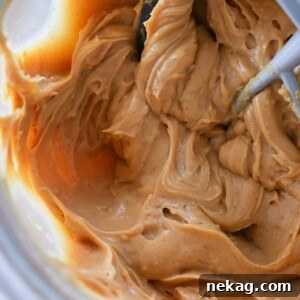
Caramel Pastry Cream
Comment
Print Recipe
Ingredients
- 1 ¾ cup granulated sugar for caramel
- 4 cups whole milk 1 quart
- 1 vanilla bean split and scraped
- ⅓ cup granulated sugar for milk mixture
- ⅓ cup granulated sugar for egg mixture
- 2 whole eggs
- 4 egg yolks
- 10 tbsp Cornstarch ½ cup + 2 tbsp
Instructions
-
Before you begin cooking, ensure all your ingredients are measured and ready. Prepare a cooling station by lining a rimmed baking sheet with plastic wrap or having a large, clean bowl on hand. Pastry cream requires good timing, so being organized will make the process much smoother.
Prepare the Caramel Milk Base
-
In a heavy-bottomed saucepot, gently stir together 4 cups of whole milk, ⅓ cup of granulated sugar, and the split vanilla bean pod. Heat this mixture over medium heat until it becomes warm and lightly steamy, but do not boil. Remove from heat and set aside to infuse.
-
In a second, preferably deep pot (at least 4 inches deep for safety and ease of whisking), add the 1 ¾ cups of granulated sugar designated for the caramel. Heat this sugar over medium-high heat. The sugar will melt unevenly; stir it gently a few times with a heat-resistant utensil to redistribute the melting sugar. Avoid over-stirring to prevent crystalization, but a few gentle stirs are fine.
-
Once the caramel reaches a dark amber color and just begins to smoke, carefully and slowly pour the warmed milk mixture into the caramel. Be prepared, as it will splatter and pop. Continue heating over medium heat, stirring as needed, until any hardened caramel has fully dissolved and incorporated into the milk. If stubborn sugar lumps remain, strain the caramel milk through a fine-mesh sieve into another bowl, then pour the smooth milk back into the pot.
Prepare the Pastry Cream
-
In a large bowl, vigorously whisk together the 2 whole eggs, 4 egg yolks, and the remaining ⅓ cup of granulated sugar until the mixture is pale yellow and has doubled in volume. Whisk in the 10 tbsp of cornstarch until completely smooth and lump-free.
-
Bring the caramel milk mixture back to a boil. Once boiling, slowly pour about half of the hot milk into the egg mixture while continuously whisking to temper the eggs and prevent scrambling. Once tempered, pour the egg-milk mixture back into the pot with the remaining hot caramel milk and return the pot to the stovetop.
-
Tip: Select a whisk, ideally a French (straight) whisk, that allows you to easily reach into the corners of your pot. This ensures you can cover the entire surface area and prevent the custard from sticking and clumping along the edges.
-
Whisk constantly over medium heat until the mixture thickens significantly and comes to a full, rolling boil. Once boiling, continue whisking vigorously for one additional minute. This step is crucial for fully activating the cornstarch and cooking out any raw starch flavor, ensuring a stable and delicious pastry cream.
-
Immediately pour the hot custard onto your prepared plastic wrap-lined baking sheet or into a bowl. Spread it into a thin, even layer. Cover the surface directly with plastic wrap to prevent a skin from forming, poke a few holes in the plastic to release steam, and refrigerate until thoroughly chilled.
-
Emergency Lump Removal: If you find a few lumps have formed, don’t worry. While the pastry cream is still hot, press it through a fine-mesh sieve onto your cooling surface. Use a ladle or silicone spatula to help push the cream through, leaving any lumps behind for a perfectly smooth result.
How to Prepare Pastry Cream for Use
-
Before incorporating your chilled pastry cream into any dessert, you must “refresh” or “condition” it. This process involves beating the cream until it becomes smooth, silky, and easy to work with, enhancing both its texture and your user experience.
-
Place the desired amount of firm, chilled pastry cream into a stand mixer bowl fitted with the paddle attachment. Beat on medium-high speed until it reaches a perfectly smooth consistency. Be careful not to over-beat, as this can cause the cream to loosen too much and potentially lose its structural integrity, preventing it from firming up properly when re-chilled.
Notes
Technique – Pastry cream is a deceptively simple recipe, which means that the quality of the final result hinges on the meticulous execution of each step. Every stage, from tempering to whisking, is intentional and designed to either prevent common pitfalls or enhance the overall flavor and texture.
Helpful Tools – Choosing the right equipment can significantly improve your experience and the outcome. For whisking, select a whisk that can effectively reach into all the corners of your pot, ensuring consistent mixing and preventing scorching or clumping.
Variations – To achieve an even more intense caramel flavor, feel free to incorporate up to ½ cup of your favorite salted caramel sauce into the pastry cream while it is still warm. Remember that adding more liquid will result in a slightly looser custard.
Storage – Store your caramel pastry cream in an airtight container in the refrigerator for up to one week. It’s normal for some moisture to leach out after a few days. Storing it in a single, thin layer (e.g., on a plastic wrap-covered baking sheet) rather than mounded in a deep container can help minimize separation.
Yield: Approximately 1,500 g
Nutrition
Carbohydrates: 34g |
Protein: 3g |
Fat: 3g |
Saturated Fat: 1g |
Polyunsaturated Fat: 1g |
Monounsaturated Fat: 1g |
Trans Fat: 1g |
Cholesterol: 67mg |
Sodium: 28mg |
Potassium: 83mg |
Fiber: 1g |
Sugar: 29g |
Vitamin A: 161IU |
Calcium: 67mg |
Iron: 1mg
Before You Go!
I sincerely hope you’ve enjoyed mastering this professional chef-tested recipe for Caramel Pastry Cream. It’s a truly versatile and rewarding dessert component. Don’t stop here – I encourage you to explore our other expertly developed Custard Recipes to expand your baking repertoire and impress your friends and family with your newfound skills!