

Indulge in the bright and sophisticated flavors of this easy-to-make Lemon Olive Oil Cake. This exceptional dessert promises a wonderfully moist, exquisitely fruity, and perfectly sweet experience, proving that sometimes, simplicity is key. There’s no need for elaborate frosting, and impressively, you won’t even require a stand mixer – just a bowl and a whisk! It’s the perfect companion to your morning coffee or afternoon tea, offering a delightful start or a sweet escape to your day.
If you have a passion for lemon-infused treats, you’ll also adore my Lemon Coffee Cake, Lemon Crinkle Cookies, Lemon Pudding Cakes, and Lemon Cream Pie. Each offers a unique way to savor the vibrant taste of lemon, but none quite capture the elegant simplicity of this olive oil rendition.

Mastering the Art of the BEST Lemon Olive Oil Cake
Crafting the perfect Lemon Olive Oil Cake was a culinary journey that involved extensive experimentation. In fact, I meticulously tested this recipe a remarkable 10 times to achieve its flawless state! My primary challenge was preventing the olive oil from making the cake undesirably dense. Even with extended baking times and the classic toothpick test yielding a clean result, earlier versions of the cake were still heavy and sometimes had a slightly gummy texture. This was simply unacceptable for a cake meant to be light and airy.
My breakthrough began with a fundamental adjustment to the baking chemistry. I carefully reduced the amount of liquid (specifically, lemon juice) while simultaneously increasing the baking powder. This precise balance was crucial for ensuring the cake achieved a light, fluffy crumb. Simultaneously, I slightly decreased the baking soda to maintain a desirable coarse texture and a delicately crisp crust, preventing excessive leavening that could cause the cake to sink in the middle. This fine-tuning of leavening agents is paramount in achieving the ideal structure for any cake, but especially one where oil, rather than butter, is the primary fat.
Next, I uncovered the most effective method for lightening the cake’s crumb: a gradual emulsion of the olive oil with the other ingredients. This technique is similar to how you would cream butter and sugar in a traditional butter cake. First, the olive oil is vigorously whisked with the granulated sugar, creating a light, aerated mixture. Then, each egg is incorporated one at a time, with thorough whisking after each addition, ensuring a stable emulsion forms. Following this, the vibrant lemon zest and freshly squeezed lemon juice are folded in, further integrating the flavors. Finally, the dry ingredients and milk are alternated and gently mixed. This meticulous process ensures the fat is perfectly distributed throughout the batter, leading to an incredibly tender and moist result without any greasiness.
The culmination of these efforts is a truly exceptional cake: moist, yet surprisingly light and fluffy. It boasts a subtly crisp and golden exterior that provides an intriguing textural contrast to its soft, yielding interior. With every bite, you’ll savor a harmonious blend of the delicate, fruity notes of olive oil and the bright, sweet tang of citrusy lemon. The slight crunch of the crust alongside the tender crumb ensures a delightful eating experience, perfectly balancing flavor and texture.

Why This Lemon Olive Oil Cake Will Become Your New Favorite
This Lemon Olive Oil Cake isn’t just another dessert; it’s a testament to elegant simplicity and exceptional flavor. Here are the compelling reasons why this recipe is bound to capture your heart and become a staple in your kitchen:
- Effortless Preparation – No Mixer Required: Forget the hassle of lugging out heavy kitchen appliances. This delightful lemon olive oil cake can be entirely mixed by hand using just a bowl and a whisk. Its straightforward preparation makes it an accessible recipe for bakers of all skill levels, ensuring a stress-free baking experience from start to finish.
- Harmonious Lemon and Olive Oil Duo: The pairing of lemon and olive oil is a match made in culinary heaven. Olive oil, particularly varieties like “pure” or “regular,” introduces a gentle, nuanced, and distinctly fruity flavor that beautifully complements the vibrant zest and tartness of fresh lemon. Beyond its exquisite taste contribution, olive oil is a key player in maintaining the cake’s incredible moisture. This means your cake stays fresh, tender, and delicious for several days, a quality often sought after in homemade baked goods.
- Elegance in Simplicity – No Frosting Needed: One of the defining characteristics of this cake is its inherent beauty and flavor that requires no elaborate adornment. A delicate dusting of powdered sugar is the perfect, minimalist garnish, enhancing its visual appeal while keeping the focus on its pure, unadulterated taste. While it’s truly remarkable as-is, for those who crave an even more intense lemon flavor, a simple lemon glaze made from powdered sugar and lemon juice can be drizzled on top. However, you’ll quickly discover that the cake’s natural flavors shine brilliantly without any additional embellishment.

Essential Ingredients for Your Lemon Olive Oil Cake
NOTE: You’ll find the full, precise ingredient amounts and detailed instructions conveniently located in the printable recipe card at the conclusion of this post.
Jump to Recipe Card
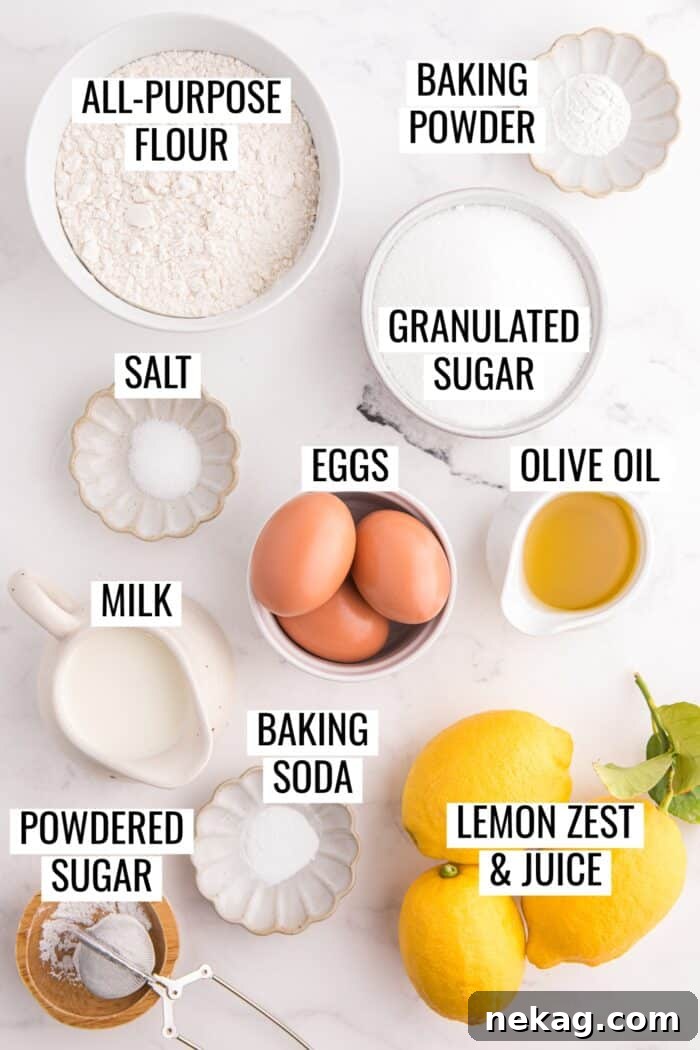
Each ingredient plays a crucial role in achieving the perfect balance of flavor and texture in this Lemon Olive Oil Cake:
- All-Purpose Flour – Accuracy in flour measurement is paramount for baking success. I strongly advocate for weighing your flour using a kitchen scale over using measuring cups, as it ensures the proper amount. If a scale isn’t available, make sure to gently stir the flour in its container (to fluff it up), then lightly spoon it into your measuring cup, and finally, level it off precisely with the flat edge of a knife. This method helps avoid compacting the flour, which can lead to a dense cake.
- Baking Powder – This leavening agent is essential for creating the cake’s signature light and tender crumb, providing the necessary lift for a delicate texture.
- Baking Soda – Working in conjunction with the acidic lemon juice, baking soda contributes to the cake’s rise and promotes a beautiful, gentle browning, resulting in that slightly crisp and appealing crust.
- Salt – A pinch of salt is not just for seasoning; it thoughtfully enhances and balances all the sweet and citrusy flavors, preventing the cake from tasting flat.
- Granulated Sugar – Beyond its role in sweetening, sugar contributes significantly to the cake’s moisture content and aids in achieving that lovely golden-brown exterior.
- Olive Oil – The choice of olive oil impacts the final flavor. “Pure” or “regular” olive oil offers a balanced, gentle fruity note that harmonizes beautifully with the lemon without overpowering it. For a truly neutral flavor, opt for “light” olive oil. If you desire a more pronounced, robust olive oil character, “extra virgin” can be used, but be aware it will impart a stronger taste that may compete with the lemon if not carefully selected.
- Eggs – Large, room-temperature eggs are vital. They provide essential structure to the cake, contribute moisture, and help create that desirable fluffiness. Their emulsifying properties are also key in binding the oil and liquids together seamlessly.
- Lemons – Freshness is key here! You’ll need both the vibrant zest and freshly squeezed juice to infuse the cake with its quintessential bright, citrusy flavor. Always zest your lemons before juicing them for maximum ease and flavor extraction.
- Milk – Whole milk is preferred for this recipe as its higher fat content contributes to an extra moist and rich cake. Ensure it’s at room temperature for optimal incorporation into the batter.
- Powdered Sugar – This is an optional but highly recommended ingredient for garnishing the cooled cake, adding a touch of elegance and a subtle sweetness to each slice.
Step-by-Step: Crafting Your Lemon Olive Oil Cake
Follow these detailed instructions to create a truly irresistible Lemon Olive Oil Cake:
Begin by preheating your oven to 350 degrees Fahrenheit (175°C). While the oven heats, prepare a 9-inch springform pan. Generously grease both the bottom and the sides of the pan (I highly recommend using a baking spray like Baker’s Joy for thorough coverage). Next, line the bottom of the pan with a precisely cut circle of parchment paper. To prevent any potential leaks, as this batter is somewhat thin, wrap the entire exterior of the springform pan tightly with aluminum foil. This extra step provides a crucial safeguard.
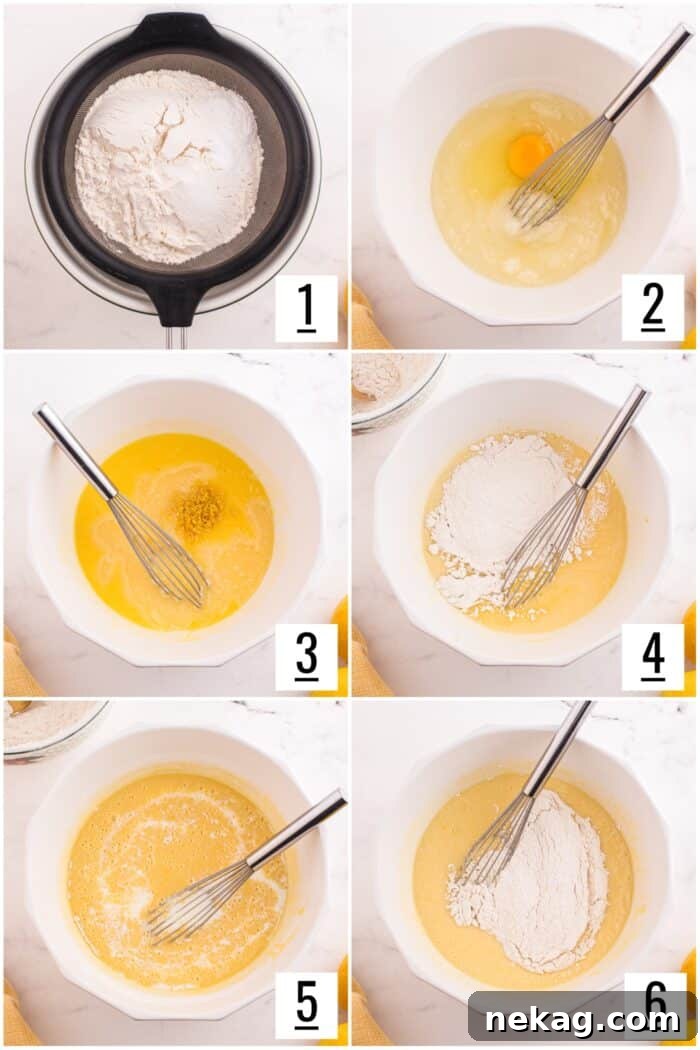
- In a medium-sized bowl, meticulously sift together the all-purpose flour, baking powder, baking soda, and salt. Sifting is important to remove any lumps and ensure the leavening agents are evenly distributed. Set this dry mixture aside.
- In a large mixing bowl, embark on the crucial emulsification process. Vigorously whisk together the granulated sugar and olive oil until the mixture becomes pale and slightly thickened – this may take a few minutes. This initial step helps to aerate the sugar and begin binding the oil.
- Next, incorporate the eggs one at a time. Whisk each egg thoroughly into the sugar and oil mixture until it is completely combined and smooth before adding the next. This gradual addition and thorough whisking are key to creating a stable emulsion, which prevents a dense or greasy cake.
- Once the eggs are fully incorporated, add the fresh lemon zest and the freshly squeezed lemon juice to the wet mixture. Whisk everything together until well combined, ensuring the bright citrus flavors are fully integrated.
- Now, it’s time to combine the wet and dry ingredients using the alternating method. Add approximately half of your sifted dry ingredients to the wet mixture. Mix gently with your whisk until just combined. Be careful not to over-mix at this stage.
- Pour all of the milk into the batter and mix again until just combined. The batter will still have some texture.
- Finally, add the remaining dry ingredients to the bowl. Mix gently until just combined. It is absolutely essential not to over-mix the batter; a few small lumps are perfectly acceptable and actually desirable, as over-mixing can develop the gluten in the flour, leading to a tough and gummy cake.
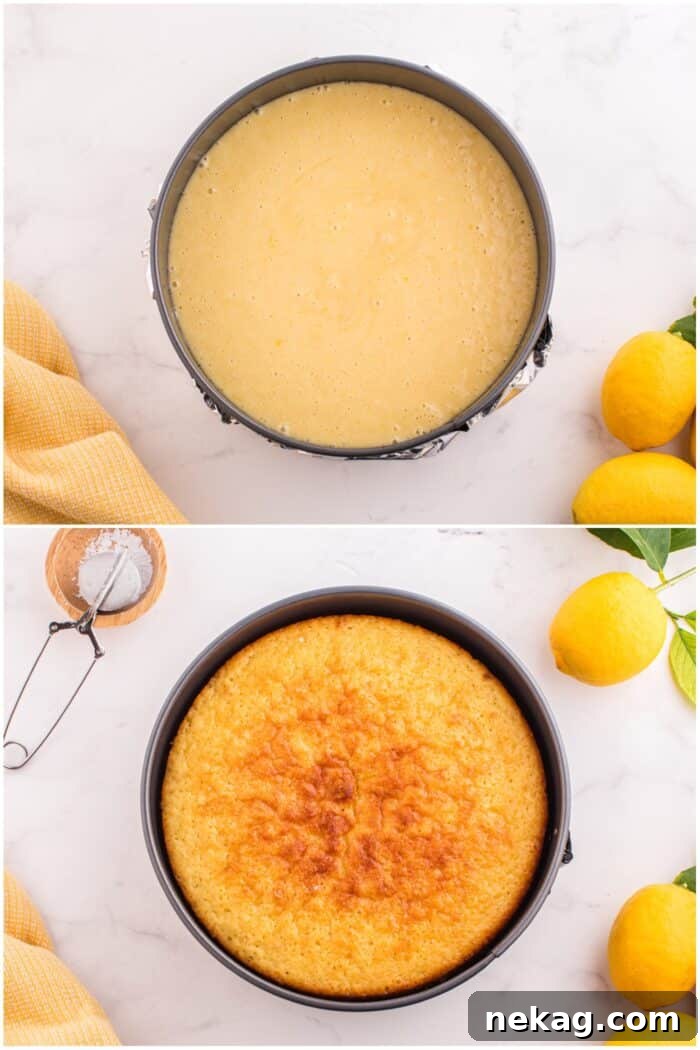
- Carefully pour the prepared batter into your greased and lined springform pan. To release any trapped air bubbles that could lead to large holes in your cake, gently tap the pan 2-3 times on your countertop.
- Transfer the pan to your preheated oven and bake at 350˚F (175°C) for approximately 55-60 minutes. The cake is done when a wooden skewer or toothpick inserted into the very center comes out clean, indicating it’s cooked through without any wet batter.

Serving and Storing Your Delicious Cake
Once your Lemon Olive Oil Cake emerges from the oven, the anticipation builds. Here’s how to best serve and store it to preserve its exquisite taste and texture:
- Serving Your Cake: Allow the cake to cool in its springform pan for a good 15 minutes after baking. This crucial cooling period helps the cake to set and firm up, making it easier to handle. After 15 minutes, carefully remove the sides of the springform pan. Gently discard the parchment paper from the bottom and transfer the cake to a serving plate or wire rack until it has cooled completely. While this cake is fantastic served at room temperature, many find its flavors exceptionally delightful when eaten while still slightly warm. Just before serving, give it a beautiful, light dusting of powdered sugar for an elegant finish. For an extra touch of brightness, consider serving it with a side of fresh berries or a dollop of crème fraîche.
- Storing Your Cake: To keep your olive oil lemon cake wonderfully moist and flavorful, ensure it is properly stored. At room temperature, wrapped tightly with plastic wrap or kept in an airtight container, it will remain fresh for up to 4-5 days. For extended freshness, you can refrigerate the cake for up to 1 week. Bring it back to room temperature before serving for the best flavor and texture experience.
- Freezing for Later Enjoyment: This cake freezes beautifully, allowing you to savor its goodness much later. To freeze, wrap individual slices of cooled cake tightly in plastic wrap, then place them inside a freezer-safe bag or an airtight container. It can be frozen for up to 2-3 months. When you’re ready to enjoy a slice, simply let it thaw at room temperature. For the absolute best texture and flavor, allow it to thaw completely before serving. NOTE: Due to the cake’s inherent moisture, it may stick slightly to the plastic wrap upon thawing, so be gentle when unwrapping.
Did you Create This Culinary Masterpiece?
We love seeing your creations! If you’ve tried your hand at this delightful Lemon Olive Oil Cake, please consider sharing your experience. Your feedback is incredibly valuable and helps our community grow.

Important Recipe Notes for Success
Achieving a perfect Lemon Olive Oil Cake relies on a few key techniques and considerations:
- Avoid Over-Mixing: This is perhaps the most critical rule in cake baking, especially with recipes that don’t rely heavily on butter creaming. Over-mixing your batter develops the gluten in the flour excessively, which will inevitably result in a dense, chewy, and gummy texture. It can also create unsightly air pockets, sometimes referred to as ‘tunneling’. Mix only until the ingredients are just combined. A few small lumps in the batter are perfectly normal and indicate you haven’t overdone it. While baking soda will naturally create some small bubbles, you can help larger ones escape by gently tapping the filled pan on the counter a few times before it goes into the oven.
- Pan Preparation for Thin Batter: This Lemon Olive Oil Cake has a somewhat thin batter, which is part of what contributes to its tender crumb. Because of this, it’s essential to meticulously prepare your springform pan to prevent any leaks during baking. Wrapping the outside of the springform pan tightly with aluminum foil acts as a reliable barrier, especially if you’re unsure about the seal of your pan. This ensures all your delicious batter stays exactly where it should be.
- The Role of Parchment Paper and Easy Release: Lining the bottom of your springform pan with parchment paper is a simple yet effective trick. It not only guarantees that the cake won’t stick to the bottom but also helps prevent over-browning of the base, ensuring an evenly baked cake. If you find the cake seems a little resistant to release from the sides of the springform pan, a thin butter knife run gently around the perimeter can help loosen it. I personally find products like Baker’s Joy (a baking spray with flour) to be incredibly effective for greasing the pan, providing an extra layer of non-stick assurance.
- Effortless Cake Inversion Technique: For a beautifully presented cake, I recommend a simple two-plate inversion method. After the cake has cooled sufficiently, remove the sides of the springform pan. Place a flat serving plate or cake stand on top of the cake, then carefully but confidently flip the cake over onto this plate. At this point, you can easily remove the bottom of the springform pan and peel off the parchment paper. To return the cake to its upright position, place another flat plate or serving dish on what is now the bottom of the cake, and gently flip it back over. Then, remove the top plate, and your cake is perfectly positioned and ready for its finishing touches!

Frequently Asked Questions About Lemon Olive Oil Cake
The intensity of the olive oil flavor largely depends on the type you choose. “Light” olive oil will impart virtually no discernible taste, especially when paired with the strong citrus notes of lemon. For this recipe, I used “pure” or “regular” olive oil, which provided a subtle, pleasant hint of olive oil that complemented the lemon beautifully without being overpowering. If you prefer a more robust olive flavor, you could experiment with “extra virgin” olive oil, which is unrefined and has a bolder, fruitier taste. However, be cautious; a very strong extra virgin olive oil might compete with the lemon, potentially overshadowing its bright essence. It’s all about finding your preferred balance.
While olive oil is often lauded as a healthier fat due to its higher concentration of heart-healthy monounsaturated fats compared to butter, it’s important to remember that this is still a cake. Olive oil contains approximately 120 calories and 14 grams of fat per tablespoon. While it can be a healthier alternative to other fats, the cake as a whole remains a delicious indulgence. It’s best enjoyed in moderation, like any other dessert, to maintain a balanced diet.
An olive oil cake stands apart primarily because it utilizes olive oil as its main fat source, in contrast to butter, vegetable oil, or other fats typically found in cakes. This substitution contributes to a uniquely moist and tender crumb that often remains fresh for longer. Beyond texture, the olive oil imparts a delicate, often subtly fruity, and sometimes peppery flavor profile that can vary based on the oil’s origin and intensity. This distinctive taste pairs exceptionally well with bright ingredients like citrus, fragrant spices, or nuts, elevating the cake to a more sophisticated and nuanced dessert experience.
A common pitfall with olive oil cakes is achieving a dense or even greasy texture. Simply swapping butter for olive oil and adding it straight to your wet ingredients, as you might with other liquid oils, often leads to a heavy crumb and an unpleasant mouthfeel. The secret lies in the method of incorporation. Unlike butter cakes, which require creaming butter and sugar to introduce air, olive oil cakes benefit immensely from emulsification. By gradually whisking the olive oil with sugar and then individually incorporating eggs, a stable emulsion is formed. This process ensures the oil is thoroughly and evenly distributed throughout the batter, preventing density and resulting in a cake that is light, airy, and moist.
More Lemon Desserts You’ll Love
Lemon Coffee Cake
Lemon Crinkle Cookies
Lemon Pudding Cakes
Lemon Cream Pie

User Rating: 5 out of 5 stars from 1 rating
Lemon Olive Oil Cake
This easy Lemon Olive Oil Cake is moist, fruity, and sweet. No frosting needed and no mixer required! A great breakfast cake alongside coffee or tea.
Created by: Amber Brady
Prep Time: 15 mins
Cook Time: 1 hr
Total Time: 1 hr 15 mins
Print Recipe | Pin Recipe | Rate this Recipe
Yields: 12 servings
Ingredients
- 2 cups (250 g) all-purpose flour (stir, spoon & level)
- 1 tsp baking powder
- ¼ tsp baking soda
- ½ tsp salt
- 1 ½ cups (300 g) granulated sugar
- ¾ cup (177 ml) olive oil (pure/regular)
- 3 large eggs, room temperature
- 1 Tbsp lemon zest (from 3 lemons)
- 6 Tbsp freshly squeezed lemon juice (about 3 lemons; do not use more than 6 Tbsp)
- ¾ cup (177 ml) milk, room temperature (whole milk preferred)
- 1-2 Tbsp powdered sugar, optional (for topping the cake)
Equipment
- 9-Inch Springform Pan
- 6-Quart Steel Mixing Bowl
- Nylon Whisk
Instructions
- Preheat oven to 350 degrees Fahrenheit (175°C). Prepare a 9-inch springform pan by greasing the bottom and the sides well (using Baker’s Joy is recommended), and lining the bottom with a circle of parchment paper. Wrap the outside of the pan with foil to prevent potential leaks (as this is a somewhat thin batter).
- Sift together the flour, baking powder, baking soda, and salt into a medium bowl. Set aside.
- In a large bowl, whisk together the sugar and oil until light. Whisk in the eggs one at a time, mixing well between each addition to create an emulsion. Add the zest and lemon juice; whisk to combine.
- Alternate mixing in half of the dry ingredients, all of the milk, and then the remaining dry ingredients, mixing until just combined after each addition. Do not over-mix; some small lumps are acceptable.
- Pour the batter into the prepared pan. Tap the pan 2-3 times on the countertop to release any air bubbles.
- Bake at 350˚F (175°C) for 55-60 minutes or until a toothpick comes out clean when inserted into the center of the cake.
- Allow the cake to cool for 15 minutes before removing it from the springform pan. Discard the parchment paper, and place the cake on a plate until cooled completely. Dust with powdered sugar before serving.
Recipe Video
A video tutorial for making this Lemon Olive Oil Cake would typically be embedded here.
Notes
- TO STORE: Store olive oil lemon cake wrapped tightly with plastic wrap, or in an airtight container at room temperature for up to 4-5 days. For longer storage, you can refrigerate it for up to 1 week.
- TO FREEZE: Wrap individual slices of cake tightly in plastic wrap and place inside a freezer-safe bag; freeze for up to 2-3 months. Let the cake thaw at room temperature before serving for the best texture and flavor. NOTE: The cake may stick to the plastic wrap a bit, since it is very moist.
Nutrition Info.
Nutrition
Serving: 1 slice | Calories: 321kcal | Carbohydrates: 43g | Protein: 4g | Fat: 15g | Saturated Fat: 3g | Polyunsaturated Fat: 2g | Monounsaturated Fat: 10g | Trans Fat: 0.004g | Cholesterol: 43mg | Sodium: 177mg | Potassium: 70mg | Fiber: 1g | Sugar: 27g | Vitamin A: 85IU | Vitamin C: 4mg | Calcium: 49mg | Iron: 1mg
Disclaimer: Nutritional values were calculated using a third-party tool and are provided as an estimation only.
Sharing this recipe with a link is both encouraged and appreciated. Copying/pasting and/or screenshots of full recipes to any social media is strictly prohibited. Content and photographs are copyright protected.
Did you make this?
Don’t forget to leave a rating below and make sure to follow on Pinterest and Instagram for more!