
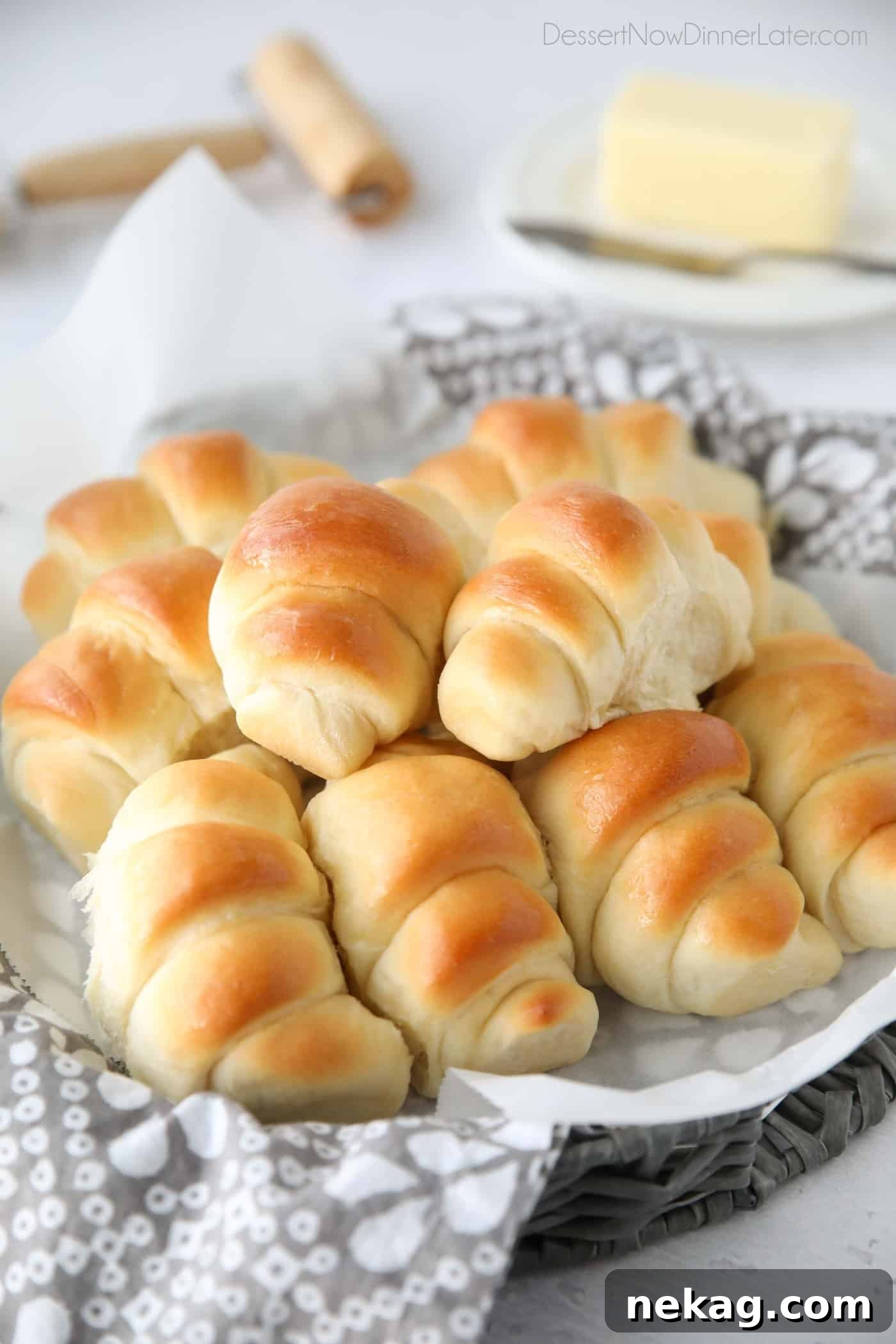
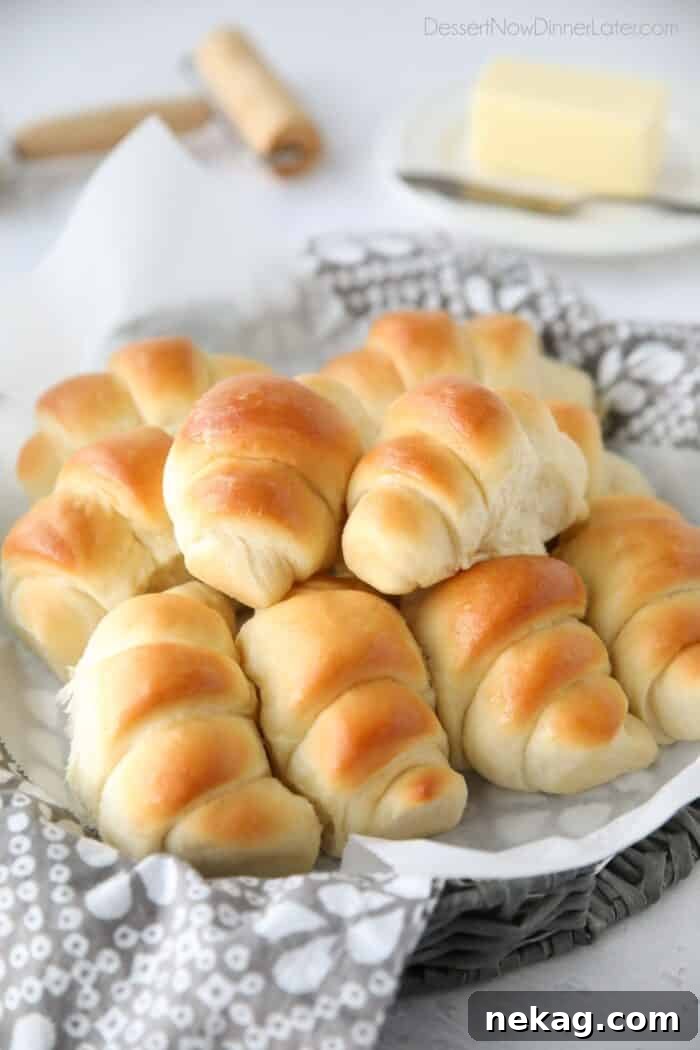
This Homemade Crescent Rolls recipe yields soft, fluffy dinner rolls that are tender and buttery. They’re simple to prepare and ideal for Sunday suppers and holiday meals.
What is the difference between croissants and crescent rolls?
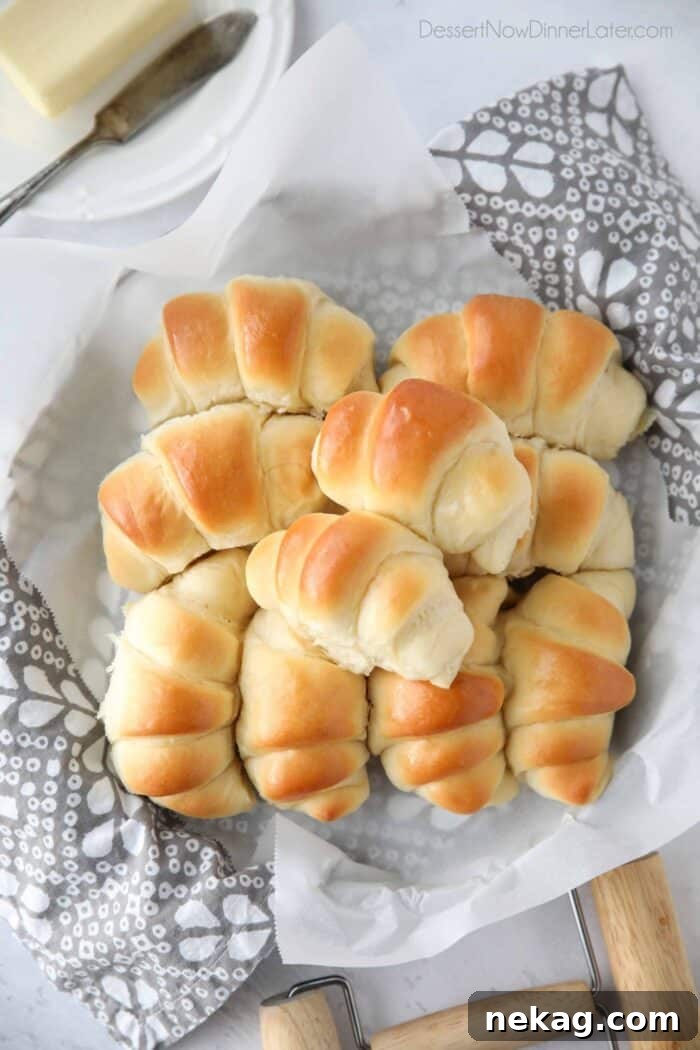
Croissants and crescent rolls look similar because of their shape, but they are different in technique and texture.
Croissants are made by laminating chilled butter into the dough through multiple folds to create distinct flaky layers, similar to puff pastry but with yeast. Crescent rolls use an enriched, buttery dough that becomes light and fluffy; any layering comes from rolling the dough as you shape each roll, not from laminated butter.
Why should I make these?
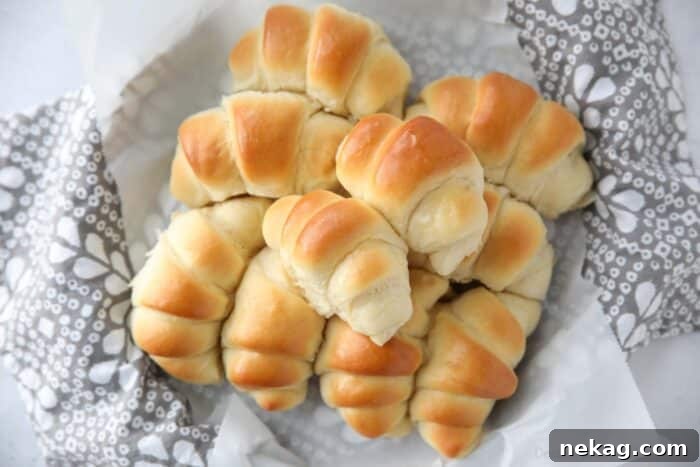
Crescent rolls are enjoyable to shape, look more elegant than basic dinner rolls, and are great for special occasions as well as everyday meals. Leftovers reheat beautifully for breakfast, spread with butter, jam, or honey.
While they take longer than canned crescent dough, homemade rolls use real butter and yeast, producing a lighter, softer crumb and richer flavor compared with biscuit-like alternatives.
Why is it called a crescent roll?
Crescent rolls are named for their moon-like shape. Many bakers shape them with a gentle curve, but you can keep them straighter if you prefer to split them and add butter or use them as small sandwich rolls.
What is crescent roll dough made of?
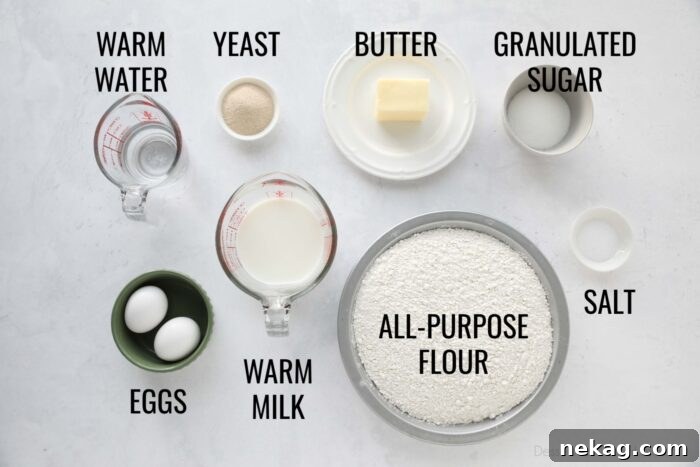
The dough uses simple pantry ingredients:
- Quick rise or instant dry yeast (active dry works too but will need more rising time).
- Warm water (about 110°F) to activate the yeast.
- Softened unsalted butter — or salted if you reduce added salt.
- Granulated sugar to feed the yeast and encourage browning.
- Large eggs to enrich and tenderize the dough.
- Warm milk (about 110°F) for flavor and crust color.
- Salt to enhance flavor.
- All-purpose flour to form the dough’s structure.
Blooming yeast
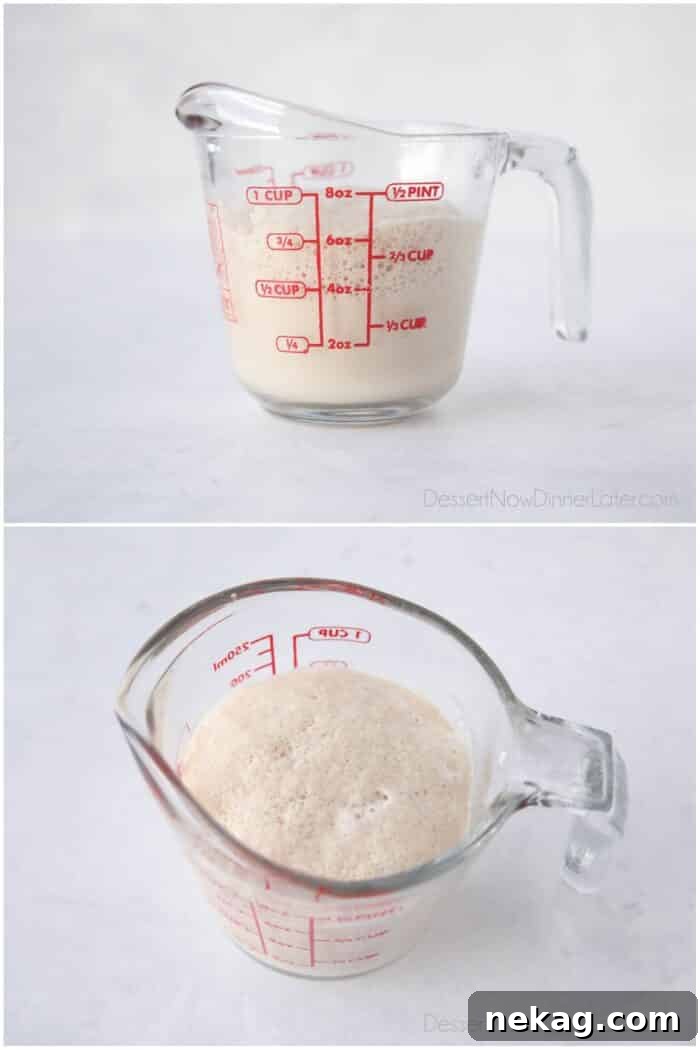
Blooming verifies your yeast is active. For reliability, dissolve the yeast in 110°F water and let sit 5 minutes. It should become foamy. If it stays flat the yeast may be expired or the water temperature was incorrect. You can add a teaspoon of sugar to help feed active dry yeast during blooming.
Making the dough
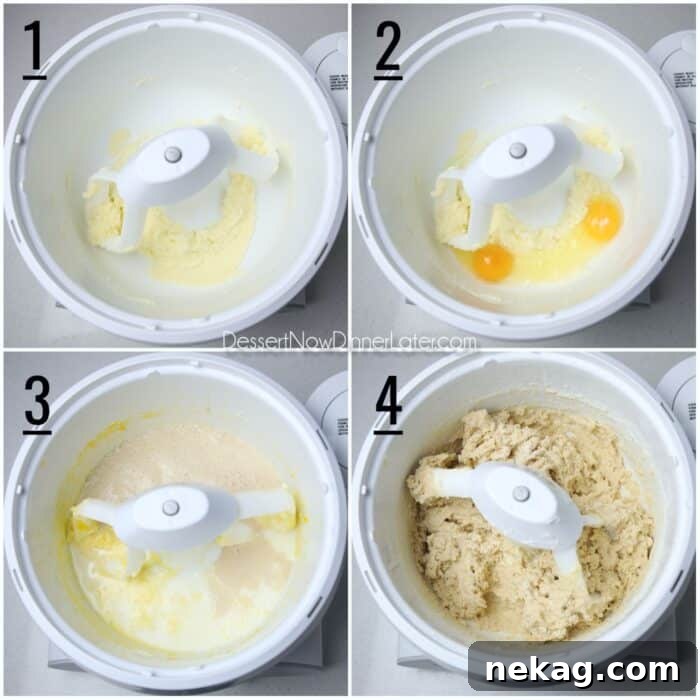
While the yeast blooms, follow these steps to make the dough:
- Cream the softened butter and sugar until light.
- Add the eggs and mix, scraping the bowl as needed.
- Stir in warm milk, salt, and the yeast mixture.
- Add 5 cups of flour and mix slowly until combined, then switch to a dough hook.
- Knead on medium speed about 5 minutes until a soft dough forms. Add up to 1/2 cup extra flour, 1 tablespoon at a time, if needed. The dough should be slightly sticky but pull away from the bowl.
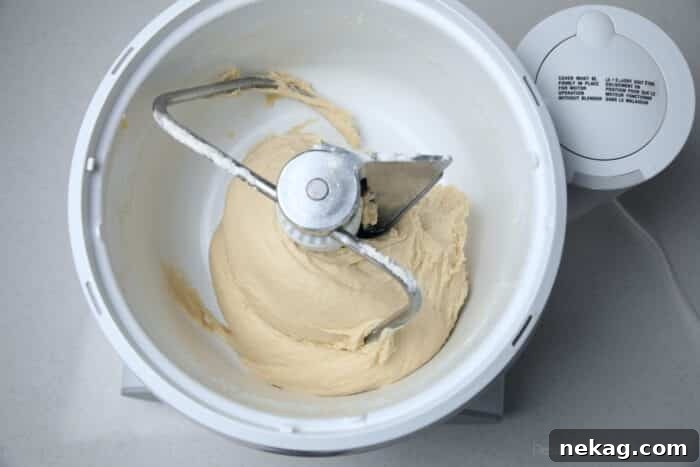
Transfer the dough to a greased bowl, cover, and let rise in a warm place until doubled, about 30–45 minutes.
How to shape homemade crescent rolls
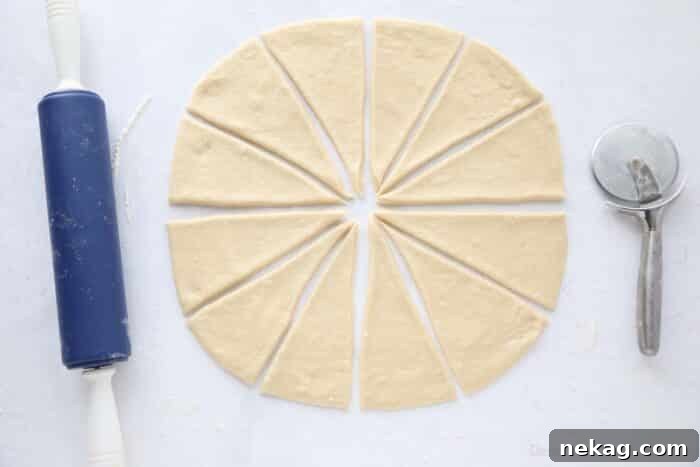
After the dough doubles:
- Punch down the dough, divide it in half, and shape each half into a ball.
- Roll each half into a circle about 14 inches across and cut each circle into twelve wedges.
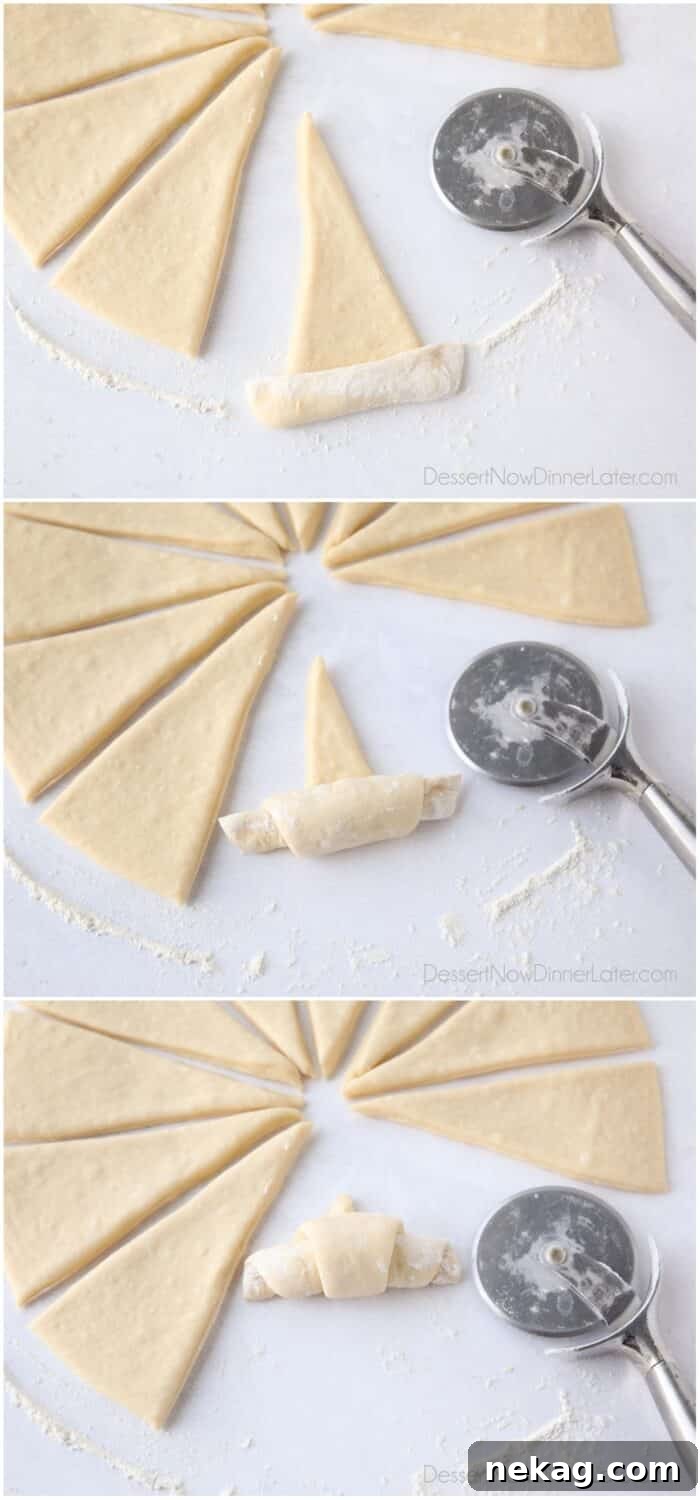
- Roll each wedge from the wide end toward the tip, making several turns so you get layered spirals.
- Curve the ends slightly and place rolls tip-side down on a lightly greased half sheet pan.
- Cover and let rise until doubled again, about 30–45 minutes.
Baking and serving
Preheat the oven to 350°F. Bake the crescent rolls 15–20 minutes until golden brown on top and bottom. Fully baked rolls register about 190–200°F internally.
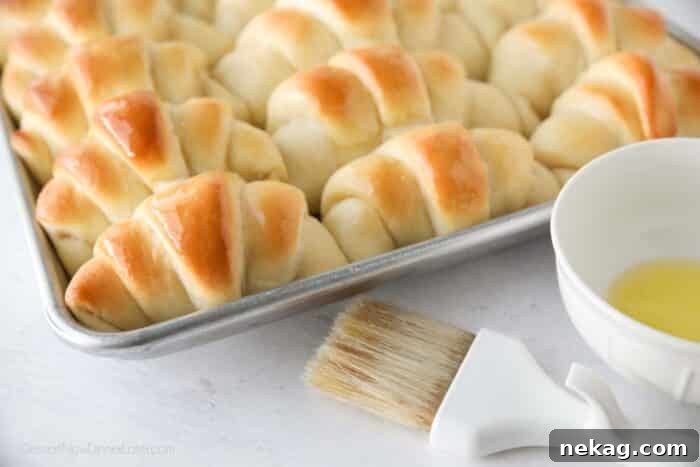
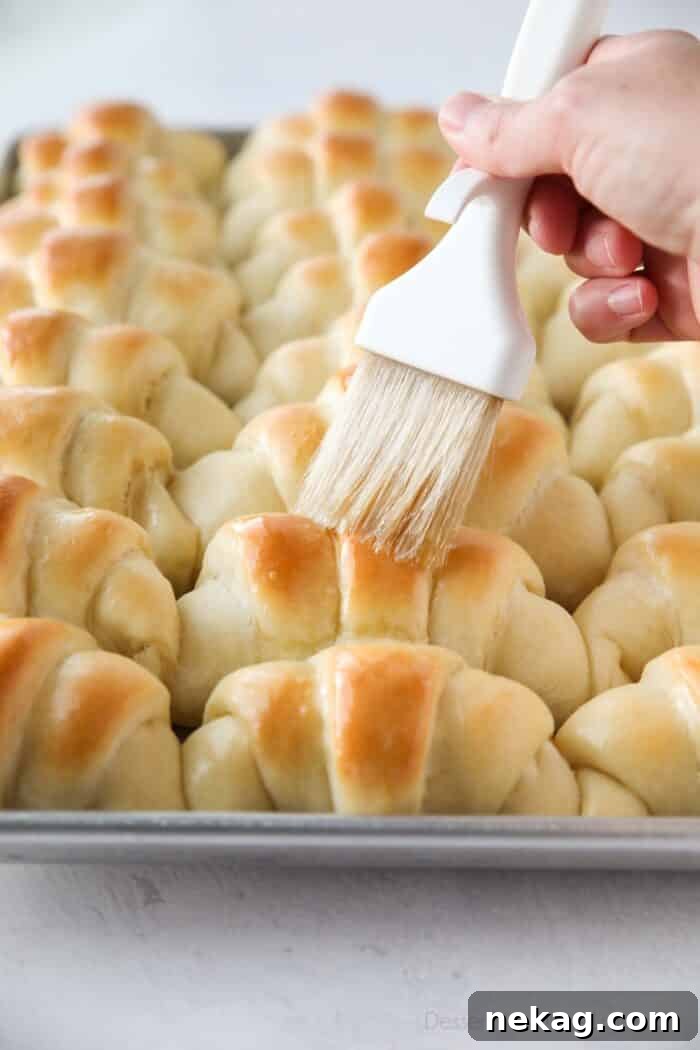
Brush hot rolls with melted butter and serve warm for best flavor and texture.
Storing and reheating
Store leftover rolls in a zip-top bag at room temperature for 2–3 days.
To reheat: warm a single roll in the microwave for 5–10 seconds, or wrap in foil and heat in a 350°F oven for 5–7 minutes.
Make-ahead options
You can refrigerate or freeze the dough for later use.
- Refrigerate: After kneading, place dough in a greased bowl, cover, and refrigerate up to 2 days. When ready, roll, cut, shape, proof, and bake.
- Freeze: Shape unbaked rolls on a parchment-lined sheet and freeze until firm. Transfer to a freezer bag and store up to 6 months. To bake from frozen, place rolls 2–3 inches apart on a greased pan, cover to prevent sticking, and allow to rise at room temperature for about 4 hours (or refrigerate overnight) until doubled, then bake as directed.
More savory and sweet roll recipes
- Garlic Parmesan Rolls
- Olive Garden–style Breadsticks
- Empty Tomb Rolls
- Orange Rolls
- Caramel Pecan Rolls
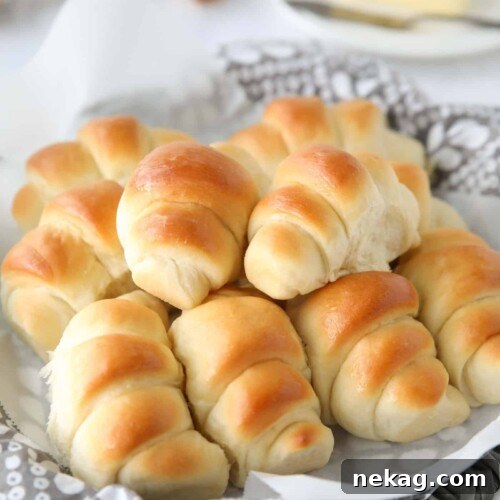
Homemade Crescent Rolls
Ingredients
- ½ cup (118 ml) warm water (110˚F)
- 2 Tbsp yeast (quick rise or instant dry)
- 6 Tbsp (85 g) unsalted butter, softened
- ⅓ cup (68 g) granulated sugar
- 2 large eggs
- 1 cup (237 g) warm milk (110˚F)
- 2 tsp salt
- 5 to 5½ cups (600 to 660 g) all-purpose flour (stir, spoon & level)
- 2 Tbsp (29 g) butter, melted (for brushing)
Instructions
- Stir yeast into warm water to dissolve and set aside.
- Cream butter and sugar in a stand mixer with the paddle attachment. Add eggs and mix well, scraping the bowl as needed. Add the milk, salt, and yeast mixture and combine.
- Add 5 cups of flour and mix slowly until just combined, then switch to a dough hook.
- Knead for about 5 minutes on medium speed until a soft, slightly sticky dough forms. Add up to 1/2 cup more flour, 1 Tbsp at a time, if needed.
- Transfer dough to a greased bowl, cover, and let rise 30–45 minutes in a warm place until doubled.
- Punch dough down, divide in half, and shape each half into a ball. Roll each into a 14-inch circle and cut each into 12 wedges.
- Roll each wedge from the wide end to the tip, place tip-side down on a greased half sheet pan, and curve ends slightly.
- Cover and let rise 30–45 minutes until doubled. Preheat oven to 350°F.
- Bake at 350°F for 15–20 minutes until golden and cooked through (internal temperature 190–200°F).
- Brush hot rolls with melted butter and serve warm.
Notes
- Store leftovers in a zip-top bag at room temperature for 2–3 days.
- Reheat rolls in the microwave 5–10 seconds or in a 350°F oven wrapped in foil for 5–7 minutes.
- This recipe yields just under 3 lbs of dough.
Nutrition
Calories: 157 kcal |
Carbohydrates: 23 g |
Protein: 4 g |
Fat: 5 g
Disclaimer: Nutritional values are estimates.