
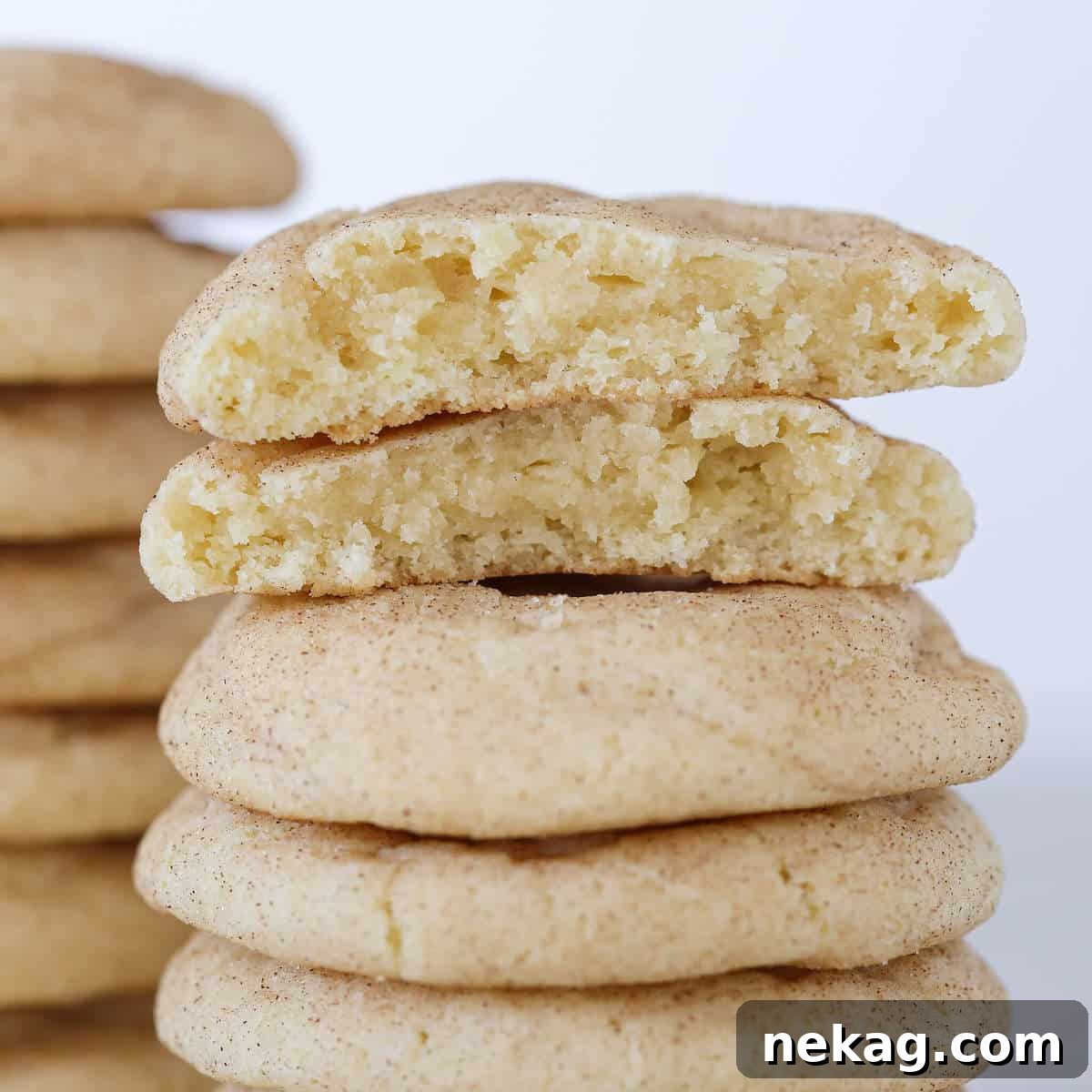
The Best Snickerdoodle Recipe: Soft, Chewy, and Perfectly Tangy Cookies
Welcome to the ultimate guide for creating the Best Snickerdoodle Cookies you’ll ever taste! These delightful treats are renowned for their signature soft, chewy texture and that unmistakable tangy sweetness, all enveloped in a perfectly spiced cinnamon-sugar coating. What makes this recipe truly special is its incredible ease – you can whip up a batch from start to finish in under 30 minutes, with no need for pre-baking chilling! The slightly crunchy cinnamon-sugar exterior provides a wonderful textural contrast and an extra layer of sweetness that makes these cookies irresistible.
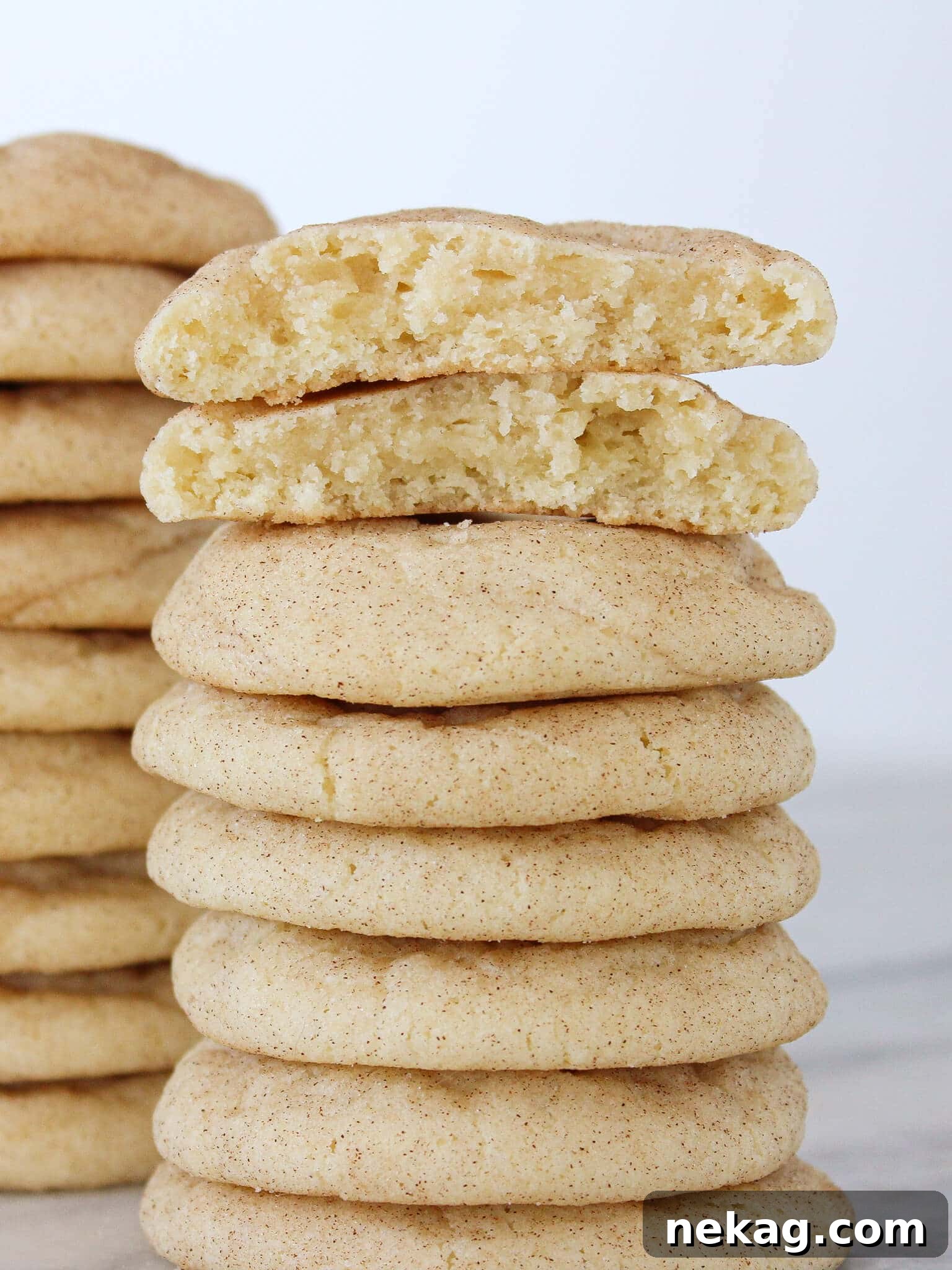
As a professional pastry chef, I believe every recipe deserves rigorous testing and meticulous tweaking until it reaches absolute perfection. My journey to this ultimate Snickerdoodle began with a charming vintage cookbook recipe, which, while good, didn’t quite meet my high standards for thickness and chewiness. Through extensive experimentation in my commercial kitchen, I refined every detail, resulting in cookies that are gloriously thick, exceptionally soft, and wonderfully chewy. Just like their festive pumpkin snickerdoodle cousins, these cookies boast the ideal ratio of fragrant cinnamon sugar on the outside, delivering that satisfying delicate crunch with every bite.
This same dedication to perfection has been applied to many other beloved recipes. From achieving the ideal spread and chew in my chewy sugar cookies, to perfecting the balance in peanut butter chocolate chip cookies and the richness of triple chocolate cookies, every creation undergoes a rigorous development process. I even embarked on a mission to perfect classic foundational cakes, including the quintessential yellow cake, the elegant white cake, and the surprisingly simple one-bowl chocolate cake. It’s this commitment to culinary excellence that ensures every recipe shared here is truly the best it can be.
Table of Contents
- Why This is the Best Snickerdoodle Recipe
- Professional Tips for Making Perfect Snickerdoodles
- Essential Ingredients for Snickerdoodles
- Creative Snickerdoodle Variations
- What Makes a Classic Snickerdoodle Cookie?
- How Omitting Cream of Tartar Changes Snickerdoodles
- Step-by-Step: How to Make the Best Snickerdoodle Cookies
- Chef Lindsey’s Baking Secrets
- Frequently Asked Questions About Snickerdoodles
- The Best Snickerdoodle Cookie Recipe Card
- Before You Bake
Why This is the Best Snickerdoodle Recipe
- Developed by a Professional Chef: These aren’t just home-tested cookies; they were meticulously crafted in a commercial kitchen environment for my bakery. Every ingredient ratio and mixing technique was tested, tweaked, and retested countless times until the result was absolutely flawless. This professional-grade development ensures consistent, superior results in your own kitchen.
- Thick, Chewy Perfection with No Chill Time: One of the biggest advantages of this recipe is its efficiency. You can enjoy incredibly thick, chewy cookies without the usual waiting game. The dough comes together beautifully and is ready to bake immediately, allowing you to go from craving to cookie in under 30 minutes! While optional chilling can enhance texture further, it’s absolutely not required for a fantastic cookie.
- Three Secrets to Unbeatable Texture:
- Strategic Milk Addition: Adding a precise amount of whole milk after creaming the butter and sugar introduces just enough extra moisture. This technique prevents the cookies from becoming dry or crumbly, creating an extra soft, almost pillowy interior that’s a hallmark of a truly great Snickerdoodle.
- Optimized Ingredient Ratios: The carefully balanced high ratio of flour and sugar to butter is key to achieving that desirable thickness. This prevents excessive spreading during baking, ensuring your cookies hold their shape and remain wonderfully chunky and chewy.
- Cream of Tartar & Baking Soda Power Duo: The combination of cream of tartar, a strong acid, and baking soda creates a more intense chemical reaction than baking powder alone. This powerful leavening action produces that characteristic tall, puffed, and wonderfully airy texture. Moreover, the cream of tartar imparts the quintessential tangy flavor that defines a classic Snickerdoodle.
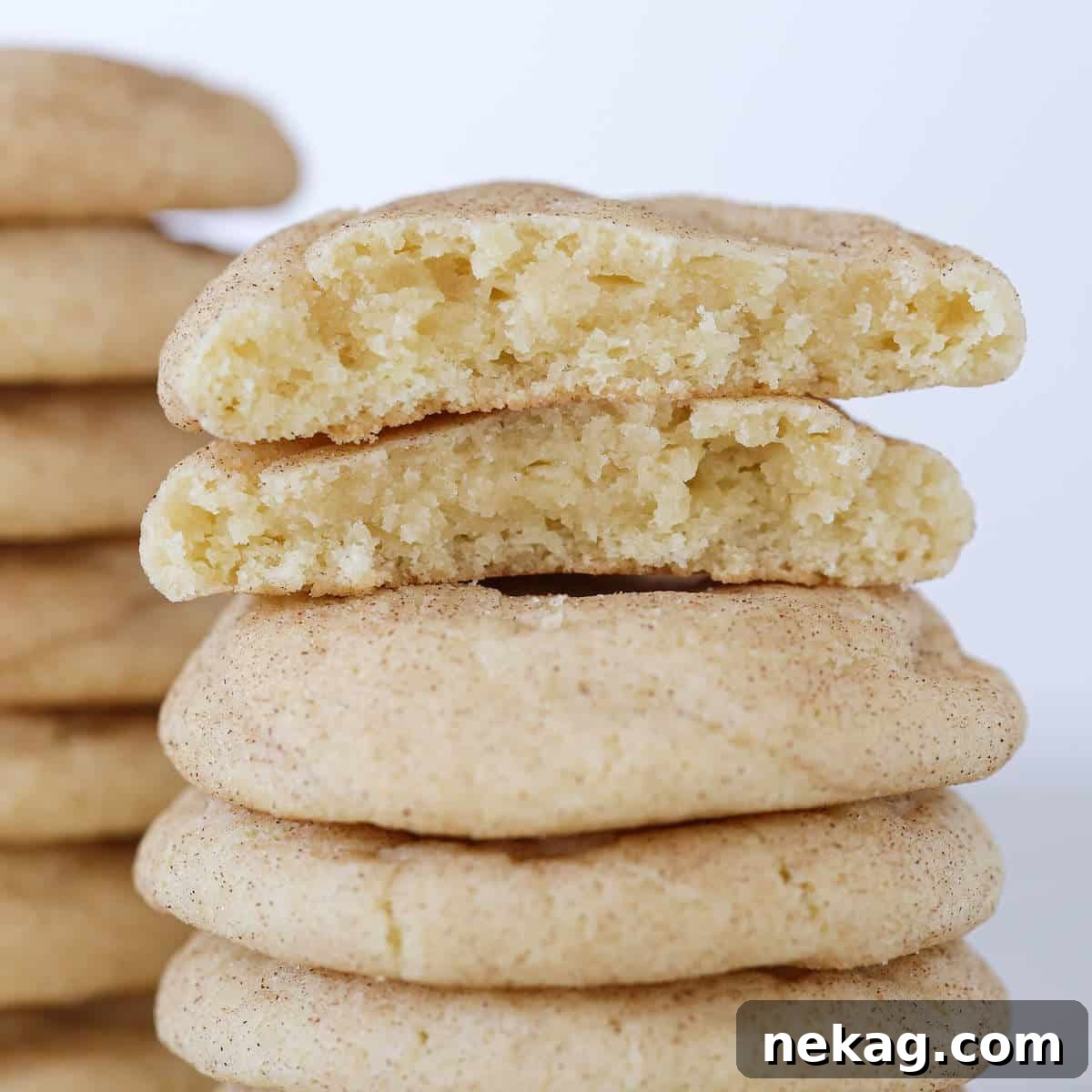
Professional Tips for Making Perfect Snickerdoodles
Even with the best recipe, a few professional insights can elevate your baking from great to truly exceptional. Here are my top tips for achieving Snickerdoodle perfection every time:
- Freezing Cookie Dough for Optimal Freshness: While freezing cookie dough is a convenient way to prepare ahead, it’s crucial not to store it for longer than 1 month. The leavening power of baking soda is due to its reaction with an acid (in this case, cream of tartar) which produces carbon dioxide. This reaction is instant and occurs only once. If the dough sits frozen for too long, the gas dissipates, and the dough will lose its ability to rise, resulting in flat, dense cookies. Trust me, I learned this the hard way on a large commercial scale! For best results, freeze dough balls for up to 4 weeks for optimal lift and texture.
- The Transformative Power of Chilling the Dough: While these cookies are amazing baked right after mixing, chilling the dough before baking will undoubtedly elevate them to an exceptional level. A quick 30-minute chill or even an overnight rest allows the flour to fully hydrate, the flavors to meld, and the butter to firm up. This leads to a thicker, chewier cookie with less spread and a more pronounced flavor profile. If time allows, this extra step is highly recommended for the ultimate Snickerdoodle experience, producing a cookie that is decidedly chewy rather than cakey.
- Butter Temperature is Key: For the ideal texture, use butter that is soft and pliable, but still cool to the touch. It should not be at room temperature or greasy. Warmer butter will still work, but it tends to make cookies spread more and results in a cakier texture rather than the desired soft and chewy.
Essential Ingredients for Snickerdoodles and Their Role
Every ingredient in this recipe plays a crucial role in developing the signature flavor and texture of the best Snickerdoodle. Understanding their purpose will help you achieve perfect results and even troubleshoot if needed.
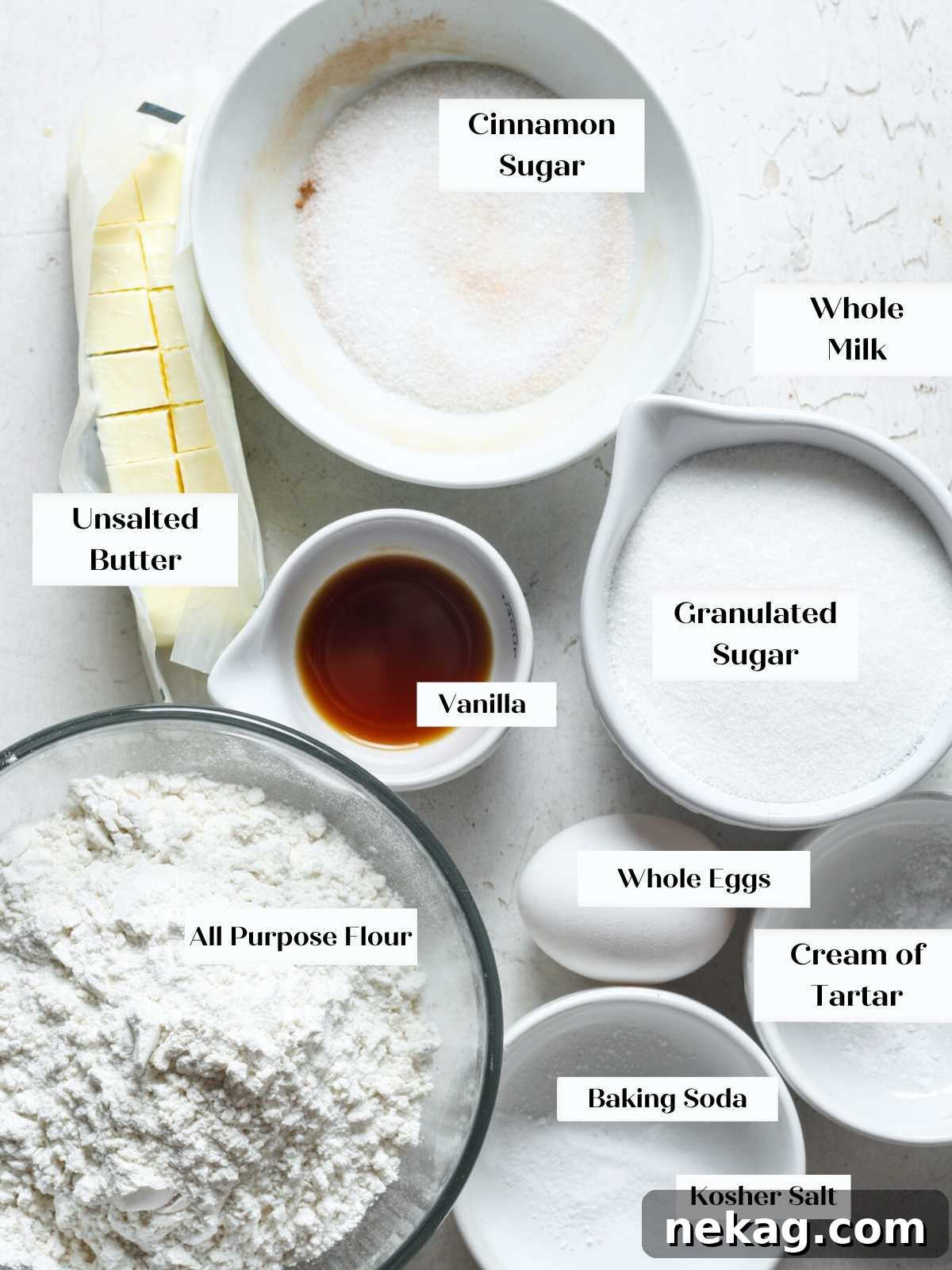
- Granulated Sugar: Beyond its obvious role in sweetness, granulated sugar is critical for texture. The amount relative to butter and flour dictates how much the cookies spread. Too much sugar, and your cookies will be thin and crispy; the right amount ensures they stay tall, soft, and chewy. It also contributes to the delightful crispy edges.
- Unsalted Butter: I exclusively use unsalted butter in baking to maintain precise control over the salt content. Different brands of salted butter vary in their sodium levels, making consistent recipe adjustments difficult. Butter provides richness, moisture, and aids in the creaming process, creating air pockets that contribute to a light texture. Ensure it’s cool but pliable for best results.
- Whole Eggs: Eggs are multifaceted in baking. The yolks add essential fat and richness, contributing significantly to the cookies’ chewiness and overall moisture. The whites provide protein and, when beaten into the mixture, introduce air for additional leavening. Eggs also act as an emulsifier, binding the fat and liquid components of the batter, resulting in a smooth, cohesive dough and a perfectly uniform cookie texture.
- Whole Milk: A small amount of whole milk is key to achieving the perfect dough consistency – just enough to bring the ingredients together without making the dough tough. The addition of liquid means we must be extra cautious not to overmix the dough, as excessive mixing can develop the gluten in the flour too much, leading to tough, rubbery cookies.
- Vanilla Extract: Vanilla extract offers its own warm, aromatic flavor, but its true magic lies in its ability to amplify and enhance the flavors of all the other ingredients around it, creating a more complex and satisfying taste profile.
- All-Purpose Flour: All-purpose flour contains just the right amount of gluten (protein) to provide structure to the cookies without making them overly dense. It’s essential for achieving that characteristic soft, chewy, and thick Snickerdoodle texture.
- Cream of Tartar: This is a non-negotiable ingredient for authentic Snickerdoodles! As a highly acidic byproduct of winemaking, cream of tartar delivers the distinctive tangy flavor that sets Snickerdoodles apart. Crucially, it reacts with baking soda to create a powerful leavening agent, resulting in the desired tall, puffed, and pillowy texture. Without it, your cookies would simply be sugar cookies.
- Baking Soda: Baking soda is a leavening agent that requires an acid (like cream of tartar) to activate. When combined, they produce carbon dioxide gas, which makes the cookies rise dramatically. Its reaction is more potent than baking powder, contributing to that impressive puffiness. Remember, baking soda’s leavening action primarily occurs upon initial contact with acid and moisture, not continuously in the oven’s heat.
- Kosher Salt: Kosher salt, being less dense than table salt, provides a milder, more controlled salinity. It’s not just for making things salty; it’s a vital flavor enhancer that balances the sweetness and prevents your cookies from tasting flat or one-dimensional.
- Cinnamon Sugar: The iconic cinnamon sugar coating is non-negotiable for Snickerdoodles. Rolling the dough balls in this fragrant mixture just before baking creates that beautiful, slightly crunchy exterior and classic spiced aroma that defines these cookies.
Creative Snickerdoodle Variations
While the classic Snickerdoodle is perfect in its simplicity, there are many exciting ways to customize this recipe and explore new flavor profiles. Here are some ideas to get your creative juices flowing:
- Spice Up the Coating: Instead of traditional cinnamon, experiment with different exterior spice mixes. My pumpkin pie spice mix, apple pie spice, or even a fragrant speculoos spice mix can transform the character of your Snickerdoodles. Simply substitute your preferred spice blend for the cinnamon in the sugar coating. For an even richer, nuttier flavor, consider browning the butter before mixing, as I did in these phenomenal brown butter cardamom snickerdoodles.
- Triple Cinnamon Sensation: For the ultimate cinnamon lover, infuse the cookie dough itself with extra spice. Add 1 teaspoon of ground cinnamon to the dry ingredients before mixing. For an even more intense “cinnamon party,” fold in some cinnamon chips (or even white chocolate chips) into the dough. You can find more inspiration for delicious mix-ins from my popular cowboy cookies.
- Delightfully Stuffed Snickerdoodles: Elevate your Snickerdoodles by stuffing them! Wrap the cookie dough around a small dollop of frozen cream cheese for a tangy, creamy surprise, or encase a soft caramel candy for a gooey, sweet center. Freezing the filling beforehand makes it much easier to work with.
- Snickerdoodle Bars or Cake: If you love the flavor but prefer a different format, press the entire batch of dough into a baking dish to make delicious Snickerdoodle bars. Sprinkle generously with the cinnamon sugar coating before baking, much like Averie does with her recipe here. Or, for an entirely different dessert experience, skip the cookies altogether and bake a luscious Snickerdoodle cake!
What Makes a Classic Snickerdoodle Cookie?
The term “Snickerdoodle” evokes a specific set of characteristics that distinguish it from other cookies. To be considered a truly classic Snickerdoodle, two elements are absolutely non-negotiable: the presence of cream of tartar in the dough and a generous, beautiful coating of cinnamon sugar on the outside. Furthermore, in my professional opinion, there should be no cinnamon in the cookie dough itself; the cinnamon flavor should come exclusively from the exterior coating. While this is a much-debated topic among bakers, I find it allows the unique tangy flavor of the cream of tartar to shine through without competition. Beyond ingredients, authentic Snickerdoodles are typically thick, with a delightfully soft interior and a slight, satisfying chew. I’m going to state something that might be contentious, but it’s important: Snickerdoodles baked without cream of tartar are, quite simply, just sugar cookies. The cream of tartar is the defining ingredient that gives them their distinct character.
How Omitting Cream of Tartar Changes Snickerdoodles
Given its critical role, intentionally omitting cream of tartar from a Snickerdoodle recipe will fundamentally alter both its flavor and texture. Firstly, you will lose that signature tangy taste that is so characteristic of these cookies. Cream of tartar is a highly acidic ingredient, and it reacts powerfully with baking soda to create the unique soft, subtly chewy, and puffed texture. Without this acidic component, the baking soda won’t activate as effectively, resulting in cookies that are noticeably flatter and possess a denser, less airy texture. They will lack the distinct “pucker” and lift that makes a Snickerdoodle truly special. Essentially, you’ll end up with a pleasant sugar cookie, but not the beloved Snickerdoodle. For an authentic experience, cream of tartar is indispensable.
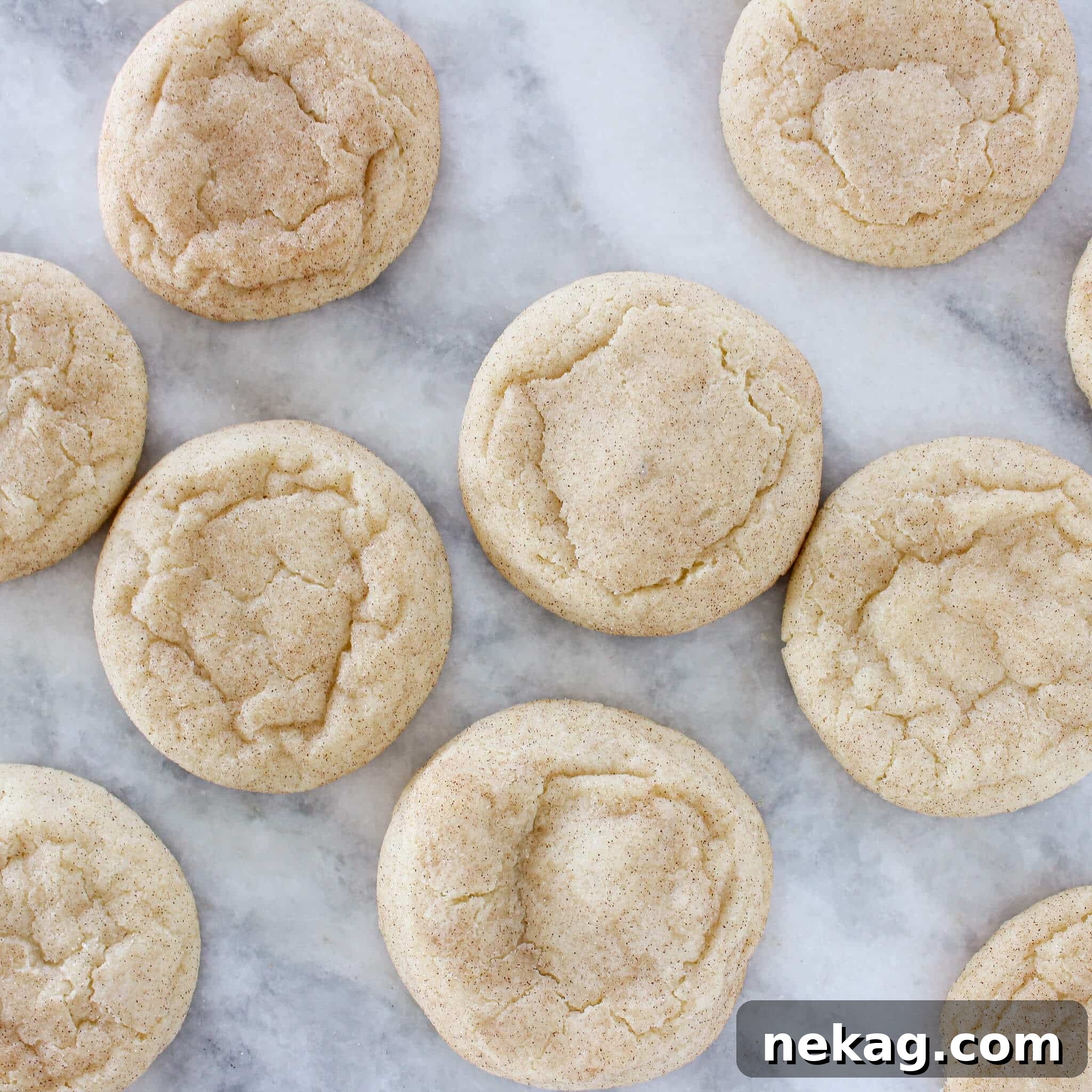
Step-by-Step: How to Make the Best Snickerdoodle Cookie Recipe
Follow these detailed instructions to create consistently perfect Snickerdoodles every single time. You’ll find further details, precise measurements, and a printable version in the recipe card below.
Step 1: Prepare Your Oven and Baking Sheets. Preheat your oven to 325°F (160°C) if using convection, or 350°F (175°C) if using a conventional oven (without a fan). Line two large baking sheets with parchment paper. This prevents sticking and ensures even baking.
Step 2: Whisk Dry Ingredients. In a medium-sized bowl, thoroughly whisk together the all-purpose flour, baking soda, cream of tartar, and kosher salt. Whisking ensures these ingredients are evenly distributed, which is crucial for uniform leavening and flavor. Set this bowl aside.
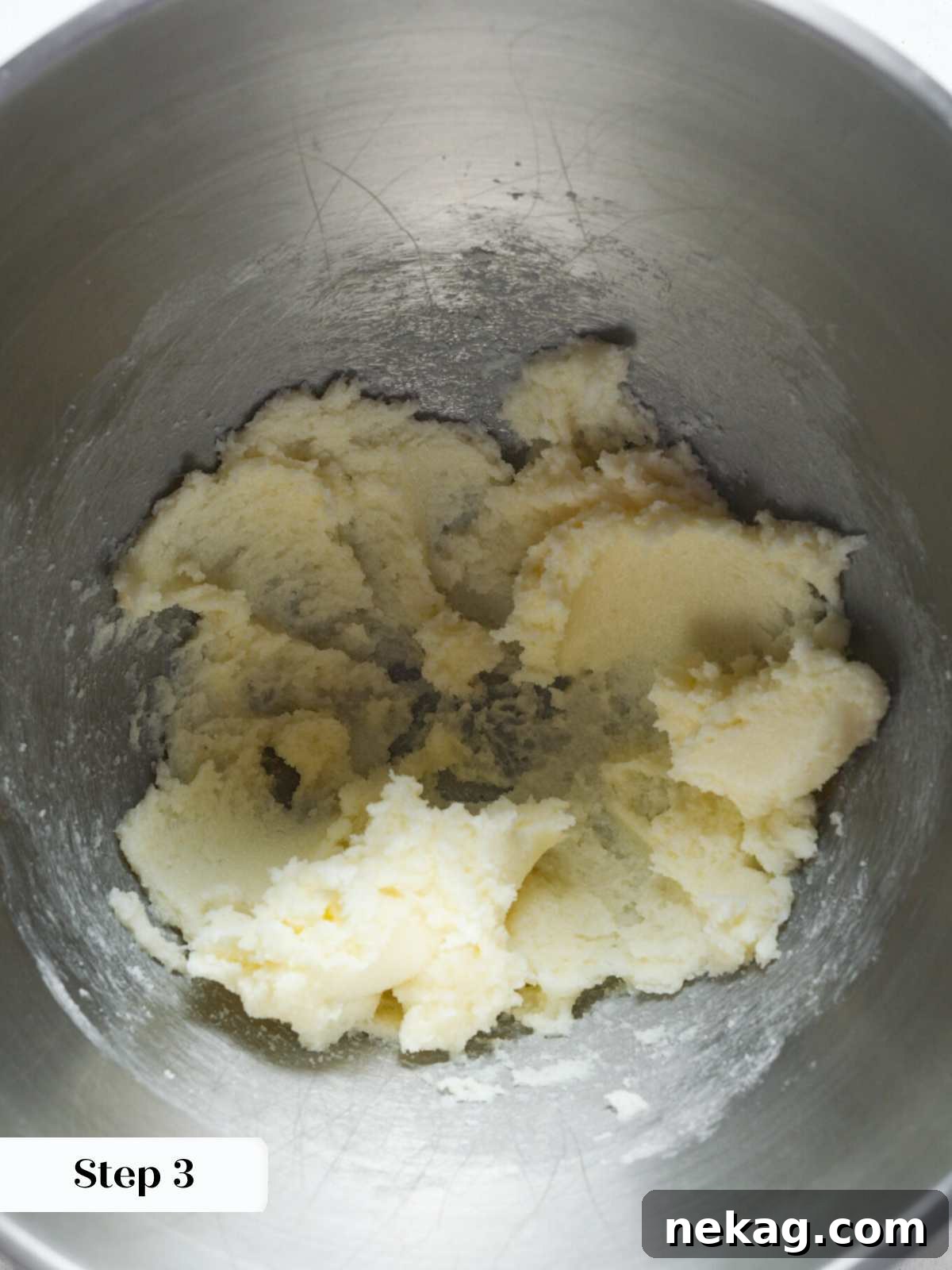
Step 3: Cream Butter and Sugar. In the bowl of a stand mixer fitted with the paddle attachment, or in a large bowl using a hand mixer, combine the cool but pliable unsalted butter and granulated sugar. Cream them together on medium speed until the mixture is light, fluffy, and noticeably pale in color. This process incorporates air, which contributes to the cookies’ final texture.
Step 4: Incorporate Eggs. Add the large eggs one at a time, beating well after each addition until fully incorporated. After both eggs are mixed in, stop the mixer and use a rubber spatula to scrape down the sides and bottom of the bowl. This ensures that all ingredients are evenly mixed and the mixture is fully emulsified and homogeneous before proceeding.
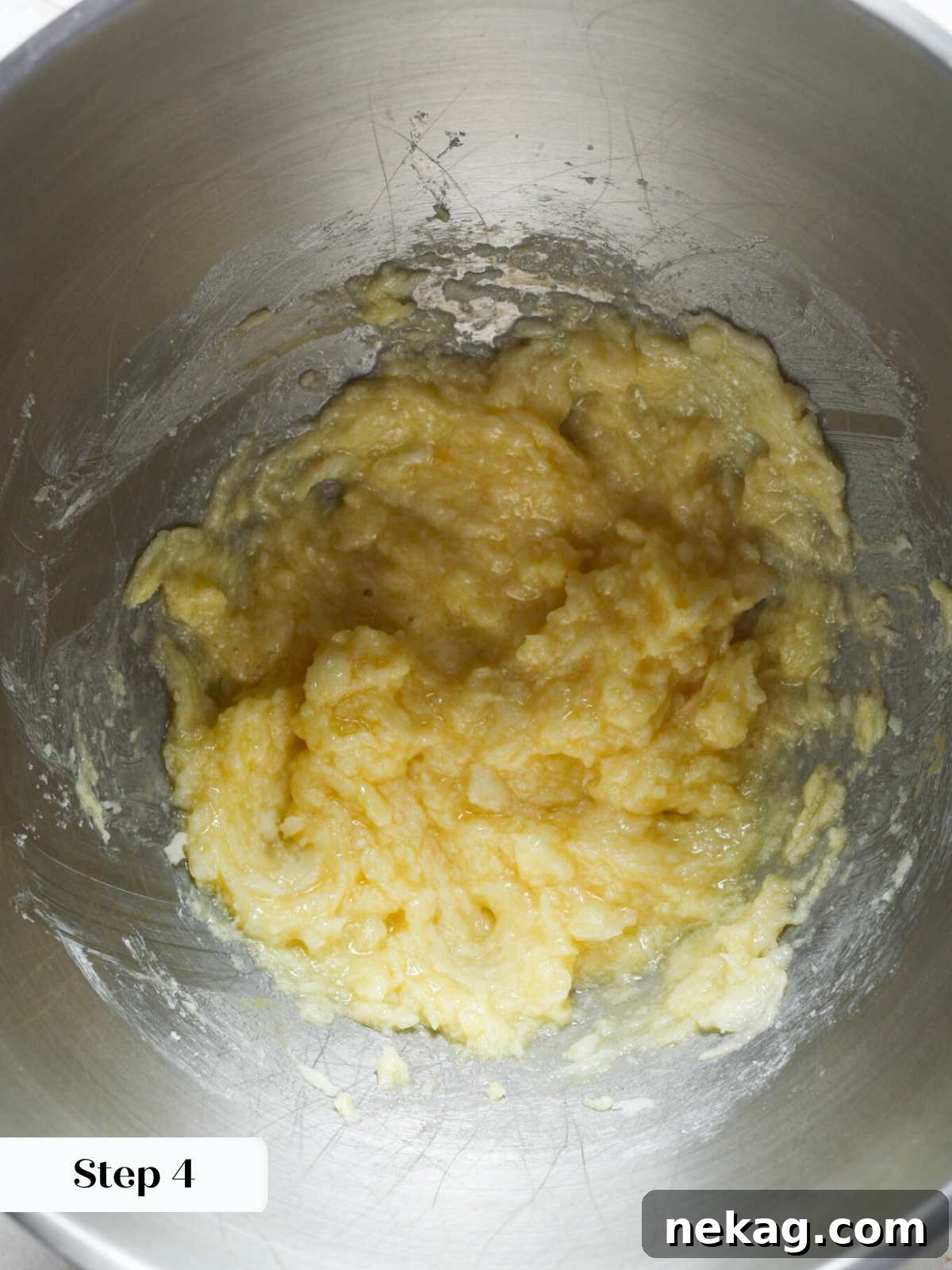
Step 5: Add Wet Ingredients. Introduce the whole milk and vanilla extract to the creamed mixture. Beat on low speed until they are just combined. Avoid overmixing at this stage to prevent excessive gluten development.
This mixing order might seem a little unconventional, but it’s a key secret to achieving truly pillowy and soft cookies rather than tough ones. Adding the milk and vanilla extract before the dry ingredients helps to hydrate the mixture properly before the flour’s gluten has a chance to fully develop and toughen the dough.
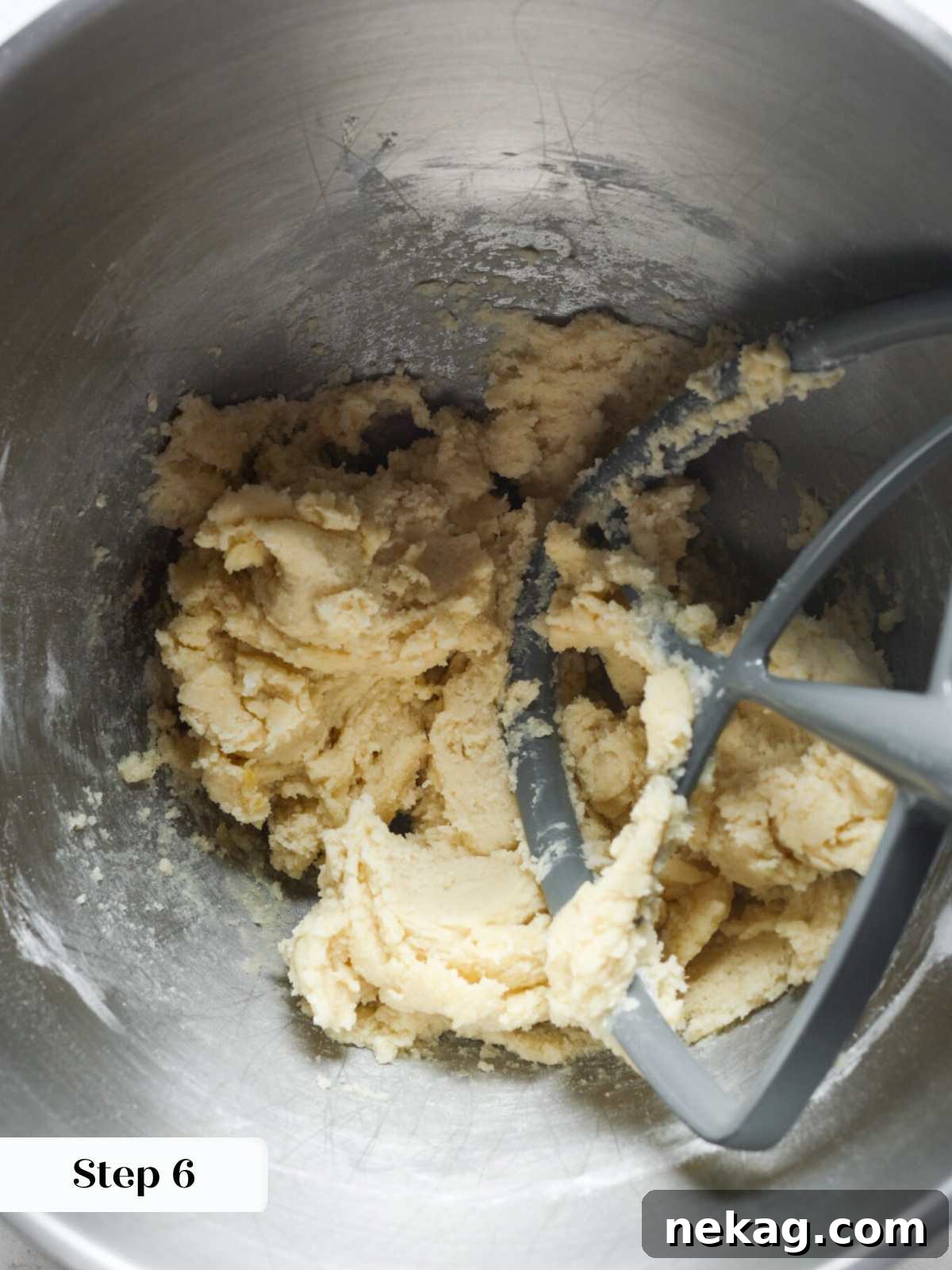
Step 6: Gradually Add Dry Ingredients. Reduce your mixer speed to low. Slowly add the whisked dry ingredients to the wet mixture in several small additions. Add the next portion only when the previous one is almost fully incorporated. Once all the flour mixture has been added, mix just until it’s barely combined and no streaks of dry flour remain. Overmixing the flour will develop gluten and result in a tough cookie.
Step 7: Portion the Dough. Use a medium cookie scoop (approximately 2 tablespoons in size) or roll about 2 tablespoons of dough into smooth balls. Uniform sizing ensures even baking.
This step is optional but highly recommended for the absolute best cookies. For thicker, chewier, and more flavorful Snickerdoodles, chill the dough completely before baking. This can take about 30 minutes in the refrigerator or wrap and chill overnight. Chilling prevents excessive spreading and deepens the flavor.
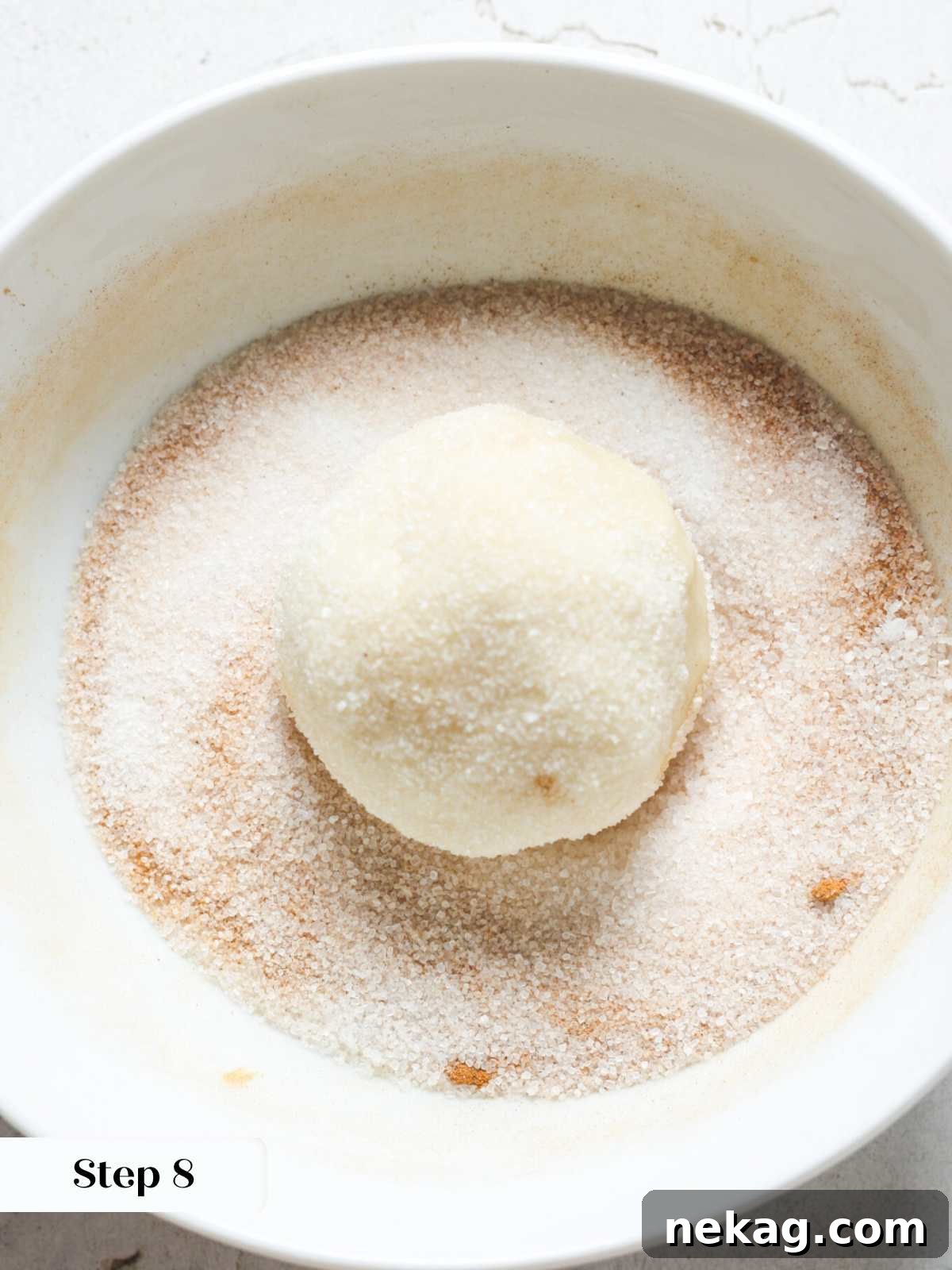
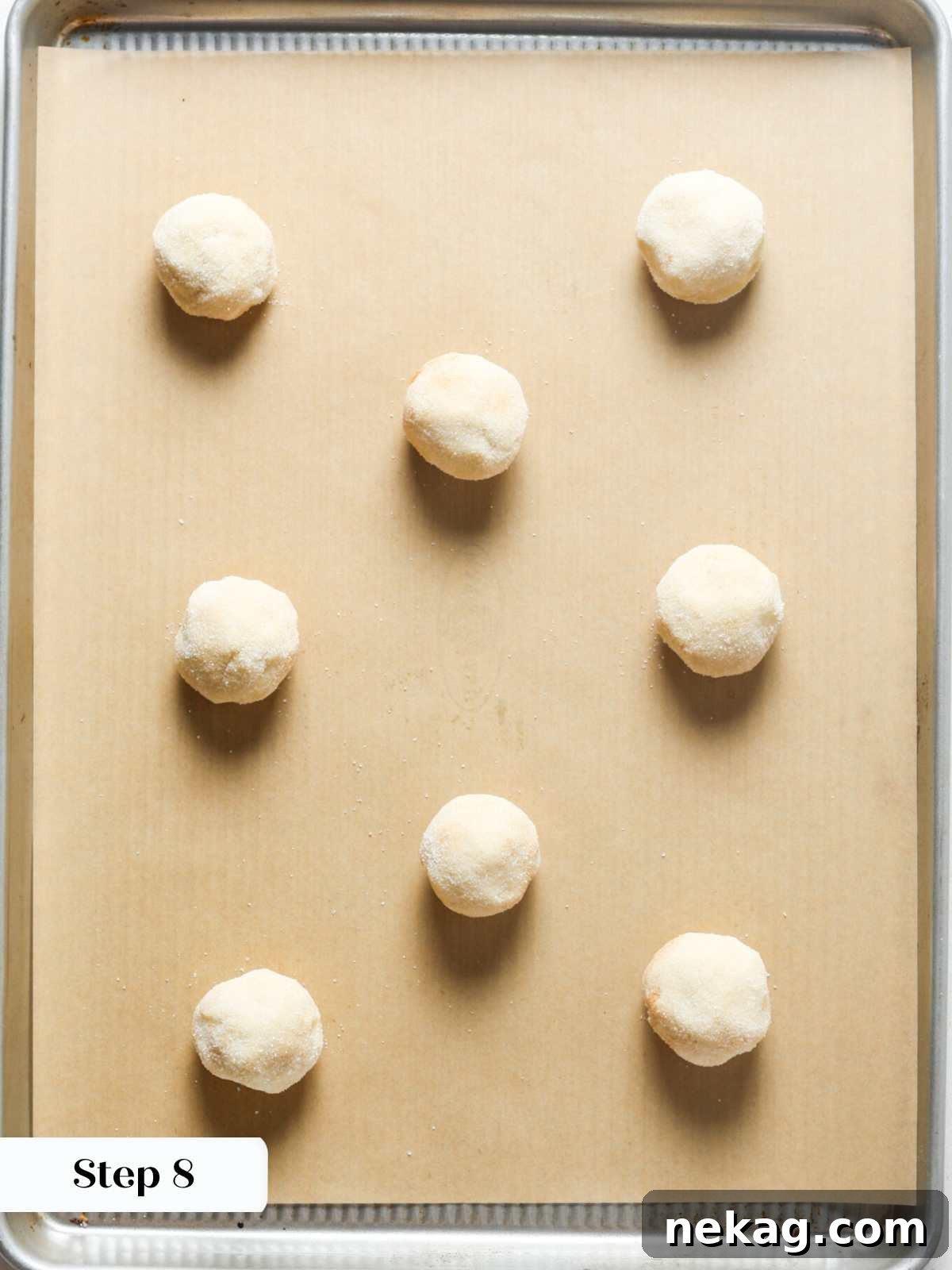
Step 8: Coat in Cinnamon Sugar. In a small, shallow bowl, whisk together the granulated sugar and ground cinnamon for the coating. Take each chilled (or unchilled, if skipping the chill step) dough ball and roll it generously in the cinnamon sugar mixture, ensuring it’s completely coated. Place the coated dough balls on your parchment-lined baking sheets, leaving about 2 inches of space between each to allow for expansion.
Step 9: Bake to Perfection. Bake in your preheated oven for approximately 10 minutes, or until the edges are lightly set and puffed, and the centers appear matte and no longer shiny. The cookies should still look slightly underdone in the very center – this is key to their chewy texture once cooled. Overbaking will result in dry, crumbly cookies. Let them cool on the baking sheet for a few minutes before transferring to a wire rack to cool completely.
Chef Lindsey’s Baking Secrets
The temperature of your butter is paramount for the perfect Snickerdoodle texture. I always use butter that is soft and pliable but still cool to the touch. It should yield slightly when pressed but not be greasy or at full room temperature. Warmer butter can lead to excessive spreading and a more cake-like cookie, rather than the desired thick, soft, and chewy texture that defines a truly exceptional Snickerdoodle.
Frequently Asked Questions About Snickerdoodles
Baked Snickerdoodles can be stored in an airtight container at room temperature for up to 5 days, though they are best enjoyed within the first 2-3 days for optimal freshness. To store cookie dough, roll it into balls and freeze them on a baking sheet until firm, then transfer to a freezer-safe plastic bag. Store in the freezer for up to 1 month. Be aware that the longer the dough is frozen, the less effective the leavening agents become, potentially resulting in flatter cookies.
Absolutely! To bake from frozen, simply roll the frozen cookie dough balls in your cinnamon sugar mixture (keep the cinnamon sugar stored in an airtight container at room temperature). Place them on parchment-lined baking sheets and bake according to the recipe instructions, adding an additional 5-7 minutes to the baking time. Keep an eye on them for that perfect matte center. This is a fantastic way to have fresh cookies on demand!
Yes, these Snickerdoodles are excellent for shipping! Their soft and chewy nature means they hold up well during transit and won’t shatter or crumble like more delicate cookies, such as lace cookies. For a perfect gift assortment, package them alongside other sturdy favorites like thick chocolate chip cookies, white chocolate macadamia nut cookies, and chewy peanut butter cookies. Ensure they are packed snugly in an airtight container to maintain freshness.
Several factors can contribute to flat Snickerdoodles. The most common culprits include using butter that is too warm (room temperature or melted), not chilling the dough (if opting for the recommended step), or an oven that isn’t hot enough. Additionally, an imbalance in the flour-to-butter ratio or an old/inactive leavening agent (baking soda or cream of tartar) can cause spreading. Ensure your butter is cool but pliable, your leavening agents are fresh, and your oven temperature is accurate (an oven thermometer is a great tool!).
While baking powder is a leavening agent, it is not a direct substitute for the combination of baking soda and cream of tartar in Snickerdoodles. Baking powder contains both an acid and a base, but it won’t provide the distinct tangy flavor that cream of tartar imparts. More importantly, the unique and powerful reaction between cream of tartar and baking soda is what gives Snickerdoodles their characteristic rise and pillowy texture. Substituting baking powder will result in a different flavor profile and a less authentic texture, closer to a standard sugar cookie.
If you tried this recipe and loved it, please leave a 🌟 star rating and let me know how it goes in the comments below. I love hearing from you; your comments make my day!
The Best Snickerdoodle Cookie
Rated 4.60 out of 5 stars based on 5 ratings.
by Chef Lindsey
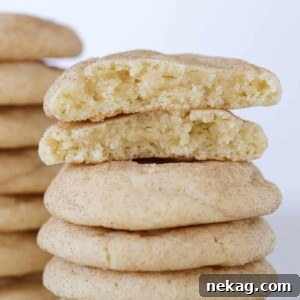
This is the Best Snickerdoodle Recipe! They are soft and chewy with that characteristic tangy flavor. These easy cookies come together in under 30 minutes and don’t need to be chilled before baking! The cinnamon sugar is just a touch crunchy and adds a little extra sweetness.
Prep Time: 18 mins
Cook Time: 10 mins
Total Time: 28 mins
Yields: 36 Cookies
Ingredients
For the Cookies:
- 1 ¾ cup granulated sugar
- 1 cup unsalted butter, cool but pliable (2 sticks)
- 2 large eggs
- 3 tbsp + 1 tsp whole milk
- 1 teaspoon vanilla extract
- 4 cups all-purpose flour
- ½ tsp baking soda
- ¾ tsp cream of tartar
- ¾ tsp kosher salt
For the Cinnamon Sugar:
- ½ cup granulated sugar
- 2 teaspoons cinnamon
Instructions
- Preheat oven to 325°F convection or 350°F conventional (no fan). Line 2 baking sheets with parchment paper.
- In a medium bowl, whisk together flour, baking soda, cream of tartar, and salt; set aside.
- In the bowl of a stand mixer fitted with the paddle attachment or in a large bowl with a hand mixer, cream butter and sugar until light and fluffy.
- Add eggs one at a time, beating well after each addition. Stop the mixer and scrape down the sides of the bowl and under the bottom to ensure an even creaming.
- Add the milk and vanilla and beat to combine.
- Reduce mixer speed to low and slowly add dry ingredients in several additions. Add the next portion when the last addition is almost incorporated. After adding all the flour, mix just until incorporated.
- Scoop with a medium cookie scoop or roll about 2 tablespoons sized pieces of dough into balls.
- This step is optional but for the best cookies, I recommend chilling the dough completely before baking. This will only take about 30 minutes or wrap and chill overnight.
- In a small bowl, whisk together the cinnamon and sugar. Roll the chilled dough in the cinnamon sugar and place on parchment-lined baking sheets about 2 inches apart.
- Bake in preheated oven about 10 minutes or until puffed and set around the edges. The centers will look matte and no longer shiny.
Video
Notes
- Yield: 36 cookies
- Technique: It’s a little unconventional but be sure to follow the order of mixing. Add the milk with the vanilla extract before the dry ingredient mixture. This will ensure pillowy, soft cookies rather than tough cookies.
- Storage: Store baked cookies up to 3 days at room temperature in an airtight container, or freeze cookie dough in balls for up to 1 month. The longer the dough sits, the flatter the cookies will be.
Nutrition
Calories: 137kcal | Carbohydrates: 20g | Protein: 2g | Fat: 6g | Saturated Fat: 3g | Polyunsaturated Fat: 0.3g | Monounsaturated Fat: 1g | Trans Fat: 0.2g | Cholesterol: 23mg | Sodium: 68mg | Potassium: 31mg | Fiber: 0.4g | Sugar: 10g | Vitamin A: 171IU | Vitamin C: 0.004mg | Calcium: 6mg | Iron: 1mg
Course: Dessert
Cuisine: American
Calories: 137
Before You Go
I genuinely hope you enjoyed this professional chef-tested and perfected Snickerdoodle recipe. It’s truly a labor of love to bring you these tried-and-true baking methods and delicious results. Don’t forget to explore our other delightful, chef-developed cookie recipes, each crafted with the same dedication to flavor and texture!
Happy baking!