
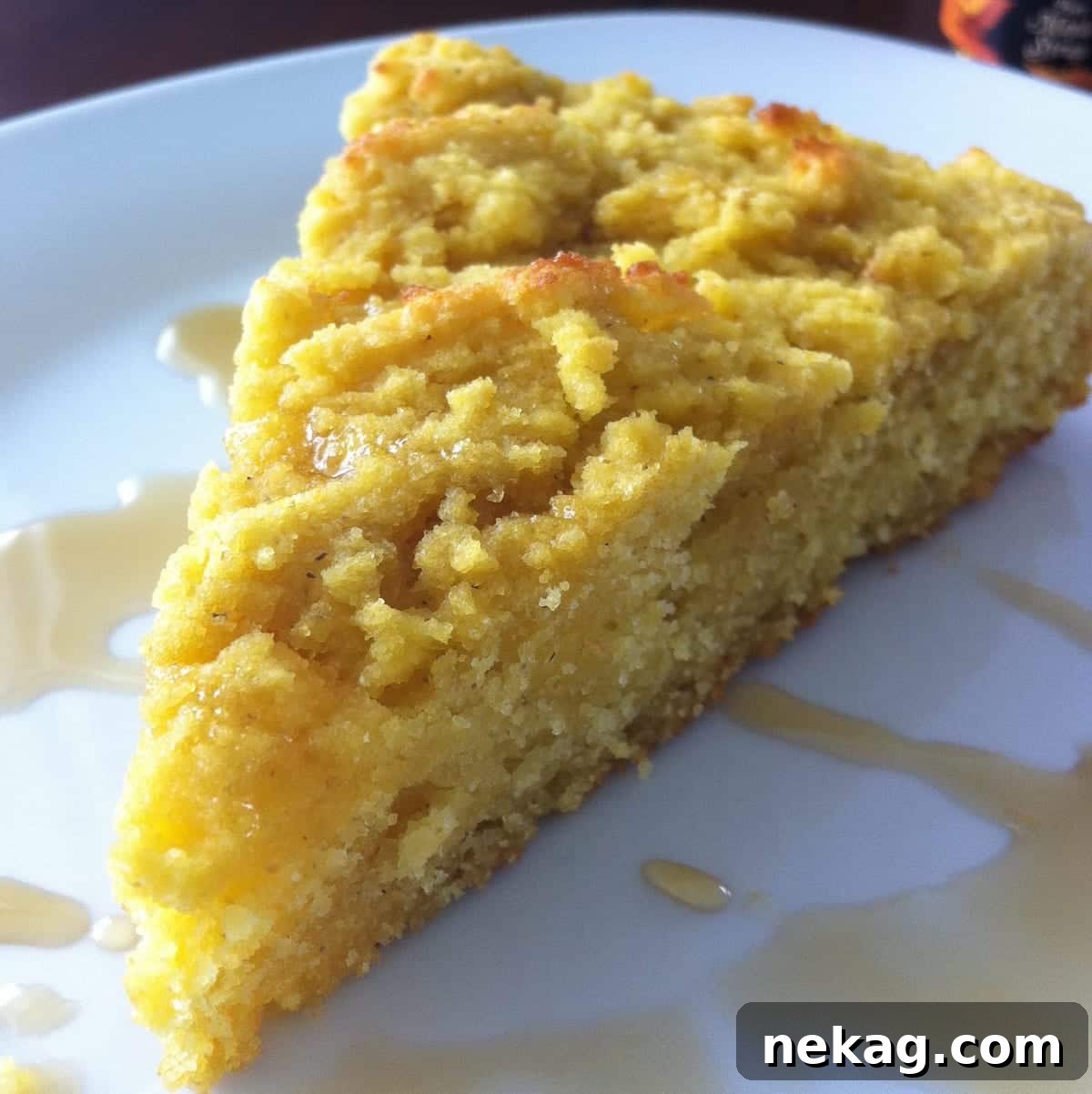
Northern Johnny Cake: A Timeless American Comfort Food & Traditional Cornmeal Side Dish
In the vast tapestry of American cuisine, some dishes stand out for their deep roots, comforting warmth, and unique regional identity. The Northern Johnny Cake is precisely one such culinary gem. More than just a simple side, this dense, moist, and tender cornmeal creation offers a delightful alternative to its sweeter Southern cornbread cousin, embodying a rich heritage and a versatile appeal that makes it perfect for any hearty meal. Imagine a chilly evening, a steaming bowl of chili or a robust winter stew, perfectly complemented by a warm slice of this substantial cornmeal cake – it’s an experience that transcends mere sustenance, offering a taste of tradition and pure comfort.
Unveiling the Northern Johnny Cake: A Culinary Heritage Rooted in New England
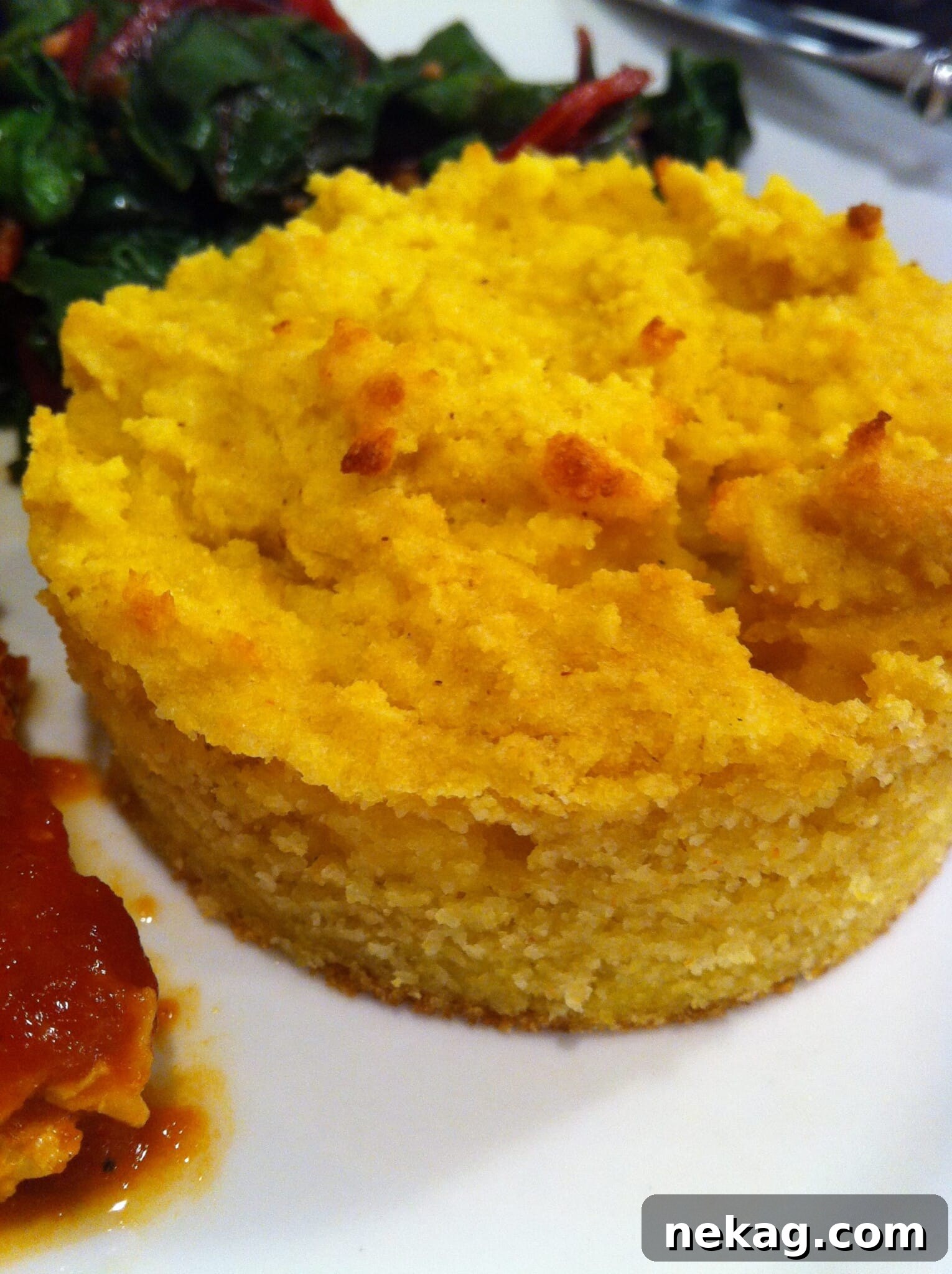
As promised, following our discussion of the delectable Skillet Barbecue Chicken, we delve into its ideal companion: the Northern Johnny Cake. While many are familiar with the rich, often sweet and buttery cornbread hailing from the American South, the Northern Johnny Cake tells a different, equally compelling story. Its origins are firmly rooted in the colonial kitchens of New England, where cornmeal was a readily available staple, and culinary ingenuity was paramount in crafting satisfying meals from simple ingredients.
The name “Johnny Cake” itself is steeped in history, believed by many to be a corruption of “Journey Cake,” referring to its portability for travelers, or possibly “Jonnycake,” a phonetic spelling reflecting its regional dialect and common pronunciation. Regardless of its exact etymology, this dish has sustained generations through long winters and demanding labor, becoming a cornerstone of Northern American culinary traditions. It appears in almost all of my heritage cookbooks, a testament to its enduring presence and importance. This particular version, celebrated for its dense and satisfying texture, provides a perfect counterpoint to the vibrant flavors of chili, goulash, or any robust winter soup or stew, soaking up every last drop of flavorful broth with delightful ease.
The Hearty Appeal of Cornmeal: The Star Ingredient
At the core of the Northern Johnny Cake is, of course, cornmeal. This foundational ingredient gives the dish its characteristic texture, distinct flavor, and satisfying heartiness. Unlike wheat flour, cornmeal provides a coarser, more rustic crumb, contributing to the cake’s “substantial” feel that makes it so much more than a mere side. Historically, cornmeal was not just a food source but a cultural anchor, deeply integrated into the diets of Native Americans and subsequently adopted by early European settlers. Its abundance and versatility allowed it to be transformed into various forms, from simple porridges to complex baked goods, with the Johnny Cake being one of its most enduring and beloved manifestations.
The quality of your cornmeal can significantly impact the final product. For the most authentic and flavorful experience, opt for a good quality, stone-ground cornmeal if possible, as it retains more of the corn’s natural oils and robust flavors, contributing to a deeper, more earthy taste. Stone-ground varieties also tend to have a slightly varied texture that adds to the charm of the Johnny Cake. This dedication to simple, quality ingredients is what truly sets traditional dishes like the Northern Johnny Cake apart, offering a comforting connection to the past with every wholesome bite.
A Taste of Tradition: The Classic Recipe and Its Nuances
The preparation method for Northern Johnny Cake, particularly as detailed in venerable historical texts like *The American Woman’s Cookbook*, often involves a step that might seem unusual to modern cooks: scalding the milk and cornmeal before combining them with other ingredients. While one might initially wonder about the absolute necessity of such an involved method, traditional culinary wisdom frequently holds valuable lessons that elevate simple cooking to an art form.
Scalding the cornmeal and milk together serves a crucial purpose: it helps to “bloom” the cornmeal, allowing it to fully absorb the liquid and soften its grains. This gentle pre-cooking process prevents the final product from having a gritty texture and instead promotes a wonderfully tender, moist, and uniform crumb. It’s an extra step that reflects a time when cooks were deeply attuned to their ingredients, meticulously coaxing out the best possible results from humble staples. For those seeking the most authentic texture and flavor profile, embracing this traditional technique is well worth the slight additional effort. However, recognizing the demands of modern life, a quicker method exists, though it might yield a slightly different texture, as the original author, Ruth, thoughtfully notes in her cookbook.
My own experiences with this dish consistently confirm its unique charm and versatility. It delivers a satisfying density while remaining remarkably moist – a testament to the careful balance of ingredients and preparation. Moreover, it stands as a notably healthier alternative to its often-buttery and sugar-laden sweet cornbread cousin, making it an excellent choice for those mindful of their diet without sacrificing flavor. One particular morning, in a moment of sheer indulgence, I found myself drizzling a warm slice with pure maple syrup and savoring it for breakfast. Perhaps not the most conventional choice for a traditional side dish, but it was incredibly delicious, utterly satisfying, and undeniably worth it! The subtle sweetness of the syrup beautifully complemented the inherent earthiness of the cornmeal, transforming it into an unexpected breakfast delight that I wholeheartedly recommend trying.
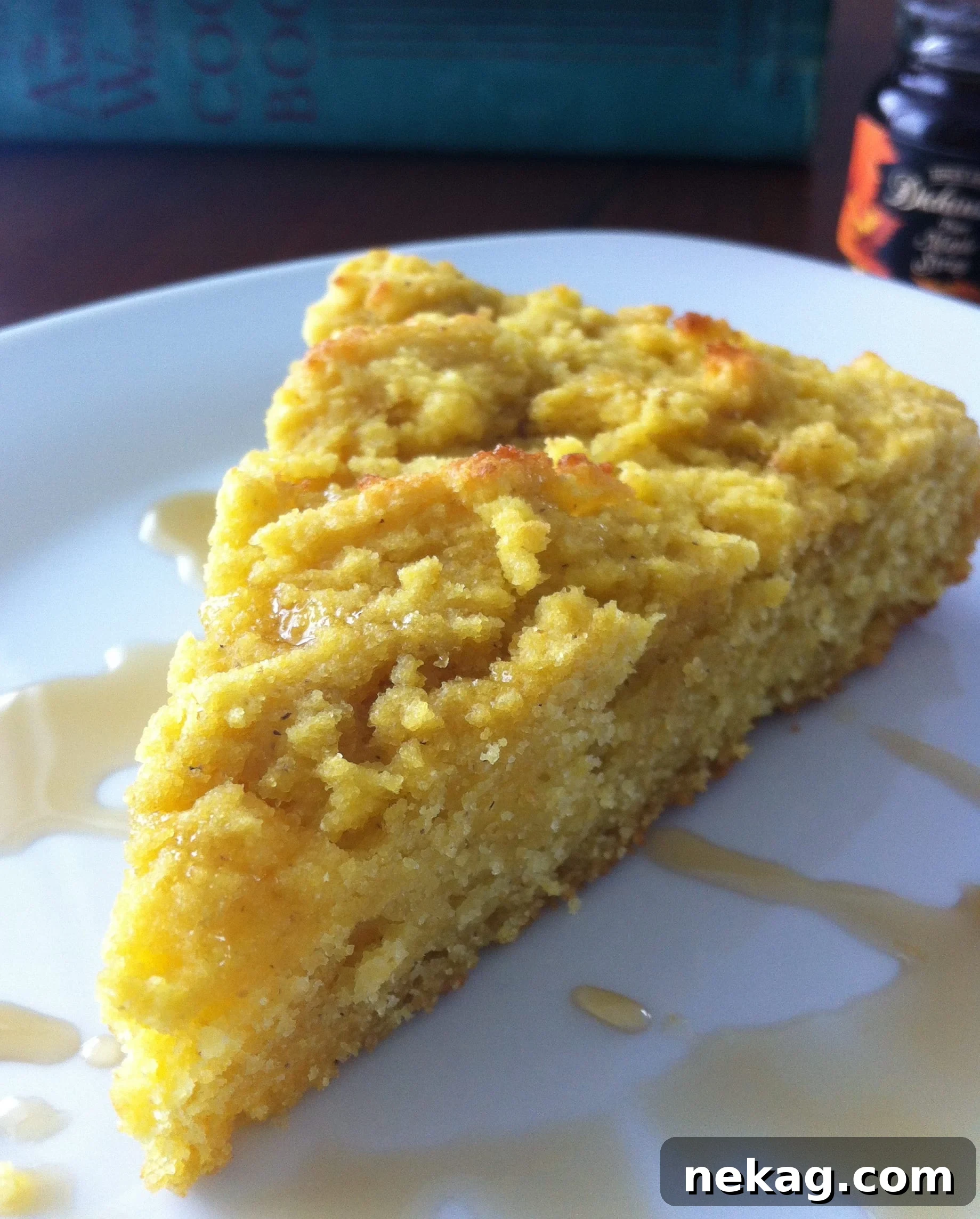
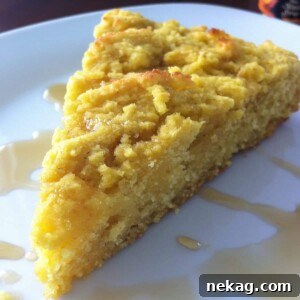
Northern Johnny Cake
Chef Lindsey
30
30
1
12 people
Comment
Print Recipe
Ingredients
- 2 cups cornmeal
- 2 cups buttermilk
- 2 tablespoons shortening or butter
- 2 tablespoons light brown sugar or granulated
- 1 ½ teaspoons salt
- 2 eggs
- 1 teaspoon baking soda
- 1 tablespoon cold water
Instructions
-
Preheat the oven to 400°F (200°C).
-
In a double boiler (or a heatproof bowl set over a pot of simmering water), combine the cornmeal, buttermilk, shortening (or butter), sugar, and salt. Cook for about twenty minutes, stirring occasionally to prevent the mixture from scorching. Keep the water at a gentle simmer.
-
Remove the cornmeal mixture from the heat and allow it to cool slightly. Once it’s no longer piping hot, add the well-beaten eggs. In a separate small bowl, dissolve the baking soda in the cold water, then stir this into the cornmeal mixture until everything is thoroughly combined.
-
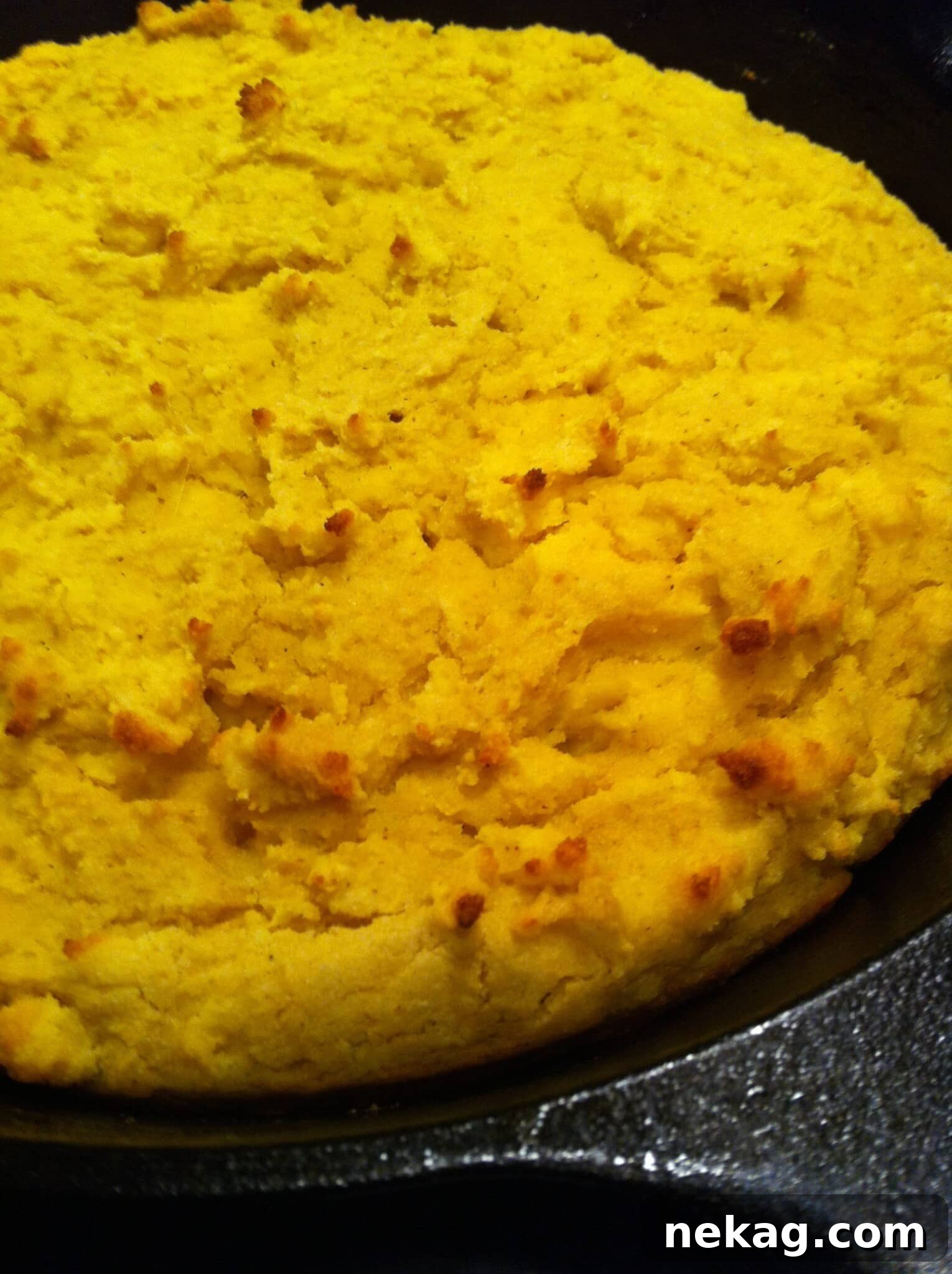
Pour the prepared batter into a shallow, well-greased cast iron pan (a 6-inch round pan works wonderfully) or a baking dish of similar size. Bake in the preheated oven for about thirty minutes, or until the Johnny Cake is golden brown and a wooden skewer inserted into the center comes out clean.
-
**Ruth’s Quicker Method (from *The American Woman’s Cookbook*):** In case there is not enough time to cook and cool the cornmeal, the following alternative method may be used. Mix and sift together the cornmeal, sugar, salt, and baking soda. Gradually add the sour milk (buttermilk), then incorporate the well-beaten eggs and the melted fat. Please note: Bread made by this method does not have as good a texture as that made by the first, more traditional, method.
Notes
Nutrition
Carbohydrates: 23g |
Protein: 5g |
Fat: 5g |
Saturated Fat: 1g |
Polyunsaturated Fat: 1g |
Monounsaturated Fat: 2g |
Trans Fat: 1g |
Cholesterol: 29mg |
Sodium: 453mg |
Potassium: 159mg |
Fiber: 2g |
Sugar: 4g |
Vitamin A: 58IU |
Vitamin C: 1mg |
Calcium: 54mg |
Iron: 1mg
Side Dish
American
155
Beyond the Recipe: Tips for a Perfectly Moist and Tender Johnny Cake
Achieving the ideal Northern Johnny Cake, with its signature dense-yet-moist texture, is a rewarding endeavor that can elevate any meal. Here are a few additional tips to ensure your cornmeal side dish turns out perfectly every time, embodying the best of this historical comfort food:
- **The Importance of Quality Cornmeal:** As emphasized earlier, the foundation of a great Johnny Cake is quality cornmeal. Investing in a good stone-ground variety not only imparts richer flavor but also contributes to a superior texture that is less likely to be gritty.
- **Embrace the Scalding Process:** While the scalding step might seem like an extra effort, it is truly transformative. This process allows the cornmeal to fully hydrate and begin to cook, resulting in a much more tender and moist final product. Patience here pays off immensely in the texture of your Johnny Cake.
- **The Magic of Cast Iron:** For an authentic taste and a delightful crispy crust, baking your Johnny Cake in a well-seasoned cast iron skillet is highly recommended. Cast iron’s exceptional heat retention and even distribution ensure a uniformly cooked interior and a beautifully browned, slightly crisp exterior. If a cast iron skillet isn’t available, any heavy-bottomed, oven-safe baking dish will work, but ensure it’s generously greased to prevent sticking.
- **Mindful Mixing:** Once you’ve combined the cooled cornmeal mixture with the eggs and dissolved baking soda, mix just enough to incorporate the ingredients. Overmixing can develop the gluten in the eggs (though minimal), leading to a tougher texture in the finished cake.
- **Serving Versatility:** While delicious served warm straight from the oven, Johnny Cake also maintains its wonderful texture at room temperature. This makes it an excellent make-ahead option for gatherings, potlucks, or simply to enjoy throughout the week.
- **Customizing Sweetness:** The traditional Northern Johnny Cake is known for its savory profile, distinguishing it from its sweeter Southern cousins. However, if you prefer a touch more sweetness, a little extra light brown sugar (or even a tablespoon of maple syrup) can be added to the batter without compromising its structural integrity.
- **Buttermilk is Key:** Don’t substitute regular milk for buttermilk unless absolutely necessary. Buttermilk reacts with the baking soda to create a light lift and provides a subtle tang that balances the richness of the cornmeal, contributing significantly to both flavor and texture.
Why Northern Johnny Cake Deserves a Cherished Place at Your Table
In a culinary world often dominated by fleeting trends and momentary fads, the Northern Johnny Cake stands as a steadfast beacon of tradition and authenticity. It’s more than just a recipe; it’s a dish that connects us to an earlier era, to the resourcefulness and comforting food traditions that profoundly shaped early American cuisine. Its robust corn flavor, unique dense-yet-moist texture, and incredible versatility make it a compelling and timeless addition to any meal.
Whether you’re serving it alongside a hearty winter stew, using its substantial slices to sop up the delicious juices of roasted chicken or a succulent pot roast, or even indulging in it as an unconventional yet utterly delicious breakfast treat with a generous drizzle of maple syrup, the Northern Johnny Cake consistently delivers on both flavor and profound satisfaction. It serves as a beautiful testament to the enduring fact that simple, humble ingredients, when prepared with care, respect for tradition, and a touch of culinary wisdom, can indeed yield extraordinary and deeply comforting results.
Like this? Leave a comment below!