
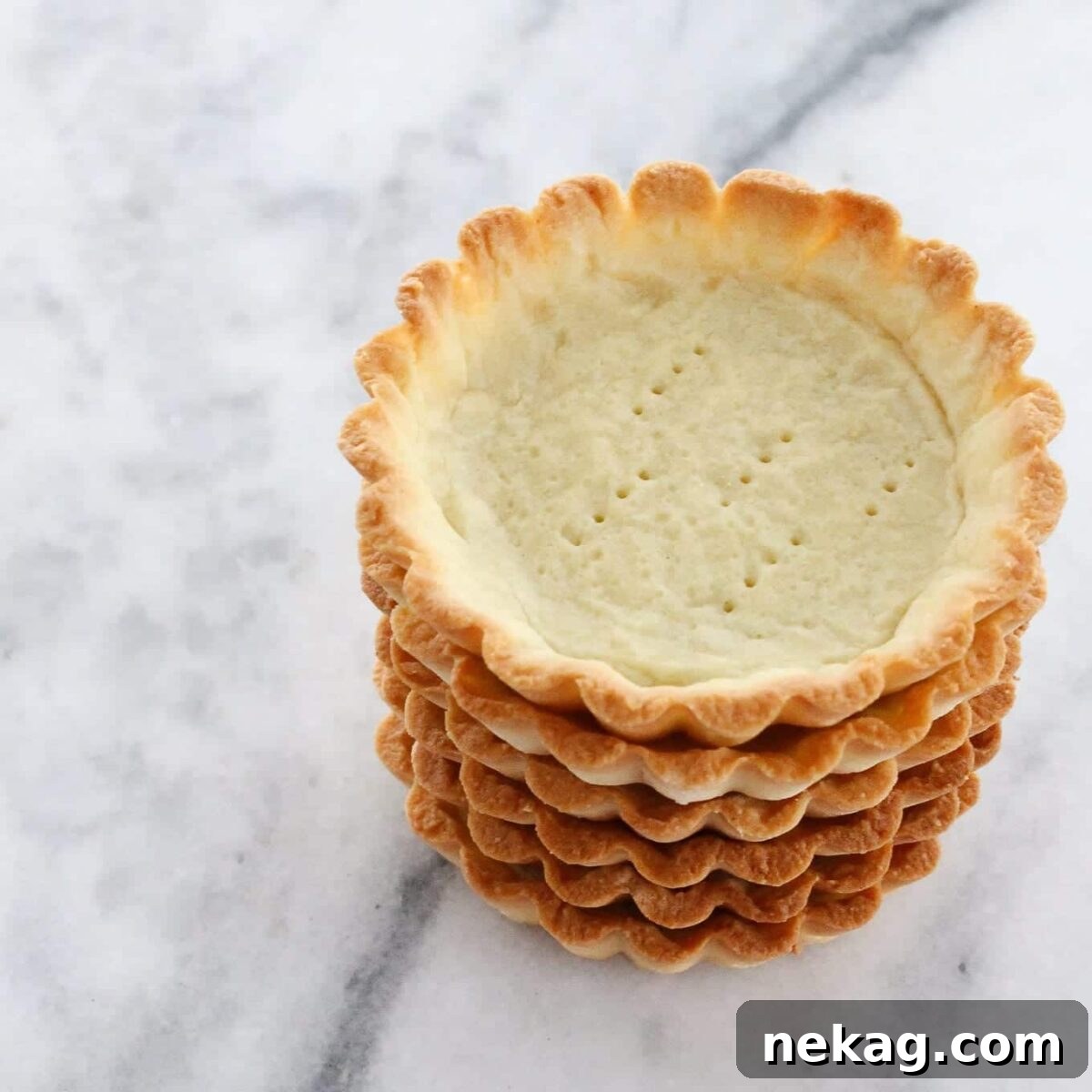
The Ultimate Almond Flour Tart Crust: A Tender & Buttery Pâte Sucrée Recipe
Discover the secret to exceptionally tender and buttery tarts with this exquisite Almond Flour Tart Crust recipe, also known as almond pâte sucrée. This versatile sweet pastry dough is an absolute game-changer for any baker, whether you’re crafting delicate mini tarts, rich frangipane fruit tarts, or simply seeking a superior foundation for your favorite dessert. Its unique composition delivers a crumbly, melt-in-your-mouth texture that perfectly complements a wide range of fillings, making it an indispensable recipe in your baking repertoire.
Forget the myth that elegant tarts are difficult to make. This almond tart dough simplifies the process without compromising on flavor or texture. It’s designed to be forgiving and a true pleasure to work with, even for those who might find traditional pastry intimidating. Prepare to elevate your baking and impress with tart shells that are consistently crisp, delicate, and bursting with subtle almond notes.
Baking can be a wonderful escape and a profound form of stress relief, offering a creative outlet during quiet moments. And with a recipe as reliable and delicious as this, you’ll find joy in every step, from mixing the dough to savoring the finished tart. Let’s delve into the nuances of crafting this magnificent crust, ensuring your baking adventures are always a sweet success.
What is Pâte Sucrée? The French Secret to Perfect Tart Crusts
Before we dive into the specifics of our almond version, let’s understand the foundation: pâte sucrée. Originating from French patisserie, pâte sucrée literally translates to “sweet dough,” and it’s precisely that – a rich, sweet pastry dough primarily used for dessert tarts. Unlike its savory counterpart, pâte brisée, pâte sucrée contains sugar, which not only enhances its flavor but also contributes to its tender, almost cookie-like texture. The inclusion of egg yolks (or whole eggs, as in this recipe) creates a richer, more cohesive dough that is less prone to shrinking during baking than a water-based crust.
Our almond flour version takes this classic to a new level. The almond flour doesn’t just add a delightful nutty flavor; it also contributes to the dough’s incredible tenderness. Almond flour is naturally lower in gluten than traditional wheat flour, which means less gluten development and a more crumbly, “short” crust that practically melts in your mouth. This makes it an ideal choice for sweet tarts, providing a delicate contrast to creamy or fruity fillings. It’s truly one of the most versatile and delightful tart doughs you’ll ever encounter, offering a sophisticated twist on a beloved classic.
Why Choose Almond Flour for Your Tart Crust?
The choice of almond flour in this recipe is not merely for flavor; it’s a strategic decision that profoundly impacts the final texture and ease of handling. Here’s why almond flour shines in a sweet tart crust:
- Unrivaled Tenderness: Almond flour contains no gluten, or very little if there are traces of wheat. This lack of gluten development results in an exceptionally tender, short, and crumbly crust that truly melts in your mouth. Unlike all-purpose flour crusts that can sometimes be chewy, an almond flour crust ensures a delicate bite.
- Rich, Nutty Flavor: Almonds impart a delicate, nutty flavor that complements almost any sweet filling, from fresh berries and lemon curd to rich chocolate ganache or frangipane. It adds a layer of complexity that elevates the entire dessert.
- Beautiful Golden Hue: The natural oils and sugars in almond flour contribute to a beautiful golden-brown color during baking, giving your tarts an appealing, professional finish.
- Easier Handling: While it might sound counter-intuitive, a properly mixed almond pâte sucrée can be surprisingly easy to work with. Its tender nature means less elasticity, making it simpler to press into tart pans without much resistance or significant shrinkage.
- Naturally Gluten-Friendly: For those avoiding gluten, this crust is an excellent option. While this recipe uses pastry or all-purpose flour as well, the high proportion of almond flour significantly reduces the gluten content, contributing to its tender quality. For a fully gluten-free crust, substitute the wheat flour with a gluten-free all-purpose flour blend designed for baking, ensuring it contains xanthan gum for structure.
Mastering Your Almond Flour Tart Dough: Expert Tips for Success
Creating a perfect tart crust involves a few key techniques. These tips will guide you through the process, ensuring your almond pâte sucrée is flawless every time.
The Art of Mixing: Creaming and Incorporating Eggs
This dough employs a unique mixing method that combines elements of both the creaming method (for butter and sugar) and the cut-in method (for dry ingredients). Start by creaming room-temperature butter and confectioner’s sugar until light and fluffy. This aerates the butter, creating pockets that will later contribute to the dough’s tender structure. Next, add the dry ingredients – flour, baking powder, and almond flour – mixing on low speed until a crumbly texture forms and the butter is fully incorporated into the flour. This process coats the flour particles with fat, inhibiting excessive gluten development. Finally, incorporate the beaten eggs all at once. The eggs act as the primary moistening agent, binding the dough without over-activating gluten. Ensure the eggs are fully absorbed; if any dry bits remain, gently work them in by hand, squishing the dough between your fingers until uniform.
Chilling Smart for Effortless Rolling
Proper chilling is paramount for any tart dough, and this almond pâte sucrée is no exception. After mixing, gather the dough onto plastic wrap and press it into a flat disc or rectangle. This simple step significantly speeds up the chilling process because the cold can penetrate the dough more evenly. A flat disc also makes it much easier to roll out later, as it requires less warming and manipulation. Chill the dough for at least one to two hours, or ideally, overnight. You can even freeze these flattened dough packets for up to a month, making it incredibly convenient to have tart dough ready “on demand” for spontaneous baking projects!
Rolling Out Dough in Warm Kitchens
Working with dough in a warm environment, especially on a hot day, can be challenging as the butter softens quickly, making the dough sticky and difficult to handle. If your kitchen is warm (above 72°F or 22°C), a crucial tip is to roll out the dough directly on a sheet of parchment paper rather than a floured countertop. This prevents the dough from sticking to your work surface and reduces the need for excessive additional flour. Adding too much flour can make the crust tough and dry, diminishing its desired tender texture and rich flavor. Rolling on parchment also allows for easier transfer to your tart pans and helps maintain the dough’s cool temperature, ensuring a more manageable rolling process.
Transferring to Tart Pans with Ease
Once your dough is rolled to the desired thickness, transferring it to the tart pan can be a delicate operation. To ensure a seamless transfer and prevent tearing, roll the dough right between two layers of parchment paper. After rolling, simply peel off the top layer of parchment. You can then gently lift the bottom parchment paper with the dough, invert it over your tart pan, and carefully peel away the second piece of parchment. This technique minimizes handling the dough directly, keeping it cold and intact for a perfect fit in your tart shell.
The Importance of Keeping Your Dough Cold
Maintaining a cold temperature for your dough throughout the handling and shaping process is crucial for achieving the desired flaky, tender texture. When the butter in the dough gets too warm, it melts and gets absorbed by the flour, leading to a tough, hard crust rather than a delicate one. Cold butter creates steam during baking, which separates the layers of dough, resulting in a tender crumb. Allowing the dough to warm up can also cause excessive gluten development, making the crust tough. Furthermore, keeping the dough cold helps relax the gluten that might have developed during mixing and rolling, preventing the tart shell from shrinking significantly during baking. While this pâte sucrée is more forgiving than a finicky pâte brisée, consistent chilling ensures the best possible outcome.
Demystifying Blind Baking: Achieving a Flawless Shell
Blind baking, or par-baking, is a technique where you partially or fully bake the tart crust before adding the filling. This prevents the crust from becoming soggy, especially with wet fillings, and ensures an even bake. The trick to a perfectly blind-baked shell that doesn’t puff up or shrink lies in using pie weights and parchment paper effectively. After lining your tart pan with the chilled dough and trimming the edges, cut a piece of parchment paper to fit inside the shell. Crumple it up and then smooth it out; this makes it pliable and easier to fit snugly into the corners of the tart. Fill this parchment-lined shell with pie weights – dried beans or rice work well. I find medium-sized dried beans are more effective than rice as weights, as they distribute pressure better. This weight holds the dough in place, preventing bubbles and shrinkage. Bake with the weights until the edges start to brown, then remove the weights and parchment, and continue baking until golden. This two-stage baking ensures the bottom is cooked through and the entire crust is beautifully browned.
Almond Flour Tart Crust Recipe
Chef Lindsey
20 mins
10 mins
30 mins
1 hr
10 Individual Tarts
Comment
Print Recipe
Ingredients
- 150 g Butter, room temperature
- 120 g Confectioner’s Sugar
- 300 g Pastry Flour or all-purpose *see note
- ¼ t Baking powder
- 45 g Almond Flour
- 75 g Eggs, beaten
Instructions
Preparing the Dough
- In the bowl of a stand mixer fitted with the paddle attachment, cream the room-temperature butter and confectioner’s sugar until the mixture is light, fluffy, and smooth. This typically takes 2-3 minutes on medium speed.
- Add the pastry flour (or all-purpose flour), baking powder, and almond flour to the creamed butter and sugar. Mix on low speed until the ingredients are just combined and the mixture resembles coarse crumbs, with all the butter fully incorporated into the dry ingredients. Be careful not to overmix at this stage.
- Pour the beaten eggs into the mixer bowl all at once. Mix on low speed until the eggs are completely incorporated into the dough, and it comes together. If there are still a few dry patches, gently knead them in by hand for a few seconds until the dough is uniform.
- Transfer the dough onto a piece of plastic wrap. Press and flatten the dough into a disc or a thick rectangle, about 1-inch thick. This shape helps the dough chill faster and makes it easier to roll out later. Chill thoroughly in the refrigerator for at least 1-2 hours, or ideally, overnight, until firm.
- If your tart does not require pre-baking (blind baking), you can stop here. The dough is ready for rolling, lining, and filling with unbaked fillings (like quiche or custard that bakes with the crust).
To Par-Bake (or Blind Bake) Tart Shells
- Preheat your oven to 350°F (175°C).
- On a lightly floured surface or, preferably, between two sheets of parchment paper, roll the chilled dough to an even thickness of approximately 3mm (about ⅛ inch). Once rolled, chill the flattened dough again for at least 30 minutes. This prevents shrinkage during baking.
- Carefully remove the dough from the parchment paper. If making one large tart, gently lift and transfer the dough to line a large tart pan (up to 12 inches in diameter), pressing it into the creases. If making mini tarts, use a round cookie cutter or ring mold slightly larger than your mini tart pans to cut out dough circles. Place each dough circle over a mini tart mold and gently press it into the bottom and up the sides to line the pan. Trim any excess dough from the edges using a knife or by rolling a rolling pin over the top. Chill the lined tart shells again for at least 15-20 minutes.
- Prepare parchment paper circles or squares that will fit inside your tart molds. Crumple each piece of parchment paper into a ball and then smooth it out; this makes the parchment more pliable and easier to fit snugly into the contours of the tart shell.
- Place the crumpled and smoothed parchment paper inside each chilled and lined tart shell. Fill the parchment-lined shells with pie weights (dried beans or rice). I find that medium-sized dried beans work more effectively than rice as they provide better, more even pressure against the crust. If the shells have warmed up during handling, chill them again briefly before baking.
- Bake the tart shells in the preheated oven for 8-11 minutes with the beans/weights, or until the parchment paper lifts out easily and the edges of the crust have just begun to lightly brown. Carefully remove the parchment paper and the beans. You can reuse both the parchment and beans for future blind baking! Set the baked shells aside to cool slightly.
- Return the tart shells to the oven without the weights and continue baking for another 5-10 minutes, or until the entire crust is golden brown and appears fully baked.
- Cool the tart shells completely on a wire rack before filling. Once cooled, they can be stored in an airtight container at room temperature for up to 5 days, or used immediately.
Watch the Recipe Video: How to Make Almond Tart Dough
Notes & Pro Tips
*When converting flour to volume, 300g of pastry or all-purpose flour rounds up to approximately 2 ½ cups. Remember to fluff the flour before measuring by spooning it into your measuring cup and leveling it, rather than compressing it directly from the bag. This ensures accuracy.
In the accompanying video, a double batch of dough was made, which was then divided. For this recipe, you will not need to divide the dough as the quantities are set for a single batch.
This recipe yields enough dough for 6-10 mini tarts, each approximately 2 ½ inches in diameter. To achieve 10 mini tarts, you may need to re-roll the dough scraps. Alternatively, this recipe is perfect for making one large tart up to 12 inches in diameter.
Troubleshooting:
- Dough Too Sticky: If your dough feels too sticky after chilling, dust your work surface and rolling pin with a very light coating of flour. Remember, a little goes a long way to maintain the tender texture.
- Dough Too Crumbly: If the dough is too crumbly to come together, it might be too cold or slightly under-hydrated. Let it sit at room temperature for a few minutes to soften slightly, then knead gently until it’s cohesive. If it still doesn’t come together, add half a teaspoon of cold water at a time, kneading after each addition, until it reaches the right consistency.
- Shrinkage: Excessive shrinkage during baking often means the dough wasn’t chilled enough before rolling or after lining the pans, or it was overworked (developing too much gluten). Always ensure ample chilling time at each stage.
Storage:
- Unbaked Dough: The unbaked dough can be wrapped tightly in plastic wrap and stored in the refrigerator for up to 3-4 days, or frozen for up to 1 month. Thaw in the refrigerator overnight before use.
- Baked Crusts: Blind-baked tart shells can be stored in an airtight container at room temperature for up to 5 days, or frozen for up to 2 weeks. Re-crisp in a 300°F (150°C) oven for 5-10 minutes before filling if desired.
Nutrition Information (per serving, estimated)
Calories: 144kcal
|
Carbohydrates: 1g
|
Protein: 2g
|
Fat: 15g
|
Saturated Fat: 8g
|
Polyunsaturated Fat: 1g
|
Monounsaturated Fat: 3g
|
Trans Fat: 1g
|
Cholesterol: 60mg
|
Sodium: 118mg
|
Potassium: 14mg
|
Fiber: 1g
|
Sugar: 1g
|
Vitamin A: 415IU
|
Calcium: 23mg
|
Iron: 1mg
Dessert
French
144
Versatile Creations: What to Fill Your Almond Flour Tart Crust With
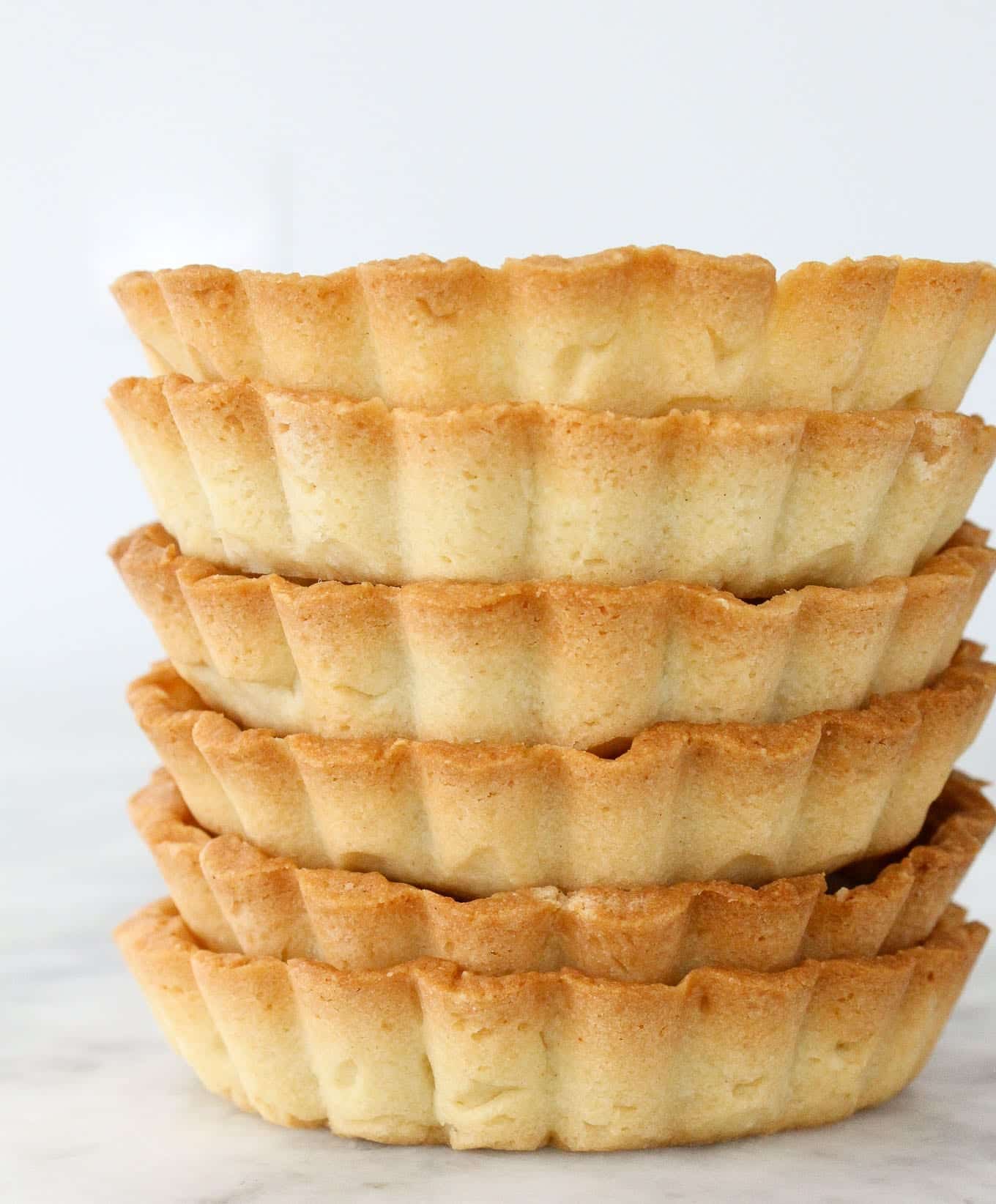
The beauty of this Almond Flour Tart Crust lies in its incredible versatility. Its delicate flavor and tender texture make it a perfect canvas for a myriad of sweet fillings. Here are just a few ideas to inspire your next baking project:
- Classic Fruit Tarts: Fill with a smooth pastry cream (crème pâtissière) and top with an assortment of fresh seasonal fruits like berries, kiwi, peaches, or grapes, brushed with a shiny fruit glaze. The almond notes in the crust will beautifully complement the fruit.
- Rich Frangipane Tarts: Frangipane, a creamy almond filling, is a natural pairing for an almond flour crust. Fill the par-baked crust with frangipane, top with sliced fruits like pears, apricots, or cherries, and bake until golden and bubbly.
- Luscious Lemon Meringue or Curd Tarts: The buttery richness of the crust provides a wonderful counterpoint to the bright, tangy flavor of lemon curd. Top with a cloud of toasted meringue for a show-stopping dessert.
- Decadent Chocolate Tarts: For chocolate lovers, fill the crust with a rich chocolate ganache or a silky chocolate pastry cream. A sprinkle of sea salt can further enhance the chocolate experience.
- Caramel and Nut Tarts: Combine the crust with a sticky caramel filling and a generous amount of toasted nuts (pecans, walnuts, or more almonds) for a delightful, chewy, and crunchy treat.
- Mini Tart Assortment: Utilize smaller tart molds to create an array of mini tarts, each with a different filling, perfect for entertaining or a delightful dessert platter.
Whether you’re aiming for elegance or pure indulgence, this almond flour tart crust provides the perfect foundation, promising a delightful culinary experience every time.
Frequently Asked Questions (FAQ)
Can I make this tart crust entirely gluten-free?
Yes, you can! To make this crust entirely gluten-free, substitute the pastry flour (or all-purpose flour) with a high-quality gluten-free all-purpose flour blend. Look for blends that are specifically designed for baking and often contain xanthan gum, which helps with structure in gluten-free baking. The almond flour itself is naturally gluten-free and contributes significantly to the tender texture.
What’s the difference between pâte sucrée and pâte brisée?
Pâte sucrée (sweet dough) is a rich, sweet, and crumbly pastry used for dessert tarts. It typically contains sugar, egg yolks (or whole eggs), and often almond flour, resulting in a tender, almost cookie-like texture that resists shrinking. Pâte brisée (broken dough), on the other hand, is a simpler, flakier, and less sweet dough made with flour, butter, water, and salt. It’s often used for savory quiches or pies but can also be used for sweet applications where a less rich crust is desired. Pâte sucrée is generally more delicate and requires careful handling but offers a superior taste and texture for sweet desserts.
Can I prepare the dough in advance?
Absolutely! This dough is excellent for making ahead. You can prepare the dough and chill it in the refrigerator, tightly wrapped in plastic, for up to 3-4 days. For longer storage, freeze the flattened dough disc for up to a month. Thaw it in the refrigerator overnight before you plan to roll it out and use it. This makes dessert preparation much more convenient.
Conclusion: Your Journey to Perfect Tarts Begins Here
Mastering the Almond Flour Tart Crust, or almond pâte sucrée, opens up a world of exquisite dessert possibilities. Its tender, buttery texture and subtle nutty flavor provide the perfect foundation for everything from vibrant fruit tarts to decadent chocolate creations. By following our detailed tips and step-by-step instructions, you’ll gain the confidence to bake professional-quality tarts right in your own kitchen.
Embrace the joy of baking and create unforgettable desserts that delight the senses. This recipe is more than just a crust; it’s a versatile building block for your culinary creativity. We encourage you to try it, experiment with your favorite fillings, and savor the delicious results.
Enjoyed this recipe? Leave a comment below!
Share your thoughts, tips, or creations with us.