
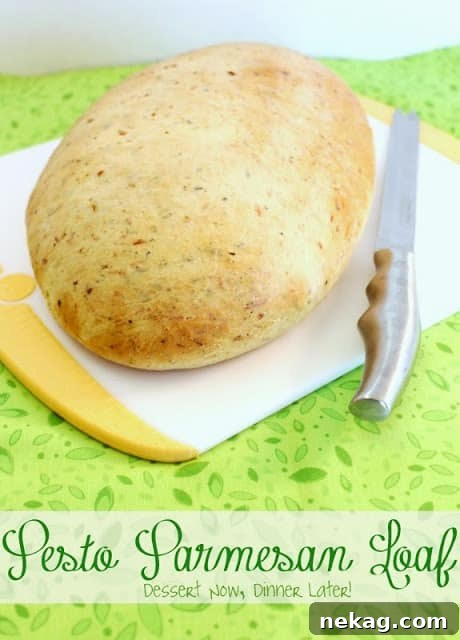
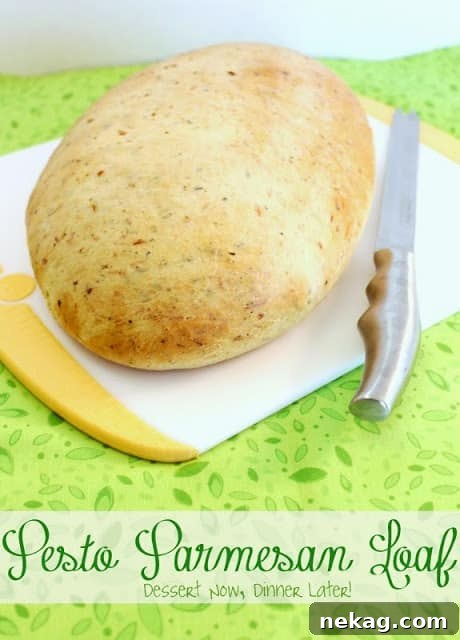
Pesto Parmesan Loaf: A Savory Homemade Bread Recipe You Must Try
There’s nothing quite like the aroma of freshly baked bread filling your home. It’s a scent that promises comfort, warmth, and deliciousness. While classic plain loaves are always a treat, imagine elevating that experience with a burst of vibrant, savory flavor. That’s precisely what you get with this incredible Pesto Parmesan Loaf, a recipe that will transform your bread-making game and delight everyone who takes a bite.
I first encountered this culinary gem at our weekly playgroup, courtesy of my friend, Rochelle. She arrived with a loaf straight from her oven, still radiating warmth and a captivating scent. I’ve always appreciated homemade bread, but this was different. It offered a unique depth of savory pleasure, a taste that was both familiar and exciting. The combination of herbaceous pesto and sharp Parmesan cheese infused into every crumb made it utterly irresistible. If you have a fondness for pesto, prepare to fall in love with this loaf.
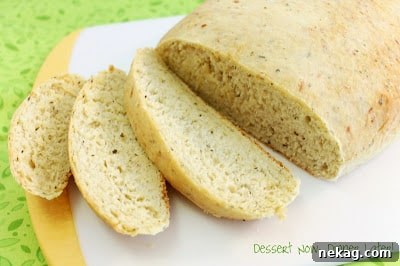
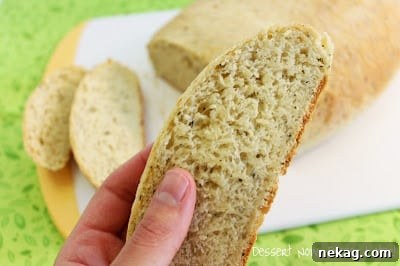
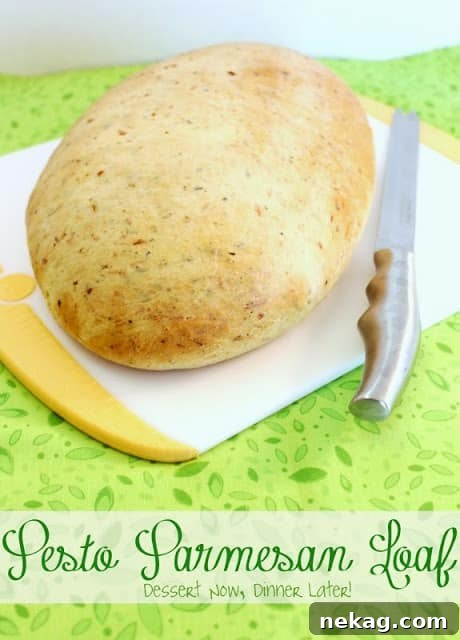
This isn’t just another bread recipe; it’s an invitation to a sensory experience. From the moment you slice into its golden crust, you’ll be met with a swirl of green pesto and specks of Parmesan. The soft, airy interior holds a subtle chew, while the exterior provides a satisfying crunch. Each mouthful delivers a symphony of flavors – the fresh, garlicky notes of basil pesto perfectly balanced by the salty, nutty richness of Parmesan. It’s the kind of bread that doesn’t just complement a meal; it often becomes the star.
The Versatility of Your Homemade Pesto Parmesan Loaf
One of the best aspects of this Pesto Parmesan Loaf is its incredible versatility. It’s not just a side dish; it can be an appetizer, a snack, or even the foundation for an entirely new meal. My friend Kati, who was over the day I baked this, immediately suggested dipping it in a classic balsamic vinegar and olive oil mixture – much like what you’d find at an upscale Italian restaurant. And I couldn’t agree more! Even though I was out of balsamic at the time, I could almost taste the delightful tang and richness in my imagination. This simple pairing truly elevates the experience, making each piece of bread a gourmet delight.
Kati’s culinary creativity didn’t stop there. She also proposed using this dough as a base for homemade breadsticks or even a unique pizza crust. Imagine the possibilities! A pizza base bursting with pesto and Parmesan flavor, perhaps topped with fresh tomatoes and mozzarella. Or serving these as savory breadsticks alongside your favorite pasta dish, perfect for sopping up rich sauces. The ideas are endless. This recipe offers a fantastic foundation for experimentation, allowing you to adapt it to various culinary needs and preferences. Whether you enjoy it as a rustic loaf, a fancy appetizer, or a creative meal component, this Pesto Parmesan Loaf is a must-try for any bread enthusiast.
Beyond these brilliant suggestions, consider slicing the loaf and toasting it lightly for croutons in your next salad, or dicing it into cubes for a flavorful stuffing. It also makes for an extraordinary gourmet sandwich bread, complementing everything from grilled chicken to fresh mozzarella and roasted red peppers. Picture a warm slice alongside a hearty bowl of tomato soup on a chilly evening, or as a flavorful addition to a picnic basket. Its robust flavor profile means it pairs beautifully with a wide array of dishes, making it a reliable and exciting staple in your kitchen.
Mastering the Art of Savory Bread Baking
Baking homemade bread, especially one as flavorful as this Pesto Parmesan Loaf, is a rewarding experience. While the process might seem intricate at first, it’s actually quite straightforward, especially with a few key tips and tricks. Understanding the role of each ingredient and step will ensure your loaf turns out perfectly golden, tender, and incredibly delicious every time.
First and foremost, the magic begins with your yeast. Ensure your water is warm, but not hot – typically between 105-115°F (40-46°C). Water that’s too cold won’t activate the yeast, and water that’s too hot will kill it. The small amount of granulated sugar acts as food for the yeast, helping it to bloom and create that wonderful bubbly mixture, indicating it’s active and ready to make your bread rise. Patience during this activation phase is key; give it the full 3-5 minutes to ensure a good start.
When it comes to flour, accuracy is paramount. Always stir your flour, then spoon it into your measuring cup, and level it off with a straight edge. This method prevents over-packing the flour, which can lead to a dense, dry loaf. Start with the lower end of the recommended flour amount and add gradually. The goal is a dough that forms a ball and pulls away from the sides of the mixer, but still feels slightly moist and tacky to the touch. An overly dry dough will result in a tough, crumbly bread, so resist the urge to add too much flour.
Kneading is where the gluten develops, giving the bread its structure and chewy texture. For this Pesto Parmesan Loaf, using a stand mixer with a dough hook is highly recommended. Knead on low to medium speed for the specified time, allowing the machine to do the hard work of developing those gluten strands. Once the dough has formed and kneaded, the olive oil applied to the surface creates a protective barrier, preventing a dry crust during the initial rest and contributing to a beautiful golden finish. The resting period allows the gluten to relax, making the dough easier to handle and contributing to a tender crumb.
The final rise is crucial for light and airy bread. Find a warm, draft-free spot in your kitchen, like near a sunny window or in a slightly warmed oven (turned off, of course). Covering the dough with a clean towel helps retain moisture and warmth. Once baked, let the loaf cool slightly before slicing. This allows the internal structure to set and prevents the bread from becoming gummy. With these techniques in mind, you’re well on your way to baking a sensational Pesto Parmesan Loaf that will impress family and friends alike.
Pesto Parmesan Loaf Recipe
Created by: Amber Brady
Yields: 12 servings
Ingredients
- 1 ⅓ cup (317 ml) warm water
- 1 Tbsp yeast
- 1 ½ Tbsp granulated sugar
- 2 Tbsp (28 g) butter, melted
- 2 to 3 Tbsp Pesto
- 2 Tbsp non-fat dry milk powder
- 1 ½ tsp salt
- 3 ½ to 4 cups (420-480 g) all-purpose flour, (stir, spoon & level)
- ¼ cup (28 g) shredded parmesan cheese
- 2 tsp olive oil
Instructions
- In the bowl of a stand mixer, combine warm water, yeast, and sugar. Stir gently and let the mixture sit until it becomes bubbly, about 3-5 minutes. This confirms your yeast is active.
- Add the melted butter, pesto, dry milk powder, and salt to the yeast mixture. Using the dough hook attachment, start the mixer on low speed and gradually add the all-purpose flour, 1 cup at a time. Continue mixing until the dough comes together, forms a ball, and no longer sticks to the sides of the bowl. Be careful not to add too much flour; the dough should still be slightly moist and tacky.
- Once the dough has formed into a ball, add the shredded parmesan cheese. Continue to knead the dough on low to medium speed for 5-7 minutes. This step is crucial for developing the gluten, which gives the bread its structure and chewiness.
- Turn off the mixer. Pour 2 teaspoons of olive oil over the dough. Gently turn the dough over in the bowl until all sides are lightly greased with the olive oil. Cover the bowl with a clean kitchen towel and let the dough rest for 10 minutes. This short rest allows the gluten to relax, making the dough easier to shape.
- Lightly flour your work surface. Remove the dough from the bowl and gently shape it into a long, even loaf. Place the shaped loaf onto a baking sheet lined with parchment paper. Cover the loaf with a towel and let it rise in a warm, draft-free place for 30 minutes. This second rise will make the loaf light and airy.
- Preheat your oven to 375°F (190°C). Before baking, brush the top of the risen loaf with a little extra olive oil for a beautiful golden crust. Bake in the preheated oven for 25 minutes, or until the top and bottom of the loaf are golden brown and sound hollow when tapped.
- Allow the Pesto Parmesan Loaf to cool slightly on a wire rack before slicing and serving. This helps the internal structure set and prevents the bread from becoming gummy. Enjoy your delicious homemade creation!
Baker’s Notes & Variations
To enhance your Pesto Parmesan Loaf experience or adapt it to your taste, consider these notes and variations:
- Pesto Preference: While homemade pesto always offers the freshest flavor, a good quality store-bought pesto works wonderfully for convenience. Adjust the amount of pesto to your liking; 2 tablespoons offer a subtle flavor, while 3 tablespoons provide a more pronounced pesto punch.
- Cheese Choices: Don’t limit yourself to just Parmesan! You can experiment with other hard Italian cheeses like Pecorino Romano for a sharper taste, or even a blend of Parmesan and a milder cheese like Gruyere or white cheddar for a different dimension. For a richer, cheesier interior, you can fold in an extra ¼ cup of shredded mozzarella or provolone during the last minute of kneading.
- Herbaceous Additions: For an extra layer of freshness, finely chop some fresh basil or oregano and add it to the dough along with the pesto and Parmesan. A sprinkle of dried Italian herbs can also be incorporated.
- Garlic Lover’s Dream: If you adore garlic, you can lightly brush the top of the loaf with a mixture of melted butter and minced garlic (or garlic powder) before baking. This will create an aromatic, crispy garlic-infused crust.
- Freezing for Later: This loaf freezes beautifully! Once completely cooled, wrap it tightly in plastic wrap and then in aluminum foil. It can be stored in the freezer for up to 2-3 months. Thaw at room temperature and warm in a moderate oven for a few minutes before serving to revive its fresh-baked taste and texture.
- Serving Suggestions Recap: Remember, this bread is fantastic on its own, dipped in balsamic and olive oil, served alongside pasta or soup, or as the star of a sandwich. Get creative with how you enjoy it!
Sharing this recipe with a link is both encouraged and appreciated. Copying/pasting and/or screenshots of full recipes to any social media is strictly prohibited. Content and photographs are copyright protected.
Did you make this?
We’d love to hear about your experience! If you made this delicious Pesto Parmesan Loaf, don’t forget to share your thoughts and tag us on social media. Follow us on Pinterest and Instagram for more inspiring recipes and culinary adventures!