
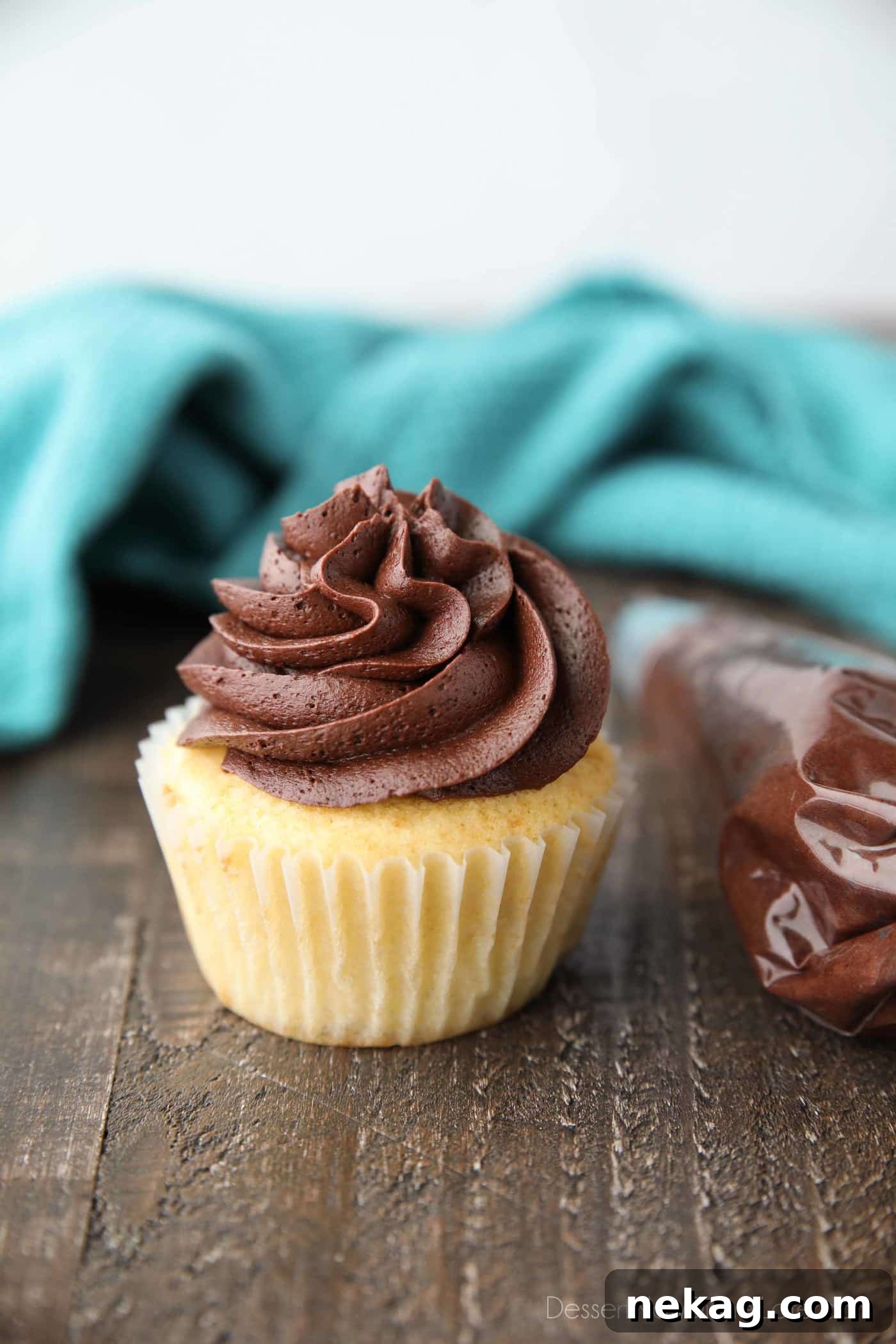
This homemade chocolate buttercream frosting is a timeless classic, perfect for transforming any dessert into a decadent treat. It’s incredibly easy to make, boasts a luxurious creamy texture, and delivers an intensely rich chocolate flavor that outshines any store-bought alternative. Whether you’re gracefully spreading it onto a celebratory cake or piping elegant swirls onto cupcakes, this recipe will quickly become your go-to.
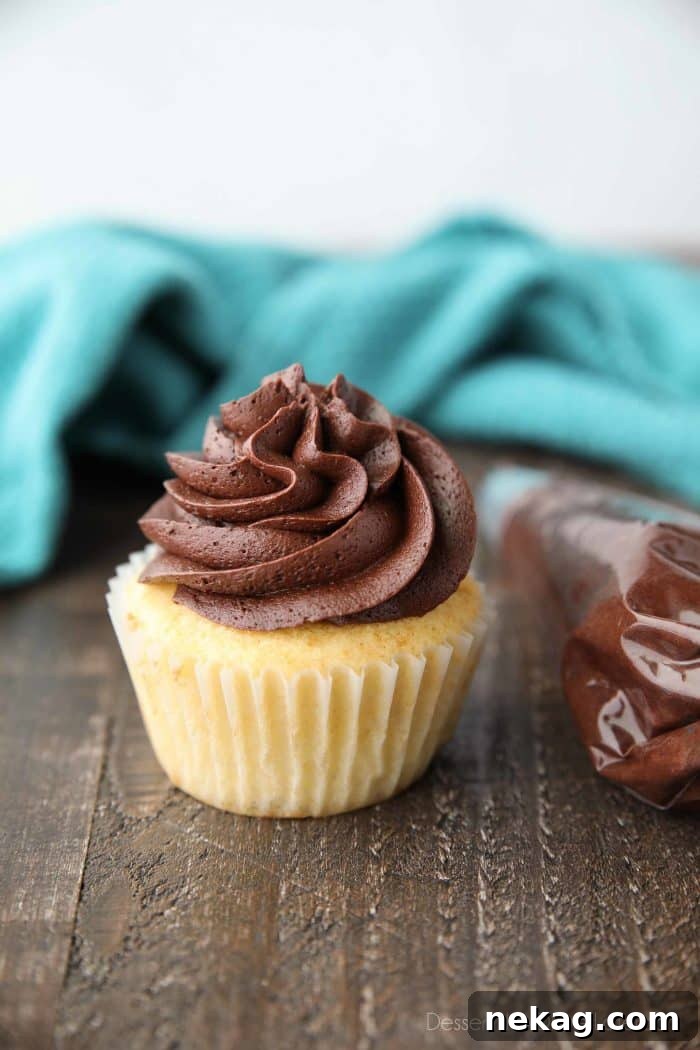
There’s an undeniable magic in homemade desserts, and frosting is often the crowning glory. While many might reach for a pre-made tub from the grocery store, I promise you, this homemade chocolate buttercream frosting is a game-changer. It’s remarkably simple to whip up using just a few basic pantry ingredients and real butter, resulting in a creamy, velvety frosting that tastes infinitely better than anything you’ll find on a shelf. This isn’t just a frosting; it’s a birthday cake staple, a cupcake essential, and the perfect finishing touch for countless other sweet creations.
For a significant part of my life, I considered myself a buttercream frosting skeptic, often finding traditional recipes overwhelmingly sweet. My heart always belonged to the tangy, balanced sweetness of cream cheese frosting, a love so strong I developed chocolate and lemon variations. However, after much experimentation, I finally perfected my ideal ratio of butter, powdered sugar, vanilla, and cream or milk to create a classic vanilla buttercream frosting that was perfectly balanced and not overly cloying. This revelation transformed my view on buttercream, proving that a truly delicious version is indeed achievable without sending your taste buds into a sugar shock.
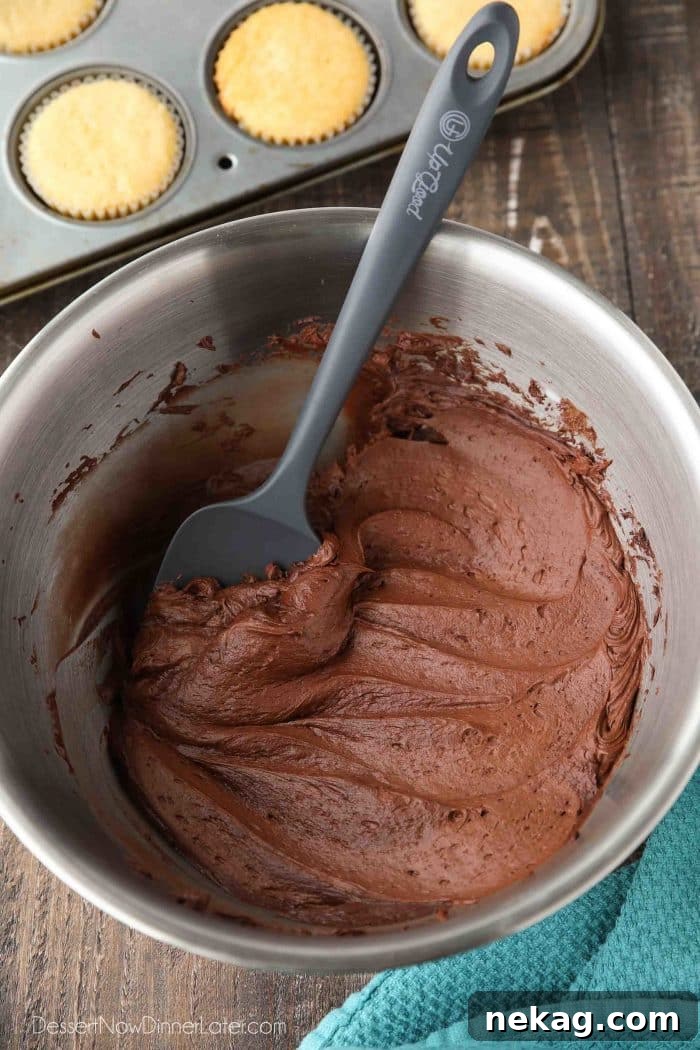
The secret lies in the quality of ingredients and the technique. Forget the grainy texture or artificial flavor notes of mass-produced frostings. With just a little effort, you can achieve a silky-smooth, deeply flavored chocolate buttercream that will impress even the most discerning palates. It’s an ideal choice for celebrations, everyday baking, or simply indulging your chocolate cravings.
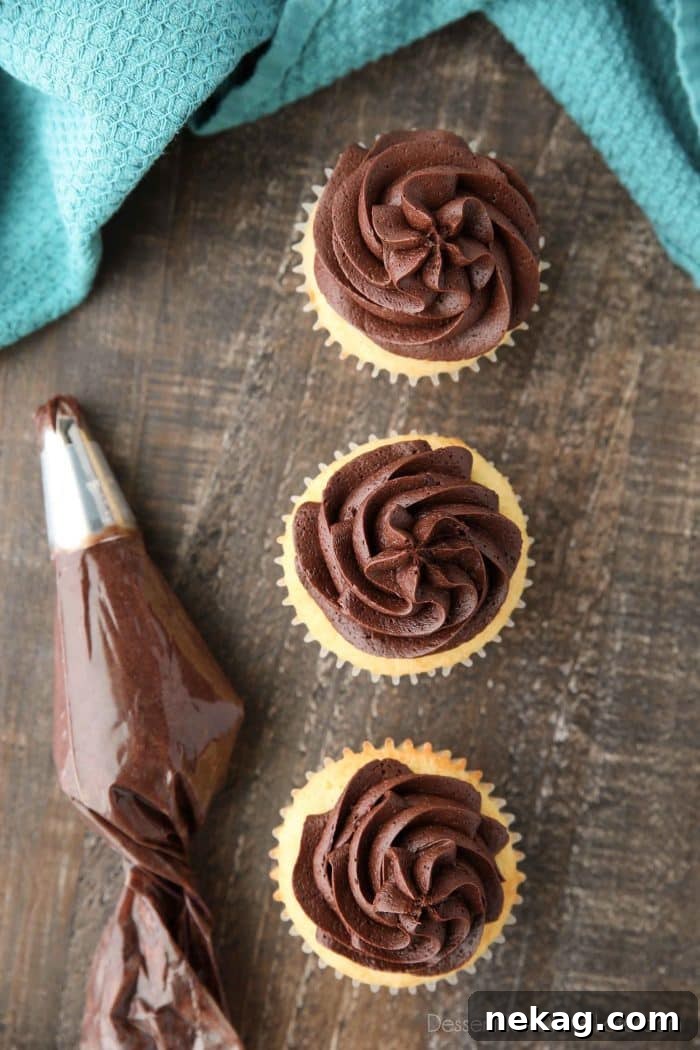
Homemade Chocolate Buttercream Frosting: A Decadent Delight
Building upon the success of my beloved basic vanilla buttercream, I’ve expertly adapted the recipe by incorporating cocoa powder to craft this rich and luscious chocolate version. This isn’t just vanilla frosting with chocolate added; it’s a carefully balanced concoction designed to maximize chocolate flavor while maintaining that signature creamy buttercream consistency. Perfect for any chocolate lover, this frosting adds a touch of elegance and irresistible taste to your baked goods.
Essential Ingredients for Perfect Chocolate Buttercream
Crafting the perfect chocolate buttercream requires a handful of simple, quality ingredients. Each component plays a crucial role in achieving the desired flavor and texture:
- Softened Butter: The foundation of any good buttercream. Whether you opt for salted or unsalted butter depends on your personal preference and salt tolerance. If using unsalted, a small addition of 1/8 to 1/4 teaspoon of salt can significantly enhance the flavors by balancing the sweetness. Ensure your butter is truly at room temperature (soft enough to indent with a finger but not melted) for a smooth, lump-free frosting.
- Powdered Sugar (Confectioners’ Sugar): This fine sugar is essential for a smooth buttercream texture, as granulated sugar would make it gritty. Sifting the powdered sugar is highly recommended to prevent lumps and ensure a super creamy finish.
- Cocoa Powder: The star of our show, delivering that deep chocolate flavor. I personally love Hershey’s Special Dark cocoa powder for a rich, dark color and intense chocolate taste, but any good quality unsweetened cocoa powder will work beautifully. You can experiment with different types (natural vs. Dutch-processed) to find your preferred depth of flavor and color.
- Vanilla Extract: A touch of pure vanilla extract enhances the chocolate flavor and adds a layer of warmth and complexity. My favorite is pure Mexican Vanilla for its rich, aromatic notes.
- Heavy Cream or Milk: This liquid thins the frosting to your desired consistency and adds to its creaminess. Heavy cream will yield a slightly thicker, richer, and more stable frosting, while milk (especially whole milk) will result in a lighter consistency. Both work well; the key is to add them gradually until you reach your ideal texture. If using heavy cream, mix it in at a slow-to-medium speed to prevent over-whipping, which can incorporate too much air and lead to a less dense buttercream.
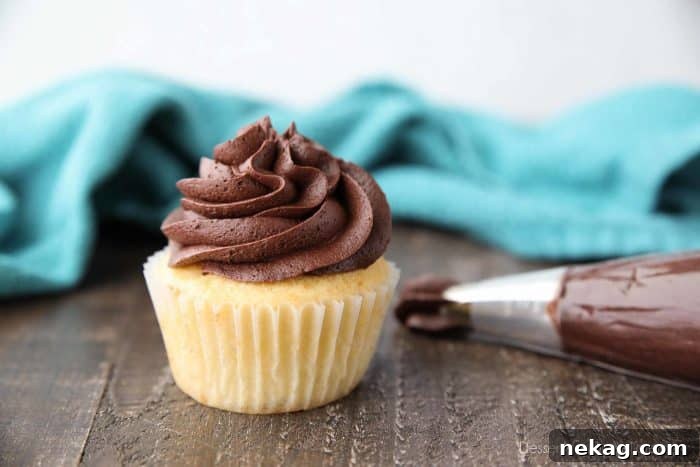
How Much Frosting Will You Need? Yield and Coverage Guide
Understanding the yield of your frosting is key to successful baking. This chocolate buttercream recipe typically yields approximately 3 cups of delicious frosting, providing ample coverage for various desserts. The exact amount you’ll need can vary slightly depending on how generously you apply the frosting and your preferred thickness.
- As a general guideline, three cups of frosting is sufficient to generously cover a standard 9×13-inch sheet cake.
- It will also beautifully frost a two-layer, 8-inch round cake, creating a lovely presentation.
- For cupcakes, if you’re spreading the frosting by hand with a knife or spatula, this recipe should be enough for about 24 cupcakes.
- If you prefer piping the frosting with decorative tips, which often uses more frosting per cupcake, you can expect to frost between 12 to 18 cupcakes, depending on the size and height of your piped swirls.
Always consider making a little extra if you plan on elaborate decorations or are unsure about your coverage needs. It’s better to have a small amount leftover than to run out mid-project!
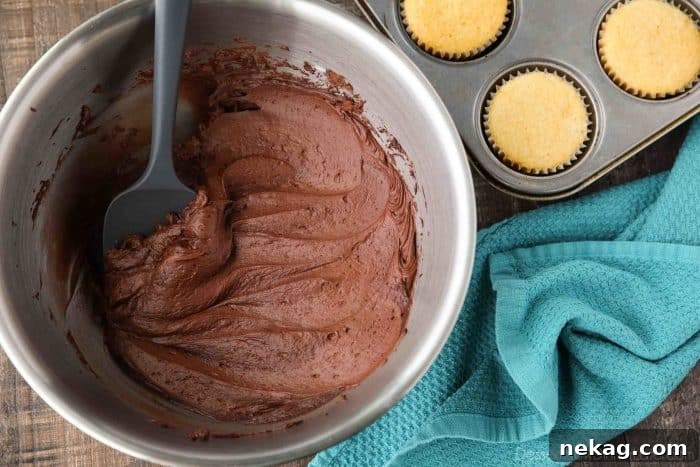
Tips for Success: Achieving the Perfect Chocolate Buttercream
Creating flawless chocolate buttercream is easier than you think, especially with a few expert tips. Here’s how to ensure your frosting turns out perfectly every time:
- Room Temperature Butter is Non-Negotiable: This is perhaps the most important tip. Butter that is too cold will result in a lumpy frosting, while butter that’s too warm or melted will create a greasy, runny mess. Ideally, your butter should be soft enough to leave an indentation when pressed, but still hold its shape.
- Sift Dry Ingredients: To guarantee a smooth, lump-free buttercream, always whisk or sift your powdered sugar and cocoa powder together before adding them to the butter. This step breaks up any clumps and ensures a silky texture.
- Add Liquid Gradually: Whether you’re using heavy cream or milk, add it one tablespoon at a time. This allows you to control the consistency precisely. You might need slightly more or less than the recipe calls for, depending on your environment and desired thickness.
- Scrape the Bowl Frequently: As you mix, butter and sugar can cling to the sides and bottom of your mixing bowl. Stop your mixer often to scrape down the bowl with a rubber spatula. This ensures all ingredients are fully incorporated and prevents streaks in your frosting.
- Adjust Consistency as Needed: If your frosting is too thick, add more liquid (cream or milk) in small increments. If it’s too thin, add more sifted powdered sugar, a tablespoon at a time, until the desired consistency is reached.
- Don’t Overmix Once Liquid is Added: Once you’ve achieved your desired consistency, avoid overmixing, especially if using heavy cream, as it can incorporate too much air and lead to a less stable frosting. Mix just until smooth and creamy.
Troubleshooting Common Buttercream Issues
Even seasoned bakers encounter hiccups. Here’s how to fix common chocolate buttercream problems:
- Frosting is Too Stiff: If your buttercream feels too dense or thick, simply add more heavy cream or milk, about 1 teaspoon at a time, mixing well after each addition until it reaches the desired spreadable or pipeable consistency.
- Frosting is Too Runny: This usually means too much liquid was added or the butter was too warm. You can try adding more sifted powdered sugar, 1/4 cup at a time, until it thickens. Alternatively, chill the frosting in the refrigerator for 15-20 minutes, then re-whip. The cooling will firm up the butter.
- Frosting is Grainy: This is often caused by unsifted powdered sugar. If you skipped sifting, you might have tiny sugar lumps. Continue mixing on medium-low speed for a few more minutes to help dissolve the sugar. If the butter was too cold, some butter chunks might also cause graininess; prolonged mixing can sometimes smooth it out.
- Frosting is Greasy or Separated: This can happen if the butter was too warm to begin with, or if the frosting was overmixed. If it looks curdled or greasy, try chilling the bowl of frosting in the refrigerator for 10-15 minutes, then re-whip it on medium speed until it comes back together. Add a tiny bit more powdered sugar if necessary.
Beyond Cupcakes: Versatile Uses for Chocolate Buttercream
While this chocolate buttercream frosting is a perfect match for my favorite chocolate or vanilla cupcakes, its versatility extends far beyond! Consider using it to fill and frost elegant layer cakes, create festive designs on sugar cookies, or even as a decadent topping for brownies and fudgy dessert bars. For a delightful twist, try swirling it onto a warm slice of banana bread or using it as a filling for whoopie pies. This rich frosting also pairs beautifully with coffee cakes, making it a truly adaptable recipe for any sweet occasion.
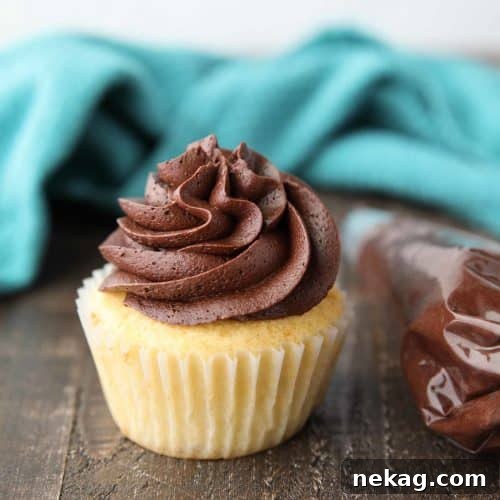
Chocolate Buttercream Frosting
Amber Brady
10 minutes
10 minutes
Pin
Rate
24
servings
Ingredients
-
1 cup
(226 g)
butter,
(2 sticks) softened to room temperature -
¼ tsp
salt* -
3-4 cups
(360-480 g)
powdered sugar -
½ cup
(40 g)
cocoa powder -
2 tsp
vanilla extract -
3-4 Tbsp
heavy cream,
(or milk**)
Equipment
-
Electric Hand Mixer
-
Wilton Polka Dot Cupcake Liners
Instructions
-
Using an electric mixer with the paddle attachment, beat the softened butter with the salt until it’s light, fluffy, and creamy. This should take about 2-3 minutes on medium speed.
-
In a separate bowl, whisk or sift the powdered sugar and cocoa powder together thoroughly. This step is crucial for preventing lumps. Gradually add the powdered sugar mixture to the butter, 1 cup at a time, mixing completely on low speed before adding the next cup. Continue until all the dry ingredients are fully incorporated and the mixture is well combined.
-
Stir in the vanilla extract until it’s fully incorporated. Next, add the heavy cream (or milk) 1 Tablespoon at a time, mixing on low speed until you achieve your desired smooth and creamy consistency. If using milk, you can mix at medium-high speed to incorporate air if you desire a lighter frosting. Be careful not to overmix, especially with heavy cream, to maintain stability.
-
Your homemade chocolate buttercream frosting is now ready! Spread or pipe this decadent frosting onto your favorite cakes, cupcakes, or cookies, and enjoy.
Notes
*Adjust or omit salt as needed if using salted butter. The amount of salt can be tailored to your taste.
**Milk (preferably whole milk for richness) or half & half can be used as a substitute for heavy cream. Always add in small increments to achieve the desired consistency.
***For a less sweet frosting, use the smaller amounts of powdered sugar and heavy cream indicated in the recipe. Taste and adjust as you go!
Nutrition
|
Calories: 138kcal
|
Carbohydrates: 16g
|
Protein: 0.5g
|
Fat: 9g
|
Saturated Fat: 5g
|
Polyunsaturated Fat: 0.3g
|
Monounsaturated Fat: 2g
|
Trans Fat: 0.3g
|
Cholesterol: 22mg
|
Sodium: 86mg
|
Potassium: 32mg
|
Fiber: 1g
|
Sugar: 15g
|
Vitamin A: 264IU
|
Vitamin C: 0.01mg
|
Calcium: 6mg
|
Iron: 0.3mg
Disclaimer: Nutritional values were calculated using a third-party tool and are provided as an estimation only.
Sharing this recipe with a link is both encouraged and appreciated. Copying/pasting and/or screenshots of full recipes to any social media is strictly prohibited. Content and photographs are copyright protected.
Did you make this?
Don’t forget to leave a rating below and make sure to follow on Pinterest and Instagram for more delicious recipes and baking inspiration!