
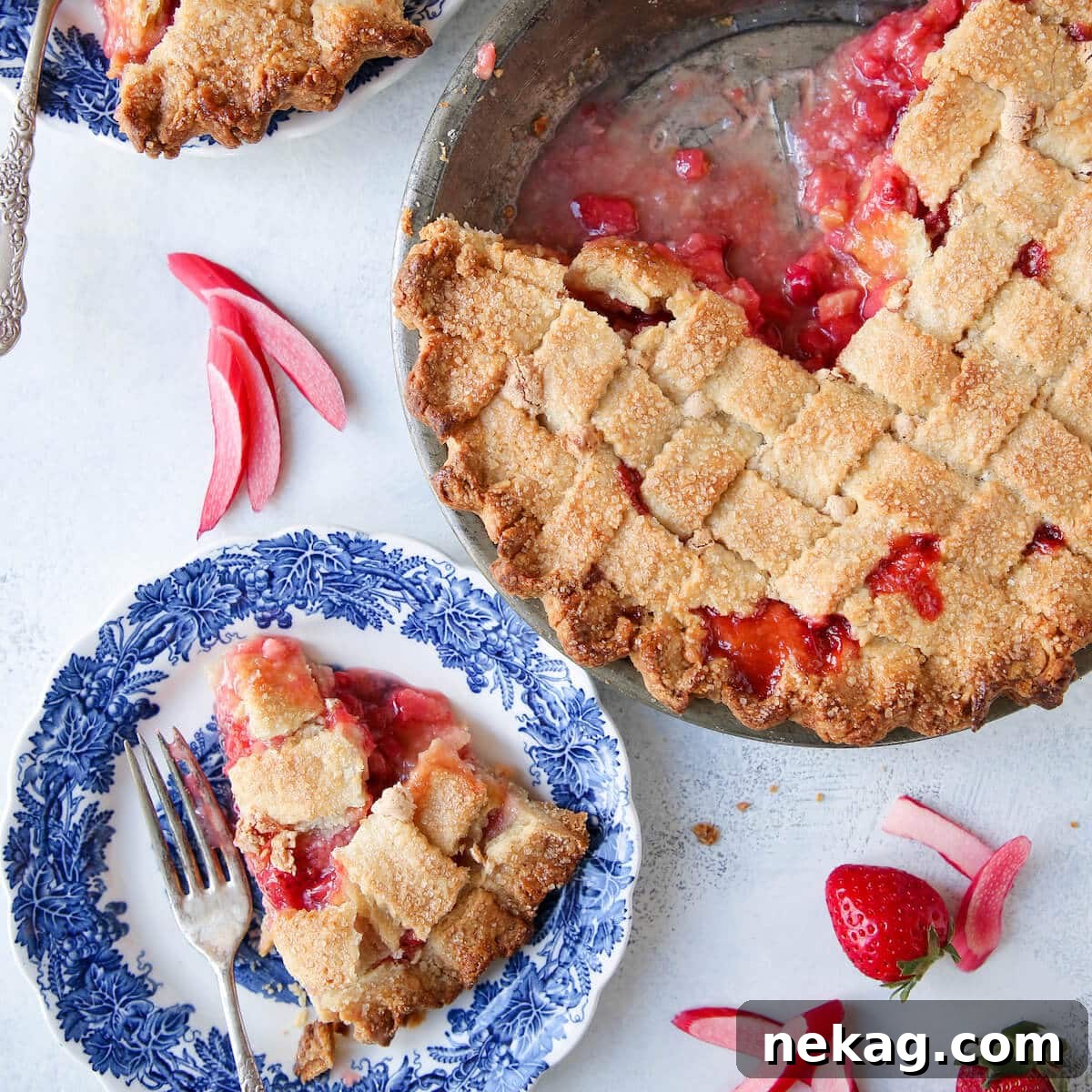
Classic Old-Fashioned Strawberry Rhubarb Pie: A Timeless Spring & Summer Treat
Indulge in the perfect harmony of sweet and tart with this incredible Strawberry Rhubarb Pie. This cherished recipe brings together juicy, ripe strawberries and tangy rhubarb in a beautifully thick and flavorful filling, all encased in a tender, crumbly almond flour pie crust. It’s a delightful dessert that truly celebrates the vibrant flavors of spring and summer, making it an absolute must-try for any pie enthusiast or home baker seeking a touch of nostalgic sweetness.
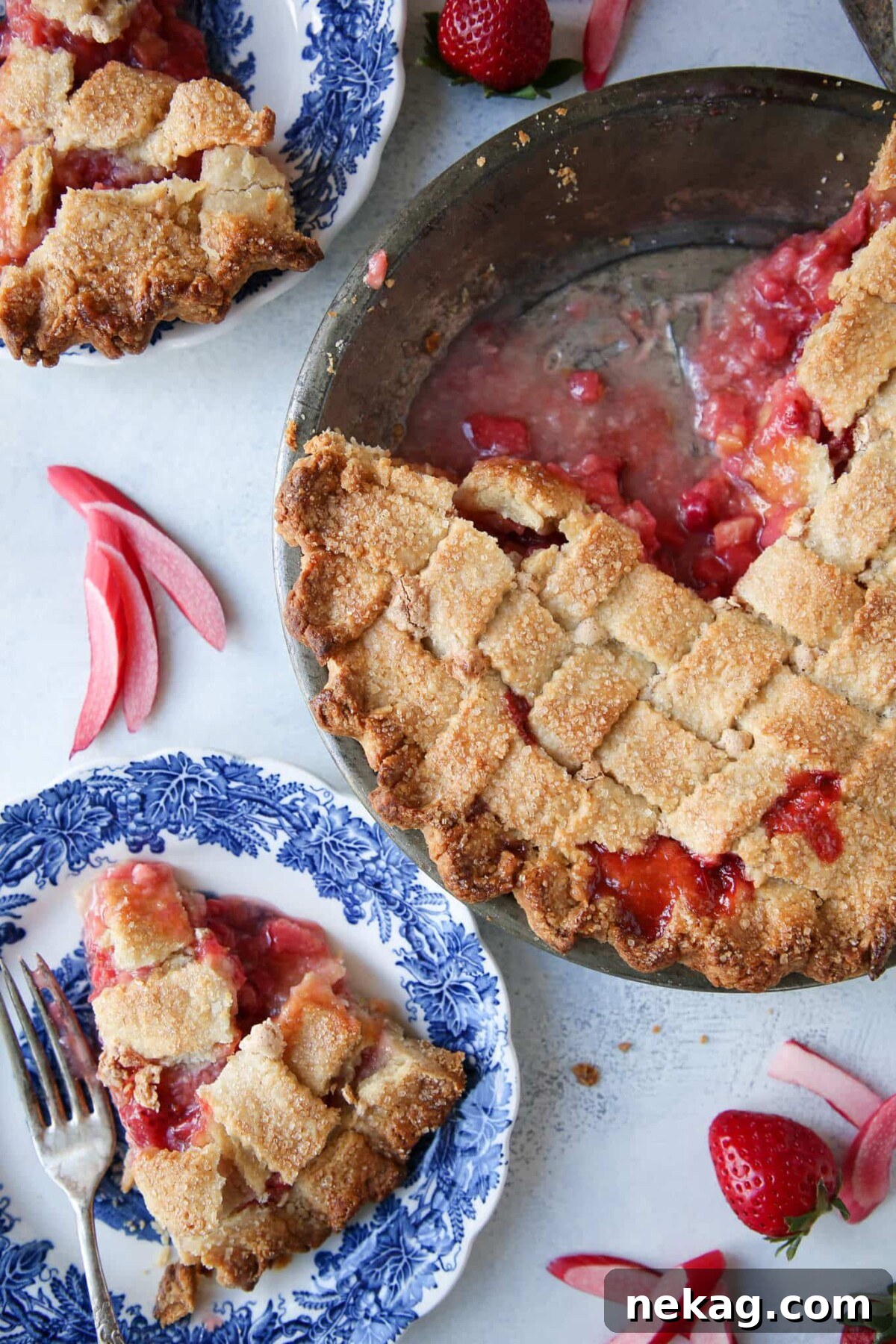
This exquisite Strawberry Rhubarb Pie isn’t just any recipe; it’s a treasured heirloom passed down through generations. Rooted in the pages of the 1903 edition of The Settlement Cookbook, this old-fashioned gem delivers a filling that strikes an ideal balance – half delightfully tart rhubarb, half wonderfully sweet strawberries, complemented by just the right amount of sugar. To achieve the most vibrant and authentic flavors, I always recommend using peak-season produce. This ensures the natural sweetness of the strawberries perfectly counterbalances the rhubarb’s characteristic tang, much like in our beloved Strawberry Rhubarb Crumble.
What truly sets this pie apart is its uniquely thick and luscious filling, a testament to traditional baking wisdom. This magnificent texture is achieved through an ingenious combination of cornstarch and a single egg. While modern baking often simplifies fruit pie thickeners, this time-honored method proves magnificently effective. The secret lies in allowing the filling to reach a full, rolling boil during baking; this crucial step fully activates the cornstarch and seamlessly integrates the egg for an incredibly rich, satisfying texture that holds its shape beautifully when sliced. This classic approach is also successfully employed in our Old-Fashioned Peach Pie, yielding equally spectacular and consistently delicious results.
Table of Contents
- Why This is the Best Strawberry Rhubarb Pie Recipe You’ll Find
- Professional Baking Tips for Perfect Pie
- Essential Ingredients for Your Pie
- Creative Variations & Substitutions
- How to Make Strawberry Rhubarb Pie (Step-by-Step)
- Chef Lindsey’s Expert Tip for Rhubarb Preparation
- How to Serve Your Delicious Pie
- Frequently Asked Questions About Strawberry Rhubarb Pie
- Strawberry Rhubarb Pie Recipe Card
- Explore More Delicious Recipes from Chef Lindsey Farr
Why This is the Best Strawberry Rhubarb Pie Recipe You’ll Find
This recipe isn’t just another pie; it’s a testament to timeless baking traditions and a guarantee of delicious success. Here’s why this particular Old-Fashioned Strawberry Rhubarb Pie stands out as truly exceptional, earning its place as a cherished favorite:
- Unforgettably Thick, Rich, and Flavorful Filling: The secret to this pie’s superb interior lies in the harmonious combination of cornstarch and an egg. This duo creates a filling that’s not just remarkably thick and satisfyingly robust, but also incredibly rich, allowing the bright, natural flavors of sweet strawberry and tart rhubarb to shine through without being masked by excessive sugar or a watery texture. Cornstarch ensures clarity and a smooth mouthfeel, while the egg adds a depth of body and luxuriousness that elevates the entire experience.
- Surprisingly Easy to Make for Such a Spectacular Result: Don’t let the “old-fashioned” label intimidate you. The preparation of the fruit filling is remarkably straightforward: simply combine the prepped fruit with the cornstarch, pour it into your prepared bottom pie crust, and then gently layer a whisked egg-sugar mixture on top. It’s a process designed for ease and accessibility, allowing even novice bakers to achieve professional-level results and an impressive homemade pie with confidence.
- Versatile with Fresh or Frozen Fruit: This recipe offers fantastic flexibility, adapting beautifully whether you’re harvesting vibrant, fresh produce from your garden or reaching for convenient frozen berries during the off-season. If opting for frozen fruit, I highly recommend using pre-sliced frozen strawberries and, crucially, avoiding thawing them prior to baking. This helps maintain the fruit’s structural integrity and prevents an overly watery filling, ensuring your pie is consistently delicious and perfectly set, no matter the season.
- Perfect Sweet-Tart Balance: Achieving the ideal flavor balance is paramount in a strawberry rhubarb pie. This recipe carefully calibrates the sugar content to enhance, rather than overpower, the natural sweetness of ripe strawberries and the delightful sharpness of rhubarb. The result is a perfectly balanced flavor profile that tantalizes the taste buds, avoiding the common pitfall of being either too sweet or excessively sour, making every bite a true pleasure.
- Irresistible Crumbly Almond Flour Crust: While traditional in its filling, this pie features a unique and highly recommended almond flour crust. This special pastry adds an extra layer of nuanced flavor and a delightful texture. Its distinct crumbliness provides the perfect contrast to the soft, juicy filling, offering a subtle nutty undertone that complements the fruit beautifully. It’s a crust that is both sturdy enough to hold the generous filling and tender enough to melt deliciously in your mouth.
Professional Baking Tips for a Perfectly Homemade Strawberry Rhubarb Pie
Baking a truly exceptional pie involves more than just following steps; it’s about understanding the subtle nuances and applying a few professional insights. Here are some expert tips to help you achieve pie perfection, ensuring your Strawberry Rhubarb Pie is nothing short of magnificent:
- Always Taste the Filling Before Adding the Egg: The sweetness of strawberries and the tartness of rhubarb can vary significantly based on ripeness, variety, and growing conditions. Before incorporating the egg, which binds the sugar and thickeners, take a small taste of your fruit and cornstarch mixture. This crucial step allows you to accurately adjust the sugar level or add a squeeze of fresh lemon juice if the fruit is exceptionally sweet, guaranteeing your pie achieves that ideal, signature sweet-tart balance.
- Ensure the Filling Boils Vigorously in the Center: This is arguably the most critical step for achieving the thickest, most delicious, and perfectly set filling. The robust boiling action in the very center of the pie activates the cornstarch, allowing it to fully gelatinize and thicken, and also cooks out any residual starchy flavor. Don’t rush this process; resist the urge to pull the pie from the oven until you see distinct, sustained bubbling in the middle of the filling, indicating the thickener has done its job. This might require an extra 10-15 minutes of baking, but it’s well worth the wait for a perfectly set, sliceable pie.
- Master the Art of Tenting the Crust to Prevent Over-Browning: Fruit pies, especially those with juicy fillings, often require longer baking times to ensure the interior properly thickens and cooks through. To prevent your beautiful pie crust from becoming overly dark or burnt, particularly around the delicate edges, strategic tenting is essential. Simple strips of aluminum foil, folded and gently placed around the crust’s perimeter, will shield it from excessive direct heat while the filling continues to cook. Alternatively, a loose foil dome over the entire pie can work if the top is browning too quickly. This method is incredibly effective and allows for a beautifully golden, evenly baked crust alongside a perfectly cooked filling.
- Choose the Right Baking Vessel: The material of your pie dish significantly impacts how evenly your pie bakes, directly affecting the crispness of your bottom crust. Opt for a metal pie tin or a glass pie dish. Both materials conduct heat efficiently and consistently, promoting simultaneous cooking and browning of both the crust and the filling. This ensures a perfectly baked, flaky bottom crust that isn’t soggy, coupled with a thoroughly thickened fruit interior. Ceramic dishes, while charming, can sometimes bake slower and may not yield the same crispness in the lower crust.
- Don’t Over-Mix the Dough: When preparing your pie crust, whether it’s the almond flour version or an all-butter one, mix the ingredients just until they come together. Overworking the dough develops gluten excessively, which can lead to a tough, rather than tender and flaky, crust. Shortening or butter should remain in small, distinct pieces within the dough to create those desirable pockets of steam that result in wonderfully flaky layers.
- Allow Ample Cooling Time: Patience is truly a virtue when it comes to pie, especially fruit pies. While it’s tempting to slice into a warm pie straight from the oven to enjoy the comforting aromas, allowing it to cool completely for several hours (ideally 3-4 hours, or even overnight) is absolutely vital. This extended cooling period allows the filling to fully set and solidify, preventing a soupy mess and ensuring clean, beautiful, and structurally sound slices that hold their form.
Essential Ingredients for Your Perfect Strawberry Rhubarb Pie
Crafting a truly memorable and delicious homemade pie begins with selecting the finest, freshest ingredients. Here’s a detailed look at what you’ll need for this classic Strawberry Rhubarb Pie, along with expert tips for choosing the best:
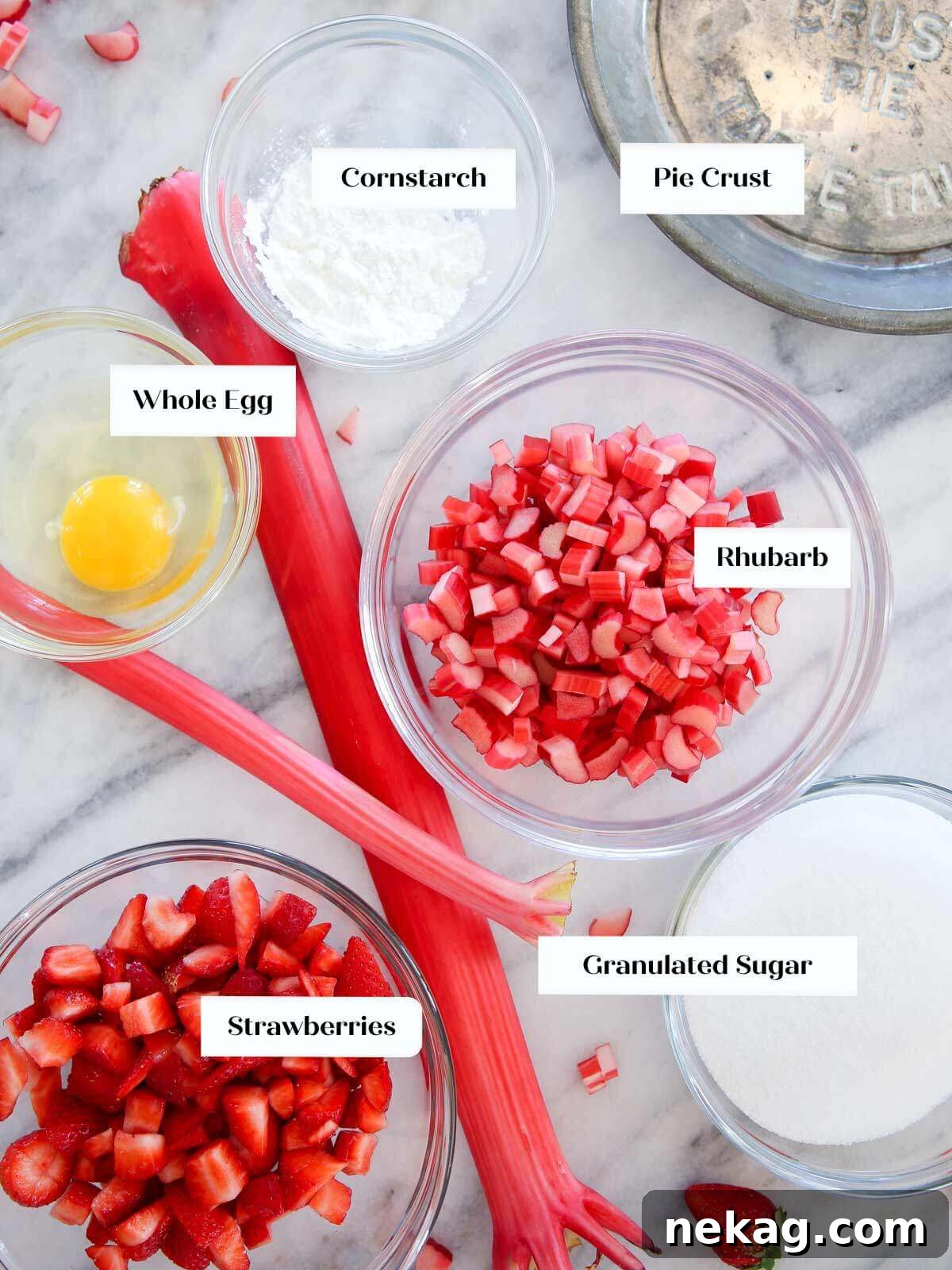
- For the Pie Crust: This recipe shines brightly with our unique almond flour pie crust, offering a distinct crumbly texture and a subtle nutty flavor that perfectly complements the bright fruit. However, feel free to substitute with your preferred pastry; an all-butter pie crust provides unparalleled flakiness, while a Crisco pie crust (shortening-based) will yield a similar tender, crumbly texture to the almond version. If you’re short on time, a high-quality store-bought pie crust can be a convenient alternative, though homemade always offers superior flavor and texture.
- Strawberries: The undisputed star of the show! For the most intensely flavorful pie, choose in-season strawberries that are deeply red throughout, feel firm to the touch, and emit a wonderfully sweet, fragrant aroma. A trip to your local farmers’ market during peak strawberry season is highly recommended for the best quality. Out-of-season strawberries tend to be less flavorful and contain more water, which can dilute your pie filling’s richness.
- Rhubarb: The essential tart counterpart that defines this classic pairing. Look for rhubarb stalks that are stiff, crisp, and robust, not limp or rubbery. Ideally, select stalks with a deep pink to vibrant red color, as these usually indicate peak ripeness and flavor. While green rhubarb is still edible and tart, the best in-season varieties boast a dark, almost magenta hue. Frozen rhubarb works wonderfully here too – it will still provide that essential, bracing tartness! Remember to always discard the rhubarb leaves, as they are poisonous.
- Cornstarch: This essential ingredient acts as the primary thickener for our pie filling. It ensures a clear, glossy, and perfectly set filling without any cloudiness or lingering starchy taste, provided it’s allowed to boil thoroughly for at least a minute in the center of the pie. If you prefer, tapioca flour makes an excellent substitute and can be used in equal measure, as demonstrated in our Mixed Berry Pie recipe. Ensure your cornstarch is fresh for optimal thickening power.
- Granulated Sugar: Beyond simply adding sweetness, granulated sugar plays a critical role in the pie’s overall structure and texture. As the pie bakes, the sugar absorbs moisture from the fruit, contributing significantly to a thicker, more cohesive, and beautifully set filling. The amount used in this recipe is carefully balanced to enhance the fruit’s natural flavors, not overwhelm them.
- Large Egg (for the filling): An unexpected yet brilliant traditional thickener, the egg adds an extra layer of richness, body, and stability to the filling. It results in a much thicker, more luscious consistency than cornstarch alone could achieve and contributes to the luxurious mouthfeel that makes this old-fashioned pie truly special and distinctive.
- Heavy Cream (optional, for egg wash): A light brush of heavy cream on the top crust before baking contributes to a beautiful, deeply golden-brown finish and a subtle richness. It also helps the turbinado sugar adhere and caramelize wonderfully, enhancing both appearance and flavor.
- Turbinado Sugar (optional, for sprinkling): Also known as raw sugar or coarse sugar, sprinkling turbinado sugar generously over the top crust before baking adds a delightful sparkle, a satisfying textural crunch, and a hint of caramelized sweetness. This elevates the pie’s visual appeal and provides a pleasing textural contrast.
- All-Purpose Flour: Forms the essential base for our pie crust, providing structure, body, and the foundation for flakiness.
- Almond Flour (or Almond Meal): Infuses the crust with a wonderful nutty flavor and contributes to its signature tender, crumbly texture.
- Kosher Salt: A pinch of salt in both the crust and filling is crucial. It balances all the flavors, enhances the natural sweetness of the fruit, and prevents the pie from tasting flat.
- Shortening: Absolutely crucial for achieving a truly flaky and tender pie crust. Ensure it’s very cold and cut into small pieces to create those desirable pockets of fat that yield a tender, flaky pastry.
- Cold Water: Used sparingly to bring the pie dough together. It’s important to use just enough to achieve a cohesive dough without overworking it, which can lead to toughness.
Refer to the complete recipe card below for precise measurements and quantities for both the pie and its delicious homemade crust.
Creative Variations & Substitutions for Your Strawberry Rhubarb Pie
While this classic Strawberry Rhubarb Pie recipe is perfect as is, it’s also incredibly adaptable. Don’t hesitate to experiment and make it your own with these delicious variations and clever substitutions, ensuring a pie that perfectly suits your taste and occasion:
- Mix Up the Fruit Combinations: Rhubarb’s distinctive tartness pairs beautifully with a wide variety of naturally sweet fruits, not just strawberries. Consider combining it with raspberries for a vibrant Raspberry Rhubarb Crumble-inspired pie, offering a deeper, tangier berry note. Blueberries, cherries, or even sliced peaches can also create delightful and unique flavor profiles when combined with rhubarb. Depending on the inherent sweetness of the alternative fruit you choose, you might want to add a splash of fresh lemon juice to maintain that crucial sweet-tart balance that makes rhubarb pies so appealing.
- Opt for a Delicious Streusel Topping: For an easier and equally satisfying dessert with a wonderful textural contrast, transform this into a streusel-topped pie. Simply prepare our irresistible Brown Sugar Streusel (or your favorite crumble topping) and generously sprinkle it over the prepared fruit filling instead of using a top crust. Bake according to the recipe instructions, keeping an eye on the streusel to ensure it browns beautifully without burning, and enjoy a delightfully crumbly, buttery topping.
- Make it Vegetarian & Vegan-Friendly: To adapt this recipe for vegan diets, you can simply omit the egg from the pie filling. When doing so, ensure you mix the granulated sugar directly with the fruit and cornstarch before pouring the mixture into the pie crust. The cornstarch alone, when properly activated by thorough boiling during baking, will provide sufficient thickening for a delicious vegan pie. For the crust, ensure your shortening is vegan-friendly and substitute any egg wash with a light brushing of plant-based milk (like almond or soy milk) or melted vegan butter for a golden-brown finish.
- Experiment with Different Crusts: While the unique almond flour crust is highly recommended for its flavor and texture, this versatile pie filling would also be exceptional with a traditional all-butter pie crust for maximum flakiness and rich flavor, or even a vodka pie crust for extra tender and easy-to-handle results. Each type of crust offers a unique texture and flavor profile to explore, allowing you to customize your pie experience.
- Add a Hint of Spice: Elevate the complexity of your pie by adding a touch of warm spices to the strawberry rhubarb filling. A small amount of ground ginger, a pinch of cinnamon, or even a tiny whisper of cardamom can introduce delightful aromatic notes that complement the fruit beautifully. Start with ¼ teaspoon and adjust to your personal preference for a subtly spiced twist.
How to Make the Best Strawberry Rhubarb Pie (Step-by-Step Guide)
Creating this delicious, old-fashioned Strawberry Rhubarb Pie is a rewarding experience that yields a truly memorable dessert. Follow these detailed, easy-to-understand steps to ensure a perfect homemade pie every time. Further precise measurements and comprehensive details for the recipe can be found in the dedicated recipe card below.
Part 1: Preparing Your Pie Crust – Rolling & Latticing Techniques
A truly great pie always begins with a fantastic crust. For this recipe, we’ll prepare a double crust, ensuring a sturdy, flaky base and a beautiful top. If you haven’t already, prepare your chosen pie dough (such as our recommended almond flour crust) and ensure it’s thoroughly chilled – this is crucial for the best texture and ease of handling.
Step 1: Roll Out Your Pie Dough. On a lightly floured, clean surface, carefully roll out both the top and bottom pie crusts to an even ¼ inch (approximately 6mm) thickness. Aim for a circular shape large enough to comfortably fit your 9-inch pie plate with a slight overhang. If the dough feels too stiff and starts to crack excessively around the edges, it’s likely too cold. Let it rest at room temperature for about 5-8 minutes to soften slightly, then resume rolling. For more delicate or extra-flaky crusts like an all-butter pie crust or this incredibly tender vodka pie crust, you can roll them a bit thinner, to approximately ⅛ inch (3mm), for a delicate finish.
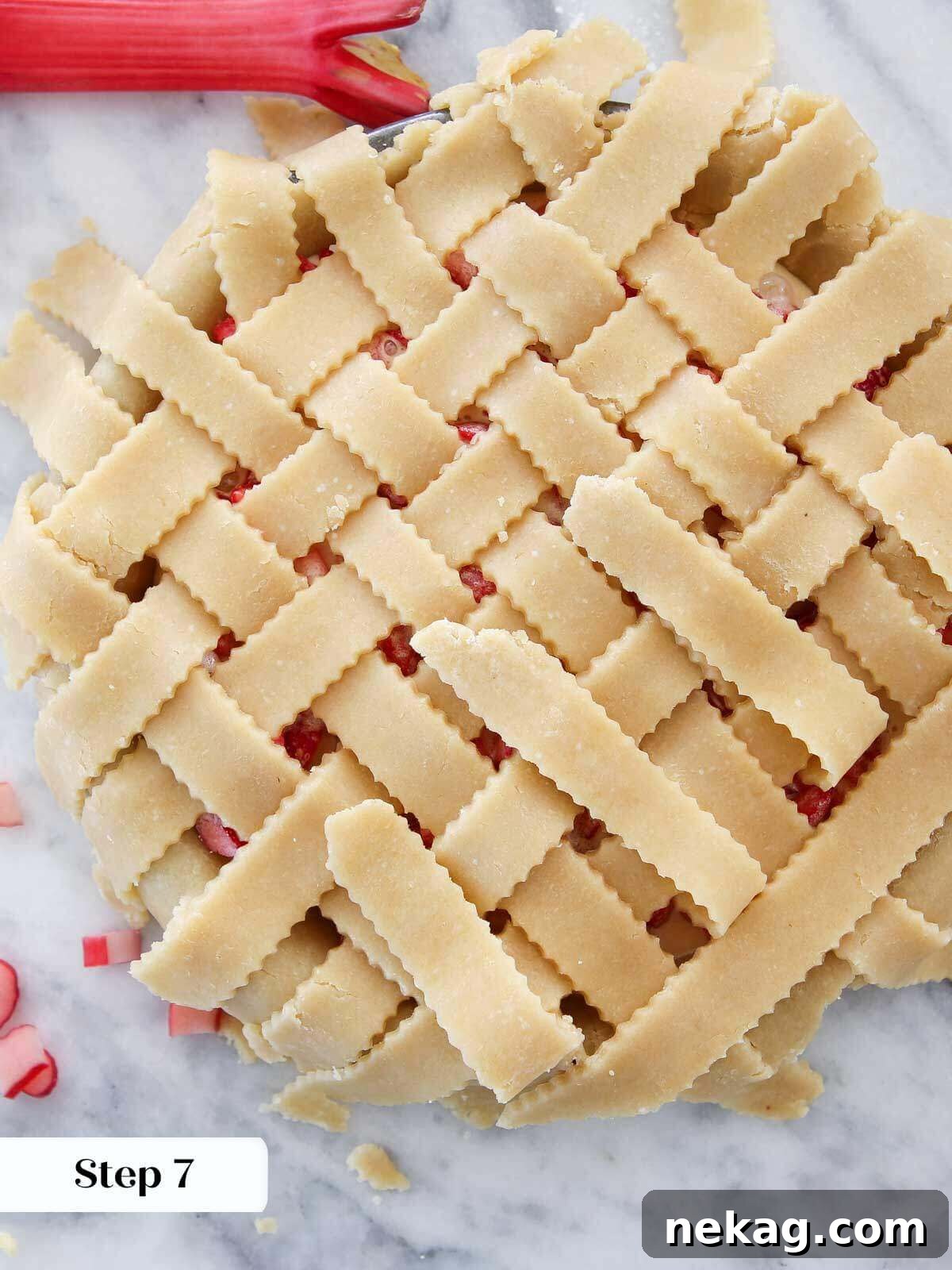
Step 2: Prepare the Top Crust for Decorating (Lattice or Vents). You have several wonderful options for your top crust, each adding to the pie’s charm. For a stunning, professional-looking presentation, you can create a classic lattice top as beautifully showcased in our accompanying photos. Alternatively, for a simpler approach, you can just lay the second rolled-out crust over the fruit filling and cut a few decorative vent holes (or slits) in the center, much like in our Old-Fashioned Peach Pie. Even just laying simple strips of dough over the filling without intricate weaving will still result in a delicious and appealing pie. The choice is entirely yours, depending on your desired aesthetic and time available.
Chef’s Note on Almond Flour Crust Handling: If you are using our special almond flour pie crust, I strongly advise constructing the lattice directly on top of the filled bottom crust. This particular dough is inherently more tender and delicate compared to more robust, traditional crusts. Attempting to pre-weave it on parchment paper and then transfer it, as you might with a sturdier dough like in our Amazing Blueberry Pie recipe, can easily lead to tearing and unnecessary frustration. For the best results and an intact lattice, assemble your almond flour lattice strips in place directly over the fruit filling.
Part 2: Crafting the Flavorful Filling & Assembling Your Pie
With your pie crust expertly prepared and chilled, it’s now time to prepare the star of the show: the vibrant, sweet-tart strawberry rhubarb filling. This is where the magic truly happens!
Step 3: Preheat Your Oven. Before you begin assembling the filling, preheat your oven to a robust 425°F (220°C). This initial high heat is essential for quickly setting the pie crust and kick-starting the thickening process of the fruit filling, ensuring a flaky crust and a bubbly interior.
Step 4: Prepare the Fruit. Begin by thoroughly washing and drying both your rhubarb stalks and fresh strawberries. Once clean, chop both fruits into uniform ¼-inch (approximately 6mm) pieces. For rhubarb, only peel the stalks if they are noticeably green, particularly old, or unusually tough and fibrous; ripe, pink rhubarb typically does not require peeling, and its skin adds beautiful color. Always remember to discard the rhubarb leaves, as they contain oxalic acid and are poisonous.
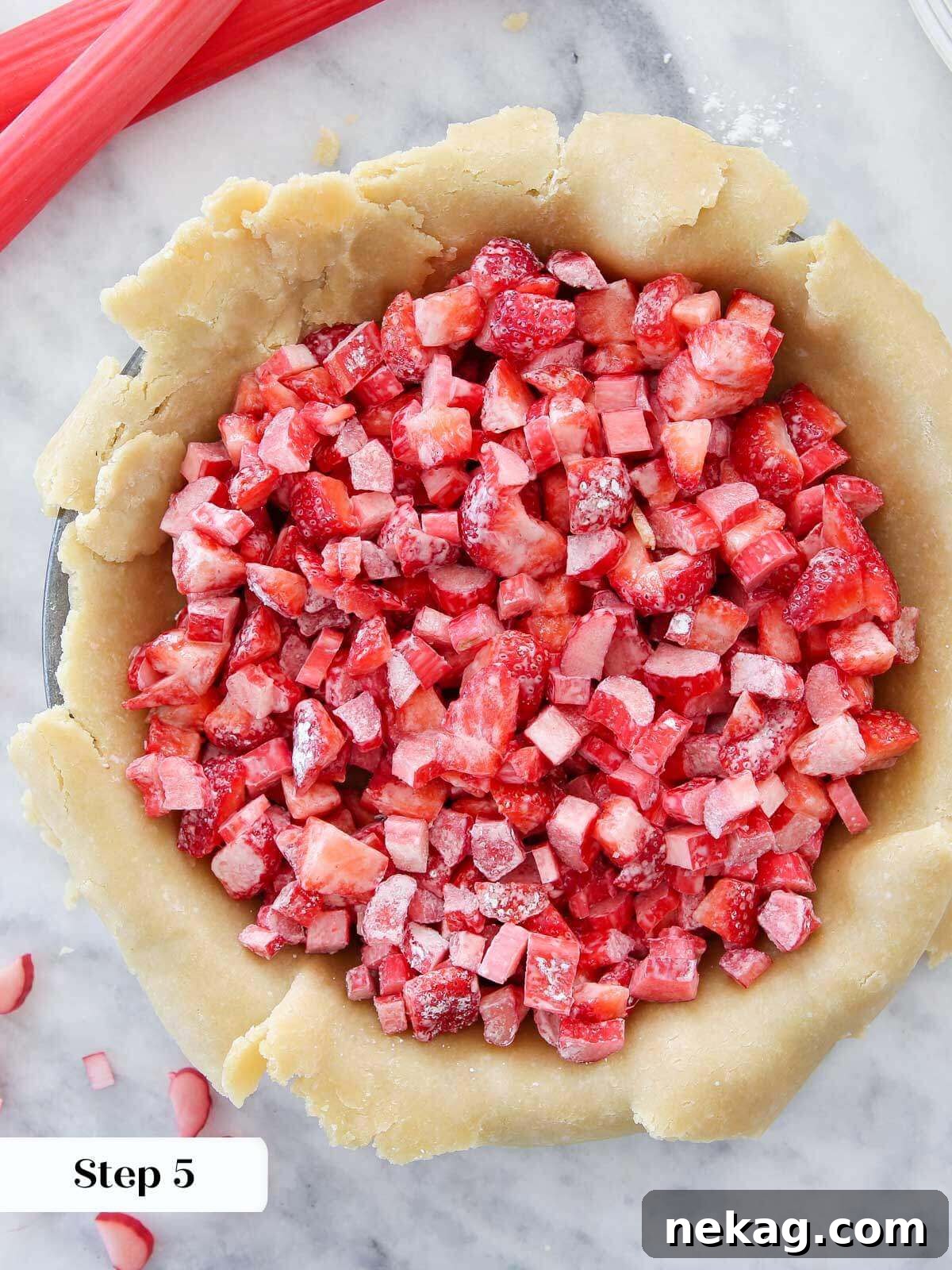
Step 5: Combine Fruit and Cornstarch. In a large mixing bowl, combine the uniformly chopped strawberries and rhubarb. Sprinkle the 2 tablespoons of cornstarch evenly over the fruit and gently toss everything together until every single piece of fruit is thoroughly coated. This even coating is absolutely crucial for uniform thickening and preventing a watery bottom. Carefully pour this cornstarch-coated fruit mixture into your prepared bottom pie crust, which should already be nestled in a 9-inch pie plate. Spread the fruit out into an even layer within the crust, ensuring no large gaps.
Important Filling Tip: Unlike some fruit pies, such as a traditional apple pie, where mounding the filling high is a common practice, it is crucial to avoid piling up the strawberry rhubarb mixture excessively. This particular filling does not significantly cook down during baking, and excessive mounding will almost certainly lead to juices spilling over the edges of your pie dish, creating a sticky mess in your oven. Furthermore, for optimal flavor and proper thickening, you want to ensure all the fruit pieces are submerged and bake thoroughly within the sugar and egg mixture.
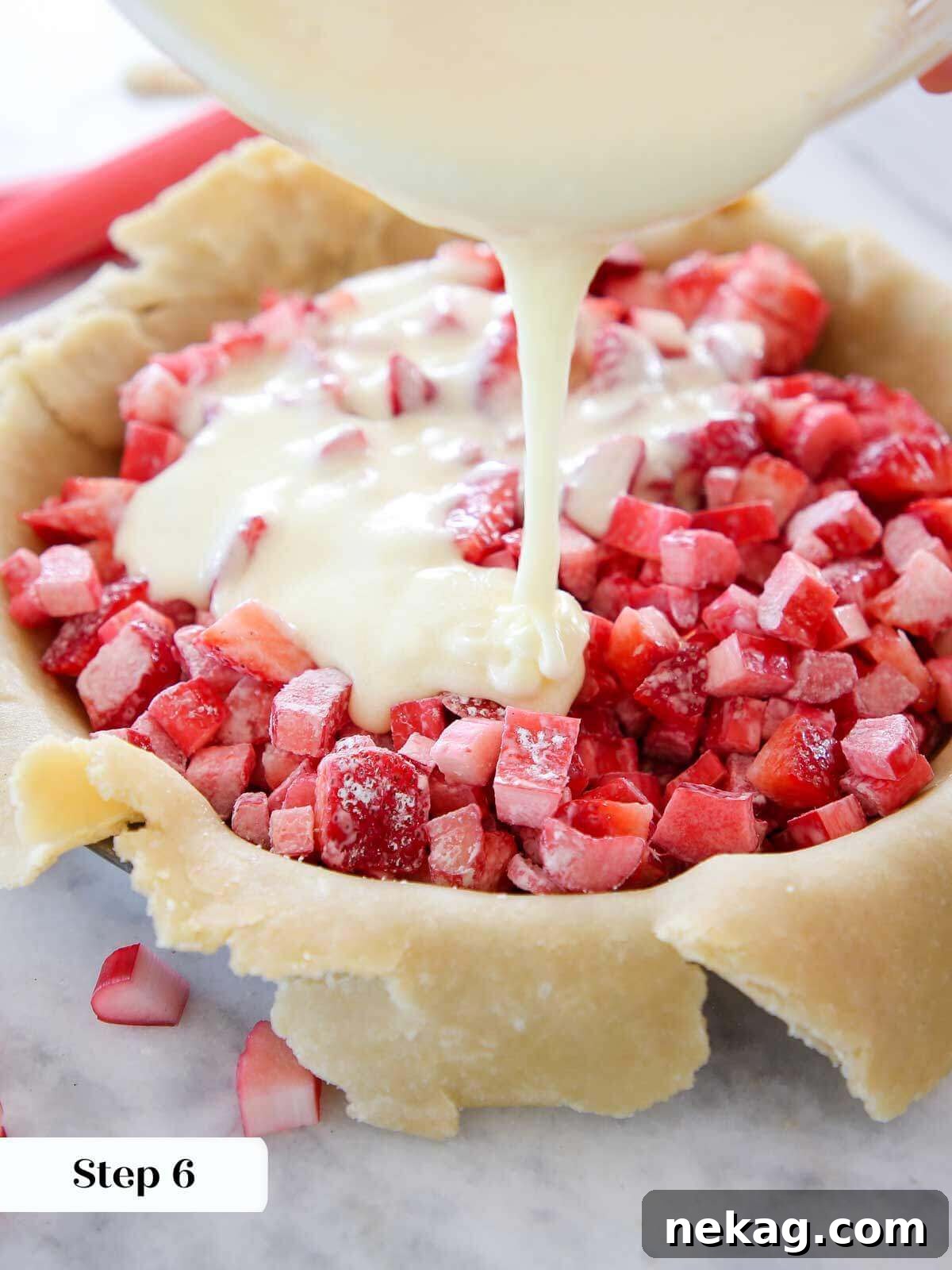
Step 6: Prepare and Add the Egg-Sugar Mixture. In a separate, clean small bowl, whisk together the 1 ½ cups of granulated sugar and the remaining 1 large egg vigorously. Continue whisking until the mixture becomes light in color, visibly fluffy, and well combined. This vigorous whisking incorporates air and ensures a smooth, even consistency when poured. Gently pour this lightened egg-sugar mixture evenly over the top of the fruit in the pie crust. This unique mixture will seep down and coat the fruit, contributing significantly to the pie’s distinctively thick, rich, and glossy texture.
Step 7: Apply the Top Crust and Finishing Touches. Carefully place your chosen top crust over the filling – whether it’s a full top crust or your beautifully arranged lattice strips. For detailed guidance and visual inspiration on creating a stunning lattice, consult our comprehensive how-to lattice pie crust tutorial. Once the top crust is in place, trim any excess overhang (leaving about ½ inch, or 1.25cm, beyond the pie plate’s edge) using kitchen scissors. Firmly pinch the top and bottom crusts together all around the perimeter to create a strong seal, then roll the joined edge neatly under itself for a clean finish. Crimp the edges decoratively using your fingers or a fork for that classic homemade pie look. For an exquisite golden finish and added sparkle, brush the entire top crust with a tablespoon of heavy cream (this step is optional but highly recommended for both appearance and a subtle richness) and generously sprinkle with 2 tablespoons of turbinado or coarse sugar. If you’re using a crumble topping, you can skip this step entirely. Chill the assembled pie for an additional 30 minutes in the refrigerator before baking. This final chill helps the crust retain its shape and flakiness when it hits the hot oven.
Step 8: Bake Your Pie to Golden Perfection. Place the thoroughly chilled, assembled pie pan or dish onto a rimmed baking sheet (this is a critical step to catch any potential drips or boil-overs and protect your oven). Bake in your pre-heated 425°F (220°C) oven for the initial 30 minutes. This high heat helps the crust crisp up rapidly and ensures the thickeners begin to activate. After 30 minutes, reduce the oven temperature to 325°F (160°C) and continue baking until the filling is visibly bubbling thickly in the very center of the pie. The total baking time can range significantly, typically from 60-90 minutes, depending on your specific oven and the moisture content of your fruit. Crucially, if you notice the crust edges or top are browning too quickly, gracefully tent them with aluminum foil (either a full loose cover or three narrow strips around the edges) to prevent burning while the filling finishes cooking. This ensures both a beautifully golden, perfectly baked crust and a thoroughly set, bubbling filling. Once baked, remove the pie from the oven and let it cool completely on a wire rack for at least 3-4 hours, or ideally longer, to allow the filling to fully set properly for clean, beautiful slices. Patience here is truly rewarded!
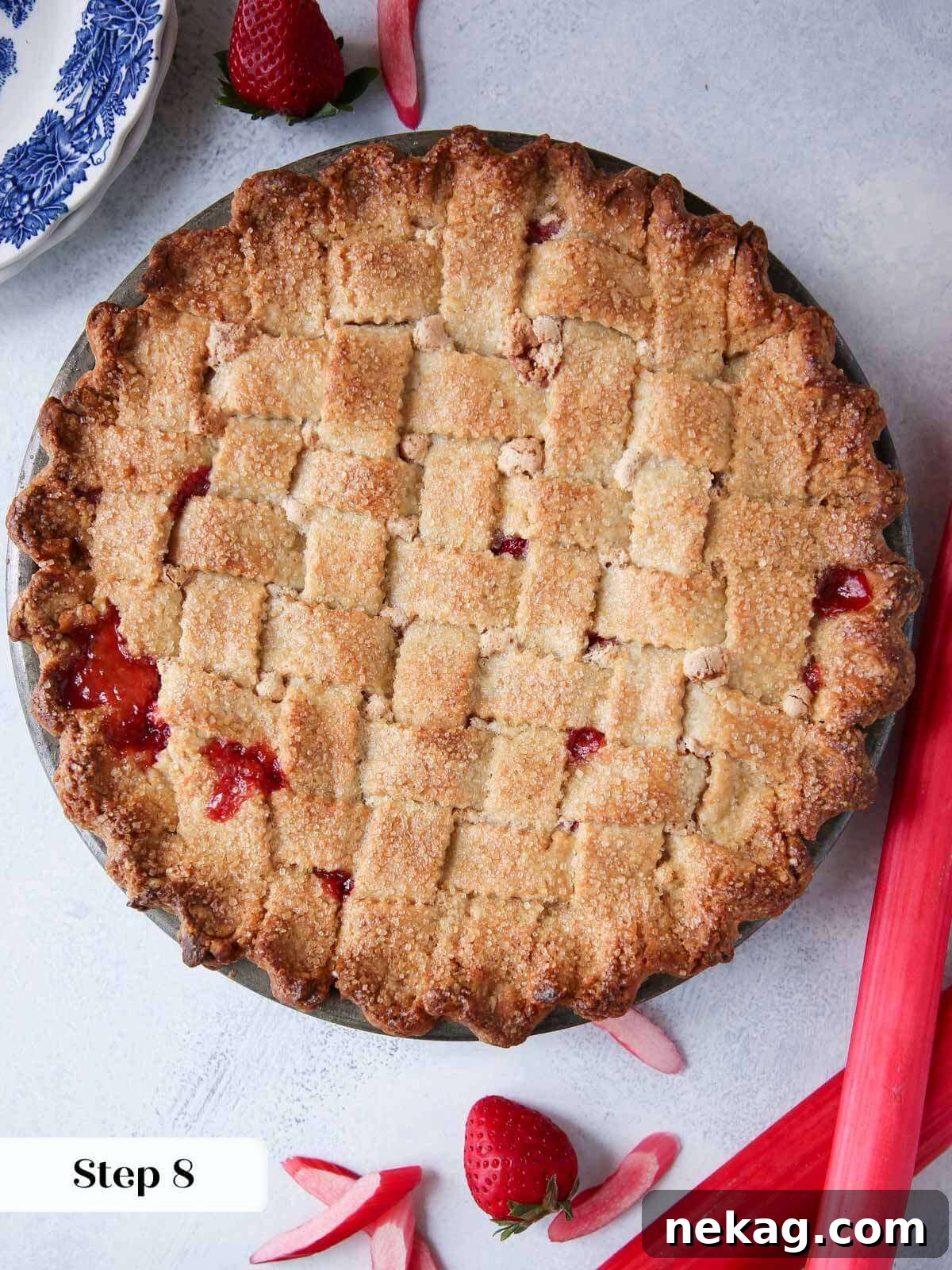
Pro Tip for Crust Protection: Always keep a watchful eye on your pie crust as it bakes. If you notice that the crust, particularly the delicate edges, is beginning to brown too quickly before the filling is fully set and vigorously bubbling, do not hesitate to tent it. Simply cover the entire top of the pie loosely with a sheet of aluminum foil. Alternatively, you can fashion three narrow strips of foil and carefully fold them around the exposed edges of the crust. This simple yet highly effective technique prevents premature burning and ensures a beautifully golden, evenly baked crust all around.
Chef Lindsey’s Expert Tip for Rhubarb Preparation
When working with rhubarb, it’s incredibly helpful to think of it as celery’s more vibrant, baking-friendly cousin. Just like celery, rhubarb stalks contain noticeable, sometimes tough, strings that can detract significantly from the smooth and tender texture of your finished pie filling. To ensure every forkful of your pie is perfectly smooth and delightful, always cut your rhubarb across the middle of the stalk (perpendicular to the direction of the strings), rather than lengthwise. Additionally, aim for uniformly sized pieces no thicker than ¼ inch (approximately 6mm). This simple but effective technique minimizes the stringiness, ensuring a wonderfully tender and enjoyable bite every time.
How to Serve Your Delicious Strawberry Rhubarb Pie
This exquisite Old-Fashioned Strawberry Rhubarb Pie is truly a delight in every bite, and serving it warm elevates the entire experience to new culinary heights. The gentle warmth releases the pie’s fragrant aromas, intensifying the fruit flavors and creating an inviting ambiance. For the ultimate indulgence, pair a generous slice with a scoop of creamy French vanilla ice cream, allowing the cold, rich vanilla to slowly melt into the warm, bubbling fruit filling, creating a luxurious contrast in temperature and texture. Alternatively, a delicate drizzle of simple crème anglaise sauce provides an elegant touch, adding a velvety smoothness to each forkful.
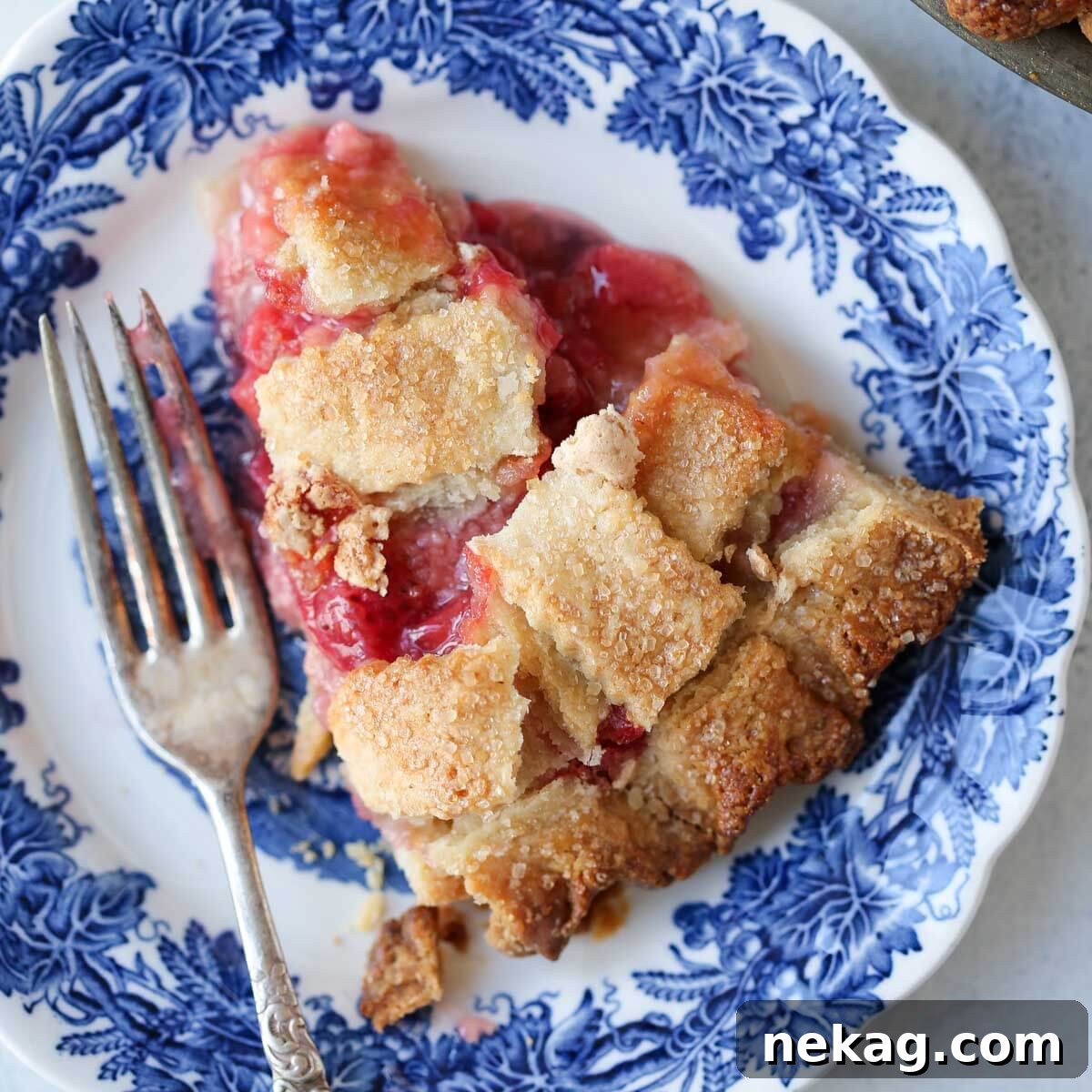
The sweet, creamy notes of vanilla and dairy magnificently heighten the natural sweetness of the strawberries while expertly rounding out the bright, tartness of the rhubarb, creating a perfectly balanced and utterly satisfying dessert experience that lingers pleasantly on the palate. For an extra touch of homemade indulgence, consider a dollop of freshly whipped cream, perhaps infused with a hint of vanilla bean or a touch of bright lemon zest. While delicious and satisfying on its own, these thoughtful accompaniments truly transform the pie into an unforgettable culinary masterpiece, perfect for any occasion from a casual family dinner to a festive gathering with friends and loved ones.
Frequently Asked Questions About Strawberry Rhubarb Pie
Proper storage is essential to maintain the freshness and quality of your homemade pie for days to come. Store the pie, fully covered with plastic wrap or aluminum foil, at cool room temperature for up to 4 days. For extended freshness, you can refrigerate it for up to a week. If you’ve baked ahead for an event or have delightful leftovers, the pie freezes beautifully for up to 2 months. To serve a frozen pie, simply thaw it completely at room temperature, then refresh it (gently reheat) in a warm oven (around 300°F/150°C) until warmed through. This reheating will help to re-crisp the crust and revive the flavors.
Unlike some pie recipes where docking (pricking small holes in the bottom crust before baking) is recommended to prevent puffing, it is absolutely crucial that you do not dock the pie crust for this particular strawberry rhubarb pie. The fruit filling, even when properly thickened, contains a significant amount of liquid that releases during baking. If you dock the crust, this delicious liquid will inevitably leak out through the holes, causing the filling to adhere stubbornly to the pie dish, potentially creating a sticky, burnt mess, or worse, making the bottom crust undesirably soggy and preventing it from becoming flaky.
The combination of sweet strawberry and tart rhubarb is a classic culinary pairing, truly a match made in heaven, primarily because their distinct flavors are wonderfully complementary and create a perfect balance. Rhubarb on its own is notoriously tart, often described as astringent, making an all-rhubarb pie quite sharp and requiring a considerable amount of sugar to become palatable. Conversely, an all-strawberry pie, especially when made with luscious, peak-season berries, can be overwhelmingly sweet. By pairing the two, the natural, juicy sweetness of the strawberries beautifully balances the intense, tangy tartness of the rhubarb, creating a harmonious and perfectly calibrated flavor profile that is neither too sweet nor too sour. It’s a classic pairing that skillfully leverages the strengths of both fruits to create something truly extraordinary and universally loved.
A soupy or runny strawberry rhubarb pie is a common frustration for many home bakers, and it typically stems from one or a combination of a few factors. Both strawberries and rhubarb naturally release a considerable amount of moisture as they bake or when they come into contact with sugar. If your pie is made without a sufficient and accurate amount of thickener (such as cornstarch or tapioca flour) or, critically, if it isn’t baked for long enough to allow that thickener to fully activate and for the excess fruit moisture to properly evaporate, the result will almost certainly be an excessively runny, soupy filling. Always ensure you’re using the correct proportions of thickener as specified in the recipe and baking until the center is visibly bubbling and set, indicating proper thickening has occurred.
Generally, you only need to peel rhubarb if the stalks are particularly old, tough, or still distinctly green in color. Green rhubarb tends to be stringier and more fibrous, and its texture can be improved by peeling. However, if you are using fresh, peak-season, tender, and vibrant pink or red rhubarb, peeling is usually unnecessary. The outer skin contributes to the beautiful color of the finished pie and softens nicely during the baking process. Regardless of whether you peel it, always be sure to trim and discard any rhubarb leaves, as they contain oxalic acid and are poisonous.
If you tried this amazing recipe and absolutely loved it, please take a moment to leave a 🌟 star rating and share your experience in the comments below. Your feedback truly makes my day and helps other aspiring bakers discover this delicious pie!
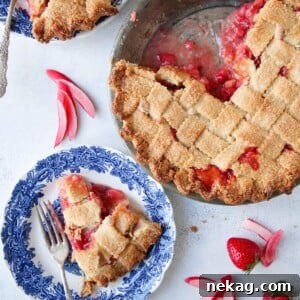
Strawberry Rhubarb Pie
Comment
Print Recipe
Ingredients
For the Double Almond Pie Crust:
- 3 cups all-purpose flour
- 6 tablespoons almond flour almond meal
- 6 tablespoons sugar
- 1 teaspoon kosher salt
- 1 cup shortening cut in small pieces, cold
- 2 eggs well-beaten
- cold water (approx. 4 tablespoons, as needed)
For the Pie Filling & Topping:
- 1 ½ cups rhubarb (chopped into ¼-inch pieces)
- 1 ½ cups strawberries (chopped into ¼-inch pieces)
- 2 tablespoons cornstarch
- 1 ½ cups sugar
- 1 large egg
- 1 tablespoon heavy cream optional, for brushing crust
- 2 tablespoons turbinado sugar optional, for sprinkling
Instructions
To prepare the pie crust:
-
Make sure all ingredients for the crust are either frozen or very cold. In a large bowl, whisk together the all-purpose flour, almond flour, 6 tablespoons sugar, and kosher salt. Cut in the cold shortening with a pastry blender or your fingertips until the mixture resembles coarse crumbs with some pea-sized pieces remaining.
-
Add the 2 well-beaten eggs and mix with a fork just until incorporated. Gradually add cold water, starting with 2 tablespoons, mixing just until the dough comes together. You want the dough to stay in a ball; if chunks are falling out, add a bit more water, one teaspoon at a time (total usually around 4 tablespoons). Be careful not to over-hydrate. Divide the dough into two equal portions.
-
Roll each half into a ball, place on plastic wrap, and flatten into a disk. Refrigerate for several hours or ideally overnight.
-
On a lightly floured surface, roll both chilled disks out to ¼ inch thick. This dough is more fragile than some, so use the rolling pin method for transferring the bottom dough to a 9-inch pie plate. Gently roll the dough onto your rolling pin and unroll it over your pie dish.
-
Place the lined pie plate in the refrigerator. If not latticing, roll out the second dough disk and prepare it for venting or a full top crust, then also chill it.
To prepare and bake the pie:
-
Preheat oven to 425°F (220°C). Retrieve your chilled pie plate with the bottom crust.
-
If rhubarb stalks are still green, peel with a vegetable peeler. This is unnecessary for ripe, pink rhubarb.
-
Slice both rhubarb and strawberries into uniform ¼-inch pieces.
-
Place sliced fruit into a large bowl and sprinkle with 2 tablespoons of cornstarch. Toss gently to ensure every piece is thoroughly coated.
-
In a separate medium bowl, whisk together the 1 ½ cups granulated sugar and the remaining 1 large egg vigorously until the mixture is light and fluffy.
-
Pour the strawberry rhubarb mixture into the prepared bottom pie crust, spreading it out into an even layer. Do not mound the filling high. Then, pour the whisked egg-sugar mixture evenly over the top of the fruit.
-
Cover the pie with your top pastry (a full top crust or a lattice). Trim off excess overhang (anything more than ½ inch over the edge) with kitchen scissors. Pinch the top and bottom crusts together and roll the joined edge under itself. Crimp decoratively to seal.
-
Brush the top crust with 1 tablespoon of heavy cream (optional) and generously sprinkle with 2 tablespoons of turbinado sugar (optional). Chill the assembled pie for an additional 30 minutes in the refrigerator.
-
Place the pie pan on a rimmed baking sheet. Bake in the pre-heated 425°F (220°C) oven for 30 minutes. Then, reduce the oven temperature to 325°F (160°C) and continue baking for another 30-60 minutes, or until the filling is visibly bubbly and thick in the center. If the crust browns too quickly, loosely tent the edges or entire pie with aluminum foil. Total cook time is typically 60-90 minutes.
-
Once baked, remove from oven and cool completely on a wire rack for at least 3-4 hours before slicing and serving.
Notes
Technique Tip: Be sure to allow the filling to boil vigorously in the center. This will ensure the cornstarch has been fully activated and the filling will be thick, perfectly set, and not taste starchy.
Variations: Feel free to experiment with different fruit combinations (e.g., raspberries, blueberries) or explore alternative pie crust recipes to suit your preference.
Storage: Store the pie covered at room temperature for up to 4 days, refrigerated for up to a week, or frozen for up to 2 months. Thaw at room temperature and reheat gently in a warm oven if desired.
Pie Filling adapted for modern day use from The Settlement Cookbook 1941 Edition.
Nutrition
Enjoyed this recipe? Leave a comment below!
Explore More Delicious Recipes from Chef Lindsey Farr
I sincerely hope you enjoyed baking, sharing, and savoring this professional chef-tested Strawberry Rhubarb Pie recipe. It’s a true taste of tradition and seasonal delight. For more culinary inspiration and to expand your baking repertoire, be sure to explore our other delicious, chef-developed pie recipes on the site. If you’re planning for upcoming holidays or special occasions, peruse this carefully curated list of the 20 Best Thanksgiving Pies for abundant pie inspiration, or discover more delightful and easy-to-make options with these Easy Summer Dessert Recipes. Happy baking, and may your kitchen always be filled with wonderful aromas!