

The Ultimate Moist & Tender Lemon Olive Oil Cake: A Professional Chef’s Recipe
Prepare to be absolutely amazed by this incredibly moist and tender Lemon Olive Oil Cake recipe! This delightful cake is not only surprisingly easy to make, requiring just one bowl and a whisk, but it also boasts an exquisite flavor profile. Infused with vibrant lemon zest and fresh lemon juice, its unique texture and long-lasting freshness will quickly make it a staple in your baking repertoire. Unlike many other cakes, this olive oil rendition stays perfectly moist and tender for an entire week at room temperature, making it ideal for entertaining or simply enjoying throughout the week.

As a former Executive Pastry Chef in acclaimed restaurants, I can attest to the irresistible appeal of this cake. Any dessert featuring this Lemon Olive Oil Cake was a guaranteed sell-out! When we opened Peasant, the demand for this particular cake, along with my flourless chocolate torte and signature gelatos, was so immense that it was a challenge to keep up with production. Its popularity speaks volumes about its exceptional taste and texture, proving that simple, quality ingredients can create culinary magic.
This lemon-infused olive oil cake shines brilliantly on its own, perhaps with a simple dusting of powdered sugar. However, its versatility allows for countless delightful pairings. I particularly love serving it with a medley of fresh seasonal berries, a dollop of my easy homemade lemon curd, or a cloud of lemon curd whipped cream. For a more elaborate presentation, you can even transform it into an elegant layer cake, much like my fig cake, by using a luxurious mascarpone whipped cream filling. Alternatively, a quick and simple lemon glaze can elevate its citrus notes even further, adding both moisture and a beautiful sheen.
Table of Contents
- Why This is the Best Lemon Olive Oil Cake
- Professional Tips for Making Olive Oil Cake
- Essential Ingredients & Smart Substitutions
- Possible Variations & Flavor Combinations
- How to Make the Perfect Lemon Olive Oil Cake (Step-by-Step)
- Chef Lindsey’s Expert Baking Tip
- Frequently Asked Questions About Lemon Olive Oil Cake
- Lemon Olive Oil Cake Recipe Card
- Before You Go: Explore More Delicious Desserts
Why This is the Best Lemon Olive Oil Cake Recipe You’ll Find
There are many olive oil cake recipes out there, but this one stands apart. Developed and perfected through years of professional baking, it consistently delivers outstanding results. Here’s why it’s truly the best choice for both seasoned bakers and curious beginners:
- A Dependable, Professional Recipe: This isn’t just a casual home-kitchen experiment; it’s a meticulously crafted recipe honed through extensive testing in bustling professional kitchens. I’ve personally baked this lemon olive oil cake in every conceivable pan size imaginable, from large full sheet pans for high-volume catering events to delicate individual 3-inch ring molds for elegant plated desserts. The outcome is always consistent: a moist, intensely flavorful, and wonderfully soft-textured cake that performs flawlessly every single time. You can trust this recipe to deliver perfect results, regardless of your baking experience or the occasion.
- Unrivaled Moisture and Extended Freshness: One of the most remarkable qualities of this cake is its incredible ability to retain moisture. Thanks to the magic of high-quality olive oil and a carefully balanced combination of ingredients, this cake remains exquisitely soft and moist for over a week when stored properly at room temperature. This is a significant advantage over traditional butter-based cakes, which typically begin to lose their moisture and tenderness after just a day or two. For even longer preservation, simply cool the cake completely, wrap it tightly, and freeze for several months, ensuring you always have a delicious, ready-to-enjoy treat on hand.
- Lemon Flavor That Deepens Over Time: While undeniably delicious on the day it’s baked, the lemon flavor in this cake actually improves with age! The vibrant lemon zest continues to infuse its aromatic oils deeper into the cake’s crumb as it rests, meaning it tastes even better on day two or three. This unique characteristic makes it an excellent choice for baking ahead of time, allowing the flavors to meld and intensify beautifully, offering a more profound citrus experience with each passing day.

Professional Tips for Making the Best Lemon Olive Oil Cake
Achieving bakery-quality results at home is easier than you think with these expert tips directly from my professional kitchen experience. Pay attention to these details for a truly exceptional cake:
- Infuse the Sugar with Lemon Zest for Maximum Flavor: This step is paramount for unlocking the most vibrant lemon flavor. When you massage the finely grated lemon zest directly into the granulated sugar with your fingertips, the natural aromatic oils from the zest are released and absorbed by the sugar crystals. This creates a wonderfully fragrant and intensely lemony base for your cake batter. Allow this mixture to sit for at least 15-20 minutes while you gather and measure your other ingredients. For an even more potent lemon aroma, you can prepare the lemon zest-infused sugar up to a week in advance and store it in an airtight container in the refrigerator.
- Ensure the Cake is Fully Baked for Perfect Structure: Olive oil cakes are celebrated for their incredible moisture, which is a fantastic quality. However, this also means they require thorough baking to prevent a common issue: a sunken center. Due to the generous amount of liquids (olive oil, whole milk, and lemon juice) in this batter, it’s vital to bake it until it’s completely set. Look for several key indicators: the cake’s surface should be a beautiful golden brown, the edges of the cake should have visibly pulled away from the sides of the pan, and most importantly, when lightly touched in the very center, the cake should spring back resiliently. The most reliable test is inserting a clean wooden skewer, toothpick, or metal cake tester into the center – it should come out totally clean, without any wet crumbs attached.
- Resist the Urge to Open the Oven Door Prematurely: Patience is a profound virtue in baking, especially with delicate and moist cakes like this one. Opening the oven door too soon can cause a sudden and drastic drop in temperature, leading the cake to collapse before its internal structure has fully set. If a cake falls before it’s completely baked, it will sadly not rise again. To ensure a beautiful, even rise, I highly recommend keeping the oven door closed and avoiding any rotation for at least the first 30 minutes when baking in a standard 9-inch round cake pan. Trust your oven and let the magic of baking happen uninterrupted.
Essential Ingredients & Smart Substitutions for Your Olive Oil Cake
Using high-quality ingredients is paramount for achieving the best flavor and texture in this simple yet sophisticated cake. Here’s a breakdown of what you’ll need and why each component is important:
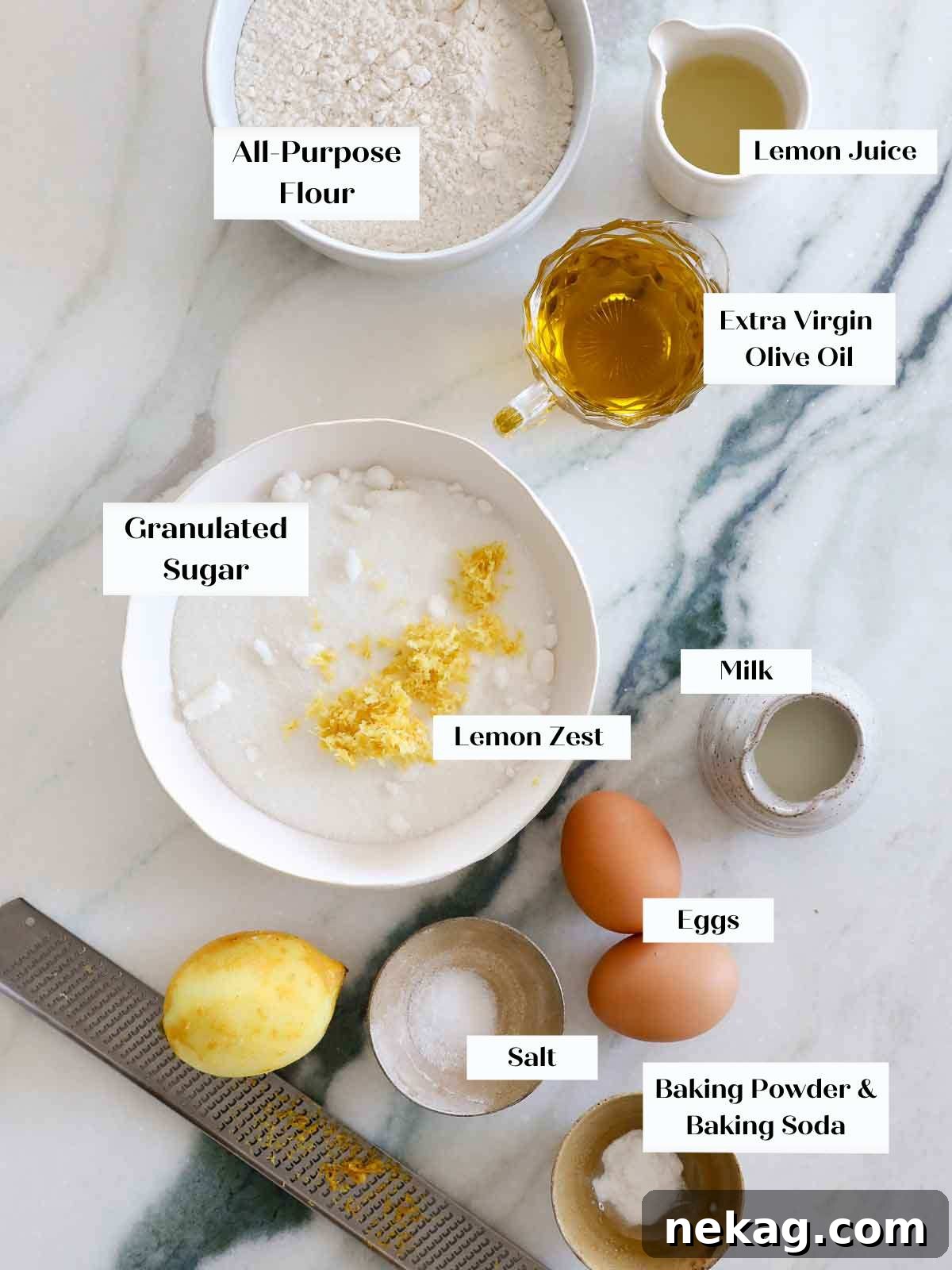
- Extra Virgin Olive Oil: As the star ingredient, olive oil is not just a fat but a foundational flavor component of this cake. Its rich, often fruity, and sometimes peppery notes lend a unique depth and complexity that butter simply cannot replicate. It’s crucial to use an extra virgin olive oil that you genuinely enjoy the taste of on its own. If your olive oil has a bitter or unpleasant flavor, that characteristic will unfortunately transfer to your finished cake. Many quality brands, such as Kosterina, produce excellent everyday olive oils that are perfect for baking and impart a smooth, pleasant flavor to your desserts.
- Large Eggs: Eggs play multiple vital roles in cake baking. They provide essential structure, contribute to the cake’s overall moisture, and add a desirable richness. Acting as an emulsifier, eggs help bind the ingredients together and create a tender, cohesive crumb. Always opt for large eggs for consistent and reliable results in this recipe.
- Fresh Lemons (Zest & Juice): For unparalleled and authentic lemon flavor, fresh lemons are absolutely non-negotiable in this recipe. The zest contains potent aromatic oils that infuse the cake with a bright, intense lemon essence far superior to any extract. Freshly squeezed lemon juice, compared to bottled varieties, offers a brighter, more vibrant tang with subtle floral notes that truly elevate the cake’s flavor profile. This dedication to fresh lemon is a hallmark across all my lemon cake recipes, including this indulgent lemon pound cake, delightful lemon cupcakes, and my luscious lemon coconut cupcakes.
- Granulated Sugar: Beyond simply adding sweetness, granulated sugar plays a crucial role in the cake’s texture and moisture retention. It helps to keep the cake tender and, when combined with lemon zest, acts as an excellent flavor infuser, extracting and holding those precious lemon oils.
- Whole Milk: I specifically recommend using whole milk for this recipe because its higher fat content contributes significantly to the cake’s wonderfully tender crumb. This richness ensures the cake stays incredibly moist for longer periods, beautifully complementing the olive oil.
- Baking Powder & Baking Soda: This dynamic duo of leavening agents is absolutely essential for achieving a tall, consistent, and airy rise in your cake. Baking soda reacts chemically with the natural acidity present in the lemon juice, while baking powder provides additional lift in the heat of the oven, working in tandem to ensure a light, fluffy, and well-structured cake.
- Kosher Salt: A small but mighty pinch of kosher salt is crucial for balancing the sweetness of the cake and, more importantly, enhancing and making all the other flavors pop, preventing the cake from tasting flat.
- All-Purpose Flour: All-purpose flour is my preferred choice here because it possesses just enough gluten to create a stable yet tender structure. This strength is necessary to support all the liquid ingredients, including the significant amount of olive oil, without the cake becoming overly dense or crumbly. For those seeking a gluten-free option, I have successfully made this cake several times using gluten-free all-purpose flour blends (specifically those labeled “cup-for-cup” or “1:1”). If you opt for a gluten-free blend, I recommend reducing the milk slightly to ½ cup to maintain the ideal batter consistency.
For precise measurements and detailed instructions, please refer to the complete recipe card below.
Possible Variations & Flavor Combinations for Your Olive Oil Cake
While the classic Lemon Olive Oil Cake is perfection in itself, this versatile base recipe lends itself beautifully to creative adaptations. Don’t be afraid to experiment and make it your own!
- Explore Different Pan Sizes and Shapes: This recipe is incredibly adaptable to various bakeware. You can bake it in a smaller jelly roll pan for thinner slices, a 9-inch square pan for a more compact and taller cake, or even a 9×13 inch rectangular pan for a larger, thinner sheet cake perfect for feeding a crowd or for simple snacking. Remember to adjust baking times accordingly – thinner cakes will bake faster, while thicker ones may require a few extra minutes.
- Effortlessly Make it Gluten-Free: My professional kitchen experience has shown that this recipe performs exceptionally well with gluten-free all-purpose flour blends (specifically those labeled “cup-for-cup” or “1:1” for easy substitution). This makes it straightforward to adapt the cake for dietary needs without compromising on its delightful taste or tender texture. When using gluten-free flour, simply reduce the milk quantity to ½ cup to achieve the optimal batter consistency, as gluten-free flours often absorb liquids differently.
- Experiment with Other Citrus Flavors: The world of citrus offers a palette of exciting possibilities! Instead of lemon, try infusing the cake with the zest and juice of oranges for a sweeter, warmer, and more subtle citrus profile. Grapefruit offers a pleasant bitter-sweet tang that adds sophistication, while lime provides a sharper, more tropical, and zesty note. If you’re lucky enough to find them, fragrant bergamot oranges make for an exceptionally sophisticated and aromatic cake with unique floral undertones. If you wish to omit citrus entirely for a plain olive oil cake, simply replace the lemon zest and lemon juice with 2/3 cup plus ¼ cup (which equals approximately 11/12 cup) of whole milk.
- Add Nuts or Seeds for Texture: For an additional layer of texture and a subtle nutty flavor, consider folding in about ½ cup of finely chopped pistachios, almonds, or pine nuts into the batter. Poppy seeds also pair wonderfully with the bright notes of lemon.
- Incorporate Fresh Herbs: For an adventurous and sophisticated twist, add a teaspoon of finely chopped fresh rosemary or thyme to the batter. The herbaceous notes complement the fruity olive oil and bright lemon surprisingly well, adding an unexpected layer of flavor.
- Seasonal Fruit Additions: Gently fold in fresh berries like blueberries or raspberries (tossed lightly in a tablespoon of flour to prevent them from sinking to the bottom) into the batter before baking. This adds delightful bursts of fruity freshness that are especially welcome during warmer months.

How to Make the Best Lemon Olive Oil Cake (Step-by-Step Guide)
Follow these detailed instructions to create a truly exceptional lemon olive oil cake in your own kitchen. For precise measurements and a convenient printable version, refer to the recipe card located further down this page.
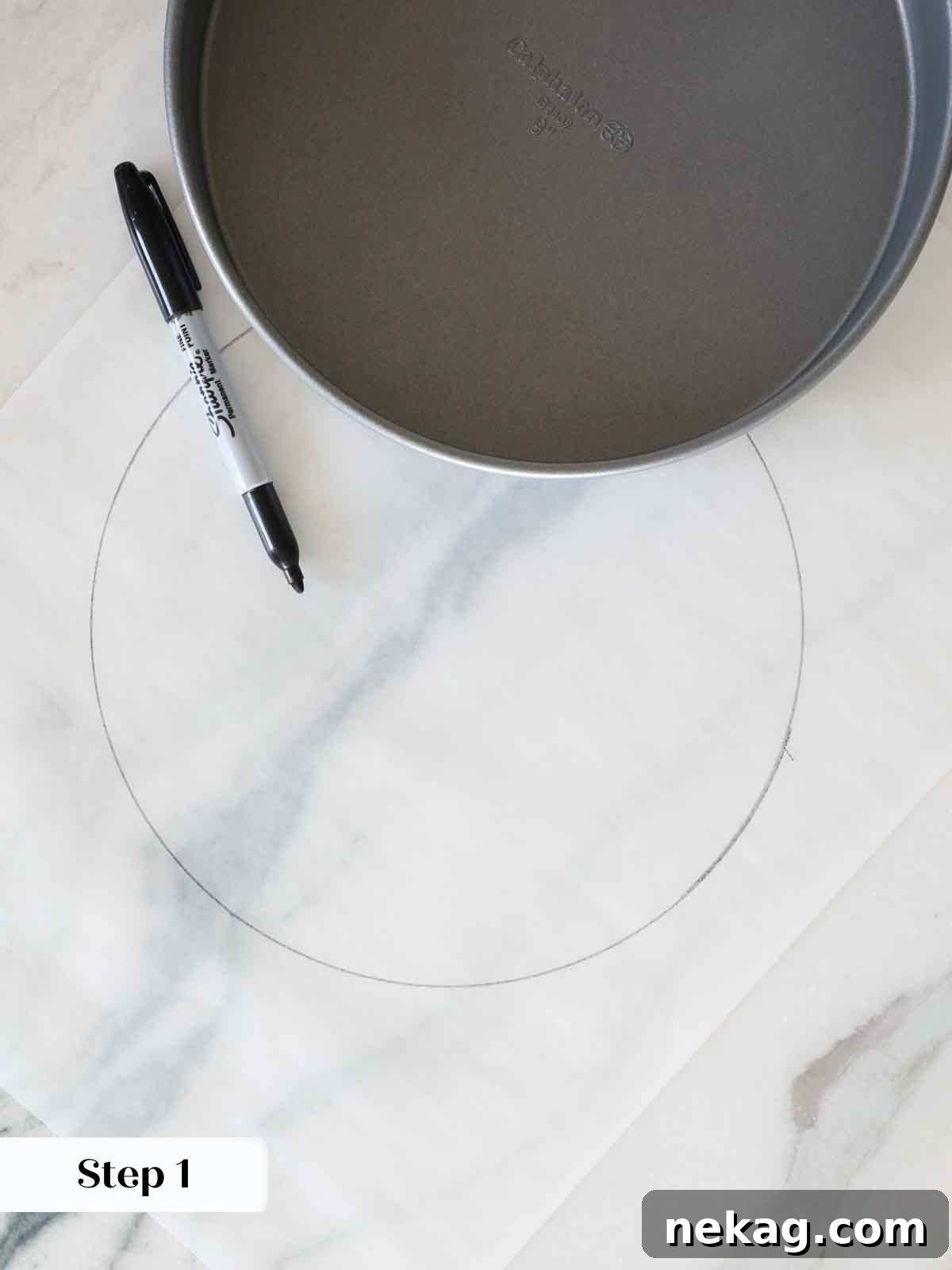
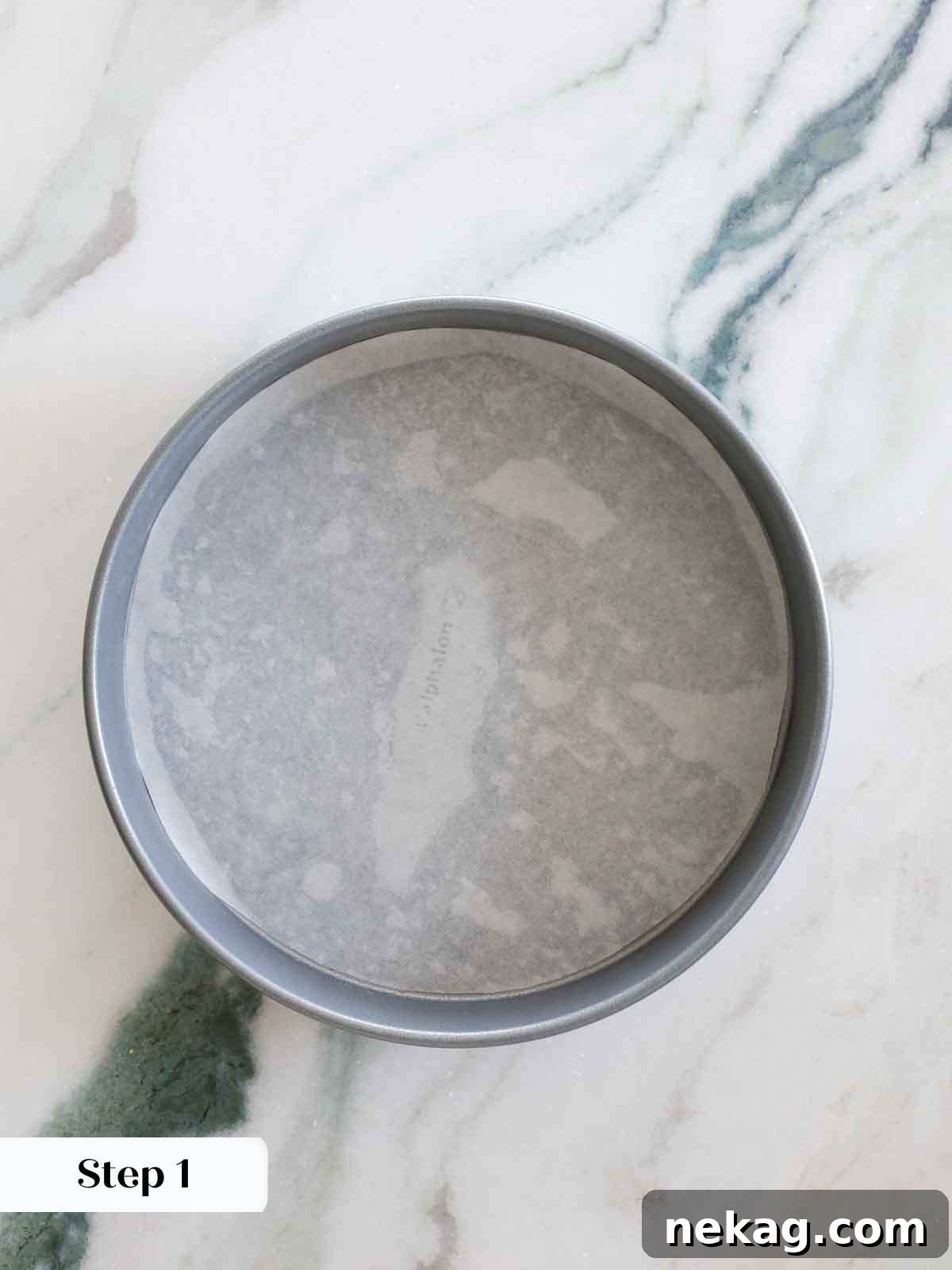
Step 1: Prepare Your Oven and Cake Pan. Begin by preheating your oven. If your oven features a convection setting, set it to 350°F (175°C) with the fan on, as convection often promotes more even baking and a beautiful golden crust. If using a conventional oven without a fan, set it to 375°F (190°C). While convection is generally preferred, a conventional oven will yield perfectly delicious results. Next, prepare a 9-inch round cake pan by lightly spraying it thoroughly with non-stick cooking spray. Then, line the bottom of the pan with a parchment paper circle. A simple and effective trick for this is to trace the bottom of your cake pan onto parchment paper, then cut just inside your drawn marks for a perfectly fitting circle.
Step 2: Infuse the Sugar with Lemon Zest. Into a large mixing bowl, directly zest your fresh lemons onto the granulated sugar. Using your clean fingertips, gently but thoroughly rub the lemon zest into the sugar. This massaging action is crucial as it helps to release the potent essential oils from the zest, infusing the sugar with an intense lemon aroma and flavor that will permeate your entire cake. Allow this fragrant mixture to sit for at least 15-20 minutes while you gather and accurately measure the remaining ingredients. This crucial step significantly deepens the lemon flavor in the finished cake. As a professional tip, you can prepare this lemon sugar mixture up to a week in advance and store it in an airtight container in the refrigerator, allowing the flavors to meld even further.
Pro Tip: Preparing the lemon zest-infused sugar in advance allows the flavors to truly meld and intensify, resulting in an even more aromatic and delicious cake. This can be done up to a week ahead of time and stored in the fridge.
Step 3: Combine Dry Ingredients. In a separate, medium-sized mixing bowl, thoroughly whisk together the baking powder, baking soda, kosher salt, and all-purpose flour. Ensure you whisk them well to guarantee that all leavening agents and the salt are evenly distributed throughout the flour. Proper distribution is key for an even rise and balanced flavor. Set this dry mixture aside for later use.
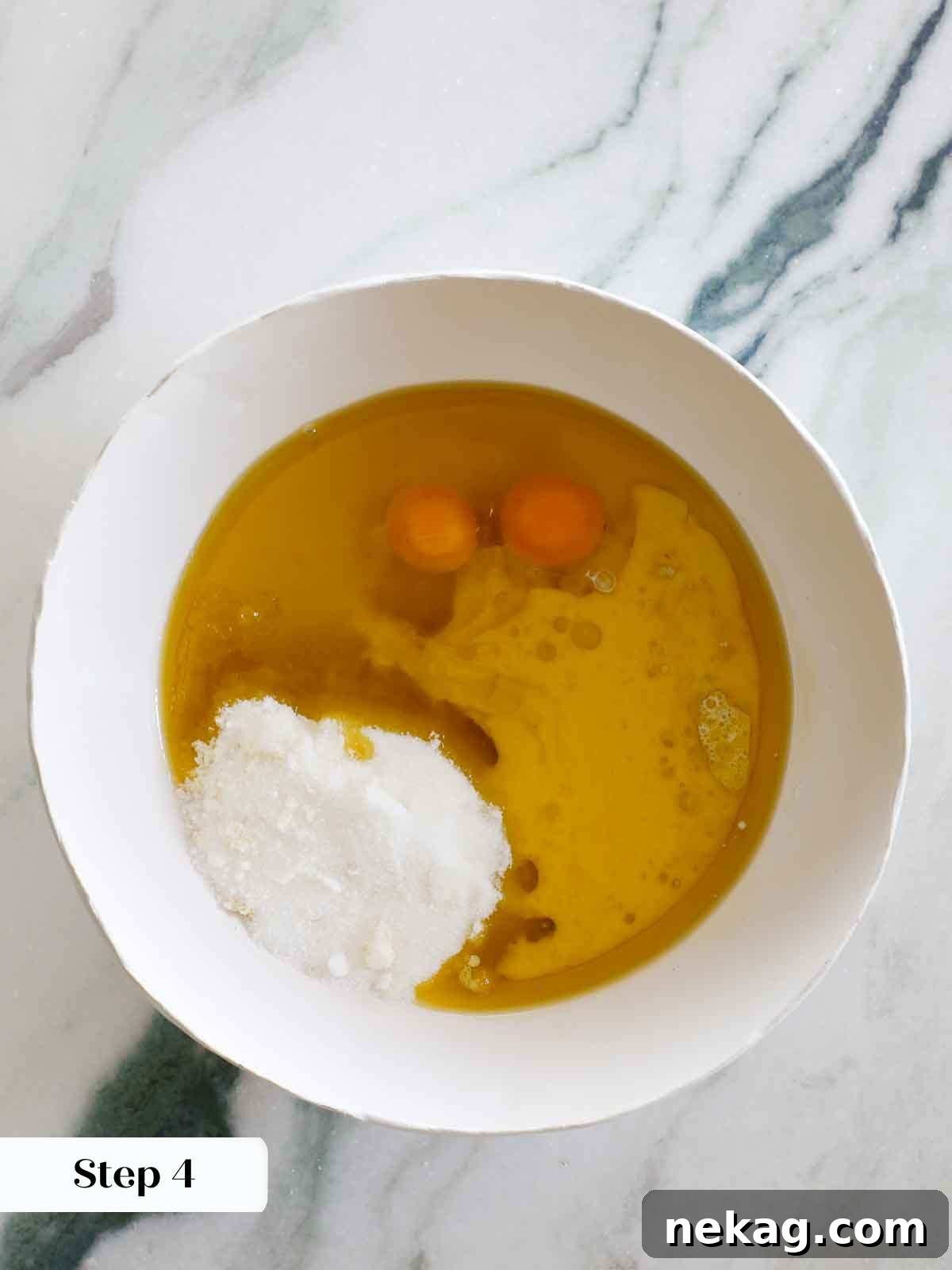
Step 4: Whisk Wet Ingredients Together. Return to your large bowl containing the lemon zest-infused sugar. Add the extra virgin olive oil, large eggs, freshly squeezed lemon juice, and whole milk. Using a whisk, vigorously combine these ingredients until the mixture is completely smooth and well-emulsified. Take your time to ensure the sugar is mostly dissolved and the mixture has a uniform consistency.
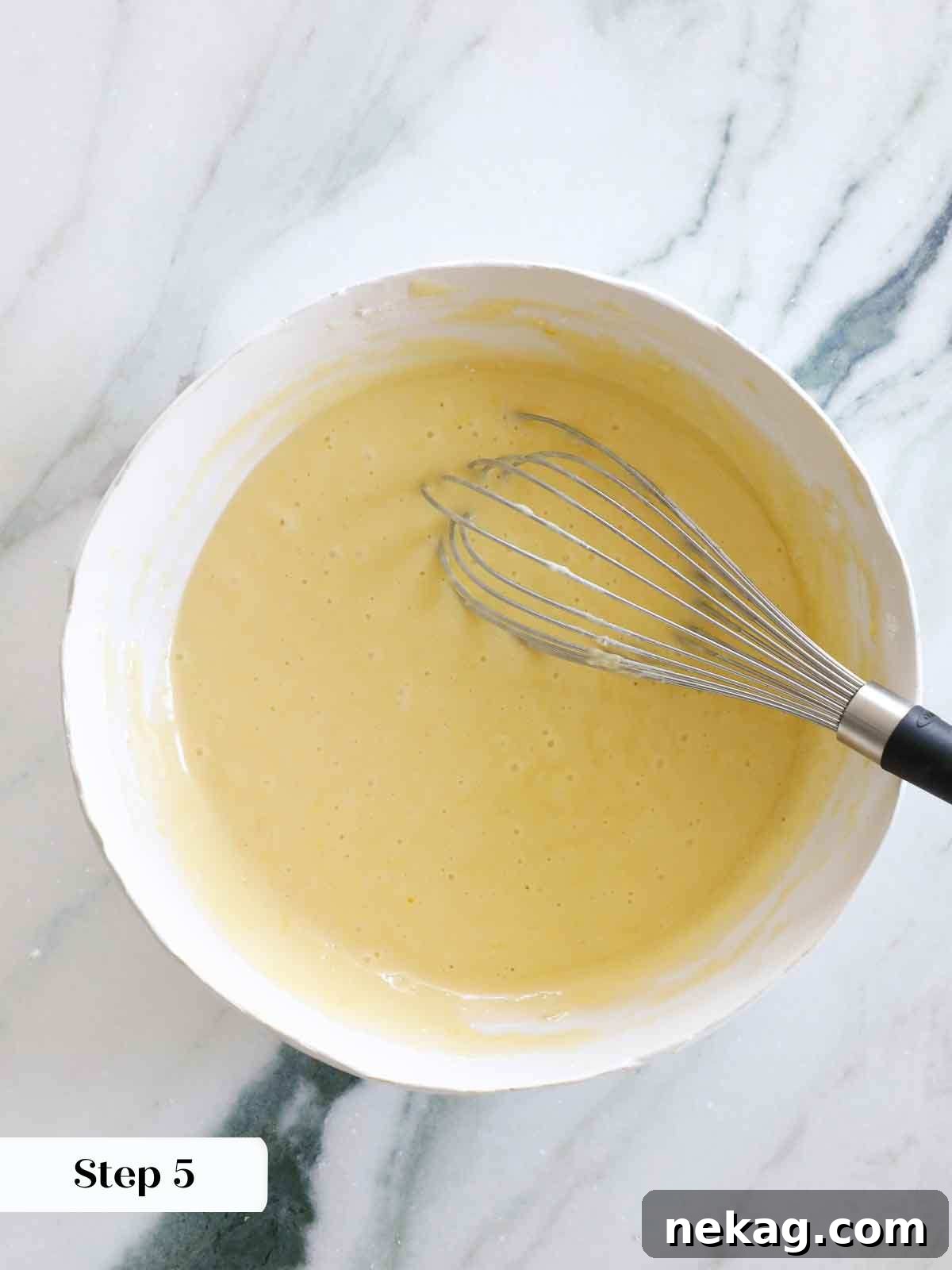
Step 5: Incorporate Dry into Wet Ingredients. Gradually add the whisked dry ingredient mixture from Step 3 into the wet ingredients in the large bowl. Whisk gently but thoroughly until just a few small lumps remain. The batter for olive oil cake is naturally quite loose, so a whisk is indeed the ideal tool for achieving a smooth, uniform consistency without overmixing. Be careful not to overmix the batter, as excessive mixing can develop the gluten too much and lead to a tougher, less tender cake. Mix just until the ingredients are combined and no streaks of dry flour are visible.
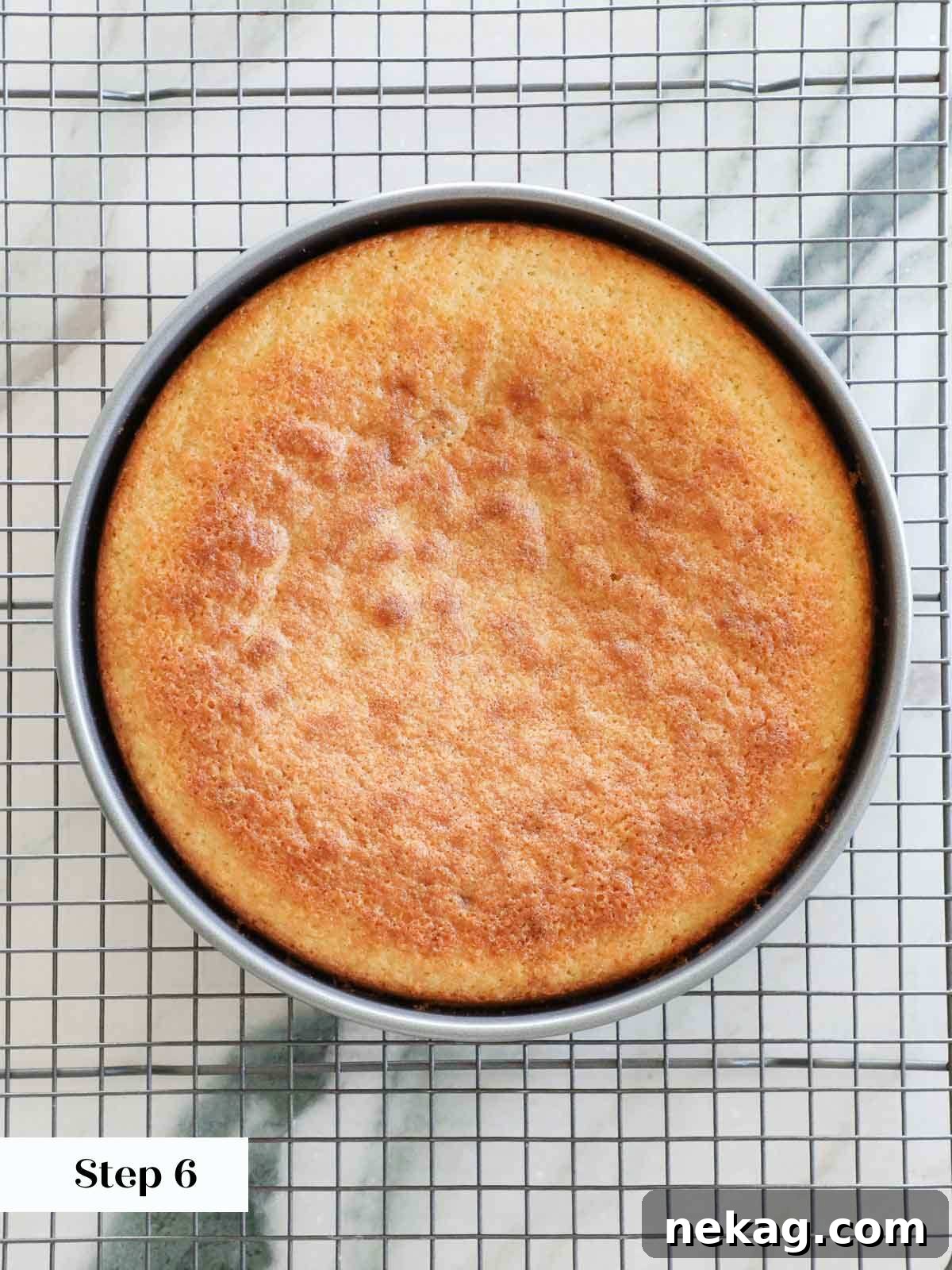
Step 6: Bake the Cake to Perfection. Carefully pour the prepared batter into your lined cake pan. Gently transfer the pan to the preheated oven. Bake for approximately 35-45 minutes. The precise baking time can vary slightly depending on the nuances of your oven and the material of your pan, so it’s important to pay close attention to the visual cues. The cake is done when the top is a beautiful golden brown, the edges have visibly pulled away from the sides of the pan, and when lightly pressed in the very center, the cake springs back gently and resiliently. A crucial and definitive indicator is a toothpick, bamboo skewer, or metal cake tester inserted into the center coming out completely clean, without any wet crumbs attached. It is absolutely essential that this cake bakes fully; an underbaked center will unfortunately cause the cake to sink as it cools.
Baking Insight: This cake is exquisitely moist, which means its internal crumb structure is quite delicate before it fully sets in the oven. To prevent any structural issues or a sunken center, it is highly advisable to avoid opening the oven door for at least the first 30 minutes of baking. Resist the temptation to peek!
Step 7: Cool Thoughtfully. Once baked to perfection, carefully remove the cake from the oven and allow it to cool in its pan for about 10 minutes. This essential resting period allows the cake to firm up slightly, making it much easier and safer to unmold without breakage. After 10 minutes, carefully invert the cake onto a wire rack to cool completely. I often just cool mine upside down for simplicity, but you can use a second wire cooling rack to flip it right-side up if preferred. Avoid attempting to move or flip the cake while it is still hot, as it will be very fragile and prone to tearing.
Step 8: Serve and Enjoy! Once the Lemon Olive Oil Cake has fully cooled, or even if it’s still slightly warm, it is ready to be served. Enjoy it simply plain, with a delicate dusting of powdered sugar, or paired with your favorite accompaniments as suggested earlier. Its understated elegance and rich flavor are truly captivating.

Chef Lindsey’s Expert Baking Tip
Don’t fret if your cake, like the one pictured here (which baked for 45 minutes), has a very slight dip in the middle. This often happens if the very top layer of the cake’s center hasn’t quite set perfectly before cooling. It’s completely safe to eat and, more importantly, still utterly delicious! A delicate dusting of powdered sugar, a generous dollop of homemade whipped cream, or a scoop of rich vanilla bean ice cream will beautifully camouflage any minor imperfections and add another layer of indulgence to this already fantastic dessert. Focus on the flavor, and you’ll always have a winning treat!
Frequently Asked Questions About Lemon Olive Oil Cake
This lemon olive oil cake boasts exceptional keeping qualities due to its olive oil content. For optimal freshness and to maintain its delightful moisture, store it well-wrapped in plastic wrap or placed in an airtight container at room temperature for up to one week. The olive oil helps it retain moisture far longer than typical butter-based cakes. If you need to store it for an extended period, wrap it tightly (I recommend a double layer of plastic wrap followed by foil) and freeze for up to three months. While it can be stored in the refrigerator for about a week, it tends to dry out more quickly in the cold environment, so room temperature or freezing is generally preferred for the best texture.
Absolutely! Reheating olive oil cake can enhance its warmth and aromatic qualities, making it feel freshly baked. To reheat a single slice, place it in a covered dish in a warm oven (around 250°F / 120°C) for a few minutes until it is gently warmed through. Alternatively, you can use a microwave, heating it in short 15-30 second intervals, checking frequently until it reaches your desired temperature. Be careful not to overheat, as this can inadvertently dry out the edges.
Olive oil cake is wonderfully versatile and can be served either warm or at room temperature, depending on your preference. Its rich, nuanced flavor pairs beautifully with a scoop of creamy vanilla bean ice cream, a spoonful of luscious crème anglaise, or a dollop of bright, tangy lemon curd. For a lighter touch, a cloud of homemade whipped cream is simply divine and provides a lovely contrast. Fresh seasonal fruits are also fantastic simple accompaniments: consider a medley of fresh berries or perfectly sliced peaches, nectarines, or cherries in the summer, and vibrant orange slices in the winter. For those who enjoy a more decadent, frosted cake, it’s excellent with a tangy lemon buttercream or a light, fluffy ermine frosting.
Using olive oil instead of butter in this cake offers several distinct advantages. Olive oil creates a uniquely moist and tender crumb that butter often can’t match, especially for cakes that need to stay fresh longer. The monounsaturated fats in olive oil contribute to a silkier, more delicate texture and can also impart a subtle, fruity flavor that wonderfully complements citrus notes. Furthermore, olive oil cakes tend to be naturally dairy-free (if you use a dairy-free milk alternative) and often maintain their soft texture better when cold compared to butter-based cakes, which can become firm and dense in refrigeration.
Absolutely! This cake is an ideal make-ahead dessert, perfect for entertaining or meal prep. As mentioned, its flavor actually improves significantly on the second day as the lemon notes have more time to fully develop and infuse throughout the cake. You can comfortably bake it a day or two in advance and store it at room temperature, well-wrapped. It will remain perfectly moist and delicious, making it a wonderful, stress-free option for any gathering or celebration.

If you tried this recipe and loved it, please take a moment to leave a 🌟 star rating and share your experience in the comments below. I genuinely love hearing from you; your feedback and comments truly brighten my day and help other passionate bakers discover this wonderful cake!

★★★★★
Lemon Olive Oil Cake
Chef Lindsey
5 mins
45 mins
50 mins
12 Servings
Pin Recipe
Comment
Print Recipe
Ingredients (US Customary)
- ¾ cup extra virgin olive oil
- 2 large eggs
- 2 lemons zested
- 1 ¼ cups granulated sugar
- 2/3 cup whole milk
- ¼ cup fresh lemon juice (from approximately 2 lemons)
- ½ teaspoon baking powder
- ½ teaspoon baking soda
- ¼ teaspoon kosher salt
- 1 ½ cups all-purpose flour
Instructions
-
Preheat the oven to 350°F (175°C) for convection (with fan) or 375°F (190°C) for conventional. Spray a 9-inch round cake pan with non-stick cooking spray and line the bottom with a parchment paper circle.
-
Zest the lemons directly into the granulated sugar. Gently rub the lemon zest into the sugar with your fingertips to release its essential oils. Allow this mixture to sit for 15-20 minutes while you gather and measure the remaining ingredients.
-
In a medium bowl, whisk together the baking powder, baking soda, kosher salt, and all-purpose flour until well combined. Set aside.
-
In a large bowl, whisk together the olive oil, large eggs, the lemon zest-infused sugar, fresh lemon juice, and whole milk until the mixture is smooth and the sugar is mostly dissolved.
-
Gradually add the dry ingredients to the wet ingredients. Whisk gently until just combined and only a few small lumps remain. Avoid overmixing to maintain a tender crumb.
-
Pour the batter into the prepared pan. Bake in the preheated oven for 35-45 minutes, or until the top is golden brown, the edges pull away from the pan, and a toothpick inserted into the center comes out clean. Do not open the oven door for the first 30 minutes to ensure a proper rise.
-
Allow the cake to cool in the pan for 10 minutes before inverting it onto a wire rack to cool completely. This prevents breakage as the cake is delicate when hot.
-
Serve warm or at room temperature, as desired.
Notes
Yield: This recipe proudly yields one glorious 9-inch round cake, perfect for sharing, entertaining, or simply enjoying throughout the week.
Presentation Tips: It is crucial to bake the cake fully to prevent the center from sinking. If it does sink ever so slightly in the middle (e.g., if it’s 95% baked, which can happen), don’t worry! This is usually just the very top layer that didn’t fully set, and the cake will still be perfectly safe and, most importantly, incredibly delicious. A light dusting of powdered sugar, a dollop of whipped cream, or a scoop of ice cream can easily hide any minor imperfections and add to its charm.
Flavor Enhancement: For the most vibrant and pronounced lemon flavor, always zest your lemons directly into the granulated sugar and allow it to sit for at least 15-20 minutes before proceeding with mixing the wet ingredients. This crucial step allows the sugar to absorb the aromatic oils, intensifying the lemon essence.
Flavor Variations: Feel free to swap lemon zest and juice for orange zest and juice for a sweeter, more subtle citrus profile. Alternatively, if you wish to omit citrus entirely for a plain olive oil cake, replace the lemon zest and lemon juice with 2/3 cup plus ¼ cup (totaling approximately 11/12 cup) of whole milk.
Storage Recommendations: Store your exquisite lemon olive oil cake well-wrapped in plastic wrap or an airtight container at room temperature for up to a full week. Its unique composition helps it stay remarkably moist for an extended period. For longer preservation, wrap it tightly in plastic wrap and then foil, and store it in the freezer for up to 3 months. While refrigeration is an option, it can cause the cake to dry out faster after a few days, so room temperature or freezing is preferred for maintaining the best texture.
Nutrition Information (per serving)
Calories: 276kcal |
Carbohydrates: 34g |
Protein: 3g |
Fat: 15g |
Saturated Fat: 2g |
Polyunsaturated Fat: 2g |
Monounsaturated Fat: 10g |
Trans Fat: 0.003g |
Cholesterol: 29mg |
Sodium: 128mg |
Potassium: 53mg |
Fiber: 0.4g |
Sugar: 22g |
Vitamin A: 62IU |
Vitamin C: 2mg |
Calcium: 34mg |
Iron: 1mg
Dessert
Italian
276
Like this recipe? Leave a comment below!
Your feedback is incredibly valuable and helps other passionate bakers discover this wonderful cake.
Before You Go: Explore More Delicious Desserts!
I sincerely hope you thoroughly enjoyed baking and savoring this professional chef-tested Lemon Olive Oil Cake recipe. Its irresistible moistness, tender crumb, and vibrant lemon flavor are truly a testament to the power of simple, high-quality ingredients and expert techniques. If you’ve fallen in love with delightful lemon desserts, I wholeheartedly encourage you to explore more of my exquisite creations. Don’t miss this incredibly easy 3-ingredient lemon posset, a creamy, tangy, and surprisingly effortless treat that tastes incredibly gourmet. And for all cake lovers and baking enthusiasts, be sure to browse our full collection of cake recipes for endless inspiration, whether you’re looking for comforting classics, elegant showstoppers, or exciting new flavors to try. Happy baking, and may your kitchen always be filled with delicious aromas!