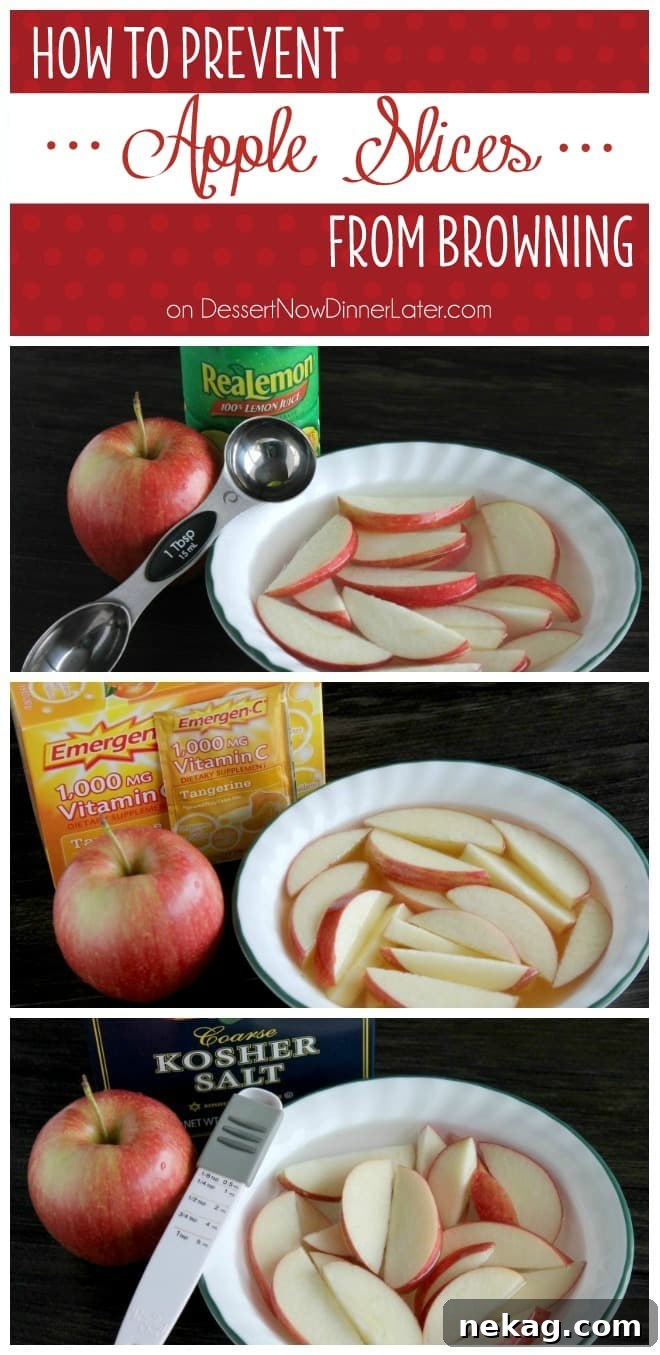
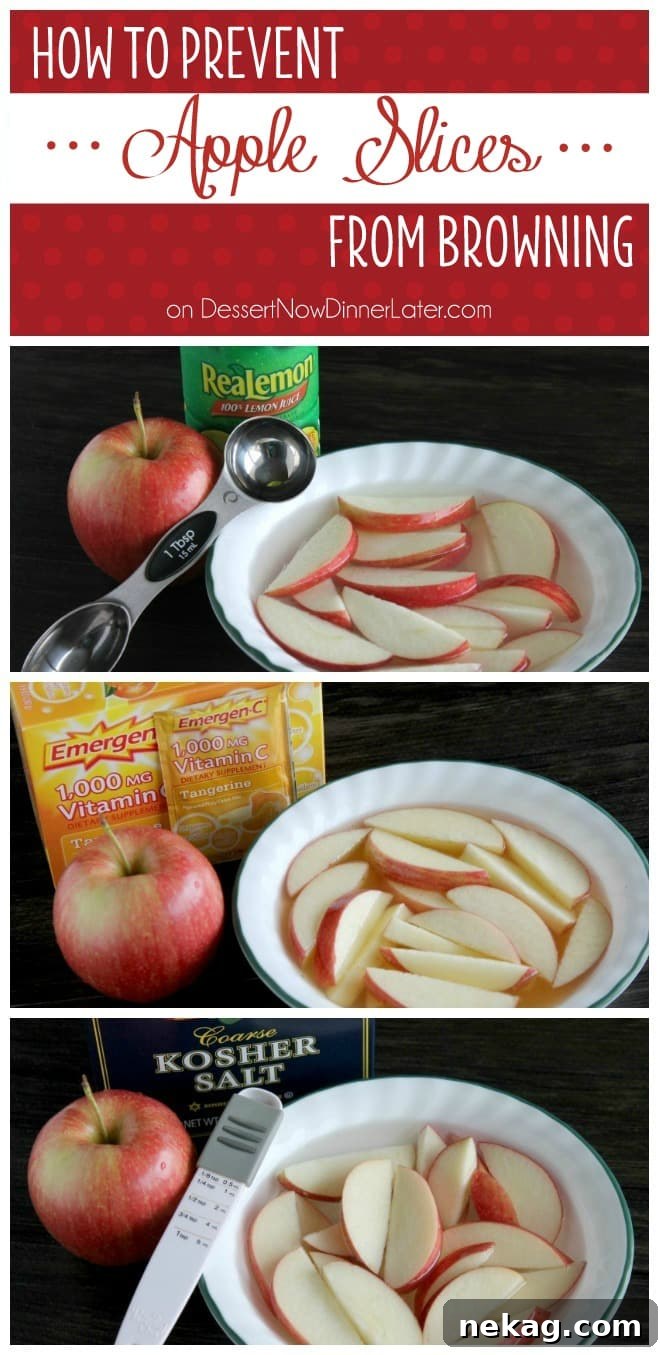
Hello, fresh-food enthusiasts! Whether you’re a long-time reader or joining us for the first time after catching our segment on Studio5, a warm WELCOME to you! We’re thrilled to have you here. For those eager to enhance their apple experience, you’ll find a direct link to my delightful Coconut Cream Fruit Dip recipe at the very bottom of this comprehensive guide.
Today, we’re diving into a common kitchen dilemma: how to effectively prevent apple slices from browning. This isn’t just about aesthetics; keeping apples crisp and vibrant ensures they remain appealing and delicious, whether packed in a lunchbox, served on a fruit platter, or simply enjoyed as a healthy snack. We’ve put three popular anti-browning methods to the test, and you might be genuinely surprised by which technique delivers the most impressive results. This was a fun, albeit challenging, experiment for me – my enthusiastic children made it a two-part endeavor by constantly munching on the samples before I could capture the perfect photos! We wanted to ensure you could observe a clear time-lapse, demonstrating the efficacy of each method over a significant period. Each side-by-side photograph you’ll see below vividly illustrates the condition of the apple slices after 2 hours compared to a full 24 hours.
Browning apples can often deter us from preparing them in advance, leading to last-minute chopping or, worse, avoiding apples altogether in certain recipes. But armed with the right knowledge and techniques, you can confidently prepare beautiful, non-browned apple slices that stay fresh and appealing for hours, if not days. Let’s explore the science and the practical application behind each method, uncovering the secrets to perfectly preserved apple slices.
The Science Behind Apple Browning: Understanding Oxidation
Before we delve into the prevention methods, it’s helpful to understand why apples turn brown in the first place. This common phenomenon is known as “enzymatic browning,” and it’s a natural chemical reaction. Apples, like many fruits and vegetables, contain enzymes called polyphenol oxidase (PPO) and phenolic compounds. When an apple is sliced or bruised, its cell walls are damaged, exposing these enzymes and compounds to oxygen in the air. The PPO enzymes then catalyze a reaction that converts the colorless phenolic compounds into brown-colored melanin pigments, much like how our skin tans when exposed to sunlight. This process is accelerated by warmer temperatures and higher oxygen exposure.
Our goal with these anti-browning techniques is to interrupt this enzymatic reaction. This can be achieved in several ways: by reducing the apple’s exposure to oxygen, by altering the pH level to inhibit enzyme activity, or by using antioxidants that compete with the phenolic compounds for oxygen. Each of the methods we’re exploring today tackles the problem using one or more of these scientific principles, ensuring your apple slices remain crisp, vibrant, and appetizing.
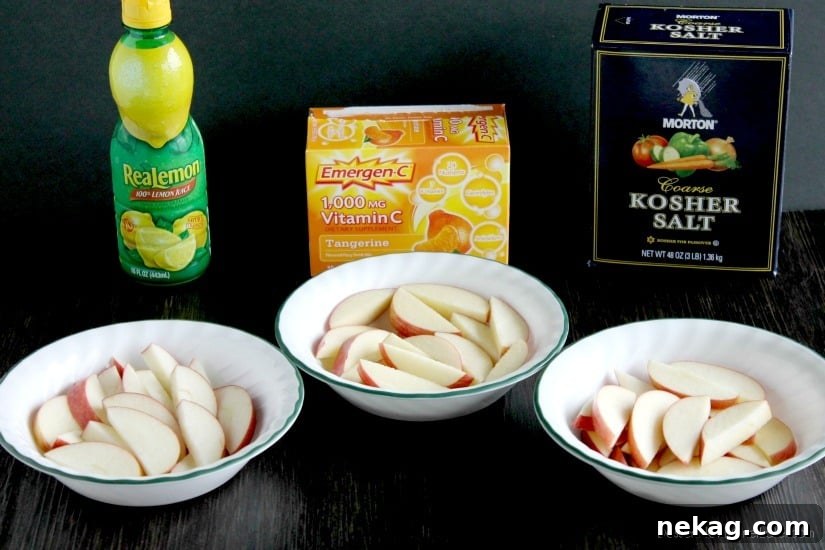
We’ll begin our journey with the most widely recognized solution – lemon juice. Following that, we’ll investigate a method involving Vitamin C, which some have hailed as a secret weapon. However, the technique that truly piqued my curiosity and delivered surprisingly excellent results was the simple salt water soak. Let’s break down each method, its application, and its effectiveness.
Method 1: The Classic Lemon Juice Soak
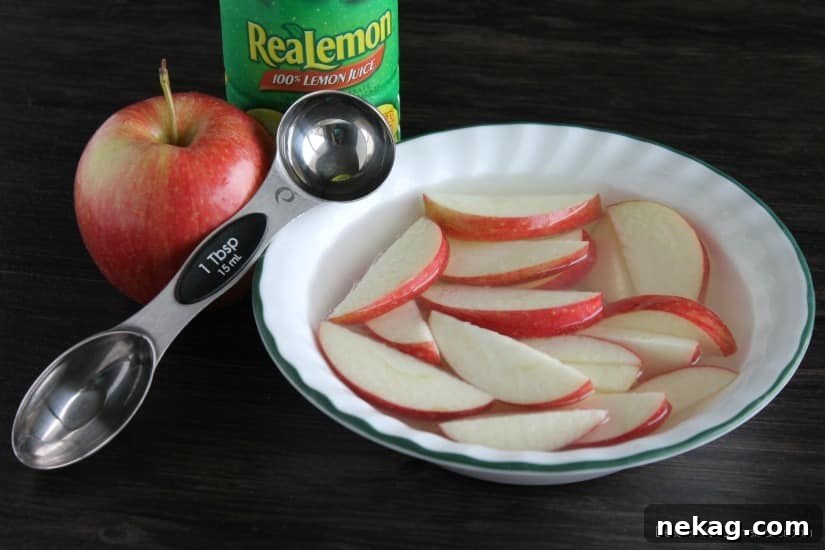
Preparation: 1 Tablespoon fresh lemon juice + 1 cup of cold water + 1 medium sliced apple. Soak for 5 minutes.
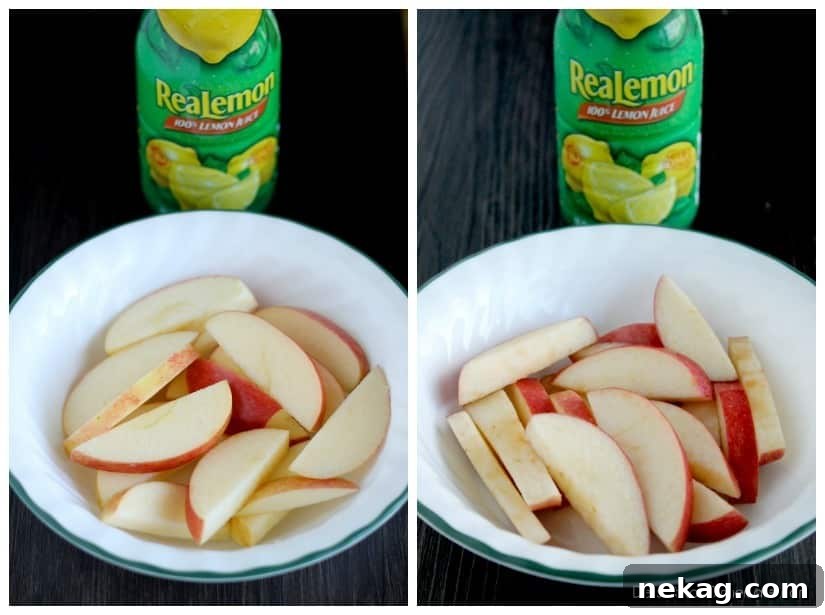
In the accompanying image, the apple slices on the left showcase their appearance after 2 hours, while those on the right illustrate their state after 24 hours. To my genuine surprise, the classic lemon juice method, despite its widespread popularity, actually performed the least effectively among the three techniques tested. While it certainly does a decent job of slowing down the browning process, these slices began to show noticeable discoloration much quicker compared to the other methods. The primary reason lemon juice works is due to its high acidity (citric acid), which lowers the pH level on the apple’s surface, effectively inhibiting the PPO enzymes. Additionally, ascorbic acid (Vitamin C) present in lemon juice acts as an antioxidant, competing with oxygen to protect the apple’s cells.
You do have the option of applying lemon juice directly to your apple slices without diluting it in water, which would offer stronger protection. However, for many, the intensified tartness imparted by undiluted lemon juice can be undesirable, potentially altering the apple’s natural flavor. If you prefer your apple slices to taste purely like apples, or if you simply seek superior anti-browning power, you might find the subsequent methods more suitable for your needs. This method is a good quick fix, but for extended freshness, we need to look further.
Method 2: The Potent Power of Vitamin C
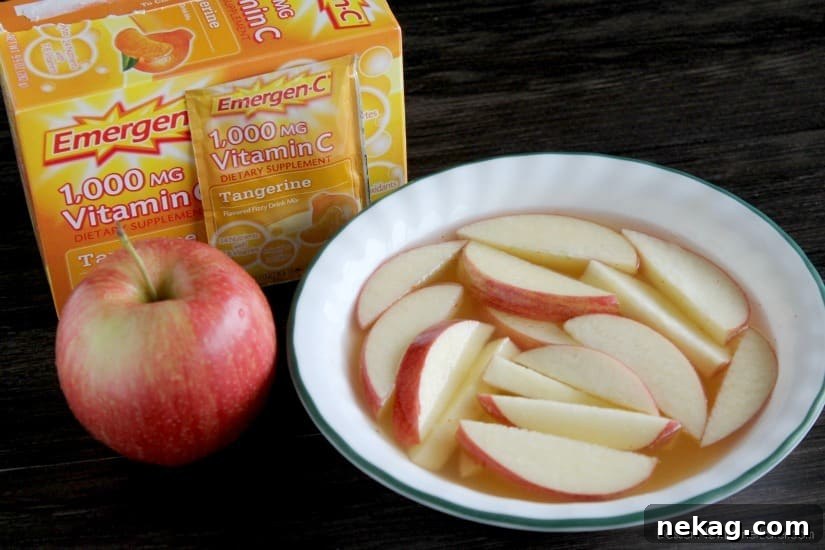
Preparation: 1 packet of Emergen-C (tangerine or orange flavor works best to avoid artificial colors) + 1 cup of cold water + 1 medium sliced apple. Soak for 5 minutes.
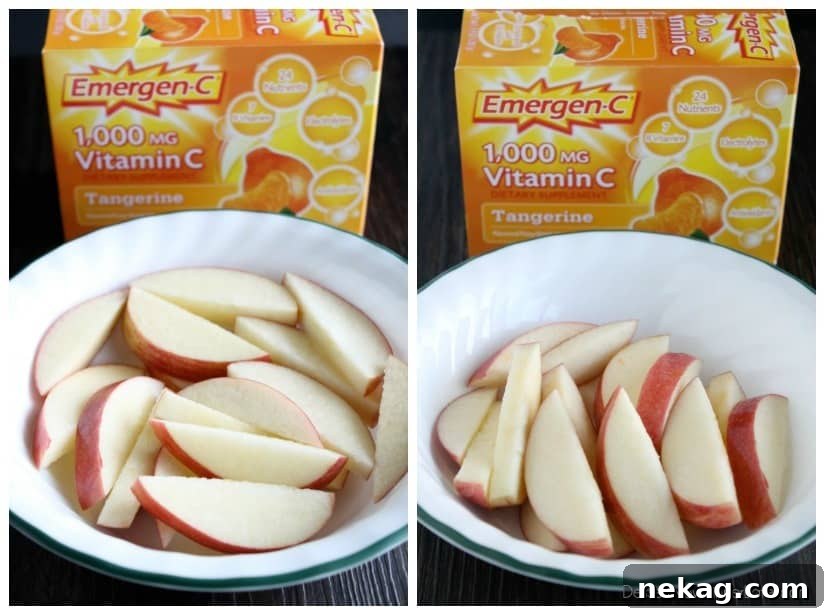
Observing the images, you’ll see the apple slices on the left after 2 hours and those on the right after 24 hours. The results speak for themselves: the Emergen-C packet method emerged as the clear WINNER among the three techniques tested. These apple slices remained remarkably spot-free and fresh-looking, not just for 24 hours, but impressively, they maintained their pristine condition even after 48 hours (a photo I regret not capturing!). The effectiveness of this method stems from its core ingredient: Vitamin C, or ascorbic acid. Ascorbic acid is a powerful antioxidant that acts as a reducing agent, meaning it reacts with oxygen before the PPO enzymes can, thus preventing the browning reaction from occurring. Additionally, many effervescent vitamin C packets also contain citric acid, further boosting their anti-browning capabilities by lowering pH.
This method operates on the same principle as using a crushed vitamin C tablet dissolved in water, providing a convenient and highly effective solution. The combination of ascorbic acid and citric acid creates a formidable barrier against oxidation. If you’re looking for an even more targeted approach, you can also purchase dedicated Fruit Fresh Powder, which is primarily composed of citric acid and ascorbic acid. This specialized powder offers the same benefits without the added flavors or sugars found in drink mix packets, making it an excellent choice for preserving the natural taste of your apples while ensuring maximum freshness. The slight effervescence of the Emergen-C also helps in thoroughly coating the apple slices.
Method 3: The Surprising Effectiveness of Salt Water
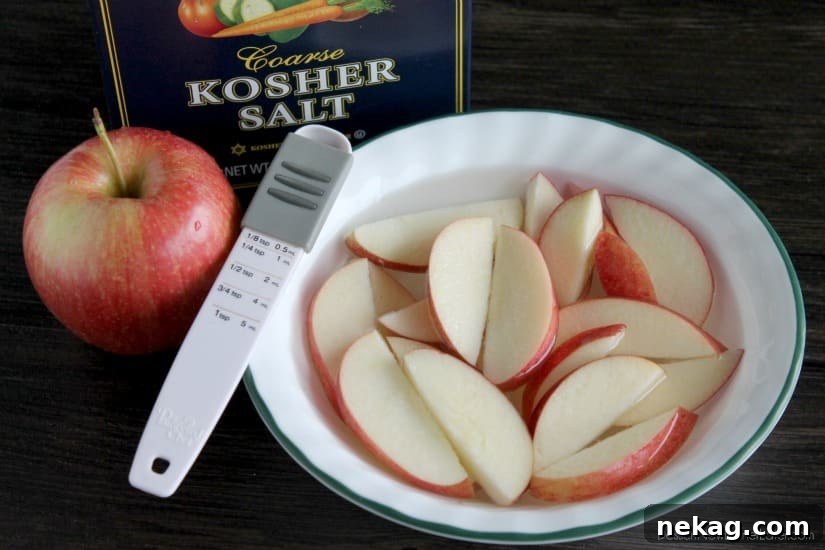
Preparation: 1/8 teaspoon table salt + 1 cup of cold water + 1 medium sliced apple. Soak for 5 minutes.
Glancing at the visuals, the apple slices on the left are after 2 hours, and those on the right are after 24 hours. I trust the image clearly conveys that this simple salt water solution proved to be the second-best method among the three. What’s truly remarkable is how little salt is needed to achieve such impressive results – the amount is so minimal that it’s virtually undetectable to the taste, ensuring your apples retain their inherent sweetness and flavor profile. Salt has been revered for centuries as a natural preservative, employed across various cultures for food preservation. Its efficacy in preventing apple browning is attributed to a couple of mechanisms. Firstly, salt can inhibit the activity of the PPO enzymes, slowing down the browning reaction. Secondly, the salt water solution helps draw out moisture from the apple’s surface through osmosis, forming a protective barrier that reduces direct contact between the apple’s cells and oxygen. This dual action significantly delays oxidation.
The beauty of the salt method lies in its simplicity, cost-effectiveness, and accessibility. Almost everyone has salt readily available in their kitchen pantry, making it an incredibly convenient option for everyday use. Its ability to preserve the apple’s appearance without altering its taste makes it an ideal choice for lunchboxes, platters, or any occasion where fresh, unbrowned apple slices are desired. This method truly highlights that sometimes the most straightforward solutions are also the most effective and practical.
Comparing the Methods: Which Reigns Supreme?
After meticulously testing each method over a 24-hour period, a clear hierarchy of effectiveness emerged. The Vitamin C method, particularly using an Emergen-C packet, demonstrated superior performance, keeping apple slices remarkably fresh and browning-free for an extended duration, even up to 48 hours. Its potent combination of ascorbic and citric acid creates a powerful antioxidant and pH-lowering shield against oxidation.
Following closely in second place was the salt water method, which delivered excellent results with virtually no impact on taste, proving its worth as a highly practical and accessible solution. Its ability to inhibit enzymes and create a protective barrier makes it an unsung hero in the fight against browning. The classic lemon juice method, while somewhat effective in the short term, unfortunately, ranked third, showing earlier signs of browning compared to its counterparts and risking an unwelcome tartness if used in higher concentrations.
Beyond These Methods: Other Tips for Fresh Apple Slices
While our three main methods offer fantastic solutions, there are other strategies you can employ to keep your apple slices looking pristine and tasting delicious. Combining these techniques can further enhance their longevity and appeal.
Cold Water Bath
Simply soaking apple slices in plain cold water can help. The water acts as a physical barrier, limiting oxygen exposure to the cut surfaces. While not as effective as methods involving acids or salt, it’s a quick and easy option for short-term prevention. For best results, ensure the apples are fully submerged, and consider adding ice to keep the water as cold as possible.
Honey Water Solution
A lesser-known but surprisingly effective method involves soaking apple slices in a solution of honey and water. Mix about two tablespoons of honey with one cup of water. Honey contains compounds that inhibit enzymatic activity, and its thick consistency can also form a protective coating. While it might add a subtle sweetness to your apples, many find this a delightful enhancement rather than a drawback.
Tightly Wrapping and Air Exclusion
Once treated, or even if not treated, minimizing oxygen exposure is crucial for preventing browning. Store your apple slices in an airtight container or zip-top bag, pressing out as much air as possible. For maximum protection, consider wrapping individual slices or small portions tightly in plastic wrap before placing them in an airtight container. This method works by physically preventing oxygen from reaching the apple’s surface.
Commercial Anti-Browning Products
Beyond the DIY solutions, there are commercial products specifically formulated to prevent fruit browning. These often contain a blend of ascorbic acid (Vitamin C) and citric acid. Brands like “Fruit-Fresh” are readily available and provide a convenient and highly effective way to keep various fruits, including apples, looking their best. They are particularly useful when preparing large quantities of fruit for events or meal prep.
FAQs About Preventing Apple Browning
We’ve covered a lot of ground, but here are some frequently asked questions to ensure all your apple browning concerns are addressed.
Why do apples brown so quickly?
Apples brown quickly due to enzymatic oxidation. When sliced, enzymes called polyphenol oxidase (PPO) come into contact with oxygen in the air, converting naturally occurring phenolic compounds into brown pigments (melanins). This reaction is rapid and visible within minutes of exposure.
Does chilling apples prevent browning?
Chilling apples can slow down the enzymatic browning process, but it won’t stop it entirely. Enzymes are less active at lower temperatures, so storing treated apple slices in the refrigerator will extend their freshness compared to leaving them at room temperature. Always store pre-cut apples in the fridge.
Can I prepare apple slices the night before?
Absolutely! With the right method, you can definitely prepare apple slices the night before. The Vitamin C method offers the best overnight protection, keeping apples fresh for up to 48 hours. The salt method is also excellent for overnight storage. Just be sure to use an airtight container and refrigerate them.
Are browned apples safe to eat?
Yes, browned apples are generally safe to eat. The browning is purely an aesthetic change and doesn’t indicate spoilage or harmful bacteria. However, the texture might become slightly softer, and the flavor can be milder or slightly altered. If there are signs of mold, an off smell, or slimy texture, then they should be discarded.
Final Recommendation and Takeaways
If I were to offer a single, resounding recommendation based on our findings, it would be to embrace the salt water method for preventing apple browning. It stands out as an incredibly balanced solution that ticks all the boxes for practical home use. Not only is it the most economical choice, utilizing an ingredient almost certainly already in your pantry, but it also requires a remarkably tiny amount of salt, ensuring absolutely no discernible impact on the delicate flavor of your fresh apples. Its effectiveness is nearly on par with the powerful Vitamin C packet, making it an exceptional contender.
While the Vitamin C packet delivered slightly superior anti-browning results, its main drawback for everyday use is the potential for added sugars and artificial flavors, as these packets are primarily designed as fizzy vitamin drinks. For situations where flavor purity and simplicity are paramount, the salt method truly shines. Experiment with these methods, find what works best for your needs, and say goodbye to unappetizingly browned apple slices forever!
Now, we turn it over to you! Do you possess any tried-and-true methods for keeping your apples from browning that we haven’t explored today? We’d love to hear your insights and secret tips in the comments below. Sharing our collective wisdom helps everyone enjoy their fruit even more.
And speaking of enjoying fruit, don’t forget to elevate your apple-eating experience with my delectable COCONUT CREAM FRUIT DIP recipe. This creamy, dreamy dip is an absolutely perfect pairing for all types of fruit, and it complements crisp apple slices beautifully!