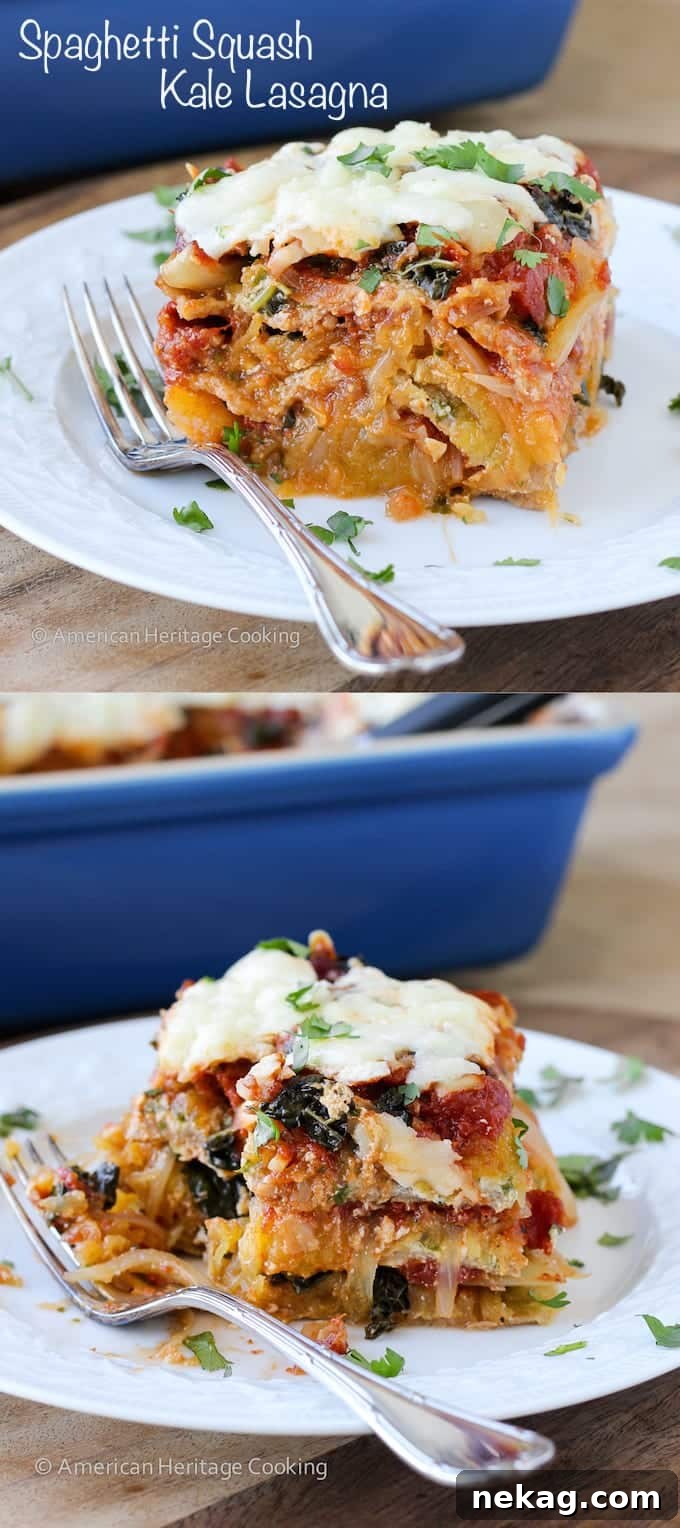
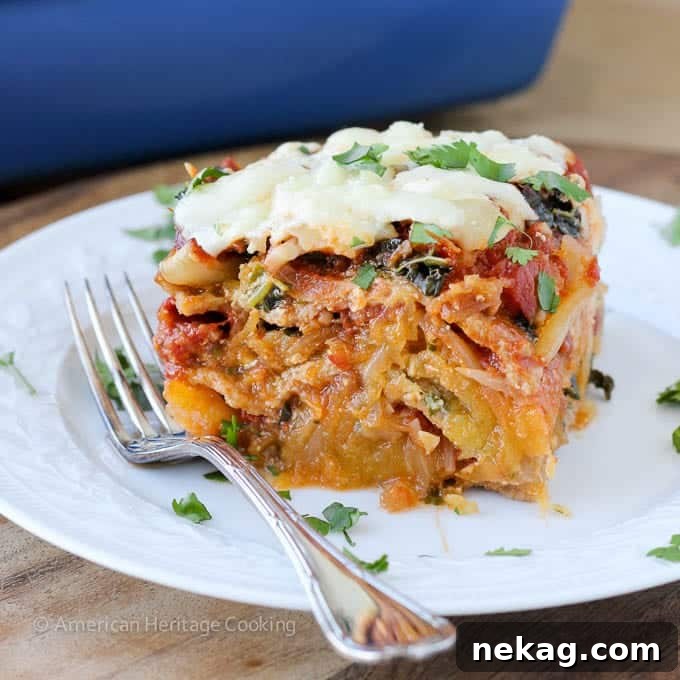
Discover the ultimate guilt-free indulgence with this incredible Spaghetti Squash Lasagna recipe. This dish redefines comfort food by layering tender, low-carb spaghetti squash strands with a vibrant homemade tomato sauce, fresh cilantro, creamy part-skim ricotta, and rich, melted mozzarella. It’s a truly healthy, vegetarian, and supremely flavorful meal that will satisfy even the most ardent lasagna lovers without the carb overload.
Perfect for family dinners, meal prep, or a special gathering, this spaghetti squash lasagna offers all the classic appeal of traditional lasagna while embracing a lighter, more nutritious approach. Each bite delivers a harmonious blend of textures and tastes, from the naturally sweet and savory squash to the tangy tomato and the luxurious dairy. Prepare to be amazed at how a simple swap can elevate your culinary experience!
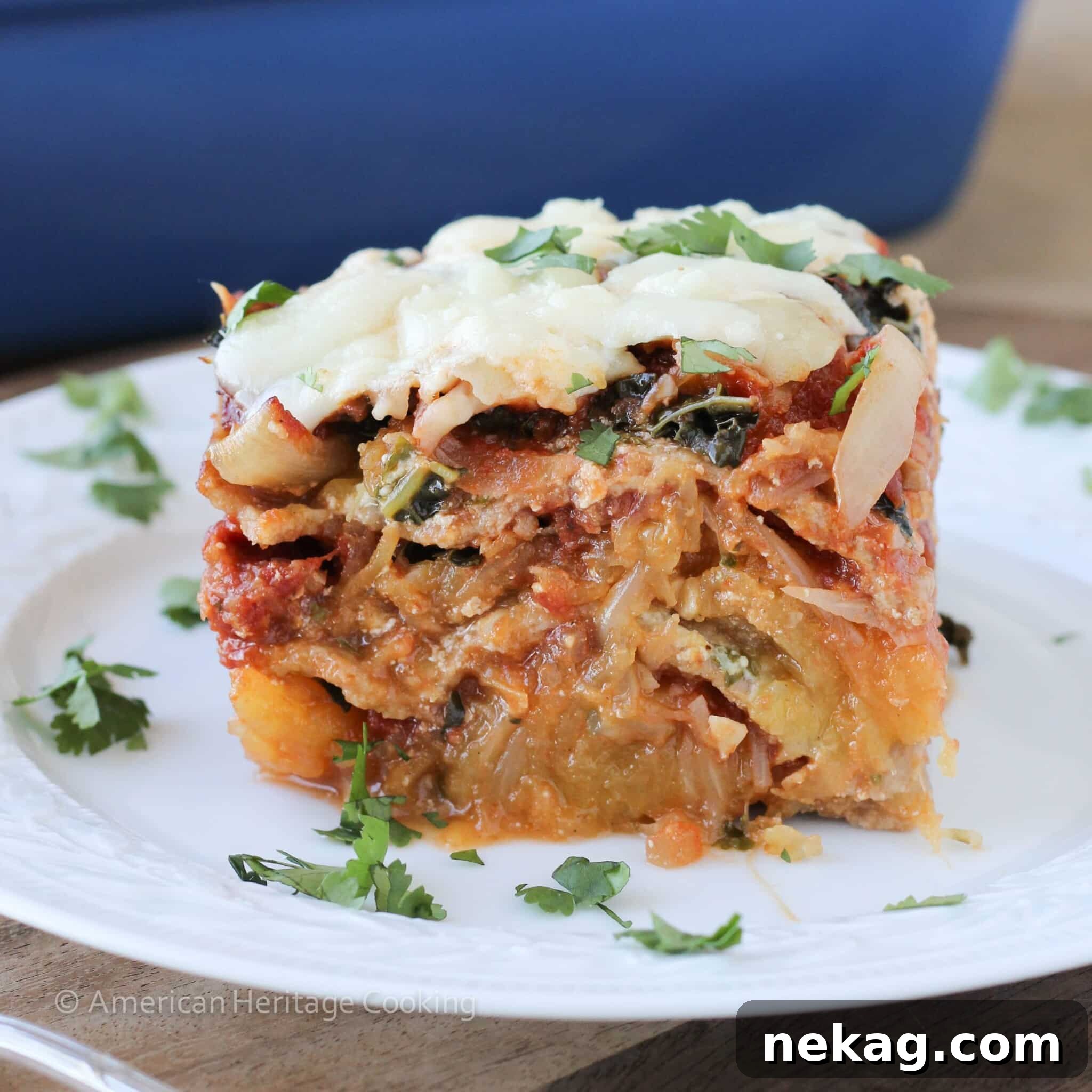
At my home, lasagna is a cherished classic, and this particular Spaghetti Squash Lasagna has earned its place as a family favorite, requested time and again. The magic lies in the symphony of flavors and textures: the delicate strands of perfectly roasted spaghetti squash, the subtle crispness of sautéed kale, and the sweet caramel notes of thinly sliced onions. All these healthful elements are beautifully complemented by generous layers of melted mozzarella and creamy ricotta, with an intriguing depth added by hints of nutmeg and the bright zest of cilantro.
It’s a dish that embodies comfort and satisfaction, offering a unique twist on traditional lasagna. If you’ve been searching for a hearty, vegetarian meal that doesn’t compromise on flavor, this is it! My enthusiasm for spaghetti squash began with the widespread success of my twice-baked spaghetti squash recipe, and since then, it’s become a staple in my kitchen. This innovative lasagna proudly joins a growing collection of squash-centric dishes, including beloved recipes like my baked acorn squash halves, a robust vegan butternut squash chili, and an elegant savory butternut squash and carrot tart.
Table of Contents: Your Guide to Perfect Spaghetti Squash Lasagna
- Why You’ll Adore This Low-Carb Lasagna
- Professional Chef’s Tips for Success
- Essential Ingredients Breakdown
- Creative Variations and Substitutions
- Step-by-Step: How to Make Spaghetti Squash Lasagna
- Chef Lindsey’s Special Recipe Tip
- Frequently Asked Questions (FAQ)
- The Full Spaghetti Squash Lasagna Recipe
- Before You Go: More Delicious Recipes
Why You’ll Absolutely Adore This Low-Carb Spaghetti Squash Lasagna
This Spaghetti Squash Lasagna isn’t just a recipe; it’s a culinary experience designed to delight your senses and nourish your body. Here’s why it’s destined to become a staple in your kitchen:
- A Wholesome, Healthy, and Hearty Vegetarian Delight: Forget heavy, carb-laden meals that leave you feeling sluggish. This lasagna is a brilliant vegetarian option, brimming with nutrient-rich vegetables like spaghetti squash, kale, and onions. Each serving is substantial and satisfying, providing sustained energy without the need for meat. You’ll be amazed at how such a healthy dish can be so utterly fulfilling, packed with fiber and essential vitamins.
- Every Layer Explodes with Exquisite Flavor: This isn’t your average bland vegetable lasagna. We meticulously craft each layer to ensure a burst of flavor in every forkful. The star is the perfectly roasted spaghetti squash, its natural sweetness enhanced by caramelized onions and subtly bitter, sautéed kale. These robust vegetable foundations are then married with luxurious, melt-in-your-mouth mozzarella and creamy ricotta, creating an indulgent texture. The flavor profile is further brightened by fresh cilantro and grounded by the warm, earthy undertones of freshly grated nutmeg, ensuring a truly gourmet experience.
- Remarkably Versatile and Adaptable to Your Pantry: One of the standout features of this spaghetti squash lasagna recipe is its incredible flexibility. Don’t have spaghetti squash on hand? No problem! You can easily substitute it by thinly slicing and roasting summer squash or zucchini for equally delicious results. Prefer spinach over kale? Go right ahead! Experiment with different fresh herbs like basil or oregano to customize the aromatic notes. Whether you opt for a quick, high-quality store-bought marinara or my luscious homemade red wine pasta sauce, this recipe adapts effortlessly to your preferences and what you have on hand. It’s truly a dish you can make your own!
Professional Chef’s Tips for a Flawless Spaghetti Squash Lasagna
Achieving a truly exceptional lasagna, especially one as unique as this Spaghetti Squash Lasagna, involves a few key techniques. These insights from my professional kitchen will ensure your dish is nothing short of perfect:
- Prioritize High-Quality Cheeses: Fresh Mozzarella and Premium Asiago are Key. The foundation of any great lasagna is its cheese. Opt for fresh mozzarella over its pre-shredded or low-moisture counterparts. Fresh mozzarella boasts a superior, milky flavor and a meltier, more luxurious texture, which translates to a richer taste experience with potentially less cheese needed. For the Asiago, choose a high-quality block and grate it yourself. The difference in flavor and creaminess will be immediately noticeable, elevating the entire dish.
- Embrace Flat (No-Boil) Lasagna Noodles for Optimal Layering. While traditional noodles work, flat, no-boil lasagna noodles are a game-changer for this recipe. Their thin profile allows you to incorporate more of the flavorful vegetable layers—spaghetti squash, kale, and onions—into your baking dish without making the lasagna excessively tall or difficult to manage. If flat noodles are unavailable, you might find yourself limited to two layers, so adjust your expectations and quantities accordingly. They also help absorb excess moisture, contributing to a firmer, less watery lasagna.
- Crucially, Thicken Your Tomato Sauce. This is perhaps the most important tip for preventing a soggy spaghetti squash lasagna. Spaghetti squash naturally contains a significant amount of water. To counterbalance this, your tomato sauce needs to be notably thick. I recommend using a robust sauce like my red wine pasta sauce, simmering it down until it achieves a consistency similar to a hearty stew. This might involve adding an extra can of diced tomatoes and allowing it to reduce longer. Alternatively, my easy 15-minute pasta sauce is specifically designed to be thicker and quicker to prepare. A well-thickened sauce ensures the lasagna holds together beautifully and delivers concentrated flavor.
- Prepare Spaghetti Squash in Advance to Manage Moisture. To further combat excess moisture and streamline your cooking process, roast your spaghetti squash up to three days beforehand. After roasting, use a fork to fluff and separate the strands, then allow them to cool completely before storing them in the refrigerator. A significant benefit of this prep-ahead step is that the squash will naturally drain some of its liquid. Be sure to leave this drained liquid behind when you assemble your lasagna, as it contributes to a much thicker and more cohesive final product.
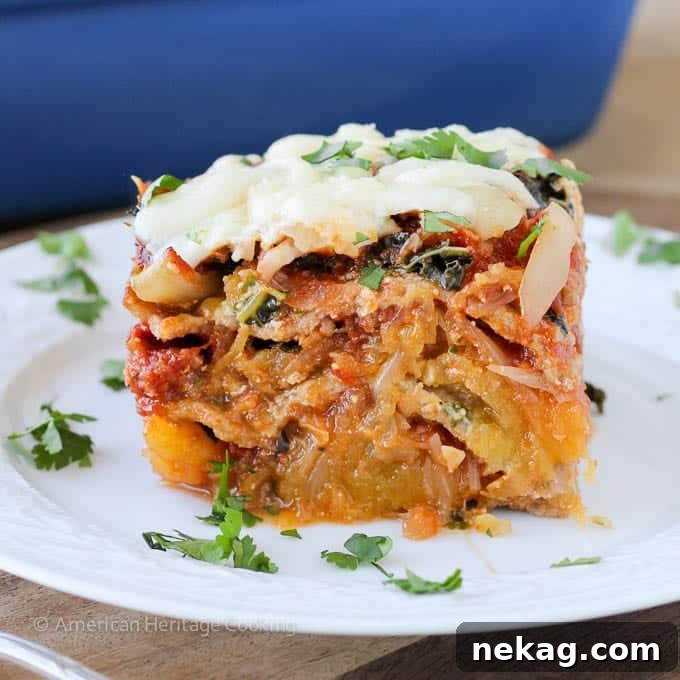
Essential Ingredients for Your Spaghetti Squash Lasagna
Crafting this flavorful Spaghetti Squash Lasagna begins with selecting the right ingredients. Each component plays a vital role in achieving the perfect balance of taste and texture:
- Spaghetti Squash: As a winter squash, spaghetti squash thrives in the cooler months (Fall & Winter), yielding a richer, deeper flavor and naturally lower water content, which is ideal for this lasagna. Look for firm, unblemished squash for the best results.
- Freshly Ground Nutmeg: This recipe specifically calls for freshly ground nutmeg. Its warm, subtle notes are distinct from pre-ground versions. If you don’t have whole nutmeg to grind, it’s better to omit it entirely rather than using stale, pre-ground powder, which can impart an off-flavor and isn’t the highlight here.
- Black Pepper & Kosher Salt: These fundamental seasonings are crucial for enhancing the natural flavors of all the ingredients. Use freshly ground black pepper for superior aroma and flavor.
- Onion: For optimal sweetness and mellow flavor, I highly recommend a yellow or sweet onion. White onions tend to be sharper and might overpower the delicate squash and herb flavors in this dish.
- Garlic: Fresh garlic is indispensable for this recipe. While jarred minced garlic can be a convenient shortcut, the vibrant, pungent flavor of freshly minced garlic cannot be replicated by garlic powder. It truly makes a difference.
- Kale: My preference for this lasagna, as well as my popular Tuscan kale salad, is Tuscan kale (also known as Lacinato kale). Its flat, rounded leaves have a slightly milder taste and more tender texture than curly kale, though either will work delightfully. Ensure stalks are removed and leaves are sliced into thin ribbons for easy layering.
- Cilantro: To inject a bright, fresh, and slightly citrusy note, fresh cilantro is a wonderful addition that beautifully complements the richness of the cheese and squash. Feel free to experiment with other fresh herbs if cilantro isn’t your preference, but I believe you’ll love its unique contribution here.
- Ricotta Cheese: For the creamiest, most luxurious texture, I opt for part-skim ricotta. Avoid lower-fat versions, as they can sometimes result in a grainy or watery texture when baked.
- Mozzarella: The key to that perfect melty, gooey cheese pull is using freshly shredded mozzarella cheese. Pre-grated cheeses often contain anti-caking agents that hinder their ability to melt smoothly. Shredding your own ensures superior texture and flavor. Consider buying extra to whip up a refreshing Heirloom Tomato and Mozzarella Salad as a delightful appetizer!
- Asiago Cheese: This semi-hard Italian cheese adds a sharp, nutty complexity to the lasagna. If catering to vegetarian dietary needs, ensure you select a brand that uses vegetarian rennet. You can find high-quality Asiago cheese easily.
- Whole-Wheat Lasagna Noodles: For added fiber and a slight nutty flavor, whole-wheat lasagna noodles are an excellent choice. Alternatively, no-boil lasagna noodles are fantastic for absorbing excess moisture, much like I employ in my easy lasagna recipe, contributing to a firmer finished product.
- Tomato Sauce: The quality of your tomato sauce significantly impacts the overall flavor of this lasagna. You can either choose a high-quality, thick store-bought variety or elevate the dish with a homemade sauce. My rich homemade tomato pasta sauce offers depth, or for a quicker option, my easy 15-minute pasta sauce delivers excellent flavor and thickness in a fraction of the time. Remember, a thicker sauce is crucial to prevent sogginess.
For precise measurements and detailed quantities of each ingredient, please refer to the comprehensive recipe card located further down this page.
Creative Variations to Customize Your Spaghetti Squash Lasagna
While this Spaghetti Squash Lasagna recipe is perfect as is, it’s also wonderfully adaptable! Feel free to unleash your creativity and tailor it to your preferences or what you have available. Here are some inspiring variations:
- Alternate Squash Options: If spaghetti squash isn’t in season or you’re looking for a different flavor profile, consider swapping it out. I’ve successfully prepared this recipe by thinly slicing and roasting other types of squash, such as summer squash or zucchini, on baking sheets. Season them lightly with dried Italian seasoning and salt before roasting. This crucial pre-roasting step effectively draws out excess moisture, ensuring your final lasagna remains firm and incredibly flavorful. For more inspiration on vegetable-based lasagnas, explore my whole-wheat vegetable lasagna or my delightful zucchini lasagna recipes.
- Boost Your Veggies: Elevate the nutritional content and complexity of your lasagna by incorporating additional vegetables. Sliced eggplant is a fantastic addition, but for the best texture and to prevent sogginess, I highly recommend slicing and roasting it first until tender. Fresh spinach, wilted and squeezed dry, can also be folded into the ricotta mixture or layered directly. For a bolder flavor, consider collard greens, keeping in mind their slightly more bitter profile. You can learn more about balancing strong green flavors in my post on Collard Green Salad with Vidalia Onion Peach Glazed Chicken.
- Experiment with Cheeses: Beyond the classic mozzarella and ricotta, the world of cheese offers endless possibilities. For an extra layer of richness and a slightly tangier flavor, try incorporating cottage cheese alongside the ricotta. Begin by substituting half of the ricotta with cottage cheese to see how you enjoy the altered texture and taste. A sprinkle of Parmesan cheese on top during the last few minutes of baking can also add a delightful golden crust and salty kick.
- Add a Spicy Kick: If you appreciate a bit of heat, consider adding a pinch of red pepper flakes to your tomato sauce or a light dusting over the ricotta layers. This subtle warmth can really awaken the other flavors in the dish.
- Herb Harmony: While cilantro brings a unique brightness, feel free to explore other fresh herbs. Fresh basil or oregano, either mixed into the ricotta or sprinkled between layers, will lend a more traditional Italian aroma and taste.
Step-by-Step Guide: Crafting Your Perfect Spaghetti Squash Lasagna
Creating this delicious Spaghetti Squash Lasagna is a straightforward process when you follow these clear, step-by-step instructions. For precise measurements and quantities, please refer to the complete recipe card at the bottom of this page.
Phase 1: Roasting and Seasoning the Spaghetti Squash
- Preheat Oven and Prepare Baking Sheet: Begin by preheating your oven to a robust 425°F (220°C). This high temperature is crucial for achieving beautifully caramelized and tender squash. Line a large, rimmed baking sheet with parchment paper to prevent sticking and make cleanup a breeze.
- Prepare and Season the Squash Halves: Carefully halve your spaghetti squash lengthwise. Using a spoon, scoop out all the seeds and fibrous strands from the center (don’t discard the seeds—you can roast them later for a healthy snack!). Place the squash halves, cut-side up, on the prepared baking sheet. Drizzle generously with olive oil and sprinkle with coarse kosher salt. Flip the halves over so they are cut-side down, then drizzle with more olive oil and another sprinkle of salt. This double seasoning ensures maximum flavor absorption.
- Bake Until Tender: Transfer the baking sheet to your preheated oven. Bake the spaghetti squash until its skin yields easily when gently poked with a fork, feeling soft and indenting. The baking time will vary significantly based on the size of your squash, typically ranging from 30 to 60 minutes. A larger squash will require more time.
- Extract Spaghetti Squash Strands: Once the squash is perfectly tender, carefully grip each half with kitchen tongs. Using a sturdy fork, gently scrape out the spaghetti-like strands from the cooked squash into a medium-sized mixing bowl. Continue this process for all the squash halves, ensuring you extract as many strands as possible.
- Season the Squash Liberally: Now, it’s time to infuse your spaghetti squash strands with even more flavor. Drizzle generously with olive oil, then season with kosher salt, freshly ground black pepper, and, crucially, freshly ground nutmeg (remember, if you only have pre-ground nutmeg, it’s best to omit it to avoid an inferior flavor). I find it most effective to season the squash in batches, gently fluffing and tossing with a fork to ensure every strand is evenly coated and flavored.
Chef’s Tip: Don’t Waste the Seeds! As you scoop out the insides of the spaghetti squash, remember to set aside the seeds. They can be roasted separately with a little oil and salt for a crunchy, nutritious snack that perfectly complements the lasagna.
Time-Saving Tip: Prep Ahead! For ultimate convenience, you can roast and prepare the spaghetti squash several days in advance. Store the cooled, fluffed strands in an airtight container in the refrigerator. This not only saves time on assembly day but also allows any residual moisture to drain, contributing to a firmer lasagna.
Phase 2: Preparing Fillings and Assembling the Lasagna
- Preheat for Assembly: Reduce your oven temperature to 350°F (175°C), preparing it for the final baking of your assembled lasagna.
- Prepare the Ricotta Mixture: In a medium bowl, combine the part-skim ricotta cheese with your freshly chopped cilantro. Mix until well incorporated, then set this aromatic mixture aside. The cilantro adds a bright, zesty counterpoint to the creamy cheese.
- Sauté Onions, Garlic, and Kale: Heat a large skillet over medium heat. Add approximately 1 tablespoon of olive oil and swirl to coat the bottom. Add the thinly sliced onions and minced garlic, sautéing until the onions become translucent and fragrant, about 5-7 minutes. Remove the onion and garlic mixture from the skillet and set it aside in a bowl. Add a touch more olive oil to the same skillet, then add the ribbons of Tuscan kale. Sauté the kale until it is tender and limp, cooked through but still vibrant. Combine the cooked kale with the sautéed onions and garlic, mixing well.
- Prepare Lasagna Noodles (If Using Dried): If you are using dried lasagna noodles (not no-boil), cook them according to package directions until they are al dente – meaning they still have a slight bite to the center. Drain the noodles and immediately rinse them under cold water to halt the cooking process and prevent them from sticking. Drizzle with a small amount of olive oil and gently toss to ensure they remain separate. Before you begin assembly, organize all your prepared ingredients around your 12x7x4 inch baking dish for an efficient layering process.
- Begin Layering with Sauce: Spread a thin, even layer of your thick tomato pasta sauce across the bottom of your baking dish. This initial layer prevents the noodles from sticking and adds foundational flavor. Place three overlapping lasagna noodles directly on top of the sauce, ensuring they cover the entire base of the dish.
- Apply the Ricotta Layer: Using a rubber spatula, evenly spread approximately one-third of the prepared ricotta and cilantro mixture over the lasagna noodles. Aim for a consistent, creamy layer that adheres well to the noodles.
- Add the Spaghetti Squash Layer: Carefully spoon about one-third of your seasoned spaghetti squash strands over the ricotta layer. Be mindful not to scoop up any excess water that might have drained to the bottom of your squash bowl; leave that liquid behind to maintain the lasagna’s structure and prevent sogginess.
- Distribute Onion and Kale Mixture: Evenly sprinkle about one-third of the sautéed onion and kale mixture over the spaghetti squash layer. Using your hands can make this step easier, allowing you to evenly distribute the flavorful vegetables.
- Add Another Sauce Layer: Gently spread a thin layer of your tomato sauce over the vegetables. This acts as a binder and adds moisture and flavor to this middle section of the lasagna.
- Cheese Layer: Conclude this round of layering by generously sprinkling a combination of shredded fresh mozzarella cheese and grated Asiago cheese over the sauce. This creates a rich, gooey layer that binds everything together.
- Repeat Layers and Finish with Cheese: Continue repeating Steps 10 through 15 until your baking dish is filled to the top, ensuring you finish with a final, decadent layer of mozzarella and Asiago cheese.
- Bake Until Golden and Bubbly: Place the assembled lasagna in your preheated 350°F (175°C) oven. Bake for approximately 50 minutes, or until the cheese is melted, golden, and bubbly around the edges, and the sauce is simmering.
- Rest Before Serving: This step is crucial for perfect slices! Allow the lasagna to cool and rest for 10-20 minutes after removing it from the oven. This resting period allows the layers to set, preventing a messy collapse when you cut into it. Then, slice and serve your magnificent Spaghetti Squash Lasagna!
Herb & Spice Exploration: While cilantro is fantastic, don’t hesitate to experiment! Fresh basil or oregano can lend a more traditional Italian flair. For those who enjoy a subtle kick, a pinch of red pepper flakes stirred into the ricotta or sauce can add delightful warmth.
Layering Perfection: For a hearty and satisfying texture, aim for a spaghetti squash layer that is roughly ¾ inch thick. It’s okay if the ricotta layer is minimally visible beneath the squash; the goal is to create distinct, flavorful strata.
Sauce Selection Insight: For this Spaghetti Squash Lasagna, it’s best to use a relatively “plain” or lightly seasoned tomato sauce. A sauce with too many strong herbs or spices might overpower the delicate flavors of the spaghetti squash, cilantro, and nutmeg, which are intended to shine.
Golden Crust Secret: For an irresistible golden-brown crust and extra cheesy goodness, I always recommend adding a slightly thicker layer of cheese on the very top of the lasagna before baking.
Chef Lindsey’s Secret for the Ultimate Lasagna Cheese Pull
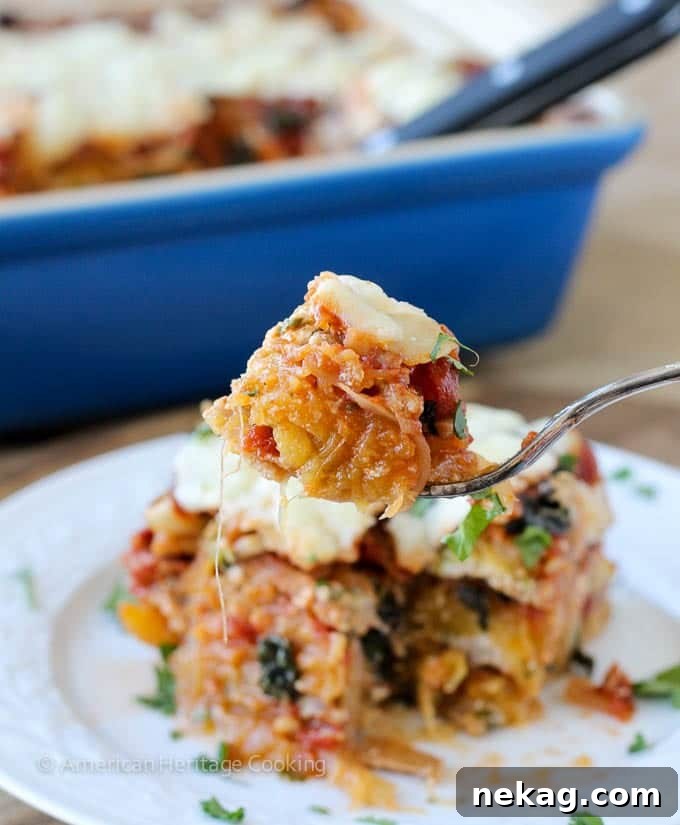
When it comes to lasagna, the presentation can be just as important as the taste, and nothing impresses quite like a spectacular cheese pull! To achieve the most breathtaking strands of melty, gooey cheese with your Spaghetti Squash Lasagna, remember this crucial tip: it truly is all about the cheese.
For that perfect, Instagram-worthy cheese pull, consistently use freshly shredded fresh mozzarella. Avoid the convenience of pre-shredded, low-moisture varieties, as these often contain starches and anti-caking agents that hinder a smooth, elastic melt. Fresh mozzarella, with its higher moisture content and purer composition, melts into long, luscious strings that stretch beautifully as you serve each slice tableside. Your guests will be captivated by the visual delight before they even take their first bite!
Frequently Asked Questions About Spaghetti Squash Lasagna
To maintain freshness and flavor, store any leftover Spaghetti Squash Lasagna in an airtight container in the refrigerator for 3-5 days. It’s crucial to allow the lasagna to cool completely to room temperature before transferring it to storage, as warm food can create condensation, leading to sogginess and faster spoilage. For longer storage, this lasagna freezes beautifully. Once completely cooled, cover the dish tightly with heavy-duty aluminum foil or transfer individual portions to freezer-safe containers. It can be frozen for up to 3 months. Thaw overnight in the refrigerator before reheating.
Preventing a soggy lasagna, especially with moisture-rich spaghetti squash, is key to its success. Here are the top strategies:
- Thinly Slice Onions: Slicing your onions very thin ensures they cook down fully and release their moisture before assembly, preventing them from adding excess water to the finished dish.
- Drain Spaghetti Squash Thoroughly: As detailed in the recipe, be meticulous about leaving behind any water that drains from the roasted spaghetti squash strands. Pre-roasting the squash in advance (even a day or two before) allows more liquid to escape.
- Pre-Cook/Sauté Vegetables: Roasting and sautéing your vegetables (like the kale and eggplant, if using) in advance, as we do in this recipe, is vital. This process cooks out their natural moisture, significantly contributing to the structural integrity of your lasagna.
- Use a Thick Sauce: A robust, thick tomato sauce is non-negotiable. It should have the consistency of a stew, not a watery soup. This prevents the sauce from pooling and making the layers soft.
- No-Boil Lasagna Noodles: Opting for no-boil lasagna noodles can also be highly beneficial. These noodles are designed to absorb moisture from the surrounding sauce and fillings during baking, helping to firm up the entire dish.
Absolutely! This Spaghetti Squash Lasagna is an excellent candidate for make-ahead meal prep, which can be a huge time-saver. You can even prepare the spaghetti squash itself a few days ahead of assembling the rest of the lasagna, as discussed in the professional tips. To prepare the entire dish in advance, follow all recipe instructions up to the point of baking. Once assembled, let it cool completely if it’s been partially baked, or just cover if raw. Store the unbaked lasagna tightly covered in the refrigerator for 3-5 days or freeze it for up to 3 months. If baking from frozen, you may need to add an extra 30-45 minutes to the baking time, covered, before uncovering to brown the cheese.
Lasagna is a hearty main course, traditionally complemented by simple yet delicious side dishes. Classic pairings often include warm, crusty garlic bread and a crisp side salad. For this vibrant Spaghetti Squash Lasagna, consider elevating your meal with a refreshing Marinated Tomato Stone Fruit Salad for a burst of seasonal flavor, and some homemade Rosemary Sourdough Rolls to sop up every last drop of delicious sauce. These accompaniments will create a perfectly balanced and memorable dining experience.
If you’ve had the pleasure of trying this unique Spaghetti Squash Lasagna recipe and it brought joy to your table, we would be absolutely thrilled to hear from you! Please consider leaving a 🌟 star rating and sharing your experience in the comments section below. Your feedback and stories truly make our day and help others discover delightful new recipes!
Spaghetti Squash Lasagna Recipe
This delightful Spaghetti Squash Lasagna offers a fresh, low-carb take on a classic comfort food. Layers of tender spaghetti squash, vibrant cilantro, rich homemade tomato sauce, creamy part-skim ricotta, and indulgent mozzarella come together in a healthy, vegetarian, hearty, and intensely flavorful dish that your family will request again and again.
Author: Chef Lindsey
Prep Time: 20 mins
Cook Time: 1 hr 50 mins
Total Time: 2 hrs 10 mins
Servings: 8 people
Rating: 5 out of 5 stars (based on 2 ratings)
Ingredients
- 1 large spaghetti squash
- Freshly ground nutmeg (omit if only pre-ground available)
- Freshly ground black pepper
- Kosher salt
- 1 large yellow or sweet onion, thinly sliced
- 6 cloves fresh garlic, minced
- 8 stalks Tuscan (Lacinato) kale, stalks removed, sliced into thin ribbons
- 1 cup part-skim ricotta cheese
- ⅓ cup finely chopped fresh cilantro
- 5 oz fresh mozzarella, shredded
- 5 oz Asiago cheese, grated (ensure vegetarian if concerned)
- 3 ½ cups thick tomato pasta sauce (homemade or high-quality store-bought)
- 4 sheets fresh whole-wheat lasagna noodles (or no-boil variety)
Instructions
- Roast and Season the Squash:
- Preheat the oven to 425°F (220°C). Line a rimmed baking sheet with parchment paper.
- Halve your spaghetti squash, scoop out the seeds and fibers, and place the halves cut-side up on the baking sheet. Drizzle with olive oil and coarse kosher salt. Flip them over, drizzle with more olive oil and salt.
- Bake until the skin easily gives when poked with a fork (30-60 minutes, depending on squash size).
- Using tongs, scrape out the spaghetti squash strands with a fork into a medium bowl.
- Season generously with olive oil, kosher salt, fresh ground pepper, and freshly ground nutmeg (omit if using pre-ground). Toss and coat evenly.
- Prepare Fillings and Assemble Lasagna:
- Reduce oven temperature to 350°F (175°C).
- Mix fresh, chopped cilantro with the ricotta in a medium bowl and set aside.
- Heat 1 tablespoon olive oil in a large skillet over medium heat. Sauté sliced onions and minced garlic until translucent (5-7 minutes). Remove and set aside.
- Add a little more olive oil and sauté the kale until limp and cooked through. Combine kale with the onion and garlic mixture.
- If using dried lasagna noodles, cook them al dente, drain, rinse in cold water, and drizzle with olive oil to prevent sticking. Arrange all ingredients around your 12x7x4 inch baking dish.
- Spread a thin layer of tomato sauce on the bottom of the dish, then place 3 overlapping lasagna noodles.
- Spread about one-third of the ricotta mixture evenly over the noodles.
- Next, add about one-third of the spaghetti squash, being careful to avoid scooping any excess water that has drained to the bottom of its bowl.
- Sprinkle one-third of the onion/kale mixture over the squash (easiest to do with hands).
- Top the vegetables with another layer of tomato sauce.
- Finally, add a layer of shredded mozzarella and grated Asiago cheese.
- Repeat these layering steps until the pan is filled, ensuring the final layer is cheese.
- Bake for 50 minutes, or until bubbling and golden.
- Cool for 10-20 minutes before slicing and serving. This allows the lasagna to set.
Notes
- Flavor Harmony: For the best flavor balance in this recipe, opt for a tomato sauce that is only lightly seasoned. This allows the unique notes of the spaghetti squash, cilantro, and nutmeg to truly shine without being overpowered.
- Noodle Versatility: You have flexibility with noodles! Feel free to use no-boil lasagna noodles, which absorb extra moisture, or gluten-free noodles if you have dietary preferences.
- Optimal Storage: Store leftover Spaghetti Squash Lasagna in an airtight container in the refrigerator for 3-5 days. Always ensure the lasagna is completely cooled before storing. For longer preservation, it can be frozen for up to 3 months; just make sure it’s fully cooled before wrapping tightly in heavy-duty foil.
Nutrition Information (per serving)
Calories: 306 kcal | Carbohydrates: 32g | Protein: 20g | Fat: 13g | Saturated Fat: 7g | Polyunsaturated Fat: 1g | Monounsaturated Fat: 3g | Cholesterol: 36mg | Sodium: 995mg | Potassium: 778mg | Fiber: 6g | Sugar: 9g | Vitamin A: 6726IU | Vitamin C: 65mg | Calcium: 584mg | Iron: 3mg
Course: Dinner, Main Course
Cuisine: American, Italian
Before You Go: Explore More Delicious & Healthy Recipes!
We sincerely hope you savored every delightful bite of this professional chef-tested Spaghetti Squash Lasagna. It’s a testament to how healthy eating can be incredibly flavorful and satisfying. If you’re inspired to continue your culinary journey with more wholesome options, we invite you to explore our extensive collection of other delicious, filling vegetarian recipes. Or, if you’re in the mood for a more traditional, meat-based lasagna, consider adapting my versatile easy lasagna recipe with ground beef or ground turkey for a comforting alternative. Happy cooking!