
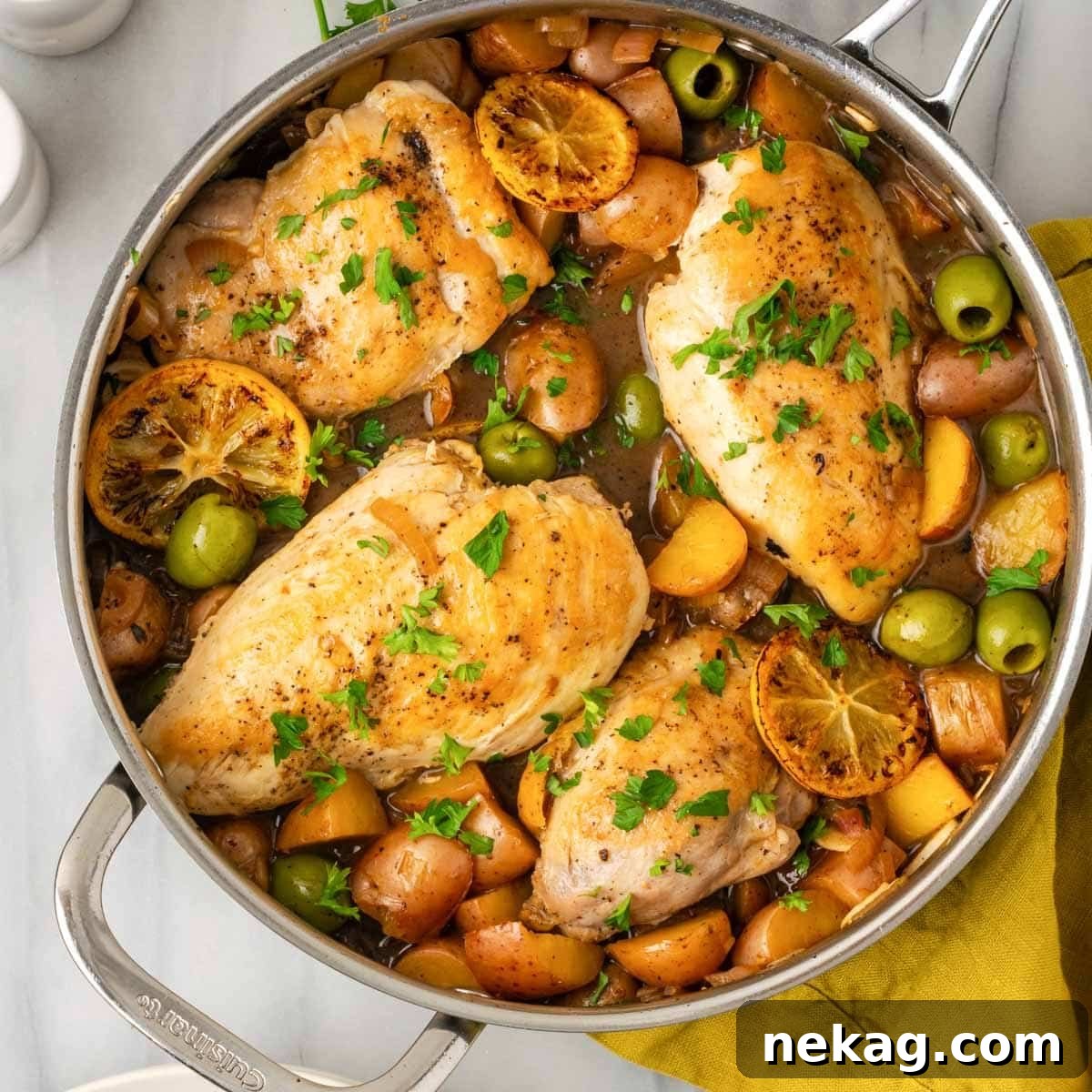
Easy One-Pan Lemon Chicken and Potatoes with Irresistible Lemon Butter Sauce
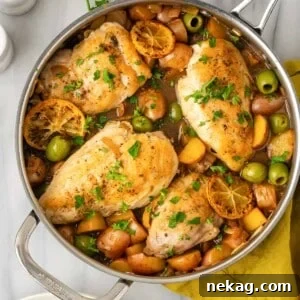
Discover the ultimate weeknight meal with this incredibly easy and delicious lemon chicken recipe. Featuring tender, juicy chicken, perfectly cooked potatoes, and a medley of fresh herbs, all enrobed in a bright, irresistible lemon butter sauce, this dish is a true crowd-pleaser. It’s designed for simplicity without compromising on a surprisingly complex and satisfying flavor.
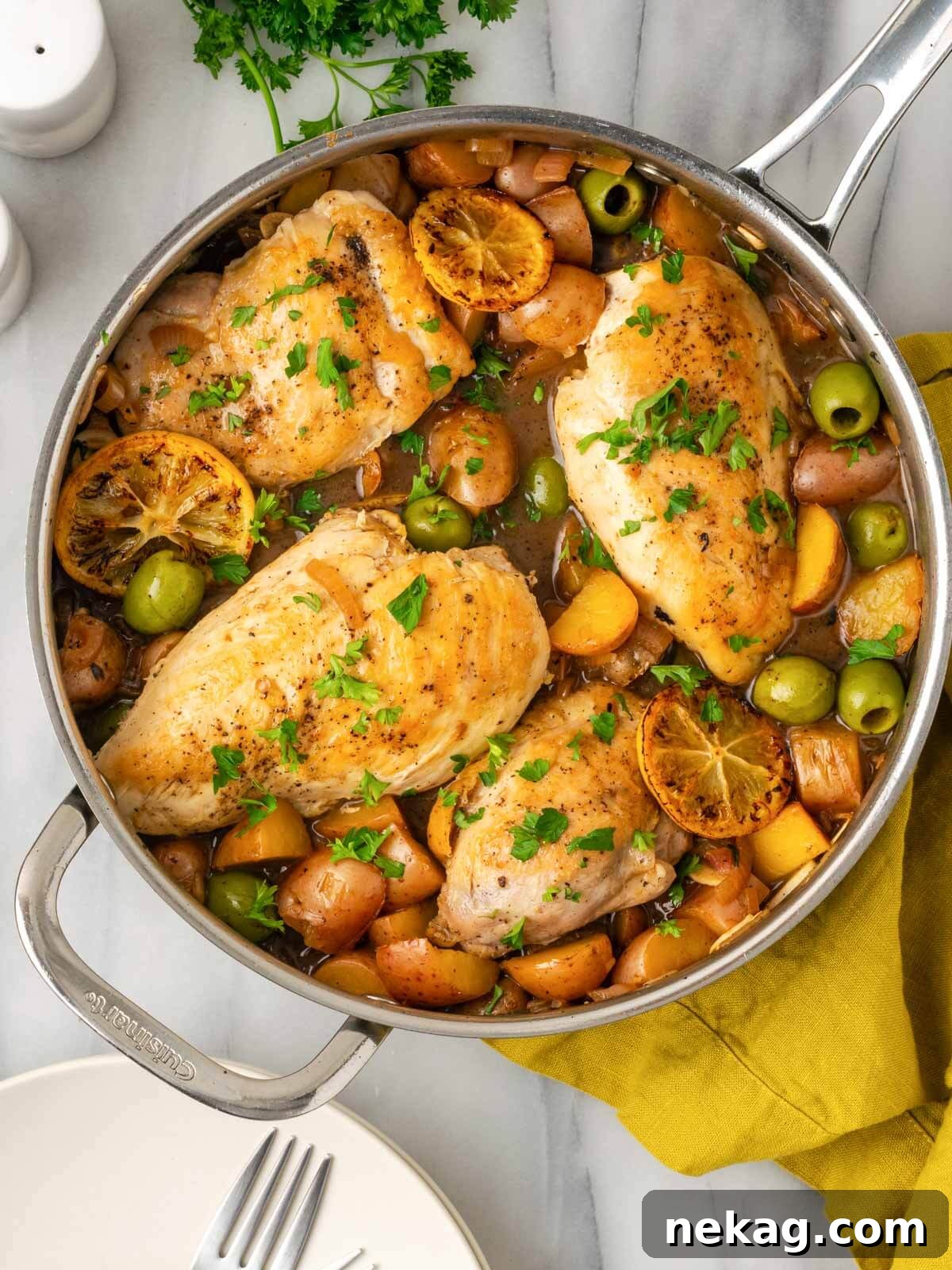
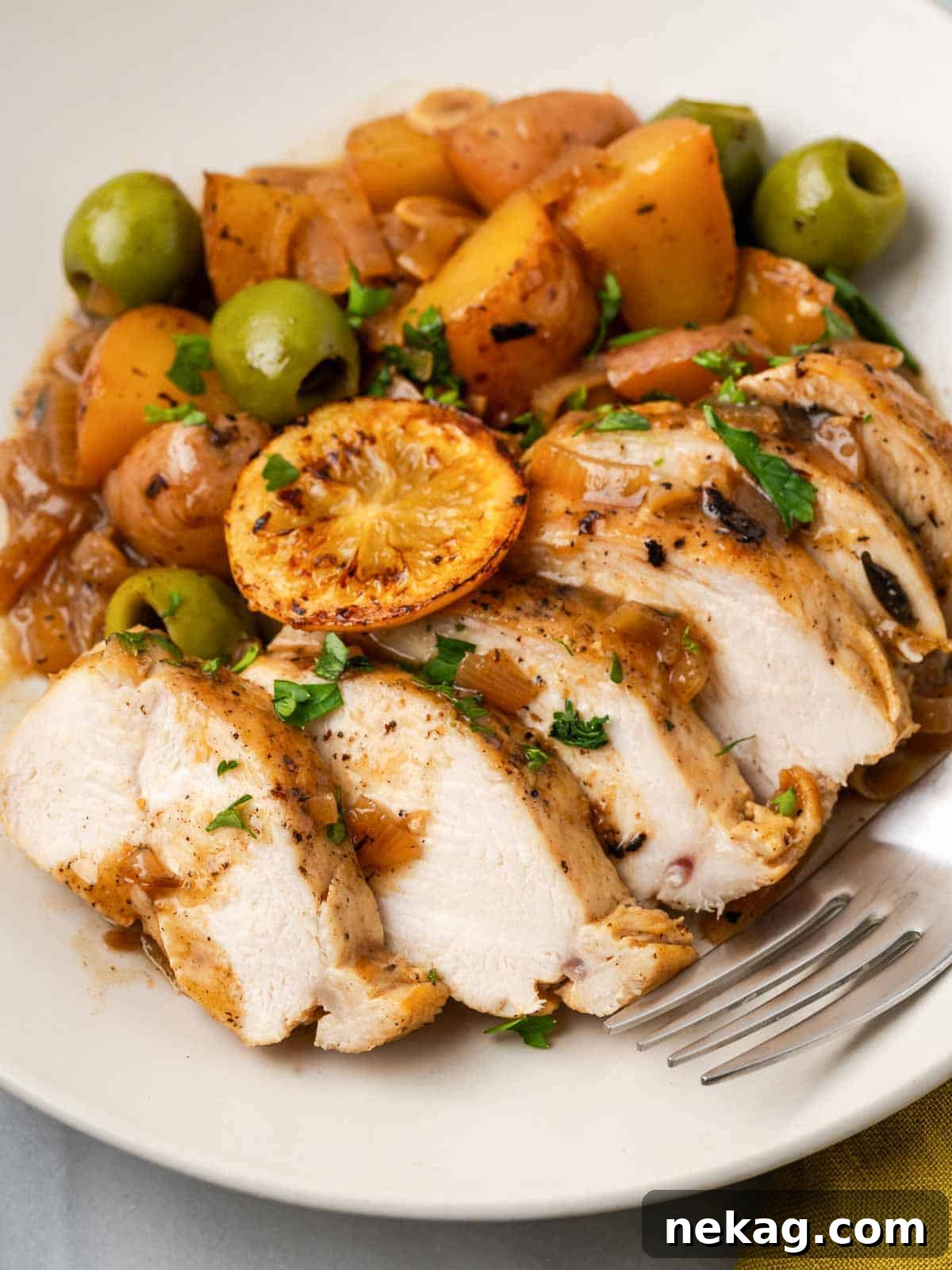
This remarkable chicken and potato dish brings together the best of home cooking: simple preparation yielding a surprisingly sophisticated taste. Each bite offers a harmonious blend of tender chicken, hearty, comforting potatoes, aromatic shallots and garlic, and a vibrant burst of fresh herbs, all tied together by a tangy lemon butter sauce. Whether you’re seeking an effortless dinner for a relaxed Sunday evening or aiming to impress guests at an upscale dinner party, this versatile recipe fits the bill perfectly.
To complete your meal, serve this delightful lemon chicken alongside classic creamy mashed potatoes, a refreshing lemon roasted cauliflower, or a wholesome quinoa pilaf. Incorporate this easy chicken dish into your regular cooking rotation, alongside other family favorites like baked chicken marinara, grilled rosemary chicken, and chicken with shallots for a week full of delicious possibilities.
Table of Contents
- Why You Will Love This Lemon Chicken Recipe
- Expert Tips for Perfect Lemon Garlic Chicken
- Essential Ingredients for Lemon Chicken
- Delicious Variations to Try
- Step-by-Step: How to Make Lemon Chicken and Potatoes
- Chef Lindsey’s Secret to Flavor
- Frequently Asked Questions About Lemon Chicken
- Lemon Chicken Recipe Card
- Discover More Chicken Recipes
Why You Will Love This Lemon Chicken Recipe
This lemon chicken and potato dish isn’t just another recipe; it’s a culinary experience crafted for both novice and experienced home cooks. Here’s why it deserves a spot in your weekly menu:
- A Perfectly Balanced Flavor Profile: Every element in this dish contributes to a beautiful harmony of tastes. The rich, savory notes from the perfectly browned chicken and potatoes are wonderfully complemented by the vibrant tang of fresh lemon, the sweet undertones of shallots, and the aromatic freshness of herbs like parsley and thyme. This thoughtful balance ensures that no single flavor overwhelms another, making each forkful a delight. It’s a symphony of rich, savory, tangy, and bright notes that will keep you coming back for more.
- Easier Than It Appears: Despite its elegant presentation and gourmet-level flavor, this lemon chicken recipe is surprisingly straightforward to prepare. You won’t encounter any complex cooking techniques or intimidating steps. The instructions have been meticulously developed and tested multiple times by a professional chef to ensure clarity, accuracy, and ease of execution. It’s a showstopper that empowers you to create something truly impressive without the stress.
- A Lighter, Healthier Twist: Many traditional lemon chicken recipes often call for an abundance of butter, making them rich but heavy. Our version, inspired by a recipe from Cooking Light magazine, smartly reduces the butter to just two tablespoons. We build incredible depth of flavor through proper browning of the chicken, the natural acidity of fresh lemon juice, the savory goodness of shallots and garlic, and a generous touch of fresh herbs. This approach results in a dish that is just as flavorful and satisfying, yet significantly lighter and healthier for you and your family.
Expert Tips for Perfect Lemon Garlic Chicken
Achieving restaurant-quality results in your home kitchen is easier than you think with these professional chef tips:
- Taste as You Go – Your Secret Weapon: This is arguably the most crucial skill for any home cook. Don’t wait until the very end to check your seasoning. Taste your sauce, potatoes, and even the chicken lightly during the cooking process. This practice allows you to adjust salt levels, balance acidity, and ensure all flavors are singing in harmony. It’s how you truly personalize a recipe and make it your own. For lemon-based dishes, it’s particularly important to ensure the tang is just right for your palate.
- Allow Ample Time for Browning: The golden-brown crust on your chicken isn’t just for aesthetics; it’s a cornerstone of flavor in this dish. Much of the deep, savory notes come from the Maillard reaction – the chemical process that creates rich flavors and aromas when food is seared. Be patient and resist the urge to flip the chicken too soon. Allow each side to develop a beautiful, deep golden-brown exterior. These caramelized bits, known as “fond,” will later deglaze into your sauce, adding incredible depth.
- Invest in an Instant-Read Thermometer: Overcooked chicken is dry and unappealing, while undercooked chicken is unsafe. The only reliable way to ensure your chicken is perfectly cooked every time is to use an instant-read thermometer. Insert the thermometer into the thickest part of the chicken breast, avoiding any bones. Chicken breasts are fully cooked and safe to eat when they reach an internal temperature of 165ºF (74ºC). This small tool eliminates guesswork and guarantees tender, juicy results.
- Don’t Overcrowd the Pan: When browning chicken or potatoes, giving them enough space in the pan is essential. Overcrowding lowers the pan’s temperature, causing the ingredients to steam rather than sear, which prevents that desirable golden crust and rich flavor development. If necessary, cook your chicken or potatoes in batches to ensure proper browning.
Essential Ingredients for Lemon Chicken
This recipe relies on a combination of fresh, high-quality ingredients to deliver its exceptional flavor. Here’s a closer look at what you’ll need and why:
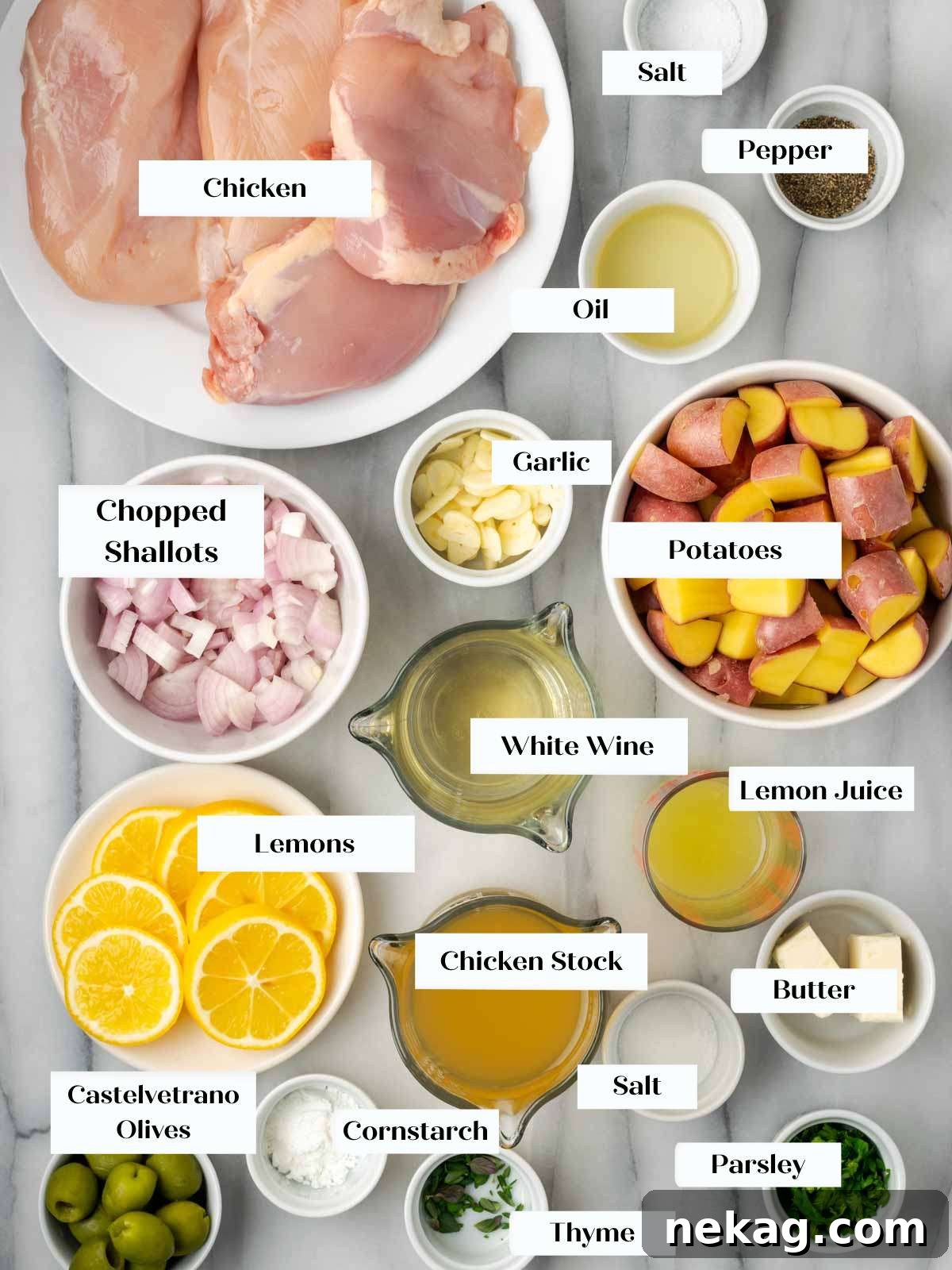
- Chicken Breasts & Thighs: For the most flavorful and succulent results, I highly recommend using bone-in, skin-on chicken breasts. The skin renders beautiful fat during cooking, contributing incredible flavor to the pan drippings, which then forms the base of your sauce. If bone-in, skin-on is unavailable, boneless, skinless chicken breasts or thighs are good alternatives, though you might miss some of that rich skin flavor. If using thick breasts, consider halving them lengthwise to ensure even cooking.
- Kosher Salt: Essential for seasoning the chicken and potatoes, kosher salt has a coarser texture and purer flavor compared to table salt, allowing for more precise seasoning.
- Black Pepper: Freshly ground black pepper adds a pungent, earthy warmth that complements the lemon beautifully.
- Cooking Spray or Canola Oil: Used for initially preparing the pan for searing. Canola oil has a high smoke point, ideal for browning.
- Olive Oil: A good quality extra-virgin olive oil will add a fruity, slightly peppery note to the dish, enhancing the overall richness. However, any olive oil you have on hand will work.
- Red Potatoes: I prefer the slightly waxy texture and thin skin of red potatoes for this recipe as they hold their shape well after roasting and braising. Yukon Gold potatoes, with their creamy texture, would also be an excellent substitute.
- Lemons: The star of the show! This recipe specifically calls for a Meyer lemon for its distinct sweet and floral notes, providing two tablespoons of juice. If regular lemons are all you have, you can achieve a similar nuanced flavor by adding 1 teaspoon of sugar to balance the tartness.
- Shallots: Often described as a milder, sweeter cousin to the onion, shallots provide a delicate aromatic base that elevates the sauce without overpowering the lemon. If shallots are hard to find, a small amount of finely diced red onion can be used as a substitute.
- Garlic: Fresh garlic is highly recommended for its potent, savory aroma. If using jarred chopped garlic, opt for varieties stored in water over oil, as they tend to have a fresher taste.
- Dry White Wine: A splash of dry white wine (like Pinot Grigio, Pinot Gris, or Sauvignon Blanc) adds depth and complexity, helping to deglaze the pan and incorporate all those delicious browned bits into your sauce. Choose a wine you would genuinely enjoy drinking.
- Thyme: Fresh or dried, thyme contributes an earthy, slightly minty flavor that pairs wonderfully with both chicken and lemon. Fresh thyme sprigs will infuse more aroma.
- Chicken Stock: Using unsalted chicken stock allows you complete control over the final seasoning of your dish. If you have a whole chicken and want to make your own stock, I’ve created an easy chicken deboning video to guide you!
- Cornstarch or Arrowroot Powder: These act as thickening agents, giving your lemon butter sauce a luxurious, silky consistency. Both cornstarch and arrowroot powder work equally well.
- Castelvetrano Olives: This optional but highly recommended ingredient adds a wonderful savory, buttery, and slightly briny depth to the dish. Castelvetrano olives are known for their mild, fruity flavor.
- Unsalted Butter: A small amount of unsalted butter is swirled in at the end to enrich the sauce, adding a touch of creaminess and gloss without making it heavy.
- Fresh Parsley: More than just a garnish, fresh parsley provides a bright, herbaceous finish that cuts through the richness and adds a pop of vibrant color. Always add delicate, soft herbs like parsley at the very end of cooking to preserve their fresh flavor and texture.
For precise measurements and quantities, please refer to the comprehensive recipe card below.
Delicious Variations to Try
While this lemon chicken recipe is perfect as written, it’s also wonderfully adaptable. Feel free to experiment with these variations to suit your taste or what you have on hand:
- Marinating for Enhanced Lemon Flavor: For an even more profound lemon essence, consider marinating your chicken breasts before cooking. A simple marinade of olive oil, fresh lemon juice, minced garlic, and your favorite fresh herbs (like oregano or rosemary) can work wonders. Just be sure to pat the chicken thoroughly dry before browning to ensure a crisp skin. Limit marination time to no more than 30 minutes, as prolonged exposure to acid can alter the chicken’s texture, making it less moist.
- Explore More Fresh Herbs: This dish is an excellent canvas for various fresh herbs. Beyond parsley and thyme, consider incorporating fresh dill for a bright, slightly anise-like flavor, or basil for a sweet and peppery aroma. Rosemary or oregano would also add a lovely Mediterranean touch.
- Chicken Cutlets or Other Cuts: If you prefer quicker cooking or smaller portions, chicken cutlets are a fantastic substitute for larger chicken breasts. You can also use boneless, skinless chicken breasts or thighs and significantly reduce the cooking time – often by half! This makes it even more convenient for busy weeknights. Save any leftover chicken for delicious recipes like air fryer chicken tenders.
- The Magic of Meyer Lemons: If you can find them, using Meyer lemons throughout this dish is an absolute game-changer. Their inherent sweetness and distinctive floral aroma impart a magnificent, nuanced flavor that elevates the entire meal to a gourmet level. They are less tart than regular lemons, offering a beautifully balanced citrus note.
- Add a Touch of Spice: For those who enjoy a little heat, a pinch of red pepper flakes added with the shallots and garlic can introduce a subtle warmth that complements the lemon and herbs beautifully.
- Vegetable Additions: Feel free to toss in other quick-cooking vegetables during the potato braising step. Asparagus, green beans, or cherry tomatoes would make wonderful additions, adding more color and nutrients to your one-pan meal.
Step-by-Step: How to Make Lemon Chicken and Potatoes
Follow these detailed instructions to create perfectly cooked lemon chicken and potatoes every time. For complete measurements and further details, please refer to the recipe card below.
Step 1: Prepare the Chicken and Preheat Oven
Begin by preheating your oven to 400°F (200°C). Generously rub ½ teaspoon of fresh cracked black pepper and ½ teaspoon of kosher salt onto both sides of your chicken pieces, ensuring they are well-seasoned. This initial seasoning is crucial for building flavor.
Step 2: Sear and Bake the Chicken
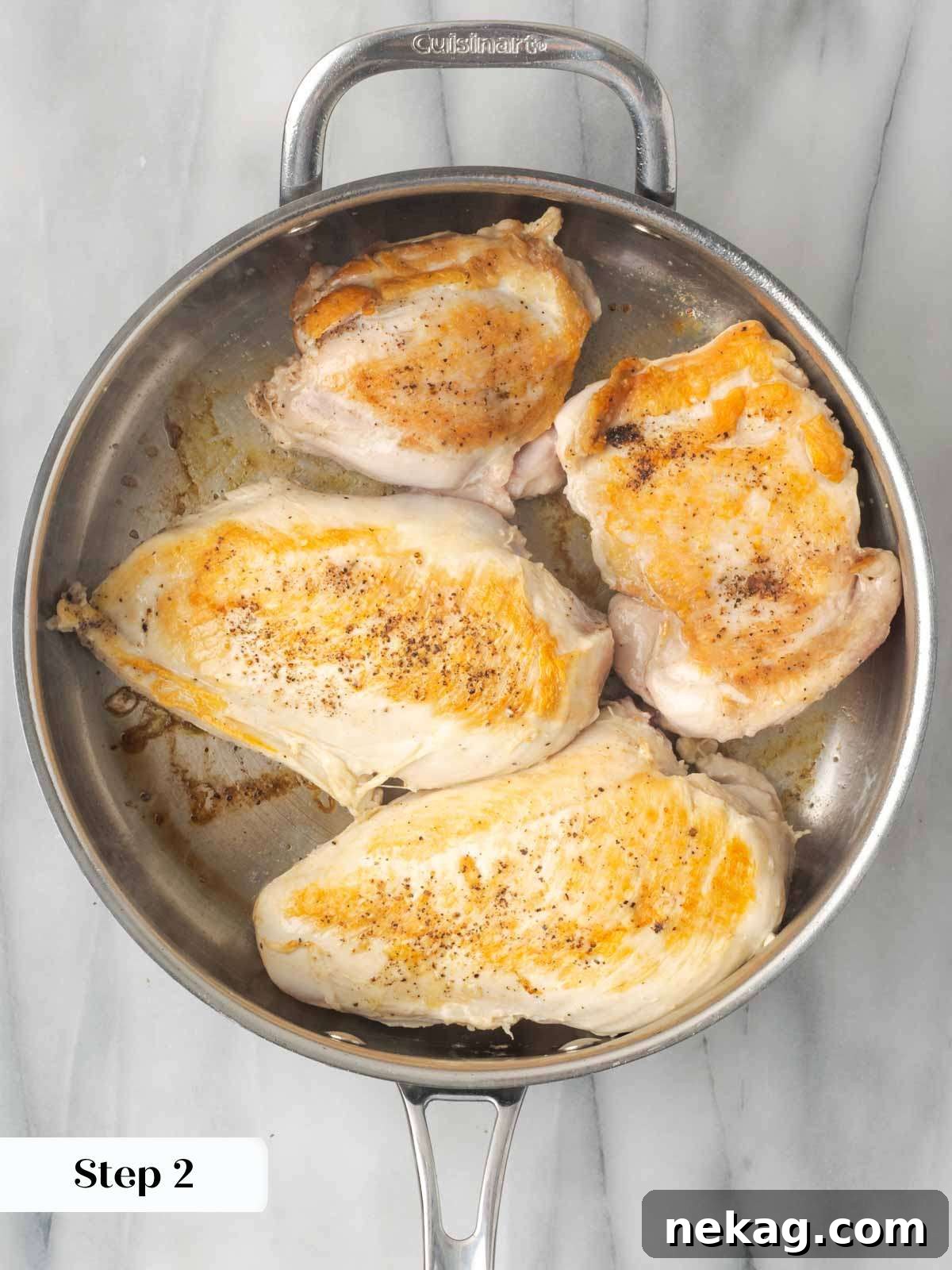
Place an oven-safe skillet (preferably cast iron or a heavy-bottomed pan) over medium-high heat. Add a small amount of canola oil or cooking spray to coat the bottom of the pan. Heat until it just begins to smoke, indicating it’s hot enough for a good sear. Carefully add the seasoned chicken pieces to the hot pan, skin-side down if using. Cook for approximately 6 minutes, undisturbed, allowing the skin to become crisp and a beautiful golden brown. This browning step is key for flavor. Once beautifully browned, flip the chicken pieces. Transfer the entire pan to the preheated oven and bake for 12-15 minutes, or until an instant-read thermometer inserted into the thickest part of the chicken registers 165°F (74°C). The exact baking time may vary based on the thickness of your chicken and how long it took to brown initially. Boneless chicken will cook faster.
Chef’s Note: The cooking time for chicken can vary. Larger, bone-in pieces might take longer than 12-15 minutes, while boneless chicken will be quicker. Always rely on an instant-read thermometer for accuracy.
Step 3: Cook the Potatoes
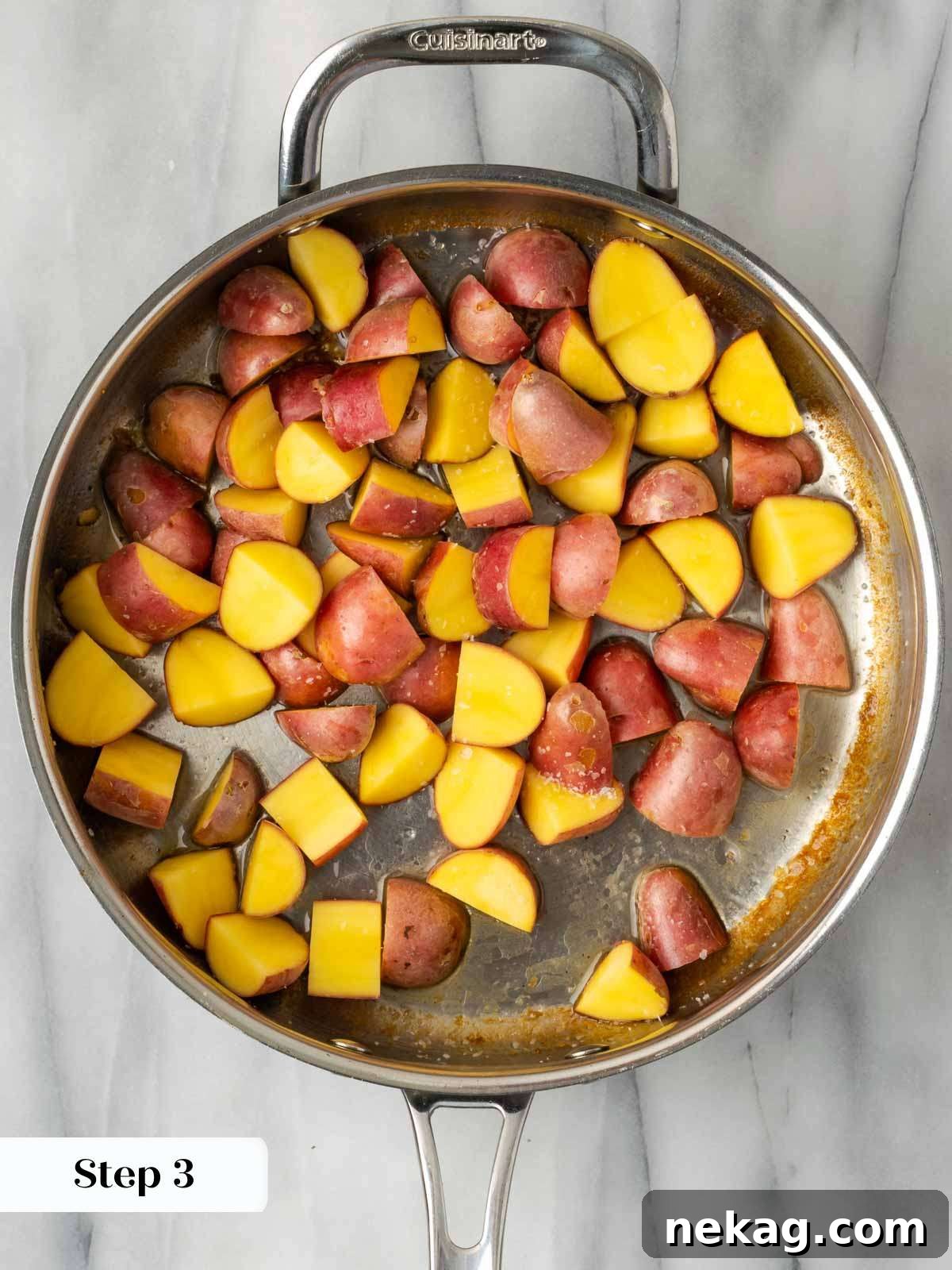
Once the chicken is cooked, carefully remove it from the pan. Loosely tent the chicken with foil to keep it warm and allow it to rest. You may pour any pan drippings over the chicken or discard them, but do *not* wipe out the pan – those browned bits (fond) are packed with flavor! Add 1 tablespoon of olive oil to the same pan, then add your quartered red potatoes and sprinkle with ¼ teaspoon of salt. Cook the potatoes over medium heat for about 3 minutes per side, stirring occasionally, until they are nicely browned and start to soften. Remove the browned potatoes from the pan and set aside with the chicken.
Step 4: Sear Lemon Slices
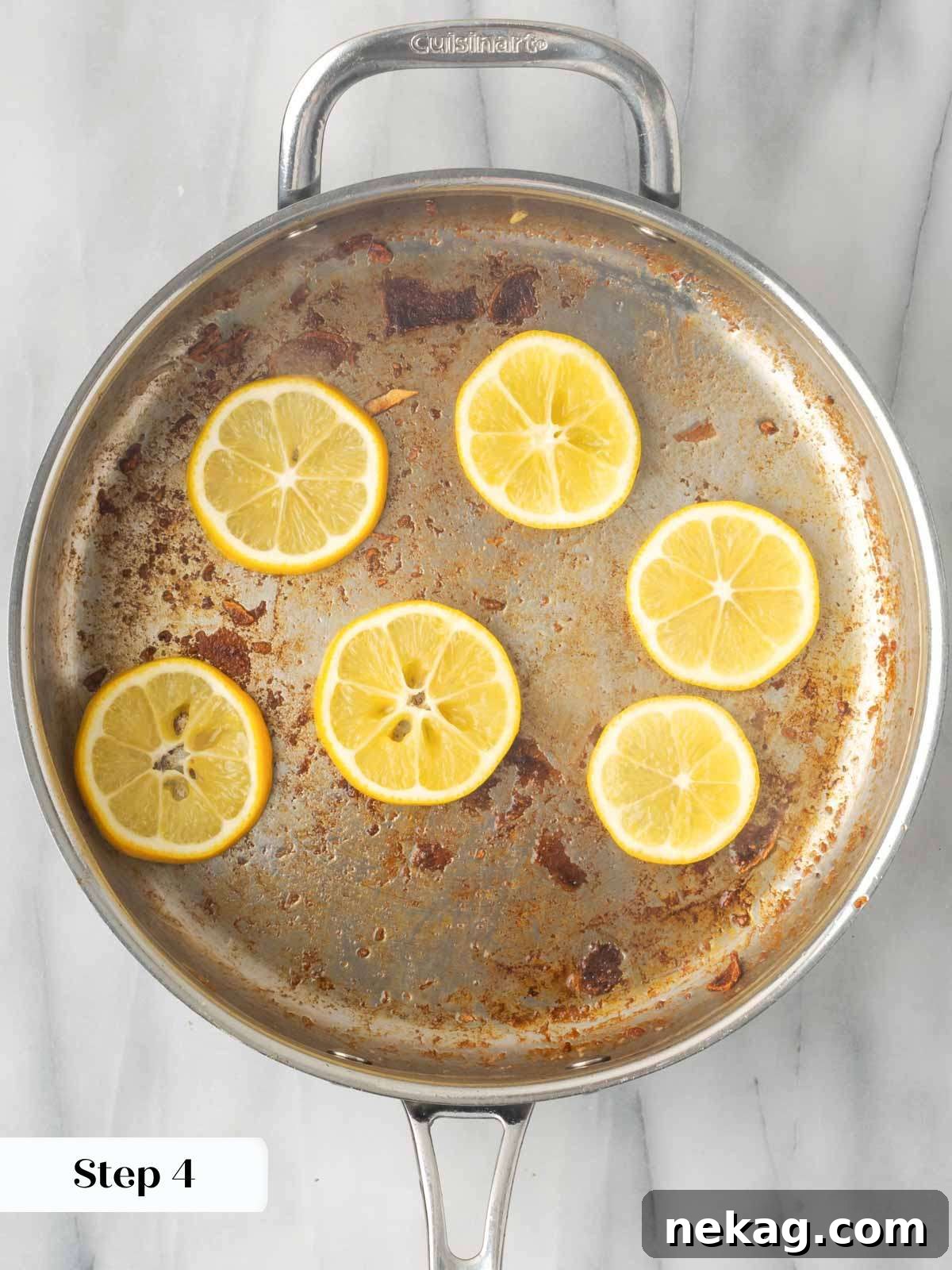
Add the thin lemon slices to the pan. Cook for about 1 minute on each side, just until they develop a light golden sear. This step mellows their tartness and brings out a subtle sweetness. Remove the seared lemon slices from the pan and set aside.
Step 5: Build the Sauce Base
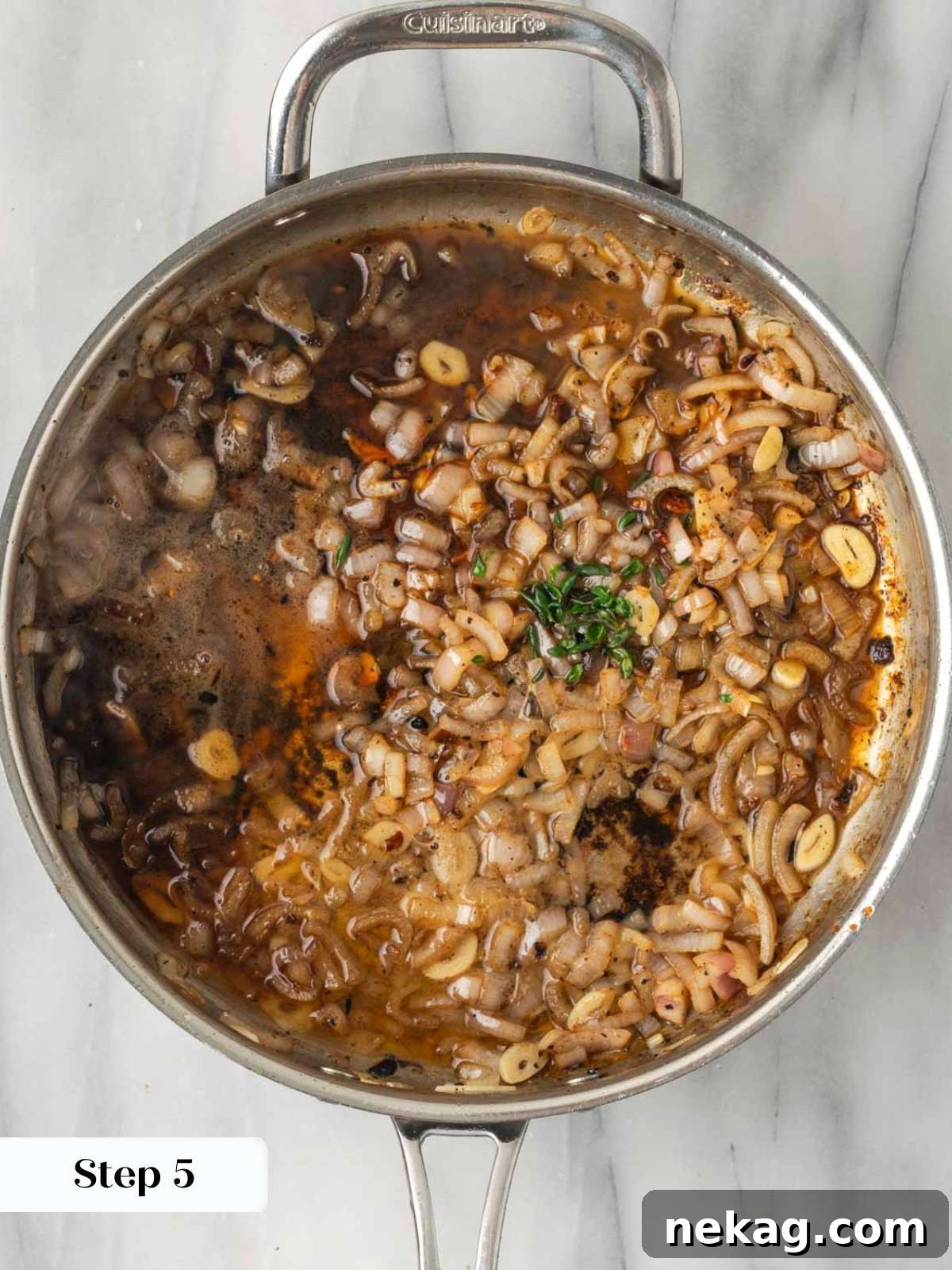
Add the remaining 1 tablespoon of olive oil to the pan. Introduce the chopped shallots and minced garlic, sautéing for about 2 minutes. Stir constantly to prevent the garlic from burning, which can turn it bitter. Next, pour in the dry white wine and fresh thyme. Cook for approximately 1 minute, allowing the liquid to almost completely evaporate. As it cooks, use a wooden spoon or spatula to scrape up all the flavorful browned bits (fond) from the bottom of the pan. This deglazing process is essential for creating a rich, flavorful sauce.
Step 6: Simmer Potatoes and Finish the Sauce
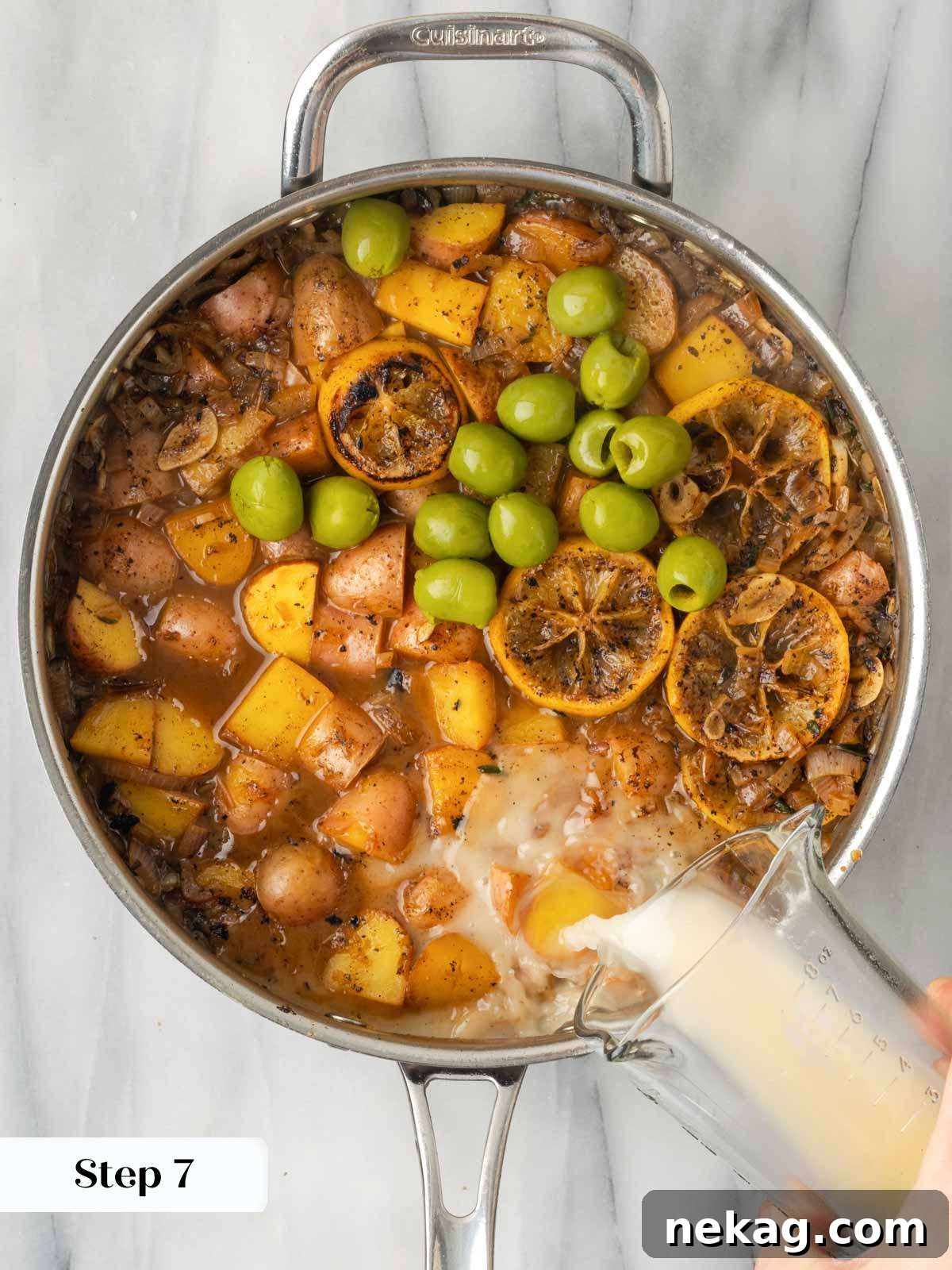
Return the cooked potatoes and seared lemon slices to the pan. Add 2/3 cup of chicken stock, the remaining ¼ teaspoon of salt, and the remaining ¼ teaspoon of pepper. Cover the pan and let it simmer for 10-12 minutes, or until the potatoes are tender when pierced with a fork. While the potatoes are simmering, whisk together the remaining 1/3 cup of chicken stock and the cornstarch in a small bowl until smooth to create a slurry. Add this cornstarch mixture to the pan, along with the Castelvetrano olives (if using). Bring the sauce to a boil, then reduce heat and cook for 1 minute, stirring occasionally, until the sauce thickens to your desired consistency.
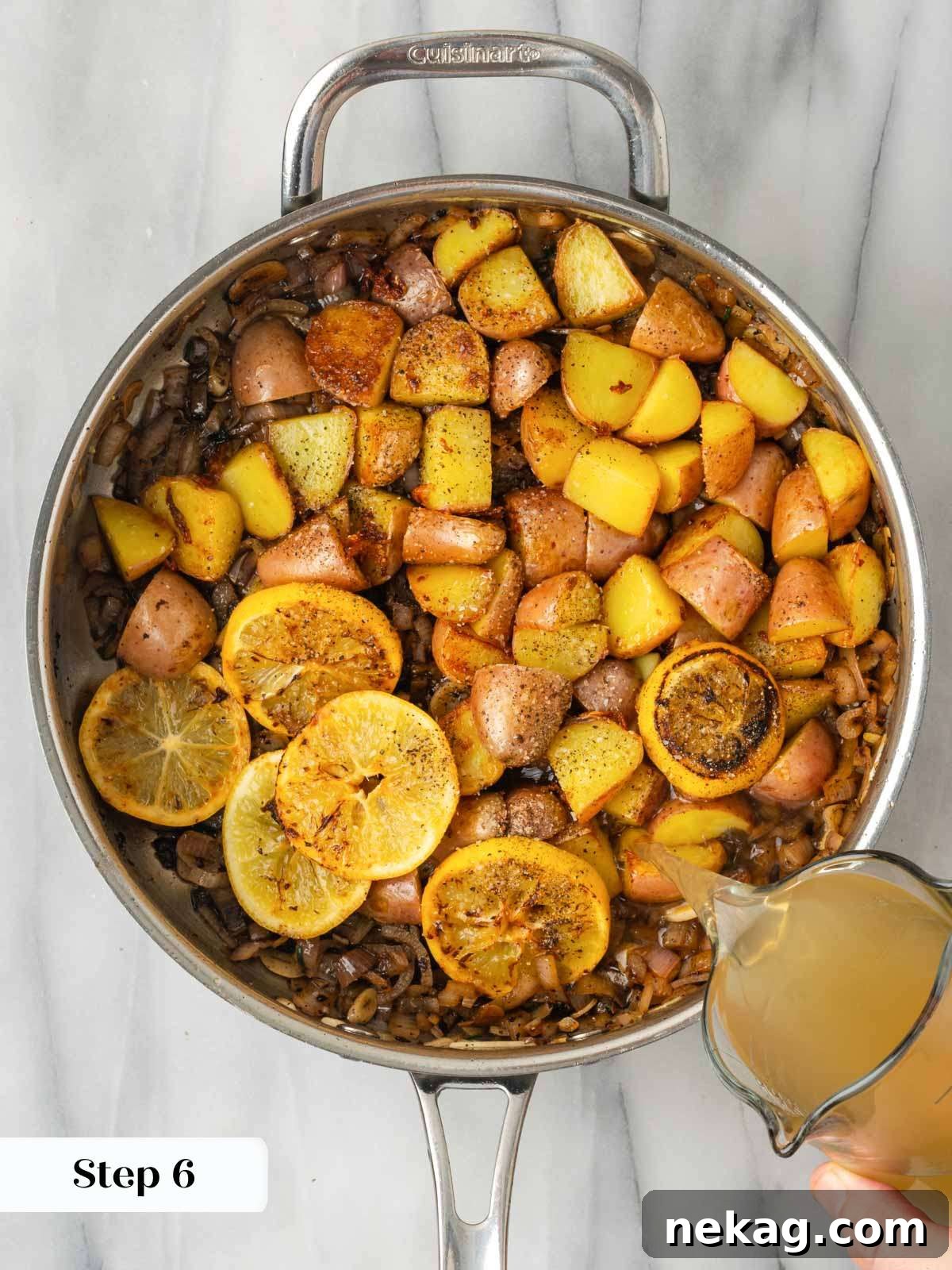
Troubleshooting Tip: Potato cooking times can vary. On occasion, it might take longer than 10-12 minutes for the potatoes to become tender. If this happens, continue cooking, adding more chicken stock as needed. If you add a significant amount of extra liquid, you might find your sauce is already thick enough, negating the need for the cornstarch slurry.
Step 7: Final Touches and Serving
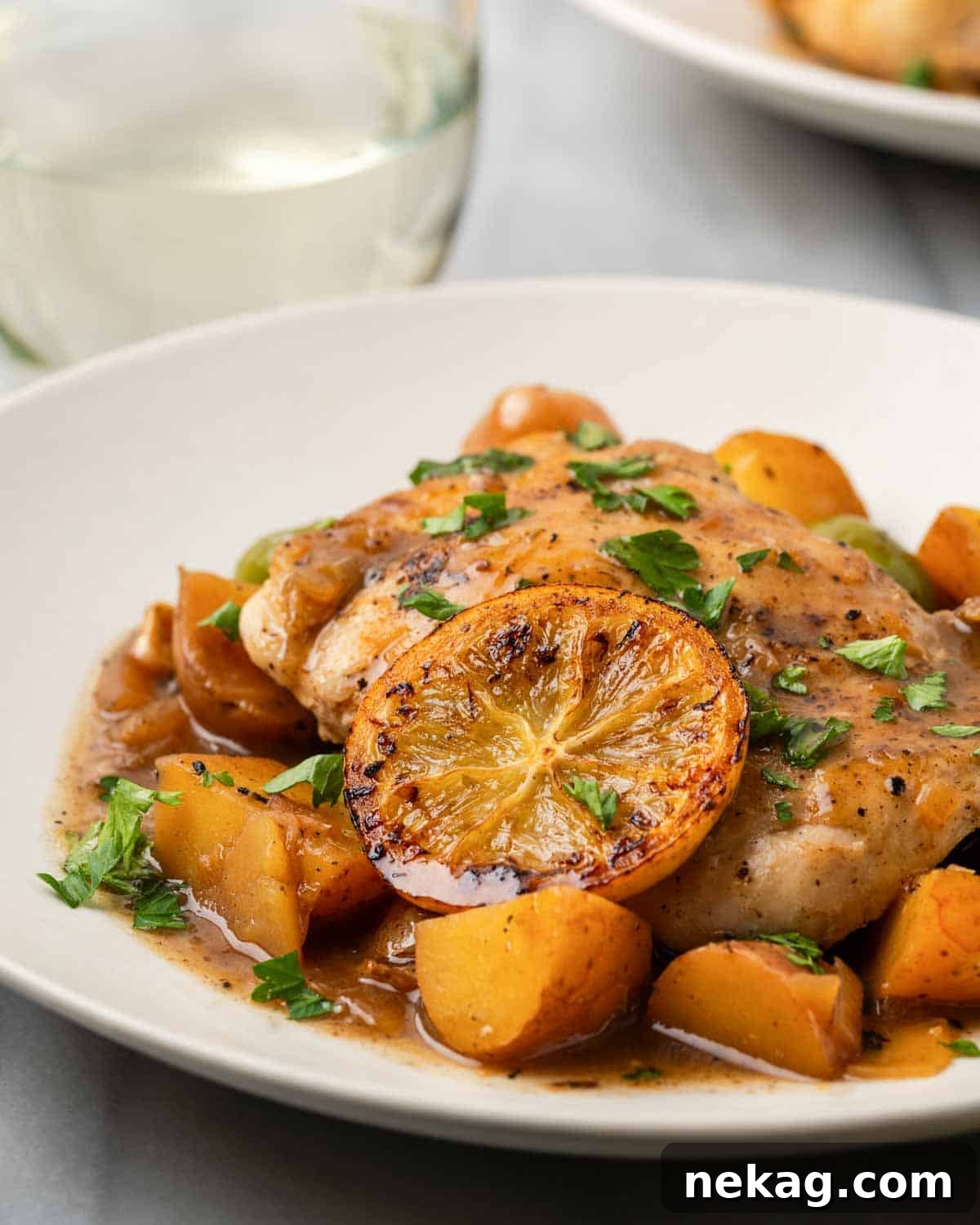
Remove the pan from the heat. Stir in the Meyer lemon juice (or regular lemon juice with sugar, if using) and the unsalted butter. Continue stirring gently until the butter has completely melted and is fully incorporated into the luscious sauce, making it glossy and rich. Return the cooked chicken pieces to the pan, nestling them among the potatoes and coating them generously with the warm lemon butter sauce. Finally, sprinkle the entire dish with a generous amount of fresh parsley leaves. Serve immediately and savor every delicious bite!
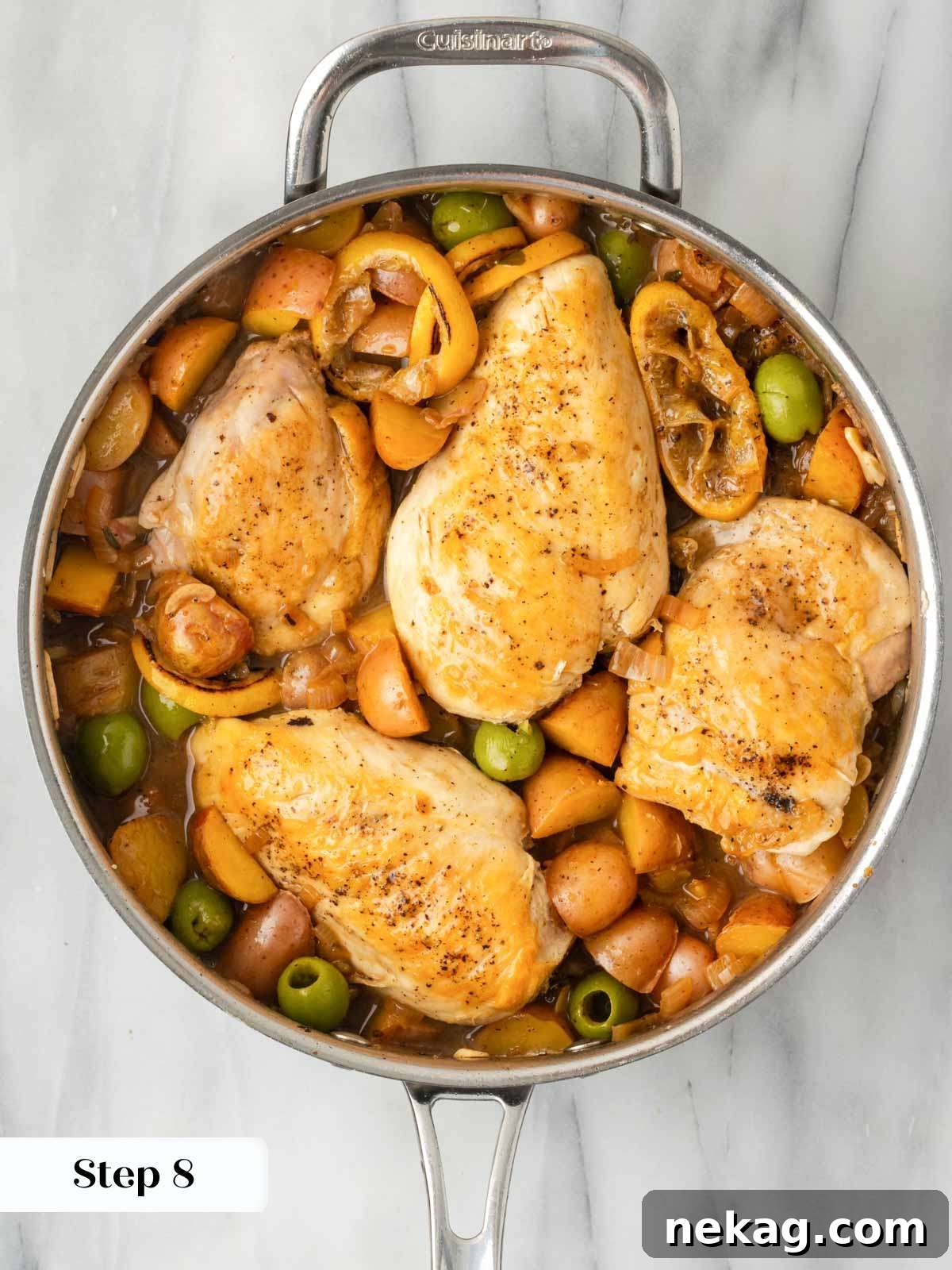
Herb Tip: To ensure the best taste and vibrant texture, always add delicate, soft herbs like fresh parsley at the very end of your cooking process. This preserves their freshness and bright color.
Chef Lindsey’s Secret to Flavor: Unlocking the Power of Fond
Ever noticed those delicious dark bits stuck to the bottom of your pan after browning chicken? That’s called fond, and it’s a treasure trove of concentrated flavor! When you deglaze a pan – adding a liquid like wine or stock to loosen these caramelized fragments – you’re essentially incorporating a deep, savory foundation into your sauce. This simple technique is a cornerstone of professional cooking and adds immense richness and complexity to your final dish, turning ordinary drippings into extraordinary flavor.
Frequently Asked Questions About Lemon Chicken
Leftover lemon butter chicken, along with its delightful potatoes and sauce, can be stored in an airtight container in the refrigerator for 3-4 days. For longer storage, you can freeze leftovers for up to 6 months. Ensure the dish cools completely before transferring it to a freezer-safe container, such as a gallon plastic bag or a rigid container. This helps maintain quality and prevents freezer burn.
For quick reheating, lemon chicken can be warmed in the microwave in 30-second intervals until it’s heated through. If you’re looking to revive some of that wonderful crispy chicken skin, transfer the reheated chicken thighs to a pan, skin-side down, and heat over medium heat for a few minutes until the skin crisps up again. For the entire dish, gentle reheating in a covered skillet on the stovetop or in the oven at 300°F (150°C) until warm is ideal.
Yes, you can prepare parts of the lemon chicken in advance. For the best results, I recommend cooking the chicken and potatoes separately, up to step 4 in the recipe instructions. Store the cooked chicken and potatoes in separate airtight containers in the fridge. When ready to serve, you can then quickly prepare the sauce fresh, and then combine all components, gently reheating the chicken and potatoes in the pan with the sauce. This method helps preserve the texture of the chicken, especially if you want to crisp the skin again.
Lemon, an acidic ingredient, plays a dual role in cooking chicken. Firstly, the acid helps to tenderize the meat by breaking down protein fibers, resulting in a more succulent texture. Secondly, lemon adds a bright, tangy flavor that cuts through the richness of the chicken and butter, creating a refreshing and balanced taste profile. It also enhances the flavors of other ingredients and can help to keep the chicken moist.
For this one-pan lemon chicken and potatoes recipe, a heavy-bottomed, oven-safe skillet is ideal. Cast iron skillets are excellent choices as they retain heat beautifully and create a fantastic sear on both the chicken and potatoes. If you don’t have cast iron, a good quality stainless steel oven-safe pan will also work perfectly.
If you tried this recipe and loved it, please leave a 🌟 star rating and let me know how it goes in the comments below. I love hearing from you; your comments make my day!
Lemon Chicken
Chef Lindsey
30 minutes
30 minutes
1 hour
4 people
Comment
Print Recipe
Ingredients
- 2 chicken breasts (bone-in or boneless, with skin for best flavor)
- 2 chicken thighs (bone-in or boneless, with skin for best flavor)
- 1 teaspoon kosher salt (divided)
- ¾ teaspoon black pepper (divided)
- cooking spray (or canola oil)
- 2 tablespoons olive oil (divided)
- 1 pound small red potatoes (quartered)
- 1 Meyer lemon (cut into ¼-inch-thick slices and seeded)
- 1 cup shallots (chopped)
- 4 garlic cloves (thinly sliced or diced)
- ½ cup dry white wine
- ½ teaspoon thyme leaves (fresh or dried)
- 1 cup unsalted chicken stock
- 1 teaspoon cornstarch (or arrowroot powder)
- 2 oz Castelvetrano olives (pitted, optional)
- 2 tablespoons Meyer lemon juice
- 1 teaspoon sugar (if using regular lemons)
- 2 tablespoons unsalted butter
- 1 tablespoon fresh parsley leaves (chopped, for garnish)
Instructions
-
Preheat oven to 400°F (200°C).
-
Rub ½ teaspoon fresh cracked pepper and ½ teaspoon salt onto both sides of chicken. Add a small amount of canola oil or cooking spray to an oven-safe pan and heat over medium-high heat until just smoking. Add chicken pieces to the pan, skin side down; cook for 6 minutes or until the skin is crisp and golden brown. Turn chicken over. Place the pan in the oven. Bake at 400°F (200°C) for 12-15 minutes or until an instant-read thermometer inserted in the thickest portion of chicken reads 165°F (74°C).
-
Remove cooked chicken from pan; loosely tent with foil to keep warm. Discard pan drippings but do not wipe out the pan. Add 1 tablespoon of olive oil to the pan, then add potatoes and sprinkle with ¼ teaspoon salt. Cook potatoes over medium heat for 3 minutes on each side or until browned. Remove potatoes from the pan. Add lemon slices to pan; cook 1 minute on each side or until browned. Remove lemon from pan. Add remaining 1 tablespoon olive oil, then add shallots and garlic; sauté for 2 minutes, stirring so the garlic doesn’t burn. Add wine and chopped fresh thyme; cook 1 minute or until liquid almost evaporates, scraping the pan to loosen browned bits.
-
Return potatoes and lemon slices to the pan. Add 2/3 cup chicken stock, remaining ¼ teaspoon salt, and remaining ¼ teaspoon pepper; cover and cook for 10-12 minutes until potatoes are tender. Combine the remaining 1/3 cup chicken stock and cornstarch, stirring with a whisk to create a slurry. Add cornstarch mixture and olives (if you choose) to the pan; bring to a boil. Cook for 1 minute, stirring occasionally, until the sauce thickens.
-
Stir in lemon juice, sugar (if using), and butter, stirring until butter melts and sauce is glossy. Add the chicken back to the pan, coating the chicken with the sauce. Sprinkle with fresh parsley. Enjoy immediately!
Notes
Flavor Tips – The dark bits that get stuck to the bottom of the pan when you are browning chicken are called fond. When you deglaze a pan, or add a liquid to loosen these bits and incorporate them into a sauce, you add lots of delicious, deep flavor to your final dish!
Variations – Marinade: For more lemon flavor, you can use a lemon chicken marinade of olive oil, lemon juice, garlic, and fresh herbs. Be sure to pat the chicken dry before browning.
Storage – Leftover lemon butter chicken can be stored in an airtight container in the fridge for 3-4 days. You can freeze leftovers for up to 6 months in a freezer-safe container.
Nutrition
Carbohydrates: 35g |
Protein: 39g |
Fat: 28g |
Saturated Fat: 8g |
Polyunsaturated Fat: 4g |
Monounsaturated Fat: 13g |
Trans Fat: 1g |
Cholesterol: 145mg |
Sodium: 1138mg |
Potassium: 1366mg |
Fiber: 5g |
Sugar: 9g |
Vitamin A: 335IU |
Vitamin C: 20mg |
Calcium: 66mg |
Iron: 3mg
Dinner
American
566
Discover More Chicken Recipes
We hope you thoroughly enjoyed this professional chef-tested recipe for easy lemon chicken and potatoes. It’s a testament to how simple ingredients and techniques can yield extraordinary flavor. Don’t stop here! Explore our wide array of other delicious, chef-developed chicken recipes to inspire your next culinary adventure. From quick weeknight meals to impressive dishes for entertaining, we have a chicken recipe to suit every occasion and taste.