
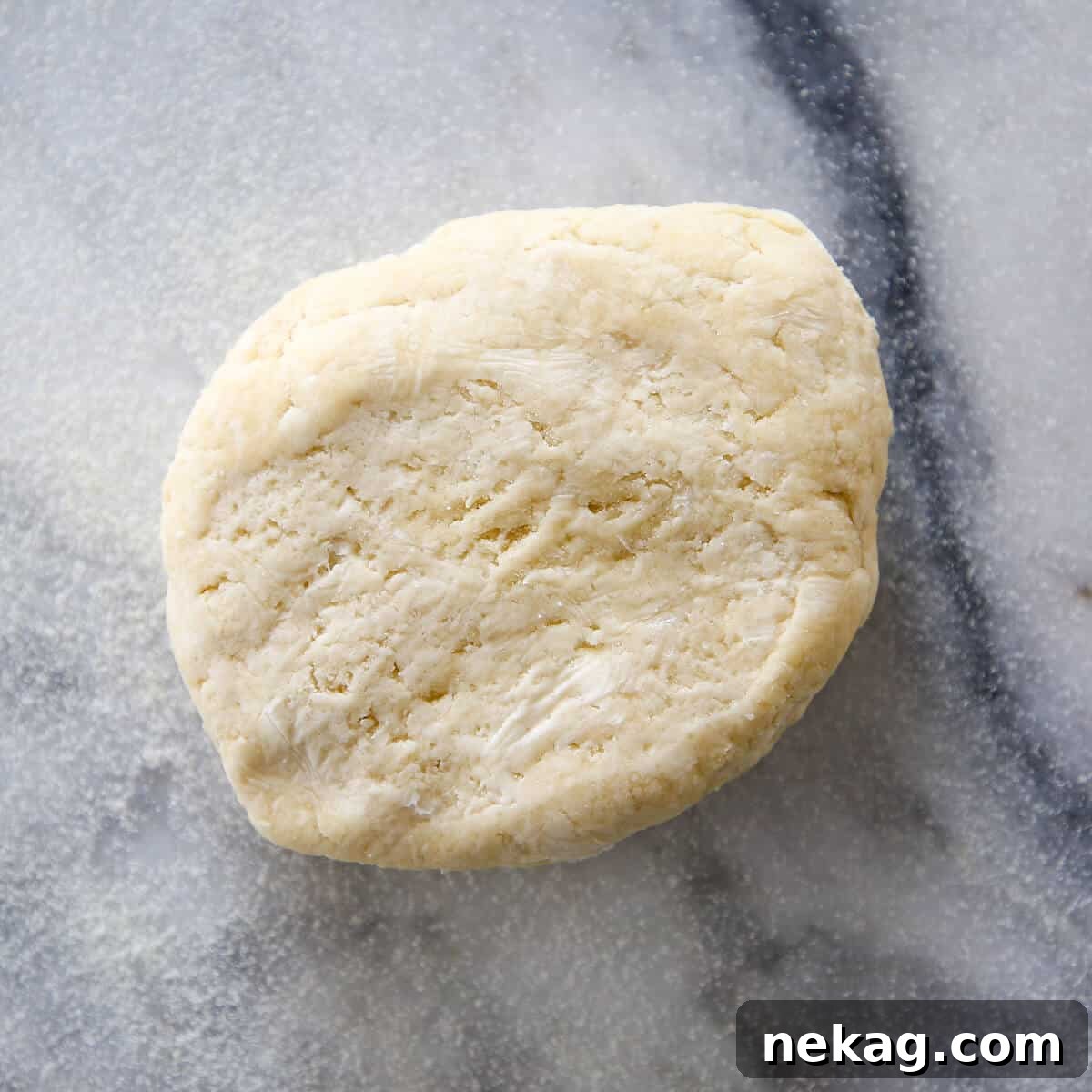
Welcome to the ultimate guide for creating the most exquisite Semolina Tart Crust. This isn’t just any crust; it’s a culinary revelation that promises a flakey, buttery, and incredibly tender foundation for all your sweet and savory creations. If you’re looking to elevate your tarts, galettes, and pies, this unique semolina-infused dough is precisely what you need to transform your baking from ordinary to extraordinary.
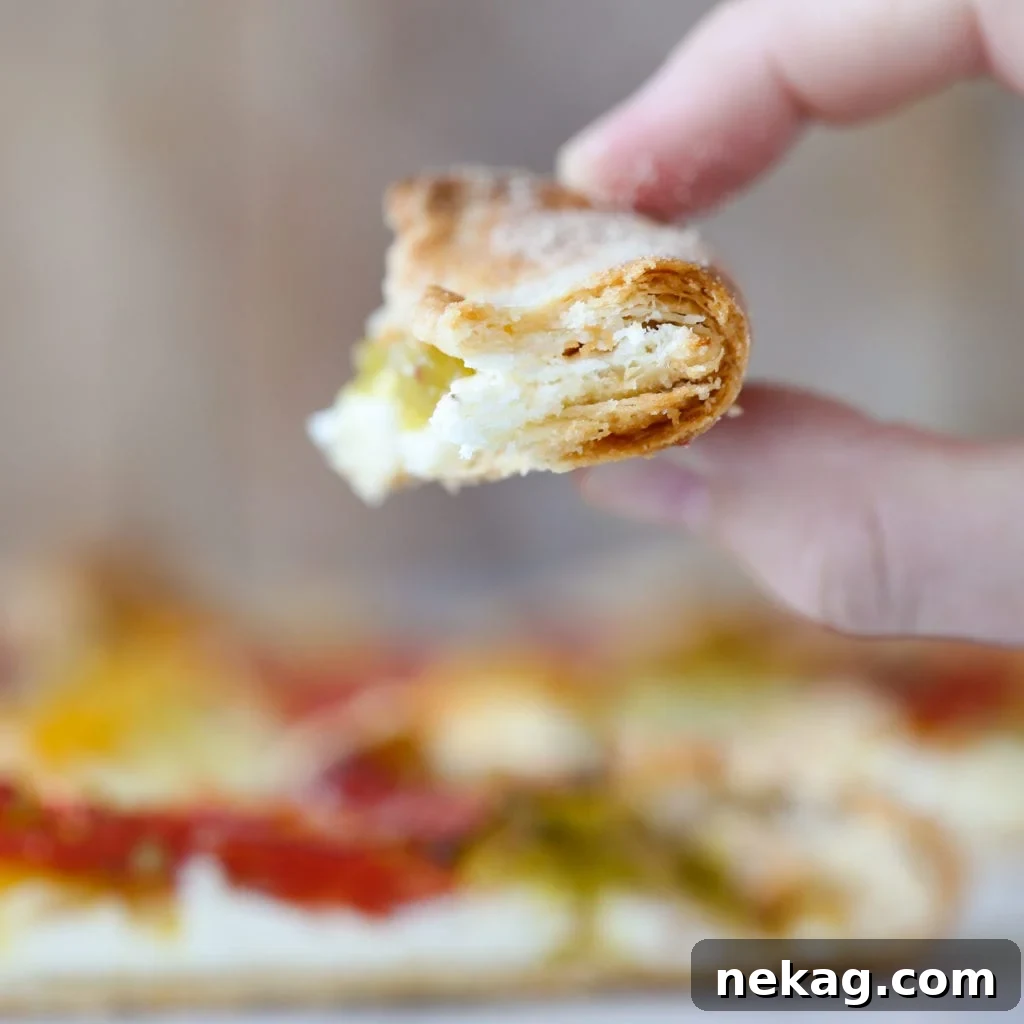
My journey with semolina began as a professional chef, developing menus for new Italian restaurants in the bustling Meatpacking District of NYC. It deepened during my time helping Chef Marc open Peasant, and ever since, this remarkable ingredient has held an undeniable sway over my culinary imagination. While some brilliant minds might be pondering the next tech innovation, my internal monologue consistently echoes with one irresistible question: “But what if you added… SEMOLINA!”
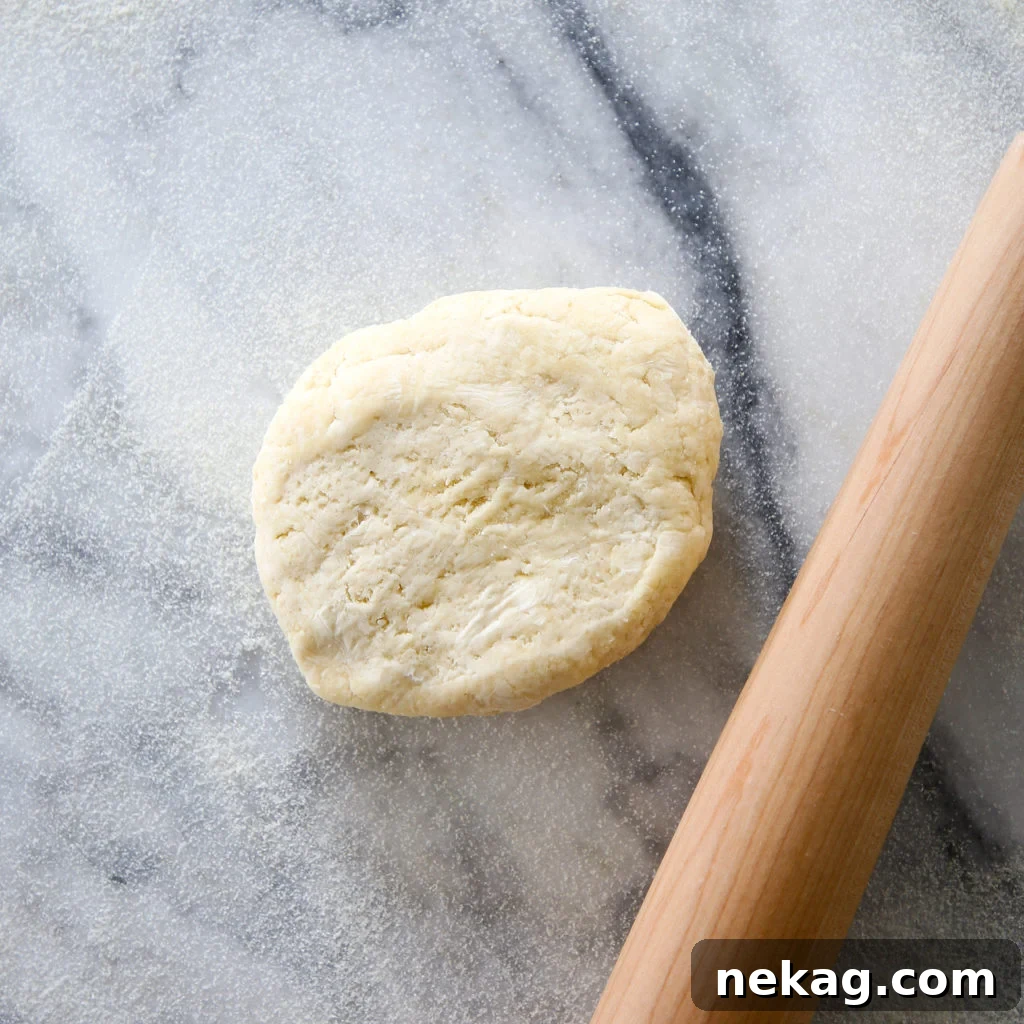
Initially, I might brush the thought aside, but I inevitably succumb to its allure, always remembering why I’m so enamored. Semolina offers an unparalleled textural depth, imparts a subtle richness without relying solely on fat, and contributes a savory “je ne sais quoi” that is simply captivating. Its versatility is astounding; it truly complements everything. I challenge you to find an ingredient that doesn’t harmonize beautifully with semolina – it’s a chef’s secret weapon for a reason!
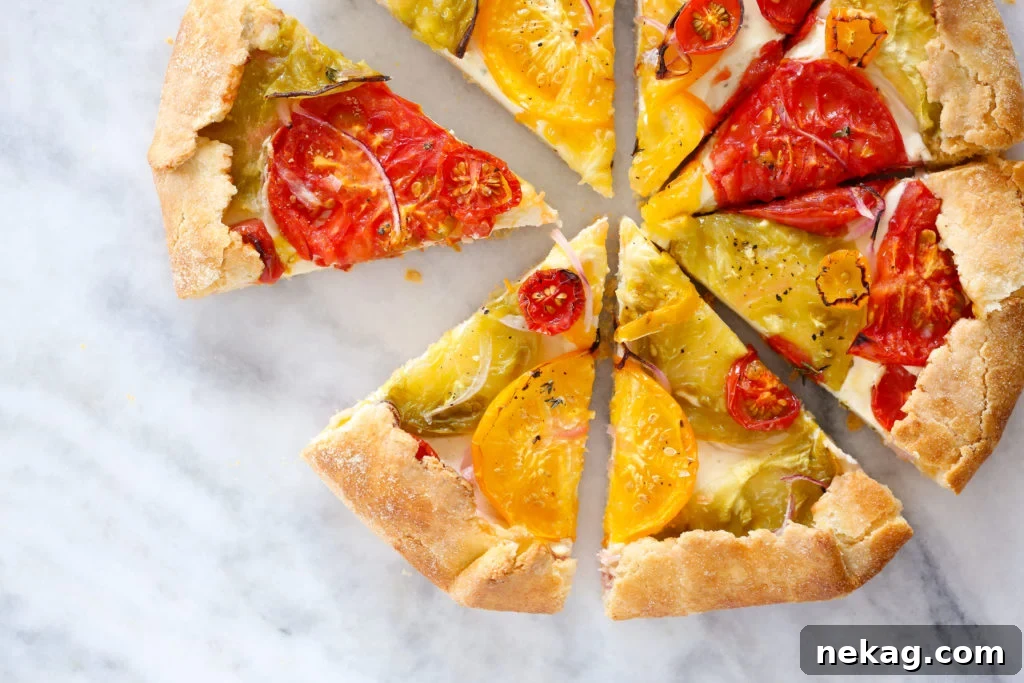
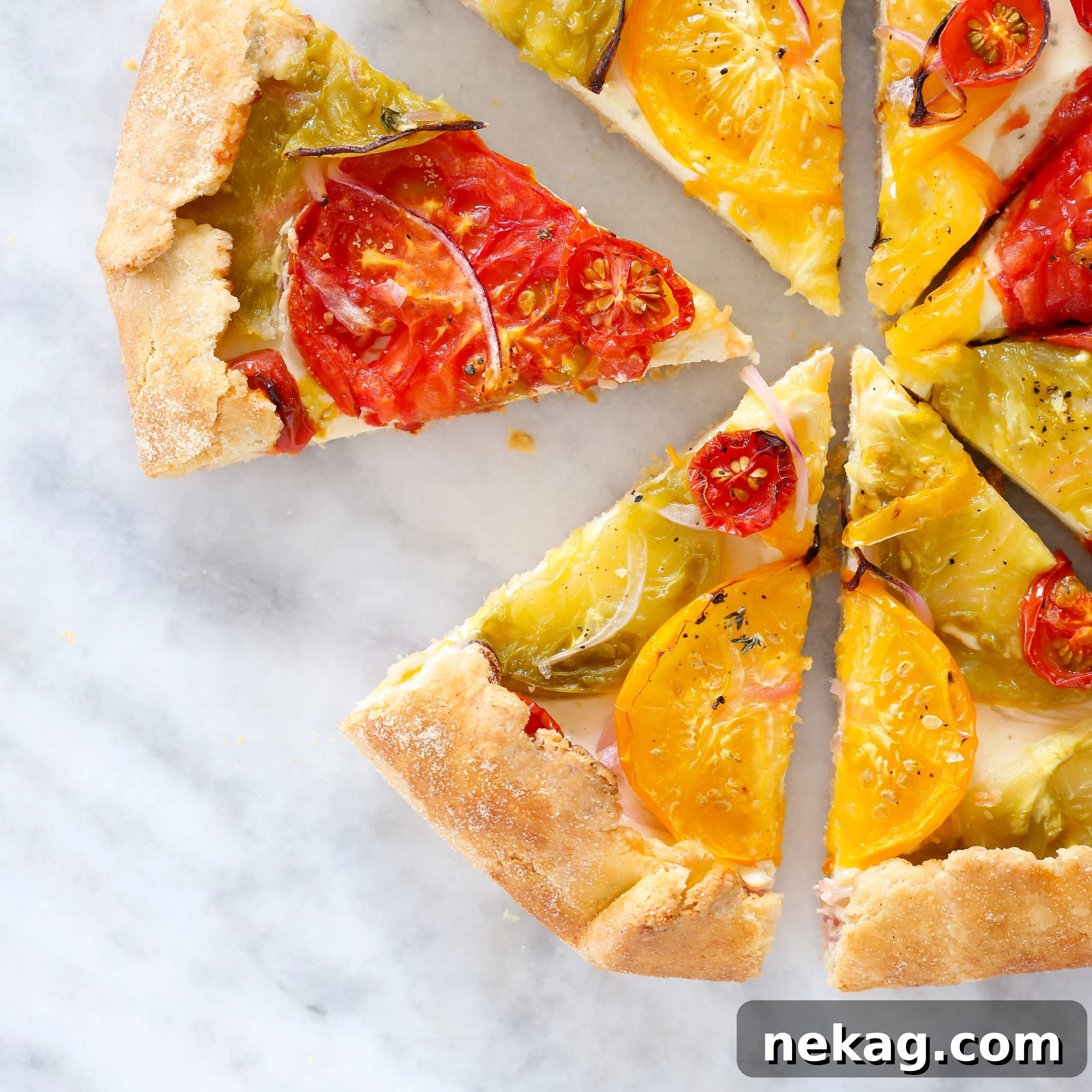
Most recently, this semolina inspiration led me to create this sensational semolina tart crust for a Tomato Goat Cheese Galette, and I was instantly re-smitten. This crust is robust enough to support even the most generous of fillings, yet it remains wonderfully tender and exquisitely flaky. It boasts a distinct buttery flavor without any greasiness, and its textural profile is simply beyond compare. This isn’t just a crust; it’s an experience.
Despite its gourmet qualities, this semolina tart crust is remarkably easy to prepare. While I typically use a food processor for efficiency, you can certainly adapt any of my 5 Methods for Pie Dough to achieve similarly fantastic results. The key is understanding the unique properties of semolina and how it interacts with other flours to create this masterpiece.
Unveiling the Secrets of the Semolina Tart Crust
I understand that not everyone has the luxury of delving into lengthy culinary essays, so let’s cut to the chase and highlight what makes this semolina tart crust truly special. Understanding these components is crucial for achieving that perfect balance of structure and tenderness that defines this recipe.
The Role of Semolina Flour
Semolina flour is derived from durum wheat, but it’s typically more coarsely ground than standard all-purpose flour. Its texture is akin to coarse cornmeal, or fine sand between your fingertips. In this crust, semolina flour contributes significantly to its distinctive texture. While it doesn’t hydrate in the same way as regular flour, it adds a delightful subtle grittiness and an underlying richness that sets this crust apart from traditional pastry doughs. Don’t confuse it with fine durum flour; they serve different purposes. If you don’t have semolina flour, coarse cornmeal can be a suitable substitute for its textural contribution, though the flavor profile will differ slightly.
The Impact of Durum Flour
Durum flour is essentially a finely ground version of semolina. It contains a higher protein content and therefore more gluten than typical bread flour, giving it the potential to create a wonderful chewiness in items like bagels. However, for a tender tart crust, we must exercise caution. Over-hydrating or overworking the dough with durum flour can lead to an overly strong gluten network, resulting in a tough dough that shrinks considerably during baking. Here, we incorporate durum flour primarily for its unique, nutty flavor, not for its gluten-developing properties. If durum flour is unavailable, feel free to substitute with an equal amount of all-purpose flour. The crust will still be delicious, though it might lack that subtle, authentic flavor nuance that durum provides.
At Its Heart, It’s a Pâte Brisée
Ultimately, this semolina creation is a variation of a classic pâte brisée, or shortcrust pastry. This means that careful handling is paramount to success. Our goal is to develop just enough gluten to provide structure and prevent the dough from falling apart, but not so much that it becomes tough or elastic. A gentle hand, patience, and attention to detail will help you avoid common pitfalls associated with pastry dough. For those eager to deepen their knowledge, my comprehensive post on all-butter pie crust provides an extensive dive into the nuances of working with pâte brisée, offering valuable insights that apply beautifully to this semolina version.
The Perfect Balance of Structure for Moist Fillings
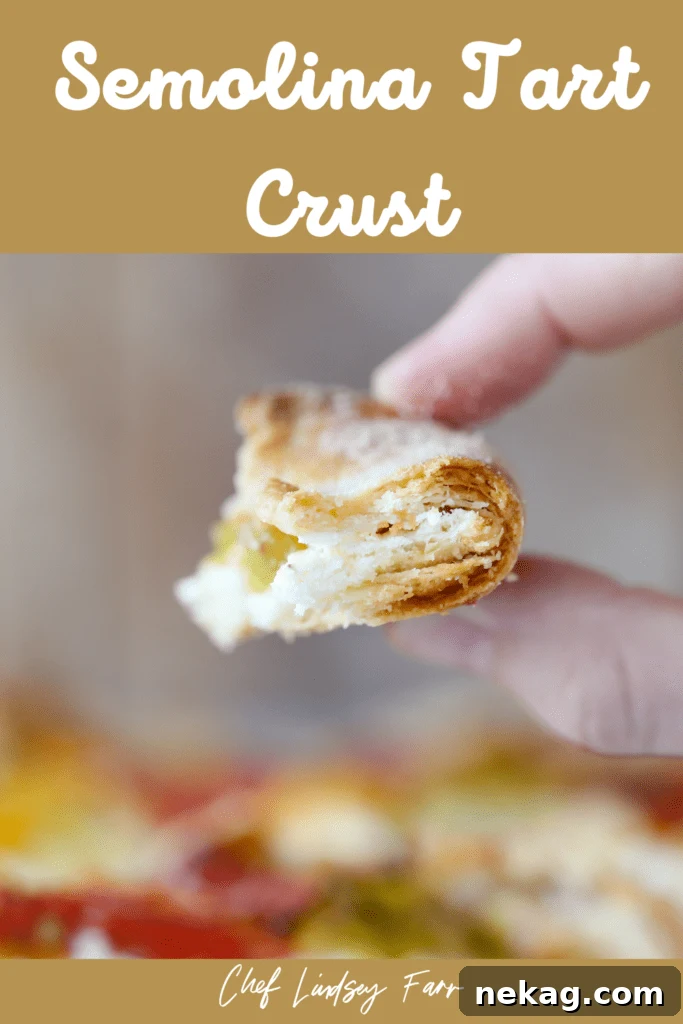
Speaking of gluten, the deliberate, incremental amount contributed by the durum flour in this recipe is precisely what makes this dough ideal for galettes and tarts with moist fillings. Not all tart doughs are created equal. This particular formulation stands up robustly to juicy fruits or creamy savory mixtures, allowing you to confidently lift your baked creation directly from the baking sheet without fear of it collapsing. Despite its sturdy nature, rest assured, it retains all the desirable flakiness and tenderness you expect from a premium tart crust.
What to Fill Your Semolina Tart Crust With
Now that you’ve mastered the art of making this incredible semolina tart crust, the exciting part begins: choosing your filling! The possibilities are virtually endless, ranging from classic fruit pies to innovative savory tarts. This versatile crust is designed to complement a wide array of flavors and textures.
For a taste of summer, may I suggest this delightful old-fashioned peach pie or a vibrant cherry galette with almond buttermilk? The semolina crust adds a wonderful counterpoint to the sweetness of the fruit. If you’re leaning towards something more comforting and traditional, a rich sweet potato pie would be absolutely divine. For those who adore a bit of indulgence, consider a decadent cherry almond tart or even these adorable mini salted chocolate tartelettes. Imagine the crispy, tender semolina crust cradling a luscious chocolate filling – simply irresistible!
Beyond sweet options, this crust shines equally brightly with savory fillings. The tomato goat cheese galette that inspired this recipe is a perfect example, but don’t stop there. Consider quiches brimming with seasonal vegetables and cheese, hearty meat pies, or elegant mushroom tarts. The slight nuttiness and textural integrity of the semolina enhance both sweet and savory profiles, making the world of tarts, pies, and galettes truly yours for the taking. Experiment, create, and savor every bite!
Semolina Tart Crust
Pin Recipe
Comment
Print Recipe
Ingredients
- 100 g All-purpose flour
- 25 g Durum Flour
- 25 g Semolina flour
- ¼ teaspoon Kosher Salt
- ½ teaspoon Sugar
- 70 g Butter
- ½ cup Ice Cold Water
- Semolina for rolling
Instructions
-
In the base of a food processor, combine the all-purpose flour, durum flour, semolina flour, kosher salt, and sugar. Pulse several times until all the dry ingredients are thoroughly combined.
-
Add the cold, cubed butter to the flour mixture. Pulse the food processor in short bursts until most of the butter has coated the flour, creating a slightly darker, crumbly appearance. Ensure that the largest remaining pieces of butter are no bigger than small peas. When using a food processor, it’s advisable to stop this “cut-in” process a little earlier than you might think, as the dough will continue to be pulsed as water is added.
-
With the food processor running, slowly pour the ice-cold water through the feeder tube, adding 1-2 tablespoons at a time. After adding about ¼ cup of water, stop and check the dough’s consistency by squeezing a small handful. It should just begin to hold together. Continue adding water gradually, pulsing between additions, until the dough comes together when squeezed. It will most likely take approximately ½ cup of water, but always adjust as needed, as humidity and flour absorption can vary.
-
It’s crucial not to allow the dough to form a single, cohesive ball in the food processor. The mixture should still appear somewhat crumbly, but feel noticeably moist and hold its shape when pressed together firmly. This ensures a tender, flaky crust rather than a tough one.
-
Carefully dump the crumbly dough mixture out onto a clean counter surface. Gently work the dough together by gathering it and pressing it away from you with the heel of your hand, just until it barely comes together into a cohesive mass. If you notice it’s crumbling excessively, lightly dip your hand in a small amount of ice water and pat it onto the pastry dough to add a touch more moisture without overworking. Remember, minimal handling is key to preventing excessive gluten development.
-
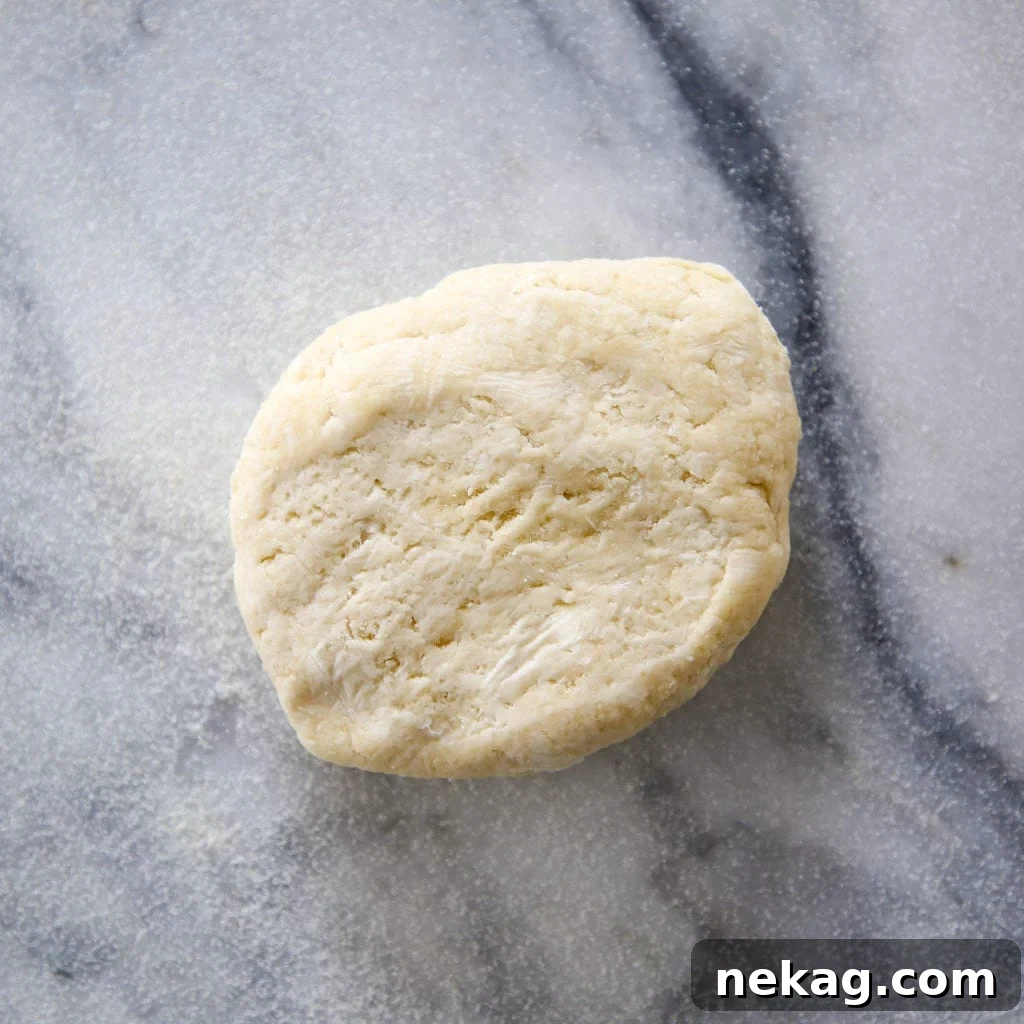
Once the dough is just cohesive, gently press it into a flattened disk shape. Wrap the disk tightly in plastic wrap and chill it in the refrigerator for at least 2 hours, or ideally, overnight. Chilling allows the gluten to relax and the butter to firm up, both vital for a tender, flaky crust. If you chill the dough overnight, allow it to rest at room temperature for about 15-20 minutes before rolling, as it will be too cold and prone to cracking immediately after removal from the fridge. This dough also freezes beautifully for up to 3 months; simply thaw it in the refrigerator before use.
Notes
Nutrition
Tips for Success and Troubleshooting Your Semolina Tart Crust
Creating the perfect semolina tart crust is a rewarding experience, and with a few key tips, you can ensure success every time. Pastry making can sometimes feel daunting, but understanding the nuances of your ingredients and technique will make all the difference.
The Importance of Cold Ingredients
Always start with very cold butter and ice-cold water. Cold ingredients are paramount for a flaky crust. When butter is cold, it remains in small, distinct pieces throughout the dough. As the crust bakes, these tiny pockets of butter melt, releasing steam and creating those wonderful layers that define a flaky pastry. If your butter is too warm, it will incorporate too thoroughly into the flour, resulting in a tough, dense crust.
Don’t Overwork the Dough
This is perhaps the most crucial rule for any pastry dough, and especially for one containing durum flour. Overworking the dough develops the gluten too much, leading to a tough, elastic crust that is difficult to roll out and prone to shrinking in the oven. Mix only until the ingredients are just combined and the dough barely holds together. The small amount of gentle kneading on the counter should be minimal, just enough to bring the crumbs into a cohesive disk.
Chilling is Non-Negotiable
The chilling period serves multiple vital functions. Firstly, it allows the gluten in the flour to relax, making the dough much easier to roll without excessive shrinking. Secondly, it gives the butter a chance to firm up again, ensuring that those crucial pockets of fat remain intact for flakiness. Thirdly, it allows the flours, especially the semolina, to fully hydrate, developing deeper flavors and a more even texture. Don’t rush this step!
Rolling Techniques for a Flawless Crust
When rolling out your chilled semolina tart dough, work on a lightly floured surface dusted with a little extra semolina for an added textural layer and non-stick property. Roll from the center outwards, rotating the dough frequently to prevent sticking and ensure even thickness. If the dough starts to crack around the edges, it might be too cold; let it sit at room temperature for a few more minutes. If it becomes too sticky, return it to the fridge for 10-15 minutes to firm up again. Aim for an even thickness, typically about ⅛ inch, for optimal baking.
Storing and Freezing Your Semolina Tart Dough
This semolina tart crust recipe is perfect for making ahead, saving you precious time when you’re ready to bake. Proper storage ensures your dough remains fresh and ready to use, whether you plan to bake tomorrow or next month.
Refrigeration
After forming your dough into a disk and wrapping it tightly in plastic wrap, it can be stored in the refrigerator for up to 2-3 days. The flavor actually benefits from this brief resting period, as the flours fully hydrate and the flavors meld. Just remember to let it soften slightly at room temperature before rolling if it’s been chilled for an extended period.
Freezing for Future Use
For longer storage, this dough freezes exceptionally well. Wrap the disk securely in at least two layers of plastic wrap, then place it in a freezer-safe bag or an airtight container. Label it with the date. Frozen dough can be kept for up to 3 months without compromising quality. When you’re ready to use it, transfer the frozen dough to the refrigerator and let it thaw overnight. Once thawed, proceed with rolling and baking as usual, allowing it to come to room temperature for about 20-30 minutes before working with it.
Frequently Asked Questions About Semolina Tart Crust
Here are answers to some common questions you might have about making and using this unique semolina tart crust.
Can I make this crust gluten-free?
Unfortunately, no. Semolina, durum flour, and all-purpose flour all contain gluten. While there are excellent gluten-free tart crust recipes available, this particular recipe relies on the specific gluten structure and textural properties of these flours, especially semolina, which is not easily replicated with gluten-free alternatives.
What if I don’t have a food processor?
You can absolutely make this dough by hand! Simply cut the cold butter into the flours, salt, and sugar using a pastry blender, two knives, or your fingertips until the mixture resembles coarse meal with pea-sized butter chunks. Then, gradually add the ice water, mixing with a fork or your hands until the dough just comes together. Be careful not to overmix.
Can I use fine semolina instead of coarse?
If you only have fine semolina, you can use it, but be aware that the textural contribution will be less pronounced. The crust will still have a lovely flavor and good structure, but it might not have the same subtle “grittiness” that coarse semolina provides. Avoid using very fine durum flour interchangeably with coarse semolina, as their gluten content and hydration needs differ.
Do I need to blind bake this crust?
Whether or not you need to blind bake depends on your filling. For very wet fillings (like quiches or fruit pies that release a lot of liquid), blind baking (partially or fully baking the crust before adding the filling) is recommended to prevent a soggy bottom. For drier fillings or galettes where the filling is exposed, it may not be necessary. Always consult your specific tart or pie recipe for guidance on blind baking.
Conclusion: Embrace the Semolina Difference
This Semolina Tart Crust is more than just a recipe; it’s an invitation to explore new dimensions of flavor and texture in your baking. Its delicate flakiness, rich buttery notes, and robust structure make it an unparalleled choice for everything from rustic galettes to elegant tarts. By incorporating semolina and durum flours, we’ve created a dough that offers both culinary sophistication and incredible versatility.
So, go ahead and indulge in your own semolina obsession. Whether you’re a seasoned baker or just starting your pastry journey, this recipe promises a delightful experience and results that will impress. Prepare to fall in love with a crust that truly stands out, offering a tender bite and a savory depth that elevates every filling it holds. Happy baking!