
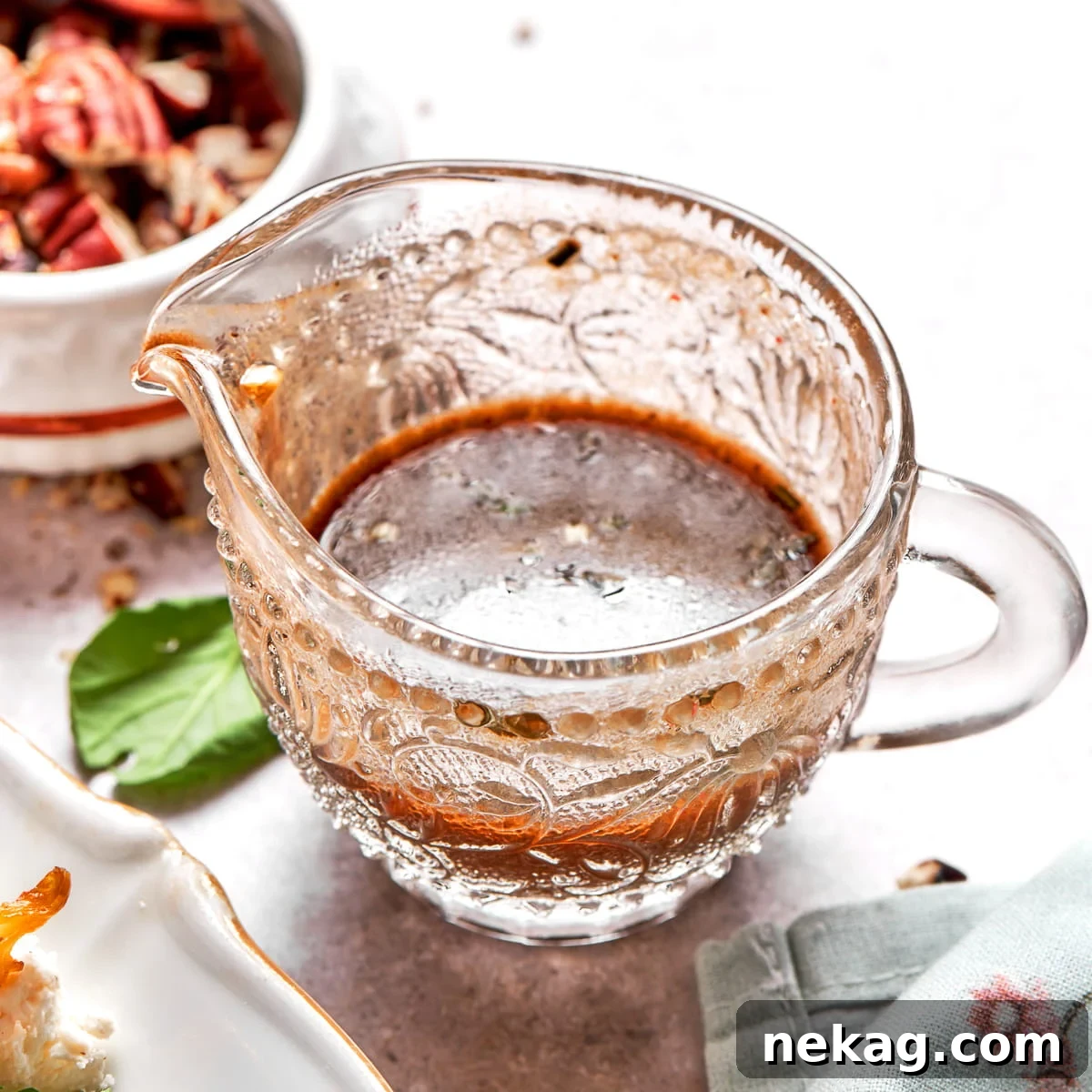
Lemon Balsamic Vinaigrette: Your Go-To Guide for Bright, Flavorful Dressings
Elevate your everyday meals with a homemade Lemon Balsamic Vinaigrette that’s vibrant, perfectly balanced, and incredibly simple to prepare. In just 5 minutes, you can whisk up a silky, fresh dressing that brings a sophisticated depth to even the most humble greens. Forget store-bought options filled with unwanted additives; this recipe focuses on pure, fresh ingredients for a taste that truly shines. It’s not just a dressing; it’s a flavor enhancer that makes every dish feel thoughtfully prepared and completely satisfying.
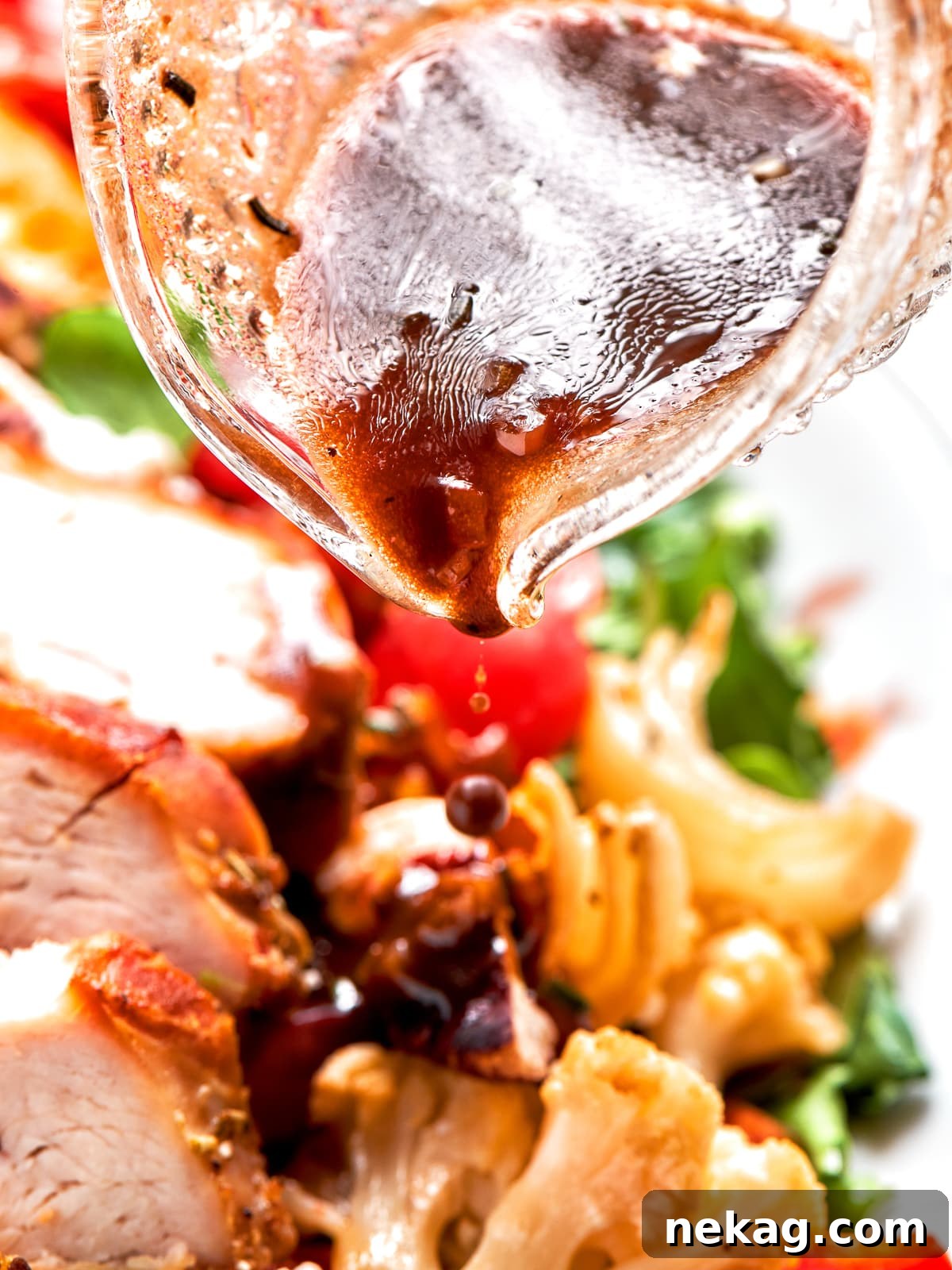

A Quick Look At This Delicious Vinaigrette
This is a brief summary of what makes this recipe a must-try. For complete details, including exact measurements and step-by-step photos, jump to the full recipe card below.
Jump to Recipe
Prep Time
5 minutes
Total Time
5 minutes
Servings
12 servings (approx. ¾ cup)
Difficulty
Easy
Calories *
50 kcal per serving
Technique
Simple whisking to emulsify, enhanced by a brief rest for optimal flavor integration.
Flavor Profile
Vibrantly tangy, refreshingly bright, subtly herbaceous with a hint of peppery warmth.
* Based on approximate nutrition panel calculations
Explore and save this content on your preferred platforms:
Google AI
Perplexity
Grok
I whisked this right in a measuring cup and the Dijon made it turn creamy-looking almost instantly. Letting it sit for 10 minutes before serving mellowed the sharpness and the rosemary note came through in the best way—perfect on kale and roasted vegetables. ⭐⭐⭐⭐⭐
Lauren
Why This Lemon Balsamic Vinaigrette Recipe Works So Well
This lemon balsamic vinaigrette isn’t just another dressing; it’s a testament to how simple ingredients, when combined thoughtfully, can create extraordinary flavor. Here’s why this recipe deserves a permanent spot in your culinary repertoire:
- Bright but Balanced Flavor Profile: The genius of this vinaigrette lies in its masterful balance. Lemon juice provides a vibrant, zesty lift that cuts through the richness of balsamic vinegar, preventing it from feeling heavy or overly sweet. This creates a refreshing, tangy flavor that complements a wide array of dishes without overpowering them. It’s the ideal synergy of sweet, sour, and savory.
- Naturally Emulsified for Smoothness: Achieving a perfectly smooth, cohesive dressing without a blender often feels like a challenge, but not with this recipe. Dijon mustard acts as a natural emulsifier, effortlessly binding the oil and vinegar together. This means you get a consistently creamy texture that clings beautifully to greens and vegetables, ensuring every bite is flavorful, rather than a separated mess.
- Big Flavor, Minimal Effort: We all seek maximum impact for minimal work in the kitchen, and this dressing delivers. The strategic inclusion of finely minced shallot and a pinch of fresh rosemary infuses the vinaigrette with complex, “done” flavors that taste like they took hours to develop, yet require almost no active prep time. These aromatic additions elevate the dressing from good to gourmet.
- Remarkable Versatility by Design: This isn’t a one-trick pony. While exceptional on classic mixed greens, its robust yet bright profile makes it incredibly adaptable. It’s fantastic for enhancing sturdy greens like kale or romaine, transforming grain bowls, drizzling over warm roasted vegetables, or even serving as a quick, flavorful marinade starter for chicken or fish. Its versatility means less time thinking about what dressing to use and more time enjoying delicious food.
Table of Contents
- Why This Recipe Works So Well
- A Kitchen Staple for Effortless Meals
- Key Ingredients & Thoughtful Substitutions
- Creative Variations for Your Lemon Balsamic Dressing
- Professional Tips for Perfect Vinaigrette Every Time
- How to Make Lemon Balsamic Vinaigrette: Step-by-Step
- Chef Lindsey’s Expert Whisking Tip
- Lemon Balsamic Vinaigrette FAQs
- Beyond the Salad Bowl: Creative Serving Suggestions
- More Recommended Dressing Recipes
- The Complete Lemon Balsamic Vinaigrette Recipe Card
- Before You Go: Your Culinary Journey Continues
A Kitchen Staple for Effortless Meals
This Lemon Balsamic Vinaigrette quickly becomes one of those indispensable dressings you’ll want to keep stocked in your refrigerator. It’s designed to transform everyday salads into intentional, flavorful meals, even on the busiest weekdays. Its robust character makes it exceptionally well-suited for hearty greens like kale, cabbage, or crunchy romaine, standing up to their texture beautifully. But its magic doesn’t stop there. It’s equally phenomenal when tossed with anything roasted—think sweet potatoes caramelized to perfection, tender cauliflower florets, or crispy Brussels sprouts. The balsamic depth harmonizes wonderfully with the browned, earthy notes of roasted vegetables, making it a star ingredient in dishes like a warm roasted vegetable salad.
If you’re a connoisseur of bright, zesty vinaigrettes, you’ll also adore exploring other options to diversify your flavor palette. For a lighter, more delicate alternative that still packs a punch of freshness, be sure to check out my champagne vinaigrette recipe.
Key Ingredients & Thoughtful Substitutions
Crafting the perfect Lemon Balsamic Vinaigrette starts with selecting quality ingredients. Each component plays a crucial role in achieving its signature bright, balanced, and savory flavor. Here’s a closer look at what you’ll need and how to make smart substitutions if necessary:
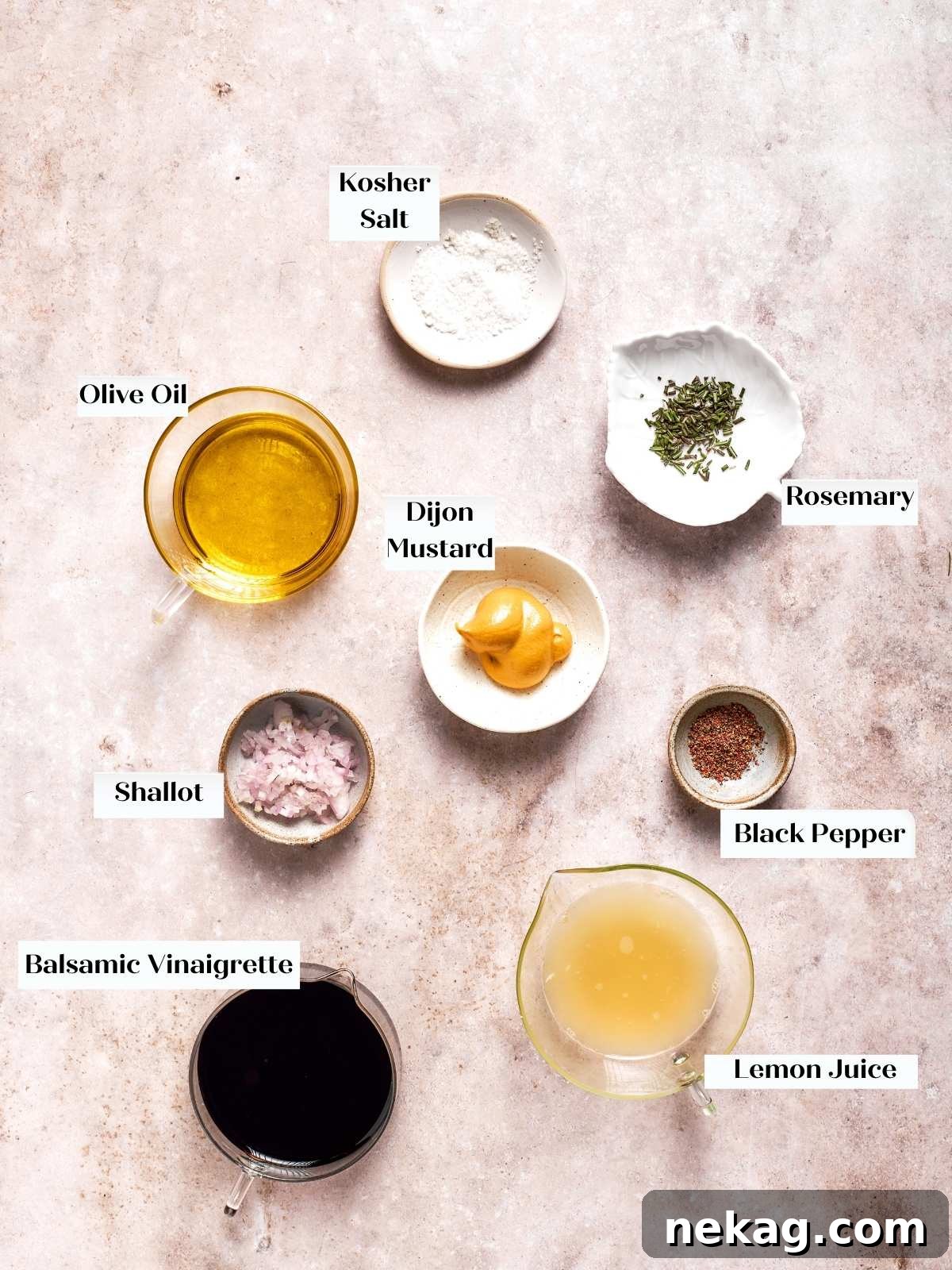
- Balsamic Vinegar: This is the backbone of your vinaigrette, offering a delightful blend of tanginess, subtle sweetness, and rich, dark-fruity notes. The quality of your balsamic can significantly impact the final taste. Opt for a good quality balsamic for the best results, though even a standard pantry staple will yield a delicious dressing. If your balsamic is particularly strong or already heavily seasoned, start with a slightly smaller amount of salt and adjust to taste at the very end. For a sweeter balsamic, you might reduce the lemon juice slightly or add an extra pinch of salt to balance.
- Extra Virgin Olive Oil: As a major flavor component, the olive oil you choose matters. Use an extra virgin olive oil that you genuinely enjoy the taste of. Its inherent fruity notes beautifully carry and complement the tangy and herbaceous flavors of the vinaigrette. A high-quality EVOO will lend a smooth, luxurious texture and a rich flavor depth. Avoid bland or overly bitter oils, as they can detract from the overall profile.
- Minced Shallot: Shallots are essential for adding a gentle, aromatic bite without the harsh pungency often associated with raw onion. They provide a subtle sweetness and a delicate oniony flavor that melds seamlessly with the other ingredients. For the best result, mince the shallot as finely as possible to ensure it disperses evenly throughout the dressing. If you don’t have shallots, a very small amount of finely minced red onion (rinsed under cold water to reduce sharpness) can be used, but start with less.
- Dijon Mustard: More than just a flavor enhancer, Dijon mustard is your secret weapon for a perfectly emulsified dressing. Its natural properties help the oil and acids bind together smoothly and consistently, preventing separation. Beyond its emulsifying power, Dijon contributes a savory tang and a subtle spice that rounds out the vinaigrette’s profile. Whole grain Dijon can also be used for a slightly different texture and visual appeal.
- Fresh Lemon Juice: The fresh squeeze of lemon juice is what truly makes this vinaigrette bright and refreshing. It adds a crucial acidic counterpoint that prevents the balsamic from becoming too heavy, making the entire dressing feel lighter and more vibrant. Always use fresh lemon juice for the best flavor; bottled varieties often contain preservatives and lack the lively zest of fresh lemons.
- Fresh Rosemary (a pinch): A little fresh rosemary goes a long way in this recipe, infusing the dressing with a delicate, piney, and slightly floral herbaceous note. It’s important to keep it finely chopped so its flavor integrates well without overwhelming the dressing. If fresh rosemary isn’t available, a tiny pinch of dried rosemary can be used, but crush it between your fingers first to release its oils. Other fresh herbs like thyme or oregano could offer a different, yet equally delightful, aromatic touch.
- Kosher Salt & Freshly Ground Black Pepper: These foundational seasonings are critical for enhancing all the other flavors. Kosher salt provides a clean, precise salinity. Freshly ground black pepper adds a delightful aromatic warmth and subtle bite. Always season to taste, adjusting at the end for perfect balance.
Refer to the full recipe card below for exact quantities and detailed instructions.
Creative Variations for Your Lemon Balsamic Dressing
One of the beauties of homemade vinaigrette is its adaptability. This lemon balsamic dressing provides a fantastic base for endless customization. Don’t hesitate to experiment with these variations to tailor it to your taste or specific dishes:
- Make it Honey-Kissed: If you’re planning to serve the dressing with more bitter greens like arugula, endive, or radicchio, a touch of sweetness can beautifully mellow their sharpness. Whisk in 1–2 teaspoons of honey, maple syrup, or agave nectar until fully dissolved. For a naturally rounder, less sharp citrus note, consider using Meyer lemons when in season, or add a small splash of orange juice.
- Go Garlic-Forward: For those who love a more pronounced savory kick, swap the minced shallot for 1 small grated garlic clove. Grating the garlic releases more of its pungent oils, giving the dressing a punchier, bolder flavor. Be mindful that raw garlic can be quite strong, so adjust to your preference.
- Turn it into a Creamy Dressing: To achieve a softly creamy texture without adding heavy ingredients, whisk in 1–2 tablespoons of plain Greek yogurt, sour cream, or even a dairy-free alternative like cashew cream after the dressing has fully emulsified. This adds a lovely richness and body, perfect for heartier salads or as a dip.
- Intensify the Citrus Zest: To amplify the bright, aromatic essence of lemon without making the dressing overly tart, add a little finely grated lemon zest (about ½ teaspoon) along with the juice. Pair this with a scant teaspoon of sea salt to truly make the citrus notes sing. The zest provides aromatic oils that deepen the lemon flavor profile.
- Herbaceous Alternatives: While rosemary is fantastic, feel free to experiment with other fresh herbs. Fresh thyme, oregano, or finely chopped parsley can offer different fragrant dimensions. For a Mediterranean twist, add a pinch of dried oregano or marjoram.
- Spice it Up: For a touch of heat, a tiny pinch of red pepper flakes can be added to the dressing. This provides a subtle warmth that can be particularly appealing with roasted vegetables.
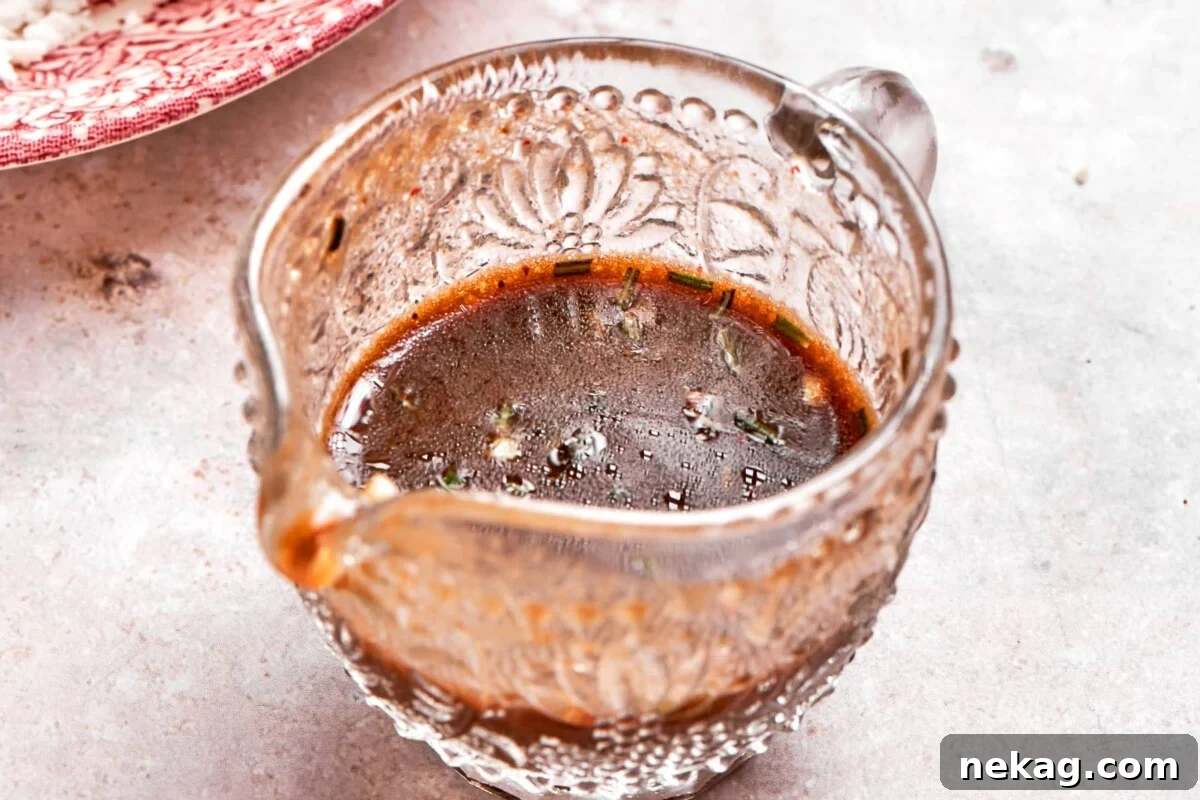
Professional Tips for Perfect Vinaigrette Every Time
Achieving a restaurant-quality vinaigrette at home is simpler than you might think, especially with a few professional insights. These tips will ensure your Lemon Balsamic Vinaigrette is consistently smooth, well-balanced, and bursting with flavor:
- Whisk in the Right Order for Optimal Emulsification: The sequence in which you add ingredients is crucial for a stable emulsion. Always start by combining the acids (balsamic vinegar, lemon juice) with the Dijon mustard, salt, and pepper first. Whisk these ingredients together until the Dijon is fully dissolved. This creates a cohesive base that helps the oil integrate smoothly and prevents separation, resulting in a beautifully uniform dressing.
- Allow the Shallot to Hydrate for Mellowed Flavor: Raw shallots can be quite sharp initially. Giving the dressing a brief rest of about 10 minutes after it’s made allows the minced shallot to “hydrate” in the acidic mixture. This process mellows its sharpness, integrates its delicate oniony flavor more deeply into the dressing, and creates a more rounded, harmonious taste profile. It’s a small step that makes a big difference in flavor complexity.
- Always Taste and Adjust After Resting: The flavors in a freshly made vinaigrette can sometimes be deceptively bright, especially the lemon. After the initial whisking and before serving, let the dressing sit for at least 10 minutes. Then, taste it again. This brief rest period allows the flavors to meld and settle, giving you a more accurate sense of its true profile. At this point, you can precisely adjust the seasoning with a little more salt, pepper, or a tiny squeeze of lemon juice if you desire extra brightness. This step ensures your dressing is perfectly balanced to your palate.
- Use a Narrow Container for Efficient Whisking: For the smoothest and quickest emulsion, choose a container that is taller and narrower, like a measuring cup or a small jar, rather than a wide bowl. This depth allows your whisk to move the mixture more efficiently and bring the oil and vinegar together faster, resulting in a more stable and glossy emulsion.
How to Make Lemon Balsamic Vinaigrette: Step-by-Step
Follow these simple, clear instructions to create a flawless lemon balsamic vinaigrette every time. Detailed measurements for each ingredient can be found in the comprehensive recipe card at the end of this article.
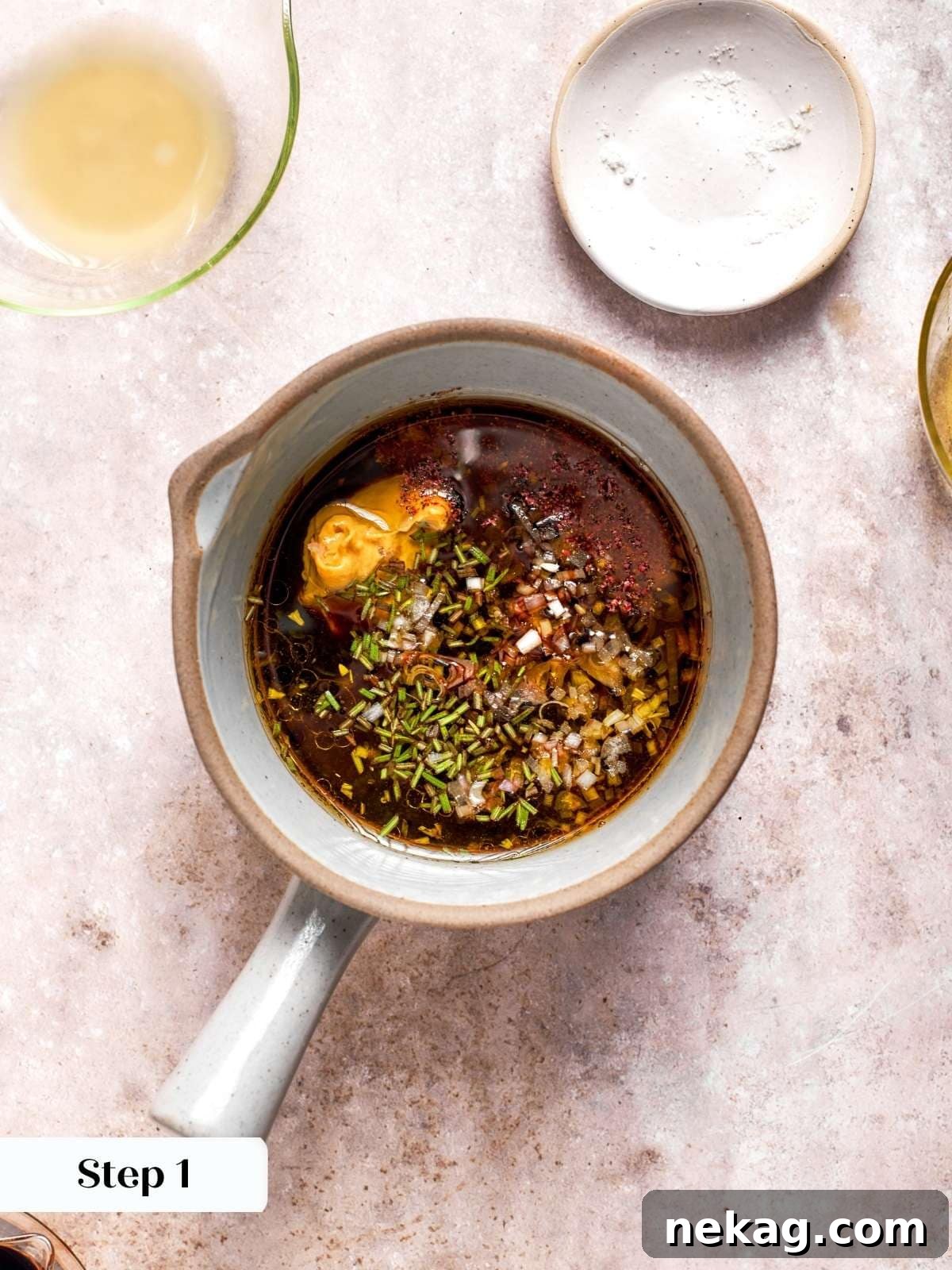
- Build the Flavor Base: In a medium bowl or, ideally, a narrow measuring cup (as recommended in Chef Lindsey’s tip below), combine the balsamic vinegar, finely minced shallot, finely chopped fresh rosemary, Dijon mustard, fresh lemon juice, kosher salt, and a few generous grinds of fresh black pepper.
- Whisk to Integrate: Vigorously whisk this mixture until the Dijon mustard is completely dissolved and all the ingredients appear uniformly combined. This initial whisking is crucial as it helps create a stable base, making it much easier for the oil to emulsify smoothly in the next step.
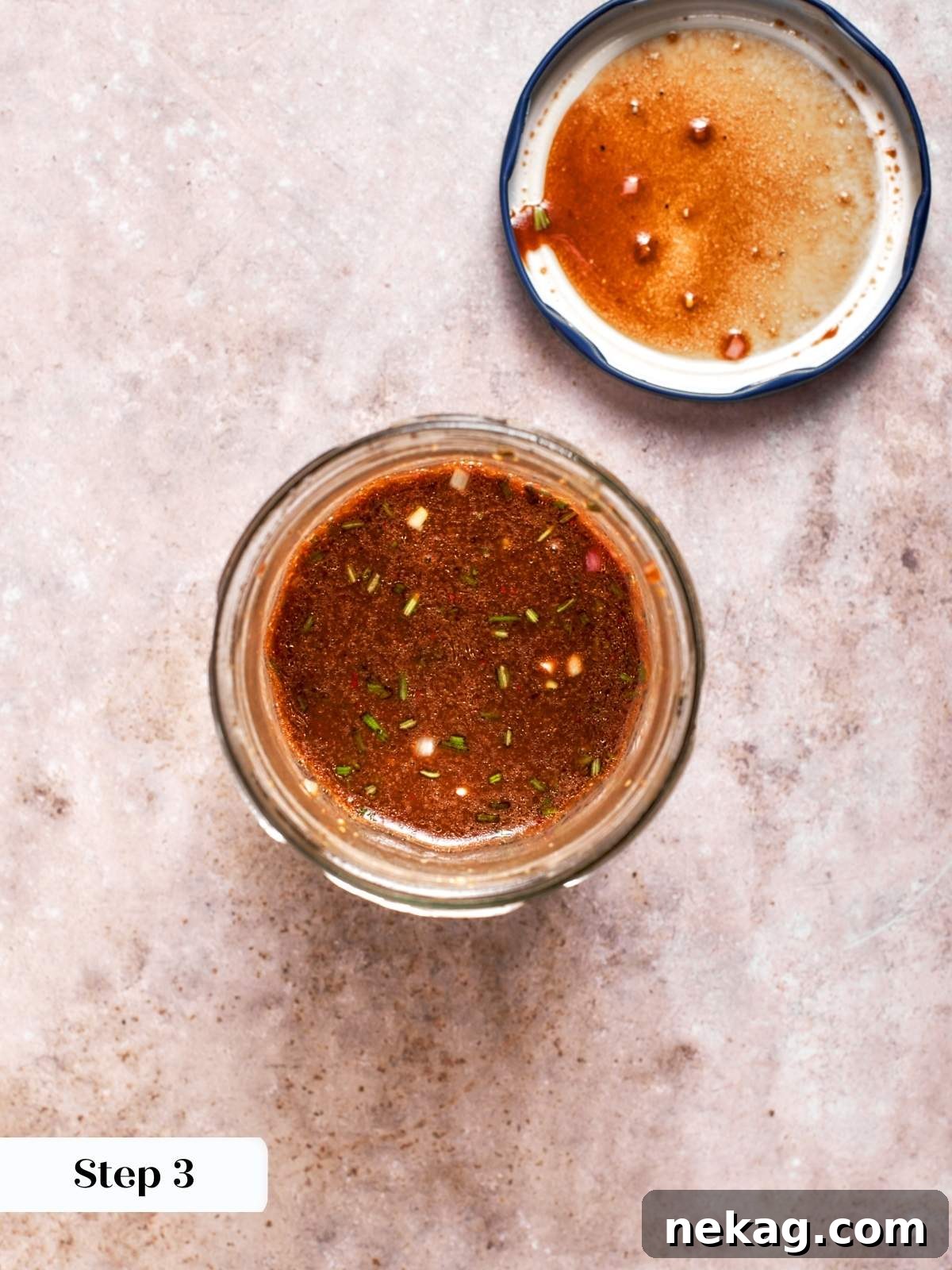
- Emulsify with Olive Oil: While continuing to whisk constantly and vigorously, slowly drizzle in the extra virgin olive oil in a steady stream. Continue whisking until the dressing transforms into a glossy, slightly thickened, and homogenous emulsion. The mixture should no longer look separated.
- Rest, Taste, and Adjust: Once emulsified, allow the dressing to rest for approximately 10 minutes. This resting period allows the flavors to meld beautifully and the sharpness of the shallot to mellow. After resting, taste the vinaigrette. Adjust the seasoning as needed, adding more salt, pepper, or a tiny squeeze of additional lemon juice if you desire a brighter finish.

Chef Lindsey’s Expert Whisking Tip
For the smoothest and most stable emulsion, choose a narrower container, such as a tall measuring cup or a mason jar, for whisking your dressing. The increased depth allows your whisk to more efficiently agitate and combine the oil and vinegar, bringing them together into a beautiful, cohesive emulsion much faster than a wide, shallow bowl would.
Lemon Balsamic Vinaigrette FAQs
Does balsamic vinaigrette need to be refrigerated once opened?
Absolutely. Because this Lemon Balsamic Vinaigrette contains fresh ingredients like lemon juice, shallot, and olive oil, it is essential to refrigerate it after preparation to maintain its freshness and prevent spoilage. Store the vinaigrette in an airtight container or a mason jar with a fitted lid in the refrigerator. It will keep well for up to 5 days. Before each use, simply remove it from the fridge and let it sit at room temperature for a few minutes, then give it a good shake or whisk to recombine any separated ingredients.
How can I prevent vinaigrette from separating?
Some separation in homemade vinaigrettes is completely normal and expected, especially after sitting for a while, as oil and vinegar naturally want to separate. The Dijon mustard in this recipe acts as an excellent emulsifier, significantly helping to prevent rapid separation. However, if you notice your vinaigrette has separated in the refrigerator, simply give it a vigorous shake in its airtight container or a quick whisk before serving. The Dijon will help it come back together quickly and smoothly, restoring its glossy, emulsified texture.
What should I serve lemon balsamic vinaigrette with?
The versatility of this Lemon Balsamic Vinaigrette makes it a fantastic accompaniment for a wide range of dishes. Naturally, it’s superb on classic mixed greens and hearty kale salads, adding a bright tang. It truly shines when drizzled over warm roasted vegetables, such as asparagus, broccoli, sweet potatoes, or Brussels sprouts. Try it on grain bowls to add a burst of flavor, or use it as a quick, flavorful marinade or finishing drizzle for grilled chicken, fish, or pork. For a lighter dinner, I love pairing this vinaigrette with a rich dish like spaghetti squash lasagna, where its freshness provides a beautiful counterpoint to the creamy cheeses.
Can I make this vinaigrette ahead of time?
Absolutely! In fact, making it ahead allows the flavors to meld and deepen even further. Prepare the vinaigrette as directed and store it in an airtight container in the refrigerator for up to 5 days. Remember to give it a good shake or whisk before each use, and allow it to come to room temperature for about 10-15 minutes for the best flavor and consistency.
What kind of balsamic vinegar is best?
While a traditional, aged balsamic vinegar will offer the most complex flavor, any good quality balsamic vinegar you enjoy will work well in this recipe. Look for a balsamic that has a good balance of sweetness and acidity. Avoid overly thin or watery vinegars, as they might lack the depth needed for a rich vinaigrette.
Beyond the Salad Bowl: Creative Serving Suggestions
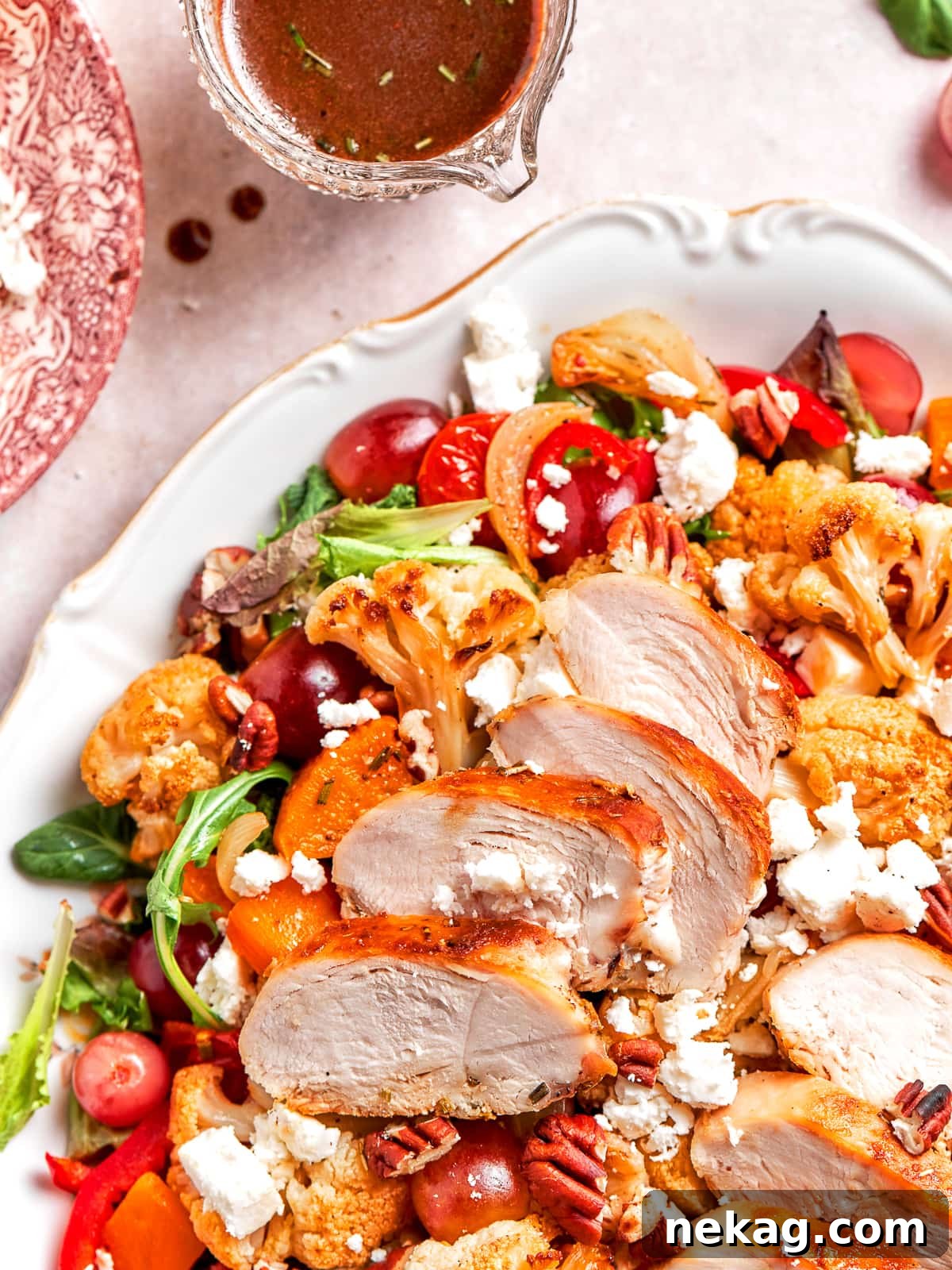
While a fresh green salad is the classic pairing for any vinaigrette, this Lemon Balsamic Vinaigrette is far too versatile to be limited. Its bright and savory notes make it an exceptional companion to a variety of dishes. Here are some inspiring ideas to make the most of your homemade dressing:
- Grilled Meats and Fish: Drizzle generously over grilled chicken breasts, pork chops, or pan-seared salmon and cod. The acidity of the lemon and balsamic cuts through the richness of the protein, while the herbs add a fragrant finish. It also makes a fantastic quick marinade before grilling.
- Roasted or Steamed Vegetables: Transform simple roasted asparagus, broccoli, green beans, or even a medley of root vegetables like carrots and parsnips. Toss the warm vegetables with the vinaigrette right out of the oven for a burst of fresh flavor.
- Grain Bowls and Buddha Bowls: Elevate your favorite grain bowls (quinoa, farro, brown rice) by tossing them with this vinaigrette. Add roasted vegetables, chickpeas, fresh greens, and a protein for a complete and incredibly flavorful meal.
- Pasta Salads: A refreshing alternative to creamy dressings, this vinaigrette is perfect for cold pasta salads. Combine cooked pasta with cherry tomatoes, fresh mozzarella, olives, and basil, then dress with the lemon balsamic for a light and zesty side dish.
- Caprese Skewers or Salad: Drizzle over classic Caprese salad (tomatoes, fresh mozzarella, basil) for a vibrant twist on a beloved Italian favorite.
- Avocado Toast Enhancer: A surprising but delicious pairing! A light drizzle over avocado toast with a sprinkle of flaky sea salt can add an unexpected layer of brightness and tang.
- Marinade Base: Its balanced profile makes it an excellent base for a quick marinade. Marinate chicken, fish, or even firm tofu for 30 minutes to an hour before cooking for an infused flavor.
More Recommended Dressing & Sauce Recipes
Sauces & Condiment Recipes
Classic Homemade Italian Salad Dressing Recipe
Easy Side Dish Recipes
Healthy Creamy Coleslaw Recipe
Sauces & Condiment Recipes
Elegant Champagne Vinaigrette Recipe
Sauces & Condiment Recipes
How to Make Rich Gravy from Drippings
If you tried this wonderful recipe and loved it, please consider leaving a 🌟 star rating and sharing your thoughts in the comments section below. Your feedback truly brightens my day and helps other home cooks!

Lemon Balsamic Vinaigrette
Chef Lindsey
5
5
12 servings (approx. ¾ cup)
Comment
Print Recipe
Ingredients
- ½ cup balsamic vinegar
- ¼ cup extra virgin olive oil
- 1 tablespoon shallot finely minced
- 1 pinch fresh rosemary finely chopped
- ¾ teaspoon Dijon mustard
- 1½ teaspoons fresh lemon juice
- ½ teaspoon kosher salt
- black pepper freshly ground, to taste
Instructions
-
In a bowl or a narrow measuring cup, combine the balsamic vinegar, olive oil, minced shallot, finely chopped rosemary, Dijon mustard, fresh lemon juice, kosher salt, and freshly ground black pepper.
-
Vigorously whisk all ingredients together until completely emulsified, meaning the oil and vinegar are fully combined into a glossy, uniform dressing.
-
Allow the vinaigrette to rest for about 10 minutes. This helps the flavors meld and the shallot to mellow.
-
Taste and adjust seasoning as needed, adding more salt, pepper, or lemon juice for brighter flavor if desired. Serve immediately or store.
Notes
- Yield: Approximately ¾ cup.
- Technique: Whisk vigorously until glossy and slightly thickened. If separation occurs during storage, simply shake or whisk to recombine; the Dijon will help it come back together quickly.
- Storage: Refrigerate in an airtight container for up to 5 days. For best results, allow it to come to room temperature briefly and shake/whisk before using.
Nutrition (per serving)
Calories: 50kcal | Carbohydrates: 2g | Protein: 0.1g | Fat: 5g | Saturated Fat: 1g | Polyunsaturated Fat: 0.5g | Monounsaturated Fat: 3g | Sodium: 103mg | Potassium: 17mg | Fiber: 0.1g | Sugar: 2g | Vitamin A: 3IU | Vitamin C: 0.4mg | Calcium: 5mg | Iron: 0.1mg
Condiments, Salad
American
Before You Go: Your Culinary Journey Continues
I genuinely hope you enjoyed discovering and preparing this bright, versatile Lemon Balsamic Vinaigrette. It’s a simple addition to your cooking repertoire that promises to elevate countless meals with its fresh, balanced flavor. Mastering a few essential dressings and sauces can transform your cooking, making everyday dishes feel truly special and gourmet.
Don’t stop here! I encourage you to explore more of my easy, chef-tested sauces and vinaigrettes to continue enhancing your culinary skills and delighting your palate. From creamy concoctions to zesty emulsions, there’s a world of flavor waiting to be whisked up in your own kitchen. Happy cooking!