
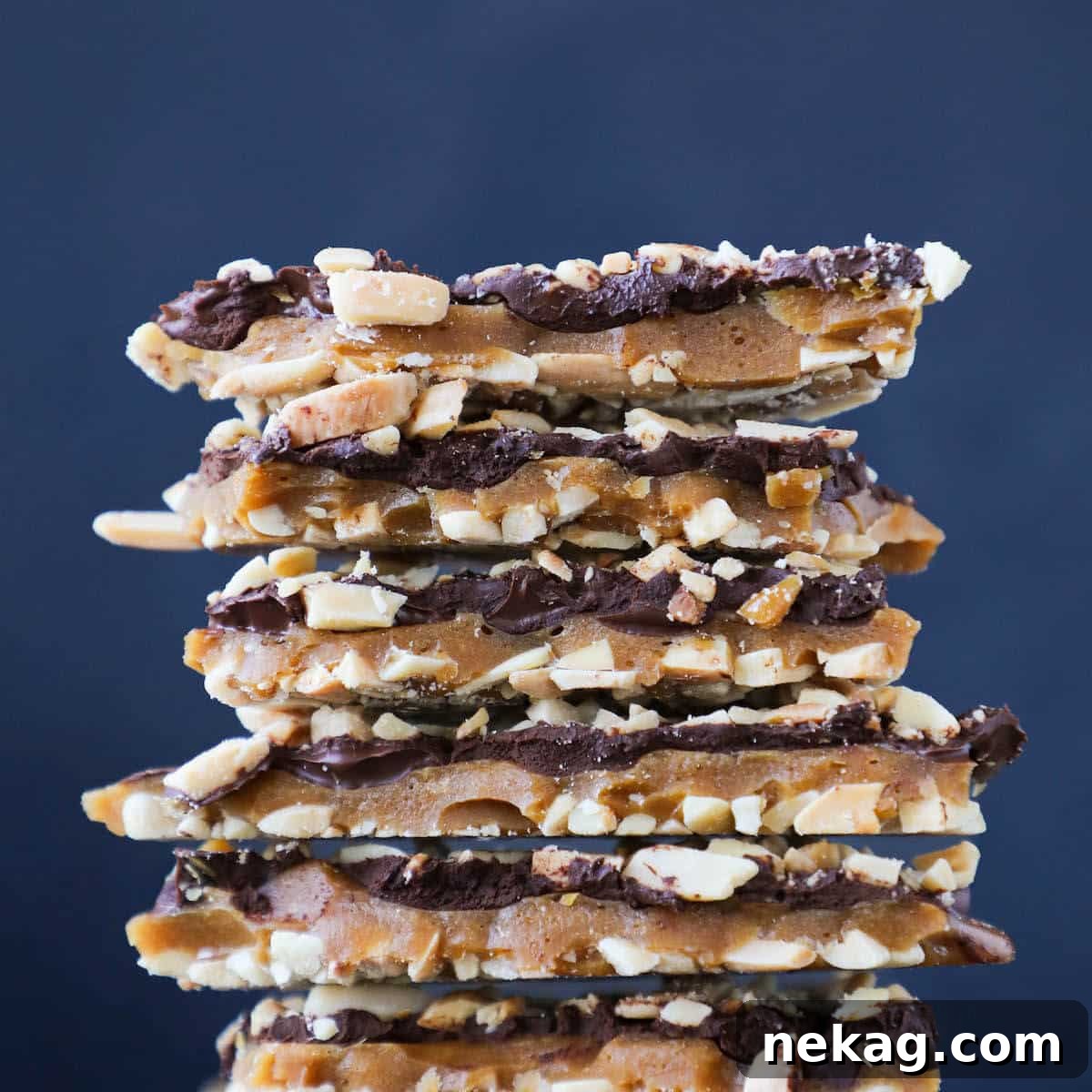
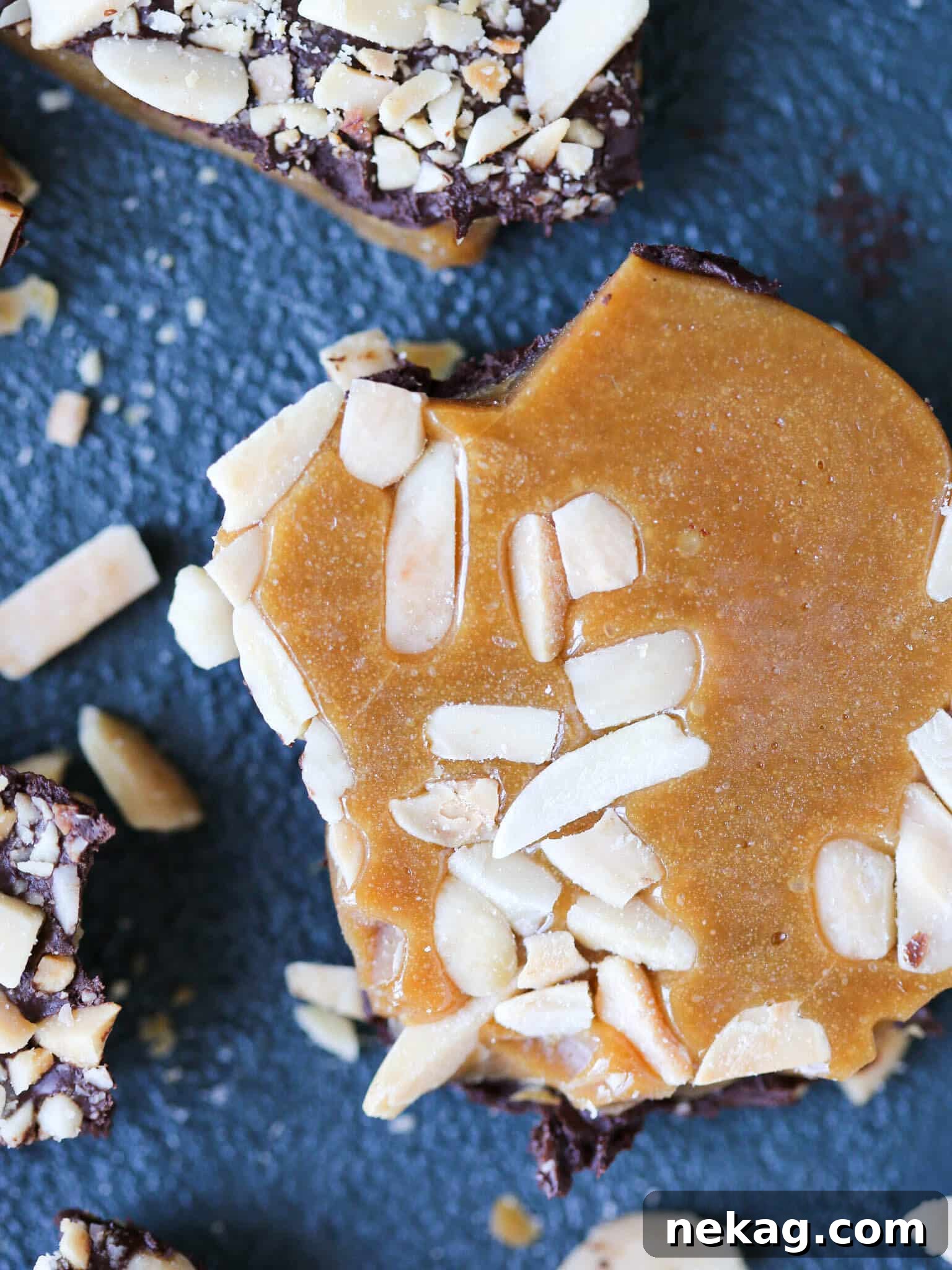
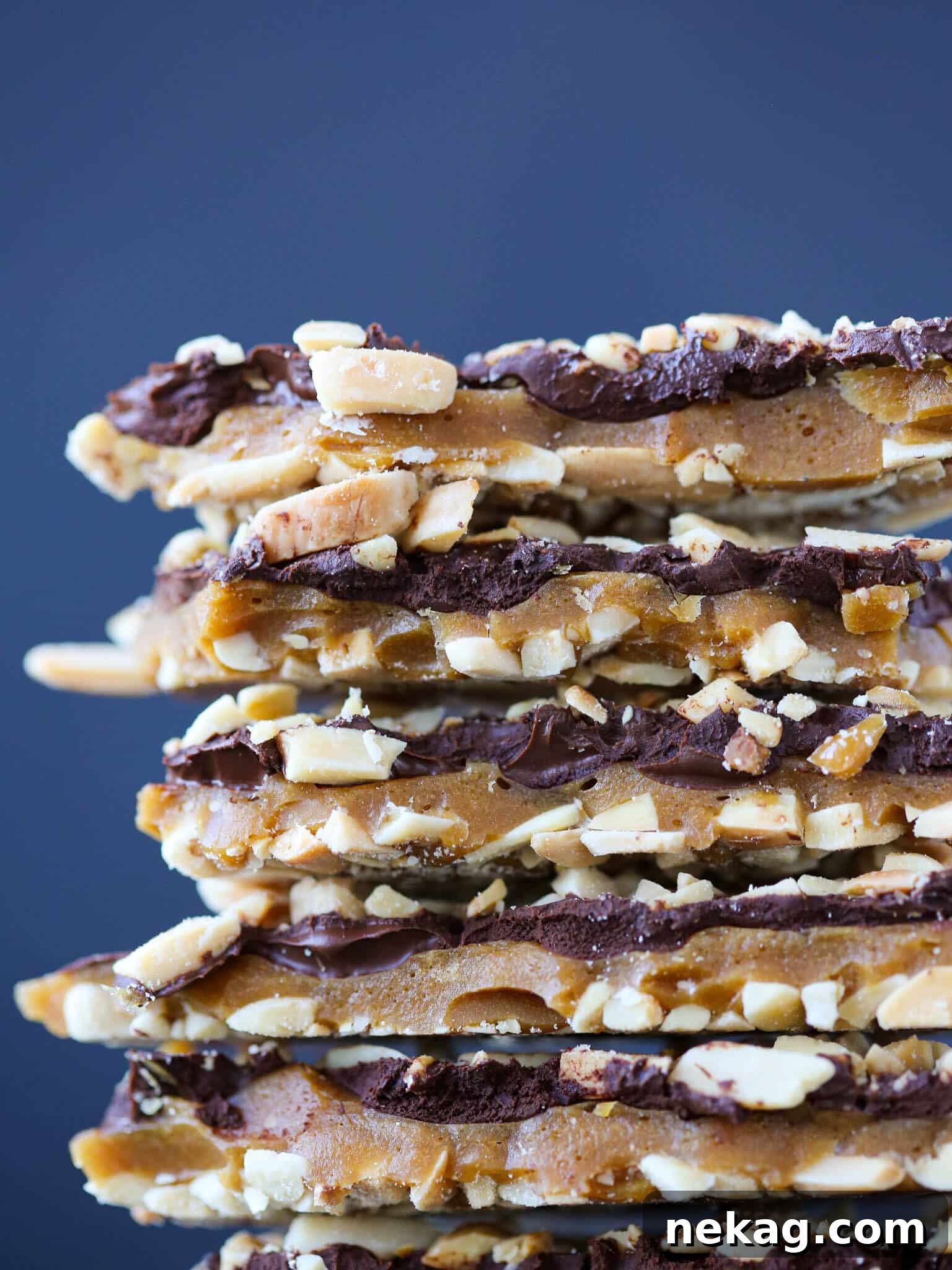
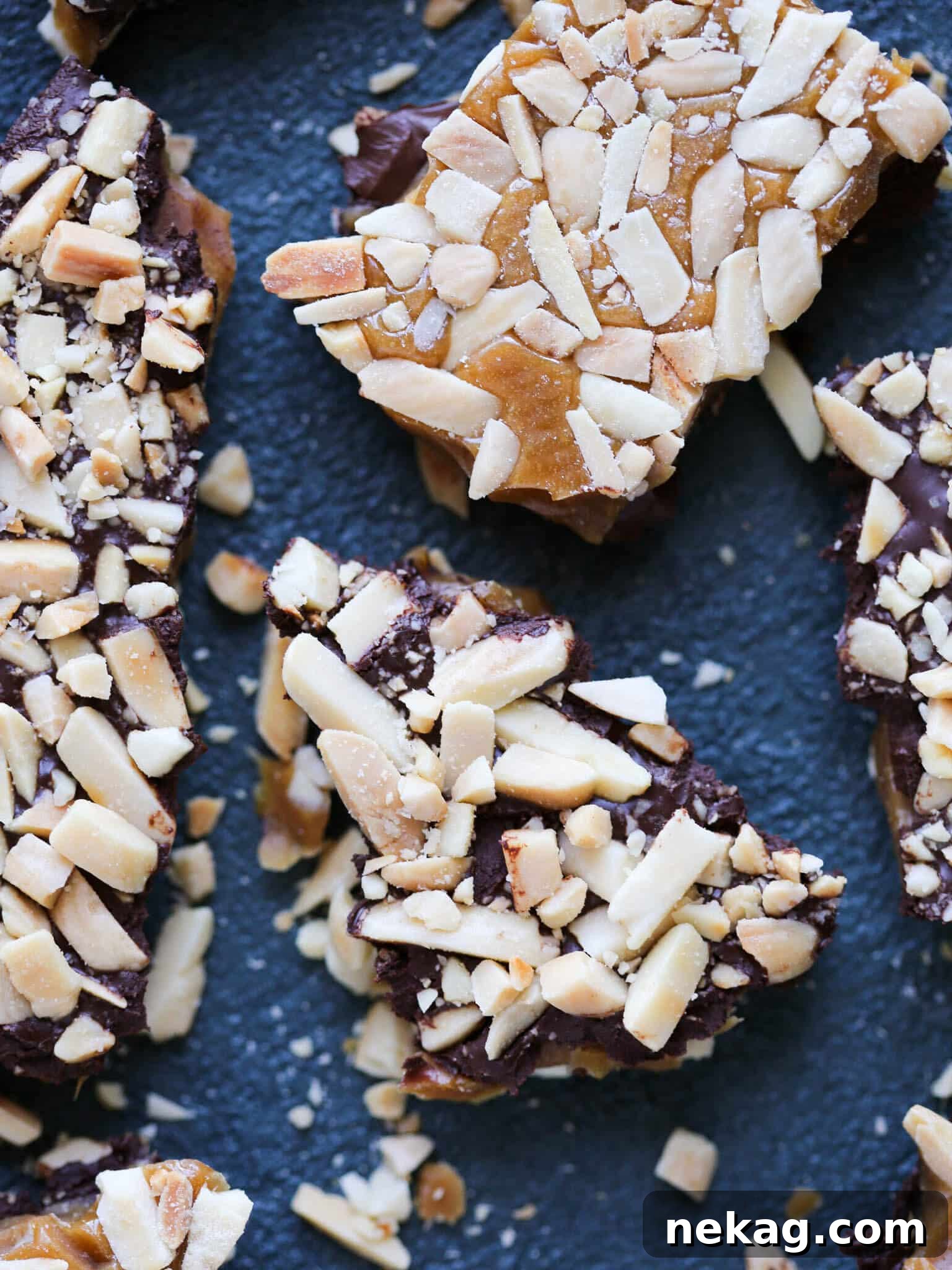
Welcome to the ultimate guide for crafting exquisite homemade toffee that’s thin, incredibly crunchy, and bursting with flavor. Forget complicated candy-making myths; our professional pastry chef shows you how to achieve toffee perfection in under 30 minutes! This delightful confection features layers of perfectly toasted almonds, a golden, buttery crunch, and a rich bittersweet chocolate topping. It’s not just a treat; it’s the ideal homemade gift or a show-stopping addition to any holiday table.
A Quick Look At The Recipe
This is a brief summary of the recipe. Jump to the recipe for full details.
Jump to Recipe
Prep Time
20 minutes
Cook Time
20 minutes
Total Time
40 minutes
Servings
20 pieces
Difficulty
Moderate (easy steps)
Calories *
154 kcal per serving
Technique
Make toffee, pour over nuts, top with chocolate.
Flavor Profile
Crunchy butterscotch-like candy covered in chocolate.
* Based on nutrition panel
Summarize & Save this content on
google ai
perplexity
grok
I can’t get enough of hazelnuts and chocolate, so I made this toffee with toasted hazelnuts, and it was such a great treat! I was making it to serve with Nutella pudding. I will have to make another batch haha. I’m so glad I checked my candy thermometer; turns out it was 10 points below! Could have been a disaster. ⭐⭐⭐⭐⭐
Mara
Toffee is a confection often perceived as intricate and challenging, but with this detailed tutorial, you’ll discover how incredibly straightforward it is to master. Unlike some more time-consuming treats like homemade Chocolate Bourbon Truffles, this recipe is ready in under 30 minutes! The secret to successful candy-making, whether it’s this glorious homemade toffee, a classic Old Fashioned Chocolate Fudge, or delicate Pecan Pralines, lies in meticulous preparation. Ensure all your ingredients are precisely measured and conveniently laid out near your stovetop. Most importantly, a reliable candy thermometer is an absolute must-have for achieving that perfect, crisp texture.
Our toffee recipe incorporates a touch of baking soda, which is key to producing a lighter, less sticky, and utterly melt-in-your-mouth candy. This nutty, crunchy toffee pairs exquisitely with an array of baked goods. Imagine serving it alongside fragrant cardamom crescents, buttery pecan snowball cookies, traditional Moravian Christmas Cookies, or decadent fudgy brownie cookies. Together, they create an unforgettable holiday cookie tray that will impress everyone.
Table of Contents
- Mastering Toffee Texture: Why Does My Toffee Get Sticky?
- Essential Ingredients for Perfect Toffee
- Creative Substitutions & Flavor Variations
- Frequently Asked Questions About Homemade Toffee
- Homemade Toffee Recipe Card
- Beyond This Recipe: More Sweet Treats!
Mastering Toffee Texture: Why Does My Toffee Get Sticky?
Achieving that signature crisp, buttery snap in homemade toffee can sometimes be elusive, leading to a frustratingly sticky result. There are a few scientific reasons why your toffee might not set up perfectly crunchy.
Firstly, the most critical factor is cooking the sugar to the precise temperature of 285°F (soft crack stage). Sugar goes through various stages as it heats, each corresponding to a specific texture. If you remove the toffee mixture from the heat too early, before it reaches the soft crack stage, the sugar molecules won’t be sufficiently dehydrated and caramelized, resulting in a chewy or sticky consistency rather than a brittle one. A reliable candy thermometer is your best friend here!
Secondly, the role of baking soda cannot be overstated in buttercrunch toffee. When added, baking soda reacts with the acid naturally present in brown sugar. This reaction creates tiny carbon dioxide bubbles, which are then trapped within the toffee as it cools. These air pockets make the toffee lighter, more porous, and significantly less sticky, contributing to its satisfying crunch. If insufficient baking soda is used, or if it has lost its potency (always check the expiration date!), your toffee may turn out dense and tacky.
Lastly, humidity is a silent enemy in candy-making. Sugar is a hygroscopic substance, meaning it readily absorbs moisture from the air. Even if you follow all the steps meticulously, making toffee on a humid day can lead to it absorbing ambient moisture as it cools, resulting in a sticky, slightly melted texture. For best results, try to make toffee on a dry day, or consider using a dehumidifier in your kitchen if humidity is a consistent challenge.
Essential Ingredients for Perfect Toffee
Each ingredient in this homemade toffee recipe plays a crucial role in developing its unique flavor, texture, and overall appeal. Here’s a closer look at what makes our toffee truly special:
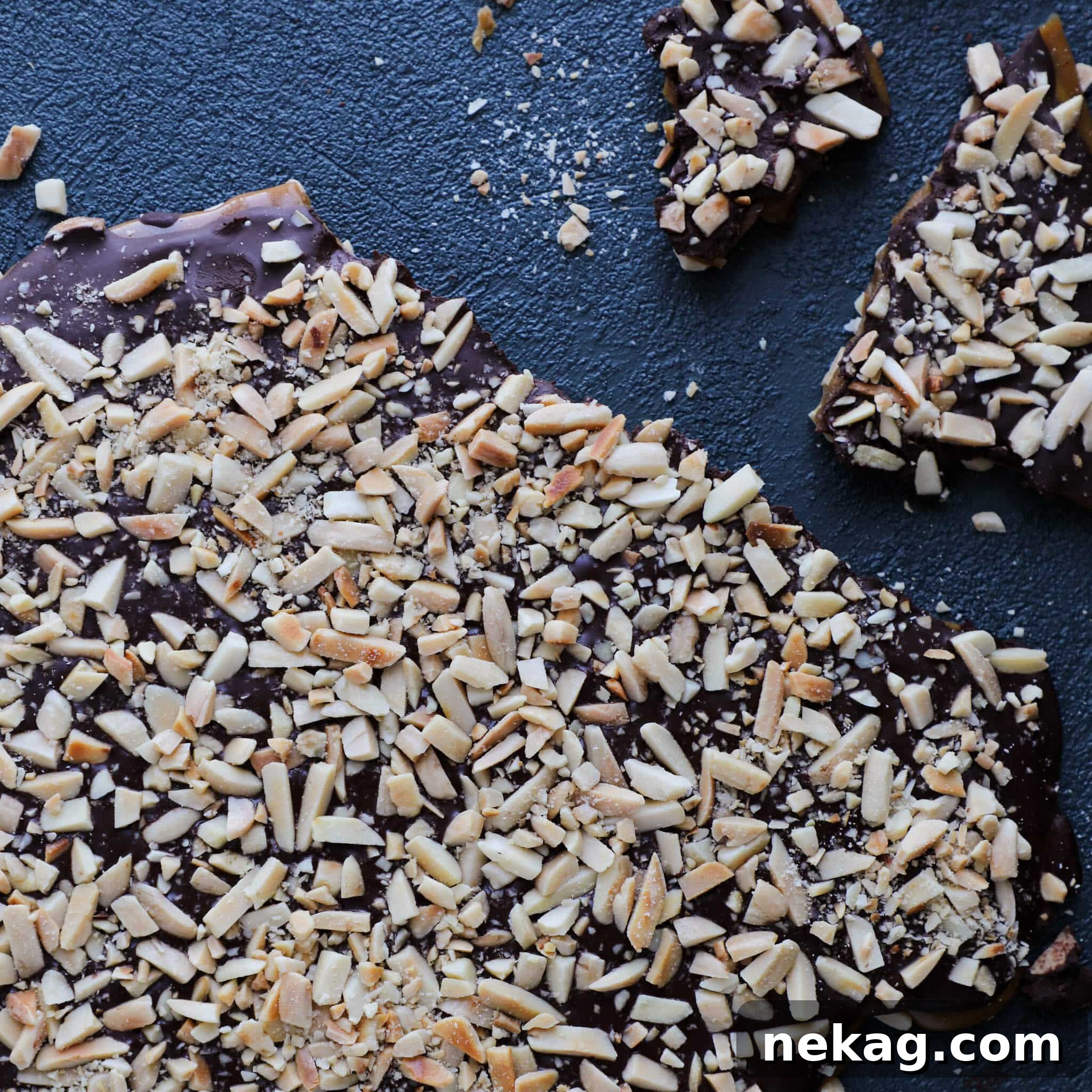
- Almonds: We opt for blanched, slivered almonds. Toasting these almonds before incorporating them into the toffee is a vital step. The toasting process not only enhances their nutty flavor, providing a wonderful counterpoint to the sweetness of the toffee and chocolate, but also adds an extra layer of satisfying crunch. It’s a simple step that elevates the entire confection.
- Light Brown Sugar: The foundation of our toffee’s distinct flavor and rich texture comes from light brown sugar. As it cooks, the molasses in the brown sugar caramelizes, imparting those classic butterscotch-like notes that are characteristic of truly great toffee. While light brown sugar is preferred for its balanced sweetness, dark brown sugar can be substituted for a deeper, more robust molasses flavor.
- Water: In candy making, water is essential for dissolving the sugar crystals evenly. This initial dissolution prevents the sugar from burning prematurely and helps create a smooth, homogenous syrup before it reaches its critical temperature. Using cold water is often recommended as it allows for a slower, more controlled heating process, giving you more time to reach the desired temperature accurately.
- Unsalted Butter: We specify unsalted butter to maintain precise control over the salt content in the recipe. Butter is indispensable in candy making, particularly for toffees, caramels, and brittles, as it contributes a luxurious smoothness, unparalleled richness, and a delightful creaminess that balances the sweetness.
- Kosher Salt: Kosher salt, with its larger flakes and less intense salinity compared to table salt, is perfect for this recipe. It’s crucial for enhancing and balancing the overall flavor profile, preventing the toffee from tasting overly sweet or bland. A touch of salt brings out the depth of the brown sugar and chocolate.
- Vanilla Extract: High-quality vanilla extract is more than just a flavor enhancer; it’s a bridge that harmonizes the other ingredients. It adds a warm, aromatic depth on its own, and also has the magical ability to boost and round out the flavors of both the brown sugar and the bittersweet chocolate, creating a more complex and satisfying taste.
- Baking Soda: A small but mighty ingredient, baking soda is what gives this toffee its light, aerated, and perfectly crisp texture. It reacts with the acids in the brown sugar to create tiny gas bubbles, which prevent the toffee from becoming dense and sticky. Always ensure your baking soda is fresh for optimal results; if it’s past its prime, it makes an excellent deodorizer for your fridge or a gentle cleaner for countertops!
- Bittersweet Chocolate: Our choice of bittersweet chocolate provides a sophisticated contrast to the sweet, buttery toffee. Its deep cocoa notes and slightly less sugar content balance the richness, creating a harmonious and addictive flavor profile. As you experiment with making homemade toffee, you’ll discover your preferred chocolate intensity to truly personalize this treat, making it one of the great gifts for home cooks to master and customize.
Creative Substitutions & Flavor Variations
One of the joys of making homemade toffee is the endless possibilities for customization. Feel free to experiment with these delicious substitutions and additions to make this recipe truly your own:
- Nuts: While almonds are fantastic, this toffee is incredibly versatile. You can easily substitute any nut of your choice. Toasted hazelnuts would offer a phenomenal flavor pairing, especially if you love the combination, as seen in our nutella truffles. Toasted walnuts also provide a wonderful earthy note and satisfying crunch. Pecans, pistachios, or even macadamia nuts could create unique and equally delicious variations. Always remember to toast your chosen nuts for enhanced flavor!
- Chocolate: Our recipe calls for bittersweet chocolate to provide a delightful contrast. However, if you prefer a sweeter treat, semi-sweet chocolate chips or chopped bars would work beautifully, offering a milder cocoa flavor. We generally advise against using unsweetened chocolate as it tends to be too bitter, even when paired with the sweet toffee, overwhelming the balance. For a truly decadent experience, consider white chocolate for a different aesthetic and flavor profile, or even a blend of milk and dark chocolate.
- Dark Brown Sugar: If you’re looking for a deeper, more robust molasses flavor, you can certainly substitute dark brown sugar for light brown sugar. This will give your toffee a richer, more intense caramel-like taste, similar to what you’d find in a classic sticky toffee pudding.
- Dried Fruits: For an added layer of chewiness and fruity flavor, dried fruits can be a delightful combination. If you’re considering how to make homemade toffee with dried fruits, here’s a tip: sprinkle about ½ to 1 cup of finely chopped dried fruit (such as cranberries, cherries, apricots, or even finely diced candied ginger) along with the almonds on the baking sheet *before* pouring the hot toffee mixture over the top. This method allows the heat from the toffee to gently soften the fruit, incorporating it seamlessly into the candy, rather than having them sit hard on top.
Frequently Asked Questions About Homemade Toffee
To maintain its crisp texture and fresh flavor, store homemade toffee in an airtight container at room temperature. Ensure it’s kept away from direct sunlight or heat sources that could cause the chocolate to melt or the toffee to soften.
When stored correctly in an airtight container at room temperature, homemade toffee will retain its quality and deliciousness for up to a month. After this period, you might notice the toffee beginning to crystallize slightly, which can alter its texture, but it will generally still be perfectly safe and enjoyable to eat.
While it’s technically possible to freeze toffee, we generally advise against it if you want to preserve its signature crunchy texture. When thawed, toffee tends to absorb moisture, which can cause it to become sticky and lose its crispness. For best results, enjoy it fresh or store it at room temperature as recommended.
Yes, you can absolutely make a larger batch of toffee, which is great for holiday gifting or entertaining! However, it’s crucial to ensure your pot is large enough to safely accommodate the increased volume of ingredients without overflowing during the boiling process. A larger batch will naturally take longer to cook and reach the soft crack stage, so be patient and continue stirring. If you’re making a very large batch, you can easily divide the hot toffee mixture among multiple parchment-lined baking sheets for cooling.
If you tried this recipe and loved it, please leave a 🌟 star rating and let me know how it goes in the comments below. I love hearing from you; your comments make my day!
Homemade Toffee
Chef Lindsey
20 mins
20 mins
40 mins
20 pieces
Comment
Print Recipe
Ingredients
- 2 cups blanched sliced almonds
- 1 ¼ cups light brown sugar firmly packed
- 2 tablespoons water
- ½ cup unsalted butter
- ¼ teaspoon kosher salt
- 1 teaspoon vanilla extract
- ¼ teaspoon baking soda
- 6 oz bittersweet chocolate chopped
Instructions
-
Preheat oven to 350°F (175°C). Spread the slivered almonds in a single layer on a baking sheet. Toast, stirring occasionally, until they achieve a light golden brown color and release a fragrant aroma. This usually takes about 5-8 minutes. Cool completely to ensure maximum crunch.
-
Once cooled, finely chop the almonds. You can do this by hand with a sharp knife or pulse them briefly in a food processor. Be careful not to over-process them into a powder; you want distinct, small pieces for texture.
-
Line a 9×13-inch cookie sheet (or similar size) with parchment paper or waxed paper, extending over the edges for easy removal. Evenly sprinkle half of the finely chopped almonds onto the prepared cookie sheet, aiming for a roughly 7×10-inch rectangle in the center. Set aside.
-
Before you begin cooking, ensure all remaining ingredients (brown sugar, water, butter, salt, vanilla extract, baking soda, and chopped chocolate) are measured out and conveniently placed near your stovetop. Candy making moves quickly, and having everything ready is key.
-
In a medium, heavy-bottomed saucepot, combine the light brown sugar, water, unsalted butter, and kosher salt. Stir these ingredients thoroughly to combine them. Turn the heat to medium and bring the mixture to a rolling boil, stirring constantly to prevent scorching and ensure the sugar dissolves completely.
-
Continue to boil the mixture, stirring occasionally, until it reaches precisely 285°F (140°C) on your candy thermometer (this is the soft crack stage). Immediately remove the saucepot from the heat. Carefully remove the thermometer, then quickly stir in the vanilla extract and baking soda until fully incorporated. The mixture will lighten slightly and foam up.
-
Working swiftly, pour the hot toffee mixture evenly over the almonds on the prepared baking sheet. Immediately scatter the chopped bittersweet chocolate over the hot toffee. Allow it to sit for about 5 minutes, giving the chocolate time to melt from the residual heat. Then, use an offset metal spatula to spread the melted chocolate evenly over the toffee. Finally, sprinkle the remaining half of the chopped almonds over the chocolate layer. Allow the toffee to cool completely at room temperature, which can take several hours, or chill in the refrigerator for about 30-60 minutes to speed up the process.
-
Once completely cool and firm, carefully lift the toffee off the baking sheet using the parchment paper. Break it into irregular pieces by hand or use a sharp knife. Store as directed below.
Chef’s Notes & Pro Tips
Let’s get into it like a PROFESSIONAL CHEF:
Presentation & Texture – For beautifully varied bits of almond throughout your toffee, avoid grinding your toasted almonds too finely. Aim for a mix of textures. When spreading the first half of almonds on the baking sheet, try to keep them confined to roughly the size your toffee will spread to, ensuring an even distribution.
Flavor Harmony – While bittersweet chocolate offers an elegant balance, semi-sweet chocolate can be used for a slightly sweeter finish. Unsweetened chocolate is generally too intense and can overpower the delicate toffee flavor. Don’t be afraid to try different chocolate types or even a blend!
Mastering the Technique – Remember, candy-making is a precise science. Reaching the exact 285°F (soft crack stage) is non-negotiable for that perfect brittle crunch. The baking soda is also crucial; it reacts with the acid in brown sugar to create lightness. Be mindful of humidity – sugar is hygroscopic, meaning it absorbs moisture from the air. Even perfect execution won’t prevent stickiness on a very humid day, so choose your day wisely!
Essential Tools – A reliable candy thermometer is truly mission-critical. I prefer one that clips securely to the side of the pot for constant temperature monitoring. Always test your thermometer’s calibration before you begin by placing it in boiling water; it should read 212°F (100°C).
Creative Variations – Beyond almonds, experiment with other nuts like toasted walnuts, pecans, or hazelnuts for distinct flavor profiles. For fruity notes, sprinkle ½ – 1 cup of finely chopped dried fruits (like cranberries or apricots) along with the almonds on the baking sheet before pouring the toffee. The hot toffee will gently soften them, integrating them beautifully.
Storage Best Practices – Store your homemade toffee in an airtight container at room temperature for approximately one month. While it can technically be frozen, it’s not recommended as thawing can introduce moisture, causing the toffee to lose its delightful crunch and become sticky.
Recipe adapted from Rose’s Christmas Cookies, by Rose Levy Beranbaum. 1990 Edition.
Yield: Approximately 1 pound of toffee
Nutrition
Calories: 154kcal
|
Carbohydrates: 7g
|
Protein: 3g
|
Fat: 14g
|
Saturated Fat: 5g
|
Polyunsaturated Fat: 2g
|
Monounsaturated Fat: 6g
|
Trans Fat: 0.2g
|
Cholesterol: 13mg
|
Sodium: 46mg
|
Potassium: 121mg
|
Fiber: 2g
|
Sugar: 4g
|
Vitamin A: 147IU
|
Calcium: 32mg
|
Iron: 1mg
Candy & Chocolate
American
154
Like this? Leave a comment below!
Beyond This Recipe: More Sweet Treats!
Loved making this homemade toffee? Explore our extensive collection of other delicious, chef-developed candy recipes to satisfy your sweet cravings. If you’re planning for the holidays, you might also want to discover some easy Christmas cookies that pair wonderfully with toffee, or choose a few traditional Christmas cookies to complete your festive spread!